Condo Reserves Explained: Why Florida Buyers Should Pay Attention
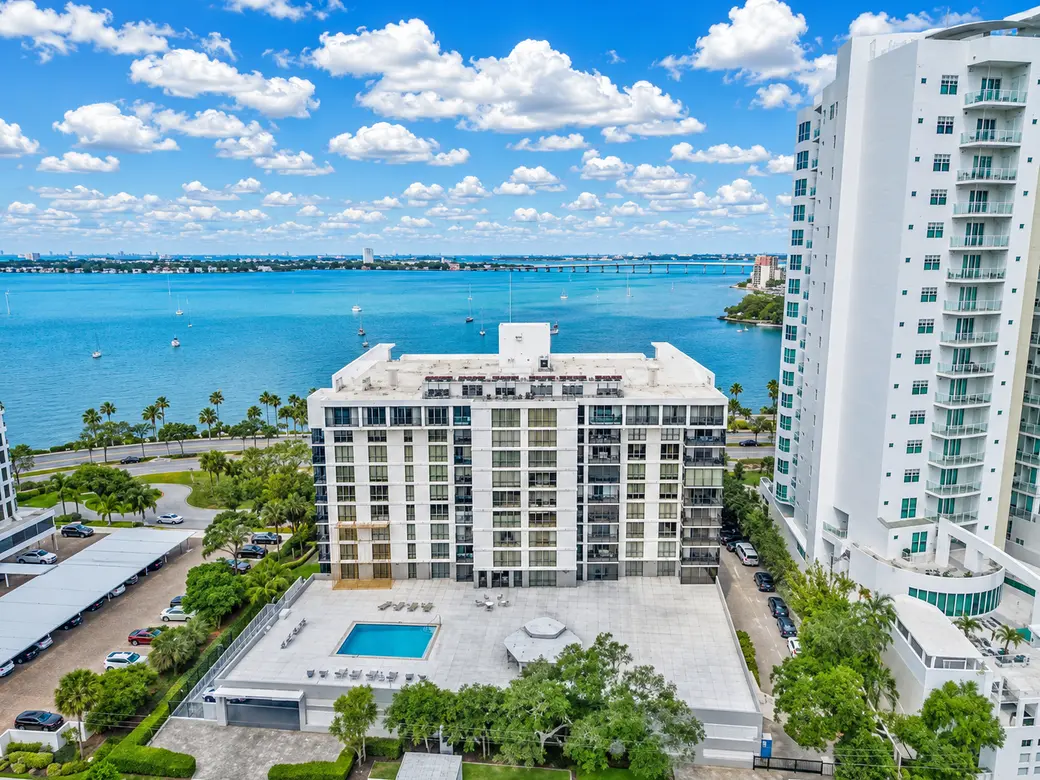
Florida condo reserves are funds an association sets aside for future repair, replacement and deferred-maintenance expenses. For buyers, the important question is not simply how much money is sitting in a reserve account. It is whether the association's reserves, funding plan and other available resources make sense when compared with the building's anticipated obligations. In 2026, this review is especially important because current Florida law requires Structural Integrity Reserve Studies for qualifying condominium buildings and limits the ability of applicable associations to waive required funding for specified components. Buyers should review reserves together with budgets, inspections, special assessments, insurance, major projects and recent association records before purchasing.
Buying a condominium means purchasing an individual residence while also becoming part of an association responsible for shared property. A beautifully renovated unit can therefore exist in a building facing substantial future expenses. Hunt Brothers Realty's guide to condo documents buyers should review before closing explains why association finances deserve attention alongside the residence itself.
Quick Answers About Florida Condo Reserves
What are condo reserves?
Condo reserves are funds accumulated for future repair, replacement and deferred-maintenance expenses involving association property. They allow an association to plan for major costs over time rather than treating every large project as an unexpected expense.
What is a Structural Integrity Reserve Study in Florida?
A Structural Integrity Reserve Study, commonly called a SIRS, is a reserve-planning study required for qualifying Florida condominium buildings. It evaluates specified building components, estimates remaining useful life and replacement or deferred-maintenance expenses, and provides a recommended reserve funding schedule.
Does every Florida condo need a SIRS?
No. Current Florida law generally requires a SIRS for residential condominium association buildings that are three habitable stories or higher, subject to statutory requirements and exceptions. Buyers should verify whether the requirement applies to the specific condominium they are considering.
Can Florida condo associations still waive reserves?
The answer depends on the reserve and association. For budgets adopted on or after December 31, 2024, a unit-owner-controlled association required to obtain a SIRS generally may not vote to provide no reserves or less than required for the applicable SIRS components, subject to statutory exceptions and alternative funding provisions.
Does a large reserve balance mean a condo association is financially healthy?
Not necessarily. A large reserve balance can still be inadequate if expensive projects are approaching. Buyers should compare available funds with anticipated repair and replacement obligations, current budgets, reserve studies, association debt and planned capital work.
Do properly funded reserves guarantee there will be no special assessment?
No. Reserve planning can reduce reliance on unexpected assessments for predictable expenses, but future costs, unexpected damage, insurance events, project changes and other circumstances can still result in additional assessments or financing needs.
Is a SIRS the same as a milestone inspection?
No. A milestone inspection evaluates the structural condition of certain aging buildings and whether substantial structural deterioration exists. A SIRS is a reserve-planning study addressing specified components, anticipated expenses and funding. They are separate requirements, although they may be coordinated in certain circumstances.
What reserve documents should a Florida condo buyer review?
Depending on the condominium, buyers should review the current budget, financial statements, reserve information, applicable SIRS, applicable milestone inspection information, special assessments, recent meeting minutes, insurance information and documentation for major completed or planned projects.
What Are Condo Reserves and Why Do They Exist?
A condominium association is responsible for maintaining certain common property and building components according to Florida law and the condominium's governing documents. Some expenses occur routinely, while others involve major projects that may arise only every several years or decades.
Reserves are intended to help plan for those larger future expenses.
Depending on the condominium and association responsibilities, significant shared expenses can involve components such as:
- Roofs
- Structural systems
- Waterproofing and exterior painting
- Plumbing systems
- Electrical systems
- Fire-protection systems
- Windows and exterior doors when maintained by the association
- Elevators and other major shared components, depending on the condominium
The exact responsibility for a component is property-specific. Buyers should review the declaration and other governing documents rather than assuming every condominium association maintains the same items.
Why Should Condo Reserves Matter to a Buyer?
Because the association's future expenses ultimately matter to its owners.
Suppose a condominium has a major roof, waterproofing or structural project approaching. The relevant question is not simply whether the association currently has $1 million in reserves. Buyers need to understand how much the anticipated work may cost, what other reserve obligations exist, how much is already funded, what annual contributions are planned and whether the association expects to use regular assessments, special assessments, financing or another permitted funding method.
That is why Hunt Brothers Realty's guide to evaluating a condo association's financial health recommends looking beyond the reserve account balance.
What Is a Structural Integrity Reserve Study?
Florida's Department of Business and Professional Regulation describes a Structural Integrity Reserve Study as a study of reserve funds required for future repairs and replacement of condominium property.
Under current Florida Statute 718.112, qualifying residential condominium associations generally must obtain a SIRS at least every 10 years after the condominium's creation for each condominium building that is three habitable stories or higher.
At a minimum, the current statute identifies these SIRS components as related to structural integrity and safety:
- Roof
- Structure, including specified load-bearing and primary structural systems
- Fireproofing and fire-protection systems
- Plumbing
- Electrical systems
- Waterproofing and exterior painting
- Windows and exterior doors
- Certain other qualifying items whose failure to maintain or replace would negatively affect specified structural components
The SIRS must identify applicable items being visually inspected, estimate their remaining useful lives, estimate replacement costs or deferred-maintenance expenses and provide a recommended reserve funding plan or schedule.
Does a SIRS Mean the Association Must Have All the Money Today?
No. This is an important distinction for Florida condo buyers.
DBPR explains that Florida law does not generally require the reserve account to contain the entire eventual replacement cost of every SIRS component immediately upon completion of the study.
Instead, the reserve funding schedule considers the component's estimated remaining useful life and anticipated cost. The statutory baseline funding approach is designed so that the reserve cash balance remains above zero while funding anticipated obligations according to the plan.
For example, a component expected to require replacement years in the future does not necessarily require its entire projected replacement cost to be sitting in cash today. The association's funding schedule may accumulate money over the remaining useful life of the component.
What Changed About Florida Condo Reserves?
Florida condominium reserve and inspection requirements changed substantially after legislation enacted in recent years, and additional changes followed through 2025. Buyers should therefore be careful with older articles describing how associations historically handled reserves.
Under current law, associations existing on or before July 1, 2022, that are controlled by unit owners other than the developer generally were required to complete a SIRS by December 31, 2025, for applicable buildings. An association required to complete a milestone inspection on or before December 31, 2026 may, under the statutory provisions, complete the SIRS simultaneously with that milestone inspection, but the SIRS may not be completed after December 31, 2026.
For a buyer in 2026, this makes the association's current SIRS status a useful due-diligence question when the building is subject to the requirement.
Can Florida Condo Owners Vote to Waive Required SIRS Reserves?
For qualifying SIRS components, the flexibility that associations historically had to reduce or waive reserve funding has been substantially restricted.
For budgets adopted on or after December 31, 2024, current Florida law generally does not allow members of a unit-owner-controlled association required to obtain a SIRS to vote to provide no reserves or less than required for the applicable SIRS items, subject to statutory exceptions and permitted alternative funding provisions.
The law also permits certain funding approaches that can include regular assessments, special assessments, lines of credit or loans, subject to statutory requirements.
This is one reason buyers should not reduce their review to, "Does the association have reserves?" The funding method matters too.
What Is the Difference Between a SIRS and a Milestone Inspection?
A SIRS and milestone inspection answer different questions.
| Document | Primary Purpose |
|---|---|
| Structural Integrity Reserve Study | Evaluates specified components and establishes reserve-planning information, including remaining useful life, anticipated costs and a recommended funding schedule. |
| Milestone Inspection | Evaluates the structural condition of an aging building and whether substantial structural deterioration exists. |
Florida DBPR's condominium inspection guidance states that residential condominium and cooperative buildings with three or more habitable stories generally require an initial milestone inspection at 30 years of age, or at 25 years when the local enforcement agency determines local circumstances require the earlier inspection, with subsequent milestone inspections every 10 years.
A buyer should not treat a completed SIRS as proof that a milestone inspection is unnecessary, or vice versa. Verify which requirements apply to the specific building.
Does a High Reserve Balance Mean the Association Is in Great Shape?
Not by itself.
Imagine two condominium associations:
- Association A has $2 million in reserves but several major projects anticipated in the near future.
- Association B has $1 million in reserves but recently completed several major capital projects and has fewer near-term obligations.
The larger account balance does not tell you which association is better positioned.
Buyers need context. Compare reserve balances with remaining useful lives, projected expenses, completed work, anticipated projects, annual contributions and other funding resources or obligations.
Can a Condo Have Low Reserves and Still Be Worth Considering?
A lower reserve balance is a reason to investigate, not an automatic reason to reject a condominium.
For example, the association may recently have spent reserve funds on a major roof, waterproofing, structural or other capital project. Looking only at today's reserve balance could miss the significance of recently completed work.
On the other hand, a low balance combined with substantial deferred maintenance and expensive near-term projects could present a very different picture.
Context is more informative than labeling a particular dollar amount as automatically "good" or "bad."
How Can Reserves Affect Monthly Condo Fees?
Regular condominium assessments generally fund the association's budgeted obligations, which can include operating expenses and reserve contributions.
If required reserve contributions increase, regular assessments may need to increase as part of the association's funding strategy. If a SIRS identifies a funding need that existing reserves and regular contributions do not adequately address, DBPR notes that an association may need additional funding through assessments or financing consistent with current law.
This is why a low monthly condo fee is not automatically an advantage. A buyer needs to know what the fee covers, what reserve contributions are included and what expenses are approaching.
Hunt Brothers Realty's guide to association fee increases in Florida explains why buyers should not assume today's assessment will remain unchanged throughout their ownership.
Do Better Reserves Eliminate Special Assessments?
No reserve plan can guarantee that owners will never face a special assessment.
Special assessments can arise because of unexpected damage, project costs exceeding estimates, insurance-related expenses, new repair findings, regulatory requirements or other circumstances. An association may also use special assessments as part of an authorized funding strategy.
The better question for a buyer is whether the association has a credible and understandable plan for its known obligations.
Is a Special Assessment Always a Bad Sign?
No. A special assessment needs context.
An assessment could be paying for substantial improvements that are already underway or recently completed. Another assessment could reflect an unexpected repair or an association addressing previously deferred work.
Buyers should investigate:
- Why the assessment was levied
- The total project being funded
- How much each unit is responsible for
- Whether the assessment is fully approved
- Whether payments remain outstanding
- What work has been completed
- Whether additional work remains
- Whether additional assessments are being discussed
Responsibility for an assessment between a buyer and seller can depend on the purchase contract, assessment status and other circumstances. Buyers should review transaction-specific obligations with their real estate professional and obtain qualified Florida legal advice when interpretation of contractual rights or obligations is required.
What Should You Look for in a SIRS?
A buyer does not need to become a reserve specialist to identify useful questions in the report.
Start with:
- Which components were evaluated? Understand what is included in the study and what is outside its scope.
- What remaining useful life is estimated? Components with shorter remaining useful lives can indicate nearer-term spending needs.
- What replacement or deferred-maintenance costs are estimated? Compare those figures with the funding plan.
- What annual funding schedule is recommended? Determine how the association expects to meet future obligations.
- Has work occurred since the study? A project completed after the report may materially change the current picture.
- Does the current budget align with the funding plan? Understand how current owner assessments relate to reserve requirements.
A SIRS is not a warranty, engineering guarantee or prediction of exact future expenses. Technical conclusions should be reviewed with the appropriate engineer, architect, reserve specialist or other qualified professional when they materially affect the purchase decision.
Why Meeting Minutes Can Be as Important as the Reserve Balance
Financial statements show numbers. Meeting minutes can provide context for what the association is discussing.
Recent board and owner meeting records may contain discussions involving:
- Roof projects
- Concrete or structural work
- Water intrusion
- Exterior restoration
- Elevator work
- Insurance changes
- Special assessments
- Association borrowing
- Engineering reports
- Changes to reserve contributions
A current budget may not tell the entire story if the board is actively considering a large project for the following year. This is why buyers should review multiple documents together rather than relying on one financial statement.
What Financial Warning Signs Deserve More Investigation?
No single financial characteristic automatically makes a condominium a poor purchase. Several issues can, however, justify additional questions and professional review:
- Major near-term projects without a clearly understood funding strategy
- Repeated special assessments for predictable maintenance
- Significant differences between professional reserve recommendations and actual funding
- Recurring operating deficits
- Material owner delinquencies
- Substantial association debt without a clearly understood repayment plan
- Expensive projects whose scope or final cost remains uncertain
- Unresolved structural or engineering findings
- Significant insurance issues or large deductibles requiring closer review
- Incomplete or inconsistent financial information
These are due-diligence prompts, not automatic conclusions. A financially healthy condominium association should be evaluated from the complete financial and building picture, not from one ratio or account balance.
Do Newer Condos Need the Same Reserve Review?
Buyers should review association finances even when a condominium is relatively new.
A newer building may have fewer immediate age-related replacement needs, but buyers still need to understand the budget, reserves, insurance, warranties, maintenance responsibilities and long-term funding strategy. Statutory SIRS and milestone requirements also depend on specific legal criteria rather than a buyer's general impression that a building is "new" or "old."
For buyers comparing newer and established buildings, Hunt Brothers Realty's Downtown Sarasota condo buyer guide emphasizes comparing the complete ownership picture rather than building age alone.
Why Are Reserves Especially Important in Established High-Rise and Coastal Condos?
Established high-rise and coastal condominium buildings can contain expensive shared systems and exterior components. Depending on the building, these may include elevators, roofing, waterproofing, structural systems, exterior finishes, fire-protection systems, plumbing, electrical infrastructure, windows and doors.
Coastal exposure can also make maintenance, insurance and building-envelope questions particularly relevant, but buyers should avoid assuming that an older coastal building is financially weak or that a newer building is automatically better funded.
For example, Hunt Brothers Realty's One Watergate Sarasota buyer guide explains why recent capital improvements, reserve information, inspections, future projects and assessment history all provide context when evaluating an established bayfront condominium.
Can Condo Reserves Affect Financing?
Potentially. Mortgage eligibility for a condominium can involve review of the project as well as the individual borrower and unit. Lenders and loan programs may have requirements involving the association's finances, insurance, building condition, litigation, assessments and other project characteristics.
A buyer should therefore avoid assuming that personal mortgage preapproval guarantees that every condominium will qualify for the intended financing.
Financing requirements vary by loan program, lender and condominium. Buyers should have the specific project reviewed by their mortgage professional before relying on financing availability.
Can Reserves Affect the True Cost of Owning a Condo?
Yes. Purchase price and mortgage payment do not describe the complete cost of condominium ownership.
A buyer's property-specific budget may need to consider:
- Mortgage principal and interest
- Property taxes
- Individual condo insurance
- Regular condominium assessments
- Current special assessments
- Potential future association costs
- Utilities not included in association assessments
- Interior maintenance
- Planned renovations
- Other property-specific ownership expenses
A condominium with a lower purchase price or monthly assessment is not automatically less expensive to own. The association's financial obligations and the buyer's individual unit expenses need to be considered together.
What Condo Documents Should Buyers Review Along With Reserves?
Reserve information is most useful when viewed as part of a larger association review.
Depending on the condominium and transaction, a useful review can include:
- Declaration of condominium and amendments
- Bylaws and current rules
- Current annual budget
- Recent financial statements
- Reserve balances and funding information
- Most recent applicable SIRS
- Applicable milestone inspection information
- Approved and proposed special assessments
- Recent board and owner meeting minutes
- Association insurance information and deductibles
- Documentation for major completed projects
- Information about planned capital projects
- Association loans or lines of credit when applicable
- Current leasing, pet, parking and storage rules
For a more complete checklist, see What Condo Documents Should Buyers Review Before Closing?
Questions to Ask Before Buying a Florida Condo
- What is the current regular condominium assessment?
- How much of the annual budget is being contributed to reserves?
- What are the current reserve balances?
- Is this building subject to SIRS requirements?
- What does the most recent SIRS identify?
- Is a milestone inspection required, and what is its current status?
- What major projects have recently been completed?
- What major projects are expected next?
- Are any special assessments approved, pending or being discussed?
- Does the association have outstanding loans or lines of credit?
- What do recent meeting minutes say about repairs and funding?
- What insurance does the association maintain, and what remains the unit owner's responsibility?
- How does the current budget compare with the reserve funding plan?
- What does my lender need to approve this condominium project?
Should You Avoid a Condo Because Its Fees Increased?
Not automatically.
An assessment increase may reflect higher insurance, utilities, maintenance, staffing, reserve contributions or other legitimate association expenses. A lower fee is not necessarily evidence of stronger management, and a higher fee does not automatically indicate financial weakness.
The useful question is what changed and why.
Review the current and prior budgets, reserve funding, insurance expenses, capital projects and meeting records. A fee increase that supports documented future obligations may tell a very different story from an increase occurring alongside unresolved financial problems.
How Should Sarasota Condo Buyers Think About Reserves?
Sarasota buyers can encounter everything from established bayfront towers and Gulf-front condominiums to newer Downtown Sarasota buildings and smaller low-rise communities. Reserve and inspection considerations can therefore differ significantly from one property to another.
A buyer comparing Downtown Sarasota condos should look beyond location, amenities and views. Association finances, reserves, insurance, inspections and capital planning can materially affect the ownership experience and budget.
The same principle applies when evaluating Gulf-front or bayfront properties. Building age alone does not determine financial condition. Recent restoration work, reserve funding, current insurance, planned projects and association management all provide relevant context.
The Bottom Line on Florida Condo Reserves
Condo reserves matter because they help show how an association is planning for the shared property that owners collectively depend on and fund.
But there is no single reserve balance, reserve ratio or monthly fee that automatically identifies a good condominium purchase.
The stronger approach is to compare the association's available resources with its obligations. Review the SIRS when applicable, current budget, reserve contributions, special assessments, inspection information, recent capital projects, future work, insurance, debt and meeting minutes together.
A beautifully renovated unit does not eliminate building-level financial questions. Likewise, an established building or recent assessment is not automatically a reason to walk away. The goal is to understand what you are buying, what the association is responsible for and how those obligations are expected to be funded.
Compare Florida Condos With Hunt Brothers Realty
Hunt Brothers Realty helps buyers compare Sarasota and Florida Gulf Coast condominiums by location, residence characteristics, building features and practical ownership considerations. Before choosing a condo, buyers can review how to evaluate a condo association's financial health, learn which condo documents to review before closing, compare Downtown Sarasota condos, or explore Sarasota-area and Florida Gulf Coast communities.
Informational notice: This article provides general real estate and educational information and is not individualized legal, financial, accounting, engineering, inspection, insurance, lending or tax advice. Condominium reserve requirements, association finances, SIRS findings, inspection obligations, assessments, insurance and financing considerations depend on the specific condominium and current circumstances. Buyers should review association-specific documents with the appropriate qualified professionals, including a licensed real estate professional, qualified Florida real estate attorney, CPA or financial professional, insurance agent, lender, engineer, architect, inspector, reserve professional, association representative or other appropriate professional before making a purchasing decision that depends on individualized guidance.
Sources
- Florida Legislature, Florida Statute 718.112, Condominium Bylaws, Reserves and Structural Integrity Reserve Studies
- Florida Department of Business and Professional Regulation, Condominium Inspections and Structural Integrity Reserve Studies
- Florida Department of Business and Professional Regulation, Condominium Information and Resources FAQs
- Florida DBPR Division of Condominiums, Timeshares and Mobile Homes, FAQs
- Hunt Brothers Realty, What Condo Documents Should Buyers Review Before Closing?
- Hunt Brothers Realty, How to Tell If a Condo Association Is Financially Healthy
- Hunt Brothers Realty, Downtown Sarasota Condo Living: Is It Right for You?
- Hunt Brothers Realty, One Watergate Sarasota: Bayfront Condo Buyer's Guide
Contact Hunt Brothers Realty
Hunt Brothers Realty
46 N. Washington Blvd, Ste 3
Sarasota, FL 34236
Phone: (941) 388-7017
Email: info@huntbrothersrealty.com
Website: HuntBrothersRealty.com
Categories
- All Blogs 1406
- Anna Maria Island 66
- Bird Key 3
- Bradenton 44
- Buying a Home 562
- Casey Key 2
- Clearwater 5
- Condos & HOA Living 472
- Ellenton 4
- Englewood 5
- First Time Homebuyers 634
- Foreclosures 3
- Homeownership 610
- Lakewood Ranch 15
- Lido Key 24
- Longboat Key 65
- Luxury/Waterfront Properties 548
- Market Updates & Trends 276
- Mortgages & Financing 27
- Move-Up Buyers 20
- Neighborhood Guides 416
- New Construction 21
- Palmetto 2
- Parrish 4
- Port Charlotte 7
- Punta Gorda 11
- Real Estate Investing 481
- Relocation to Florida 532
- Safety Harbor 2
- Sarasota - Downtown 110
- Selling a Home 134
- Siesta Key 87
- St. Petersburg 3
- Tierra Verde 3
- Vacation & Second Homes 665
- Venice 20
- Wellen Park 7
Recent Posts