What Condo Documents Should Buyers Review Before Closing?

Before buying a Florida condo, review much more than the unit itself. Important documents can include the declaration, bylaws and rules, current association budget, financial statements, reserve information, special assessments, recent meeting minutes, master insurance information and, when applicable, milestone inspection and Structural Integrity Reserve Study documents. These records can reveal restrictions, financial obligations, planned projects and building-level issues that may not be visible during a showing. The goal is to understand both the condominium residence and the association you are joining before closing.
Florida law establishes specific condominium disclosure requirements, but receiving documents and understanding them are two different things. Financial, insurance, structural, title and legal questions should be reviewed with the appropriate qualified professionals when they could materially affect your purchasing decision.
Quick Answers About Condo Documents Buyers Should Review
What are the most important condo documents to review?
Start with the declaration of condominium, articles of incorporation, bylaws, rules, current budget and annual financial statement. Then investigate reserves, assessments, insurance, meeting minutes, major projects and applicable structural inspection and reserve-study information.
Why should I review the condo budget?
The budget shows how the association expects to collect and spend money. It can help you understand regular assessments, major operating expenses, reserve contributions and the financial structure supporting the building or community.
Should I review condo meeting minutes?
Yes, recent board and association meeting minutes can provide valuable context about planned projects, repair discussions, insurance, assessments, rule changes and other issues under consideration. Minutes should be evaluated together with current financial and association records rather than treated as a complete picture by themselves.
What is a Structural Integrity Reserve Study?
A Structural Integrity Reserve Study, commonly called a SIRS, is a study required for applicable Florida condominium and cooperative buildings. Florida DBPR explains that it identifies specified condominium property being visually inspected, estimates remaining useful life and replacement or deferred-maintenance costs, and provides a recommended reserve funding schedule for applicable components.
What is a milestone inspection?
A milestone inspection is a structural inspection required for certain aging Florida condominium and cooperative buildings. Florida DBPR states that applicable buildings with three or more habitable stories generally undergo an initial milestone inspection at 30 years, or potentially 25 years when the local enforcement agency determines local circumstances require the earlier inspection, followed by inspections every 10 years.
How can I find out about condo special assessments?
Review current association information, budgets, financial statements, meeting minutes and assessment notices, and ask specifically about approved, pending, proposed and recently completed assessments. Your closing or title professional can also explain information contained in the transaction's estoppel certificate within that professional's scope.
Should I review the condo association's insurance?
Yes. Buyers should understand what the association's master policies cover, the applicable deductibles and what coverage remains the individual unit owner's responsibility. Obtain a property-specific unit insurance quote and have coverage questions reviewed by a qualified insurance professional.
Who should help me review condo documents?
Different professionals answer different questions. A real estate professional can help identify practical real estate considerations, while legal questions belong with a qualified Florida real estate attorney. Insurance, structural, engineering, inspection, lending, tax and financial questions should be reviewed with professionals qualified in those areas.
Why Do Condo Documents Matter So Much?
When you buy a condominium, evaluating the kitchen, bathrooms, view and floor plan is only part of the decision. You are also becoming a member of an association responsible for managing shared property, collecting assessments, enforcing rules and making decisions that can affect your ownership experience.
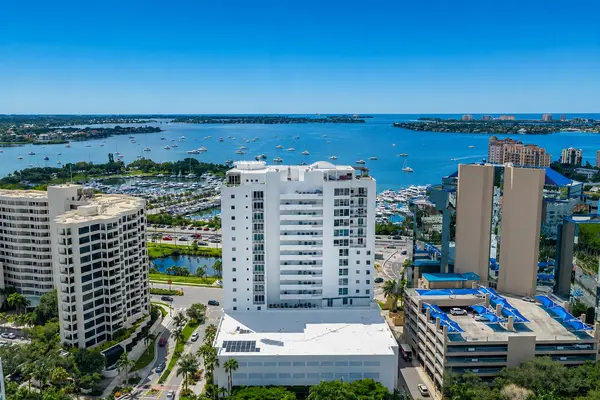
That distinction is especially important when comparing downtown Sarasota condos, established coastal buildings and newer condominium developments. Two units with similar prices and square footage can have very different association finances, insurance arrangements, reserve positions, restrictions and future capital requirements.
A beautifully renovated condo does not tell you whether the association has adequate resources for major building work, whether a substantial assessment is under discussion or whether the rules allow the way you intend to use the property. That information requires document review.
Which Condo Documents Does Florida Law Address for Resale Buyers?
Florida Statutes Section 718.503 establishes disclosure requirements for residential condominium transactions. For a resale involving a nondeveloper unit owner, current Florida law provides that a prospective purchaser who has entered into a contract is entitled, at the seller's expense, to current copies of specified condominium documents.
Those statutory documents currently include:
- Declaration of condominium
- Articles of incorporation of the association
- Association bylaws and rules
- Annual financial statement
- Annual association budget
- Inspector-prepared summary of the milestone inspection report, when applicable
- The association's most recent Structural Integrity Reserve Study, or a statement that the association has not completed one
- Applicable turnover inspection information identified by the statute
- The statutory Frequently Asked Questions and Answers document
The statute also addresses a condominium governance form and establishes transaction-specific provisions concerning document delivery and buyer rights. Those provisions have legal consequences and timing requirements. Buyers should review questions about cancellation rights, deadlines, compliance or legal remedies with a qualified Florida real estate attorney rather than relying on a general online summary.
1. What Should You Look for in the Declaration of Condominium?
The declaration is one of the foundational legal documents for the condominium. It defines the condominium property and establishes important rights and obligations associated with ownership.
Depending on the condominium, the declaration and amendments may address matters such as:
- Unit boundaries
- Common elements
- Limited common elements
- Owner and association maintenance responsibilities
- Assessment obligations
- Use restrictions
- Alteration requirements
- Parking or storage rights
- Other rights associated with the unit
Do not assume that a parking space, storage locker, boat slip, terrace or other feature automatically transfers in the way it appears to during a showing. Unit-specific rights should be confirmed through the applicable condominium, title and transaction documents.
Questions involving ownership rights or interpretation of the declaration should be reviewed with a qualified Florida real estate attorney or appropriate title professional.
2. Why Should You Read the Bylaws and Rules?
The rules can have a direct effect on everyday life. A condominium may look ideal during a showing but become a poor fit if its current restrictions conflict with how you intend to use the property.
Review current provisions relating to:
- Leasing and rental frequency
- Minimum lease periods
- Pet restrictions
- Parking and vehicle restrictions
- Guest policies
- Renovation procedures
- Flooring requirements
- Balcony or terrace use
- Moving procedures
- Amenity rules
- Approval requirements applicable to owners, occupants or tenants
If renting the condo is an important part of your plan, verify the current rules before purchasing. Do not rely solely on an older listing description or another owner's understanding of the policy.
3. What Can the Condo Budget Tell You?
The annual budget helps explain where association assessments are expected to go. A condo fee should not be evaluated only by whether the monthly or quarterly number appears high or low.
Look at major categories such as:
- Association insurance
- Management
- Building maintenance
- Landscaping
- Utilities paid by the association
- Elevator expenses
- Pool and amenity expenses
- Security or staffing
- Professional and administrative expenses
- Reserve contributions
A higher assessment is not automatically evidence of a poorly managed condominium, just as a low assessment does not automatically indicate a bargain. One association may include extensive services and reserve contributions, while another may provide fewer services or face different capital requirements.
Hunt Brothers Realty's Longboat Key Towers buyer guidance makes this distinction directly: buyers should evaluate what assessments include, how reserves are funded and whether additional capital projects or assessments are anticipated rather than comparing condominium fees by monthly amount alone.
4. Why Should You Review the Association's Financial Statements?
The budget is forward-looking, while financial statements can provide information about the association's financial position and activity. Buyers should consider both rather than relying on a single number.
Depending on the financial reporting available, useful questions can include:
- What cash and reserve balances are reported?
- How do actual expenses compare with budgeted expenses?
- Are material receivables or unpaid assessments reported?
- Are significant liabilities identified?
- What does the financial information indicate about major current obligations?
Condominium financial statements can be complex. If association finances could materially affect your purchasing decision, consider having the information reviewed by a qualified CPA, financial professional or other appropriate professional. Tax consequences and accounting questions should not be inferred from a general real estate summary.
5. What Should You Know About Condo Reserves?
Reserve information helps buyers understand how an association is planning for qualifying repair and replacement expenses. This can be particularly important in established high-rise and coastal buildings where roofs, elevators, waterproofing, structural components and other shared systems can involve substantial expenditures.
Do not evaluate reserves by asking only, "How much money is in the account?" The more useful question is how available funding compares with the association's actual future obligations.
Depending on the condominium and applicable requirements, investigate:
- Current reserve balances
- Current reserve contributions
- Applicable reserve studies
- Estimated remaining useful lives of major components
- Estimated repair or replacement costs
- Recently completed capital work
- Major projects anticipated in coming years
- How the association expects to fund those projects
Reserve requirements under Florida law have changed substantially in recent years. Buyers should use current association documents and current Florida requirements rather than relying on how a building historically handled reserves.
6. What Is a Structural Integrity Reserve Study and Why Does It Matter?
For applicable Florida condominiums, the Structural Integrity Reserve Study is an important due-diligence document. Florida DBPR explains that a SIRS must identify each applicable item of condominium property being visually inspected, state its estimated remaining useful life, estimate replacement or deferred-maintenance costs and provide a recommended reserve funding schedule.
For a buyer, the study can help frame important questions:
- Which major components were evaluated?
- What remaining useful lives were estimated?
- What repair or replacement costs were estimated?
- What funding schedule was recommended?
- How does the association's current budget relate to those recommendations?
- Have significant projects identified in the study already been completed?
A SIRS is not a guarantee of future costs, nor should a buyer attempt to make an engineering judgment from the report without appropriate expertise. Structural, engineering and reserve-study findings should be evaluated with qualified professionals when they materially affect the purchase decision.
7. What Is a Milestone Inspection Report?
Florida's milestone inspection requirements apply to certain aging condominium and cooperative buildings. According to Florida DBPR, residential condominium and cooperative buildings that are three or more habitable stories generally require a milestone inspection when the building reaches 30 years of age and every 10 years thereafter. A local enforcement agency may determine that local circumstances require an initial inspection at 25 years instead.
The purpose of a milestone inspection is to evaluate whether substantial structural deterioration exists. If the condominium you are considering is subject to these requirements, obtain the applicable documentation and understand its current status.
Important questions can include:
- Was a milestone inspection required?
- Has it been completed?
- What does the inspector-prepared summary report?
- Was additional inspection or evaluation required?
- What work has been completed since the inspection?
- What work remains planned or underway?
- How is that work expected to be funded?
Do not attempt to interpret structural findings as an engineering conclusion unless you are appropriately qualified. Questions about structural condition should be reviewed with a licensed engineer or other qualified professional.
8. How Should Buyers Investigate Special Assessments?
A special assessment can materially change the cost of buying a condo, so buyers should investigate more than whether an assessment is currently appearing on the listing sheet.
Ask about:
- Approved special assessments
- Outstanding assessment balances
- Proposed assessments
- Assessments discussed in recent meetings
- Recently completed assessments
- The projects those assessments fund
- Remaining capital work after an assessment
A recently completed assessment is not automatically good or bad. It may have funded valuable building improvements. The important questions are what work was completed, whether additional work remains and how the association expects to pay for future obligations.
Responsibility for an assessment between buyer and seller can depend on the contract, assessment status and other facts. Buyers should have contract questions reviewed with their real estate professional and obtain legal advice from a qualified Florida real estate attorney when interpretation of contractual rights or obligations is required.
9. Why Are Recent Board and Association Meeting Minutes Valuable?
Meeting minutes can add context that may not be obvious from the annual budget. They can show what the board and owners have been discussing and what decisions have formally been made.
Depending on the association, recent minutes may contain discussions or actions involving:
- Roof or waterproofing work
- Concrete or structural projects
- Elevator modernization
- Window or door projects
- Insurance renewals
- Special assessments
- Reserve funding
- Amenity renovations
- Rule changes
- Major contracts or capital planning
Minutes are useful, but they are not a substitute for financial statements, inspection reports or direct professional evaluation. A discussion in meeting minutes may describe an issue that was later resolved, modified or rejected, so follow the issue through the most current records available.
10. What Should You Review About Condo Insurance?
Insurance is particularly important for Florida condominium buyers because the association's master insurance and the individual owner's policy have different roles.
Request current information concerning the association's applicable master policies and investigate:
- Types and limits of coverage
- Policy deductibles
- Windstorm coverage
- Flood coverage when applicable
- What building components the association insures
- What components are the unit owner's responsibility
- Any property-specific insurance issues that could affect financing or ownership costs
For coastal condominiums, insurance and storm exposure deserve additional attention. Hunt Brothers Realty's guide to buying near Florida's coast recommends investigating insurance early enough to understand the property's potential ownership costs before applicable due-diligence deadlines expire.
Insurance availability, coverage, exclusions, deductibles and premiums can vary substantially by condominium and individual unit. Buyers should obtain property-specific quotes and have the master coverage and individual coverage needs reviewed by a qualified insurance professional before making a purchasing decision.
11. What Should You Learn About Completed and Planned Building Projects?
Major capital work can materially affect both the condition of the building and the owner's future expenses. Ask what has been completed recently and what remains on the association's planning horizon.
Depending on the building, projects might involve:
- Roof replacement
- Concrete restoration
- Waterproofing
- Balcony work
- Elevator modernization
- Plumbing or electrical improvements
- Fire-safety systems
- Windows and exterior doors
- Pool or amenity renovations
- Seawalls or waterfront infrastructure where applicable
Documentation can include engineering reports, project contracts, permits, meeting minutes and assessment records. If the condition or scope of major work could affect your decision, have the relevant information reviewed by an appropriately qualified inspector, engineer, contractor or other professional.
12. What Does the Estoppel Certificate Tell a Condo Buyer?
An association estoppel certificate is an important transaction document that can provide current information concerning amounts associated with the unit and association. It should not be confused with the broader due-diligence review of budgets, reserves, insurance and building condition.
The closing or title professional can explain the estoppel information relevant to the transaction, including amounts due and other information within that professional's scope. Questions involving legal rights or obligations arising from an estoppel should be reviewed with a qualified Florida real estate attorney.
13. What Unit-Specific Documents Should Buyers Review?
Association-level due diligence should be paired with investigation of the individual residence. A financially stable association does not tell you whether the particular condo has unpermitted renovations, aging mechanical equipment or insurance issues.
Depending on the property, useful records can include:
- Seller disclosures when applicable
- Renovation permits
- Association approvals for renovations
- HVAC replacement documentation
- Water-heater information
- Window and sliding-door documentation
- Storm-protection information
- Parking documentation
- Storage rights
- Boat-slip rights when applicable
- Available repair and maintenance records
A qualified home inspector can evaluate the residence within the scope of the inspection. Specialized conditions may require additional contractors, engineers or other professionals.
What Extra Documents Matter for a Gulf-Front or Waterfront Condo?
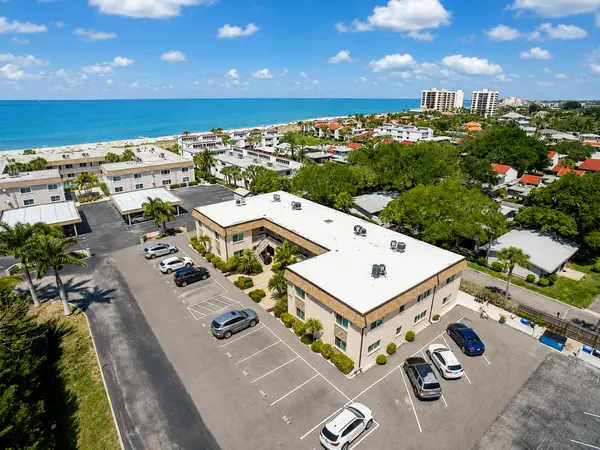
Coastal condominiums can add another layer of due diligence. A Gulf view may be the feature that initially attracts a buyer, but the building's exposure to wind, salt, water and storms makes maintenance, insurance and capital planning especially important.
For an established coastal building, consider investigating:
- Master property and flood insurance information
- Insurance deductibles
- Applicable milestone inspection documentation
- Applicable SIRS information
- Concrete and balcony restoration history
- Roof and waterproofing projects
- Window and door projects
- Storm-related repairs
- Seawall or shoreline infrastructure where applicable
- Flood and elevation information relevant to the property
This association-level review is a recurring theme in Hunt Brothers Realty's Siesta Key condo guidance. Interior renovations are easy to see, while reserves, insurance deductibles, structural work and future capital requirements require deeper investigation.
What Should Investors and Seasonal Buyers Review?
If your purchase depends on renting the condo, document review becomes even more important. A property's location in a popular vacation destination does not establish that short-term rentals are permitted.
Verify current rules concerning:
- Minimum rental period
- Maximum number of leases per year
- Ownership waiting periods
- Tenant application procedures
- Association approval requirements
- Guest registration
- Rental-management requirements, if any
- Applicable municipal or county rental regulations
Rental rules can change, and association rules are not necessarily the only restrictions that apply. Buyers whose purchase depends on rental income or a particular rental strategy should verify the current association and governmental requirements and consult appropriate legal and tax professionals regarding their specific plans.
What Are Potential Warning Signs in Condo Documents?
A document does not necessarily provide a simple green or red light. Instead, certain findings should lead to more questions and, when appropriate, professional review.
Issues worth investigating can include:
- Large upcoming capital projects without a clearly understood funding plan
- Repeated discussion of substantial repairs
- A significant approved or proposed special assessment
- Material increases in insurance costs or deductibles
- Reserve funding that requires closer evaluation against anticipated projects
- Structural or engineering findings requiring further investigation
- Major projects whose final scope or cost remains uncertain
- Rules that conflict with the buyer's intended use
- Uncertainty about parking, storage or other rights important to the buyer
These are reasons to investigate, not automatic reasons to reject a condominium. A substantial assessment may be funding valuable completed improvements, while an older building may have a strong maintenance history and substantial documented capital work. Context matters.
A Practical Condo Document Checklist Before Closing
The exact records appropriate for a transaction vary, but this checklist provides a useful starting point for Florida condo buyers:
- Declaration of condominium and amendments
- Articles of incorporation
- Bylaws
- Current association rules
- Frequently Asked Questions and Answers document
- Current annual budget
- Annual financial statement
- Reserve information
- Most recent SIRS or applicable statement concerning its status
- Applicable milestone inspection summary
- Applicable turnover inspection documentation
- Recent board and association meeting minutes
- Current and proposed special-assessment information
- Master insurance information and deductibles
- Documentation concerning major completed projects
- Information concerning planned capital projects
- Current rental rules
- Current pet rules
- Parking and storage documentation
- Unit-specific renovation and permit information when relevant
- Estoppel certificate and closing information
Who Should Review the Documents With You?
Condo due diligence can involve several different professional disciplines. No single professional necessarily answers every question raised by the documents.
- Real estate professional: Property comparisons, transaction coordination, market context and practical real estate considerations
- Florida real estate attorney: Contract rights, condominium documents, ownership, title and other legal questions
- Insurance professional: Master-policy implications, individual unit coverage, deductibles and property-specific insurance availability and premiums
- CPA or financial professional: Financial statements, accounting questions and financial implications within that professional's scope
- Licensed engineer: Structural and engineering findings when professional interpretation is needed
- Home inspector or qualified contractor: Unit condition and appropriate physical or construction issues within the professional's scope
- Mortgage lender: Condominium financing, borrower qualification and lender requirements
- Title or closing professional: Title and closing information within that professional's role
Bringing the appropriate professional into the process is particularly important when a document contains information that could materially change the cost, condition, financing or legal implications of the purchase.
The Bottom Line: Buy the Association as Carefully as You Buy the Condo
A condominium purchase involves two levels of due diligence. First, determine whether the individual residence fits your needs and is in acceptable condition. Second, understand the association responsible for the shared property and the rules and financial obligations that come with ownership.
The declaration and rules tell you how the condominium operates. The budget and financial statements provide financial context. Reserve information, the SIRS and applicable milestone inspection documentation can help you understand significant building-level planning and condition issues. Meeting minutes and assessment information can provide additional context about what the association is addressing now.
Do not wait until the day before closing to start asking these questions. Review the documents early enough to investigate important issues within the deadlines that apply to your actual transaction, and obtain qualified professional guidance when the information could materially affect your decision.
Buying a Condo in Sarasota or Florida's Gulf Coast?
Hunt Brothers Realty helps buyers compare condominium residences, buildings, locations and association considerations throughout Sarasota and Florida's Gulf Coast. Explore Hunt Brothers Realty's downtown Sarasota condo buyer guide, review questions to ask before buying near Florida's coast, or contact Hunt Brothers Realty to compare current condominium opportunities.
Informational notice: This article provides general educational real estate information and is not individualized legal, financial, tax, insurance, lending, inspection, engineering, accounting, title or other professional advice. Florida condominium requirements and transaction rights depend on current law, the specific condominium, the purchase contract and the facts of the transaction. Buyers should have legal questions, including document-delivery requirements, cancellation rights, deadlines, title issues and interpretation of condominium documents, reviewed by a qualified Florida real estate attorney. Association finances should be evaluated with an appropriate financial professional when needed, insurance should be reviewed with a qualified insurance professional, and structural or inspection findings should be evaluated by the appropriate licensed engineer, inspector, contractor or other qualified professional before the buyer makes a purchasing decision.
Sources
- Florida Senate: 2026 Florida Statutes, Section 718.503, Condominium Disclosure Requirements
- Florida Department of Business and Professional Regulation: Condominium Milestone Inspections and Structural Integrity Reserve Studies
- Florida Department of Business and Professional Regulation: Condominium and Cooperative Frequently Asked Questions
- Hunt Brothers Realty: Best Downtown Sarasota Condos Buyer Guide
- Hunt Brothers Realty: Longboat Key Towers Condo Buyer Guidance
- Hunt Brothers Realty: Bay Oaks Condo Due Diligence
- Hunt Brothers Realty: Questions to Ask Before Buying a Home Near the Coast
Contact Hunt Brothers Realty
46 N. Washington Blvd, Ste 3, Sarasota, FL 34236
Phone: (941) 388-7017
Email: info@huntbrothersrealty.com
Website: HuntBrothersRealty.com
Categories
- All Blogs 2090
- Anna Maria Island 86
- Bird Key 4
- Bradenton 236
- Buying a Home 1151
- Casey Key 2
- Clearwater 11
- Condos & HOA Living 1069
- Ellenton 5
- Englewood 11
- First Time Homebuyers 1260
- Foreclosures 4
- Home Selling 4
- Homeownership 1283
- Lakewood Ranch 25
- Lido Key 28
- Longboat Key 80
- Luxury/Waterfront Properties 1224
- Market Updates & Trends 747
- Mortgages & Financing 45
- Move-Up Buyers 21
- Neighborhood Guides 860
- New Construction 34
- Palmetto 3
- Parrish 6
- Port Charlotte 10
- Punta Gorda 17
- Real Estate Investing 1141
- Relocation to Florida 1181
- Safety Harbor 3
- Sarasota 79
- Sarasota - Downtown 162
- Selling a Home 144
- Siesta Key 91
- St. Petersburg 8
- Tierra Verde 5
- Vacation & Second Homes 1333
- Venice 179
- Wellen Park 17
Recent Posts