What Should I Know About Homeowners Insurance Before Buying in Florida?

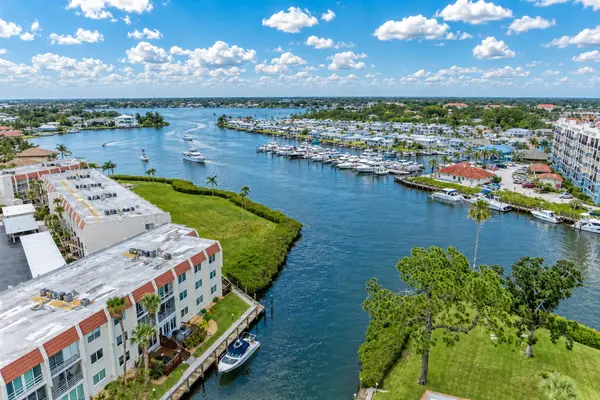
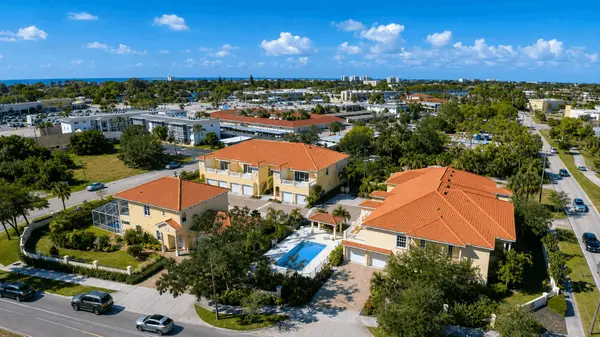
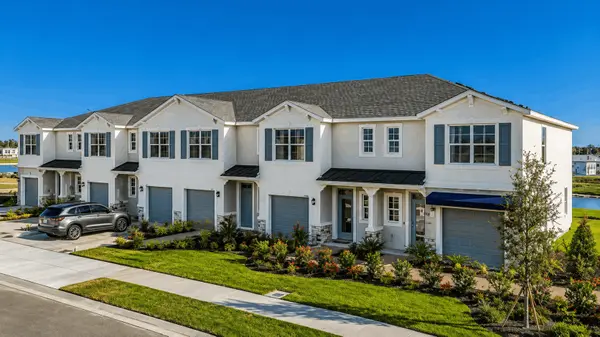
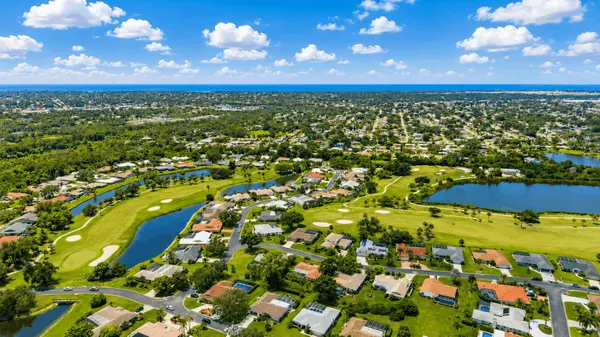
Before buying a home in Florida, you should understand how homeowners insurance works, what it covers, how hurricane deductibles affect your financial exposure, and whether separate flood insurance is necessary. Insurance availability and premiums can vary significantly based on a property's location, age, roof condition, construction, storm-protection features, and coverage requirements. For buyers considering Sarasota and Florida Gulf Coast real estate, evaluating insurance early is an important part of understanding the true cost of homeownership. Obtaining property-specific insurance quotes before making a final purchasing decision can help prevent unexpected expenses or coverage problems.
Quick Answers About Florida Homeowners Insurance
Is homeowners insurance required when buying a house in Florida?
Florida generally does not require every homeowner to purchase homeowners insurance simply because they own a home. However, mortgage lenders typically require acceptable property insurance as a condition of financing. Even buyers purchasing with cash should carefully evaluate the financial risks of owning an uninsured property.
Does Florida homeowners insurance cover hurricanes?
Many Florida homeowners insurance policies include coverage for hurricane-related wind damage, although coverage terms, exclusions, and deductibles vary. Some properties may require separate windstorm coverage. Buyers should confirm the actual coverage offered rather than assume every policy provides identical hurricane protection.
Does homeowners insurance cover flooding in Florida?
Standard homeowners insurance generally does not cover flood damage, including flooding caused by storm surge. Flood insurance is typically purchased separately through the National Flood Insurance Program or a private insurer. Flood coverage may be required by a mortgage lender or under certain insurance-company requirements.
How much does homeowners insurance cost in Florida?
There is no single reliable premium that applies to every Florida property. Insurance costs depend on factors such as location, replacement cost, roof characteristics, construction materials, coverage limits, deductibles, and underwriting requirements. Buyers should request quotes for the specific property rather than rely on statewide averages or the seller's current premium.
Does the age of a home's roof affect insurance?
Yes. Roof age, condition, materials, and installation characteristics can influence insurance eligibility and premiums. However, an older roof does not automatically make a Florida home uninsurable. Insurers may consider roof inspections and documented remaining useful life, depending on the property and applicable underwriting rules.
Can hurricane-resistant features reduce insurance premiums?
Certain wind-resistant construction features may qualify for insurance discounts. These can include qualifying roof-to-wall connections, roof-deck attachment methods, roof configurations, and approved opening protection. A properly completed wind mitigation inspection can help document eligible features for an insurance company.
When should I obtain homeowners insurance quotes?
Ideally, buyers should begin investigating insurance availability and estimated premiums before making an offer or as early as possible during the purchasing process. Property-specific quotes should be reviewed before applicable contract deadlines, with coverage arrangements confirmed well before closing.
1. Why Is Homeowners Insurance Different in Florida?
Florida homeowners insurance differs from insurance in many other states because insurers must account for substantial hurricane and windstorm exposure, along with other property-specific risks.
The state's coastal geography, construction characteristics, and potential for severe weather can influence underwriting decisions and insurance pricing.
This is particularly relevant when comparing homes in Sarasota County, Manatee County, and surrounding Gulf Coast communities.
For example, insurance considerations may differ among:
- A beachfront condominium on Siesta Key
- A canal-front home on Longboat Key
- An established single-family home in mainland Sarasota
- A newer residence in Lakewood Ranch
- A waterfront property overlooking Sarasota Bay
These differences do not mean one community automatically has lower insurance costs than another. Individual property characteristics and insurer requirements remain essential.
Buyers comparing coastal and mainland locations can explore Sarasota island living versus mainland living to better understand how property location can influence broader ownership considerations.
2. What Does Florida Homeowners Insurance Typically Cover?
A homeowners insurance policy generally combines several types of protection, but the precise coverage depends on the policy purchased.
Dwelling Coverage
Dwelling coverage helps pay to repair or rebuild the insured home following damage from covered causes of loss. The amount of insurance should be evaluated in relation to estimated rebuilding costs rather than simply the property's purchase price.
Personal Property Coverage
Personal property coverage can help protect belongings such as furniture, clothing, electronics, and household items from covered losses, subject to policy limits and exclusions.
Personal Liability Coverage
Liability coverage may provide protection against certain covered claims involving bodily injury or property damage for which the insured is legally responsible.
Additional Living Expenses
Additional living expenses coverage may help pay qualifying temporary housing and related expenses when a covered loss makes the insured residence uninhabitable.
Other Structures Coverage
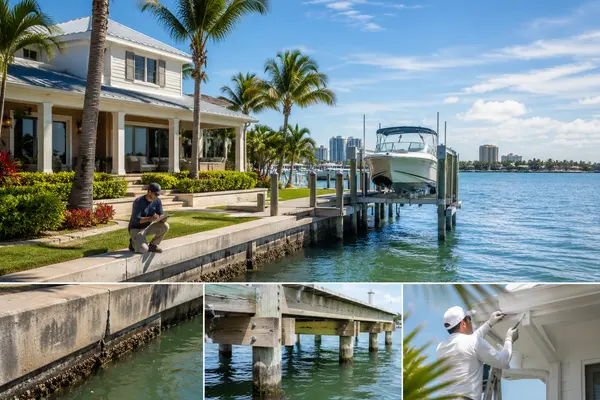
Depending on the policy, detached garages, fences, sheds, and other qualifying structures may receive limited coverage. Waterfront structures, docks, seawalls, and similar improvements deserve particular attention because standard coverage may be limited or excluded.
The Florida Department of Financial Services homeowners insurance coverage guide provides additional explanations of common coverage categories.
3. How Do Hurricane Deductibles Work in Florida?
Florida homeowners insurance policies that provide hurricane coverage commonly include a separate hurricane deductible. Unlike a standard deductible expressed as a fixed dollar amount, hurricane deductibles are frequently calculated as a percentage of the insured dwelling amount.
This distinction matters because a percentage-based deductible can represent a substantial out-of-pocket expense.
What Does a 2% Hurricane Deductible Mean?
Consider a hypothetical home insured for $500,000 in dwelling coverage.
- 2% hurricane deductible: $10,000
- 5% hurricane deductible: $25,000
- 10% hurricane deductible: $50,000
These figures illustrate the deductible amounts, not the total amount an insurer would necessarily pay following a loss. Actual claim payments depend on covered damage, policy terms, limits, and applicable conditions.
Florida's hurricane deductible rules also address when the deductible applies and how covered hurricane losses are treated during a calendar year.
Buyers should review the Florida Department of Financial Services hurricane deductible guidance and ask their insurance agent to explain the actual dollar amount applicable to their proposed policy.
4. Do I Need Separate Flood Insurance in Florida?
Flood insurance is separate from standard homeowners insurance, and whether it is required depends on factors such as the property's flood classification, mortgage requirements, and insurance carrier.
Flooding can result from storm surge, overflowing waterways, or accumulated surface water. These losses are generally excluded from standard homeowners policies.
For Sarasota-area buyers, flood exposure deserves careful evaluation when considering properties near the Gulf of Mexico, Sarasota Bay, coastal canals, rivers, and other waterways.
However, flood risk is not limited to beachfront or waterfront homes.
Does Being Outside a High-Risk Flood Zone Mean Flood Insurance Is Unnecessary?
No. Properties outside designated high-risk flood areas can still experience flooding. A lower-risk flood classification should not be interpreted as a guarantee that flooding cannot occur.
Buyers should investigate the property's current flood information and discuss flood insurance options with a qualified insurance professional.
Where Can Buyers Research Flood Insurance?
The National Flood Insurance Program explains flood insurance coverage, while the FEMA Flood Map Service Center provides access to official flood hazard mapping.
Flood maps are useful research tools, but buyers should also consider property-specific elevation information, drainage conditions, available flood history, and professional guidance.
What Are Citizens Property Insurance's Flood Requirements?
Citizens Property Insurance Corporation has phased-in flood insurance requirements for many personal residential policies that include wind coverage.
As of 2026, the requirements generally extend to qualifying properties outside special flood hazard areas with dwelling coverage of $400,000 or more. The published phase-in schedule extends the requirement to additional qualifying policies regardless of dwelling coverage amount beginning January 1, 2027.
Certain policy types, including condominium unit-owner policies, are excluded from these specific Citizens requirements.
Because requirements can change, buyers should confirm current eligibility and flood coverage obligations directly with their insurance professional and review the Citizens Property Insurance flood insurance requirements.
5. Why Does Roof Age Matter When Buying a Florida Home?
A home's roof is one of the most important property characteristics insurers evaluate when determining coverage eligibility and pricing in Florida.
Roof age alone does not tell the complete story. Insurers may also evaluate roofing materials, installation methods, condition, documented repairs, and remaining useful life.
Florida law includes protections addressing certain insurer decisions based solely on roof age, including provisions involving qualifying roof inspections. However, those protections do not guarantee coverage for every roof or prevent underwriting decisions based on other legitimate factors.
What Should Buyers Ask About the Roof?
- When was the roof installed?
- What roofing material was used?
- Are permits and installation records available?
- Has the roof experienced storm damage or significant repairs?
- Has a qualified professional evaluated its condition?
- Will the proposed insurer require a roof inspection?
- Could the roof affect the available coverage or premium?
A general home inspection and an insurance underwriting inspection may serve different purposes. Buyers should confirm the insurer's documentation requirements and have roofing concerns evaluated by a qualified inspector or roofing contractor.
6. What Is a Wind Mitigation Inspection, and Why Does It Matter?
A wind mitigation inspection documents specific construction features that may help a home resist wind damage and potentially qualify for insurance premium discounts.
Florida insurers recognize certain qualifying wind-resistant features when calculating eligible discounts.
Depending on the property, an inspection may evaluate:
- Roof covering and applicable installation standards
- Roof-deck attachment methods
- Roof-to-wall connections
- Roof geometry
- Secondary water resistance
- Qualifying window, door, and garage-door protection
For example, a home with documented qualifying hurricane protection may receive different insurance pricing than a similar property without those documented features.
However, discounts are not guaranteed. Eligibility depends on the insurer, inspection findings, documentation, and applicable rating rules.
Buyers can review the Florida Department of Financial Services homeowners insurance overview for information about hurricane loss mitigation and potential premium discounts.
7. How Does Home Location Affect Insurance Costs in Sarasota?
Location can influence Florida homeowners insurance costs because insurers evaluate geographic exposure alongside the physical characteristics of the insured property.
For buyers researching Sarasota-area real estate, the distinction between barrier islands, bayfront neighborhoods, and mainland communities is especially relevant.
Siesta Key and Longboat Key
Barrier-island properties may involve coastal wind exposure, flood considerations, and building-specific insurance requirements.
Buyers considering Siesta Key can review what home buyers should know about living on Siesta Key, including property-specific flood exposure, insurance, and coastal ownership considerations.
Sarasota Bay and Waterfront Neighborhoods
Bayfront and canal-front properties may require additional attention to flood coverage, storm exposure, and the insurance treatment of waterfront improvements.
Docks, boat lifts, seawalls, and other waterfront structures should not be assumed to have the same coverage as the primary residence.
For additional context, explore Sarasota's waterfront living areas and the differences among Gulf-front, bayfront, and canal-front properties.
Mainland Sarasota and Lakewood Ranch
Mainland homes may have different geographic exposure characteristics than barrier-island properties. Newer construction may also incorporate building features that influence insurance underwriting and potential discounts.
Nevertheless, a mainland address or newer construction date does not automatically guarantee lower insurance premiums or eliminate flood risk.
The most useful comparison is between actual property-specific quotes with similar coverage limits and deductibles.
8. What Should Condominium Buyers Know About Insurance?
Condominium insurance differs from single-family homeowners insurance because coverage responsibilities are divided between the condominium association and individual unit owners.
The association typically maintains insurance covering certain building components and common property, while individual owners may need separate coverage for personal belongings, certain interior improvements, liability, and other exposures.
The exact division of responsibilities depends on applicable Florida law, governing documents, and insurance policies.
What Insurance Documents Should Condo Buyers Review?
- The condominium association's current master insurance policy
- Building coverage limits and exclusions
- Hurricane and other applicable deductibles
- Flood insurance arrangements
- Unit-owner insurance requirements
- Potential loss-assessment exposure
- Association financial statements and insurance-related expenses
- Any applicable lender insurance requirements
An association's master policy does not necessarily eliminate the need for individual condominium insurance.
Buyers should have a qualified insurance professional review the association's coverage and explain what additional protection may be appropriate for the individual residence.
For an example of the considerations involved in Sarasota waterfront condominium ownership, see Golden Bay Sarasota waterfront condominium buyer information.
9. Can I Assume the Seller's Insurance Premium Will Be My Premium?
No. A seller's existing insurance premium should not be treated as a reliable estimate of what a new buyer will pay.
The seller may have different coverage limits, deductibles, discounts, policy endorsements, or underwriting circumstances.
Insurance rates and available products may also change between the time the seller obtained coverage and the buyer's proposed closing date.
A buyer should therefore request an insurance quote using the property's actual address, current characteristics, intended occupancy, and appropriate coverage requirements.
What Information Might an Insurance Agent Request?
- Property address and construction year
- Living area and construction characteristics
- Roof age, type, and condition
- Available wind mitigation inspection
- Available four-point inspection
- Prior claims or loss information when available and relevant
- Intended use as a primary residence, second home, or rental
- Desired coverage limits and deductibles
Providing accurate information can help an insurance professional evaluate available coverage. A preliminary quote may still be subject to inspections, underwriting approval, and other conditions.
10. What Is a Four-Point Inspection in Florida?
A four-point inspection is a focused evaluation of four major building systems that an insurance company may request when considering coverage for an existing home.
The inspection generally examines:
- Roofing
- Electrical systems
- Plumbing systems
- Heating, ventilation, and air-conditioning systems
A four-point inspection is not the same as a comprehensive home inspection. It is generally intended to document specific system conditions for insurance underwriting.
Depending on the findings, an insurer may request repairs, additional documentation, or further evaluation before approving coverage.
Buyers should discuss inspection requirements with their insurance agent and have any material defects evaluated by the appropriate qualified inspector or contractor.
11. What Insurance Questions Should I Ask Before Making an Offer?
Before making an offer on a Florida home, buyers should investigate whether appropriate insurance appears available and whether the expected cost fits their overall ownership budget.
Important questions include:
- Can I obtain homeowners insurance for this specific property?
- What is the estimated annual premium?
- Does the proposed policy include hurricane wind coverage?
- What is the hurricane deductible in actual dollars?
- Is separate flood insurance required or advisable?
- Are there coverage exclusions or special deductibles?
- Will the insurer require a roof, four-point, or other inspection?
- Are wind mitigation discounts potentially available?
- Does the policy provide replacement cost or actual cash value coverage for relevant losses?
- Are there underwriting conditions that must be satisfied before closing?
- Does the policy satisfy the mortgage lender's requirements?
- When can coverage become effective?
Buyers should also compare policies carefully. The least expensive quote may provide different limits, deductibles, exclusions, or claim-settlement terms than a more expensive option.
The Florida Office of the Insurance Consumer Advocate's insurance shopping resources explain important factors to consider when comparing coverage.
12. How Should Insurance Fit Into My Florida Homebuying Budget?
Homeowners insurance should be considered part of the total cost of owning a Florida property, not simply an expense addressed at closing.
Depending on the property, recurring ownership expenses may include:
- Mortgage principal and interest, when financed
- Property taxes
- Homeowners insurance premiums
- Flood insurance premiums when applicable
- Condominium or homeowners association fees
- Maintenance and repair expenses
- Potential association assessments
- Financial reserves for insurance deductibles and unexpected repairs
For example, two homes with similar purchase prices may produce substantially different total ownership expenses because of differences in insurance, property taxes, association costs, and maintenance responsibilities.
Insurance premiums can also change at renewal. Buyers should avoid assuming that an initial quote will remain unchanged throughout their ownership.
For buyers relocating to Sarasota, Hunt Brothers Realty's Sarasota relocation guide discusses additional property ownership considerations that may differ from those in other parts of the country.
13. What Should I Know About Insurance Before Closing?
Buyers should confirm that appropriate insurance coverage can be issued and become effective when required for closing and occupancy.
Waiting until the final days before closing can create unnecessary complications if an insurer requests additional inspections, documentation, repairs, or underwriting review.
Florida buyers should also understand that insurers may impose restrictions on issuing new policies or making coverage changes when a tropical storm or hurricane threatens an area.
Flood insurance can involve separate effective-date and waiting-period rules, with exceptions depending on the circumstances.
Before closing, buyers should coordinate with their insurance agent, mortgage lender, and closing professional to confirm the coverage, effective dates, payment arrangements, and required documentation.
14. What Is the Biggest Homeowners Insurance Mistake Florida Buyers Should Avoid?
One of the most consequential mistakes is assuming that homeowners insurance will be affordable, available, and sufficiently comprehensive without obtaining property-specific information.
A home can appear attractive based on its location, condition, amenities, and asking price while presenting insurance considerations that materially affect the purchasing decision.
This is particularly important when purchasing older homes, waterfront properties, barrier-island residences, and condominiums with complex association insurance arrangements.
The goal is not necessarily to avoid properties with higher insurance costs. It is to understand the actual coverage options, ongoing expenses, deductibles, and financial exposure before committing to a purchase.
Additional Frequently Asked Questions About Florida Home Insurance
Can I Buy a Florida Home With Cash and No Homeowners Insurance?
Generally, a cash buyer is not subject to the same mortgage lender insurance requirements as a financed buyer. However, purchasing without insurance can expose the owner to substantial financial losses. Condominium or association requirements may also apply, and buyers should verify any applicable obligations.
Does a Newer Florida Home Automatically Cost Less to Insure?
Not necessarily. Newer construction may incorporate wind-resistant features that affect underwriting and potential discounts, but location, replacement cost, coverage limits, and other factors also influence premiums. Property-specific quotes are necessary for meaningful comparisons.
Is Hurricane Insurance the Same as Flood Insurance?
No. Hurricane-related wind damage and flood damage are different insurance exposures. A homeowners policy may cover certain hurricane wind losses while excluding flooding caused by storm surge. Buyers should confirm both wind and flood coverage separately.
Can I Change Insurance Companies After Buying My Florida Home?
Homeowners can generally shop for alternative insurance coverage after purchasing, subject to policy terms, insurer eligibility, lender requirements, and applicable cancellation rules. Buyers should coordinate any change carefully to avoid an unintended gap in coverage.
Does Homeowners Insurance Cover a Dock or Seawall?
Coverage for docks, seawalls, boat lifts, and other waterfront improvements varies and may be limited or excluded. Buyers considering waterfront property should ask an insurance professional to identify which structures are covered, what exclusions apply, and whether additional coverage is available.
Final Thoughts: Understand Insurance Before You Buy in Florida
Homeowners insurance is an important part of purchasing property in Florida, particularly in coastal markets such as Sarasota and Manatee County.
Understanding hurricane deductibles, flood insurance, roof requirements, wind mitigation features, and condominium insurance responsibilities can help buyers make more informed decisions.
The most important step is to investigate insurance before the purchasing process reaches a point where unexpected coverage problems become difficult to address.
Whether you are considering a beachfront condominium, waterfront home, established Sarasota neighborhood, or newer mainland residence, obtaining accurate property-specific information can help you evaluate the complete ownership picture.
Buying a Home in Sarasota or Florida's Gulf Coast?
At Hunt Brothers Realty, we help buyers explore real estate opportunities throughout Sarasota, Manatee County, and Florida's Gulf Coast while identifying important property and ownership considerations during the homebuying process.
From waterfront residences and barrier-island condominiums to established neighborhoods and newer communities, understanding the complete cost of ownership is an important part of finding the right property.
Explore Sarasota and Gulf Coast communities, or contact Hunt Brothers Realty to discuss your home search and the property-specific questions worth investigating before purchasing.
Important Insurance and Professional Verification Information
This article is provided for general informational and educational purposes only and does not constitute individualized insurance, financial, legal, lending, inspection, or other professional advice. Insurance availability, premiums, deductibles, coverage terms, and underwriting requirements can vary substantially by property, insurer, and individual circumstances. Buyers should obtain property-specific insurance quotes and review proposed coverage with a qualified insurance professional before making a purchasing decision. Mortgage requirements should be confirmed with the buyer's lender, inspection findings with appropriate qualified inspectors or contractors, and legal or contractual questions with a qualified Florida real estate attorney when necessary. Insurance rules and requirements may change, so current information should always be verified.
Sources
- Florida Department of Financial Services, Homeowners Insurance Consumer Resources
- Florida Office of the Insurance Consumer Advocate, Shopping for Homeowners Insurance
- Florida Department of Financial Services, Florida's Hurricane Deductible
- Florida Department of Financial Services, Homeowners Insurance Overview
- National Flood Insurance Program, Understanding Flood Insurance
- Federal Emergency Management Agency, Flood Map Service Center
- Citizens Property Insurance Corporation, Flood Insurance Requirements
- Hunt Brothers Realty, Living on Siesta Key: What Home Buyers Should Know
Contact Hunt Brothers Realty
Hunt Brothers Realty
46 N. Washington Blvd, Ste 3
Sarasota, FL 34236
Phone: (941) 388-7017
Email: info@huntbrothersrealty.com
Website: www.huntbrothersrealty.com
Categories
- All Blogs 1950
- Anna Maria Island 83
- Bird Key 4
- Bradenton 234
- Buying a Home 1020
- Casey Key 2
- Clearwater 9
- Condos & HOA Living 931
- Ellenton 5
- Englewood 9
- First Time Homebuyers 1124
- Foreclosures 3
- Home Selling 1
- Homeownership 1144
- Lakewood Ranch 20
- Lido Key 27
- Longboat Key 78
- Luxury/Waterfront Properties 1085
- Market Updates & Trends 614
- Mortgages & Financing 42
- Move-Up Buyers 20
- Neighborhood Guides 737
- New Construction 32
- Palmetto 3
- Parrish 6
- Port Charlotte 10
- Punta Gorda 15
- Real Estate Investing 1002
- Relocation to Florida 1046
- Safety Harbor 2
- Sarasota 71
- Sarasota - Downtown 157
- Selling a Home 143
- Siesta Key 89
- St. Petersburg 6
- Tierra Verde 5
- Vacation & Second Homes 1193
- Venice 96
- Wellen Park 10
Recent Posts