How Do Flood Zones Affect Buying a Home in Florida?
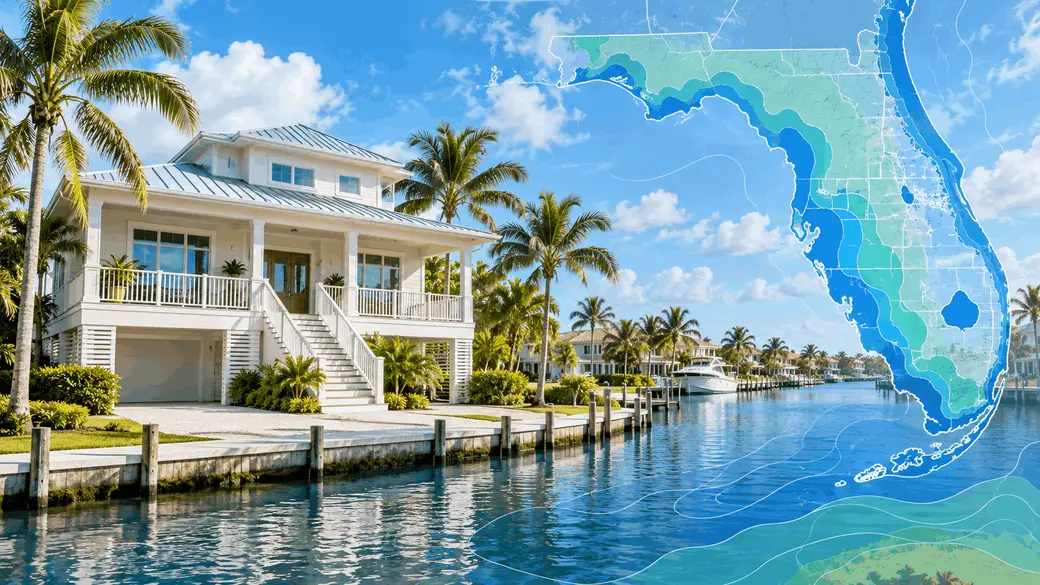
Flood zones are an important consideration when buying a home in Florida, especially in coastal communities such as Sarasota, Venice, Nokomis, Englewood, and other areas of Southwest Florida. A property's flood-zone designation can affect mortgage requirements, insurance expenses, construction restrictions, and long-term ownership costs. However, a flood zone does not tell the entire story. Homes outside designated high-risk areas can still experience flooding, and properties within the same flood zone may have very different insurance premiums. Understanding FEMA flood maps, Florida disclosure requirements, and property-specific flood exposure can help buyers make more informed decisions before purchasing a home.
Whether you are purchasing a waterfront condominium, a home on Venice Island, or a newer residence farther inland, flood risk deserves attention early in the buying process. Hunt Brothers Realty helps buyers explore Sarasota and Southwest Florida real estate while encouraging property-specific verification with qualified insurance, lending, inspection, and other professionals.
Quick Answers About Florida Flood Zones
What is a flood zone in Florida?
A flood zone is a geographic designation used on Federal Emergency Management Agency (FEMA) flood maps to identify areas with different levels and types of flood hazard. These designations help determine certain insurance, lending, building, and floodplain-management requirements.
Which Florida flood zones are considered high risk?
FEMA generally identifies zones beginning with A or V as high-risk Special Flood Hazard Areas. Common Florida designations include AE, A, VE, and V. Coastal V zones also indicate exposure to additional hazards associated with storm waves.
Is flood insurance required when buying a home in Florida?
Flood insurance is generally required for buildings in FEMA-designated Special Flood Hazard Areas when the mortgage is subject to federal flood-insurance requirements. Individual lenders may impose additional requirements. Certain Citizens Property Insurance policyholders must also maintain flood coverage, including some properties outside high-risk flood zones.
Does Flood Zone X mean a home cannot flood?
No. Flood Zone X generally indicates a lower or moderate mapped flood hazard, depending on the specific designation. Homes in Zone X can still flood from heavy rainfall, drainage problems, overflowing waterways, and other events.
Does homeowners insurance cover flooding?
Standard homeowners insurance generally excludes flood damage. Separate flood insurance is usually needed to cover qualifying flood losses. Buyers should review the distinction between wind damage, water intrusion, and flooding with a qualified insurance professional.
How can buyers check a Florida property's flood zone?
Buyers can search a property address using the FEMA Flood Map Service Center. Local government floodplain offices and qualified insurance professionals can help interpret property-specific information.
Can a home in a high-risk flood zone still be a reasonable purchase?
Potentially. Flood-zone designation is one factor among many. Buyers should evaluate the building's elevation, construction, flood history, insurance availability, coverage costs, financing requirements, and their own risk tolerance before deciding whether a particular property is appropriate.
Understanding FEMA Flood Zones in Florida
FEMA publishes Flood Insurance Rate Maps, commonly called FIRMs, that identify flood hazard areas and other floodplain information.
These maps are used by lenders, insurance professionals, property owners, and local governments. They help establish regulatory requirements, but they are not guarantees of whether a particular property will or will not flood.
Flood Zone AE: High-Risk Flood Areas
Zone AE identifies an area with a 1% annual chance of flooding and an established Base Flood Elevation.
The 1% annual-chance flood is sometimes called the 100-year flood. That terminology does not mean flooding occurs only once every 100 years. It describes a statistical probability that applies each year.
Over a 30-year period, a location with a constant 1% annual flood probability has approximately a 26% chance of experiencing at least one event at that threshold.
Zone AE is commonly encountered in Florida communities near waterways, bays, canals, coastal areas, and low-lying land.
Flood Zone A: High Risk Without a Published Base Flood Elevation
Zone A also represents a high-risk Special Flood Hazard Area, but detailed Base Flood Elevations may not be provided on the applicable map.
Additional analysis may be necessary when evaluating construction, renovation, elevation, or permitting requirements for these properties.
Flood Zone VE: High-Risk Coastal Flooding and Wave Hazards
Zone VE identifies coastal high-risk areas where flooding may involve additional hazards from storm waves.
These areas may be subject to more demanding flood-resistant construction standards, depending on applicable building codes and local regulations.
Properties in coastal high-hazard areas warrant careful review of elevation, foundations, construction details, insurance availability, and potential storm impacts.
Flood Zone X: Lower or Moderate Mapped Flood Hazard
Zone X includes areas outside the mapped 1% annual-chance floodplain, although different Zone X designations can represent different levels of risk.
Unshaded Zone X generally indicates lower mapped flood hazard. Shaded Zone X commonly identifies moderate-risk areas, including portions of the 0.2% annual-chance floodplain.
A Zone X designation does not eliminate the possibility of flooding or guarantee that insurance will be inexpensive.
Flood Zone D: Undetermined Risk
Zone D identifies areas where flood hazards may exist but have not been fully evaluated.
An undetermined designation should not be interpreted as an indication that the property is safe from flooding.
For additional explanations, visit the National Flood Insurance Program's flood-zone guide.
How Do Flood Zones Affect Mortgage Approval?
Flood-zone designation can influence the requirements a buyer must satisfy before closing on a mortgage.
Mandatory Flood Insurance in High-Risk Areas
Federal law generally requires flood insurance for buildings located in Special Flood Hazard Areas when the loan is made by a federally regulated, supervised, or insured lender, or is otherwise subject to applicable federal flood-insurance requirements.
This means a buyer financing a home in Zone AE or VE may need qualifying flood coverage before the lender will complete the transaction.
The lender determines the applicable coverage requirements under federal law and its own underwriting policies.
Can a Lender Require Insurance in Zone X?
Yes. Even when federal law does not mandate flood insurance based on the mapped flood zone, an individual lender may require coverage as a condition of financing.
Buyers should confirm their lender's flood-insurance requirements before assuming that a Zone X property will not need coverage.
What About Cash Buyers?
A cash buyer generally does not face a mortgage lender's flood-insurance requirement. However, other obligations may apply, including certain insurance-policy conditions or requirements connected with previous federal disaster assistance.
Even when coverage is not mandatory, buyers should evaluate whether they can absorb a potentially significant uninsured flood loss.
Mortgage requirements and coverage amounts should be verified directly with a qualified lender and insurance professional.
How Do Florida Flood Zones Affect Insurance Costs?
Flood insurance is one of the most important financial considerations when purchasing a Florida home.
However, a property's FEMA flood-zone designation does not determine its premium by itself.
What Determines a Flood Insurance Premium?
Flood insurance pricing may reflect factors such as:
- The property's geographic location and flood exposure.
- Distance to flooding sources.
- The building's elevation and foundation characteristics.
- Construction type and replacement cost.
- The selected coverage amounts and deductibles.
- Applicable policy characteristics and rating rules.
Under the National Flood Insurance Program's Risk Rating 2.0 methodology, premiums reflect property-specific risk characteristics rather than relying solely on a broad flood-zone designation.
Consequently, two homes in the same flood zone may have substantially different premiums.
Why Buyers Should Request Insurance Quotes Early
Buyers sometimes evaluate a home's purchase price and estimated mortgage payment before investigating flood insurance.
That approach can create unexpected affordability concerns if the property's insurance costs are substantially higher than anticipated.
A qualified insurance professional can provide property-specific quotes and explain differences between available National Flood Insurance Program and private flood-insurance options.
National Flood Insurance Program Versus Private Flood Insurance
Florida buyers may have access to flood insurance through the National Flood Insurance Program or private insurers, depending on the property and market conditions.
Coverage limits, exclusions, deductibles, waiting periods, eligibility, and pricing can differ.
For example, standard NFIP residential coverage generally offers up to $250,000 in building coverage and $100,000 in contents coverage for qualifying one-to-four-family residential properties. Those limits may be insufficient for some homes, making a review of available private or excess flood coverage important.
Learn more through FloodSmart's guide to purchasing flood insurance.
Florida Citizens Insurance Requirements: Why Zone X May Still Require Flood Coverage
Florida buyers should understand that flood-insurance requirements can arise from their property insurance arrangements, not just their mortgage or FEMA flood-zone designation.
Citizens Property Insurance Corporation has implemented phased flood-insurance requirements for certain residential policyholders.
What Are the Citizens Requirements in 2026?
For qualifying Citizens personal residential policies with wind coverage outside FEMA Special Flood Hazard Areas, the published requirements include:
- 2024: Flood coverage required for properties with dwelling coverage of $600,000 or more.
- 2025: The threshold decreased to $500,000.
- 2026: The threshold decreased to $400,000.
- 2027: The requirement is scheduled to extend to remaining applicable personal residential policies regardless of dwelling value.
Citizens also requires flood coverage for applicable residential properties in Special Flood Hazard Areas, subject to its published rules and statutory exceptions.
Certain policy types are excluded from these requirements, including condominium unit-owner policies, tenant contents policies, and policies that exclude windstorm or hail coverage.
These rules are particularly important for buyers who assume that purchasing outside Zone AE or VE automatically eliminates mandatory flood-insurance expenses.
Review the current requirements on the Citizens Property Insurance flood coverage page. Buyers should confirm how the requirements apply to their specific policy with a licensed insurance agent.
What Is the Difference Between a Flood Zone and an Evacuation Zone?
Flood zones and hurricane evacuation zones are not the same thing.
Confusing these designations can lead buyers to misunderstand both their insurance obligations and their emergency preparedness needs.
FEMA Flood Zones
FEMA flood zones identify mapped flood hazards and are used for floodplain management, certain building requirements, and flood-insurance determinations.
Hurricane Evacuation Zones
Hurricane evacuation zones are established by local emergency management authorities to help determine which areas may need evacuation during storms, particularly because of storm-surge threats and related conditions.
A property may be in a lower-risk FEMA flood zone while still being located within a hurricane evacuation area.
Likewise, a property in a mapped high-risk flood zone does not necessarily have the same evacuation designation as another property in that flood zone.
Buyers should check both designations independently through FEMA and the appropriate county emergency management agency.
Can a Home Flood Even If It Is in Zone X?
Yes. This is one of the most important facts Florida homebuyers should understand.
FEMA maps identify certain flood hazards, but they cannot predict every flooding event or capture every localized drainage problem.
Flooding can occur because of intense rainfall, overwhelmed drainage systems, overflowing canals, unusually high water levels, or other circumstances.
The National Flood Insurance Program reports that nearly one-third of NFIP flood claims from 2014 through 2024 came from outside designated high-risk flood areas.
This reinforces why buyers should evaluate flood risk beyond the letter shown on a FEMA map.
Additional information is available through FloodSmart's explanation of flood risk.
What Is a Base Flood Elevation?
Base Flood Elevation, commonly abbreviated BFE, is the calculated elevation that floodwater is expected to reach during the 1% annual-chance flood event.
It is an important reference point for floodplain management, building requirements, and evaluating a property's exposure to certain flooding conditions.
Why Does a Home's Elevation Matter?
Two homes in the same flood zone may sit at different elevations.
One may have its lowest relevant floor above the applicable Base Flood Elevation, while another may have a lower floor elevation or vulnerable building components closer to expected floodwater levels.
Those differences can influence physical flood exposure, construction requirements, and insurance pricing.
What Is an Elevation Certificate?
An Elevation Certificate documents certain elevation characteristics of a building and provides information that may be useful for floodplain compliance and insurance evaluation.
An Elevation Certificate is not universally required to purchase NFIP flood insurance under the current rating system, but it may provide useful information and, in some cases, help an insurance professional evaluate pricing.
Buyers can ask whether an existing certificate is available. If additional elevation information is needed, they should consult an appropriately qualified surveyor or other authorized professional.
What Must Florida Home Sellers Disclose About Flooding?
Florida has specific statutory flood-disclosure requirements for residential real estate transactions.
Under Florida Statutes Section 689.302, a seller must complete and provide the required flood disclosure to a residential purchaser at or before execution of the sales contract.
What Information Does the Disclosure Address?
The 2026 statutory disclosure addresses whether the seller:
- Has knowledge of flooding that damaged the property during the seller's ownership.
- Has filed an insurance claim relating to flood damage.
- Has received assistance for flood damage, including assistance from FEMA.
The disclosure also informs buyers that homeowners insurance does not include coverage for flood damage and encourages them to discuss separate flood insurance with an insurance agent.
Does a Seller's Disclosure Guarantee That a Property Has Never Flooded?
No. The disclosure asks about specified matters within the seller's knowledge and experience. It is not a guarantee that flooding has never occurred before the seller's ownership or that the property will not flood in the future.
Buyers should review the disclosure alongside inspections, available records, flood mapping, and other relevant information.
Questions about a seller's legal disclosure obligations, potential misrepresentations, or contractual remedies should be reviewed with a qualified Florida real estate attorney.
How Can Previous Flood Damage Affect a Home Purchase?
A property's history of flooding may be relevant even when repairs have been completed and the home appears to be in good condition.
Hidden Moisture and Building Damage
Floodwater can affect drywall, insulation, flooring, cabinetry, electrical systems, HVAC equipment, and other building components.
Incomplete drying or repairs may leave concealed moisture problems or damage that is not obvious during a casual property showing.
Repair Documentation
When a property has experienced flooding, buyers should request available documentation describing the event and subsequent repairs.
Relevant records may include contractor invoices, permits, inspection reports, moisture remediation documentation, and insurance-related information the seller is willing or required to provide.
Substantial Damage and Improvement Rules
Floodplain regulations may impose additional requirements when a building is substantially damaged or substantially improved, depending on the applicable rules and local determinations.
These requirements can materially affect renovation costs and project feasibility.
Buyers considering a flood-damaged home or major renovation should consult the local floodplain administrator, permitting authority, qualified contractors, and appropriate engineering professionals before committing to a project.
Do Flood Zones Affect Florida Home Values?
Flood exposure can influence buyer preferences and the overall cost of owning a property, but the effect on market value is not uniform.
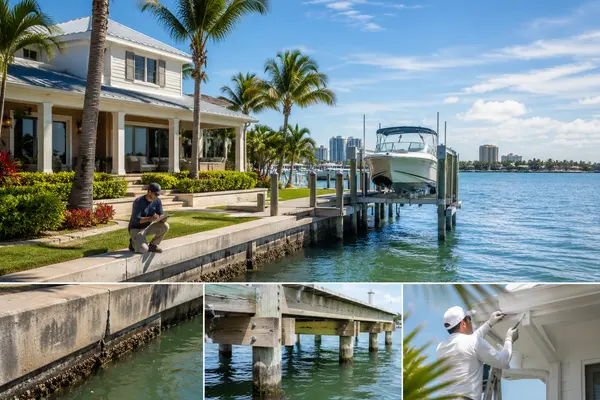
For example, waterfront homes may command significant premiums for location, views, boating access, and other desirable characteristics even when they are located in higher-risk flood zones.
Conversely, elevated insurance costs, previous flood damage, or substantial renovation requirements may affect how buyers evaluate a property.
Insurance Costs and Affordability
A home's monthly ownership expenses may include mortgage payments, property taxes, homeowners insurance, flood insurance, association assessments, and maintenance reserves.
Higher insurance expenses can affect affordability and, in some circumstances, the number of buyers able or willing to purchase a property.
Property Condition and Elevation
Buyers may evaluate an elevated, well-maintained property differently from a lower-lying home with unresolved flood-related concerns, even when both properties share the same FEMA designation.
Comparable Sales Matter
Flood-zone designation alone cannot establish market value.
A licensed real estate professional can help buyers review comparable sales, while a qualified appraiser can provide a property-specific valuation when needed.
Flood Zones and Florida Condominiums: What Is Different?
Condominium buyers face additional considerations because insurance and maintenance responsibilities may be divided between the association and individual unit owners.
Association Flood Insurance
A condominium association may maintain flood insurance covering certain portions of the building, depending on the property's location, financing requirements, association documents, and insurance arrangements.
Buyers should request current insurance certificates and review the scope of the association's flood coverage.
Individual Unit Coverage
Association insurance may not cover every improvement, personal belonging, or expense associated with an individual condominium unit.
A qualified insurance professional can explain whether separate unit-owner flood coverage or other protection is appropriate.
Flood-Related Assessments
Significant flood damage to shared building components may result in repair expenses, insurance deductibles, or other costs that affect the association's finances.
Depending on the governing documents and applicable law, some expenses may be funded through reserves, regular assessments, or special assessments.
Buyers should review association budgets, insurance policies, reserves, meeting minutes, and any disclosed pending assessments.
How Do Flood Zones Affect Buying in Sarasota, Venice, and Southwest Florida?
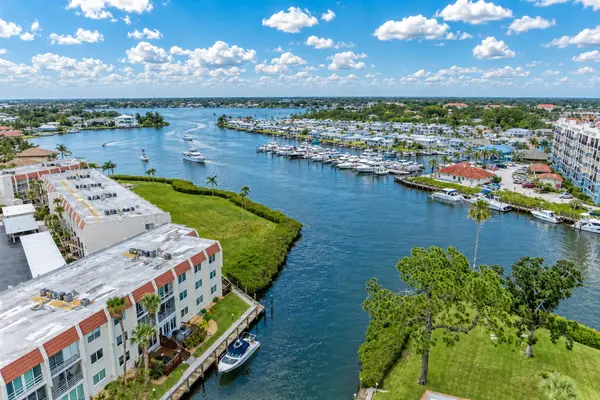
Southwest Florida includes barrier islands, waterfront neighborhoods, canal-front communities, inland subdivisions, and areas near rivers and other waterways.
These different settings create a wide range of property-specific flood conditions.
Venice Island
Venice Island includes beachfront condominiums, historic neighborhoods, canal-adjacent properties, and inland residential streets.
Flood classifications and property elevations can vary across the island, making address-specific verification essential.
Sarasota and the Barrier Islands
Sarasota's coastal communities include properties near Sarasota Bay, the Gulf, tidal waterways, and barrier-island shorelines.
Buyers should evaluate coastal flood exposure, elevation, insurance, and evacuation information separately for each property.
Nokomis and Osprey
Nokomis and Osprey contain waterfront and inland neighborhoods with different drainage conditions and proximity to waterways.
Flood risk should be evaluated based on the exact location and building characteristics rather than the community name alone.
Englewood and Other Coastal Communities
Englewood includes Gulf-front, bayfront, canal-front, and inland residential properties.
Different neighborhoods and homesites may have substantially different flood exposure and insurance requirements.
Newer Inland Developments
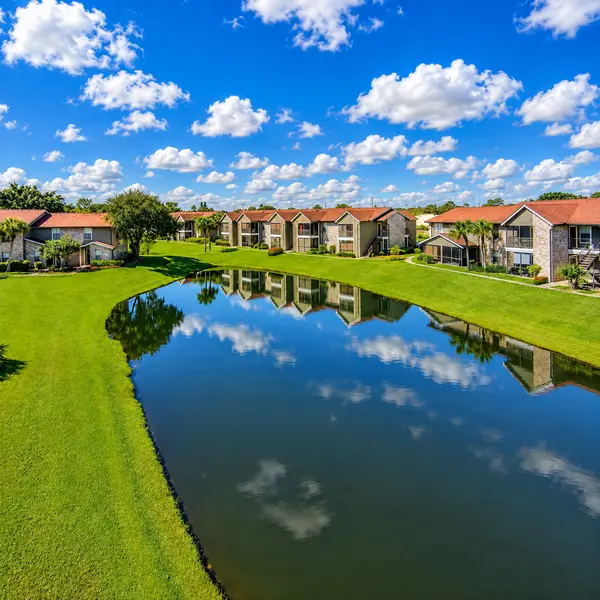
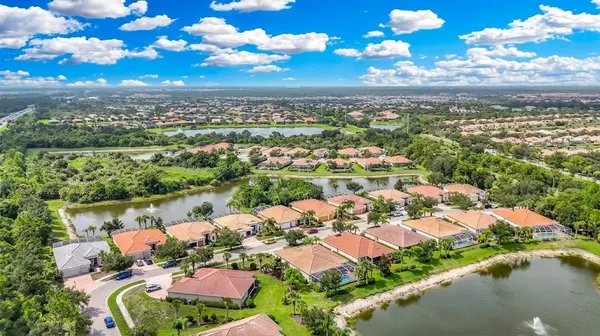
Newer inland communities may be located outside coastal high-risk zones, but that does not eliminate potential flooding from heavy rainfall, drainage conditions, or nearby waterways.
Buyers should review current mapping, site drainage, elevation, and available flood history even when purchasing newly constructed homes.
Can a Florida Flood Zone Change?
Yes. FEMA flood maps can be updated as new information becomes available.
Changes may reflect updated flood studies, revised mapping, or other factors affecting the mapped flood hazard.
A property that was previously outside a Special Flood Hazard Area may later be mapped within one. The reverse can also occur.
Letters of Map Amendment and Revision
FEMA provides procedures for requesting certain map changes, including Letters of Map Amendment and Letters of Map Revision.
Whether a property qualifies depends on technical evidence and the applicable FEMA requirements.
A buyer should not assume that a flood designation can be changed simply because the home appears elevated or has not previously flooded.
Property-specific questions should be reviewed with FEMA, the local floodplain administrator, and an appropriately qualified surveyor or engineer.
What Should Buyers Check Before Making an Offer?
Flood risk should be investigated early enough for buyers to understand potential expenses and property conditions before making a binding purchasing decision.
- FEMA flood zone: Search the exact property address using the official FEMA Flood Map Service Center.
- Map details: Determine whether the property is in Zone AE, A, VE, X, or another designation, and review any applicable Base Flood Elevation.
- Elevation information: Ask whether an Elevation Certificate or other reliable elevation documentation is available.
- Flood history: Review the seller's required flood disclosure and request available information about previous water damage and repairs.
- Insurance quotes: Obtain property-specific flood and homeowners insurance quotes before finalizing affordability calculations.
- Lender requirements: Confirm whether flood coverage is mandatory for the proposed mortgage.
- Citizens requirements: Determine whether the intended property insurance policy carries a separate flood-insurance obligation.
- Home inspections: Arrange appropriate inspections and request additional evaluation of suspected moisture, foundation, structural, or drainage concerns.
- Renovation plans: Consult the local permitting authority about floodplain construction and substantial-improvement requirements before planning major work.
- Condominium coverage: If purchasing a condominium, review the association's flood insurance, deductibles, reserves, and financial obligations.
- Evacuation zone: Verify hurricane evacuation information separately from the FEMA flood designation.
- Total ownership costs: Consider insurance, taxes, association assessments, and maintenance alongside the purchase price.
Buyers should consult a licensed insurance professional for coverage and premium questions, a qualified lender for financing requirements, appropriate inspectors or engineers for building concerns, and a Florida real estate attorney for legal or contractual questions.
Additional Questions About Buying a Home in a Florida Flood Zone
Is Flood Zone AE a reason not to buy a house?
Not necessarily. Zone AE indicates a mapped high-risk flood hazard, but buyers should evaluate the property's elevation, construction, history, insurance expenses, and their own circumstances before making a decision. The designation alone does not establish whether a purchase is suitable.
Is Zone X always cheaper to insure than Zone AE?
No. Zone X often indicates lower mapped flood hazard, but actual premiums depend on property-specific characteristics, coverage, and insurer pricing. Buyers should obtain written quotes rather than assume a particular price based on flood-zone designation.
Can flood insurance be purchased after closing?
Flood insurance can often be purchased after closing if the buyer is eligible, but coverage may be subject to waiting periods. Standard NFIP policies generally have a 30-day waiting period, with specified exceptions, including certain mortgage-related transactions. Buyers should arrange required coverage before closing and verify the effective date with their insurance professional.
Does a new Florida home automatically have lower flood risk?
No. Newer construction may incorporate updated flood-resistant features and elevation requirements, but flood exposure depends on the property's location, design, elevation, and surrounding conditions. Buyers should verify these characteristics rather than relying on construction age alone.
Can a buyer use the seller's existing flood insurance policy?
Some existing NFIP policies may be assignable to a new owner under applicable program rules. Buyers should ask a qualified insurance professional whether an assignment is permitted, what conditions apply, and whether obtaining a new policy would be more appropriate.
Does flood insurance cover all hurricane damage?
No. Flood insurance and homeowners insurance cover different types of losses, subject to policy terms and exclusions. For example, wind damage and qualifying flood damage may be handled under different policies. Buyers should review coverage, deductibles, and exclusions with a licensed insurance professional.
Where can I find reliable Florida flood information?
The FEMA Flood Map Service Center, National Flood Insurance Program, local floodplain management offices, and qualified insurance professionals are useful starting points. County emergency management agencies provide separate hurricane evacuation information.
The Bottom Line: Flood Zones Are One Part of a Florida Homebuying Decision
Flood zones can affect the cost, financing, maintenance, and long-term considerations associated with buying a home in Florida.
Properties in FEMA high-risk zones may require flood insurance as a condition of mortgage financing, while homes in lower-risk zones may still face flood exposure or insurance requirements under certain policies.
A home's actual flood exposure also depends on factors beyond the mapped designation, including elevation, construction, drainage, and local conditions.
For buyers considering Sarasota, Venice, and other Southwest Florida communities, the most useful approach is to evaluate flood mapping, insurance, property condition, and total ownership expenses together.
A flood-zone designation should prompt informed investigation rather than automatically determine whether a property is desirable or unsuitable.
Explore Florida Homes With Hunt Brothers Realty
Buying a home in Southwest Florida involves more than comparing floor plans, neighborhoods, and listing prices. Understanding location-specific considerations, including flood zones and insurance requirements, can help buyers evaluate properties more thoroughly.
Hunt Brothers Realty helps buyers explore real estate opportunities throughout Sarasota, Venice, Nokomis, Englewood, and other areas of Southwest Florida.
A licensed real estate professional can help you compare available properties, review relevant disclosures, and coordinate access to property information. Qualified insurance agents, lenders, inspectors, engineers, attorneys, and other specialists should provide the individualized guidance necessary for decisions involving their respective areas of expertise.
To explore available homes or discuss your Southwest Florida home search, contact Hunt Brothers Realty.
Important Information: This article is provided for general informational and educational purposes only. It does not constitute individualized legal, financial, tax, insurance, lending, inspection, engineering, construction, surveying, title, or other professional advice. Flood maps, insurance requirements, premiums, coverage availability, building regulations, and property conditions may change. Buyers should verify current flood-zone designations with FEMA and appropriate local authorities, obtain property-specific insurance quotes from qualified insurance professionals, confirm financing requirements with their lender, and seek appropriate inspections and technical evaluations before making a purchasing decision. Questions involving contracts, seller disclosures, ownership rights, or legal obligations should be reviewed with a qualified Florida real estate attorney. Hunt Brothers Realty provides real estate brokerage services and does not replace specialized professional guidance.
Sources
- Federal Emergency Management Agency, Flood Map Service Center
- National Flood Insurance Program, Understanding Flood Zones and Maps
- National Flood Insurance Program, Understanding Property Flood Risk
- National Flood Insurance Program, Eligibility and Mortgage Requirements
- National Flood Insurance Program, Purchasing Coverage, Premium Factors, and Waiting Periods
- National Flood Insurance Program, Flood Insurance Requirements for Mortgage Transactions
- Florida Statutes Section 689.302, Residential Property Flood Disclosure Requirements
- Florida Statutes Section 627.351, Citizens Property Insurance Requirements
- Citizens Property Insurance Corporation, Flood Insurance Requirements and Implementation Schedule
- FloodSmart, Official National Flood Insurance Program Consumer Information
Contact Hunt Brothers Realty
46 N. Washington Blvd, Ste 3
Sarasota, FL 34236
Phone: (941) 388-7017
Email: info@huntbrothersrealty.com
Website: www.huntbrothersrealty.com
Categories
- All Blogs 1950
- Anna Maria Island 83
- Bird Key 4
- Bradenton 234
- Buying a Home 1020
- Casey Key 2
- Clearwater 9
- Condos & HOA Living 931
- Ellenton 5
- Englewood 9
- First Time Homebuyers 1124
- Foreclosures 3
- Home Selling 1
- Homeownership 1144
- Lakewood Ranch 20
- Lido Key 27
- Longboat Key 78
- Luxury/Waterfront Properties 1085
- Market Updates & Trends 614
- Mortgages & Financing 42
- Move-Up Buyers 20
- Neighborhood Guides 737
- New Construction 32
- Palmetto 3
- Parrish 6
- Port Charlotte 10
- Punta Gorda 15
- Real Estate Investing 1002
- Relocation to Florida 1046
- Safety Harbor 2
- Sarasota 71
- Sarasota - Downtown 157
- Selling a Home 143
- Siesta Key 89
- St. Petersburg 6
- Tierra Verde 5
- Vacation & Second Homes 1193
- Venice 96
- Wellen Park 10
Recent Posts