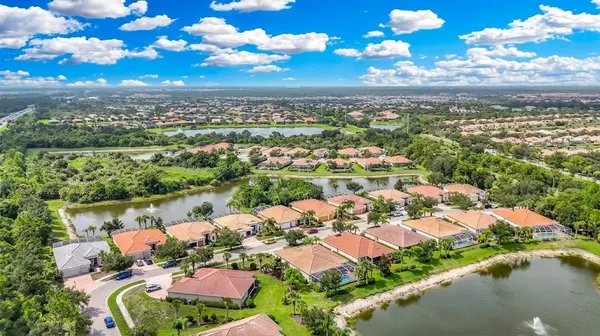
How Much Money Do I Need to Buy a House in Florida?
How much money do you need to buy a house in Florida? The answer depends on the home's purchase price, your mortgage program, closing costs, insurance requirements, and how much money you want available after moving in. Some qualified buyers may purchase a Florida home with a down payment as low as 3% or 3.5%, while certain eligible borrowers may qualify for programs that do not require a down payment. However, the down payment is only one part of the money needed to purchase a home. Buyers must also consider closing expenses, prepaid insurance, property taxes, inspections, moving costs, and financial reserves. For buyers exploring Sarasota and Florida Gulf Coast real estate, understanding these expenses before house hunting can help establish a more realistic purchasing budget.
Quick Answers About How Much Money You Need to Buy a House in Florida
Do I Need 20% Down to Buy a House in Florida?
No. Many qualified buyers can purchase a Florida home with less than 20% down. Certain conventional mortgage programs allow down payments as low as 3%, while eligible FHA borrowers may qualify with 3.5% down. VA and USDA loan programs may offer zero-down-payment options for eligible borrowers and qualifying properties. Loan availability and requirements must be confirmed with a qualified mortgage lender.
How Much Is a 3% Down Payment on a $400,000 Florida House?
A 3% down payment on a $400,000 home equals $12,000. However, the buyer would generally need additional money for closing costs, prepaid expenses, inspections, and other applicable purchase expenses.
How Much Are Closing Costs When Buying a House in Florida?
Closing costs vary according to the property, mortgage, purchase contract, and transaction details. For preliminary budgeting, some buyers use an illustrative allowance of approximately 2% to 5% of the purchase price for closing-related expenses. This is not a Florida-specific guarantee or a substitute for a lender's estimate. Actual costs may fall outside that range, and buyers should determine which prepaid expenses are included before using any percentage estimate.
Can I Buy a House in Florida With $20,000 Saved?
Possibly. Whether $20,000 is sufficient depends on the purchase price, financing program, closing expenses, available assistance, and required reserves. A buyer purchasing a lower-priced home with an eligible low-down-payment mortgage may have different cash requirements than someone purchasing a more expensive property or a second home.
Do First-Time Homebuyers Need Less Money in Florida?
Some first-time homebuyers may qualify for low-down-payment mortgages or assistance programs. Eligibility can depend on income, purchase price, credit qualifications, occupancy, program funding, and other requirements. Buyers should confirm current options with a participating lender or appropriate housing agency.
What Is the Difference Between a Down Payment and Cash to Close?
The down payment is the portion of the purchase price you pay rather than finance. Cash to close is the amount you must provide at settlement after accounting for the down payment, closing costs, prepaid expenses, deposits already paid, and applicable credits or adjustments. The Consumer Financial Protection Bureau's Loan Estimate guide explains how these amounts appear in mortgage disclosures.
Should I Have Money Left After Buying a Florida House?
Buyers should consider how much money will remain available for repairs, maintenance, insurance deductibles, unexpected expenses, and other obligations after closing. Some lenders also require financial reserves for certain loan programs or property types. Appropriate reserve amounts depend on individual circumstances and should be discussed with qualified financial and lending professionals.
1. The Four Main Categories of Money Needed to Buy a Florida Home
When calculating how much money you need to buy a house in Florida, it helps to separate the expenses into four categories.
- Down payment: The portion of the purchase price paid upfront rather than borrowed.
- Closing costs and prepaid expenses: Transaction charges, loan-related expenses, insurance premiums, taxes, and other applicable settlement items.
- Purchase preparation and moving expenses: Inspections, travel, moving services, utility setup, and other costs that may arise before or after closing.
- Post-closing reserves: Money retained for maintenance, repairs, emergencies, and other ownership obligations.
The first two categories largely determine the funds needed to complete the transaction. The remaining categories help buyers understand the broader financial commitment.
A buyer who has saved enough for a down payment may still need additional money to complete the purchase comfortably.
2. How Much Down Payment Do You Need for a Florida House?
Your required down payment depends primarily on the mortgage program, your qualifications, and the intended use of the property.
Different loan programs have different minimum requirements, and not every borrower or property qualifies for every program.
Conventional Mortgages
Certain conventional mortgage programs permit qualified buyers to make down payments as low as 3%.
However, some borrowers, property types, and occupancy arrangements require larger down payments.
Conventional loans with less than 20% down commonly involve private mortgage insurance, depending on the loan structure and applicable requirements.
FHA Mortgages
Eligible FHA borrowers may qualify for a minimum down payment of 3.5%, subject to applicable credit, underwriting, property, and occupancy requirements.
FHA financing generally includes mortgage insurance requirements that should be considered when evaluating the total monthly payment.
VA Mortgages
Eligible veterans, service members, and certain surviving spouses may qualify for VA-backed mortgage financing without a down payment.
A zero-down-payment mortgage does not necessarily eliminate closing costs, funding fees, or other purchase expenses.
USDA Mortgages
Certain eligible borrowers purchasing qualifying properties in designated areas may qualify for USDA financing without a down payment.
Income, location, occupancy, and other program requirements apply.
Jumbo and Other Mortgage Programs
Higher-priced homes, second homes, investment properties, and certain other transactions may require different financing structures or larger down payments.
Buyers should discuss loan eligibility, down payment requirements, mortgage insurance, and occupancy conditions with a qualified mortgage lender before selecting a financing strategy.
3. Florida Down Payment Examples by Home Price
The following examples show how down payment amounts change based on the purchase price and percentage paid upfront.
These calculations illustrate down payments only. They do not include closing costs, prepaid expenses, mortgage insurance, inspections, or financial reserves.
| Home Price | 3% Down | 3.5% Down | 5% Down | 20% Down |
|---|---|---|---|---|
| $250,000 | $7,500 | $8,750 | $12,500 | $50,000 |
| $300,000 | $9,000 | $10,500 | $15,000 | $60,000 |
| $400,000 | $12,000 | $14,000 | $20,000 | $80,000 |
| $500,000 | $15,000 | $17,500 | $25,000 | $100,000 |
| $600,000 | $18,000 | $21,000 | $30,000 | $120,000 |
For example, a buyer purchasing a $400,000 Florida home with 5% down would contribute $20,000 toward the purchase price. That buyer would still need to account for applicable closing costs and other expenses.
The percentage available to a particular buyer depends on the mortgage program and underwriting qualifications. The examples do not establish loan eligibility.
4. How Much Are Closing Costs When Buying a House in Florida?
Closing costs are expenses associated with completing the purchase and, when applicable, obtaining a mortgage.
The actual amount depends on the transaction, purchase contract, lender, property, and allocation of expenses between the parties.
For early planning, an illustrative allowance of approximately 2% to 5% of the purchase price may help buyers understand the potential scale of closing-related expenses. However, this is only a budgeting assumption. It is not a verified estimate for any specific Florida transaction.
What Closing Expenses Might Florida Buyers Encounter?
- Mortgage origination and underwriting charges
- Appraisal fees
- Credit report charges
- Title examination and settlement services
- Title insurance premiums
- Recording fees
- Applicable documentary stamp taxes
- Applicable nonrecurring intangible taxes on certain mortgage obligations
- Prepaid mortgage interest
- Homeowners insurance premiums
- Initial escrow deposits
- Other applicable contractual or settlement charges
Not every buyer pays every listed expense. Responsibility for certain costs depends on Florida law, the purchase contract, local practices, and lender requirements.
The Consumer Financial Protection Bureau explains common mortgage closing fees, including appraisal expenses, title insurance, government charges, and prepaid costs.
What Is a Loan Estimate?
For applicable mortgage transactions, lenders provide a Loan Estimate showing estimated loan terms, payments, closing costs, and cash needed to close.
This document is more useful for evaluating a specific financing proposal than relying solely on a general closing-cost percentage.
Buyers should review the estimate with their lender and ask which charges are fixed, which may change, and which expenses must be paid separately before closing.
5. How Much Cash Might You Need for a $400,000 Florida House?
Consider a hypothetical buyer purchasing a $400,000 Florida house with a 5% down payment.
The following example uses assumed amounts to demonstrate how purchase expenses can add up. It is not a quote, market average, or recommendation for a particular buyer.
| Expense | Illustrative Amount |
|---|---|
| Purchase price | $400,000 |
| 5% down payment | $20,000 |
| Assumed closing costs and prepaid expenses | $12,000 |
| Estimated transaction cash requirement before credits | $32,000 |
| Separate illustrative allowance for inspections and moving expenses | $3,000 |
| Illustrative total funds allocated to purchase-related expenses | $35,000 |
In this example, the buyer allocates $35,000 toward the down payment, assumed closing and prepaid expenses, inspections, and moving costs.
The $12,000 closing allowance is an illustrative assumption equal to 3% of the purchase price, not a verified estimate. The example does not include a separate emergency reserve, and actual expenses may be materially higher or lower.
Any earnest money already paid would generally be credited toward the buyer's transaction obligations rather than added as an entirely separate purchase expense. Seller credits or other adjustments may also change the final cash-to-close amount.
6. What Florida-Specific Costs Should Buyers Budget For?
Florida homeownership includes expenses that may differ from those buyers have experienced in other states.
Insurance, property taxes, flood exposure, association obligations, and ongoing maintenance deserve particular attention.
Homeowners Insurance
Florida homeowners insurance premiums vary substantially by property.
Factors affecting coverage and pricing may include:
- Property location
- Roof age and condition
- Construction type
- Wind mitigation features
- Coverage limits
- Deductibles
- Claims history and underwriting considerations
- Occupancy and intended property use
A home with an older roof or different construction characteristics may have different insurance costs from another similarly priced property.
Buyers should obtain property-specific quotes and review coverage with a qualified insurance professional before making a purchasing decision.
Hurricane Deductibles
Florida homeowners insurance policies may include a separate hurricane deductible.
Unlike a standard fixed-dollar deductible, a hurricane deductible may be calculated as a percentage of the insured dwelling amount.
For example, a 2% hurricane deductible on $400,000 of insured dwelling coverage would equal $8,000. This calculation uses the insured dwelling amount, not necessarily the home's purchase price or market value.
The Florida Department of Financial Services explains hurricane deductibles and their application to covered losses.
Flood Insurance
Standard homeowners insurance generally excludes flood damage.
Separate flood insurance may be required by a mortgage lender or appropriate based on the property's exposure and the owner's circumstances.
Buyers can investigate mapped flood hazards through the FEMA Flood Map Service Center.
Flood risk and insurance requirements should be evaluated for the actual property rather than assumed from the surrounding neighborhood.
Property Taxes
Florida property taxes depend on assessed value, exemptions, taxable value, and applicable local tax rates.
A change in ownership can affect the property's assessed value in a subsequent tax year.
Therefore, buyers should not assume that the seller's current property tax bill accurately reflects their future tax obligations.
The appropriate county property appraiser can provide information about assessments, exemptions, and available estimation tools.
HOA and Condominium Fees
Some Florida communities charge homeowners association or condominium fees.
These fees may support common-area maintenance, amenities, insurance, landscaping, reserves, or other association expenses, depending on the community.
Buyers should verify current fees, financial obligations, and any existing or proposed special assessments directly with the association.
Maintenance and Repairs
Florida homeowners may need to budget for air-conditioning maintenance, landscaping, pool service, roof upkeep, exterior maintenance, and other property-specific expenses.
Coastal homes may have additional maintenance considerations associated with salt air, moisture, and exposure to severe weather.
Actual maintenance needs should be evaluated through appropriate inspections and, when necessary, estimates from qualified contractors or tradespeople.
7. How Much Money Do First-Time Homebuyers Need in Florida?
First-time buyers may have access to financing and assistance options that reduce certain upfront costs.
However, program eligibility varies, and assistance is not automatically available to every buyer.
Florida Housing Programs
The Florida Housing Finance Corporation provides information about homeownership programs that may include down payment or closing cost assistance for eligible buyers.
Depending on the program, assistance may be structured as a loan or another form of financial support rather than unrestricted grant money.
Income limits, purchase price restrictions, credit qualifications, occupancy requirements, and funding availability may apply.
Local Homebuyer Assistance
Some local governments and housing organizations offer homebuyer assistance programs when funding is available.
Buyers considering Sarasota or Manatee County should check current programs directly with the applicable housing agency or participating lender.
A qualified lender can help explain which programs may apply to a buyer's circumstances and how assistance affects financing obligations.
8. Can Seller Credits Reduce the Money Needed to Buy a Florida House?
In some transactions, buyers and sellers negotiate credits toward eligible closing costs.
A seller credit may reduce the amount of money the buyer needs to provide for certain settlement expenses, subject to contract terms and lender limitations.
However, seller credits are not guaranteed, and they may affect the overall negotiated purchase terms.
Buyers should also understand that lender credits may involve tradeoffs, such as a higher interest rate.
The Consumer Financial Protection Bureau discusses seller and lender credits and explains why buyers should evaluate their full financial effect.
9. How Much Should You Have Saved After Closing?
The amount of money remaining after closing is an important part of evaluating whether a home purchase is financially manageable.
Buying a home can introduce expenses that are difficult to predict precisely.
Examples include:
- Unexpected appliance repairs
- Air-conditioning service or replacement
- Roof or plumbing repairs
- Insurance deductibles
- Moving and furnishing expenses
- Temporary income disruptions
- Association assessments
- Other unplanned ownership costs
Some mortgage programs also require borrowers to demonstrate sufficient reserves after closing.
There is no single reserve amount that is appropriate for every Florida homeowner. Buyers should evaluate their income stability, existing obligations, property condition, insurance deductibles, and anticipated expenses with qualified financial and lending professionals.
10. How Much Money Do You Need to Buy a House in Sarasota, Florida?
The amount of money needed to buy a home in Sarasota depends on the property type, location, purchase price, financing arrangement, and ownership expenses.
Buyers comparing properties across Sarasota and the surrounding Gulf Coast should understand that homes with similar prices may carry different costs.
Mainland Sarasota Homes
Mainland Sarasota offers established neighborhoods, single-family homes, townhomes, and condominium communities.
Costs vary according to property age, condition, association obligations, insurance requirements, and location.
Siesta Key, Lido Key, and Longboat Key
Barrier-island properties may involve additional coastal considerations, including flood exposure, wind insurance, salt-air maintenance, and condominium association obligations where applicable.
Buyers should evaluate these expenses for each property rather than assuming all island residences have identical insurance or maintenance costs.
Lakewood Ranch and Newer Communities
Newer communities may offer recently constructed homes and shared amenities, but buyers should investigate homeowners association fees, applicable Community Development District assessments, and other recurring obligations.
Venice, Nokomis, Osprey, and Bradenton
These communities provide additional residential options throughout Sarasota and Manatee counties.
Comparing the full ownership cost of individual properties can be more informative than comparing asking prices alone.
Buyers can begin exploring the region through Hunt Brothers Realty.
11. How Can You Estimate Your Total Monthly Florida Housing Payment?
The down payment and closing expenses determine how much cash you need upfront. Your ongoing housing expenses help determine whether the property fits your longer-term budget.
A Florida homeowner's total monthly housing cost may include:
- Mortgage principal and interest
- Property taxes
- Homeowners insurance
- Flood insurance, when applicable
- Mortgage insurance, when applicable
- HOA or condominium fees
- Applicable CDD assessments
- Utilities and maintenance
Some expenses may be included in a mortgage escrow payment, while others may be billed separately or paid annually.
The Consumer Financial Protection Bureau's Loan Estimate guide explains how mortgage payments, taxes, insurance, and other charges may appear in financing disclosures.
Buyers should ask their lender to explain the full estimated payment and identify expenses that are not included in the quoted mortgage amount.
12. What Should You Do Before Deciding How Much Florida House You Can Afford?
Before choosing a price range, gather the information needed to evaluate both the purchase and the ongoing ownership expenses.
- Review your available savings and other financial resources.
- Identify money needed for existing obligations and emergencies.
- Speak with a qualified mortgage lender about financing eligibility.
- Compare available down payment options.
- Request an estimate of closing costs and prepaid expenses.
- Investigate homeowners insurance costs for properties you are considering.
- Review flood insurance requirements when applicable.
- Estimate future property taxes using appropriate county resources.
- Review association fees and other recurring assessments.
- Consider moving, inspection, repair, and maintenance expenses.
- Determine what financial reserves should remain after closing.
- Review individualized financial questions with qualified professionals.
The purpose of this preparation is to avoid selecting a home based solely on the maximum loan amount available.
Common Mistakes When Budgeting for a Florida Home Purchase
Mistake 1: Assuming Every Buyer Needs 20% Down
Many qualified buyers have financing options requiring less than 20% down. However, the appropriate loan structure depends on eligibility, mortgage insurance, borrowing costs, and individual circumstances.
Mistake 2: Saving Only for the Down Payment
Closing expenses, prepaid insurance, inspections, and moving costs can increase the total money needed. Buyers should distinguish the down payment from the full transaction budget.
Mistake 3: Using the Seller's Insurance Premium as a Guaranteed Estimate
Insurance premiums depend on the policyholder, coverage, property characteristics, and insurer. Buyers should obtain their own property-specific quotes.
Mistake 4: Assuming Property Taxes Will Stay the Same
A seller's existing exemptions and assessment limitations may not apply to the buyer. Property tax estimates should reflect the anticipated ownership circumstances.
Mistake 5: Ignoring HOA, Condominium, or CDD Expenses
Recurring association fees and assessments can materially affect affordability. Buyers should verify current obligations and investigate potential future expenses.
Mistake 6: Spending All Available Savings at Closing
Unexpected expenses can arise after purchasing a home. Buyers should evaluate whether sufficient financial resources will remain for their circumstances and applicable lender requirements.
Additional Frequently Asked Questions About Florida Homebuying Costs
Can I Buy a $300,000 Florida House With $10,000 Down?
A $10,000 down payment equals approximately 3.33% of a $300,000 purchase price. That may satisfy the minimum down payment for certain eligible conventional mortgage programs, but not every loan program or borrower qualifies. Additional closing expenses and other costs would generally still apply.
Can I Buy a Florida House With No Down Payment?
Certain eligible borrowers may qualify for zero-down-payment financing through programs such as VA or USDA loans. However, eligibility restrictions apply, and buyers may still need money for closing expenses, inspections, prepaid costs, and reserves.
Do I Need More Money to Buy a Second Home in Florida?
Possibly. Second-home financing may have different down payment, reserve, and underwriting requirements from financing for a primary residence. Insurance and property tax considerations may also differ. Buyers should confirm the requirements for their intended use with qualified professionals.
Does My Earnest Money Deposit Count Toward My Down Payment?
Earnest money held and properly credited through the transaction generally counts toward the buyer's settlement obligations rather than becoming an additional purchase cost. The treatment of deposits depends on the contract and closing arrangements. Buyers should confirm the final accounting with their title or closing professional.
Can I Use Gift Money for a Florida Home Down Payment?
Certain mortgage programs permit eligible gift funds for some or all of the required down payment, subject to documentation, source, relationship, and other requirements. Buyers should confirm acceptable arrangements with their mortgage lender before relying on gift funds.
Is It Cheaper to Buy a Condo Than a House in Florida?
A condominium may have a lower purchase price than some detached homes, but total ownership costs depend on association fees, insurance responsibilities, maintenance, assessments, financing, and property condition. Buyers should compare complete ownership expenses rather than purchase prices alone.
Final Thoughts: How Much Money Should You Have Before Buying a Florida House?
There is no single dollar amount that every buyer needs to purchase a house in Florida.
Some qualified buyers may purchase a home with a relatively small down payment, while others may choose or be required to contribute substantially more.
The most important distinction is between the money needed for the down payment and the total funds required to complete the purchase and maintain the property afterward.
Closing expenses, homeowners insurance, flood coverage, property taxes, association obligations, inspections, moving costs, and financial reserves should all be considered.
For buyers considering Sarasota and Florida's Gulf Coast, evaluating these expenses before selecting a property can help create a clearer picture of the financial commitment involved in homeownership.
A qualified mortgage lender can help establish financing eligibility and estimated transaction costs, while insurance, tax, inspection, and other professionals can provide the property-specific information needed for an informed purchasing decision.
Planning to Buy a Home in Sarasota or Florida's Gulf Coast?
At Hunt Brothers Realty, we help buyers explore residential real estate opportunities throughout Sarasota and Florida Gulf Coast real estate.
Whether you are purchasing your first home, relocating to Florida, searching for a second residence, or comparing different communities, our team can help you research available properties and understand the real estate considerations involved in your search.
Visit Hunt Brothers Realty to begin exploring Sarasota and Gulf Coast homes, or contact our team to discuss your property search.
Important Professional Verification Information
This article is provided for general informational and educational purposes only. It does not constitute individualized financial, lending, tax, insurance, legal, inspection, engineering, construction, title, association, or other professional advice. Down payment requirements, mortgage eligibility, interest rates, closing costs, assistance programs, property taxes, insurance premiums, and other expenses depend on the specific buyer, property, and transaction. All numerical examples are illustrative calculations, not quotes, guarantees, or recommendations for an individual buyer. Buyers should review financing options and cash-to-close requirements with a qualified mortgage lender, insurance coverage and premiums with a licensed insurance professional, tax consequences with a qualified tax professional, and property condition with appropriate inspectors or specialists. Contract, title, ownership, and other legal questions should be reviewed with a qualified Florida real estate attorney or appropriate legal professional. Buyers should obtain individualized guidance from qualified professionals before making decisions involving substantial financial commitments.
Sources
- Consumer Financial Protection Bureau, Loan Estimate Explainer
- Consumer Financial Protection Bureau, Mortgage Closing Fees and Charges
- U.S. Department of Housing and Urban Development, Home Loan Information
- U.S. Department of Veterans Affairs, VA Home Loan Programs
- U.S. Department of Agriculture, Single Family Housing Programs
- Florida Housing Finance Corporation, Homeownership Programs
- Florida Office of the Insurance Consumer Advocate, Shopping for Homeowners Insurance
- Florida Department of Financial Services, Florida Hurricane Deductibles
- Florida Department of Revenue, Property Tax Exemptions
- Federal Emergency Management Agency, Flood Map Service Center
- Hunt Brothers Realty, Sarasota and Florida Gulf Coast Real Estate
Contact Hunt Brothers Realty
Hunt Brothers Realty
46 N. Washington Blvd, Ste 3
Sarasota, FL 34236
Phone: (941) 388-7017
Email: info@huntbrothersrealty.com
Website: www.huntbrothersrealty.com
Categories
- All Blogs 1950
- Anna Maria Island 83
- Bird Key 4
- Bradenton 234
- Buying a Home 1020
- Casey Key 2
- Clearwater 9
- Condos & HOA Living 931
- Ellenton 5
- Englewood 9
- First Time Homebuyers 1124
- Foreclosures 3
- Home Selling 1
- Homeownership 1144
- Lakewood Ranch 20
- Lido Key 27
- Longboat Key 78
- Luxury/Waterfront Properties 1085
- Market Updates & Trends 614
- Mortgages & Financing 42
- Move-Up Buyers 20
- Neighborhood Guides 737
- New Construction 32
- Palmetto 3
- Parrish 6
- Port Charlotte 10
- Punta Gorda 15
- Real Estate Investing 1002
- Relocation to Florida 1046
- Safety Harbor 2
- Sarasota 71
- Sarasota - Downtown 157
- Selling a Home 143
- Siesta Key 89
- St. Petersburg 6
- Tierra Verde 5
- Vacation & Second Homes 1193
- Venice 96
- Wellen Park 10
Recent Posts