How Do I Choose a Buyer’s Agent in Florida?

Choose a Florida buyer’s real estate professional by looking beyond personality and asking how that person will actually help you evaluate properties, understand the local market, structure offers and manage the transaction. Ask about experience with your location and property type, the Florida brokerage relationship that will apply, communication practices, availability, compensation and the written agreement you will sign. A strong fit should also understand Florida-specific concerns such as insurance, flood exposure, condominium finances, HOA obligations, inspections and coastal property issues, while recognizing when a licensed attorney, insurance agent, inspector, lender or other qualified professional needs to provide specialized guidance.
If you are beginning a Florida home search, the Hunt Brothers Realty Florida Buyer Resource Center provides additional information about buyer representation, contracts, financing, relocation and the purchasing process.
Quick Answers About Choosing a Buyer’s Agent in Florida
What should I look for in a Florida buyer’s agent?
Look for relevant local and property-type experience, clear communication, a disciplined approach to evaluating homes, knowledge of Florida-specific transaction issues and a willingness to explain the brokerage relationship, services and compensation before you commit.
Is every Florida buyer’s agent a single agent?
No. Florida law recognizes transaction broker and single agent relationships, and the state presumes transaction brokerage unless a single agent or no brokerage relationship is established in writing. Ask which relationship will apply rather than assuming the informal phrase “buyer’s agent” describes the legal relationship.
Do I have to sign an agreement before touring Florida homes?
Under current National Association of REALTORS® practice rules, MLS participants working with buyers generally must enter into a written buyer agreement before touring a home with the buyer, whether the tour is in person or live and virtual. Simply attending an open house on your own or interviewing a real estate professional does not by itself require that agreement under those rules.
Are buyer-agent commissions fixed in Florida?
No. Real estate professional compensation is negotiable and is not set by law. Your written agreement should clearly explain the compensation arrangement and your obligations. Depending on the transaction, a buyer may also request or negotiate for the seller or another party to contribute toward buyer-broker compensation, subject to the transaction terms and applicable rules.
Should my agent specialize in the area where I want to buy?
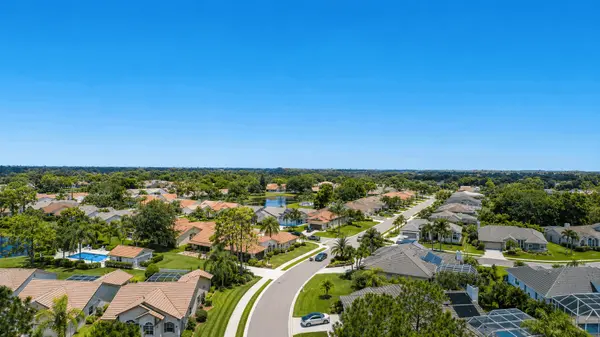
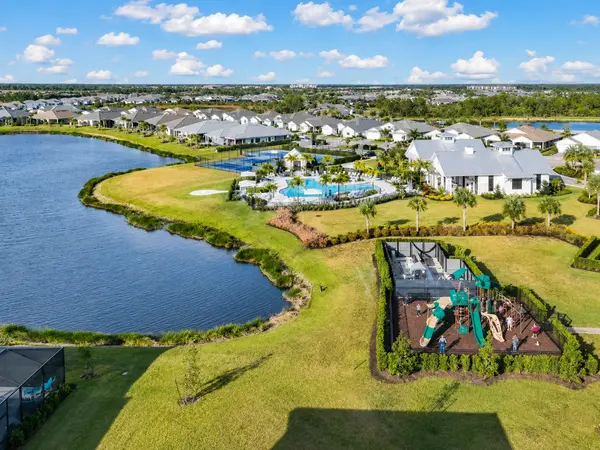
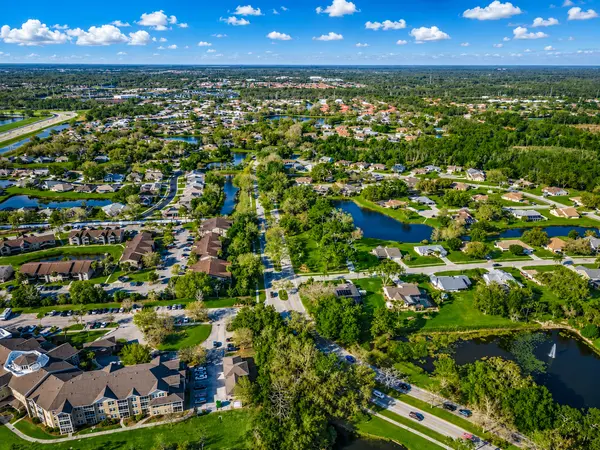
Relevant local experience can be valuable because Florida markets vary considerably. Sarasota condominiums, Venice villas, Lakewood Ranch new construction, waterfront homes and inland single-family properties can involve very different questions, costs and due-diligence priorities.
Should I interview more than one real estate professional?
You can. Comparing two or three professionals may help you understand differences in service, experience, availability, brokerage relationships, agreements and compensation. The goal is not necessarily to select the person with the longest résumé, but the professional whose experience and working process fit your purchase.
What is the most important question to ask before hiring an agent?
Ask, “Exactly how will you represent or work with me, what services will you provide, and what will I be obligated to pay under our agreement?” The answer should be clear enough that you understand the relationship before you begin touring properties together.
1. Start by Understanding What “Buyer’s Agent” Means in Florida
Homebuyers commonly use “buyer’s agent” to describe the real estate professional helping them purchase a property. In Florida, however, the actual brokerage relationship matters more than the informal label.
Under Florida Statute 475.278, a Florida real estate licensee may establish a transaction broker or single agent relationship with a potential buyer or seller. Florida presumes transaction brokerage unless a single agent or no brokerage relationship is established in writing.
Hunt Brothers Realty's guide to what a Florida buyer’s agent actually does explains these distinctions in more detail.
What is a Florida transaction broker?
A transaction broker provides a limited form of representation and does not represent the buyer or seller in a fiduciary capacity or as a single agent. Florida law assigns transaction brokers duties that include dealing honestly and fairly, accounting for funds, using skill, care and diligence, timely presentation of offers and counteroffers, limited confidentiality and disclosure of known facts that materially affect the value of residential real property when those facts are not readily observable to the buyer.
What is a Florida single agent?
A single agent represents either a buyer or seller as a fiduciary. Florida law assigns additional duties to a single agent, including loyalty, confidentiality, obedience and full disclosure, along with other statutory responsibilities.
Florida does not permit a real estate licensee to act as a disclosed or undisclosed dual agent representing both the buyer and seller as fiduciaries in the same transaction. Because these relationships have legal consequences, ask the real estate professional to explain the proposed relationship and review questions about your legal rights or contractual obligations with a qualified Florida real estate attorney.
2. Look for Experience With the Type of Florida Property You Want to Buy
An agent can hold an active Florida real estate license without having extensive experience with every property type. The questions involved in buying a downtown condominium can differ substantially from those involved in purchasing a waterfront house, new-construction home, golf property or acreage.
Ask prospective agents how often they work with properties similar to the one you want. Relevant experience can help the agent identify questions that deserve investigation without pretending to replace the specialists who must ultimately answer them.
Buying a Florida condo?
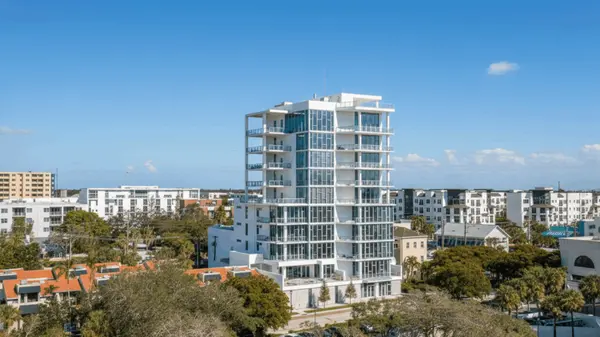
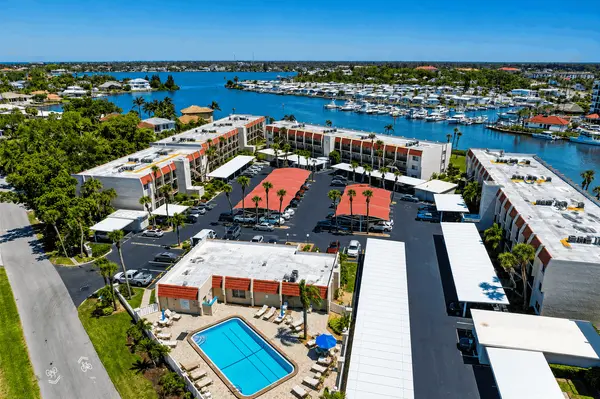
Look for familiarity with association assessments, budgets, reserves, insurance, governing documents and applicable building reports. Hunt Brothers Realty's 12 questions to ask before buying a Florida condo illustrates the additional due diligence that condominium purchases can require.
Buying near the coast?
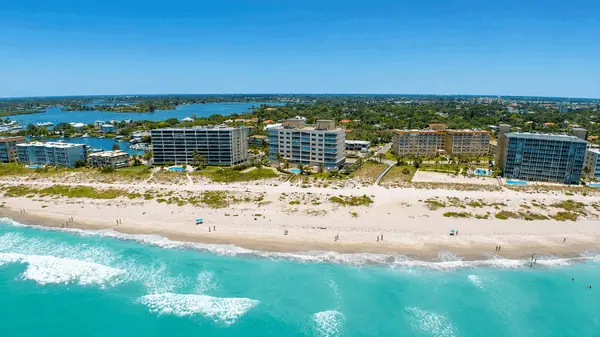
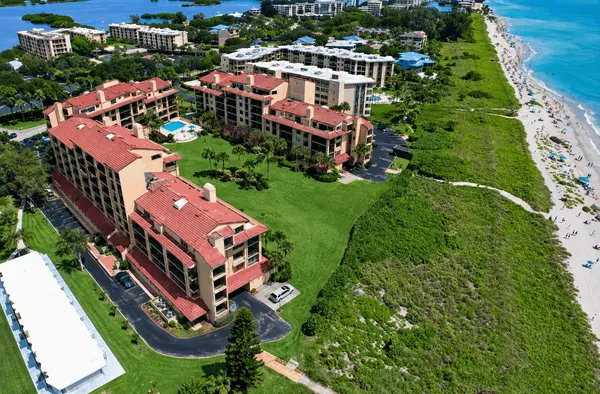
Your agent should recognize when questions about flood exposure, insurance, evacuation zones, seawalls, docks, salt-air maintenance and coastal construction deserve additional investigation. The Hunt Brothers Realty coastal homebuyer checklist provides a useful starting point.
3. Choose an Agent Who Understands Your Actual Local Market
“Florida experience” is broad. Florida contains hundreds of distinct housing markets, and conditions can vary even between nearby communities.
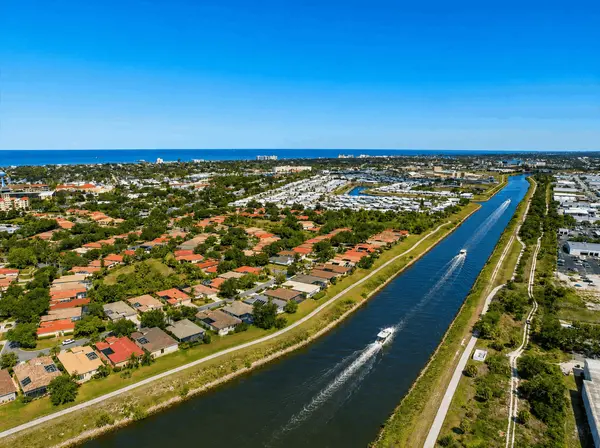
A buyer comparing Sarasota, Venice, Lakewood Ranch, Longboat Key, Siesta Key, Parrish and Englewood may encounter different housing stock, association structures, flood considerations, new-construction activity and pricing patterns.
Ask where the agent regularly works and how the agent would help you compare locations. A knowledgeable professional should be able to discuss objective property and market characteristics without steering buyers based on protected characteristics or making unsupported claims about which neighborhood is “best” for a particular type of person.
Buyers beginning that comparison can explore the Hunt Brothers Realty Gulf Coast community directory.
4. Ask How the Agent Evaluates a Property Before You Make an Offer
Finding listings is only one part of buyer representation. Ask what the agent does after you identify a home you might purchase.
Depending on the property and available information, useful preliminary research can include:
- Listing and price history
- Recent comparable sales
- Competing properties currently for sale
- Property disclosures
- Association fees and known assessments
- Available permit information
- Reported age of major systems
- Flood information requiring further investigation
- Known condominium or HOA requirements
- Questions requiring an inspector, insurer, attorney, lender or other specialist
The agent should not pretend to diagnose a roof, determine insurability, interpret legal documents or perform another professional's job. A valuable skill is recognizing which issues require further investigation and helping the buyer keep those questions organized.
5. Ask How the Agent Helps You Compare Homes During Showings
A showing should involve more than unlocking the front door and pointing out attractive finishes. The agent should help you remain focused on the characteristics that matter to your purchase.
That can include comparing layout, location, lot characteristics, visible condition, renovation needs, association costs, major systems and questions that require professional follow-up. The Hunt Brothers Realty guide to what to look for during a Florida home showing provides a practical checklist.
6. Ask How the Agent Approaches Offer Strategy
A useful buyer's real estate professional should be able to provide market context without pretending to know with certainty what a seller will accept or what a property will be worth in the future.
Ask how the agent analyzes comparable sales, current competition, listing history and property condition when helping buyers formulate offers. Also ask how the agent discusses price together with other negotiable terms, which can include closing timelines, deposits, financing, inspection provisions and requested seller concessions depending on the transaction.
The appropriate strategy is property-specific. A condominium that has been listed for months with several competing units can create a different negotiating environment from a newly listed house receiving immediate interest.
7. Understand the Written Buyer Agreement Before You Sign
Written buyer agreements are now an important part of the home-search process. Under current National Association of REALTORS® practice rules, MLS participants working with buyers generally must have a written agreement in place before touring a home with the buyer, including an in-person or live virtual tour.
According to the National Association of REALTORS® consumer guide to written buyer agreements, these agreements are negotiable. Buyers should understand the services, duration and compensation provisions before signing.
Review questions such as:
- What services will the brokerage provide?
- Is the agreement exclusive or limited in another way?
- What geographic area or properties does it cover?
- How long does the agreement last?
- How can the agreement be modified or ended?
- What compensation has been agreed upon?
- Under what circumstances could the buyer owe compensation?
- How would compensation from a seller or another source affect the buyer's obligation?
- What happens if the brokerage also has a relationship with the seller?
Do not sign a document you do not understand. Questions about the legal meaning, enforceability or consequences of an agreement should be reviewed with a qualified Florida real estate attorney.
8. Understand How Buyer-Agent Compensation Works
Compensation for real estate brokerage services is negotiable and is not set by law. Your agreement should clearly state the compensation arrangement rather than leaving you to discover it after you find a home.
A buyer should ask exactly what the brokerage expects to be paid, how the agreed amount is calculated and under what circumstances the buyer could become responsible for some or all of that compensation.
Seller-paid buyer-broker compensation remains possible outside the MLS, and buyers can negotiate transaction terms that request seller contributions where permitted and appropriate. That does not mean a seller is required to pay a buyer's brokerage fee. The final arrangement depends on the buyer agreement and negotiated transaction terms.
9. Ask How the Agent Handles Florida Insurance Questions
Insurance can materially affect the affordability of a Florida property, so a buyer's real estate professional should recognize that it belongs in the due-diligence process rather than treating it as a last-minute closing task.
Depending on the home and proposed insurer, questions can involve roof age and condition, wind mitigation, four-point inspections, flood exposure, electrical and plumbing systems, prior claims and storm-protection features.
A real estate agent should not promise that a property is insurable or quote a future premium. Insurance availability, underwriting requirements, coverage, exclusions, deductibles and premiums vary by property and applicant. Buyers should obtain property-specific information directly from a qualified insurance professional early enough to evaluate it within applicable contract deadlines.
10. Evaluate Communication and Availability Before You Commit
Real estate transactions contain deadlines, and communication style matters. Ask prospective agents how they normally communicate and how quickly you can reasonably expect responses.
Useful questions include:
- Will I primarily work with you or another team member?
- How do you normally communicate with buyers?
- How are showing requests handled?
- Who covers when you are unavailable?
- How do you track important transaction deadlines?
- How will you communicate when an issue requires immediate attention?
- How do you work with buyers who are relocating and cannot attend every appointment in person?
The best communication system is the one both sides understand before the transaction becomes time-sensitive.
11. Pay Attention to Whether the Agent Knows the Limits of the Role
One of the most important qualities in a real estate professional is knowing when another qualified professional needs to answer the question.
A real estate license does not make an agent a home inspector, structural engineer, attorney, CPA, insurance agent, surveyor, contractor, lender or title professional. An experienced agent can help identify questions, organize the transaction and coordinate around information from those professionals without stepping outside the scope of real estate brokerage services.
Be cautious when anyone gives definitive assurances about matters outside that person's professional qualifications, particularly structural condition, legal rights, future insurance premiums, tax consequences or guaranteed property appreciation.
12. Ask for a Clear Explanation of the Entire Buying Process
Before choosing an agent, ask that person to explain what happens from the first property search through closing. You are not testing whether the agent can recite every possible scenario. You are looking for an organized process.
Depending on the transaction, the process can involve financing preparation, property research, showings, offer preparation, contract deadlines, deposits, inspections, insurance investigation, association review, appraisal, title and survey work, lender requirements, final walkthrough and closing.
No agent controls every participant in that process. What you are evaluating is whether the professional has a system for helping the transaction move from one stage to the next while keeping you informed.
What Questions Should I Ask When Interviewing a Florida Buyer’s Agent?
A short interview can reveal far more than an online biography. Consider asking:
- How will you work with me under Florida brokerage law?
- What written buyer agreement will I be asked to sign?
- Is the agreement exclusive, and how long does it last?
- How does your compensation work?
- Which Florida markets do you regularly work in?
- How much experience do you have with my property type?
- How do you research a property before I make an offer?
- How do you help buyers analyze comparable sales?
- How do you approach offer strategy?
- How do you help buyers manage inspection and other contract deadlines?
- How do you handle insurance and flood questions?
- Who will I communicate with during the transaction?
- What happens if you are unavailable?
- How do you handle a property listed by your own brokerage?
- Which questions would you refer to an attorney, inspector, insurance agent, lender or other specialist?
What Are Potential Warning Signs When Choosing an Agent?
No single behavior automatically proves that an agent is a poor fit, but some situations deserve additional questions.
- The agent will not clearly explain the brokerage relationship.
- Compensation is vague or presented as nonnegotiable because “everyone charges the same.”
- You are pressured to sign an agreement before you understand it.
- The agent discourages appropriate independent inspections or professional review.
- Insurance costs or flood issues are dismissed without property-specific investigation.
- The agent gives legal, tax, engineering or insurance conclusions outside the scope of real estate brokerage.
- The agent makes promises about guaranteed appreciation or investment returns.
- Questions about communication, availability or transaction management receive unclear answers.
A professional relationship works better when expectations are transparent before a buyer becomes emotionally or financially committed to a property.
Should I Choose the Agent Who Offers the Lowest Fee?
Compensation is an important consideration, but it should be compared together with services, experience and the scope of the agreement. A lower fee does not automatically mean better value, just as a higher fee does not automatically mean better representation.
Ask each professional to explain what services are included and what you are agreeing to pay. Then compare the entire arrangement rather than focusing on one number.
How Do I Know When I Have Found the Right Florida Buyer’s Agent?
The right professional should make the process clearer, not more confusing. You should understand the brokerage relationship, services, compensation and communication expectations before committing. The agent should understand the market and property type you are considering and have a repeatable process for researching properties, coordinating showings, analyzing market information and managing the transaction.
Just as importantly, the agent should be comfortable saying, “That question needs to be answered by an inspector,” “You should verify that with your insurance professional,” or “That contract question should be reviewed with a Florida real estate attorney.” Knowing where real estate brokerage expertise ends is part of providing responsible real estate service.
Talk With Hunt Brothers Realty About Buying in Florida
If you are preparing to buy along Florida's Gulf Coast, contact Hunt Brothers Realty to discuss your property search, buyer representation and the communities you are considering. You can also visit the Florida Buyer Resource Center, explore Florida Gulf Coast communities, or read more Florida real estate guides.
Informational notice: This article provides general real estate and educational information only and is not individualized legal, financial, tax, insurance, lending, inspection, engineering or other professional advice. Brokerage relationships, buyer agreements, compensation obligations, contract rights and transaction circumstances can differ. Buyers should review the documents they are asked to sign and direct questions about legal rights, contract interpretation or enforceability to a qualified Florida real estate attorney. Financing should be reviewed with a qualified lender, insurance with an insurance professional, property condition with appropriate inspectors or other qualified professionals, and tax questions with a qualified tax professional or CPA.
Sources
- Florida Legislature, 2026 Florida Statute 475.278, Authorized Brokerage Relationships
- Florida Legislature, Florida Statute 475.272, Brokerage Relationship Disclosure Act
- National Association of REALTORS®, Consumer Guide to Written Buyer Agreements
- National Association of REALTORS®, 2026 Code of Ethics and Standards of Practice
- Hunt Brothers Realty, What Does a Florida Buyer’s Agent Actually Do?
- Hunt Brothers Realty, Florida Buyer Resource Center
- Hunt Brothers Realty, Buying a Condo in Florida in 2026
Contact Hunt Brothers Realty
46 N. Washington Blvd, Ste 3, Sarasota, FL 34236
Phone: (941) 388-7017
Email: info@huntbrothersrealty.com
Website: HuntBrothersRealty.com
Categories
- All Blogs 2132
- Anna Maria Island 86
- Bird Key 4
- Bradenton 236
- Buying a Home 1191
- Casey Key 2
- Clearwater 11
- Condos & HOA Living 1108
- Ellenton 6
- Englewood 11
- First Time Homebuyers 1300
- Foreclosures 5
- Home Selling 6
- Homeownership 1324
- Lakewood Ranch 25
- Lido Key 28
- Longboat Key 80
- Luxury/Waterfront Properties 1264
- Market Updates & Trends 785
- Mortgages & Financing 49
- Move-Up Buyers 22
- Neighborhood Guides 899
- New Construction 34
- Palmetto 3
- Parrish 6
- Port Charlotte 10
- Punta Gorda 17
- Real Estate Investing 1180
- Relocation to Florida 1220
- Safety Harbor 3
- Sarasota 81
- Sarasota - Downtown 163
- Selling a Home 146
- Siesta Key 91
- St. Petersburg 8
- Tierra Verde 5
- Vacation & Second Homes 1373
- Venice 205
- Wellen Park 20
Recent Posts