How to Compare Two Sarasota Condo Buildings
Two Sarasota condos can have almost identical asking prices and provide completely different ownership experiences.
One building might offer a larger residence and lower monthly assessment. Another might be newer, closer to restaurants, have stronger amenities, or provide a better view. One association may have recently completed major building work, while another could have significant projects ahead.
That is why buyers working with Hunt Brothers Realty should compare Sarasota condominium buildings systematically. The goal is not simply to determine which condo costs less today. It is to understand what you are buying, what responsibilities come with ownership, and which building better matches the lifestyle you actually want.
Quick Answer: How Should You Compare Two Sarasota Condos?
Start by comparing the buildings across the same categories rather than looking at each listing independently.
| Compare | What to Investigate |
|---|---|
| Location | Walkability, beach access, traffic, views, nearby development and daily convenience |
| Residence | Square footage, floor plan, condition, floor, orientation, balcony and storage |
| Association Costs | Current assessments and exactly what they include |
| Finances | Budget, reserves, assessments, financial records and major anticipated expenditures |
| Building Condition | Age, maintenance history, completed projects, planned work and applicable inspection information |
| Insurance | Association coverage, deductibles and unit-owner insurance considerations |
| Rules | Pets, leasing, renovations, vehicles and use restrictions |
| Amenities | Pool, fitness, concierge, security, marina, social spaces and services |
| Parking | Number of spaces, location, guest parking, EV charging and legal parking rights |
| Total Cost | Purchase price plus ongoing and potential ownership expenses |
Compare the Location Before the Building
Before comparing pools, lobbies, and fitness centers, ask whether you prefer one location over the other.
This is especially important in Sarasota because two buildings only a short distance apart can support very different lifestyles. A Downtown Sarasota condo might put restaurants and Main Street within an easy walk. A Golden Gate Point residence may emphasize Sarasota Bay and a more residential setting. A Siesta Key building could put the Gulf or beach lifestyle at the center of the decision.
You can renovate a kitchen. You cannot move the building. Start by deciding which location better supports your everyday routine.
Compare What You Can Actually Walk To
Listing descriptions frequently use words such as "walkable," "close to downtown," and "near the beach." Those phrases are subjective.
Walk from each building to the places you expect to use. Try the route to coffee, restaurants, groceries, parks, the waterfront, beach access, or other destinations important to you.
A few blocks can make a surprising difference in heat, traffic crossings, sidewalks, nighttime activity, and how often you realistically choose to walk.
Do Not Compare Condo Fees Without Comparing What They Include
Suppose Building A has a lower monthly condominium assessment than Building B. That does not automatically make Building A less expensive to own.
Depending on the association, assessments may contribute toward some combination of building insurance, reserves, exterior maintenance, landscaping, water, sewer, cable, internet, security, staffing, elevators, pools, fitness facilities, common-area electricity, management, and other expenses.
Compare both the amount and the services or obligations behind that amount. A higher assessment can reflect more amenities or services, but it can also reflect other building-specific expenses. The association's records provide the necessary context.
Read Both Condo Budgets Side by Side
A useful comparison goes beyond the monthly number and examines how each association expects to collect and spend money.
Look at major operating categories, reserve contributions, insurance, maintenance, utilities, management, staffing where applicable, and changes from previous budgets when those records are available.
A budget is not a complete measure of an association's financial condition, but comparing two budgets using the same categories can reveal questions worth asking.
For a deeper explanation, see How to Read a Condo Budget Before Purchasing.
Compare Reserves, Not Just Monthly Assessments
Reserve information deserves particular attention when comparing condominium associations.
Condominium buildings have major components that eventually require repair or replacement. Depending on the property, these can include roofs, elevators, pavement, waterproofing, painting, structural components, mechanical systems, pools, and other common elements.
Florida condominium reserve requirements have changed materially in recent years. Certain associations are subject to structural integrity reserve study requirements involving specified building components. Applicability and current compliance should be verified for the particular association rather than assumed based on building age alone.
Buyers should review current reserve information, applicable studies, association records, and any relevant professional reports. Questions requiring accounting, engineering, structural, or legal interpretation should be reviewed with the appropriate qualified professional.
Ask What Major Work Has Already Been Completed
Building age by itself tells you relatively little.
An older Sarasota condominium may have completed significant restoration, roofing, elevator modernization, waterproofing, window work, plumbing improvements, painting, or other major projects. A newer building may have fewer age-related projects, but it still needs to be evaluated on its own condition and records.
When comparing buildings, create a simple timeline showing what major projects have been completed, what is underway, and what is anticipated. Then determine how those projects were or are expected to be funded.
Look Carefully at Special Assessments
A special assessment is not automatically evidence of a poorly managed condominium association. Major buildings sometimes require major expenditures.
What matters is understanding the reason for an assessment, its amount, payment schedule, what work it funds, whether the project is complete, and whether additional major expenditures are being discussed.
Buyers should verify responsibility for existing or pending assessments under the purchase contract and applicable condominium documents. Contract rights and assessment obligations can involve legal questions, so property-specific issues should be reviewed with an appropriate Florida real estate attorney or other qualified legal professional.
Compare Milestone Inspection Information When Applicable
For some Florida condominium buildings, milestone inspection requirements are an important part of due diligence.
Whether a particular Sarasota building is subject to a milestone inspection, when one is required, what inspections have been performed, and what findings or repairs resulted are property-specific questions.
Do not reduce this comparison to "Building A passed" and "Building B did not." Review the actual available reports and subsequent repair information. Structural findings and repair recommendations should be evaluated with appropriately licensed engineers, inspectors, contractors, or other qualified professionals.
Compare Insurance at Both the Building and Unit Level
Insurance is another area where two otherwise similar Sarasota condos can differ significantly.
Review available information concerning the association's master insurance coverage, deductibles, premiums, recent changes, and the division of insurance responsibilities between the association and individual unit owner.
Insurance availability, coverage, exclusions, deductibles, and premiums can vary substantially by building and unit. Buyers should obtain property-specific quotes and have association coverage and individual insurance needs reviewed by a qualified Florida insurance professional before making a purchasing decision.
Do Not Treat Flood Risk as a Neighborhood-Level Question
This is particularly relevant when comparing waterfront, bayfront, barrier-island, and coastal Sarasota condominiums.
Two buildings in the same general area can have different elevations, construction characteristics, flood information, parking arrangements, mechanical-equipment locations, and histories.
Buyers should verify current flood information for each property and discuss property-specific flood insurance and exposure with qualified insurance, survey, elevation, engineering, inspection, and other appropriate professionals where relevant.
Compare the Actual Units, Not Just the Buildings
Once you understand the buildings, compare the individual residences.
Important differences can include:
- Interior square footage
- Bedroom and bathroom configuration
- Floor-plan efficiency
- Floor level
- Orientation
- Natural light
- View
- Balcony or terrace
- Renovation quality and age
- Windows and doors
- HVAC equipment
- Laundry configuration
- Storage
- Parking
A larger condo is not automatically more functional. A well-designed 1,500-square-foot residence may work better for a particular buyer than a poorly configured residence with substantially more square footage.
Compare the View, Then Ask Whether It Could Change
Views can be an important part of Sarasota condo pricing, particularly around Sarasota Bay, Downtown Sarasota, Golden Gate Point, Siesta Key, Longboat Key, and Lido Key.
Compare not only what you see today, but also the surrounding parcels. Vacant land, low-rise buildings, parking areas, and older commercial properties may eventually be redeveloped where permitted.
Do not assume a view is permanently protected without authoritative evidence establishing applicable rights or restrictions. Questions involving zoning, development rights, easements, ownership, or legal protections should be verified with the appropriate local government, title professional, surveyor, or Florida real estate attorney.
Amenities Have a Cost, So Decide Which Ones You Will Actually Use
Modern Sarasota condominium buildings can offer impressive amenity packages.
Depending on the property, amenities may include pools, fitness centers, club rooms, guest suites, dog facilities, concierge service, valet parking, security, outdoor kitchens, rooftop spaces, spas, pickleball courts, marinas, kayak storage, and private dining or entertaining areas.
Amenities require maintenance, staffing, utilities, insurance, repair, and eventual replacement. A spectacular amenity package has less personal value if you rarely use it. Compare amenities according to your lifestyle, not according to which building has the longest list.
Parking Can Break a Tie Between Two Buildings
Parking can look like a minor detail until you live with it every day.
Compare the number of spaces, garage location, distance from the elevator, guest parking, vehicle restrictions, EV charging availability, garage clearance, and how parking rights are legally structured.
Do not rely solely on a listing description for ownership rights. Deeded, assigned, leased, and limited-common-element parking arrangements are not necessarily equivalent. Verify the applicable condominium and title documents, and consult a qualified title professional or Florida real estate attorney if legal interpretation is needed.
Compare Pet Rules Before Falling in Love With a Condo
Pet policies can vary substantially between Sarasota condominium associations.
Restrictions may address number of pets, type, size, weight, common-area use, registration, or other requirements. Rules can also change, subject to governing documents and applicable law.
If a pet is important to your household, verify the current governing documents and applicable association requirements before making the building a serious candidate. Questions involving legal rights, including disability-related accommodations, should be addressed with the appropriate qualified legal professional rather than relying on general association summaries.
Rental Rules Can Make Two Similar Condos Very Different
Even if you plan to occupy the condo yourself, leasing restrictions are worth understanding.
Associations may regulate minimum lease periods, number of leases per year, tenant approval, waiting periods, application procedures, and other leasing matters. Local regulations may also affect permissible rentals.
Buyers considering rental use should verify current association documents and applicable local requirements. Questions about rental rights, restrictions, contracts, or regulatory compliance should be reviewed with an appropriate Florida real estate attorney and relevant local authority.
Compare Renovation Rules if You Plan to Remodel
Buying an older condo with plans to renovate can be attractive, but condominium remodeling is different from renovating a detached home.
Associations may have requirements involving contractor credentials, insurance, work hours, elevator reservations, flooring, sound transmission, plumbing, electrical work, structural modifications, debris removal, deposits, and architectural approval.
Before buying specifically because you intend to remodel, verify association requirements and applicable permitting rules. Proposed work should be reviewed with the appropriate licensed contractors, engineers, architects, inspectors, association representatives, and local permitting authorities as needed.
Compare Total Ownership Cost, Not Just Purchase Price
Imagine Condo A costs $700,000 and Condo B costs $775,000. It would be easy to assume Condo A is the less expensive choice.
That conclusion may change after considering association assessments, insurance, taxes, financing, expected renovation, special assessments, parking costs, utilities, and other expenses.
Create a side-by-side estimate for each property that includes both acquisition and recurring costs. Then identify uncertain items separately rather than pretending they can be predicted precisely.
Taxes, insurance, financing, association expenses, future assessments, and renovation costs vary by property and owner. Buyers should obtain current property-specific information and consult qualified lenders, insurance professionals, tax professionals, contractors, financial professionals, and other appropriate specialists before making financial decisions.
Use a Simple Sarasota Condo Comparison Scorecard
| Category | Building A | Building B |
|---|---|---|
| Location | ___ / 10 | ___ / 10 |
| Floor Plan | ___ / 10 | ___ / 10 |
| View | ___ / 10 | ___ / 10 |
| Association Costs | ___ / 10 | ___ / 10 |
| Association Financial Information | ___ / 10 | ___ / 10 |
| Building Condition | ___ / 10 | ___ / 10 |
| Amenities | ___ / 10 | ___ / 10 |
| Parking | ___ / 10 | ___ / 10 |
| Rules Fit | ___ / 10 | ___ / 10 |
| Overall Lifestyle Fit | ___ / 10 | ___ / 10 |
The score is not meant to replace due diligence. Its value is forcing you to evaluate both properties using the same questions.
Weight the Categories That Matter Most to You
Not every category should necessarily receive equal weight.
If you own two large dogs, pet rules may be a threshold issue rather than a minor consideration. If you travel frequently, security and lower-maintenance living may matter more. If you work from home, floor plan and noise could outweigh proximity to restaurants. If Sarasota Bay views are the reason you are buying a condo, view and orientation may deserve greater importance.
The best comparison reflects your priorities rather than someone else's definition of the "best" Sarasota condo.
Compare the Buildings at Different Times of Day
A showing provides only a snapshot.
When practical, visit the surrounding area in the morning, evening, and on a weekend. Consider traffic, restaurant activity, nearby construction, street noise, beach activity, lighting, guest parking, and the routes you expect to use regularly.
This is especially useful when comparing an active Downtown Sarasota location with a quieter residential or barrier-island setting.
Do Not Let the Prettier Lobby Make the Decision
Condo buildings are designed to make a first impression. New landscaping, renovated common areas, fresh paint, and an impressive lobby can be attractive features.
But buyers should separate visible finishes from the less visible parts of condominium ownership. Financial records, structural condition, insurance, reserves, major mechanical systems, association rules, and planned capital projects may ultimately matter more than the lobby furniture.
The strongest comparison considers both.
The Better Condo Is the One That Wins on Your Priorities
There is rarely one Sarasota condominium building that is objectively better for every buyer.
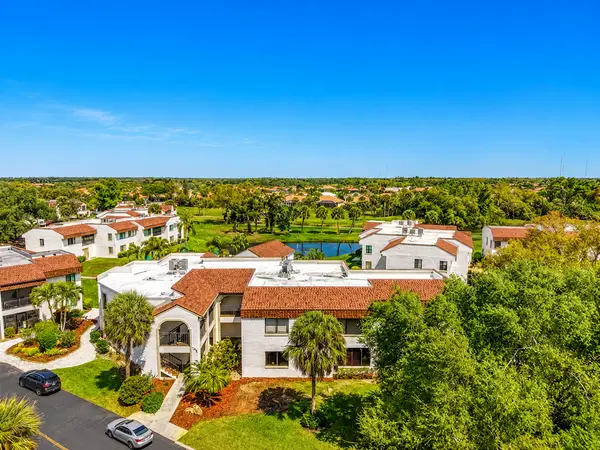
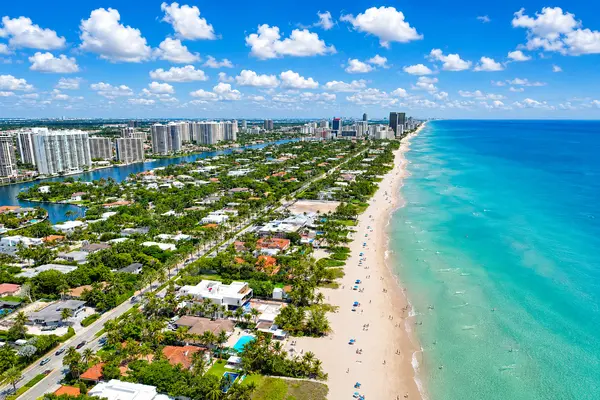
An established building may provide more square footage and an exceptional location. A newer building may provide contemporary design and extensive amenities. A beachfront building may sacrifice downtown walkability for direct Gulf access. A downtown tower may trade private beach access for restaurants, culture, and bayfront parks outside the door.
The right comparison is therefore not simply Building A versus Building B. It is Building A and Building B measured against the life you want to live in Sarasota.
Looking for a Sarasota Condo?
If you are deciding between two Sarasota condominium buildings, Hunt Brothers Realty can help you compare the properties from a real estate perspective, including location, recent market activity, unit characteristics, building differences, and the lifestyle each option offers.
Buyers considering the downtown market can also explore Downtown Sarasota Condos at Different Price Points, or browse Sarasota-area communities to compare downtown, waterfront, barrier-island, golf, and suburban options.
Informational notice: This article provides general real estate and educational information only. It is not individualized legal, financial, tax, insurance, lending, inspection, engineering, construction, association, title, flood, or other professional advice. Condominium finances, reserves, assessments, structural conditions, inspections, insurance, flood considerations, rules, ownership rights, taxes, financing, and other matters vary by property and association. Buyers should verify current property-specific information and consult the appropriate qualified real estate, legal, lending, financial, tax, insurance, inspection, engineering, contractor, title, survey, association, and other professionals before making a purchasing decision.
Contact Hunt Brothers Realty
46 N. Washington Blvd, Ste 3
Sarasota, FL 34236
Phone: (941) 388-7017
Email: info@huntbrothersrealty.com
Website: HuntBrothersRealty.com
Categories
- All Blogs 1970
- Anna Maria Island 83
- Bird Key 4
- Bradenton 234
- Buying a Home 1038
- Casey Key 2
- Clearwater 9
- Condos & HOA Living 950
- Ellenton 5
- Englewood 9
- First Time Homebuyers 1144
- Foreclosures 3
- Home Selling 2
- Homeownership 1164
- Lakewood Ranch 20
- Lido Key 27
- Longboat Key 78
- Luxury/Waterfront Properties 1105
- Market Updates & Trends 633
- Mortgages & Financing 42
- Move-Up Buyers 20
- Neighborhood Guides 755
- New Construction 32
- Palmetto 3
- Parrish 6
- Port Charlotte 10
- Punta Gorda 16
- Real Estate Investing 1022
- Relocation to Florida 1066
- Safety Harbor 2
- Sarasota 71
- Sarasota - Downtown 158
- Selling a Home 144
- Siesta Key 89
- St. Petersburg 6
- Tierra Verde 5
- Vacation & Second Homes 1213
- Venice 108
- Wellen Park 11
Recent Posts