Is Clearwater, Florida a Good Place to Live?
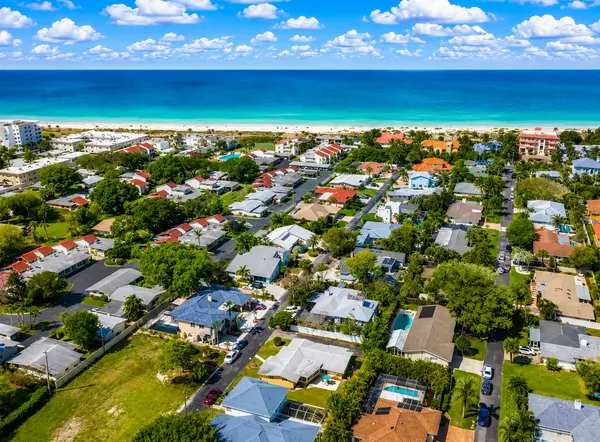
Yes, Clearwater can be a very appealing place to live for people who want Gulf Coast recreation, access to Clearwater Beach, a broad selection of homes and condominiums, parks, regional trails and a central Pinellas County location. It is also more varied than its beach-town reputation suggests. Clearwater Beach offers a distinctly coastal and visitor-oriented environment, while mainland Clearwater includes established residential neighborhoods, downtown living, condos, townhomes and homes farther inland. The biggest tradeoffs involve flood and hurricane exposure, property-specific insurance costs, seasonal beach traffic and the additional due diligence required for many coastal condominiums.
For prospective residents, the most useful question is not simply whether Clearwater is a good city. It is whether Clearwater Beach, Downtown Clearwater, an established mainland neighborhood or another part of the city best matches the housing, transportation, recreation and ownership costs that matter to you.
Quick Answers About Living in Clearwater, Florida
Is Clearwater a Good Place to Live Year-Round?
It can be. Clearwater combines year-round residential neighborhoods with beaches, parks, recreation, healthcare, shopping and access to the larger Tampa Bay region. Full-time residents should also be comfortable with hot, humid summers, hurricane preparation and seasonal visitor traffic in coastal areas.
Is Clearwater Expensive to Live In?
Housing costs vary dramatically by property type and location. September 2026 Realtor.com data showed a citywide median sold price of approximately $350,000, while the broader Clearwater Beach market had a median sold price of approximately $737,500. Insurance, taxes, condo fees and flood considerations can create equally important differences in total ownership cost.
Is Clearwater Beach the Same as Living in Mainland Clearwater?
No. Clearwater Beach places residents directly in a major Gulf Coast visitor destination, while mainland Clearwater offers considerably more geographic and housing variety. Hunt Brothers Realty's Clearwater Beach vs. mainland Clearwater guide examines these differences in detail.
Does All of Clearwater Have High Flood Risk?
No. Flood risk varies by property. Pinellas County advises buyers to check both the FEMA flood zone and hurricane evacuation zone for the exact address because they measure different hazards. Inland or mainland locations should not automatically be assumed to have no flood exposure.
Does Clearwater Have a Downtown?
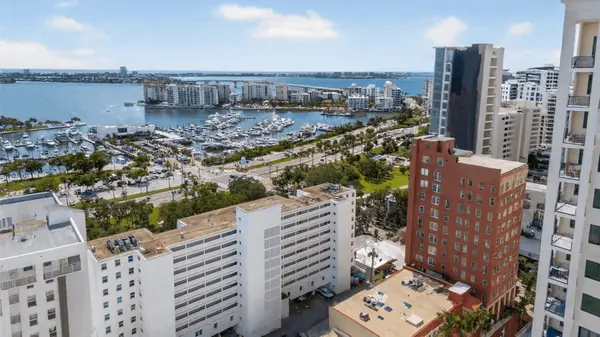
Yes. Downtown Clearwater sits along Clearwater Harbor and includes the redeveloped 19-acre Coachman Park, the BayCare Sound concert venue, Clearwater Main Library, marina access and connections toward Clearwater Beach.
Can You Live in Clearwater Without Going to the Beach Every Day?
Absolutely. Clearwater's mainland includes residential neighborhoods, parks, recreation centers, shopping and access to neighboring Pinellas County communities. The city also contains natural areas such as Moccasin Lake Nature Park and connects with the regional Pinellas Trail.
Is Clearwater a Good Place to Buy a Condo?
Clearwater offers a large variety of condominiums, including coastal, waterfront and inland properties. Buyers should investigate association finances, reserves, insurance, assessments, applicable milestone inspections, Structural Integrity Reserve Study information, building condition and ownership rules before deciding whether a specific condo represents a suitable purchase.
Is Clearwater Convenient for the Rest of Tampa Bay?
Its central Pinellas County location can provide access toward Dunedin, Safety Harbor, Largo, St. Petersburg and Tampa. Actual convenience depends heavily on the specific neighborhood, bridges, beach traffic and commuting time, so prospective residents should test their regular routes during realistic travel periods.
What Is Clearwater Like Beyond the Beach?
Clearwater Beach may be the city's most recognizable destination, but Clearwater itself is a substantial Pinellas County city. The U.S. Census Bureau estimated 114,364 residents as of July 1, 2025.
The city stretches from the Gulf Coast across mainland residential and commercial areas toward Tampa Bay. As a result, the experience of living in Clearwater can change substantially over a relatively short distance.
A Clearwater Beach condo can place restaurants, sand and the Gulf within walking distance. A mainland single-family home may provide a yard, garage and easier regional driving. A downtown residence can emphasize waterfront parks and entertainment. Homes farther east can provide more direct access toward Safety Harbor, Tampa and major transportation corridors.
That variety is one reason citywide statistics should be treated as context rather than a description of every Clearwater neighborhood.
What Is the Clearwater Housing Market Like in 2026?
Clearwater's 2026 housing market gives buyers considerably more room to compare properties than existed during the most competitive years of Florida's recent housing cycle.
According to September 2026 Realtor.com Clearwater market data:
- Median listing price: approximately $349,850
- Median sold price: approximately $350,000
- Active listings: approximately 1,915
- Median days on market: 85 days
- Sale-to-list ratio: approximately 97%
- Average sale relative to asking: approximately 3.28% below asking
- Market classification: balanced
The citywide median sold price was 3.7% higher than a year earlier, while the median listing price was 5.15% lower. Active inventory was also lower year over year. These mixed indicators are a reminder that one statistic cannot fully describe current market direction.
For buyers, a balanced market can provide negotiating opportunities on some properties, particularly homes or condos that have accumulated market time or compete against similar inventory. It does not mean every seller will accept a large discount.
How Different Is Clearwater Beach From Mainland Clearwater?
Very different, and buyers relocating to Clearwater should understand the distinction before narrowing their home search.
Living on Clearwater Beach
Clearwater Beach sits at the western end of State Road 60. The city maintains public beach entrances throughout the island, and Beach Walk provides a landscaped beachfront promenade south of Pier 60.
For residents, the appeal can include immediate Gulf access, boating, restaurants, sunsets and the ability to walk to many island destinations. The tradeoff is living within a major visitor destination. Beach traffic, events, parking demand and seasonal tourism are part of the environment.
Housing costs also differ substantially. September 2026 Realtor.com data for the broader Clearwater Beach market reported a median listing price of approximately $815,950 and a median sold price of approximately $737,500, far above Clearwater's citywide median.
Living on Mainland Clearwater
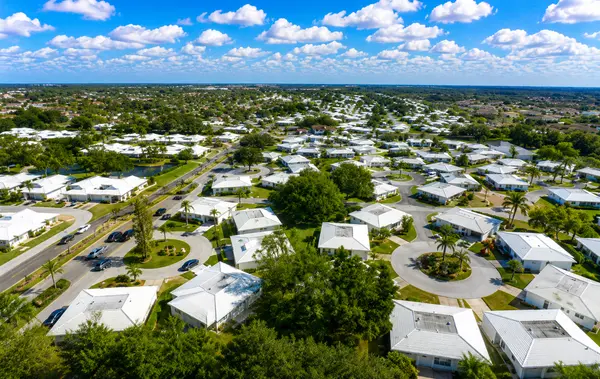
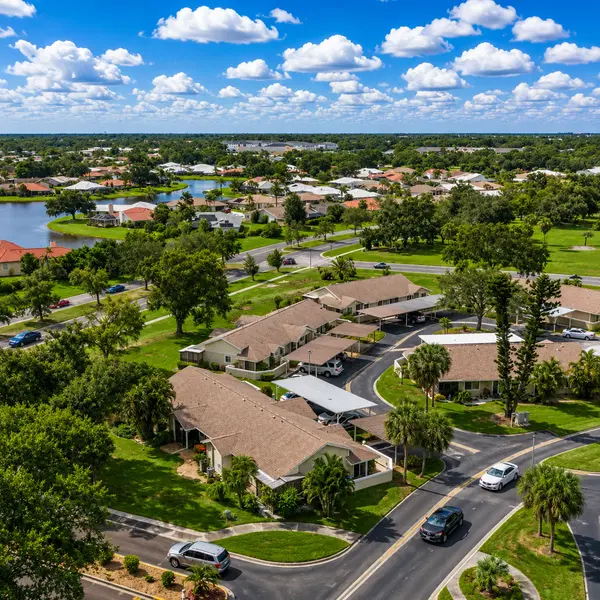
Mainland Clearwater provides a broader residential landscape. Buyers can find detached homes, townhomes, condominiums, downtown residences, waterfront properties and established neighborhoods with different lot sizes and housing ages.
For full-time residents, mainland living can also simplify trips toward Dunedin, Safety Harbor, Largo, St. Petersburg and Tampa because leaving home does not first require crossing the Clearwater Memorial Causeway.
Mainland does not automatically mean inexpensive, inland or outside a flood or evacuation area. Location and property characteristics still need to be evaluated address by address.
For a deeper comparison, read Hunt Brothers Realty's Clearwater Beach vs. Mainland Clearwater: Where to Live.
What Is Downtown Clearwater Like?
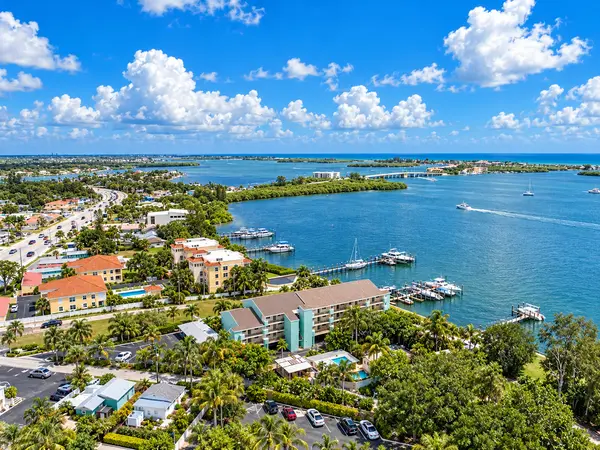
Downtown Clearwater occupies the mainland waterfront along Clearwater Harbor and has received significant public investment in recent years.
Its centerpiece is Coachman Park, a 19-acre waterfront park next to the Clearwater Main Library and Clearwater Harbor Marina.
Park features include:
- Waterfront green space
- Paved walking areas
- Playground
- Splash pad
- Picnic areas and pavilions
- Water features
- The BayCare Sound concert venue
- Clearwater Harbor views
The covered BayCare Sound venue accommodates approximately 4,000 people and brings concerts and events directly to the downtown waterfront.
Downtown is not simply a substitute for Clearwater Beach. It offers a different environment, with mainland transportation access, waterfront public space and proximity to the causeway connecting downtown with the Gulf.
Can You Get From Downtown Clearwater to the Beach Without Driving?
One alternative is the Clearwater Ferry. As of October 2026, ferry service operates between Downtown Clearwater, Clearwater Beach and Dunedin from Thursday through Sunday.
The Clearwater Beach stop is near Pier 60, while the downtown stop provides an alternative to driving and parking on the beach. Service schedules, fares, capacity and weather-related cancellations can change, so residents should check current ferry information before relying on it for a particular trip.
This option can be useful for recreation, but it should not be interpreted as making every Clearwater neighborhood car-free. Daily transportation needs depend on the exact residence, workplace and destinations.
What Outdoor Recreation Is Available in Clearwater?
The Gulf is only one part of Clearwater's outdoor recreation. City parks, nature preserves and regional trails provide options away from the beach.
Moccasin Lake Nature Park
Moccasin Lake Nature Park is a 54-acre nature preserve with trails and boardwalks through mature oak canopy, ponds and creeks. The park includes wildlife habitat, environmental programs, a nature center, playground, picnic facilities and paved walking trails.
The Pinellas Trail
The Fred Marquis Pinellas Trail is a regional multi-use trail extending from St. Petersburg to Tarpon Springs. It provides a dedicated corridor for activities including walking, jogging, skating and bicycling and connects communities throughout Pinellas County.
Clearwater Beach
The city's Gulf beach provides swimming, walking, sunsets and access to restaurants, boating and other coastal recreation. The City of Clearwater maintains multiple public beach entrances, and lifeguards monitor the beach year-round according to current city information.
How Important Are Flood and Hurricane Considerations?
They are an important part of choosing a Clearwater property, but buyers should avoid assuming the entire city has the same exposure.
Pinellas County flood information emphasizes that flooding can result from heavy rainfall, tropical systems, high tides and storm surge. The county also makes an important distinction between flood zones and evacuation zones.
A FEMA flood zone and a hurricane evacuation zone are not the same thing.
Flood zones are used to describe mapped flood risk. Evacuation zones are based on vulnerability to hurricane storm surge. A property can therefore have different designations for the two systems.
Before buying, investigate:
- Current FEMA flood-zone designation
- Pinellas County evacuation zone
- Available elevation documentation when relevant
- Known flood and storm history
- Drainage conditions
- Property construction and elevation
- Homeowners or condo insurance
- Flood insurance availability and requirements
- A practical hurricane evacuation plan
Pinellas County specifically recommends investigating possible flood hazards before purchasing and notes that most homeowners insurance policies do not cover flood damage.
Flood, elevation, engineering and insurance questions can materially affect a purchasing decision. Buyers should use current government mapping and obtain property-specific guidance from the appropriate qualified insurance professional, surveyor, inspector, engineer or other professional as applicable.
What Should Clearwater Buyers Know About Homeowners Insurance?
Insurance should be investigated early because two similarly priced Clearwater homes can produce very different premiums and coverage options.
Depending on the property and insurer, relevant characteristics can include roof age and condition, construction type, electrical and plumbing systems, wind-mitigation features, windows and doors, flood exposure, claims history and replacement cost.
A coastal condo adds another layer because buyers need to understand both association-level insurance and the coverage required for the individual unit.
Insurance availability, coverage, exclusions, deductibles and premiums can vary substantially by property. Buyers should obtain property-specific quotes and review coverage with a qualified Florida insurance professional before making a purchasing decision that depends on estimated insurance costs.
What Should Clearwater Condo Buyers Investigate?
Clearwater's large condominium inventory can create opportunities for buyers seeking lower-maintenance ownership, waterfront settings or a lower purchase price than some detached homes. It also requires association-level due diligence.
Hunt Brothers Realty's Florida condo buyer guide for 2026 recommends investigating areas such as:
- Current association assessment and what it covers
- Association budget and financial statements
- Reserve balances and funding
- Applicable Structural Integrity Reserve Study information
- Applicable milestone inspection information
- Current, pending or discussed special assessments
- Major completed and planned building projects
- Association insurance and deductibles
- Unit-owner insurance requirements
- Flood considerations
- Financing eligibility
- Rental restrictions
- Pet rules
- Parking and storage rights
A low purchase price should not be evaluated independently from association costs. Likewise, a high monthly assessment is not automatically evidence that a condominium is financially unhealthy. Buyers need to understand what the fee supports and how the association is positioned for current and future obligations.
Condominium documents create legal and financial obligations. Legal questions should be reviewed with a qualified Florida real estate attorney, structural concerns with the appropriate licensed engineer or inspector, association financial questions with an appropriate qualified financial professional when necessary, and insurance questions with a qualified insurance professional.
What Should You Know About Property Taxes in Clearwater?
Do not assume the seller's current property-tax bill will become your tax bill.
The Pinellas County Property Appraiser specifically cautions buyers that the seller's taxes are not a reliable estimate after a change in ownership. The assessed value can reset to full market value in the year after purchase, potentially resulting in a substantially different tax bill.
Qualifying permanent Florida residents may be eligible for homestead benefits, and some owners moving an existing Florida homestead may qualify for portability under applicable rules.
Tax consequences depend on the owner and property. Buyers should use current Pinellas County estimates and consult the Property Appraiser or a qualified tax professional regarding individual circumstances.
How Does Clearwater Compare With Safety Harbor?
Clearwater and nearby Safety Harbor provide notably different choices within northern Pinellas County.
Safety Harbor offers a smaller community centered around a compact Main Street and Tampa Bay waterfront. Clearwater provides a much larger housing market, greater condominium selection, direct access to Clearwater Beach and more variation among downtown, coastal and mainland residential environments.
Hunt Brothers Realty's Safety Harbor vs. Clearwater comparison examines the housing, waterfront, location and lifestyle differences between the two communities.
What Are the Advantages of Living in Clearwater?
Depending on individual priorities, Clearwater's advantages can include:
- Direct access to Clearwater Beach
- Wide selection of homes and condominiums
- Downtown waterfront recreation
- Coachman Park and BayCare Sound
- Boating and Gulf Coast recreation
- Regional biking and walking access through the Pinellas Trail
- Nature and recreation areas such as Moccasin Lake
- Central Pinellas County location
- Access toward Dunedin, Safety Harbor, Largo, St. Petersburg and Tampa
- A combination of coastal, downtown and established mainland residential settings
What Are the Tradeoffs of Living in Clearwater?
Clearwater also has tradeoffs that should be part of a realistic relocation decision.
Hurricane and Flood Planning Matter
Living in coastal Pinellas County means understanding hurricane preparation, evacuation planning, flood exposure and insurance. These issues vary substantially by address rather than applying equally to every Clearwater property.
Insurance Can Change the Ownership Budget
A home that appears affordable based on its purchase price can look different after property-specific homeowners, wind and flood insurance considerations are included.
Beach Traffic Is Part of the Location
Clearwater Beach is a major visitor destination. Traffic approaching the beach, parking demand and special events can affect travel. Buyers considering the beach or routes near the causeway should experience the area at different times before choosing a home.
Older Homes Can Require More Investigation
Many mainland neighborhoods contain established housing. Roofs, electrical systems, plumbing, HVAC, windows, additions, permits, drainage and previous storm repairs should be evaluated carefully. Inspection findings should be reviewed with the appropriate licensed inspector, contractor, engineer or other qualified professional.
Condo Ownership Requires Building-Level Research
Clearwater's condo inventory gives buyers considerable choice, but the financial condition, insurance, assessments, structural history and rules of the association can matter as much as the individual unit.
Who Might Find Clearwater Especially Appealing?
Clearwater may deserve a place on a relocation shortlist for people who prioritize:
- Frequent access to Gulf beaches
- Boating and coastal recreation
- A large selection of condos and single-family homes
- A choice between beach and mainland living
- Parks, trails and outdoor recreation
- A central Pinellas County location
- Access to multiple Tampa Bay communities
- A waterfront downtown with concerts and public recreation
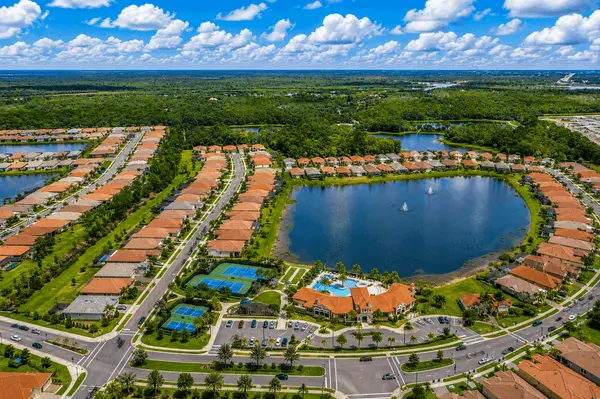
Someone who wants to minimize coastal storm considerations, strongly dislikes seasonal visitor traffic or wants a newer master-planned environment may find other Tampa Bay or Florida Gulf Coast communities better aligned with those priorities.
What Should You Check Before Buying a Home in Clearwater?
- Recent comparable sales for the same property type and location
- Property inspection findings
- Roof age, condition and permits
- Electrical, plumbing and HVAC systems
- Window, door and wind-mitigation characteristics
- Current FEMA flood zone
- Current hurricane evacuation zone
- Available elevation documentation when relevant
- Known storm and flood history
- Property-specific homeowners insurance quotes
- Flood insurance considerations
- Estimated property taxes after purchase
- HOA or condominium assessments
- Condo reserves and financial information when applicable
- Current and proposed special assessments
- Applicable milestone inspection and reserve-study information
- Rental and pet restrictions when relevant
- Parking and storage rights
- Realistic commute and beach travel times
- Total monthly and annual ownership costs
Buyers comparing property types can also review Hunt Brothers Realty's condo vs. townhome vs. single-family home guide and the Hunt Brothers Realty Buyer Resource Center.
So, Is Clearwater, Florida a Good Place to Live?
For many people, yes. Clearwater combines one of Florida's best-known Gulf Coast beach destinations with a much larger mainland city offering established neighborhoods, condominiums, parks, trails, a redeveloped downtown waterfront and regional access throughout Pinellas County and Tampa Bay.
Its biggest strength is variety. Someone who wants to walk to the Gulf can pursue a very different Clearwater lifestyle from someone who wants a detached mainland home with easier regional driving. Downtown provides another option centered around Coachman Park and Clearwater Harbor.
That variety makes property-specific due diligence especially important. Flood exposure, evacuation planning, insurance, taxes, condo finances, building condition and traffic can change significantly from one Clearwater property to another.
The best way to decide whether Clearwater is right for you is to compare the beach, downtown and mainland as separate residential choices, then evaluate individual homes based on both lifestyle and complete ownership cost.
Considering a Home in Clearwater?
Hunt Brothers Realty helps Florida Gulf Coast buyers compare communities and properties based on housing type, location, flood and insurance considerations, association obligations and total ownership costs. Buyers researching Clearwater can start with the Clearwater Beach vs. mainland Clearwater guide, compare Safety Harbor and Clearwater, review the 2026 Florida condo buyer guide, or contact Hunt Brothers Realty to discuss a Florida Gulf Coast home search.
This article is provided for general informational and educational purposes only and is not individualized legal, financial, tax, insurance, lending, inspection, engineering, construction, title, association or other professional advice. Market conditions, flood information, evacuation designations, insurance availability, taxes, association finances and property conditions can change. Buyers should verify information for the specific property and consult the appropriate licensed real estate professional, mortgage professional, insurance agent, qualified Florida real estate attorney, tax professional or CPA, home inspector, structural engineer, contractor, surveyor, title or closing professional, condominium or homeowners association or government authority when a decision requires individualized guidance.
Sources
- U.S. Census Bureau, Clearwater QuickFacts
- Realtor.com, Clearwater Housing Market, September 2026
- Realtor.com, Clearwater Beach Housing Market, September 2026
- City of Clearwater, Clearwater Beach
- City of Clearwater, Coachman Park
- City of Clearwater, Moccasin Lake Nature Park
- Pinellas County, Pinellas Trail Guide
- Pinellas County, Flood Information
- Pinellas County, Know Your Evacuation Zone
- Pinellas County Property Appraiser, Buying or Selling a Home
- Clearwater Ferry, Current Routes and Service
- Hunt Brothers Realty, Clearwater Beach vs. Mainland Clearwater
- Hunt Brothers Realty, Safety Harbor vs. Clearwater
- Hunt Brothers Realty, Buying a Condo in Florida in 2026
Contact Hunt Brothers Realty
Hunt Brothers Realty
46 N. Washington Blvd, Ste 3
Sarasota, FL 34236
Phone: (941) 388-7017
Email: info@huntbrothersrealty.com
Website: HuntBrothersRealty.com
Categories
- All Blogs 1869
- Anna Maria Island 82
- Bird Key 4
- Bradenton 234
- Buying a Home 944
- Casey Key 2
- Clearwater 8
- Condos & HOA Living 854
- Ellenton 5
- Englewood 9
- First Time Homebuyers 1047
- Foreclosures 3
- Homeownership 1066
- Lakewood Ranch 20
- Lido Key 27
- Longboat Key 77
- Luxury/Waterfront Properties 1004
- Market Updates & Trends 545
- Mortgages & Financing 38
- Move-Up Buyers 20
- Neighborhood Guides 684
- New Construction 29
- Palmetto 3
- Parrish 6
- Port Charlotte 10
- Punta Gorda 14
- Real Estate Investing 923
- Relocation to Florida 970
- Safety Harbor 2
- Sarasota 60
- Sarasota - Downtown 156
- Selling a Home 142
- Siesta Key 88
- St. Petersburg 6
- Tierra Verde 4
- Vacation & Second Homes 1116
- Venice 61
- Wellen Park 9
Recent Posts