Is New Construction Worth It in Florida?
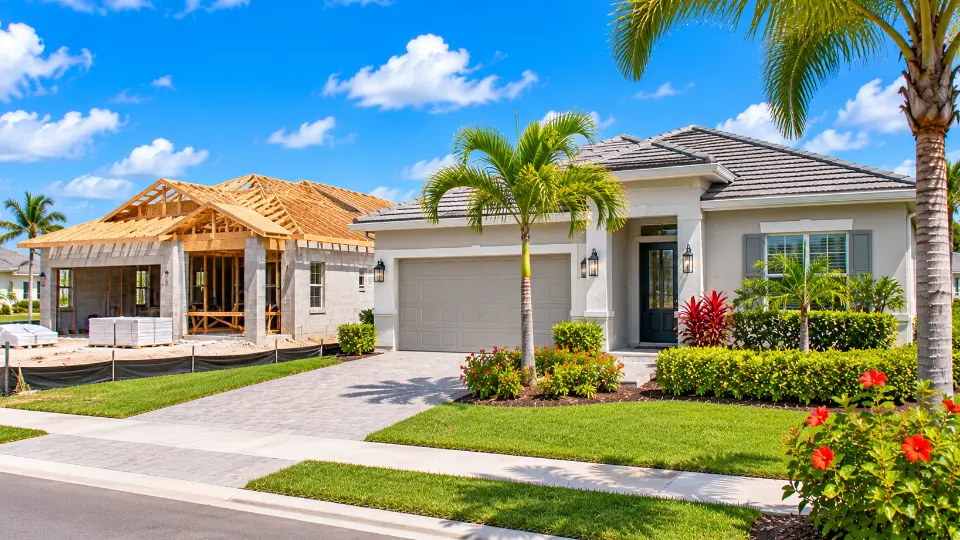
New construction can be worth it in Florida when you value newer building standards, modern floor plans, lower near-term maintenance, builder warranty coverage and the ability to choose finishes or upgrades. It is not automatically the better financial choice. Builder base prices can exclude lot premiums, design selections, pools, landscaping and other costs, while some newer communities also have HOA dues and Community Development District assessments. Resale homes may offer larger lots, mature landscaping and improvements already included in the purchase price. The right comparison is the completed cost, ownership expenses, location and condition of the specific new home versus realistic resale alternatives.
Quick Answers About Buying New Construction in Florida
Is new construction worth buying in Florida?
It can be. New construction is particularly attractive to buyers who prioritize current design, newer systems, builder warranty protection and less immediate renovation work. Buyers should compare the home's final delivered cost and recurring expenses with comparable resale properties rather than judging value from the builder's advertised starting price.
Is new construction more expensive than a resale home?
Not always, but the advertised base price can understate the completed cost. Lot premiums, structural options, design-center selections, appliances, window treatments, landscaping, pools and other improvements can materially change the final price. A resale property may already include many of those items.
Do new Florida homes come with a warranty?
Qualifying newly constructed homes now have mandatory warranty protection under Florida law. Florida Statute 553.837 generally requires a builder to provide one year of warranty protection against covered construction defects of equipment, materials or workmanship furnished by the builder, subcontractor or supplier that result in a material violation of the Florida Building Code. The statute contains important definitions and conditions, and builders may provide qualifying express written warranties.
Should I inspect a brand-new house?
Yes, an independent inspection can still be valuable. A new home can have incomplete work, installation problems or other defects even though it has gone through municipal building inspections. Florida Realtors specifically cautions buyers against assuming that new construction does not need a home inspection.
Are builder incentives actually a good deal?
They can be, but compare the complete transaction. Builders may offer financing incentives, closing-cost assistance, design credits or pricing promotions, sometimes subject to using an affiliated lender or title provider. Compare the interest rate, loan costs, purchase price and restrictions with independent alternatives before deciding which offer provides the most value for your circumstances.
Do new Florida communities have CDD fees?
Some do and some do not. A Community Development District, or CDD, is different from an HOA, and a property can potentially have both HOA dues and CDD assessments. Buyers should verify the complete recurring cost structure of the specific property.
Is new construction better for Florida insurance?
Newer construction can have characteristics that insurers consider favorably, including newer roofs, electrical systems, plumbing and building components. That does not guarantee a lower premium or even identical insurance availability between two new homes. Location, wind exposure, flood risk, replacement cost, construction details, coverage and insurer underwriting all matter, so obtain a property-specific quote before buying.
What Are the Biggest Advantages of New Construction in Florida?
The strongest case for new construction is not simply that the house is new. It is that buyers may be able to combine current building requirements, modern systems, contemporary layouts and builder warranty protection in a property that should require less immediate renovation than many older alternatives.
1. Newer Building Standards
Florida maintains a statewide building code that is updated on a recurring cycle and incorporates Florida-specific requirements. According to the Florida Building Commission, the code is based on national model codes with amendments addressing Florida's particular construction needs.
As of November 2026, the 8th Edition (2023) Florida Building Code remains effective. The 9th Edition (2026) is scheduled to take effect December 31, 2026. Which code provisions apply to a particular house depends on permitting and other project-specific factors, so technical questions should be confirmed with the builder, local building department or another qualified professional.
Newer does not mean indestructible, hurricane-proof or flood-proof. Construction quality, installation, maintenance, elevation, location and storm conditions still matter.
2. Less Immediate Renovation
A completed new home generally begins with a new roof, HVAC equipment, plumbing, electrical components, appliances and finishes. That can reduce the number of age-related replacements a buyer expects immediately after closing.
Compare that with an older resale where the roof, air-conditioning system, water heater, windows or other major components may already be well into their service lives. The resale may still be the better purchase, but those future expenses belong in the comparison.
3. Modern Floor Plans and Features
Many current Florida builders emphasize open living areas, larger kitchen islands, contemporary kitchens and baths, flexible rooms, covered outdoor living spaces and layouts designed around current buyer preferences. Depending on the builder and construction stage, buyers may also be able to select structural options and finishes.
The tradeoff is that personalization can become expensive. A model home may display structural additions, premium flooring, cabinetry, lighting, appliances, outdoor kitchens, pools and decorator furnishings that are not included in the advertised base price.
4. Builder Warranty Protection
Florida strengthened statutory protection for buyers of qualifying new homes with the mandatory builder-warranty law that became effective July 1, 2025. Under Florida Statute 553.837, a builder generally must warrant a qualifying newly constructed home for covered construction defects resulting in a material violation of the Florida Building Code for one year.
The statute defines what qualifies as a newly constructed home and contains requirements concerning statutory and express written warranties. Buyers should read the builder's actual warranty documents and have legal questions about coverage, exclusions, claims, transferability or contractual rights reviewed by a qualified Florida real estate attorney.
5. Potential Builder Incentives
Builders may use incentives to sell completed inventory, promote a new phase or encourage buyers to use preferred financing. Depending on the builder and market conditions, incentives may involve mortgage rates, closing costs, design credits or purchase-price adjustments.
These offers are time-sensitive and can change quickly. Buyers should compare the entire financing package with alternatives from qualified loan professionals rather than focusing only on an advertised interest rate or incentive amount.
What Are the Disadvantages of Buying New Construction?
New construction solves some problems and creates different ones. The most important disadvantages often involve total price, construction timelines, developing neighborhoods, lot sizes and recurring community costs.
The Base Price May Not Be the Real Price
One of the biggest mistakes a buyer can make is comparing a builder's advertised starting price directly with the asking price of a completed resale home. Those numbers may represent very different products.
Depending on the builder and home, the final new-construction price may include additional costs for:
- Homesite or lot premiums
- Water, preserve or golf-course views
- Structural options
- Flooring and cabinetry upgrades
- Countertops and appliances
- Lighting and electrical options
- Swimming pools and spas
- Outdoor kitchens
- Window treatments
- Additional landscaping
- Closet systems and built-ins
- Closing costs not covered by an incentive
Hunt Brothers Realty's new construction versus resale guide recommends comparing the completed cost of both homes rather than treating the builder's starting price as the final number.
Construction Can Take Longer Than Expected
A to-be-built home introduces scheduling uncertainty that a completed resale does not. Permitting, labor, material availability, inspections, weather and other construction factors can affect completion.
That matters if you must coordinate the sale of another property, a lease expiration, financing or a move from another state. Buyers should understand how the builder contract addresses estimated completion dates, delays, closing and extensions.
The Neighborhood May Still Be Under Construction
Moving into an early phase can mean living around active construction as the community develops. Roads, landscaping, nearby homes and planned amenities may still be incomplete.
Future amenities, commercial areas and community features should not be treated as guaranteed merely because they appear in marketing materials. Buyers should determine what exists today, what is contractually committed, what remains planned and who controls whether future phases proceed.
Lots Can Be Different From Older Neighborhoods
Some newer Florida communities emphasize efficient homesites and neighborhood amenities, while older subdivisions may offer wider lots, more mature trees and greater separation between houses. This varies enormously by builder and community, so it should be evaluated property by property.
Buyers should pay attention to the actual lot rather than relying on the model center experience. Consider setbacks, neighboring homes, future construction, road position, drainage, sun orientation, views and privacy.
New Construction vs. Resale in Florida
| Factor | New Construction | Resale Home |
|---|---|---|
| Condition | New systems and finishes | Condition varies by age and maintenance |
| Customization | May offer structural and design selections | Usually purchased as completed, then renovated if desired |
| Warranty | Builder and statutory protections may apply | Existing systems may have limited or no remaining warranty |
| Upfront Extras | Lot and design upgrades can increase final cost | Pools, landscaping and window treatments may already exist |
| Landscaping | Typically newer and less mature | Established neighborhoods may have mature landscaping |
| Timeline | To-be-built homes can involve construction uncertainty | Existing home generally offers a more defined closing timeline |
| Community | May still be developing | Existing surroundings are easier to evaluate |
| Negotiation | Builder may emphasize incentives and inventory strategy | Negotiation is with an individual seller |
Neither column is automatically better. A five-year-old resale with a pool, mature landscaping and extensive upgrades could compare very favorably with a new base-model home, while a new inventory home with a strong incentive package could be competitive with nearby resale properties.
Are New Florida Homes Cheaper to Insure?
Newer homes may have features that affect insurance underwriting, including a new roof, current electrical and plumbing systems and construction under newer building requirements. Those characteristics can make a new home different from an older property with aging systems.
However, buyers should not assume that "new" automatically means inexpensive insurance. The Florida Department of Financial Services explains that insurers can evaluate construction and property characteristics as part of underwriting. Location, replacement cost, wind exposure, flood exposure, deductibles and selected coverage can all affect the result.
Insurance availability, coverage and premiums can vary substantially by property. Buyers should obtain quotes for the exact home and review coverage with a qualified insurance professional before making a purchasing decision.
Should You Get a Home Inspection on New Construction?
A new house can still have defects. Florida Realtors identifies the idea that new construction does not need an inspection as a misconception, noting that problems can occur from workmanship, installation errors or other construction issues.
A municipal building inspection and an independent home inspection serve different purposes. Code inspections address compliance within the permitting process. A buyer's home inspector evaluates the condition of accessible components and reports observed defects within the scope of the inspection.
When can a new home be inspected?
Depending on the builder contract, construction process and permitted access, buyers may discuss inspections at stages such as before drywall, before closing and before expiration of a builder warranty period. The builder's contract and site rules determine what access is permitted.
Inspection findings should be evaluated with the appropriate licensed inspector, builder, contractor, engineer or other qualified professional. Buyers should also understand the builder's procedure and deadlines for submitting warranty claims.
Are Builder Incentives Worth It?
A builder incentive can materially change the economics of a purchase, particularly when it reduces financing or closing costs. The important question is what the buyer gives up, if anything, to receive it.
For example, an advertised mortgage incentive may require the buyer to use the builder's affiliated or preferred lender and may apply only to selected homes, loan products or closing dates. A design credit may sound substantial but still leave the buyer paying considerably more after selections are complete.
Compare:
- Final purchase price
- Interest rate and whether it is temporary or permanent
- Loan fees and points
- Required down payment
- Closing-cost credits
- Design or upgrade credits
- Restrictions on the incentive
- Alternative financing available elsewhere
Financing terms should be reviewed with qualified loan professionals based on the buyer's individual financial circumstances.
What Are HOA and CDD Costs on New Construction?
Many Florida new-construction communities have homeowners associations, particularly master-planned developments with shared landscaping, gated entrances, clubhouses, pools, fitness facilities and other amenities. What the HOA maintains and what the homeowner remains responsible for varies by community.
Some communities also have a Community Development District. A CDD is a special-purpose local government structure that can finance and maintain certain community infrastructure and services. It is not simply another name for an HOA.
A property can potentially have both. Hunt Brothers Realty's guide to the difference between an HOA and CDD in Florida explains why buyers should account for each separately.
What should you verify about a CDD?
- Whether the property is actually within a CDD
- The current assessment
- Whether debt and operating components apply
- How the assessment is collected
- Available information about outstanding district debt
- What infrastructure and services the district supports
CDD assessments and district finances are property-specific. Buyers should verify current information through the applicable district, public records and closing documentation rather than relying solely on a builder's sales presentation.
Is New Construction in Lakewood Ranch Worth Considering?
Lakewood Ranch is one of the most useful Sarasota-area markets for comparing new construction with resale because buyers can find both within the broader master-planned community. Current actively selling villages include a range of conventional, gated, golf-oriented and 55+ choices, while established villages provide substantial resale inventory.
That creates a valuable side-by-side comparison. A new home may provide current finishes and builder warranty protection, while a nearby resale could already include a pool, upgraded landscaping, window treatments, lighting, built-ins or an outdoor kitchen.
Hunt Brothers Realty's Lakewood Ranch buyer guide explains the variety of housing and communities available. Builder availability, pricing and incentives change frequently, so buyers should compare current inventory rather than relying on older advertised prices.
Is an Inventory Home Better Than Building From Scratch?
An inventory home, sometimes called a quick-move-in or spec home, can provide a middle ground between resale and building from the ground up. The builder has already started or completed construction, which can reduce the waiting period and make the finished price easier to understand.
The tradeoff is reduced customization. Flooring, cabinets, countertops and structural choices may already be selected. Buyers should inspect what is actually included rather than assuming the home contains every feature displayed in the community's model.
Inventory homes may also be the focus of builder incentives when a builder wants to close completed homes within a particular period. Incentives and availability are highly time-sensitive and should be verified at the time of purchase.
Do You Need Your Own Real Estate Agent When Buying From a Builder?
The sales representative at a builder's model center represents the builder's interests in the transaction. A buyer may choose to work with a real estate professional who represents the buyer, subject to the builder's registration, compensation and participation policies.
Builder policies can require the buyer's agent to register the buyer before or during the buyer's first visit. Buyers who want representation should therefore discuss that arrangement before independently visiting model centers or registering online.
A real estate professional can help compare the new home with resale alternatives, review comparable sales, identify community costs and keep the focus on the complete purchase rather than only the model-home presentation. Contract interpretation and legal rights should be reviewed with a qualified Florida real estate attorney when appropriate.
What Should You Check Before Signing a Builder Contract?
Builder contracts can differ substantially from commonly used resale contracts. Buyers should understand the actual agreement they are signing rather than assuming the terms will mirror a conventional resale transaction.
Before committing to a new home, investigate:
- Final base price and all selected options
- Lot premium
- Deposit requirements and refundability
- Estimated completion and closing provisions
- What happens if construction is delayed
- Builder substitution rights
- Inspection access
- Walkthrough and punch-list procedures
- Builder warranty coverage and claim process
- Financing and appraisal provisions
- HOA dues and association documents
- CDD assessments, if applicable
- Current property-tax expectations
- Insurance availability and quotes
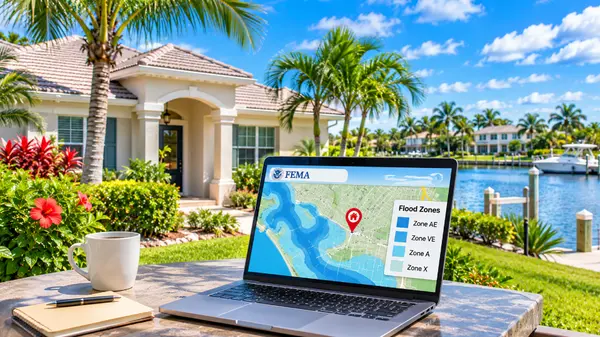
- Flood-zone and elevation information
- Planned future phases and amenities
Questions involving contractual rights, deposits, title, builder obligations, warranties or other legal matters should be reviewed with a qualified Florida real estate attorney. Financing should be reviewed with a qualified loan professional, and tax consequences or estimates should be discussed with the appropriate tax professional or local taxing authority.
When Is New Construction Probably Worth It?
New construction may be especially compelling when the following factors align with your priorities:
- You want current layouts and finishes without renovating
- You place a high value on new major systems
- You want builder warranty protection
- You prefer a new master-planned community and its amenities
- The completed new-home price compares well with realistic resale alternatives
- Builder incentives materially improve your transaction after a full financing comparison
- The HOA and CDD structure fits your long-term budget
- The construction or move-in timeline works for you
When Might a Resale Home Be the Better Choice?
A resale may compare favorably when you want an established neighborhood, mature landscaping, a particular location with little remaining new construction or improvements that would be costly to reproduce in a new home.
For example, a resale property might already have a swimming pool, screened outdoor living area, landscaping, plantation shutters, upgraded lighting, closets and other improvements. Recreating all of those features after purchasing a new home can change the cost comparison considerably.
Established neighborhoods can also make it easier to evaluate the surroundings because nearby homes, landscaping, roads and amenities already exist. The tradeoff is that the property's age and maintenance history become more important, making a thorough inspection and review of major systems essential.
So, Is New Construction Worth It in Florida?
New construction is worth considering in Florida, but it is not automatically worth paying more for. The strongest reasons to buy new are current building standards, new systems, contemporary design, warranty protection and the possibility of builder incentives. The biggest reasons to compare resale carefully are total price, lot size, mature landscaping, completed improvements and established neighborhood character.
The useful comparison is not "new versus old." Compare a specific new home with the best realistic resale alternatives in the same price range and location. Include the lot, upgrades, pool, landscaping, HOA, CDD, taxes, insurance, financing and expected near-term maintenance before deciding which property provides the better fit.
Compare Florida New Construction With Hunt Brothers Realty
Hunt Brothers Realty can help buyers compare new construction and resale opportunities throughout Sarasota, Manatee County, Lakewood Ranch and Florida's Gulf Coast. The goal is not simply to identify the newest home, but to compare the complete purchase and find the property that best fits the buyer's priorities.
Start with Hunt Brothers Realty's Florida new construction versus resale guide, browse Lakewood Ranch real estate, or explore Sarasota-area communities to compare new and established neighborhoods.
Informational notice: This article provides general real estate and educational information and is not individualized legal, financial, tax, insurance, lending, inspection, engineering or construction advice. Builder contracts, warranties, incentives, construction specifications, HOA obligations, CDD assessments, taxes, insurance, financing and inspection findings vary by property and transaction. Buyers should verify current information with the builder and applicable association or district and consult the appropriate qualified real estate professional, lender, insurance agent, attorney, tax professional, home inspector, engineer, contractor or other professional before making a purchasing decision.
Sources
- Florida Statute 553.837, Mandatory Builder Warranty
- Florida Department of Business and Professional Regulation, Building Codes and Standards
- Florida Building Codes and Standards FAQs
- Florida Building Commission
- Florida Department of Financial Services, Homeowners Insurance Overview
- Hunt Brothers Realty, New Construction vs. Resale Homes in Florida
- Hunt Brothers Realty, Difference Between an HOA and CDD in Florida
- Hunt Brothers Realty, Is Lakewood Ranch Worth Living In?
Hunt Brothers Realty
46 N. Washington Blvd, Ste 3, Sarasota, FL 34236
Phone: (941) 388-7017
Email: info@huntbrothersrealty.com
Website: HuntBrothersRealty.com
Categories
- All Blogs 2574
- Anna Maria Island 91
- Bird Key 5
- Bradenton 241
- Buying a Home 1602
- Casey Key 2
- Clearwater 15
- Condos & HOA Living 1531
- Ellenton 6
- Englewood 15
- First Time Homebuyers 1722
- Foreclosures 4
- Home Selling 9
- Homeownership 1760
- Lakewood Ranch 34
- Lido Key 29
- Longboat Key 81
- Luxury/Waterfront Properties 1702
- Market Updates & Trends 1203
- Mortgages & Financing 82
- Move-Up Buyers 24
- Neighborhood Guides 1331
- New Construction 44
- Palmetto 4
- Parrish 38
- Port Charlotte 36
- Punta Gorda 165
- Real Estate Investing 1614
- Relocation to Florida 1644
- Safety Harbor 4
- Sarasota 138
- Sarasota - Downtown 171
- Selling a Home 148
- Siesta Key 94
- St. Petersburg 9
- Taxes and Homestead 3
- Tierra Verde 7
- Vacation & Second Homes 1808
- Venice 222
- Wellen Park 24
Recent Posts