Moving to Sarasota from Out of State: 15 Things to Know Before Buying a Home

If you are moving to Sarasota from another state, the biggest adjustment may be realizing how property-specific Florida homeownership can be. Location matters, but so do homeowners insurance, flood exposure, roof condition, hurricane protection, HOA or condominium finances, property taxes and whether you want island or mainland living. Sarasota also includes dramatically different environments, from downtown condominiums and barrier-island homes to established mainland neighborhoods and newer communities farther east. Before buying, compare the complete cost and practical experience of owning each property, not simply its purchase price or distance from the beach.
Quick Answers About Moving to Sarasota from Out of State
What should out-of-state buyers know before moving to Sarasota?
Start by understanding that Sarasota is not one uniform housing market. Downtown, the barrier islands, West of the Trail, Palmer Ranch, east Sarasota and communities south toward Osprey and Nokomis can provide very different housing types, ownership costs and daily routines.
Should I get an insurance quote before making an offer on a Sarasota home?
Insurance should be investigated as early as practical because eligibility, coverage and premiums can differ substantially from one property to another. Roof age, construction, wind-mitigation features, flood characteristics and other underwriting factors can affect the analysis. Work with a qualified Florida insurance professional for property-specific guidance.
Does homeowners insurance cover flooding in Florida?
Standard homeowners insurance generally does not cover flood damage. The Florida Department of Financial Services advises consumers that flood coverage is typically obtained separately, although some private insurers may offer it through an endorsement. Buyers should discuss the exact property and available coverage with a qualified insurance professional.
Can I use the seller's current Sarasota property-tax bill to estimate my taxes?
Do not assume the current owner's tax bill will become your tax bill. Florida's assessed value, exemptions and Save Our Homes benefits can affect an existing owner's taxes, and a transfer of ownership can change the assessment. Buyers should obtain a property-specific estimate and confirm questions with the Sarasota County Property Appraiser or a qualified tax professional.
Is it better to live on a Sarasota barrier island or the mainland?
Neither is universally better. Island living can put beaches and coastal recreation close to everyday life, while mainland Sarasota generally provides broader housing choices and easier access to mainland shopping, medical services and major roads. Hunt Brothers Realty's Sarasota island versus mainland guide provides a detailed comparison.
Do I need a written agreement before touring Sarasota homes with a real estate professional?
Current industry practice rules require MLS participants working with a buyer to have a written buyer agreement before touring a home with that buyer. The agreement can define services, the relationship and compensation. Buyers should read the actual agreement carefully and ask questions before signing, with legal questions directed to a qualified Florida real estate attorney.
Can I buy a Sarasota home while I am still living in another state?
Yes. Relocation buyers can use listing research, video tours, document review and local inspections to narrow the search, but important property characteristics should still be independently verified. When possible, spend time in the areas you are seriously considering and experience the routes and surroundings you expect to use after moving.
1. Sarasota Is a Collection of Very Different Lifestyles
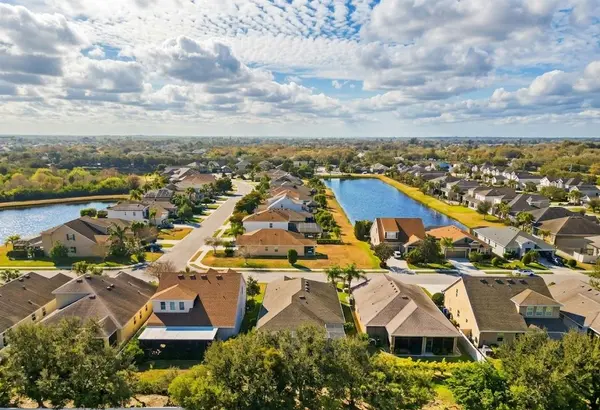
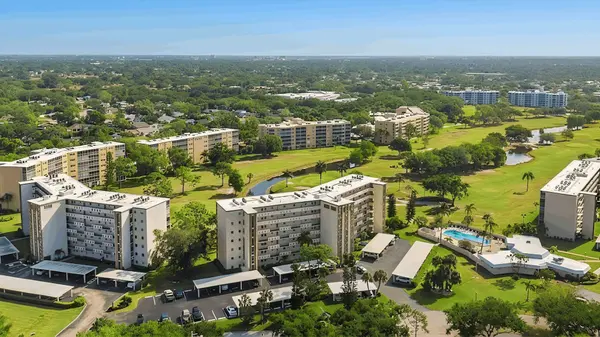
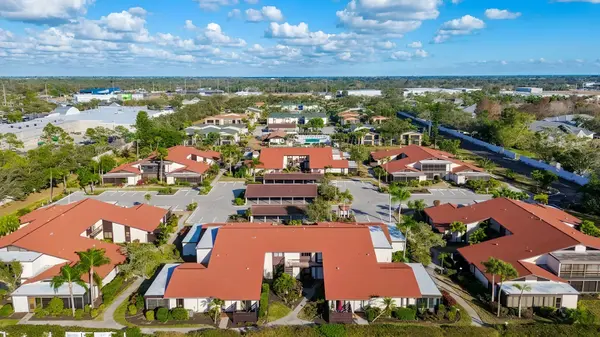
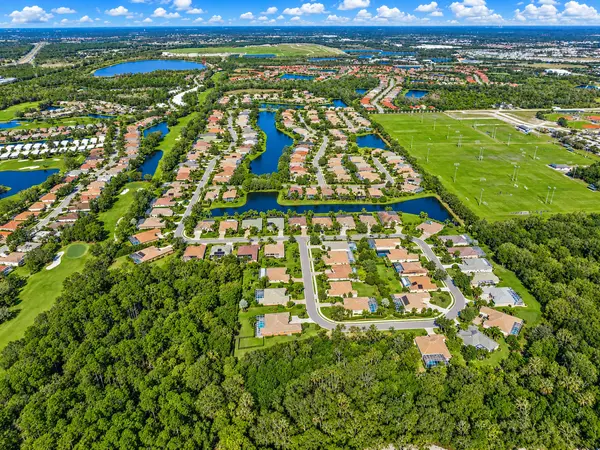
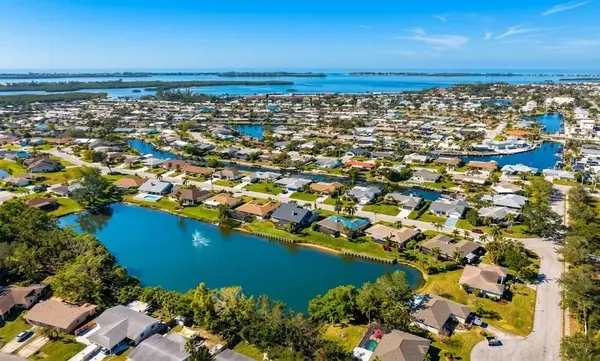
The first mistake an out-of-state buyer can make is treating "Sarasota" as one type of place. The Sarasota area includes downtown condominium living, established mainland neighborhoods, golf communities, gated developments, newer construction, waterfront neighborhoods and barrier-island properties.
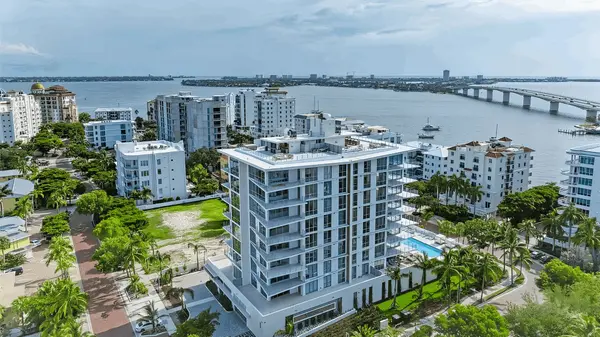
A downtown condominium and a Siesta Key home can both have a Sarasota address while creating completely different daily routines. The same is true of a home West of the Trail compared with a newer property farther east.
Before choosing neighborhoods, decide what you want an ordinary week to look like. Hunt Brothers Realty's Gulf Coast community guide can help relocation buyers begin comparing Sarasota and surrounding locations.
2. Decide Whether You Really Want Island Living
Living near a Sarasota beach and living on a barrier island are different decisions. Siesta Key, Lido Key and Longboat Key can put the Gulf, bays and coastal recreation much closer to home, but causeways become part of everyday geography.
Mainland Sarasota can provide easier access to shopping, medical services, major roads and a broader variety of neighborhoods. Mainland living also does not mean giving up waterfront property, because Sarasota includes mainland bayfront and boating neighborhoods.
Read Hunt Brothers Realty's Sarasota Island Living vs. Mainland Living before assuming the island is automatically the right choice because you are moving to Florida.
3. Test Your Daily Routes, Not Just the Neighborhood
A neighborhood that looks perfectly located on a map may work differently once you live there. Out-of-state buyers often evaluate Sarasota through vacation destinations, but permanent residents also make routine trips to grocery stores, healthcare providers, airports, workplaces and everyday services.
If you expect to visit Siesta Beach regularly, test that route. If downtown dining is important, drive from the neighborhood to downtown. If you plan to live on an island, experience the causeway during realistic traffic conditions rather than relying on a mileage estimate.
This is particularly important if you are deciding between Sarasota and locations farther south. Hunt Brothers Realty's Sarasota vs. Venice comparison can help buyers understand how two nearby Gulf Coast markets can produce different daily routines.
4. Florida Homeowners Insurance Should Be Researched Early
Do not wait until the end of the transaction to start investigating property insurance. Florida's Department of Financial Services advises consumers to evaluate coverage needs, identify insurers, obtain quotes and compare coverage carefully.
Insurance underwriting can consider characteristics of the individual home. Depending on the insurer and property, documentation concerning the roof, plumbing, electrical system, HVAC equipment, construction and wind-mitigation features may become relevant.
The policy details matter too. Florida consumer guidance discusses hurricane deductibles, all-perils deductibles, replacement cost, actual cash value, ordinance and law coverage and other policy provisions that buyers may not have encountered in the same way in another state.
Insurance availability, coverage and premiums can vary substantially by property. Obtain quotes for the actual home and review the proposed coverage, deductibles and exclusions with a qualified Florida insurance professional before making a purchasing decision.
5. Flood Insurance and Homeowners Insurance Are Not the Same
A standard homeowners policy generally does not cover damage caused by flooding. This distinction is particularly important for someone relocating from a state where flood insurance may not have been a regular part of the home-buying conversation.
The Florida Department of Financial Services explains that flood coverage is typically obtained separately, although some private insurers may offer flood coverage as an endorsement. Lenders may also impose flood-insurance requirements depending on the property and loan.
Do not reduce the question to, "Is flood insurance required?" A buyer may want to understand available flood coverage and risk even when a lender does not require a policy.
6. Flood Zones and Hurricane Evacuation Levels Are Different Concepts
Do not use one map to answer every storm-related question about a Sarasota property. Flood-hazard information is used for flood-risk and insurance purposes, while hurricane evacuation information addresses emergency planning and storm-surge vulnerability.
Sarasota County's flood maps provide information about FEMA flood-hazard zones. Separately, the county advises residents to know their evacuation level and emphasizes that storm surge is not exclusively a beachfront hazard.
Sarasota County notes that storm surge can travel through rivers and canals and reach areas inland from the immediate coastline. Buyers should investigate the exact property rather than assuming that "mainland" means no storm-surge exposure or that an inland address eliminates flood concerns.
7. Roof Age and Wind-Mitigation Features Matter More Than Many Buyers Expect
For a Florida home, the roof is not simply a future maintenance item. Its age, type, condition and documentation can become relevant to inspection and insurance conversations.
Florida's Department of Financial Services notes that an insurer may request documentation concerning updates to a home and may request a wind-mitigation inspection. Certain qualifying mitigation features may affect available insurance discounts, subject to the insurer's underwriting and applicable requirements.
Ask for available roof permits, replacement documentation and inspection information when they are relevant. A qualified home inspector and roofing contractor should evaluate condition and remaining service concerns, while the insurance professional should determine how the roof and mitigation features affect available coverage.
8. Do Not Budget Property Taxes From the Seller's Current Bill
An existing owner's Florida property-tax bill may not be a reliable estimate of what a new buyer will eventually pay. Florida's property-tax system distinguishes among just value, assessed value and taxable value, and exemptions and assessment limitations can affect the existing owner's bill.
The Florida Department of Revenue specifically publishes guidance for people buying a home in Florida for the first time, including buyers who previously owned property in another state. After a transfer, the property's future assessed and taxable values may differ from those shown under the prior ownership.
Use the current tax bill as information, not a promise of future taxes. Buyers should obtain a property-specific estimate from the appropriate official source and discuss individualized tax questions with a qualified tax professional.
9. Learn How Florida Homestead Benefits Work After You Buy
If the Sarasota property will become your permanent residence, investigate Florida's homestead exemption after purchasing. The Florida Department of Revenue states that an eligible owner who owns property and makes it a permanent residence may qualify for a homestead exemption that can reduce taxable value by as much as $50,000, subject to the applicable requirements.
A qualifying homestead also becomes subject to Florida's Save Our Homes assessment limitation. After the first year the home receives the exemption and is assessed at just value, the assessed value generally cannot increase by more than 3% or the percentage change in the Consumer Price Index, whichever is lower, subject to Florida law.
Out-of-state buyers should not confuse this with portability from another state. Florida portability concerns qualifying assessment differences from a previous Florida homestead. Eligibility, filing and tax consequences should be confirmed with the appropriate county property appraiser and a qualified tax professional when individualized guidance is needed.
10. Buying a Sarasota Condo Means Evaluating the Association Too
If you are relocating from a market where condominium ownership is less common, understand that you are evaluating both the residence and the association. The unit can be beautifully renovated while the building still has financial, insurance, maintenance or capital-project questions requiring investigation.
Hunt Brothers Realty's Florida condo document guide recommends investigating records such as the declaration, bylaws, rules, current budget, financial statements, reserve information, special assessments, recent meeting minutes, master insurance information and applicable structural and reserve-study documents.
Parking, storage, rental rules, pet policies and renovation requirements can also materially affect whether a particular condominium fits the buyer's plans.
Association finances, structural documents, insurance and legal documents can be technical. Buyers should involve the appropriate qualified attorney, CPA or financial professional, insurance professional, engineer, inspector or other specialist when individualized analysis is required.
11. HOA Fees and CDD Costs Need to Be Compared With What They Provide
A monthly or quarterly association number tells only part of the story. Sarasota-area communities can differ dramatically in what residents receive and what owners remain responsible for individually.
Depending on the community, fees may support common-area maintenance, landscaping, gates, recreational facilities, community pools or other services. Other communities may provide fewer services and leave more maintenance directly with the homeowner.
Some newer Florida communities can also involve Community Development District assessments. Do not assume every newer community has a CDD or that every community structures costs the same way. Verify the specific property, current assessments and applicable community documents.
12. Florida Inspections Should Match the Property You Are Buying
A general home inspection is important, but some Sarasota properties may justify additional specialized evaluation. The right scope depends on the property's age, construction, location, systems and features.
Depending on the home, buyers may need to investigate:
- Roof condition and available permits
- Electrical and plumbing systems
- HVAC equipment
- Windows, doors and storm-protection features
- Pool and pool equipment
- Drainage and grading
- Septic or well systems where applicable
- Seawalls, docks and boat lifts on applicable waterfront properties
- Structural or engineering concerns when identified
Inspection findings should be evaluated with the appropriate licensed inspector, contractor, structural engineer, roofer, pool professional, marine contractor or other qualified specialist before the buyer makes a decision.
13. Waterfront Homes Require a Separate Layer of Due Diligence
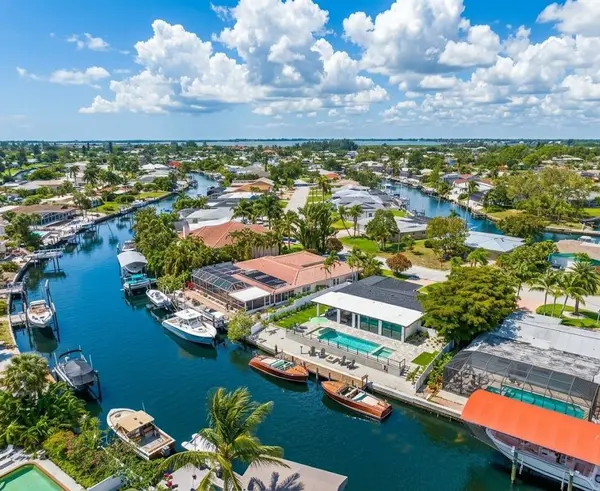
"Waterfront" does not automatically mean the property works for your boat or even provides the water access you expect. Sarasota-area waterfront real estate includes Gulf-front, bayfront, canal-front, lakefront and other water-oriented properties with very different characteristics.
For boating properties, investigate the actual route from the property to navigable water. Depending on the location and vessel, relevant questions can include dock rights, permits, seawall condition, lift capacity, water depth, tides, canal width, vessel draft and bridge clearance.
Hunt Brothers Realty's questions to ask before buying a home near the coast provides a broader due-diligence framework for Gulf Coast buyers.
Legal questions concerning waterfront rights, title or easements should be reviewed with a qualified Florida real estate attorney or title professional. Docks, seawalls, lifts and vessel compatibility should be evaluated with the appropriate surveyor, marine contractor, inspector, engineer and permitting authority.
14. Understand Your Buyer Agreement and Florida Contract Before You Sign
Out-of-state buyers should not assume the brokerage and contract process will work exactly as it did in their previous state. Current industry practice requires MLS participants working with buyers to enter into a written buyer agreement before touring a home with the buyer.
Florida Realtors explains that written buyer agreements can address the services provided and compensation. Compensation is negotiable and is not set by law. The specific agreement determines the parties' obligations, so buyers should understand its duration, scope, compensation terms and any exclusivity provisions.
Hunt Brothers Realty's guide to what a Florida buyer's real estate professional actually does also explains Florida brokerage relationships and the role a real estate professional can play in defining the search, evaluating properties and navigating the transaction.
Purchase contracts also contain deadlines and detailed provisions involving deposits, financing, inspections and closing. Contract rights and obligations are legal matters. Buyers who need interpretation of a buyer agreement, purchase contract, contingency, title issue or other legal document should consult a qualified Florida real estate attorney.
15. Calculate the Total Cost of Sarasota Ownership Before Falling in Love With the House
The purchase price is only the starting point for comparing Sarasota homes. Two homes at the same price can have materially different annual ownership costs.
Depending on the property, your ownership budget may need to consider:
- Mortgage payment and financing costs, if applicable
- Property taxes
- Homeowners insurance
- Flood insurance when purchased or required
- HOA or condominium assessments
- CDD assessments where applicable
- Club or golf costs where applicable
- Pool and landscaping maintenance
- Roof and exterior maintenance
- Condominium special assessments or future capital obligations
- Waterfront infrastructure such as seawalls, docks or lifts when applicable
- Hurricane preparation and property monitoring, particularly for seasonal owners
This is especially important for relocation buyers comparing very different property types. A downtown condominium, Siesta Key home and newer mainland house may have similar asking prices but very different insurance, association, maintenance and tax profiles.
What Should You Do Before Your First Sarasota Home-Touring Trip?
The most productive relocation trip begins before you arrive. Instead of scheduling dozens of unrelated homes, narrow the search by lifestyle and ownership priorities first.
A useful pre-trip checklist includes:
- Establish your purchase-price and total monthly ownership budget.
- Obtain financing preapproval if financing the purchase.
- Discuss your buyer agreement and representation before touring.
- Choose two or three Sarasota lifestyles to compare.
- Decide whether island living is a real priority.
- Identify your preferred property type.
- Decide how much renovation or maintenance you are willing to accept.
- Identify any non-negotiable boating, beach, golf, garage or lot requirements.
- Plan to test your likely everyday driving routes.
- Be prepared to investigate insurance early when a property becomes a serious candidate.
Should You Rent in Sarasota Before Buying?
Some relocation buyers benefit from renting before purchasing, particularly when they have never spent meaningful time in Sarasota outside a vacation. Renting can provide additional time to understand neighborhoods, traffic patterns and everyday routines.
Other buyers arrive with clearly defined priorities and are comfortable purchasing directly. Someone who has repeatedly visited Sarasota, knows the specific neighborhood and understands the property type may not gain the same benefit from an interim rental.
There is no universal answer. Compare the cost and flexibility of renting with your purchase timeline, financing, moving plans and confidence in the area. Financial and tax implications should be discussed with the appropriate qualified professionals.
What If You Need to Sell Your Current Home First?
Relocation becomes more complicated when your Sarasota purchase depends on a home sale in another state. The timing of the two transactions can affect financing, available cash, moving logistics and the strength and structure of an offer.
Possible strategies can include selling first, getting the current property under contract before buying, attempting to negotiate a home-sale contingency, or exploring financing options that may allow the Sarasota purchase to occur first. Availability and suitability depend on the buyer's finances, lender requirements and transaction.
Hunt Brothers Realty's guide to contingent offers explains how a home-sale contingency can affect a purchase. Buyers should coordinate financing questions with a qualified mortgage professional and seek legal advice from a Florida real estate attorney when contract rights or obligations require individualized interpretation.
What Are the Biggest Mistakes Out-of-State Sarasota Buyers Make?
Many relocation mistakes come from assuming Florida ownership works like ownership somewhere else. The home may look familiar, while the insurance, flood, association or coastal considerations are completely different.
Common problems to avoid include:
- Choosing a neighborhood based on a vacation experience rather than everyday routines
- Waiting too long to investigate homeowners insurance
- Assuming flood insurance is included in homeowners coverage
- Using the seller's property-tax bill as a future tax estimate
- Ignoring roof age or wind-mitigation documentation
- Buying a condo based only on the unit without reviewing the association
- Assuming all waterfront property provides the same boating access
- Ignoring bridge and seasonal traffic when considering island living
- Comparing homes by purchase price instead of total ownership cost
- Signing agreements or contracts without understanding the applicable terms and deadlines
Moving to Sarasota Is Easier When You Choose the Lifestyle Before the House
A Sarasota relocation becomes much easier once you stop searching the entire region as though every neighborhood were interchangeable. Start with the daily experience you want, then narrow the property search.
If the beach is the reason for moving, compare the barrier islands and nearby mainland neighborhoods. If downtown walkability matters, concentrate on the urban core and nearby areas. If space, newer construction or community amenities rank higher, expand the search farther east or south. If boating is essential, define the boat requirements before evaluating waterfront homes.
Then compare the actual properties based on insurance, flood information, taxes, association obligations, condition and total ownership costs. That approach turns an overwhelming out-of-state search into a much more focused Sarasota home-buying process.
Plan Your Sarasota Relocation with Hunt Brothers Realty
Hunt Brothers Realty helps relocation buyers compare Sarasota and Florida Gulf Coast communities based on how they actually plan to live, not simply what looks appealing in an online listing. Buyers can begin with the Gulf Coast community directory, review island versus mainland Sarasota, learn what a Florida buyer's real estate professional does, or explore questions to ask before buying near Florida's Gulf Coast.
Informational notice: This article provides general real estate and educational information only and is not individualized legal, financial, tax, insurance, lending, inspection, engineering, construction, title or other professional advice. Property taxes, insurance availability, flood conditions, financing, association obligations, contract terms, inspection findings and ownership costs vary by buyer and property. Buyers should obtain property-specific insurance guidance from a qualified insurance professional, financing information from a qualified lender, tax guidance from the appropriate property appraiser and qualified tax professional, and inspection or engineering guidance from the appropriate licensed professionals. Questions involving contracts, title, ownership rights or other legal matters should be reviewed with a qualified Florida real estate attorney or other appropriate legal professional before a decision is made.
Sources
- Hunt Brothers Realty, Sarasota Island Living vs. Mainland Living
- Hunt Brothers Realty, Sarasota vs. Venice
- Hunt Brothers Realty, What Does a Florida Buyer's Agent Actually Do?
- Hunt Brothers Realty, Condo Documents Buyers Should Review Before Closing
- Hunt Brothers Realty, Questions to Ask Before Buying a Home Near the Coast
- Hunt Brothers Realty, What Is a Contingent Offer?
- Hunt Brothers Realty, Explore Gulf Coast Communities
- Florida Department of Financial Services, Shopping for Homeowners Insurance
- Florida Department of Financial Services, Homeowners Insurance Overview
- Florida Department of Financial Services, Flood Insurance
- Florida Department of Revenue, Property Tax Exemptions and Homestead Benefits
- Florida Department of Revenue, Property Tax Information for First-Time Florida Homebuyers
- Sarasota County, Flood Maps
- Sarasota County, Storm Surge and Hurricane Preparedness
- Florida Realtors, Buyer Broker Agreement FAQs
- Florida Realtors, Florida Real Estate Contract Resources
Hunt Brothers Realty
Hunt Brothers Realty
46 N. Washington Blvd, Ste 3, Sarasota, FL 34236
Phone: (941) 388-7017
Email: info@huntbrothersrealty.com
Website: https://www.huntbrothersrealty.com/
Categories
- All Blogs 1446
- Anna Maria Island 68
- Bird Key 3
- Bradenton 63
- Buying a Home 598
- Casey Key 2
- Clearwater 5
- Condos & HOA Living 506
- Ellenton 4
- Englewood 5
- First Time Homebuyers 672
- Foreclosures 3
- Homeownership 649
- Lakewood Ranch 15
- Lido Key 24
- Longboat Key 65
- Luxury/Waterfront Properties 588
- Market Updates & Trends 291
- Mortgages & Financing 29
- Move-Up Buyers 20
- Neighborhood Guides 438
- New Construction 23
- Palmetto 2
- Parrish 4
- Port Charlotte 7
- Punta Gorda 11
- Real Estate Investing 521
- Relocation to Florida 571
- Safety Harbor 2
- Sarasota - Downtown 120
- Selling a Home 135
- Siesta Key 87
- St. Petersburg 3
- Tierra Verde 4
- Vacation & Second Homes 704
- Venice 21
- Wellen Park 7
Recent Posts