Port Charlotte Waterfront Homes: Canals, Boating and Gulf Access
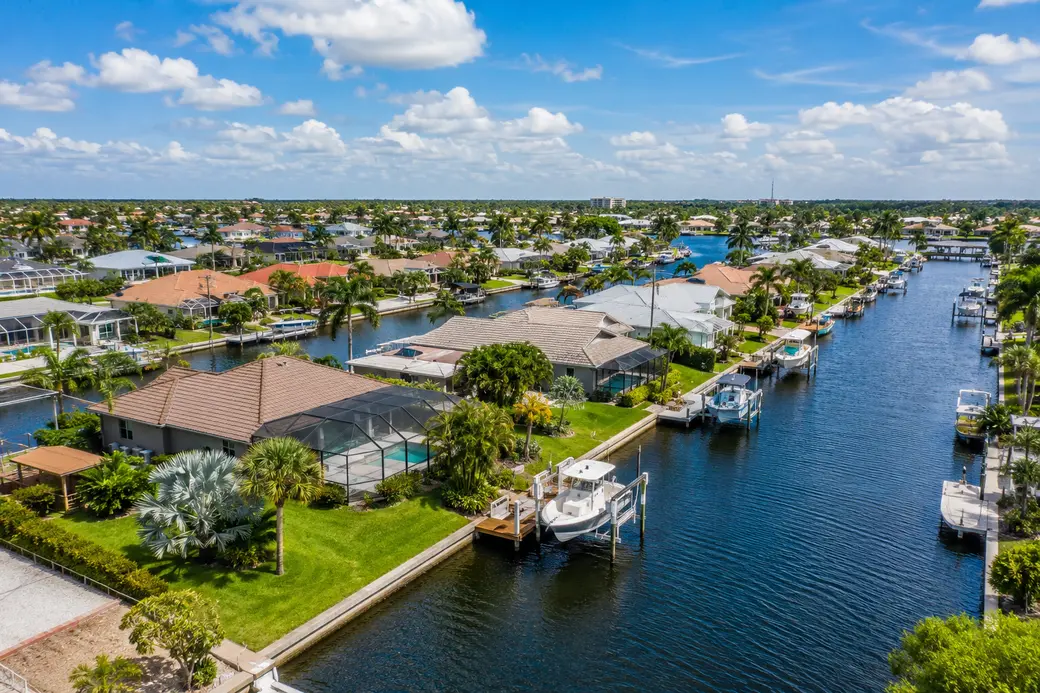
For buyers who picture Florida living with a boat behind the house, Port Charlotte deserves a close look. The area includes an extensive network of canals and waterways, giving buyers opportunities to find homes with private docks, canal frontage and boating routes toward Charlotte Harbor and, from there, Gulf waters.
But two Port Charlotte waterfront homes that appear similar in listing photos can provide very different boating experiences. Water depth, bridge clearance, locks, canal location, dock configuration and travel time to Charlotte Harbor can all affect how useful a property is for a particular boat.
That makes waterfront due diligence especially important. Buyers should evaluate not only the home, but also the canal, boating route, seawall, dock, flood exposure, insurance and long-term waterfront maintenance before deciding whether a property fits their needs.
Quick Answer: Is Port Charlotte Good for Waterfront Living?
Port Charlotte can be attractive to waterfront buyers because the broader area includes numerous canal systems, access to Charlotte Harbor and public boating facilities. Depending on location, buyers can find canal-front homes with private docks as well as properties near public ramps and kayak launches.
The important qualification is that not every waterfront home offers the same boating access. Some routes can involve bridges, locks, shallow areas, tides or considerable travel before reaching larger water. Buyers should verify the entire route for their specific vessel before purchasing.
Why Does Port Charlotte Have So Many Canal Homes?
Canals are an important part of the Charlotte County landscape. County planning documents identify numerous maintained canal and navigation systems, including South Gulf Cove, Springlake Waterway, Sunrise Waterway, Suncoast Waterway, Ackerman Waterway and other waterways throughout the county.
For homebuyers, these waterways create several different types of waterfront opportunities. Some properties provide boating routes toward Charlotte Harbor, while others may be better suited to smaller boats, paddling, fishing or simply enjoying a water view.
This is why the phrase “canal-front home” is only a starting point. The practical value of the canal depends on where it goes and whether it works for the buyer's intended use.
What Does Gulf Access Actually Mean?
“Gulf access” generally indicates that a navigable water route can ultimately connect the property to Gulf waters. It does not necessarily mean the home sits close to the Gulf of Mexico or that the trip is direct.
From parts of Port Charlotte, boating routes can lead through canals and waterways toward Charlotte Harbor. Charlotte Harbor then provides connections toward passes leading to the Gulf of Mexico.
For a buyer, the useful question is not simply, “Does this property have Gulf access?” It is, “How does my boat get from this dock to the water I want to use?”
The answer can depend on draft, bridge clearance, tides, locks, channel depth, vessel speed restrictions and the length of the route. These conditions should be independently verified for the particular property and vessel.
What Is Charlotte Harbor?
Charlotte Harbor is the major estuarine water body that helps define this part of Southwest Florida. The Peace and Myakka Rivers flow toward Charlotte Harbor, while the harbor connects through passes toward Gulf waters.
For boaters, access to the harbor can open opportunities for fishing, cruising and travel toward surrounding coastal destinations. For homebuyers, however, the time and route required to reach the harbor can vary considerably depending on the canal system.
Are All Port Charlotte Canals Navigable?
No. Buyers should not assume that every canal provides unrestricted boating access to Charlotte Harbor or the Gulf.
Some waterways can have different depths, drainage functions, bridge restrictions or other limitations. Even within a navigable canal system, the suitability of a route can depend on the dimensions and draft of the buyer's boat.
Before purchasing specifically for boating, buyers should trace the entire route from the dock to Charlotte Harbor or their intended destination and verify current navigation conditions with appropriate local and marine resources.
Why Does Bridge Clearance Matter?
A fixed bridge can determine whether a particular boat can use a canal route at all. A waterfront home may have deep enough water for a vessel while still being unsuitable because the boat cannot pass beneath a bridge along the route.
Buyers should know the vessel's overall height, including towers, antennas and other equipment. Bridge clearance can also vary with water level and tidal conditions.
If boating is central to the purchase, bridge clearance should be verified using current authoritative information and, when appropriate, with qualified marine professionals rather than relying solely on a listing description.
What Should Buyers Know About Water Depth?
Water depth is another property-specific consideration. A canal that works well for a shallow-draft boat may not work for a deeper vessel.
Buyers should consider the depth at the dock, along the canal and throughout the intended route. Tides and changing water levels can also affect practical navigation.
Charlotte County's water monitoring efforts include gauges around Charlotte Harbor and Lemon Bay, reinforcing the fact that local water levels are dynamic rather than fixed.
What Is the South Gulf Cove Boat Lock?
Some properties marketed within the broader Port Charlotte area are in South Gulf Cove, a canal community where boating access can involve a lock.
Charlotte County Public Works maintains the South Gulf Cove boat lock and publishes operating instructions for boaters. The lock equalizes water levels between its canal and bay sides before allowing a vessel to pass through.
For a buyer considering a property in a lock-controlled canal system, that infrastructure should be part of the lifestyle analysis. Buyers should review current operating conditions and understand how the lock affects the route they expect to use.
What Should You Inspect About a Dock and Boat Lift?
A waterfront home's dock deserves its own evaluation. Buyers should consider whether the dock is physically suitable for their boat and whether existing improvements are properly documented.
- Dock dimensions and configuration
- Pilings, decking and hardware condition
- Boat-lift rated capacity
- Electrical service and water connections
- Available permits and approvals
- Water depth at the dock
- Room to maneuver the intended vessel
- Restrictions on repair, replacement or expansion
A lift should be evaluated against the actual weight and dimensions of the buyer's boat. Buyers should have docks, lifts and related systems evaluated by appropriate qualified marine, electrical, construction or inspection professionals when those features are material to the purchase.
Why Is the Seawall So Important?
The seawall can be one of the most consequential components of a canal-front property. Its job is different from the home's foundation, roof or dock, and its condition can require specialized evaluation.
Buyers should investigate the seawall's age, construction, previous repairs and visible condition. Cracking, movement, separation, deterioration or soil loss behind the wall can justify further professional investigation.
Repair or replacement costs can vary substantially based on the property and scope of work. A qualified seawall contractor, engineer or other appropriate specialist should evaluate property-specific conditions before the buyer relies on assumptions about remaining life or repair expense.
How Important Is Flood Risk for Port Charlotte Waterfront Homes?
Flood exposure is an important part of evaluating waterfront property in Charlotte County. The county describes the region as low lying and identifies multiple potential sources of flooding, including hurricanes and tropical storms, storm surge, significant rainfall, king tides and rising rivers.
Buyers should check current flood information for the exact property rather than generalizing from the neighborhood. Flood zone, finished-floor elevation, construction characteristics and available elevation documentation can all be relevant.
Flood maps also should not be interpreted as a guarantee that a property will or will not flood. Charlotte County notes that flooding can occur anywhere in the county.
Buyers should verify current flood information with Charlotte County and FEMA and discuss property-specific flood insurance requirements and coverage with their lender and a qualified insurance professional before making a purchasing decision.
Why Should Insurance Be Investigated Early?
Insurance can materially affect the total cost of owning a waterfront home. Waiting until shortly before closing to investigate coverage can leave buyers with important unanswered questions late in the transaction.
Factors such as roof age, wind-mitigation features, construction type, electrical and plumbing systems, property elevation, flood exposure and claims history can affect underwriting and coverage options.
Insurance availability, coverage, deductibles and premiums vary substantially by property. Buyers should obtain property-specific homeowners, wind and flood quotes as applicable and review them with a qualified insurance professional before deciding whether a particular home fits their budget.
What About Hurricane and Storm Damage?
Waterfront buyers should investigate the home's storm history and current condition. Depending on the property, this can include reviewing available permits and documentation for roof replacement, structural repairs, electrical work, seawall repairs, dock reconstruction or other post-storm improvements.
Visible renovations should not automatically be assumed to establish that previous damage was repaired correctly or that all required permits were obtained. Appropriate inspectors, contractors, engineers and local permitting authorities can help buyers evaluate property-specific questions.
Where Can You Launch a Boat in Port Charlotte?
Private waterfront access is not the only option for boaters. Charlotte County currently lists several public boat ramps in Port Charlotte, including El Jobean Boat Ramp, Port Charlotte Beach Park and Spring Lake Park.
The county also lists multiple canoe and kayak launches in the area, including Bayshore Live Oak Park, El Jobean Boat Ramp, Port Charlotte Beach Park, Spring Lake Park and other locations.
This can be relevant for buyers deciding whether they need to pay a premium for direct waterfront access or would be satisfied living near a public boating facility.
What Is the Port Charlotte Housing Market Like in 2026?
Port Charlotte buyers entered the second half of 2026 with substantial inventory to compare. Zillow reported a typical Port Charlotte home value of $268,990 as of July 31, 2026, down 6.2 percent from one year earlier.
Zillow also reported 1,422 properties in for-sale inventory and 226 new listings in July, with a median 56 days to pending. For June, the median sale price was $276,650, and the median sale-to-list ratio was 0.966. Approximately 75.1 percent of recorded sales closed below their final list price.
These figures describe the broader Port Charlotte market and should not be interpreted as waterfront-home pricing. Direct boating access, travel time to Charlotte Harbor, bridge restrictions, seawall condition, dock infrastructure, home elevation and property condition can create substantial differences between waterfront properties. Current MLS comparables for similar waterfront homes provide more useful property-specific context.
What Makes One Canal Home More Valuable Than Another?
Waterfront value is not determined simply by having water behind the house. Buyers can place different value on properties based on the actual utility and quality of that waterfront.
Factors that can influence buyer demand include:
- Directness of the boating route
- Approximate travel time toward Charlotte Harbor
- Bridge clearance
- Water depth and tidal considerations
- Canal width
- Dock and boat-lift condition
- Seawall condition
- Water views and orientation
- Home elevation and flood considerations
- Condition and features of the residence itself
This is why comparing a waterfront home with an inland property of similar size can provide an incomplete picture. Waterfront comparables should ideally share similar boating and shoreline characteristics.
What Are the Ongoing Costs of a Canal Home?
Canal-front ownership can involve expenses beyond those associated with an inland home. Depending on the property, buyers may need to budget for:
- Seawall maintenance and eventual repair or replacement
- Dock maintenance
- Boat-lift service and repair
- Electrical systems serving waterfront structures
- Homeowners and flood insurance
- Exterior maintenance associated with a coastal environment
- Storm preparation and post-storm repairs
- Association or special-district obligations when applicable
Actual costs vary substantially. Buyers should obtain property-specific inspections, insurance quotes and professional estimates rather than relying on generalized assumptions about waterfront ownership expenses.
Port Charlotte Waterfront Homebuyer Checklist
Before purchasing a canal or waterfront home, consider verifying:
- Whether the waterway provides the access you intend to use
- The complete boating route to Charlotte Harbor
- Water depth along the route
- Fixed and movable bridge clearances
- Whether a lock is part of the route
- Approximate route length and practical travel time
- Dock dimensions and condition
- Boat-lift capacity
- Permits for docks, lifts and waterfront improvements
- Seawall condition and repair history
- Current flood information and available elevation documentation
- Property-specific homeowners and flood insurance quotes
- Roof and wind-mitigation features
- Documented storm or flood repairs
- Association or special-district obligations when applicable
If boating is a primary reason for purchasing the home, buyers should know their vessel's length, beam, draft, overall height and weight before evaluating properties. Those measurements can help qualified marine professionals determine whether a particular dock, lift and boating route are appropriate.
Frequently Asked Questions About Port Charlotte Waterfront Homes
Do Port Charlotte canal homes have Gulf access?
Some do, but buyers should verify the specific canal and route. Gulf access can involve travel through canals and Charlotte Harbor before reaching passes toward the Gulf, and some routes may have bridges, locks, depth limitations or other restrictions.
Does Gulf access mean no bridges?
No. A property can ultimately have a navigable route toward Gulf waters while still having bridges along that route. Buyers with larger or taller boats should verify every relevant bridge clearance.
Are there public boat ramps in Port Charlotte?
Yes. Charlotte County currently lists El Jobean Boat Ramp, Port Charlotte Beach Park and Spring Lake Park among its Port Charlotte boat-ramp locations.
Does South Gulf Cove have a boat lock?
Yes. Charlotte County Public Works maintains the South Gulf Cove boat lock. Buyers considering homes there should check current county information about the lock and investigate how it affects their intended boating route.
Should a seawall be inspected before buying?
When a seawall is material to the property, buyers should consider having its condition evaluated by an appropriately qualified seawall contractor, engineer or other specialist. Remaining life and repair costs are property-specific.
Does every waterfront home require flood insurance?
Not necessarily. Requirements can depend on the property, financing and lender. Buyers should verify current flood information and obtain property-specific insurance guidance rather than assuming that all waterfront properties have identical requirements.
Is a Port Charlotte Waterfront Home Right for You?
Port Charlotte can offer a compelling combination for buyers who want a home connected to Southwest Florida's boating lifestyle. Canal-front properties can provide private docks and access toward Charlotte Harbor while keeping buyers within a larger residential community rather than directly on a barrier island.
The best waterfront property is not necessarily the one with the shortest distance from the back door to the dock. It is the home whose canal route, depth, bridge clearance, dock, seawall, flood exposure, insurance and total ownership costs work for the buyer's actual plans.
Explore Port Charlotte Waterfront Real Estate With Hunt Brothers Realty
Comparing Port Charlotte waterfront homes requires more than searching for a dock icon in a listing. Understanding how each canal connects, whether the route works for your boat and what waterfront infrastructure you are purchasing can make the differences between properties much clearer.
Hunt Brothers Realty can help buyers explore Port Charlotte and other Southwest Florida waterfront real estate opportunities. Review the Hunt Brothers Realty guide to buying waterfront property in Florida, explore the firm's guide to seawalls, docks and flood zones, or visit HuntBrothersRealty.com for additional Florida Gulf Coast real estate resources.
Informational notice: This article provides general real estate and educational information and is not individualized legal, financial, tax, insurance, lending, inspection, engineering, construction, title, boating, navigation or other professional advice. Canal conditions, navigability, water depth, bridge clearance, lock operation, flood exposure, insurance, seawalls, docks, permits and property conditions can change and vary by property. Buyers should independently verify property-specific information with the appropriate local authorities and qualified professionals, including a licensed real estate professional, lender, insurance professional, Florida real estate attorney, title professional, inspector, engineer, contractor, marine professional or other appropriate specialist before making decisions requiring individualized guidance.
Sources
- Charlotte County, South Gulf Cove Boat Lock
- Charlotte County, Fishing, Boat Ramps and Kayak Launches
- Charlotte County, Flood Information
- Charlotte County, One Charlotte, One Water
- Zillow, Port Charlotte Housing Market, July 2026
- Hunt Brothers Realty, Buying Waterfront Property in Florida
- Hunt Brothers Realty, A Buyer's Guide to Waterfront Homes on Florida's Gulf Coast
Hunt Brothers Realty
46 N Washington Blvd, Ste #3
Sarasota, Florida 34236
Phone: (941) 388-7017
Email: info@huntbrothersrealty.com
Website: HuntBrothersRealty.com
Categories
- All Blogs 1990
- Anna Maria Island 83
- Bird Key 4
- Bradenton 235
- Buying a Home 1054
- Casey Key 2
- Clearwater 10
- Condos & HOA Living 969
- Ellenton 5
- Englewood 9
- First Time Homebuyers 1162
- Foreclosures 3
- Home Selling 2
- Homeownership 1184
- Lakewood Ranch 21
- Lido Key 27
- Longboat Key 78
- Luxury/Waterfront Properties 1125
- Market Updates & Trends 653
- Mortgages & Financing 42
- Move-Up Buyers 21
- Neighborhood Guides 771
- New Construction 32
- Palmetto 3
- Parrish 6
- Port Charlotte 10
- Punta Gorda 16
- Real Estate Investing 1042
- Relocation to Florida 1086
- Safety Harbor 2
- Sarasota 74
- Sarasota - Downtown 158
- Selling a Home 144
- Siesta Key 89
- St. Petersburg 7
- Tierra Verde 5
- Vacation & Second Homes 1233
- Venice 121
- Wellen Park 12
Recent Posts