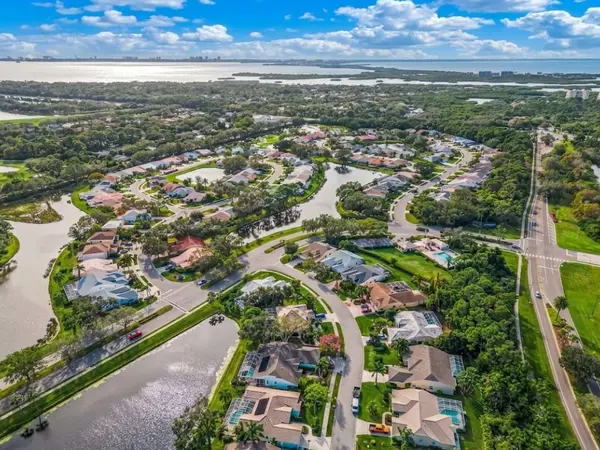
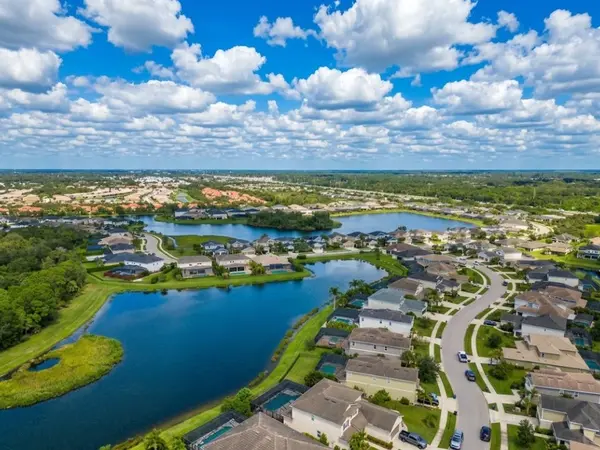
What Are the Pros and Cons of Florida 55+ Communities?
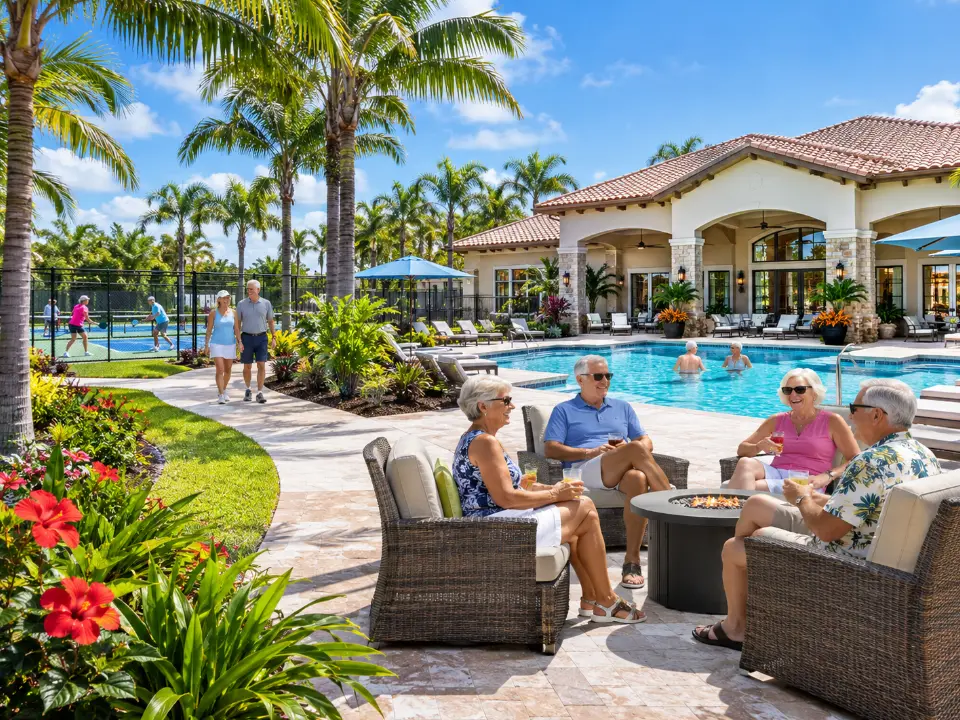
Florida 55+ communities can offer substantial advantages for buyers who value organized activities, recreational amenities, an age-qualified residential environment and, in some communities, lower-maintenance housing. The tradeoffs can include HOA fees, age and occupancy restrictions, guest rules, association regulations and a resale market affected by eligibility requirements. A 55+ community is not automatically better than an all-ages neighborhood. The right choice depends on the individual home, total ownership costs, location, association finances, household plans, maintenance responsibilities and how much the buyer expects to use the community's amenities.
Quick Answers About the Pros and Cons of Florida 55+ Communities
What is the biggest advantage of a Florida 55+ community?
For many buyers, the biggest advantage is having recreational amenities and organized activities within the community. Depending on the development, that can include pools, fitness centers, pickleball, tennis, clubs, classes, events and dedicated lifestyle programming.
What is the biggest disadvantage of a 55+ community?
Age and occupancy restrictions can reduce flexibility. They can matter if a younger adult child, relative, caregiver or other person may need to live in the home, and individual communities can also impose guest, rental and other association rules.
Does everyone living in a Florida 55+ community have to be 55?
Not necessarily. Under federal and Florida housing-for-older-persons provisions, qualifying 55+ housing generally must have at least 80 percent of occupied units occupied by at least one person age 55 or older and meet additional requirements. Individual community rules can be more restrictive, so buyers should never infer household eligibility from the federal threshold alone.
Are Florida 55+ communities maintenance-free?
Not automatically. Some associations provide landscaping or selected exterior services, but homeowners may remain responsible for roofs, HVAC systems, windows, structural components, insurance and other expenses. Buyers should verify the maintenance responsibilities for the specific property.
Are HOA fees higher in 55+ communities?
Not necessarily, but amenity-rich active-adult communities can have substantial association expenses. The better comparison is what the fee covers, what remains the owner's responsibility and whether there are additional assessments or district charges.
Can children and grandchildren visit a Florida 55+ community?
Many communities allow younger guests, but individual rules can limit the duration or circumstances of those visits. Buyers expecting frequent or extended visits should review the current guest and occupancy provisions before purchasing.
Is a 55+ community better for retirement than an all-ages community?
Neither is inherently better. A dedicated 55+ community can provide an active-adult environment and organized programming, while an all-ages community may provide greater occupancy flexibility, different locations or similar amenities without age-qualified residency requirements.
What Does 55+ Actually Mean in Florida?
A true 55+ community is different from a neighborhood that simply attracts retirees. Federal law provides a housing-for-older-persons exemption from certain familial-status provisions of the Fair Housing Act when applicable requirements are satisfied, and Florida law contains corresponding provisions for housing intended and operated for occupancy by persons age 55 or older.
Under the applicable framework, at least 80 percent of occupied units generally must be occupied by at least one person age 55 or older. The housing facility or community must also publish and adhere to policies demonstrating its intent to operate as housing for older persons and comply with applicable occupancy-verification requirements.
The 80 percent threshold is frequently misunderstood. It does not mean every qualifying community must make 20 percent of its homes available to households without a resident age 55 or older. Individual communities can have more restrictive policies, making the current governing documents and written occupancy rules essential when eligibility matters to a buyer.
What Are the Main Pros of Living in a Florida 55+ Community?
The main advantages can include convenient recreational amenities, organized programming, housing designed around active-adult buyers and selected maintenance services. The actual benefits vary substantially from one community to another.
Buyers should compare specific communities rather than assuming the 55+ designation guarantees a particular lifestyle. Hunt Brothers Realty's 2026 guide to 55+ communities near Sarasota illustrates how age-qualified developments can differ in housing, amenities, location, fees and development stage.
Pro 1: Recreational Amenities Can Be Extensive
Many active-adult developments place recreation at the center of community life. Depending on the neighborhood, residents may have access to clubhouses, resort-style pools, lap pools, fitness facilities, pickleball, tennis, bocce, walking trails, arts spaces and gathering areas.
Having these facilities close to home can be valuable if you expect to use them regularly. It can also reduce the need to purchase separate memberships for certain recreational activities, although the financial comparison depends on the individual community and buyer.
Pro 2: Organized Activities Can Make Participation Convenient
Some Florida 55+ developments employ lifestyle directors and maintain calendars of clubs, fitness programs, classes, recreational events and other activities. For someone relocating to Florida, having organized opportunities within the neighborhood can make participation convenient.
That does not guarantee a particular social experience. Buyers should review current activity calendars and visit the amenities rather than relying solely on marketing descriptions of an “active lifestyle.”
Pro 3: Some Communities Reduce Routine Maintenance
Some 55+ communities include lawn care, landscaping or selected exterior services within association assessments. Villas and condominium residences can provide additional maintenance arrangements depending on the association structure.
This can appeal to seasonal residents, frequent travelers or buyers who simply want to spend less time on routine property upkeep. The exact maintenance allocation matters, however, because “low-maintenance” and “maintenance-free” are not standardized descriptions of owner responsibility.
Pro 4: Buyers Can Choose From Different Housing Types
Florida's age-qualified housing is not limited to one property type. Depending on the community and location, buyers may find condominiums, villas, manufactured homes and detached single-family residences.
For example, Hunt Brothers Realty's Village Plaza community guide identifies an established Sarasota 55+ setting with condominium and villa residences, while newer active-adult developments elsewhere in the region offer detached homes and additional housing choices.
Pro 5: Newer 55+ Communities Can Offer Contemporary Floor Plans
Newer active-adult communities can provide contemporary kitchens, open living areas, attached garages and floor plans designed around current buyer preferences. Some developments offer smaller villas alongside substantially larger detached homes.
New construction still requires careful evaluation. Buyers should investigate the builder contract, warranty, inspections, future construction phases, current and planned amenities, association budget and applicable district assessments before making a decision.
Pro 6: The Community Structure Can Simplify Lifestyle Planning
For buyers who actively want clubs, fitness, recreation and social programming close to home, a dedicated active-adult development can make those activities easier to incorporate into a normal week. The neighborhood itself may provide many of the facilities the resident intends to use most frequently.
This is particularly relevant when comparing communities in different locations. A large amenity package may be highly valuable to one buyer, while another may prefer a simpler neighborhood closer to beaches, cultural destinations, golf or other activities outside the community.
What Are the Main Cons of Living in a Florida 55+ Community?
The potential disadvantages center primarily on restrictions, recurring costs and flexibility. A buyer should understand these tradeoffs before choosing an age-qualified community solely for its amenities.
Con 1: Age and Occupancy Rules Can Limit Household Flexibility
Age restrictions can affect who is permitted to occupy the home. This deserves careful attention if an adult child, younger relative, caregiver or another person under 55 may need to live with the owner now or later.
Do not assume the federal 80 percent threshold gives a younger household an automatic right to occupy one of the remaining units. Obtain the current governing documents and written policies. Questions about household eligibility, inheritance, surviving occupants or other legal rights should be reviewed with the association and a qualified Florida real estate attorney when those issues are material to the purchase.
Con 2: HOA Fees Can Be a Significant Recurring Expense
Clubhouses, pools, fitness facilities, landscaping, sports courts, management and organized programming cost money to operate. Those expenses are generally reflected in the community's financial structure and association assessments.
There is no standard Florida 55+ HOA fee. Buyers should compare the current assessment with the services provided, identify which expenses remain the owner's responsibility and investigate whether additional master association or district charges apply.
Con 3: You May Pay for Amenities You Rarely Use
A resort-style pool, fitness complex, pickleball courts and elaborate clubhouse can look compelling during a community tour. The financial question is whether those amenities match the way you actually expect to spend your time.
If you plan to spend most of your recreational time at beaches, golf clubs, cultural venues, marinas or outside fitness facilities, paying for an extensive neighborhood amenity package may provide less value to you personally.
Con 4: Association Rules May Be More Structured Than You Want
Age qualification is only one possible restriction. Community documents may also address rentals, pets, parking, recreational vehicles, exterior modifications, landscaping, fences and other property uses.
Rules vary significantly between communities. Buyers who value flexibility should read the current documents rather than assuming all active-adult developments operate similarly.
Con 5: Guest Rules Can Affect Extended Family Visits
Many 55+ communities permit younger visitors, but individual policies can regulate how long guests may stay or under what circumstances younger occupants can reside in the home.
If grandchildren, adult children or other relatives routinely make extended visits, this should be investigated before buying. The relevant source is the community's current governing documents and policies, not a generalized description of how 55+ housing works.
Con 6: Age Restrictions Can Affect the Future Buyer Pool
A future purchaser or occupant may need to satisfy community eligibility requirements, so age-qualified housing does not necessarily have the same potential buyer pool as comparable unrestricted housing. That does not establish that a 55+ home will appreciate more slowly or sell less easily.
Resale depends on the individual property, location, condition, pricing, association finances, competing inventory, fees and market conditions. Buyers should review relevant comparable sales rather than assuming age restriction will either improve or reduce future value.
Are Florida 55+ Communities Really Maintenance-Free?
Not necessarily. Age restriction and maintenance responsibility are separate issues. A community can be 55+ while leaving substantial property maintenance to the homeowner.
An association might maintain lawns, irrigation or common landscaping while the homeowner remains responsible for the roof, windows, HVAC system, plumbing, electrical system, exterior surfaces or other components. A condominium can have a substantially different allocation of responsibility from a detached home or villa.
Ask for a written explanation of maintenance responsibilities and confirm it against the current governing documents. Buyers should also evaluate the condition of owner-maintained components through appropriate property inspections.
What Costs Should You Compare Beyond the Purchase Price?
Compare the complete cost of ownership rather than the home price and monthly HOA assessment alone. Two similarly priced 55+ homes can have substantially different recurring obligations.
- Current HOA or condominium assessments
- Master association assessments when applicable
- CDD or other district assessments when applicable
- Property taxes
- Homeowners or condominium-unit insurance
- Flood insurance when applicable or desired
- Owner-maintained landscaping or exterior components
- Utilities and services not included in association fees
- Potential or approved special assessments
- Optional golf, club or recreational memberships
Tax, insurance and financing consequences depend on the property and individual buyer. Property-specific insurance should be reviewed with a qualified insurance professional, financing with a qualified lender, and individualized tax planning with a qualified tax professional or CPA.
Can a Florida 55+ Community Also Have a CDD?
Yes. Age qualification, HOA membership and Community Development District assessments are separate concepts. A home can be in a 55+ community, pay association dues and also be subject to a district assessment.
This is particularly important when comparing newer master-planned developments. Buyers should review the actual property tax bill, association information and other applicable assessments instead of assuming the advertised HOA amount represents the complete recurring community cost.
Can Someone Under 55 Buy or Live in a Florida 55+ Community?
Possibly, but ownership and occupancy are different questions, and the answer depends on the individual community's governing documents and policies. A person under 55 should never assume that purchasing a property automatically establishes the right to occupy it.
The federal and Florida framework for qualifying 55+ housing includes an 80 percent occupied-unit threshold, but that threshold is not an automatic 80/20 occupancy entitlement for individual buyers. Communities can maintain policies that are more restrictive while remaining consistent with applicable housing-for-older-persons requirements.
If age eligibility affects your purchase, household composition, future occupancy or estate planning, obtain the current governing documents and written association policies. Questions about legal rights or interpretation should be reviewed with a qualified Florida real estate attorney or other appropriate legal professional.
Are 55+ Communities Only for Retired People?
No. A 55+ community is age-qualified housing, not an employment-status category. Residents can continue working full-time, part-time, remotely or in other employment arrangements while living in an age-qualified community if they satisfy the applicable occupancy requirements.
Likewise, a community does not become 55+ simply because many residents are retired. Hunt Brothers Realty's guide to retirement communities near Sarasota compares dedicated age-qualified options with all-ages communities that may also appeal to retired buyers.
What Is the Difference Between a 55+ Community and an All-Ages Community?
The primary distinction is age-qualified occupancy. An all-ages community does not operate under the same 55+ housing structure, although it can still have an HOA, extensive amenities, organized activities and significant community rules.
This matters because many Florida neighborhoods popular with retirees are not legally age-restricted. A buyer who wants pools, pickleball, walking trails, social events or lower-maintenance housing may find those features in either type of community.
- 55+ community: Age-qualified occupancy applies under the community's governing structure and applicable law.
- All-ages community: No 55+ occupancy requirement simply because of age, although other association restrictions can apply.
- Amenities: Either type can have pools, fitness centers, sports facilities, clubhouses and organized activities.
- Maintenance: Either type can provide selected maintenance services.
- Association fees: Costs depend on the specific community rather than whether it carries a 55+ designation.
Do 55+ Communities Provide Assisted Living or Healthcare?
Conventional 55+ residential communities should not be assumed to provide assisted living, nursing care or medical services. An active-adult neighborhood is a residential housing arrangement and can be very different from an assisted-living facility, continuing-care retirement community or other healthcare-oriented setting.
For buyers planning a long-term move, proximity to preferred physicians, hospitals, pharmacies and specialists may therefore be just as important as the clubhouse. Verify that desired healthcare providers and insurance networks are available in the area rather than assuming services are included because a development is marketed to older adults.
Are 55+ Communities a Good Investment?
No community type can guarantee appreciation, resale speed or investment performance. A 55+ designation can create a defined target market, but age restrictions also affect who may be eligible to occupy a property.
Evaluate recent comparable sales, competing listings, property condition, location, association finances, current fees, future capital needs and applicable rental restrictions. Those factors can be more useful than making a broad assumption about whether age-restricted housing performs better or worse than all-ages housing.
Buyers considering a property primarily for rental income, appreciation or other investment objectives should discuss their individual financial and tax circumstances with qualified financial and tax professionals before relying on projected returns.
What Should You Review Before Buying in a Florida 55+ Community?
Review the home, association and age-qualified occupancy structure together. Attractive amenities should not replace ordinary real estate due diligence.
- Current age and occupancy requirements
- Rules affecting younger household members and guests
- Current HOA or condominium fees
- Services and maintenance included in those fees
- Current association budget and applicable reserve information
- Pending, approved or recent special assessments
- CDD or other district assessments where applicable
- Rental, pet, parking and vehicle restrictions
- Homeowner and association insurance responsibilities
- Property condition and inspection findings
- Amenities currently operating and any planned facilities
- Location relative to your normal healthcare, shopping and recreational destinations
- Recent comparable sales and competing inventory
Association documents and Florida housing requirements can involve significant legal and financial consequences. Buyers should obtain current documents and direct individualized questions about legal rights, association obligations, insurance, financing, taxes and inspections to the appropriate qualified professionals.
How Should You Compare Florida 55+ Communities?
Compare how you expect to live rather than simply counting amenities. A community with the largest clubhouse is not automatically the best fit if its location, fees, housing or rules do not work for your priorities.
Spend time in the communities you are considering. Tour the clubhouse and recreation facilities, review an activity calendar, test routes to the destinations you use regularly and compare actual homes rather than model-home presentations alone.
For Sarasota-area buyers, HBR's 55+ community comparison includes current options in Lakewood Ranch and Wellen Park, while the broader Sarasota retirement community guide also considers all-ages alternatives.
Who May Prefer a 55+ Community?
A 55+ community may deserve strong consideration if you specifically want age-qualified housing, expect to use community recreational facilities and value organized activities close to home. It can also be appealing when the housing and maintenance structure fits the amount of property responsibility you want.
The strongest fit is generally a buyer who values the particular community as a complete package. The home, location, amenities, fees, rules and maintenance arrangement should all make sense rather than the decision depending solely on the 55+ label.
Who May Prefer an All-Ages Community?
An all-ages community may be worth comparing if household flexibility is especially important, you do not expect to use extensive active-adult programming, or your preferred location and property type are more readily available outside dedicated 55+ developments.
All-ages does not mean no amenities or no association rules. Many Florida communities offer pools, fitness facilities, golf, pickleball, walking trails and social activities without operating as age-qualified housing.
The better question is therefore not simply “55+ or not?” It is which specific home and community structure best match your priorities and future plans.
What Is the Bottom Line on Florida 55+ Communities?
Florida 55+ communities can be an excellent fit for buyers who genuinely value their amenities, programming, housing choices and age-qualified structure, but those advantages come with rules and costs that should be understood before purchasing.
Do not choose a community simply because it has the largest pool, newest clubhouse or longest activity list. Compare what you will actually use, what you will pay for, what you remain responsible for maintaining and whether the occupancy rules work for your household now and in the future.
For many buyers, the most useful comparison includes both dedicated 55+ communities and all-ages alternatives. That makes it easier to determine whether age-qualified living itself is an important benefit or whether the home, location and amenities are what matter most.
Compare Florida 55+ Communities With Hunt Brothers Realty
Hunt Brothers Realty can help buyers compare age-qualified and all-ages communities based on housing, location, amenities, association structure and practical ownership considerations. Start with HBR's 2026 guide to buying in a Florida 55+ community, compare the best 55+ communities near Sarasota, explore Florida Gulf Coast communities, or contact Hunt Brothers Realty to discuss your home search.
Informational notice: This article provides general real estate and educational information and is not individualized legal, financial, tax, insurance, lending, inspection, association or other professional advice. Age and occupancy requirements, guest provisions, association fees, reserves, assessments, maintenance responsibilities, insurance obligations and other rules vary by community and property. Buyers should obtain and review current governing documents and property information, verify household eligibility directly with the appropriate association, and consult qualified Florida real estate attorneys, lenders, insurance professionals, tax professionals, inspectors and other appropriate specialists when a purchasing decision requires individualized guidance.
Sources
- U.S. Department of Housing and Urban Development, Housing for Older Persons Guidance
- Florida Legislature, Florida Statutes Section 760.29
- Hunt Brothers Realty, Should I Buy in a 55+ Community in Florida?
- Hunt Brothers Realty, Best 55+ Communities Near Sarasota
- Hunt Brothers Realty, Village Plaza Sarasota
Hunt Brothers Realty
46 N. Washington Blvd, Ste 3, Sarasota, FL 34236
Phone: (941) 388-7017
Email: info@huntbrothersrealty.com
Website: HuntBrothersRealty.com
Categories
- All Blogs 2674
- Anna Maria Island 92
- Bird Key 6
- Bradenton 242
- Buying a Home 1692
- Casey Key 3
- Clearwater 16
- Condos & HOA Living 1623
- Ellenton 9
- Englewood 15
- First Time Homebuyers 1813
- Foreclosures 4
- Home Selling 10
- Homeownership 1860
- Lakewood Ranch 36
- Lido Key 29
- Longboat Key 81
- Luxury/Waterfront Properties 1801
- Market Updates & Trends 1302
- Mortgages & Financing 85
- Move-Up Buyers 24
- Neighborhood Guides 1429
- New Construction 47
- Palmetto 4
- Parrish 38
- Port Charlotte 36
- Punta Gorda 165
- Real Estate Investing 1714
- Relocation to Florida 1742
- Safety Harbor 4
- Sarasota 160
- Sarasota - Downtown 175
- Selling a Home 149
- Siesta Key 94
- St. Petersburg 11
- Taxes and Homestead 3
- Tierra Verde 7
- Vacation & Second Homes 1908
- Venice 225
- Wellen Park 24
Recent Posts