Relocating to St. Petersburg in 2026: Neighborhoods, Commutes, and Vibes
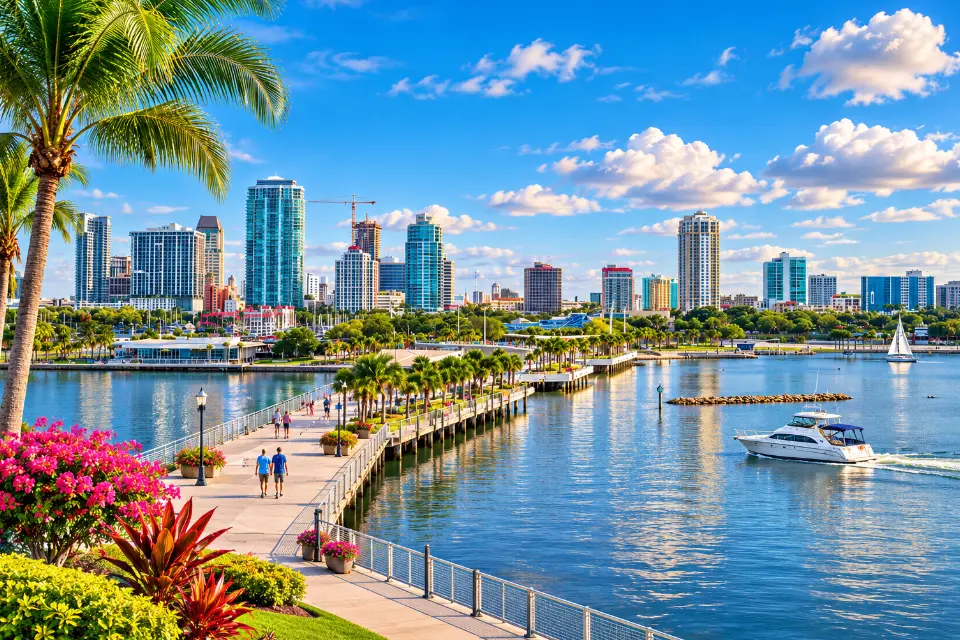
Moving to St. Petersburg, Florida in 2026 means choosing among neighborhoods that can feel remarkably different within the same city. Downtown offers condominiums, waterfront parks and urban amenities, Historic Old Northeast combines older homes with proximity to downtown, Historic Kenwood is known for bungalows near Central Avenue, and other areas provide more conventional residential settings or easier access to particular commuting routes. The best location depends on your housing preferences, workplace, transportation needs, beach priorities and property-specific flood, evacuation, insurance and ownership considerations.
Quick Answers About Relocating to St. Petersburg in 2026
What are the main St. Petersburg neighborhoods to compare?
A relocation search might begin with Downtown, Historic Old Northeast, Crescent Lake, Historic Kenwood, neighborhoods around the Central Avenue corridor, north St. Petersburg and southern St. Petersburg. These are starting points rather than rankings, and each contains different property types, street settings and ownership considerations.
Where should you live if you work in Downtown St. Petersburg?
Downtown itself provides the shortest geographic commute, while nearby areas such as Historic Old Northeast, Crescent Lake and Historic Kenwood can keep residents relatively close to the urban core. The right choice depends on whether you prefer condominium living, an older detached home, transit access or a more residential street environment.
Can you live in St. Petersburg without driving everywhere?
Some locations make car-light living more practical than others. PSTA's SunRunner connects Downtown St. Petersburg with Central Avenue districts and St. Pete Beach, while additional bus and trolley routes serve parts of the city. Buyers should check actual routes from a specific address.
Is Downtown St. Petersburg on the Gulf of Mexico?
No. Downtown St. Petersburg fronts Tampa Bay, not the Gulf of Mexico. Gulf beaches such as St. Pete Beach are west of the mainland and require a road or transit trip from downtown.
How difficult is commuting from St. Petersburg to Tampa?
A Tampa commute can be practical for some households but is highly dependent on the exact workplace, time of day, bridge traffic and the St. Petersburg neighborhood. Anyone expecting a regular Tampa commute should drive the intended route during actual working hours before choosing a home.
Do flood zones matter when choosing a St. Petersburg neighborhood?
Yes, but flood exposure should be evaluated by exact property rather than neighborhood reputation. Pinellas County explains that flood zones and hurricane evacuation zones measure different conditions, so relocating buyers should check both for every serious property candidate.
Should you rent first before buying in St. Petersburg?
Renting first can be useful for someone who has not determined which location or commute works best, but it is not necessary for every relocation. Buyers who are ready to purchase can instead spend concentrated time testing neighborhoods, routes and everyday destinations before making an offer.
How Should You Think About St. Petersburg Before Choosing a Neighborhood?
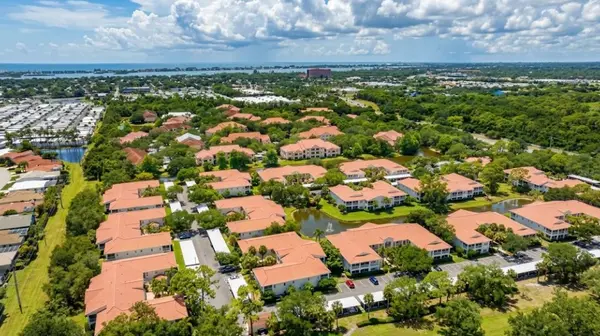
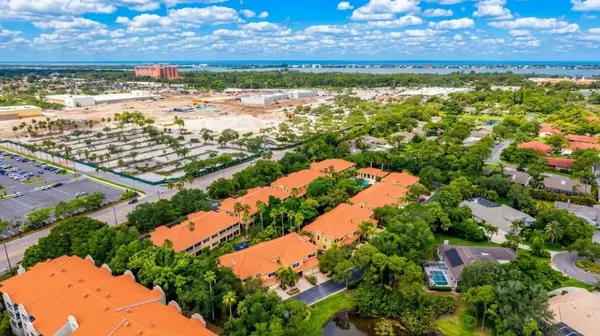
St. Petersburg is better understood as a collection of distinct residential areas and commercial districts than as one uniform coastal lifestyle. Downtown's high-rise and mid-rise environment differs substantially from Historic Kenwood's bungalow streets, while waterfront-oriented areas create different flood, insurance and maintenance questions from properties farther inland.
The city's geography matters too. Downtown faces Tampa Bay on the east side of the Pinellas peninsula, while the Gulf of Mexico beaches are west of mainland St. Petersburg. Interstate 275 runs north and south through the city and becomes an important part of regional travel toward Tampa, Bradenton and Sarasota.
Hunt Brothers Realty's 2026 Florida Gulf Coast comparison identifies St. Petersburg as an urban waterfront option with condominiums, historic homes, suburban neighborhoods and waterfront properties. That variety is precisely why relocation decisions work better at the neighborhood and property level than at the citywide level.
What Is Downtown St. Petersburg Like for Relocating Buyers?
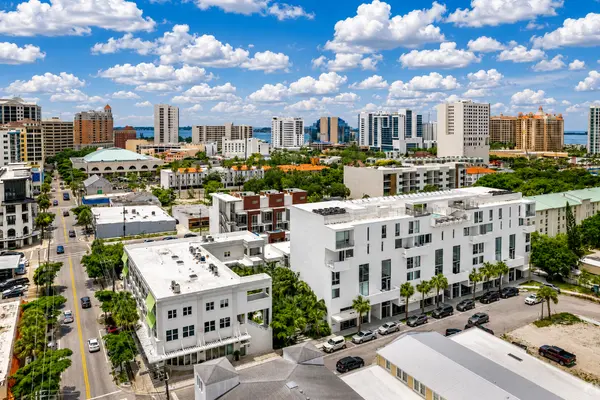
Downtown is the logical starting point for buyers who prioritize an urban setting, waterfront parks, restaurants, museums, entertainment and proximity to downtown employment. Housing includes condominium buildings and other urban residential options, with significant variation in building age, amenities, views, parking and association costs.
Downtown is not one homogeneous district. The downtown core connects with the waterfront, Central Arts District, EDGE District, Innovation District and other activity centers, each creating a somewhat different relationship between housing, businesses, entertainment and transportation.
The tradeoff is that urban condominium ownership introduces building-specific considerations. Buyers should examine association finances, reserves, insurance, maintenance history, parking rights, assessments and the exact unit's condition rather than choosing a building solely for its location or amenities.
What Is Historic Old Northeast Like?
Historic Old Northeast offers an established residential environment immediately north of downtown, with older homes, a traditional street grid and proximity to the Tampa Bay waterfront and central St. Petersburg. It can be a useful comparison for buyers who want a detached-home setting while remaining close to downtown destinations.
Housing age is an important part of the decision. Historic properties can provide architectural character, but buyers should investigate renovations, roofs, electrical and plumbing systems, windows, foundations, additions, permits and insurance requirements for the individual home.
Being near Tampa Bay also makes property-specific flood and evacuation research essential. A neighborhood name should never substitute for checking the exact address through current Pinellas County resources.
What Is Crescent Lake Like?
Crescent Lake is an established residential area organized around Crescent Lake and its public park north of downtown. It provides another way to remain near central St. Petersburg while living in a neighborhood where detached homes and park access are more prominent than the high-rise environment found in the downtown core.
The neighborhood's location can be useful for people whose routines involve downtown, the 4th Street corridor or other destinations in north-central St. Petersburg. As with other established neighborhoods, housing condition varies by property and should be evaluated individually.
Crescent Lake itself is a public-park water feature rather than Gulf or Tampa Bay waterfront. Buyers should distinguish a park or lake setting from navigable waterfront, coastal exposure and property-specific flood status.
Why Do Relocating Buyers Compare Historic Kenwood?
Historic Kenwood is known for its concentration of historic bungalows, arts identity and location immediately north of the Central Avenue and Grand Central area. The Historic Kenwood Neighborhood Association identifies the area as a designated National Historic District and notes that many homes date from the 1920s through 1950s.
That makes Kenwood relevant for buyers who prefer older detached homes and want convenient access to Central Avenue businesses without living in the downtown core. Its position west of downtown also provides relatively direct access to I-275 and the Central Avenue corridor.
Historic status can create property-specific permitting or preservation questions in applicable areas. Buyers considering renovations should verify requirements with the City of St. Petersburg and appropriate qualified professionals before assuming a proposed exterior change or addition will be permitted.
What Is the Grand Central and Central Avenue Area Like?
The Grand Central District is a commercial and cultural district just west of downtown rather than a single residential subdivision. The Grand Central District Association places it along Central Avenue and the adjoining First Avenues between 16th and 31st Streets, with restaurants, shops, galleries, services and other locally operated businesses.
For relocating buyers, the useful distinction is between living directly along an active commercial corridor and living in one of the residential neighborhoods around it. Historic Kenwood, for example, sits adjacent to the district and offers a different residential setting while keeping Central Avenue nearby.
The SunRunner travels through the Central Avenue business districts and Grand Central, making this corridor particularly relevant for buyers who want to investigate transit as an alternative to driving for some downtown and beach trips.
What Should You Know About North St. Petersburg?
North St. Petersburg contains numerous established residential neighborhoods with different relationships to downtown, I-275, 4th Street North and the Tampa Bay shoreline. Buyers can find detached homes, condominiums and waterfront properties depending on the specific area.
A northern location can be useful when regular trips toward northern Pinellas County or Tampa are part of the household routine, but the exact route matters more than the words "north St. Pete." Access to an interstate entrance, bridge route or major arterial can materially change the practical commute.
Waterfront and low-lying areas require additional diligence. Buyers should compare elevation, flood designation, evacuation zone, prior property history, insurance and building characteristics for the exact address.
What Should You Know About Shore Acres and Other Low-Lying Waterfront Areas?
Shore Acres illustrates why coastal relocation research must go beyond attractive water access and neighborhood location. The City of St. Petersburg has issued tidal-flooding notices that specifically include Shore Acres, and Pinellas County provides address-level tools for evaluating flood and evacuation information.
This does not mean every property in a coastal or low-lying neighborhood has the same exposure. Elevation, building design, flood zone, storm-surge vulnerability, prior improvements and insurance can differ from one address to another.
Buyers considering any waterfront or flood-sensitive property should review current maps and property history, obtain insurance quotes early, and consult the appropriate insurance, inspection, engineering and other qualified professionals when the decision depends on individualized risk assessment.
What Is Southern St. Petersburg Like for Home Buyers?
Southern St. Petersburg contains a broad range of established neighborhoods and housing choices, with access to downtown, I-275, southern Pinellas County and routes toward the Gulf beaches and Sunshine Skyway Bridge. The area is too large and varied to treat as a single neighborhood type.
For relocating buyers, southern St. Petersburg can be particularly relevant when regular travel toward Bradenton or Sarasota is part of the household schedule. Hunt Brothers Realty's 2026 Tampa-to-Sarasota location guide explains that St. Petersburg sits on the western I-275 route toward Manatee County across the Sunshine Skyway Bridge.
PSTA's newer Spark service also operates along 34th Street South and connects Grand Central Station with southern Pinellas County, adding another transportation option for certain locations.
Should You Consider Gulfport When Relocating to St. Petersburg?
Gulfport is worth comparing, but it is a separate incorporated city rather than a St. Petersburg neighborhood. It sits on Boca Ciega Bay beside St. Petersburg and has a compact waterfront district with restaurants, shops, arts activity and a municipal marina.
The City of Gulfport highlights its waterfront, marina, parks and cultural facilities. For a relocating buyer, Gulfport can provide a useful comparison with St. Petersburg neighborhoods near Central Avenue and the western side of the city.
Because Gulfport is a different municipality, buyers should verify its municipal rules, taxes, permitting, flood information and services separately rather than assuming St. Petersburg requirements apply.
Which St. Petersburg Areas Make Sense for a Downtown Commute?
For a downtown workplace, Downtown itself and nearby areas such as Historic Old Northeast, Crescent Lake, Historic Kenwood and neighborhoods along or near Central Avenue are logical places to investigate first. Their advantage is geographic proximity, but the housing choices and transportation experience differ significantly.
A downtown condominium can reduce the need for a conventional commute but may introduce garage, association and building considerations. A detached home in Kenwood or Old Northeast can provide a different residential environment while adding a short drive, bicycle trip or transit connection.
Do not compare commute distance alone. Parking at the workplace, transit availability, bicycle infrastructure, event traffic and the time of day can change which location is most practical.
What Should Tampa Commuters Know Before Moving to St. Petersburg?
Tampa commuting from St. Petersburg requires more careful testing than a commute within the city. The route may involve I-275 and a Tampa Bay bridge crossing, and the practical trip depends on whether the destination is Downtown Tampa, Westshore, Tampa International Airport, South Tampa or another employment center.
Northern or interstate-accessible parts of St. Petersburg may reduce some local driving before reaching I-275, but there is no neighborhood that guarantees a particular Tampa commute. Traffic incidents, construction, peak-hour volume and weather can substantially change travel times.
If commuting is a major reason for choosing one home over another, test the route from the actual property during the hours you expect to travel. Remote and hybrid workers should also consider how frequently they truly need to cross Tampa Bay before paying a premium for a location chosen primarily around commuting.
What Should Sarasota and Bradenton Commuters Know?
St. Petersburg connects south toward Manatee County through I-275 and the Sunshine Skyway Bridge. That can make southern St. Petersburg geographically relevant for households with regular Bradenton travel, but a daily Sarasota commute can become substantially longer depending on the final destination.
Bridge conditions, traffic and the distance beyond the Skyway all matter. A workplace in northern Manatee County presents a different commute from one in Downtown Sarasota, Lakewood Ranch or southern Sarasota County.
Anyone planning this commute several days per week should test it before selecting a neighborhood. Hunt Brothers Realty's Tampa, St. Petersburg and Sarasota corridor guide provides additional geographic context.
How Useful Is the SunRunner for Everyday Transportation?
The SunRunner is particularly useful to investigate if your home, workplace or regular destinations sit near its corridor. PSTA operates the service between Downtown St. Petersburg and St. Pete Beach, connecting downtown, Central Avenue business districts, Grand Central, South Pasadena and beach destinations.
PSTA currently lists service seven days a week, with more frequent service during much of the day and reduced frequency later in the evening. Schedules can change, so a relocating buyer who plans to depend on transit should check the current timetable and station location before choosing a property.
Transit access can also affect how you think about beach trips. A home does not have to be located on a barrier island to provide a transportation alternative to driving and parking at St. Pete Beach.
How Should You Compare Neighborhood “Vibes” Without Relying on Stereotypes?
Compare observable features rather than assumptions about who lives in an area. Housing type, architecture, street pattern, parks, commercial activity, proximity to restaurants, waterfront access, transit, traffic and distance to everyday destinations provide useful ways to understand how a neighborhood functions.
For example, Downtown has a more urban physical environment because condominiums, offices, museums, restaurants and waterfront parks are concentrated together. Historic Kenwood has a different physical character because older bungalow streets sit beside the Central Avenue commercial corridor. Crescent Lake is organized around a major neighborhood park, while some northern and southern areas have more conventional residential street patterns.
Spend time in candidate locations during the morning, evening and weekend. Observe traffic, parking, noise, pedestrian activity and how easily you can reach the places that matter to you rather than relying on broad labels such as "best," "quiet," "up-and-coming" or "perfect."
How Should Relocating Buyers Evaluate Flood and Evacuation Zones?
Check flood risk and evacuation status separately for every property under serious consideration. Pinellas County flood information explains that flood zones address flood risk, while evacuation zones are based on vulnerability to hurricane storm surge.
That means a property's evacuation designation should not be used as a substitute for its flood-zone information, or vice versa. Pinellas County recommends knowing both, and its tools allow residents and buyers to research individual addresses.
A water view, distance from the shoreline or neighborhood reputation is not enough to determine property-specific risk. Buyers should also investigate elevation, building characteristics, prior property information and applicable lender or insurance requirements.
What Should You Know About Homeowners and Flood Insurance?
Insurance can materially affect the cost of owning a St. Petersburg property, especially when comparing older homes, waterfront residences and condominiums. Premiums and coverage depend on the individual property, construction characteristics, roof, mitigation features, flood information, claims considerations and insurer underwriting.
Pinellas County notes that standard homeowners and renters policies generally do not cover flood damage and that flood coverage is available separately. Whether a lender requires flood insurance depends on circumstances including the property and financing.
Insurance availability, coverage, exclusions, deductibles and premiums can vary substantially by property. Buyers should obtain property-specific quotes and review appropriate coverage with a qualified insurance professional before making a purchasing decision that depends on expected insurance cost or protection.
What Should Condo Buyers Check in St. Petersburg?
Condominium buyers should investigate the building and association as carefully as the unit itself. Downtown and other parts of St. Petersburg contain buildings of different ages, construction types, amenity levels and financial structures.
- Current condominium assessments and what they include
- Current budget and applicable reserve information
- Pending, approved or recent special assessments
- Association and unit-owner insurance responsibilities
- Building maintenance and major completed or planned projects
- Parking and storage rights
- Leasing and pet restrictions
- Flood and evacuation information for the property
- Unit condition and inspection findings
Florida condominium requirements and individual association documents can have significant financial and legal implications. Buyers should obtain current records and review individualized legal, financial, insurance or inspection questions with the appropriate qualified professionals.
What Should Buyers Inspect in an Older St. Petersburg Home?
Older homes are common in several central St. Petersburg neighborhoods, so construction age should be part of the purchase analysis rather than treated only as architectural character. Renovated appearance does not establish the condition of major building systems.
- Roof condition and replacement documentation
- Electrical system and panel
- Plumbing materials and condition
- HVAC equipment
- Windows, doors and documented storm-protection features
- Foundation and structural observations
- Drainage and site conditions
- Additions and available permit history
- Termite or wood-destroying-organism considerations when applicable
Inspection findings should be evaluated with the appropriate licensed inspector, contractor, structural engineer or other qualified professional. Questions about permits or historic-property requirements should be verified with the appropriate local authority.
How Should You Build a St. Petersburg Neighborhood Shortlist?
Start with the way you actually expect to live rather than a list of supposedly best neighborhoods. A useful shortlist combines housing requirements, commuting, transportation, property risk and the destinations you expect to use regularly.
- Choose your property type: condominium, townhouse, historic home, newer detached home or waterfront property.
- Map your real commute: use the exact workplace rather than simply "Tampa" or "downtown."
- Identify regular destinations: beach, airport, medical facilities, restaurants, parks or regional employment centers.
- Decide how important transit is: investigate SunRunner, Spark and other PSTA routes where relevant.
- Check property-level flood information: do not eliminate or select an entire neighborhood based on a generalized label.
- Price the complete ownership picture: include insurance, association costs, maintenance and anticipated property-specific expenses.
- Visit at different times: compare traffic, parking, noise and access during periods that resemble your normal routine.
This process usually produces a more useful shortlist than starting with a neighborhood ranking. Two homes only a few miles apart can create very different commuting, maintenance and insurance situations.
What Should You Do During a St. Petersburg Relocation Visit?
Use a relocation visit to test daily life rather than trying to see the largest possible number of homes. Drive or ride from candidate neighborhoods to the places that will shape your normal week, then inspect properties after you understand the geography.
Spend one period downtown and along the waterfront, another around Central Avenue and Historic Kenwood, and additional time in the northern or southern neighborhoods that fit your commute. If Gulf beach access matters, make the actual trip rather than assuming a mainland St. Petersburg address is automatically close to the sand.
For buyers considering the broader Gulf Coast rather than St. Petersburg alone, HBR's Florida community guides can help compare St. Petersburg with Clearwater, Dunedin, Safety Harbor, Tierra Verde, Sarasota and other Gulf Coast locations.
Is St. Petersburg the Right Place for Your 2026 Move?
St. Petersburg is worth serious consideration for buyers who want a combination of urban amenities, Tampa Bay waterfront recreation, historic housing, condominium options, arts and cultural destinations, and access to Gulf beaches without requiring every home search to be on a barrier island.
Its greatest advantage for relocating buyers may also be its biggest challenge: the city provides many different versions of St. Petersburg living. Downtown, Historic Old Northeast, Crescent Lake, Historic Kenwood, north St. Petersburg and southern St. Petersburg should not be treated as interchangeable choices.
A successful relocation search therefore starts with the actual property, commute and daily routine. Test the routes, compare ownership costs, investigate flood and insurance information, and choose the location that works for how you plan to use the city.
Explore St. Petersburg and Florida’s Gulf Coast With Hunt Brothers Realty
Hunt Brothers Realty can help relocating buyers compare St. Petersburg properties and other Florida Gulf Coast communities based on housing type, location, commuting needs, property condition and ownership considerations. Start with HBR's Best Places to Live on Florida's Gulf Coast 2026 guide, explore Florida communities, compare Tierra Verde and St. Pete Beach, or contact Hunt Brothers Realty to discuss a 2026 relocation search.
Informational notice: This relocation guide provides general real estate and educational information and is not individualized legal, financial, tax, insurance, lending, inspection, engineering, construction, title, association, flood-risk, permitting or other professional advice. Commutes, transit schedules, insurance, flood and evacuation information, condominium obligations, association costs, building conditions and property characteristics can change or vary substantially by address. Buyers should verify material property information through current authoritative sources, obtain appropriate inspections and property-specific insurance quotes, and consult qualified real estate, insurance, lending, legal, tax, inspection, engineering, title, association or other professionals when a purchasing decision requires individualized guidance.
Sources
- City of St. Petersburg
- Pinellas County, Flood Maps and Zones
- Pinellas County, Find Your Evacuation Zone
- Pinellas Suncoast Transit Authority, SunRunner
- Pinellas Suncoast Transit Authority, Spark
- Grand Central District Association
- Historic Kenwood Neighborhood Association
- City of Gulfport
- Hunt Brothers Realty, Best Places to Live on Florida's Gulf Coast 2026
Hunt Brothers Realty
46 N. Washington Blvd, Ste 3, Sarasota, FL 34236
Phone: (941) 388-7017
Email: info@huntbrothersrealty.com
Website: HuntBrothersRealty.com
Categories
- All Blogs 2674
- Anna Maria Island 92
- Bird Key 6
- Bradenton 242
- Buying a Home 1692
- Casey Key 3
- Clearwater 16
- Condos & HOA Living 1623
- Ellenton 9
- Englewood 15
- First Time Homebuyers 1813
- Foreclosures 4
- Home Selling 10
- Homeownership 1860
- Lakewood Ranch 36
- Lido Key 29
- Longboat Key 81
- Luxury/Waterfront Properties 1801
- Market Updates & Trends 1302
- Mortgages & Financing 85
- Move-Up Buyers 24
- Neighborhood Guides 1429
- New Construction 47
- Palmetto 4
- Parrish 38
- Port Charlotte 36
- Punta Gorda 165
- Real Estate Investing 1714
- Relocation to Florida 1742
- Safety Harbor 4
- Sarasota 160
- Sarasota - Downtown 175
- Selling a Home 149
- Siesta Key 94
- St. Petersburg 11
- Taxes and Homestead 3
- Tierra Verde 7
- Vacation & Second Homes 1908
- Venice 225
- Wellen Park 24
Recent Posts