Should I Buy a House That Has Had Mold?
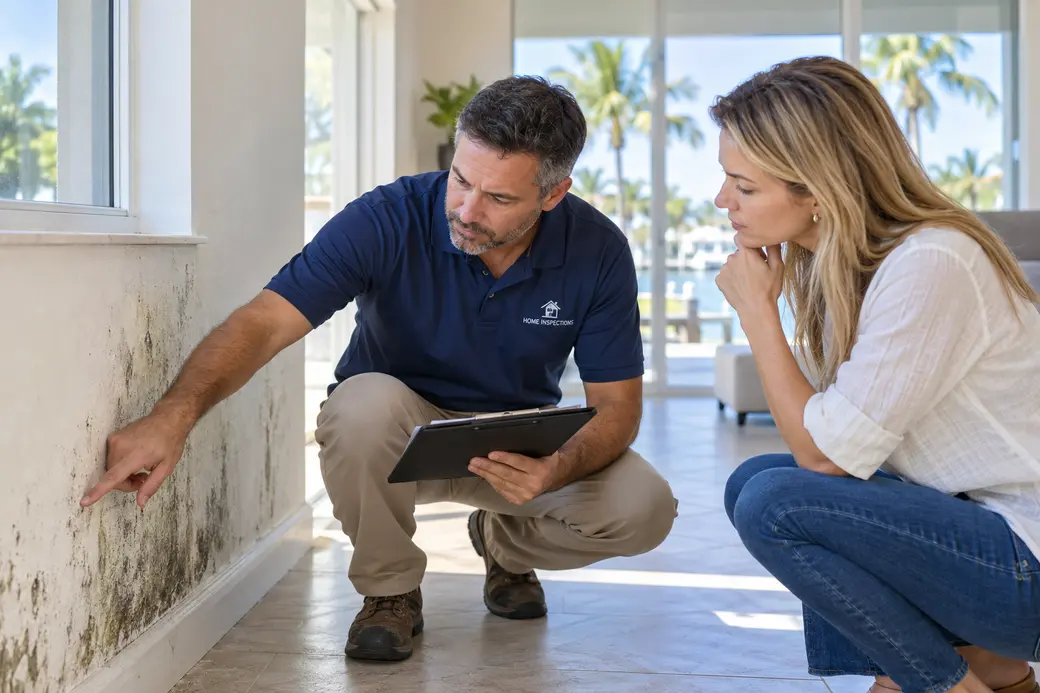
Yes, a house that has had mold can still be worth buying, but the history deserves careful investigation before you make a purchasing decision. Previous mold does not automatically mean a home is permanently damaged or unsuitable. The more important questions are what caused the moisture, how extensive the problem was, whether the moisture source was corrected, how the mold and damaged materials were addressed, and what the property looks like today. For Florida buyers, particularly those evaluating homes in humid and storm-exposed areas, the underlying moisture history can be more important than the simple fact that mold was once present.
If you are considering a home with a mold history, the objective is not to obtain a generic "good" or "bad" answer. It is to understand the individual property well enough to make an informed decision. Buyers can also review Hunt Brothers Realty's guide to getting a mold inspection before buying a house for a closer look at when specialized evaluation may be appropriate.
Quick Answers About Buying a House That Has Had Mold
Should previous mold automatically stop me from buying a house?
No. Previous mold is a reason to investigate the property, not automatically reject it. The cause, extent, remediation, repairs and present condition are more useful to a buyer than the word "mold" by itself.
What is the most important thing to determine?
Determine why moisture was present and whether that source was properly corrected. The U.S. Environmental Protection Agency's mold and moisture guidance emphasizes that moisture control is the key to mold control.
Should I have the house inspected even if the mold was remediated?
A current inspection is important because previous remediation describes past work, not necessarily the home's condition today. A qualified home inspector can evaluate current conditions and help identify moisture, damage or other findings that may justify additional evaluation by a mold assessor, roofer, plumber, HVAC professional, contractor, engineer or another appropriate specialist.
Is a mold test enough to tell me whether I should buy?
No. Mold sampling is not a substitute for understanding the building, moisture source, affected materials and repair history. The EPA notes that sampling is generally unnecessary when visible mold is already present, and there is no federal regulatory standard establishing a pass or fail airborne mold concentration for a home.
What records should I ask to review?
Available records may include seller disclosures, mold assessment and remediation reports, invoices, photographs, moisture findings, roof or plumbing repairs, HVAC work, permits when applicable, reconstruction records, warranties and follow-up evaluations. Documentation should be considered alongside the buyer's own current inspections.
Can previous mold or water damage affect homeowners insurance?
Property condition, prior losses, roof and plumbing history, existing damage and other characteristics can be relevant to insurance underwriting. Coverage, eligibility and premiums vary substantially by property and insurer, so buyers should obtain property-specific quotes and discuss known water or mold history with a qualified insurance professional before making a final purchasing decision.
Does Florida regulate mold professionals?
Yes. The Florida Department of Business and Professional Regulation licenses and regulates mold-related services under Florida law. Buyers using a mold professional should verify the person's qualifications and any license required for the work through the Florida Department of Business and Professional Regulation.
Why Did the House Have Mold in the First Place?
The moisture source is one of the most important facts to establish. Mold needs moisture to grow, and cleaning visible growth without correcting the water problem can allow the condition to return. That is why a buyer should look beyond whether someone previously "treated" the mold.
The underlying source could involve a plumbing leak, roof leak, window or door intrusion, HVAC condensate problem, elevated indoor humidity, storm damage, flooding, exterior drainage problem or another source of unwanted moisture. These causes can involve very different repair scopes and ownership considerations.
Buyers evaluating Florida property can use Hunt Brothers Realty's guide to checking a Florida home for signs of water intrusion to identify conditions that deserve closer professional evaluation.
Was the Moisture Source Actually Fixed?
Successful mold cleanup should include correcting the condition that allowed unwanted moisture to reach the affected materials. A house where mold followed a documented plumbing leak that was repaired may present a very different situation from a house with recurring roof leakage, chronic water intrusion or an unresolved humidity problem.
Ask what failed, when it failed and what was done to correct it. Then have the relevant building components evaluated by qualified professionals rather than relying solely on old invoices or statements that the problem was fixed.
How Extensive Was the Mold and Water Damage?
Extent matters because a small, localized moisture event can be fundamentally different from prolonged water intrusion affecting multiple rooms or building components. Ask which areas were affected, what materials became wet, what materials were removed and whether damage extended beyond what was initially visible.
Mold can occur in concealed locations such as behind drywall, under flooring, behind cabinets and baseboards, around plumbing, near HVAC equipment or in areas affected by roof leakage. The EPA advises caution when investigating suspected hidden mold because disturbing contaminated materials can release spores.
Was the Mold Properly Remediated?
Do not assume that a house is problem-free simply because a seller says the mold was remediated. Ask what work was performed, who performed it, which materials were removed or cleaned, how the moisture source was addressed and whether follow-up evaluation occurred.
Florida regulates professional mold assessment and remediation activities. The Florida Department of Health's mold guidance directs licensing questions concerning mold assessors and remediators to the Florida Department of Business and Professional Regulation. Buyers should confirm current credentials when the work being performed requires them.
What Documentation Should You Request?
A documented history can help you understand what happened and how the property was repaired. Depending on the circumstances, useful records may include:
- Seller disclosures and available property history
- Previous home inspection reports when available
- Mold assessment reports
- Remediation documentation and invoices
- Moisture investigation findings
- Roof, plumbing, HVAC, window or drainage repair records
- Reconstruction invoices
- Permits for work that required them
- Available warranties
- Post-remediation or follow-up evaluation records, when performed
Records provide context, but they should not replace current due diligence. A repair completed several years ago does not establish the condition of the home today.
Should You Get Another Mold Inspection Before Buying?
A specialized mold or moisture assessment can be worth considering when the property has a known mold history, unresolved questions about previous remediation, musty odors, staining, visible growth, elevated moisture or other evidence suggesting that further investigation is appropriate.
Testing should not be confused with a complete investigation. According to the EPA, when visible mold is present, sampling is generally unnecessary simply to establish that mold exists. For a buyer, determining the moisture source, extent of affected materials and current property condition may be more useful than focusing on a laboratory number alone.
For a more detailed explanation, see Should I Get a Mold Inspection Before Buying a House?
What Should the Home Inspector Look For?
A general home inspection can help identify present conditions that deserve attention, although it should not automatically be treated as a specialized mold assessment. Buyers should ask what is included in the inspection and discuss findings that may require further evaluation.
Relevant observations may include:
- Visible suspected mold growth
- Musty or earthy odors
- Water stains on ceilings or walls
- Damaged drywall, baseboards, cabinets or flooring
- Roof or plumbing leaks
- Moisture around windows and exterior doors
- HVAC condensate and drainage problems
- Unexplained elevated moisture
- Evidence of previous water intrusion or repairs
Inspection findings should be evaluated with the appropriate qualified home inspector, mold professional, contractor, roofer, plumber, HVAC professional, structural engineer or other specialist before the buyer makes a property-specific decision.
Why Is Mold History Especially Relevant for Florida Buyers?
Florida's warm, humid environment makes moisture management an important part of home ownership. Air conditioning, roof condition, plumbing, drainage, windows, doors, ventilation and storm-related water intrusion can all influence whether unwanted moisture reaches building materials.
The Florida Department of Health recommends controlling indoor moisture and keeping relative humidity below 60 percent. Buyers should not interpret Florida's climate to mean that every home has a mold problem. Instead, it is a reason to pay close attention to how an individual property manages water and humidity.
Hunt Brothers Realty also provides a guide on protecting a Florida home from heat and humidity, including moisture-control considerations for Gulf Coast homeowners.
Could Previous Mold Affect Homeowners Insurance?
Insurance should be investigated before the purchase rather than assumed. Prior water losses, current property condition, roof and plumbing characteristics, previous repairs and other factors can be relevant to underwriting, but insurers and policies differ.
Insurance availability, coverage, exclusions and premiums can vary substantially by property. Buyers should disclose relevant information as required, obtain property-specific quotes and review coverage with a qualified insurance professional before making a purchasing decision.
What If the Mold Came From Flooding or Storm Damage?
If mold followed flooding or storm-related water intrusion, investigate both the remediation and the larger history of the property. Ask where water entered, what building materials were affected, what repairs were completed and whether there have been subsequent moisture problems.
For properties near Florida's Gulf Coast, flood exposure, drainage, elevation, insurance and storm history may raise additional due-diligence questions. Hunt Brothers Realty's guide to questions to ask before buying a home near the coast covers several of these property-specific considerations.
What Are the Biggest Warning Signs?
A previous mold problem becomes more concerning when important questions cannot be answered or when there is evidence that moisture remains active. Conditions that deserve further investigation can include:
- A persistent musty odor
- Visible suspected mold growth
- Active leaks or unexplained moisture
- Recurring staining after previous repairs
- Damaged or swollen building materials
- Uncertainty about the original moisture source
- Little documentation for extensive previous remediation
- Evidence that the moisture source may not have been corrected
- Current inspection findings that conflict with the repair history
None of these observations alone determines whether you should buy the home. They indicate that additional investigation may be appropriate before making a decision.
When Might a Previously Remediated Home Still Be Worth Considering?
A home with previous mold may remain a reasonable property to consider when the cause is understood, the moisture source has been corrected, remediation and repairs are adequately documented, current inspections do not reveal unresolved problems, and the buyer understands any remaining costs or risks identified by qualified professionals.
The important distinction is between a historical problem that was appropriately addressed and an active or poorly understood moisture condition. Those are not the same property situations.
What Should You Know Before Making an Offer?
If you already know that a property has a mold or significant water-damage history, discuss the information with your real estate professional before structuring an offer. Inspection periods, access to the property, requested documentation and other transaction terms can materially affect your ability to investigate the home.
Contract rights, seller obligations, disclosures, repair provisions, credits, cancellation rights and other legal questions depend on the transaction and contract. Buyers who need legal guidance should consult a qualified Florida real estate attorney before making decisions involving those rights or obligations.
Questions to Ask Before Buying a House That Has Had Mold
Before deciding, try to get clear answers to the following questions:
- What caused the moisture?
- Has the moisture source been permanently corrected?
- How much of the house was affected?
- Were affected building materials removed, repaired or replaced?
- Who performed the assessment and remediation?
- What reports, invoices and photographs are available?
- Were permits required for related repairs, and are applicable records available?
- What does the buyer's current home inspection show?
- Is additional mold, moisture, roof, plumbing, HVAC or structural evaluation warranted?
- Can you obtain acceptable homeowners insurance for the property?
- What remaining repairs or monitoring do qualified professionals recommend?
Frequently Asked Questions About Homes With Previous Mold
Does mold remediation mean the problem can never return?
No. Future mold growth can occur if a new moisture problem develops or if the original moisture source was not adequately corrected. Moisture control remains essential after remediation.
Can I tell how serious mold is by its color?
Color alone is not a reliable way to determine the significance of mold in a property. Buyers should focus on the moisture source, location, extent of growth, affected materials and professional findings rather than trying to evaluate a condition based on color.
What if the seller says the mold was completely fixed?
Ask for available documentation and conduct your own current due diligence. Previous repair information is useful, but a buyer should evaluate the home's present condition rather than relying solely on a representation about past work.
Is buying a house after professional mold remediation automatically risky?
Previous remediation alone does not determine whether a house is a suitable purchase. The buyer should evaluate the original cause, remediation scope, repairs, documentation, current condition and any property-specific concerns identified during inspections.
So, Should You Buy a House That Has Had Mold?
A history of mold should prompt due diligence, not an automatic yes or no. The strongest information comes from understanding why the mold developed, whether the water source was corrected, how the affected materials were addressed, what documentation exists and whether qualified professionals find evidence of a current problem.
For a Florida buyer, the larger question is whether you understand the property's present condition and potential ownership costs well enough to make an informed decision. A professionally remediated historical problem with a corrected moisture source can be very different from recurring water intrusion with an uncertain repair history.
Buying a Florida Home With Hunt Brothers Realty
If you are considering a Sarasota-area or Gulf Coast property with a history of mold, water intrusion or previous storm damage, Hunt Brothers Realty can help you approach the real estate side of the purchase with informed questions and appropriate property due diligence. You can also contact Hunt Brothers Realty to discuss your Florida home search.
Informational notice: This article provides general real estate information and is not individualized inspection, environmental, medical, engineering, construction, insurance, financial or legal advice. Mold and moisture conditions vary by property. Buyers should have property-specific conditions evaluated by appropriately qualified home inspectors, licensed mold professionals when applicable, contractors, engineers, insurance professionals, attorneys or other specialists before making decisions that depend on those findings.
Sources
- U.S. Environmental Protection Agency, A Brief Guide to Mold, Moisture and Your Home
- U.S. Environmental Protection Agency, How Can I Tell If I Have a Mold Problem?
- Florida Department of Health, Mold
- Florida Department of Business and Professional Regulation, Mold-Related Services FAQs
- Hunt Brothers Realty, Should I Get a Mold Inspection Before Buying a House?
- Hunt Brothers Realty, How to Check a Florida Home for Signs of Water Intrusion
Contact Hunt Brothers Realty
46 N. Washington Blvd, Ste 3
Sarasota, FL 34236
Phone: (941) 388-7017
Email: info@huntbrothersrealty.com
Website: HuntBrothersRealty.com
Categories
- All Blogs 2192
- Anna Maria Island 86
- Bird Key 4
- Bradenton 237
- Buying a Home 1249
- Casey Key 2
- Clearwater 11
- Condos & HOA Living 1163
- Ellenton 6
- Englewood 11
- First Time Homebuyers 1358
- Foreclosures 5
- Home Selling 6
- Homeownership 1383
- Lakewood Ranch 25
- Lido Key 28
- Longboat Key 80
- Luxury/Waterfront Properties 1323
- Market Updates & Trends 843
- Mortgages & Financing 59
- Move-Up Buyers 25
- Neighborhood Guides 958
- New Construction 37
- Palmetto 3
- Parrish 6
- Port Charlotte 10
- Punta Gorda 30
- Real Estate Investing 1240
- Relocation to Florida 1278
- Safety Harbor 3
- Sarasota 91
- Sarasota - Downtown 163
- Selling a Home 146
- Siesta Key 92
- St. Petersburg 8
- Tierra Verde 5
- Vacation & Second Homes 1432
- Venice 209
- Wellen Park 20
Recent Posts