Waterfront vs. Water-Access: What You’re Really Buying in Osprey and Nokomis
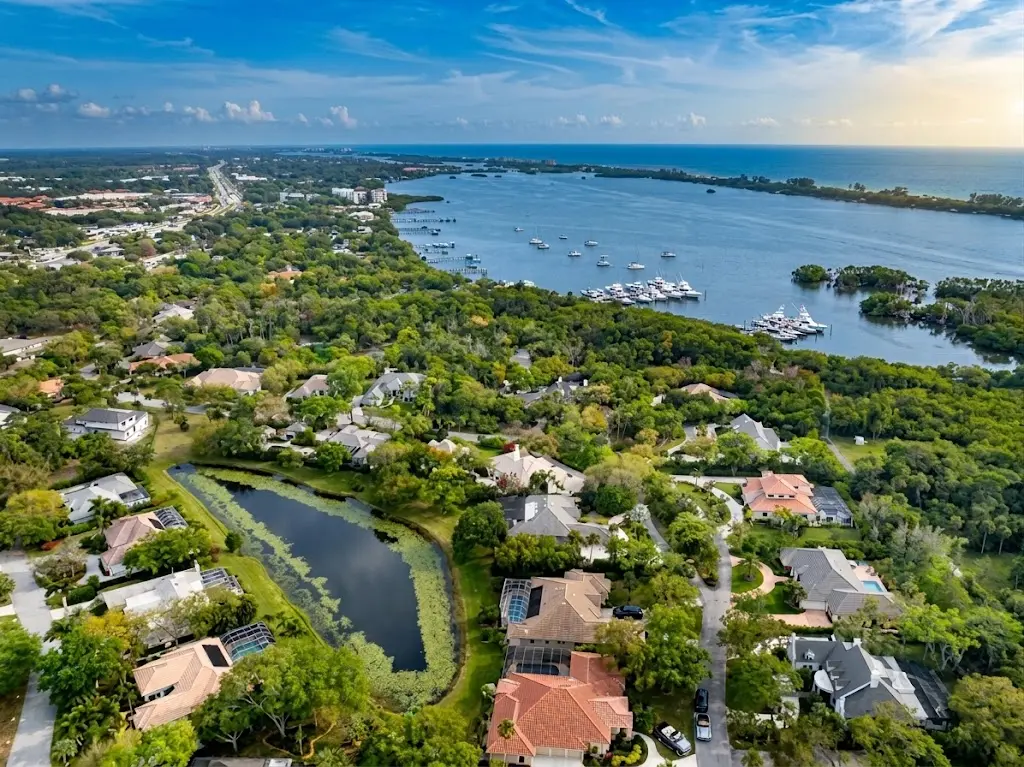
Waterfront and water-access homes in Osprey and Nokomis can offer very different ownership experiences, even when both listings sound ideal for boating. A waterfront property physically borders water, but that alone does not guarantee a usable dock, adequate depth, suitable bridge clearance or practical access for your boat. A water-access property may not sit directly on the water at all, yet could include rights to a community marina, boat ramp or assigned slip. For coastal buyers, the better question is not simply, “Is it waterfront?” It is, “Exactly what water rights and boating access come with this property?”
Quick Answers About Waterfront vs. Water-Access Homes
What does waterfront mean when buying a home?
Waterfront generally describes a property adjoining a body of water, but the type of water matters. In Osprey and Nokomis, that could mean Gulf frontage, bay frontage, Intracoastal frontage, a canal, creek or an inland lake. Waterfront should not automatically be interpreted as usable boating access.
What does water access mean?
Water access means the property has some recognized means of reaching or using the water, but the arrangement can vary considerably. Access might involve a private dock, deeded or assigned boat slip, community marina, neighborhood boat ramp, kayak launch or another legally established arrangement.
Does a waterfront home automatically have the right to build a dock?
No. Waterfront ownership does not mean a buyer should assume that any desired dock, lift, seawall modification or dredging project will be permitted. Sarasota County regulates docks, boat lifts, bulkheads and maintenance dredging, and state or federal authorization may also apply depending on the property and proposed work.
Can a non-waterfront home be better for a boater?
Potentially. A non-waterfront residence with a suitable deeded slip or community marina can sometimes provide more practical boating access than a waterfront home located on shallow water or behind restrictive bridges. The comparison should be based on the boat and actual access arrangement, not the marketing label alone.
What matters most for boaters buying in Osprey or Nokomis?
Water depth, bridge clearance, canal width, tidal conditions, dock configuration, lift capacity and the route to the Intracoastal Waterway or Gulf can all matter. Buyers should evaluate these characteristics against the dimensions and operating requirements of their intended vessel.
Are boat slips always included with waterfront condos?
No. A condominium can sit directly on the Intracoastal Waterway while boat slips are separately assigned, limited, leased or available only when one becomes available. Buyers should verify exactly what, if anything, transfers with the unit.
What documents should a waterfront buyer review?
Depending on the property, useful documents can include the survey, title information, recorded easements, association documents, dock and lift permits, seawall records, flood information and available maintenance or repair documentation. Legal rights and title matters should be reviewed with an appropriate title professional and qualified Florida real estate attorney when necessary.
Waterfront and Water Access Are Not the Same Thing
The distinction begins with the land itself. A waterfront home physically adjoins water. A water-access home describes an ownership or use arrangement that provides access to water, which does not necessarily require the residence itself to have waterfront frontage.
That creates several possible combinations. A property can be waterfront with a private dock. It can be waterfront without a dock. It can be inland with access to a community marina. A condominium can overlook the Intracoastal Waterway but have no boat slip included with the unit. Another property may include a slip but have no direct water view from the residence.
Buyer takeaway: Water frontage describes a physical relationship with the water. Boating access describes whether and how you can actually reach and use navigable water. Those questions should be investigated separately.
What Types of Waterfront Can You Buy in Osprey and Nokomis?
The Osprey, Nokomis and Casey Key area offers several distinctly different forms of waterfront real estate. Understanding the category is an important first step because two properties described as waterfront may have almost nothing else in common.
Gulf-front property prioritizes beach and open-water frontage
Casey Key real estate includes residences directly along the Gulf as well as properties facing the bay and Intracoastal side of the island. Gulf frontage can provide direct beach access and open-water views, but it should not be assumed to provide the same private-dock boating configuration as protected bay or canal frontage.
Bayfront and Intracoastal property can combine views with boating
Homes and condominiums along bays and the Intracoastal Waterway can provide broad water views and, at suitable properties, boating facilities. The relationship between the residence and the dock still needs to be established through property, association and permit records.
Canal-front property can be especially practical for boat storage
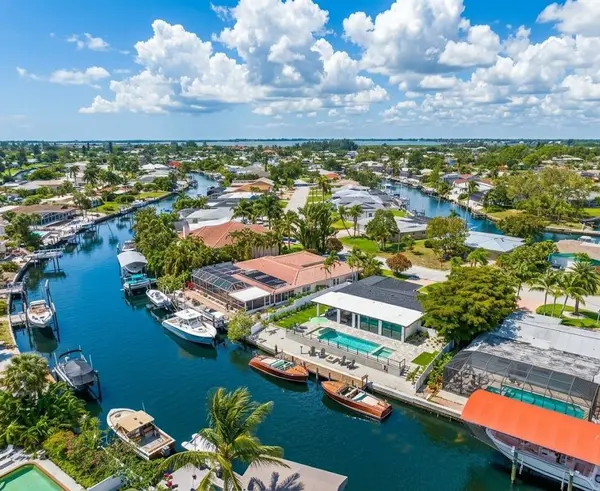
Canal-front homes are common in several boating-oriented neighborhoods around Osprey and Nokomis. A canal can provide protected dockage immediately behind a home, but buyers still need to investigate depth, width, tides, bridges and the route to larger navigable waterways.
Lakefront does not necessarily mean boating access
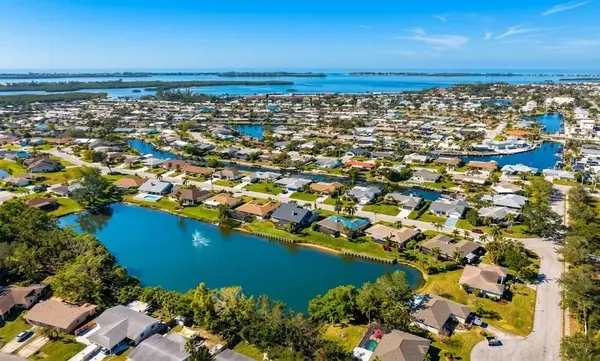
Many Southwest Florida communities contain stormwater lakes or other inland water features. These can provide attractive views, but they should not be confused with navigable waterfront connected to the Intracoastal Waterway or Gulf.
Why Osprey Is a Useful Example of the Difference
Osprey contains several ownership models within a relatively compact coastal area. Buyers can compare canal-front single-family homes, Intracoastal condominiums, marina-oriented communities and properties that are near the water without having private frontage.
Sorrento Shores, for example, includes both canal-front and inland single-family homes. Hunt Brothers Realty's community guide identifies boating access to the Intracoastal Waterway along with a community marina and boat ramp. That means two homes in the same general neighborhood can have different relationships with the water.
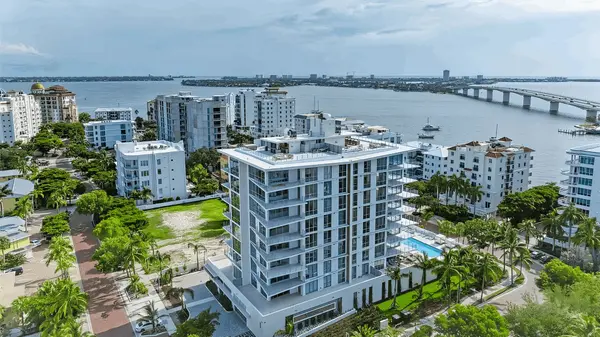
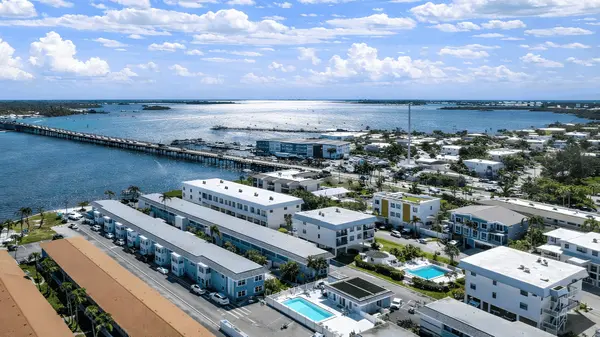
Blackburn Harbor presents another model. The condominium community sits directly on the Intracoastal Waterway, while Hunt Brothers Realty describes boat slips as available when available. Waterfront location, therefore, should not be interpreted as proof that a particular condominium unit includes a dedicated slip.
The Oaks Preserve adds another variation, combining condominium living and Intracoastal frontage with marina access. Buyers considering this type of community should separately verify club membership obligations, condominium responsibilities and the specific terms governing marina use.
How Does Nokomis Waterfront Real Estate Differ?
Nokomis expands the range of waterfront choices through Dona Bay, Lyons Bay, canal systems, the Intracoastal Waterway and nearby Casey Key. Here again, the word waterfront can describe very different ownership experiences.
The Inlets is a gated Nokomis community where Hunt Brothers Realty identifies canal-front and bayfront homes, private docks at many properties, a marina and access to the Intracoastal Waterway. That creates both individual-property and shared-community boating considerations.
Sorrento South offers another example of established canal-oriented living. Hunt Brothers Realty documents canal-front homes and boating access, while individual residences differ in dock facilities, waterfront position and improvements.
On Casey Key, the comparison changes again. Properties can include Gulf frontage, bay or Intracoastal frontage and, in uncommon cases, a relationship with both sides of the narrow barrier island. The buyer evaluating beach access may therefore focus on entirely different characteristics from the buyer evaluating dockage for a large vessel.
Does Having a Dock Mean You Have Good Boating Access?
Not necessarily. A dock establishes a place where a vessel may be kept or boarded, subject to its legal status and physical condition, but it does not by itself establish whether the route beyond the dock works for your boat.
A boating buyer should investigate:
- Water depth at and approaching the dock
- Depth along the normal navigation route
- Tidal variation
- Fixed and movable bridges
- Bridge clearance
- Canal width and turning room
- Dock length and configuration
- Boat-lift dimensions and rated capacity
- Navigation restrictions or channel conditions
- Distance and route to the Intracoastal Waterway or Gulf
These are vessel-specific questions. A route that works well for a shallow-draft center console may not work for a deeper-draft vessel or a boat with substantial height above the waterline. Buyers should confirm actual conditions with qualified marine professionals and applicable navigation information rather than relying solely on listing language.
Why Bridge Clearance Can Change the Entire Purchase Decision
A waterfront home can appear ideal from the backyard while still being unsuitable for the buyer's vessel because of a bridge somewhere along the route. This is particularly important when comparing canal systems and protected waterways in coastal Sarasota County.
Buyers should identify every relevant bridge between the property and their intended boating destination. Fixed vertical clearance, movable bridge procedures, tide and the vessel's actual height can all affect usability.
Buyer takeaway: Do not purchase a boating property because someone describes it simply as having "Gulf access." Determine the actual route from the dock to the water you intend to use and verify that route against the boat you intend to keep there.
What Does Deep Water Really Mean?
Terms such as "deep water" can be useful marketing shorthand, but buyers need actual property-specific information. The depth required depends on the vessel's draft, tide, channel conditions and route.
Ask how the stated depth was determined, where it was measured and under what tidal conditions. A measurement immediately beside the dock does not necessarily describe the shallowest point between the property and open water.
If boat compatibility is material to the purchase, depth and navigation conditions should be independently evaluated with the appropriate qualified marine professional or other specialist.
Can You Add or Replace a Dock After Buying?
Buyers should never assume that purchasing waterfront land automatically allows them to build the dock or boat lift they want. Sarasota County's Environmental Protection Division reviews permits for docks, boat lifts, personal watercraft lifts, bulkheads, rock revetments and maintenance dredging under its Water and Navigation Control Authority process.
The county distinguishes among general, minor-work and major-work permits depending on the proposed project. State authorization can also become relevant where activities involve sovereign submerged lands, and other state or federal requirements may apply depending on the work.
A current example demonstrates why this matters. In 2026, Sarasota County published a public-hearing notice concerning a proposed 227-foot private dock and boat lift adjoining a single-family property on Lyons Bay Road in Nokomis. The need for project-specific review illustrates why buyers should not equate water frontage with automatic approval of a desired marine structure.
Before relying on a plan to add, enlarge or replace marine improvements, buyers should verify feasibility and permitting requirements with Sarasota County Environmental Protection, the Florida Department of Environmental Protection and any other applicable agency or qualified professional.
What Are Riparian Rights and Why Do They Matter?
Florida law recognizes certain riparian rights associated with land bordering navigable waters, but those rights are qualified and should not be reduced to the idea that an owner controls everything beyond the shoreline. Florida also holds sovereignty submerged lands beneath many navigable and tidally influenced waters.
The Florida Department of Environmental Protection explains that sovereignty submerged lands include tidal lands and lands waterward of the ordinary or mean high water line beneath navigable fresh water or tidally influenced waters.
For a buyer, the practical lesson is simple: the legal relationship between an upland parcel, shoreline, submerged land, dock and navigable water can be more complicated than it appears from a listing photograph. Questions about title, riparian rights, easements, submerged lands or legal access should be reviewed with a qualified Florida real estate attorney, title professional, surveyor and the applicable regulatory agencies as appropriate.
What Should You Verify About an Existing Dock and Boat Lift?
An existing dock should be treated as an important property component, not simply as an attractive feature. Buyers should investigate whether available records support the existing configuration and whether its condition is appropriate for continued use.
Review can include:
- Available dock permits
- Boat-lift permits and specifications
- Structural condition
- Pilings and decking
- Electrical service
- Water service when present
- Lift capacity
- Dock dimensions and vessel compatibility
- Previous repairs or modifications
- Association approval when applicable
Dock and lift condition should be evaluated by the appropriate qualified marine contractor, inspector or other specialist. Permit status should be confirmed with the applicable government authority rather than assumed from the structure's presence.
What About Seawalls, Shorelines and Mangroves?
Waterfront ownership can include infrastructure and environmental responsibilities that an inland buyer may never encounter. Seawalls, bulkheads, natural shorelines and mangroves can materially affect maintenance plans and future projects.
A seawall should be evaluated for its construction, age, visible condition, previous repairs and potential future work. Buyers should also determine whether responsibility belongs entirely to the property owner or is affected by condominium or homeowners association arrangements.
Mangroves are regulated under Florida law. Owners should not assume they can remove or substantially alter shoreline vegetation simply to improve a view or water access. The Florida Department of Environmental Protection's mangrove guidance explains the regulatory framework and circumstances affecting trimming.
How Do Community Marinas and Boat Slips Change the Equation?
A community marina can make an inland residence highly relevant to a boating buyer. Instead of maintaining a seawall and private dock at the home, an owner may have access to shared boating facilities elsewhere in the neighborhood.
The important question is what "marina access" actually means for the specific property. Buyers should determine whether a slip is deeded, assigned, leased, separately purchased, subject to a waiting list or simply available on a limited basis.
Additional questions include:
- Does a specific slip transfer with the property?
- Is the slip separately titled or licensed?
- Are there recurring marina or slip fees?
- Are there vessel length, beam or draft restrictions?
- Can the slip be rented or transferred?
- Who maintains the docks and marine infrastructure?
- Are major repairs funded through reserves or assessments?
- What insurance applies to the marina and owner's vessel?
For condominium and HOA properties, buyers should verify these answers from current association documents and marina agreements. Legal questions concerning the nature or transferability of a slip should be reviewed with an appropriate title professional or Florida real estate attorney.
Could Water Access Be More Valuable to You Than Water Frontage?
For some buyers, yes. Consider a hypothetical comparison between an inland home with a properly assigned marina slip suitable for the owner's vessel and a canal-front home with attractive views but insufficient depth or bridge clearance.
The canal-front property has the stronger literal claim to being waterfront. The inland property may nevertheless provide the more functional boating experience.
The reverse can also be true. A private canal-front home with a suitable dock immediately behind the residence may be preferable to a community marina where slips are limited or located some distance from the home. The answer depends on what rights transfer and whether the waterway works for the buyer's intended use.
How Should Flood and Insurance Affect the Comparison?
Coastal buyers should evaluate flood information and insurance for the exact property rather than treating all Osprey or Nokomis waterfront homes alike. Elevation, construction, location, roof condition, storm protection, flood characteristics and other factors can vary considerably from one residence to another.
A waterfront home can also include marine structures that require separate consideration after a storm. Docks, lifts, seawalls and shoreline improvements can create repair and maintenance exposure that does not exist at a typical inland residence.
Insurance availability, coverage, deductibles and premiums can vary substantially by property. Buyers should obtain property-specific homeowners, wind and flood insurance information as applicable and review coverage with a qualified insurance professional before making a purchasing decision.
Waterfront Condo vs. Waterfront House: What Changes?
A waterfront condominium can shift responsibility for seawalls, docks, exterior structures and common marine facilities from the individual owner to an association, depending on the condominium documents. That does not eliminate the cost. It changes how responsibility and expenses may be allocated.
Buyers considering communities such as Blackburn Harbor should review association budgets, reserves, insurance, special assessments, marine-facility responsibilities and the terms governing boat-slip use. The condition of waterfront common elements can be particularly important when evaluating future capital needs.
A single-family waterfront owner may have more direct control over a private dock or seawall, subject to permits and restrictions, but may also bear more direct responsibility for inspection, maintenance and replacement.
What Should You Ask Before Making an Offer?
A waterfront or water-access showing should answer more than questions about bedrooms, kitchens and views. If boating or water use is material to your purchase, build those requirements into the property comparison from the beginning.
- What body of water actually borders the property?
- Does the parcel itself have water frontage?
- What water-access rights transfer with the property?
- Is the dock private, common, assigned or separately owned?
- Are existing dock and lift improvements permitted?
- What vessel can the lift accommodate?
- What is the relevant water depth?
- What bridges are on the route?
- Is maintenance dredging ever relevant to the route or community?
- Who maintains the seawall or shoreline?
- What HOA or condominium rules affect boats and docks?
- What are the current flood and insurance considerations?
- Are there easements or title matters affecting waterfront use?
- Can the intended boat actually reach the buyer's preferred destinations?
Which Osprey or Nokomis Waterfront Setting Is Right for You?
The right answer depends on what you want the water to do for you. A buyer primarily interested in open Gulf views and beach access may evaluate Casey Key differently from a boater looking for protected canal dockage.
A buyer who wants a boat immediately behind a single-family home may focus on appropriate canal-front properties in communities such as Sorrento Shores, The Inlets or Sorrento South. A condominium buyer may instead compare water views, association-managed waterfront infrastructure and marina availability at communities such as Blackburn Harbor.
The important point is to define the desired experience before comparing listings. Beach frontage, water views, kayak access, private dockage and large-vessel access are different priorities, and they do not always come with the same property.
Explore Waterfront Real Estate in Osprey and Nokomis
Osprey and Nokomis offer an unusually broad range of coastal real estate, from Gulf-front Casey Key estates and bayfront residences to canal homes, Intracoastal condominiums and communities with shared marina access. The listing description is only the beginning of the analysis.
Hunt Brothers Realty can help buyers compare the real estate characteristics of these different settings and identify which properties warrant closer investigation based on their boating and coastal-living goals. Start with Hunt Brothers Realty's Gulf Coast community guide, explore Casey Key real estate, or read the Hunt Brothers Realty 2026 guide to Sarasota-area waterfront living.
Informational notice: This article provides general real estate and educational information only and is not individualized legal, financial, tax, insurance, lending, marine, navigation, inspection, engineering, construction, environmental, permitting, title, association, survey or other professional advice. Waterfront boundaries, riparian rights, submerged-land interests, dock rights, marina arrangements, permits, water depth, bridge clearance, channel conditions, flood information, insurance and association obligations are property-specific and can change. Buyers should verify all material waterfront and boating information with the applicable government agencies, association and appropriately qualified real estate, legal, title, survey, insurance, marine, engineering, inspection or other professionals before making a purchasing decision.
Sources
- Hunt Brothers Realty, Sorrento Shores Osprey
- Hunt Brothers Realty, Blackburn Harbor Osprey
- Hunt Brothers Realty, The Oaks Preserve Osprey
- Hunt Brothers Realty, The Inlets Nokomis
- Hunt Brothers Realty, Sorrento South Nokomis
- Hunt Brothers Realty, Casey Key Real Estate
- Hunt Brothers Realty, Best Sarasota Areas for Waterfront Living: 2026 Buyer's Guide
- Sarasota County Environmental Protection, Environmental Permitting and Projects
- Sarasota County, 2026 Lyons Bay Road Private Dock and Boat Lift Public Hearing Notice
- Florida Department of Environmental Protection, Submerged Lands Management
- Florida Department of Environmental Protection, Mangrove Frequently Asked Questions
Hunt Brothers Realty
Hunt Brothers Realty
46 N. Washington Blvd, Ste 3, Sarasota, FL 34236
Phone: (941) 388-7017
Email: info@huntbrothersrealty.com
Website: https://www.huntbrothersrealty.com/
Categories
- All Blogs 1446
- Anna Maria Island 68
- Bird Key 3
- Bradenton 63
- Buying a Home 598
- Casey Key 2
- Clearwater 5
- Condos & HOA Living 506
- Ellenton 4
- Englewood 5
- First Time Homebuyers 672
- Foreclosures 3
- Homeownership 649
- Lakewood Ranch 15
- Lido Key 24
- Longboat Key 65
- Luxury/Waterfront Properties 588
- Market Updates & Trends 291
- Mortgages & Financing 29
- Move-Up Buyers 20
- Neighborhood Guides 438
- New Construction 23
- Palmetto 2
- Parrish 4
- Port Charlotte 7
- Punta Gorda 11
- Real Estate Investing 521
- Relocation to Florida 571
- Safety Harbor 2
- Sarasota - Downtown 120
- Selling a Home 135
- Siesta Key 87
- St. Petersburg 3
- Tierra Verde 4
- Vacation & Second Homes 704
- Venice 21
- Wellen Park 7
Recent Posts