What Does “Maintenance-Free Living” Really Mean?
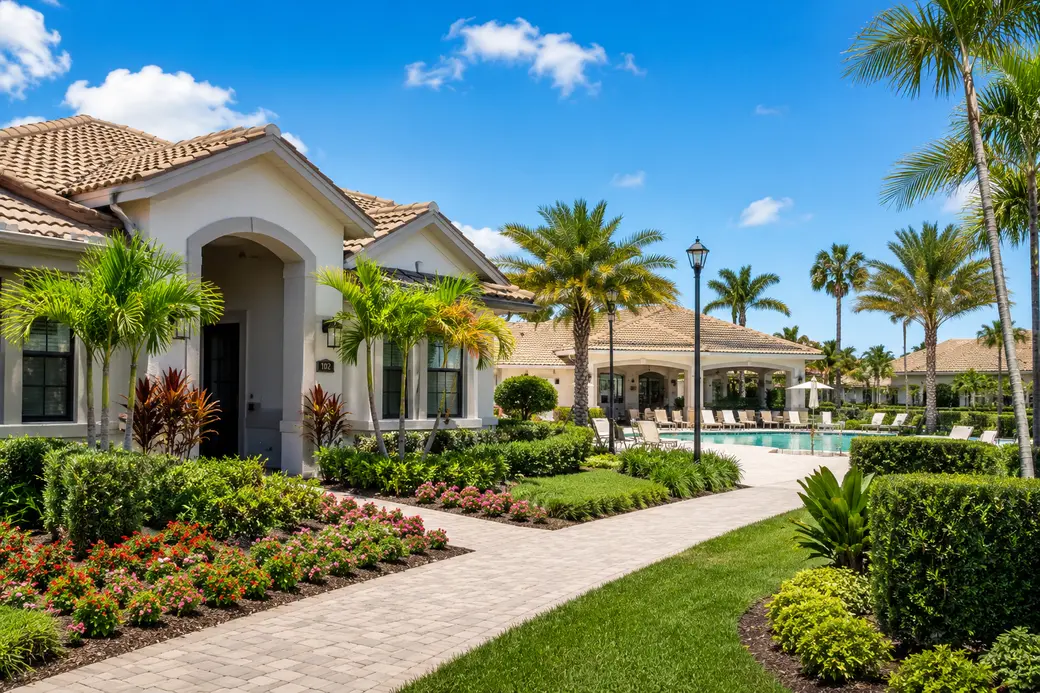
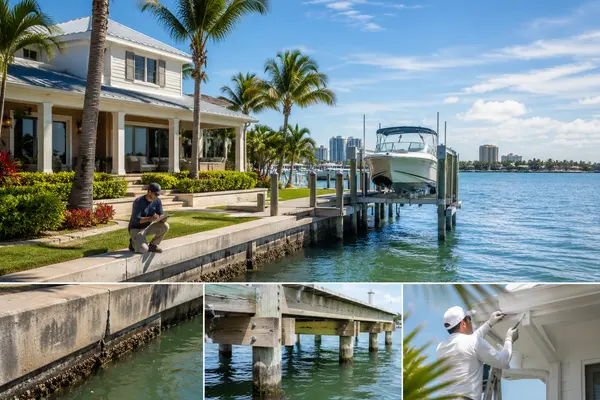
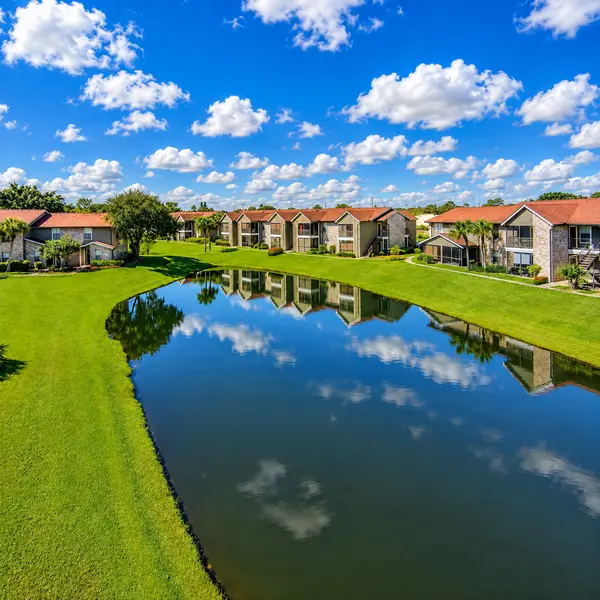
Maintenance-free living in Florida generally means that an association or community handles certain exterior maintenance, landscaping or common-area responsibilities that an owner would otherwise manage personally. It does not mean the property requires no maintenance, and there is no universal list of services included whenever a home is described as “maintenance-free.” The responsibilities can differ substantially among condominiums, villas, townhomes and single-family communities. Buyers considering Florida Gulf Coast real estate should determine exactly what the association maintains, what the owner maintains and how those services are funded before purchasing.
Quick Answers About Maintenance-Free Living
Does Maintenance-Free Mean You Have No Home Maintenance?
No. Maintenance-free usually describes a division of responsibilities, not the elimination of maintenance. An HOA, condominium association or contracted service may handle specified tasks, while the owner remains responsible for other portions of the residence.
What Is Usually Included in Maintenance-Free Living?
Depending on the community, services may include lawn mowing, landscaping, irrigation-related work, common-area maintenance or some exterior building maintenance. In a condominium, the association generally maintains common elements, subject to Florida law and the condominium declaration. The actual services must be verified for the specific property.
Does Maintenance-Free Living Include the Roof?
Sometimes, but buyers should never assume that it does. Roof maintenance, repair and replacement responsibilities depend on the ownership structure and applicable governing documents. Even when an association performs roof work, owners may ultimately fund that work through regular assessments, reserves or special assessments.
Is Maintenance-Free Living the Same as Condo Living?
No. Condominiums are one form of ownership in which an association maintains common elements according to applicable law and the declaration. Maintenance-free or maintenance-assisted arrangements can also exist in villa, townhome and single-family HOA communities.
Do You Pay More for a Maintenance-Free Community?
Additional maintenance services are funded somehow, commonly through association assessments or other community charges. A higher fee is not automatically unfavorable if it replaces expenses and responsibilities the owner would otherwise pay for directly. Buyers should compare the complete cost of ownership rather than the fee alone.
Is Maintenance-Free Living Good for a Second Home?
It can be appealing to second-home owners and frequent travelers because some routine exterior tasks may be handled while the owner is away. However, an association's services do not necessarily include monitoring the interior of a vacant residence, maintaining owner-responsibility systems or preparing a property for severe weather.
How Do You Know What Maintenance Is Actually Included?
Review the current declaration, association documents, budget, maintenance responsibilities and other applicable community information. Listing descriptions are useful for identifying features, but buyers should verify material maintenance obligations through the governing documents and appropriate association or professional sources.
“Maintenance-Free” Does Not Literally Mean Maintenance-Free
The easiest way to understand maintenance-free living is to replace the phrase with a more useful question: Who is responsible for each part of the property?
Every home requires maintenance. Grass grows, roofs age, exterior finishes weather, irrigation systems need attention, pools require service and mechanical equipment eventually needs repair or replacement. A maintenance-free community simply changes which party is responsible for some of those tasks.
That distinction is particularly important in Florida because the phrase can appear in marketing for very different property types. A maintenance-free condominium on Longboat Key can have a completely different ownership and maintenance structure from a maintenance-assisted single-family home in a master-planned community.
What Can a Maintenance-Free Community Take Care Of?
There is no standard package. Depending on the community and governing documents, association-provided maintenance may involve some combination of exterior and common-property services.
Possible services can include:
- Lawn mowing
- Edging and trimming
- Landscape maintenance
- Irrigation services
- Common-area landscaping
- Community pool and amenity maintenance
- Exterior pest-control services
- Exterior painting or cleaning
- Roof maintenance or replacement
- Private-road or sidewalk maintenance
- Common-area lighting
- Gate or access-control systems
This list illustrates possible arrangements, not services that should be assumed in any particular community. A buyer should obtain the current documents for the property under consideration and confirm which responsibilities actually apply.
What Does the Homeowner Still Have to Maintain?
This is often the more important question. A community may handle highly visible tasks such as landscaping while leaving many significant property components to the homeowner.
Depending on the ownership structure and documents, owner responsibilities could include:
- Interior maintenance and repairs
- Heating and air-conditioning equipment
- Appliances
- Plumbing or electrical components serving the residence
- Windows and doors
- Garage doors
- Pools or spas serving an individual residence
- Screen enclosures
- Driveways or walkways
- Roof or exterior components when assigned to the owner
- Insurance obligations assigned to the owner
Again, these responsibilities vary. The fact that one maintenance-free community handles windows, roofs or painting does not mean another community does.
How Is Maintenance-Free Living Different in a Condominium?
Condominium ownership has a legal structure that distinguishes the individual unit from common elements and, where applicable, limited common elements. Under Florida Statutes Section 718.113, maintenance of condominium common elements is generally the association's responsibility, except for maintenance responsibilities for certain limited common elements that may be assigned to unit owners by the declaration.
That makes the condominium declaration especially important. It helps establish the boundary between association responsibility and unit-owner responsibility.
A buyer considering condominium living should also understand that association maintenance is not free in the financial sense. Owners fund association operations through assessments. For a deeper explanation, see Hunt Brothers Realty's guide to what Florida condo fees actually pay for.
How Is It Different in a Single-Family HOA Community?
Single-family HOA ownership can work differently. The homeowner generally owns the parcel and residence, while the HOA's obligations and the owner's obligations are established through applicable law and the community's governing documents.
Florida Statutes Chapter 720 defines a homeowners association's governing documents to include its recorded declaration of covenants, applicable amendments, articles of incorporation and bylaws. Florida law also recognizes assessments or amenity fees authorized by governing documents and requires association members and associations to comply with applicable governing documents.
As a result, a single-family community advertised as maintenance-free might provide lawn and landscape service but leave the house itself primarily to the owner. Another community may assume additional exterior responsibilities. Buyers should verify the distinction rather than relying on the label.
Who Really Pays for Maintenance-Free Living?
The owner ultimately participates in funding the services through the financial structure of the community. Maintenance may be performed by an association or its contractors, but labor, materials, insurance, landscaping, management and capital repairs still cost money.
Those costs can appear through:
- Regular HOA assessments
- Condominium assessments
- Neighborhood or sub-association fees
- Reserve contributions when applicable
- Special assessments when applicable
- Separate service charges when applicable
This is why “maintenance-free” is better understood as outsourced or association-managed maintenance. The convenience can be meaningful, but the cost has not disappeared.
Is a Higher HOA Fee Bad?
Not automatically. An association that performs more work will generally have more expenses than one that provides relatively few services. Comparing fees without comparing responsibilities can therefore produce a misleading conclusion.
Consider two hypothetical homes. One has a lower association fee, but the owner separately pays for lawn service, irrigation repairs, exterior painting and other maintenance. Another has a higher association fee that funds several of those services. The lower association fee does not necessarily produce the lower total ownership cost.
The more useful comparison is the complete package: purchase price, association expenses, insurance, taxes, utilities, owner-maintained components and foreseeable property maintenance.
Does Maintenance-Free Living Mean You Will Never Have a Special Assessment?
No. An association's responsibility for maintaining something does not mean owners are insulated from its cost. Major repairs, unexpected expenses or other financial needs can result in assessments when permitted and properly imposed under the applicable governing structure and law.
A buyer should therefore distinguish between responsibility for arranging the work and responsibility for ultimately funding the work. An association may coordinate a roof replacement, for example, while owners fund association expenses through the mechanisms applicable to that community.
Why Maintenance-Free Living Appeals to Second-Home Owners
Florida has a significant second-home and seasonal-home market, and maintenance-assisted communities can reduce the number of routine exterior tasks an owner needs to arrange personally. Professionally managed landscaping and common areas can be especially convenient when an owner spends extended periods away from the property.
This is sometimes described as a “lock-and-leave” lifestyle, but that phrase also deserves careful interpretation. Leaving a residence unoccupied does not eliminate responsibilities involving interior systems, water leaks, air conditioning, storm preparation, insurance requirements or other property-specific concerns.
Second-home owners should discuss vacancy, property monitoring, storm-related responsibilities and other coverage requirements with their insurance professional and review applicable community rules before assuming a residence can simply be left unattended for extended periods.
What About Hurricane Preparation?
Maintenance-free should not be interpreted as hurricane-free responsibility. Who handles shutters, approved hurricane protection, outdoor furniture, screens, landscaping, post-storm inspection or other preparation can vary by property and community.
Buyers who expect to be away during part of hurricane season should specifically investigate the association's responsibilities and their own. Insurance policies can also contain property-specific requirements or conditions, so coverage and vacancy-related questions should be reviewed with a qualified insurance professional.
Can You Make Exterior Changes in a Maintenance-Free Community?
Association-managed exterior maintenance often comes with community standards and restrictions. Owners may need approval before making certain exterior alterations, changing landscaping or modifying visible portions of a property, subject to the governing documents and applicable Florida law.
This creates a tradeoff some buyers appreciate and others do not. A community can offer more consistent exterior maintenance while giving individual owners less discretion over certain exterior choices.
Buyers who anticipate changing landscaping, installing exterior equipment, modifying a lanai or making another significant alteration should review current association requirements before purchasing and verify permitting requirements with the applicable local government when necessary.
What Should Buyers Review Before Purchasing?
The phrase “maintenance-free” should trigger due diligence, not assumptions. Buyers need to identify exactly which party is responsible for each meaningful component of the property.
Depending on the ownership structure, review or investigate:
- Declaration and applicable governing documents
- Current association budget
- Regular assessments and other mandatory fees
- Current or approved special assessments
- Association maintenance responsibilities
- Owner maintenance responsibilities
- Roof responsibility
- Exterior painting responsibility
- Window and door responsibility
- Landscaping and irrigation responsibilities
- Pool and screen-enclosure responsibilities when applicable
- Insurance responsibilities
- Rules for exterior alterations
Material questions involving association obligations, ownership rights, contracts or governing documents should be reviewed with the appropriate association representative, title professional or qualified Florida real estate attorney when individualized legal guidance is needed.
What Questions Should You Ask During a Showing?
You may not have every association document in front of you during an initial showing, but you can identify the issues that require verification before moving forward.
- Who maintains the lawn and landscaping?
- Who maintains the irrigation system?
- Who paints the exterior?
- Who repairs and replaces the roof?
- Who maintains windows and exterior doors?
- Who maintains the driveway?
- Who maintains a private pool or spa?
- Who maintains the screen enclosure?
- What services are funded through the regular assessment?
- Are there additional neighborhood or association fees?
- Are any special assessments currently applicable?
Treat the answers as a starting point, then verify material responsibilities through the current documents before making a purchasing decision.
Maintenance-Free Living in Sarasota and Florida's Gulf Coast
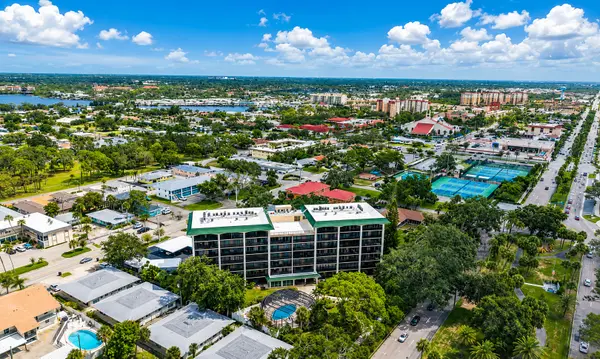
Buyers searching Sarasota and Florida's Gulf Coast can encounter maintenance-assisted ownership in several property types, including condominiums, villas, townhomes and some single-family communities. The right format depends on how much private property you want to maintain and how much responsibility you prefer the association to coordinate.
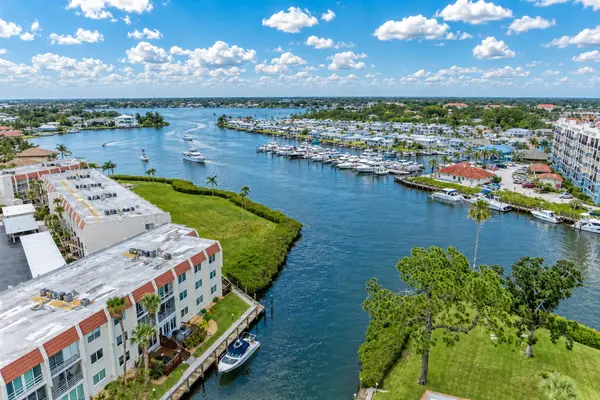
Condominium buyers interested in a coastal setting can find numerous options throughout Lido Key real estate and other Sarasota barrier-island markets. Buyers looking farther inland may encounter villa and single-family communities with varying levels of exterior maintenance.
Use Hunt Brothers Realty's Sarasota and Florida Gulf Coast community guide to compare locations and property types based on the ownership experience you want.
Is Maintenance-Free Living Worth It?
The answer depends on what you value. A buyer who would otherwise hire landscapers and exterior service providers may appreciate having some of those responsibilities coordinated through an association. A seasonal owner may value not having to arrange routine landscaping from another state.
Another buyer may prefer greater control over contractors, landscaping and exterior decisions and may be more comfortable assuming those responsibilities directly.
Neither model is inherently superior. The goal is to understand what you are buying and choose an ownership structure that fits the amount of maintenance, control, predictability and community involvement you want.
The Better Term Is Maintenance-Managed Living
“Maintenance-free” is convenient real estate shorthand, but “maintenance-managed” is often a more accurate way to think about the concept. The work still exists, and the cost still exists. What changes is who arranges the work, who performs it and how owners pay for it.
For buyers, that makes the maintenance division one of the most important pieces of association due diligence. Do not stop at the monthly fee or a listing's description. Determine what the association maintains, what you maintain and which significant future expenses could still become your responsibility.
Once those responsibilities are clear, “maintenance-free living” becomes much easier to compare from one Florida property to another.
Find the Right Florida Ownership Style With Hunt Brothers Realty
Hunt Brothers Realty can help buyers compare Sarasota and Florida Gulf Coast properties based on more than location and price. That includes understanding whether a property is a condominium, villa, townhome or single-family residence, what association structure applies and which maintenance questions should be investigated during the buying process.
Explore Sarasota and Florida Gulf Coast communities, review our guide to understanding Florida condominium fees, or contact Hunt Brothers Realty to discuss the type of Florida property and ownership experience that fits your priorities.
Informational notice: This article provides general educational real estate information and is not individualized legal, financial, tax, insurance, inspection, engineering, construction, title or association advice. Maintenance obligations, association responsibilities, assessments, insurance requirements and governing documents are specific to each property and community and can change. Buyers should review current property and association information and consult the appropriate licensed real estate professional, Florida real estate attorney, insurance professional, inspector, contractor, title professional, association representative or other qualified professional when a purchasing decision requires individualized guidance.
Sources
- Florida Legislature, 2026 Florida Statutes, Chapter 720, Homeowners' Associations
- Florida Legislature, 2026 Florida Statutes, Section 718.113, Condominium Maintenance
Contact Hunt Brothers Realty
46 N. Washington Blvd, Ste 3, Sarasota, FL 34236
Phone: (941) 388-7017
Email: info@huntbrothersrealty.com
Website: HuntBrothersRealty.com
Categories
- All Blogs 1950
- Anna Maria Island 83
- Bird Key 4
- Bradenton 234
- Buying a Home 1020
- Casey Key 2
- Clearwater 9
- Condos & HOA Living 931
- Ellenton 5
- Englewood 9
- First Time Homebuyers 1124
- Foreclosures 3
- Home Selling 1
- Homeownership 1144
- Lakewood Ranch 20
- Lido Key 27
- Longboat Key 78
- Luxury/Waterfront Properties 1085
- Market Updates & Trends 614
- Mortgages & Financing 42
- Move-Up Buyers 20
- Neighborhood Guides 737
- New Construction 32
- Palmetto 3
- Parrish 6
- Port Charlotte 10
- Punta Gorda 15
- Real Estate Investing 1002
- Relocation to Florida 1046
- Safety Harbor 2
- Sarasota 71
- Sarasota - Downtown 157
- Selling a Home 143
- Siesta Key 89
- St. Petersburg 6
- Tierra Verde 5
- Vacation & Second Homes 1193
- Venice 96
- Wellen Park 10
Recent Posts