What Is a Jumbo Loan and When Do Homebuyers Need One?

A jumbo loan is a mortgage with an original loan amount above the conforming loan limit that applies to the property. For 2026, the baseline conforming limit for a one-unit property in most of the United States is $832,750, according to the Federal Housing Finance Agency. Sarasota County also has a $832,750 one-unit limit for 2026. A buyer financing more than that amount would generally need jumbo or another non-conforming financing option. Because jumbo lending standards vary by lender, buyers considering higher-priced homes should discuss financing with qualified mortgage professionals early, ideally before making an offer.
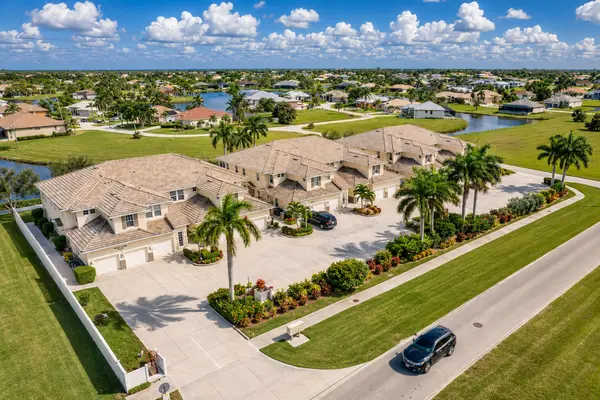
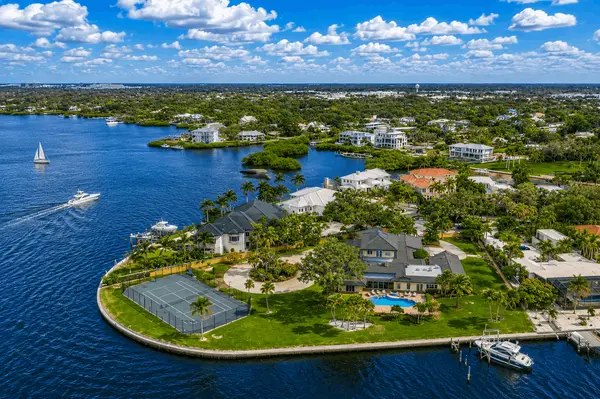
Jumbo financing can become particularly relevant in higher-priced Florida markets where buyers may encounter luxury homes, waterfront estates, newer construction, and premium condominiums. Hunt Brothers Realty's guide to what $500,000, $1 million, or $2 million can buy in Sarasota illustrates how quickly property choices can move into price ranges where the financing structure deserves careful attention.
Quick Answers About Jumbo Loans
What exactly is a jumbo loan?
A jumbo loan is a mortgage that exceeds the conforming loan limit applicable to the property. Because the loan is above the amount Fannie Mae or Freddie Mac can acquire under the applicable limit, it falls outside the standard conforming-loan framework.
What is the conforming loan limit in 2026?
The Federal Housing Finance Agency set the 2026 baseline conforming loan limit at $832,750 for a one-unit property in most of the United States. Higher limits apply in certain designated high-cost areas and to properties with additional units.
What is the 2026 jumbo loan threshold in Sarasota County?
FHFA's 2026 county-level loan-limit table lists $832,750 as the conforming limit for a one-unit property in Sarasota County. Therefore, a conventional mortgage with an original loan amount above $832,750 would generally fall into jumbo territory rather than standard conforming financing.
Does buying a $1 million home automatically require a jumbo loan?
No. The relevant number is the mortgage amount, not simply the purchase price. A buyer purchasing a $1 million home with enough cash down to keep the mortgage at or below the applicable conforming limit may be able to use conforming financing, subject to lender and program requirements.
Do jumbo loans always require 20 percent down?
No universal 20 percent rule applies to every jumbo mortgage. Down-payment requirements vary by lender, loan size, borrower qualifications, property type, occupancy, and other underwriting factors. Buyers should compare actual jumbo programs rather than assuming a particular down payment will be required.
Are jumbo mortgage rates always higher?
Not necessarily. Rates and pricing vary by lender, market conditions, loan structure, borrower profile, property, and timing. Buyers should compare current Loan Estimates and financing scenarios rather than assuming a jumbo loan will automatically carry a particular rate premium.
When should a buyer talk to a jumbo lender?
Ideally, before seriously shopping in a price range likely to require jumbo financing. Early lender review can help establish a realistic financing range, expected cash requirement, documentation needs, and property-related underwriting considerations before the buyer makes an offer.
How Does a Jumbo Loan Work?
To understand jumbo loans, it helps to first understand conforming mortgages. Fannie Mae and Freddie Mac operate within loan limits established annually by the Federal Housing Finance Agency. The dollar amount is called the conforming loan limit.
The FHFA explains that mortgages above the applicable conforming loan limit are known as jumbo loans. Because these larger mortgages cannot be purchased by Fannie Mae or Freddie Mac as standard conforming loans, lenders establish jumbo programs with their own underwriting and pricing requirements.
That does not mean jumbo financing is inherently unusual or problematic. It simply occupies a different part of the mortgage market and can be a normal financing tool for qualified buyers purchasing higher-priced properties.
What Is the Jumbo Loan Limit for 2026?
For 2026, FHFA increased the baseline conforming loan limit for a one-unit property to $832,750. The limit was $806,500 in 2025, so the 2026 threshold increased by $26,250.
The 2026 baseline limits for properties in most areas are:
- One-unit property: $832,750
- Two-unit property: $1,066,250
- Three-unit property: $1,288,800
- Four-unit property: $1,601,750
These are baseline limits, not universal limits for every property in the country. FHFA permits higher conforming limits in designated high-cost areas. For a one-unit property in the contiguous United States, District of Columbia, and Puerto Rico, the maximum 2026 high-cost-area ceiling is $1,249,125.
Why should buyers check the county-specific limit?
Because the jumbo threshold depends on the applicable conforming limit for the property's location and number of units. Buyers should use the current FHFA conforming loan limit information and confirm the applicable limit with their mortgage professional rather than relying on a national number alone.
When Does a Homebuyer Actually Need a Jumbo Loan?
A homebuyer generally enters jumbo territory when the amount being borrowed exceeds the conforming loan limit that applies to the property. This distinction is important because purchase price and loan amount are not the same thing.
Consider a simplified Sarasota County example using the 2026 one-unit limit of $832,750:
- Purchase price: $1,000,000
- Down payment: $200,000
- Mortgage amount: $800,000
In this simplified example, the $800,000 mortgage is below Sarasota County's $832,750 one-unit conforming limit. The purchase price exceeds the limit, but the mortgage does not.
Now consider the same purchase with a smaller down payment:
- Purchase price: $1,000,000
- Down payment: $150,000
- Mortgage amount: $850,000
That $850,000 mortgage exceeds the 2026 one-unit conforming limit for Sarasota County, so a buyer would generally need to consider jumbo or another suitable non-conforming financing structure. These examples are illustrative only. A qualified lender should determine which loan programs are actually available to a particular borrower and property.
Are Jumbo Loans Only for Multimillion-Dollar Homes?
No. A jumbo loan is defined by the amount financed relative to the applicable conforming limit, not by whether the home feels luxurious or carries a multimillion-dollar price tag.
A buyer financing a relatively large portion of a home priced somewhat above the conforming threshold may require jumbo financing. Conversely, a buyer purchasing a substantially more expensive home with a large down payment might keep the mortgage within conforming limits.
In Sarasota, jumbo financing can become relevant when buyers explore higher-priced West of Trail homes, luxury condominiums, barrier-island properties, newer custom homes, and premium waterfront real estate.
Are Jumbo Loans Harder to Qualify For?
Jumbo loans are less standardized than conforming mortgages. The Consumer Financial Protection Bureau explains that non-conforming loan eligibility, pricing, and features can vary widely by lender.
Depending on the lender and proposed loan, underwriting may place particular attention on factors such as:
- Credit history and credit score
- Income and employment documentation
- Debt obligations
- Down payment and loan-to-value ratio
- Cash reserves and other assets
- Property type and occupancy
- Appraised value and property characteristics
- Overall loan size and structure
There is no single set of jumbo qualification standards that applies to every lender. Buyers should obtain property-specific and borrower-specific guidance directly from qualified mortgage professionals.
How Much Down Payment Do You Need for a Jumbo Loan?
There is no universal jumbo-loan down payment. Requirements depend on the lender and may also change with loan size, credit profile, occupancy, property type, available reserves, and other underwriting factors.
This is why buyers should be cautious with rules of thumb such as "every jumbo loan requires 20 percent down." Some programs may require more or less depending on the circumstances. A lender should provide the actual minimum requirements and explain how different down-payment levels affect the proposed loan.
Hunt Brothers Realty's guide Think You Need a Huge Down Payment to Buy a Home? explains why buyers should evaluate the complete cash requirement rather than relying on a single percentage.
What Are Cash Reserves and Why Can They Matter With Jumbo Financing?
Cash reserves generally refer to eligible assets remaining after the home purchase that can help demonstrate a borrower's financial capacity. A jumbo lender may have reserve requirements based on its particular underwriting standards and the characteristics of the transaction.
The amount and types of assets a lender will recognize can differ. Buyers should ask the lender how reserves are calculated, what documentation is required, and whether retirement, brokerage, business, or other assets are treated differently under the proposed program.
Can the Property Itself Affect Jumbo Financing?
Yes. Mortgage approval involves both the borrower and the property. This can be especially important when a higher-priced home has unusual characteristics or when comparable sales are limited.
A custom waterfront estate, luxury condominium, unique architectural property, large parcel, or highly renovated residence may present a different appraisal and underwriting situation from a more standardized home. That does not mean the property cannot be financed. It means buyers should make sure their lender understands the property they intend to purchase.
For beachfront and coastal buyers, Hunt Brothers Realty's guide to financing beachfront real estate in Florida discusses financing considerations that can arise with higher-value coastal property.
Should You Use a Bigger Down Payment to Avoid a Jumbo Loan?
It can be mathematically possible in some transactions to increase the down payment enough to bring the mortgage within the conforming limit. Whether doing so is appropriate is a separate financial decision.
A buyer should compare the actual financing alternatives rather than assuming conforming financing is automatically preferable. Relevant considerations can include available interest rates, annual percentage rates, lender fees, cash required at closing, reserves after closing, mortgage insurance when applicable, and the buyer's broader financial objectives.
That comparison should be made with qualified mortgage and financial professionals who can evaluate the buyer's individual circumstances. Hunt Brothers Realty does not provide individualized lending or financial advice.
Why Preapproval Matters for Jumbo Homebuyers
Financing preparation becomes particularly useful when shopping for higher-priced real estate. A buyer does not want to discover after finding a property that the intended lender has different requirements for down payment, reserves, documentation, appraisal, condominium eligibility, or another important part of the transaction.
Hunt Brothers Realty's guide to getting preapproved before looking at houses explains why buyers who expect to finance can benefit from addressing mortgage questions before they become active in negotiations.
Preapproval is not a guarantee that the loan will close. Final approval can depend on continued borrower qualification, verification of documentation, appraisal, property eligibility, title, insurance, and other lender requirements.
What Should You Ask a Jumbo Mortgage Lender?
Because jumbo programs vary, buyers can learn more by asking specific questions rather than simply asking whether they "qualify."
- What conforming loan limit applies to the county and property I am considering?
- At what loan amount would this transaction become jumbo?
- What down payment does this particular jumbo program require?
- What credit, income, debt, and asset standards apply?
- How much in reserves is required after closing?
- What documentation will I need to provide?
- Are there special appraisal requirements for this loan amount or property?
- Are there different requirements for a primary residence, second home, or investment property?
- What are the current rate, APR, lender fees, points, and estimated closing costs?
- Would another available loan structure materially change my cash requirement or monthly payment?
The Consumer Financial Protection Bureau encourages consumers considering non-conforming financing to compare lenders and review official Loan Estimates before making a final loan decision.
Jumbo Loans and Florida Luxury Real Estate
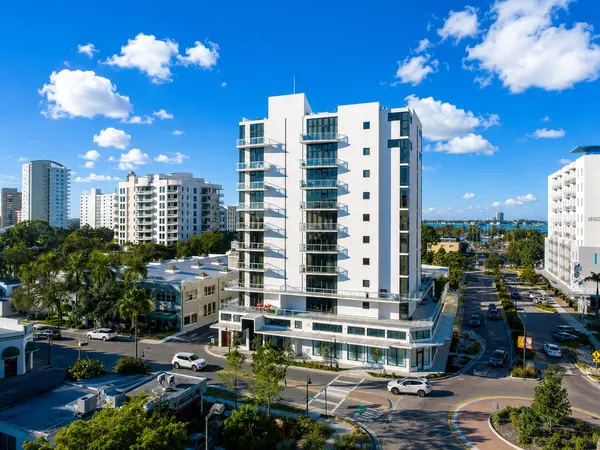
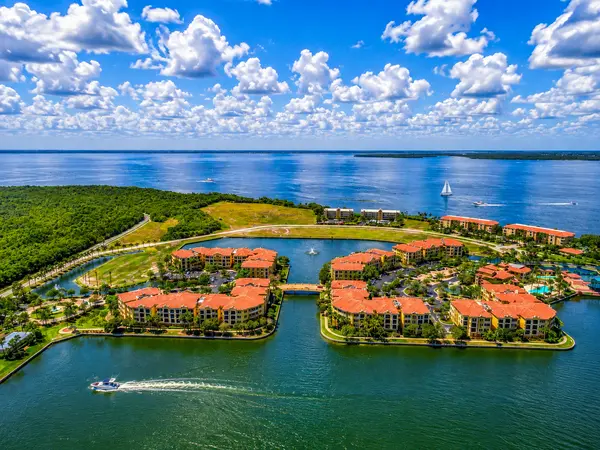
Jumbo financing is particularly relevant to buyers exploring Florida luxury and waterfront markets because property values can move above conforming financing thresholds quickly. Sarasota buyers may encounter higher-priced homes in West of Trail neighborhoods, downtown condominiums, waterfront locations, and barrier-island communities such as Siesta Key and Longboat Key.
Financing should still be evaluated as only one part of the ownership picture. Higher-priced Florida properties can also involve property taxes, homeowners insurance, flood insurance when applicable, condominium or HOA fees, assessments, maintenance, waterfront infrastructure, and other property-specific expenses. Hunt Brothers Realty's guide to what luxury buyers look for in waterfront properties discusses several of these considerations.
Insurance availability, coverage, and premiums can vary substantially by property. Buyers should obtain property-specific insurance quotes and review coverage with a qualified insurance professional before making a purchasing decision.
The Bottom Line on Jumbo Loans
A jumbo loan is simply a mortgage above the conforming loan limit applicable to the property. For 2026, that baseline limit is $832,750 for a one-unit property in most of the United States, including Sarasota County. Buyers need to focus on the amount they intend to borrow, not just the home's purchase price.
If your expected mortgage is close to or above the applicable limit, discussing financing before serious home shopping can clarify whether conforming, jumbo, or another available mortgage structure fits the transaction. Compare actual terms from qualified lenders and make the decision based on your individual financial circumstances rather than general rules of thumb.
Planning a Florida Home Purchase?
If you are considering a home along Florida's Gulf Coast, contact Hunt Brothers Realty to discuss your real estate search. We can help you compare properties and communities and coordinate the real estate side of the transaction while you work with a qualified mortgage professional on financing.
Informational notice: This article is provided for general real estate and educational purposes only and is not individualized lending, financial, tax, legal, insurance, or investment advice. Mortgage programs, loan limits, rates, underwriting standards, down-payment requirements, reserve requirements, appraisal requirements, fees, and borrower eligibility can change and vary by lender, property, location, occupancy, and borrower circumstances. Buyers should verify the applicable conforming loan limit and review specific financing options, costs, and qualification requirements with qualified mortgage professionals before making a purchasing or financing decision.
Sources
- Federal Housing Finance Agency, 2026 Conforming Loan Limit Announcement
- Federal Housing Finance Agency, Conforming Loan Limit Values
- Fannie Mae, 2026 Loan Limits
- Consumer Financial Protection Bureau, What Is a Jumbo Loan?
- Consumer Financial Protection Bureau, Conventional and Non-Conforming Loans
- Hunt Brothers Realty, What Does $500K, $1M, or $2M Buy You in Sarasota?
- Hunt Brothers Realty, Should I Get Preapproved Before Looking at Houses?
Contact Hunt Brothers Realty
Hunt Brothers Realty
46 N. Washington Blvd, Ste 3
Sarasota, FL 34236
Phone: (941) 388-7017
Email: info@huntbrothersrealty.com
Website: HuntBrothersRealty.com
Categories
- All Blogs 2172
- Anna Maria Island 86
- Bird Key 4
- Bradenton 237
- Buying a Home 1230
- Casey Key 2
- Clearwater 11
- Condos & HOA Living 1146
- Ellenton 6
- Englewood 11
- First Time Homebuyers 1339
- Foreclosures 5
- Home Selling 6
- Homeownership 1363
- Lakewood Ranch 25
- Lido Key 28
- Longboat Key 80
- Luxury/Waterfront Properties 1303
- Market Updates & Trends 823
- Mortgages & Financing 54
- Move-Up Buyers 23
- Neighborhood Guides 938
- New Construction 36
- Palmetto 3
- Parrish 6
- Port Charlotte 10
- Punta Gorda 22
- Real Estate Investing 1220
- Relocation to Florida 1258
- Safety Harbor 3
- Sarasota 90
- Sarasota - Downtown 163
- Selling a Home 146
- Siesta Key 92
- St. Petersburg 8
- Tierra Verde 5
- Vacation & Second Homes 1412
- Venice 209
- Wellen Park 20
Recent Posts