What Makes a Florida Home Energy Efficient?
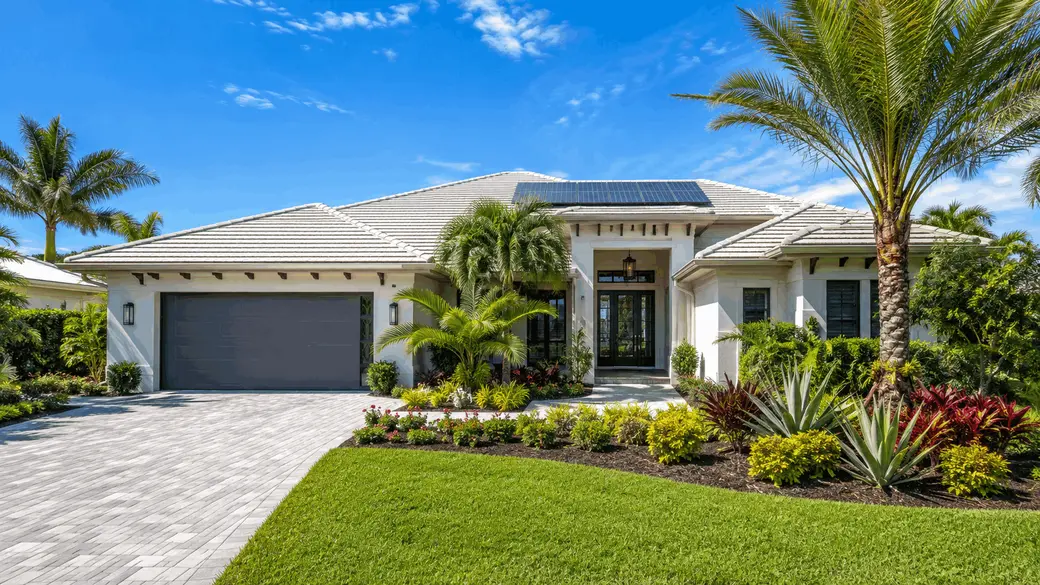
In Florida, an energy-efficient home is not simply a house with solar panels or a newer air conditioner. It is a home where the building envelope, cooling system, ductwork, insulation, windows, water heating, appliances, and other components work together to reduce unnecessary energy use.
That distinction matters in a climate where keeping a home cool and comfortable can represent a significant part of household energy use.
For buyers exploring Sarasota-area real estate with Hunt Brothers Realty, energy efficiency can be worth investigating alongside the roof, insurance, flood considerations, property taxes, and other ownership costs. But there is no single feature that proves a home will have low utility bills. The entire property needs to be considered.
Quick Answer: What Makes a Florida Home Energy Efficient?
An energy-efficient Florida home typically combines several characteristics:
- Efficient and properly sized air-conditioning or heat-pump equipment
- Well-sealed and appropriately insulated ductwork
- Adequate attic and building-envelope insulation
- Reduced uncontrolled air leakage
- Windows and doors suited to Florida's hot, sunny climate
- Efficient water heating
- Efficient lighting and appliances
- Efficient pool equipment when the home has a pool
- Appropriate shading and solar-heat management
- Good installation and ongoing maintenance
Solar panels can further reduce electricity purchased from the utility, but a home does not need solar panels to be energy efficient.
Start With the Air-Conditioning System
In Florida, the HVAC system deserves close attention because air conditioning operates extensively during hot and humid weather.
A newer, higher-efficiency system can use less electricity to provide cooling than older, less-efficient equipment. Heat pumps can also provide both cooling and heating by moving heat rather than generating all heating energy directly.
But the equipment rating is only part of the story. Proper sizing, installation, refrigerant charge, airflow, duct performance, controls, and maintenance can materially affect how efficiently the system actually operates.
ENERGY STAR notes that improper heating and cooling equipment installation can reduce system efficiency by as much as 30 percent. That is why simply seeing a recently manufactured HVAC unit should not end a buyer's investigation.
Bigger Air Conditioners Are Not Necessarily Better
It is tempting to assume that a larger air-conditioning system will cool a Florida home better. Proper equipment sizing is more important than simply installing the largest system possible.
Cooling equipment should be selected for the characteristics and cooling load of the particular home. Florida's Energy Conservation Code includes heating and cooling equipment sizing requirements, reinforcing that sizing is part of overall system performance.
Buyers or homeowners with questions about whether an existing system is correctly sized or operating efficiently should have it evaluated by an appropriately licensed HVAC professional rather than relying on equipment capacity alone.
Ductwork Can Quietly Waste Energy
A highly efficient air conditioner cannot perform at its best if cooled air is escaping through leaking ductwork.
ENERGY STAR estimates that in a typical house, roughly 20 to 30 percent of the air moving through a duct system can be lost through leaks, holes, and poorly connected ducts. Duct losses can be especially important when ducts run through a hot attic rather than conditioned space.
Good duct performance involves more than wrapping ducts with insulation. Connections should be properly sealed, ducts should be appropriately insulated where needed, and the system should provide adequate airflow to the rooms it serves.
Florida's current energy code also addresses duct insulation. Among its 2023 changes, site-wrapped supply ducts outside the building thermal envelope are required in applicable performance-compliance situations to meet a higher minimum insulation level than under the previous provision.
Attic Insulation Matters in the Florida Sun
A Florida roof and attic can experience substantial solar heat exposure. Insulation helps slow heat transfer between the attic or roof assembly and the conditioned living space below.
The effectiveness of insulation depends on the material, amount, installation quality, location within the building assembly, and whether gaps, compression, moisture, disturbance, or other conditions are affecting its performance.
For an existing home, a buyer may want to know what insulation is present, where it is installed, and its visible condition. Questions about adequacy or recommended improvements should be evaluated by an appropriate energy, insulation, building, or other qualified professional.
Air Sealing and Insulation Work Together
Insulation slows heat transfer. Air sealing reduces uncontrolled movement of air through gaps and openings in the building envelope. An efficient home generally needs attention to both.
Air can leak around penetrations, attic openings, doors, windows, plumbing and electrical penetrations, and other parts of a house. That leakage can make the HVAC system work harder and can make rooms less comfortable.
ENERGY STAR estimates that air sealing combined with insulation improvements can produce meaningful heating and cooling savings in many homes. Florida's current energy code also includes residential building air-leakage testing provisions.
A tighter house must still have appropriate ventilation and moisture management. Florida's Energy Conservation Code specifically addresses mechanical ventilation under certain low-air-leakage conditions, so making a home tighter should be approached as a building-system project rather than simply sealing every visible opening.
Windows Matter, Especially for Solar Heat Gain
Windows affect energy efficiency through both heat transfer and solar heat entering the home.
One important window measurement in a hot, sunny climate is the Solar Heat Gain Coefficient, or SHGC. ENERGY STAR explains that a lower SHGC means a window blocks more solar heat, which can help reduce air-conditioning demand in hot climates.
Another measurement is U-factor, which indicates how well the window limits non-solar heat transfer. Lower U-factor values indicate greater insulating performance.
Window performance should be evaluated for the climate and the particular home rather than based solely on whether a window is described as "new," "impact," or "double-pane." Hurricane protection and energy efficiency can overlap in some products, but they are not the same performance characteristic.
Impact Windows Are Not Automatically the Most Energy-Efficient Windows
This is an important distinction for Florida buyers.
Impact resistance relates to how a window or door assembly performs under specified impact and wind conditions. Energy performance is measured using characteristics such as U-factor and Solar Heat Gain Coefficient.
A product may provide both storm protection and strong energy performance, but buyers should verify the specifications of the actual installed product rather than assuming one automatically guarantees the other.
Questions involving wind protection, code compliance, product approvals, installation, and energy performance should be verified through available product documentation and the appropriate qualified contractor, inspector, engineer, manufacturer, or local permitting authority.
Shade Can Reduce the Heat Reaching the Home
A Florida home's relationship with the sun can influence how much heat reaches windows and exterior surfaces.
Roof overhangs, covered lanais, exterior shading, window treatments, landscaping, and the orientation of large areas of glass can all affect solar exposure. Two otherwise similar homes may therefore perform differently depending on their design and orientation.
Shade should still be considered together with durability, storm exposure, landscaping maintenance, moisture, roof clearance, and other property-specific concerns.
Humidity Control Is Part of Florida Comfort
Florida homeowners are not only trying to lower indoor temperature. Moisture and humidity also affect comfort and building performance.
HVAC sizing, runtime, airflow, ventilation, duct condition, air leakage, and dedicated dehumidification where applicable can all influence indoor humidity. Florida's current Energy Conservation Code includes requirements addressing dehumidifiers and ducted dehumidification in applicable residential installations.
Persistent humidity or moisture concerns should be evaluated by qualified HVAC, building, moisture, inspection, or other appropriate professionals. They should not be treated solely as an energy-efficiency issue.
Water Heating Is Another Place to Look
Air conditioning receives much of the attention in Florida, but water heating can also be a meaningful household energy use.
High-efficiency conventional equipment, heat-pump water heaters, and other efficient technologies can reduce water-heating energy consumption depending on the household and installation.
When evaluating a home, consider the water heater's type, age, efficiency, location, capacity, installation, and condition rather than focusing exclusively on the HVAC system.
Lighting and Appliances Add Up
Efficient lighting and appliances can further reduce household electricity consumption.
Florida's 2023 Energy Conservation Code increased residential lighting-efficiency requirements for permanently installed luminaires. Modern LED lighting also uses substantially less electricity than older incandescent technology while producing far less waste heat inside the home.
Refrigerators, dishwashers, clothes washers, dryers, cooking equipment, ceiling fans, and other devices also contribute to total household consumption. ENERGY STAR-certified products can provide a useful efficiency benchmark when appliances are being replaced.
A Pool Can Change the Energy Picture
For Sarasota-area homes, energy efficiency does not necessarily stop at the back door.
Pool pumps, heaters, spas, lighting, water features, automation systems, and operating schedules can all contribute to electricity use. A home that is efficient indoors can still have substantial outdoor energy consumption if a large pool and spa operate inefficiently.
Florida's Energy Conservation Code includes efficiency provisions for pool and spa equipment, including certain pool and spa heaters.
Buyers should consider the type, age, condition, controls, and operating patterns of pool equipment when comparing expected energy use between properties.
Does a Metal Roof Make a Florida Home More Energy Efficient?
Roofing can affect heat gain, but roof material alone does not determine a home's energy efficiency.
Roof color, solar reflectance, thermal emittance, insulation, attic design, ventilation where applicable, roof-deck configuration, installation, and the rest of the building envelope can all affect performance.
A metal roof may be part of an efficient home, but buyers should avoid assuming that the words "metal roof" automatically translate into a particular utility-cost reduction. Roofing, insulation, and building-envelope questions should be evaluated using the specifications and conditions of the individual property.
Do Solar Panels Make a Home Energy Efficient?
Solar panels and energy efficiency are related, but they are not the same thing.
Efficiency means reducing the amount of energy required to operate the home. Solar photovoltaic panels generate electricity. A house can therefore have a large solar system while still wasting energy through leaking ducts, poor insulation, inefficient cooling equipment, or excessive air leakage.
ENERGY STAR's home-improvement guidance similarly places efficiency measures such as air sealing, insulation, duct improvements, HVAC upgrades, water heating, and windows before renewable-energy systems in its whole-home improvement approach.
For buyers considering a Florida home with solar, ownership status, financing, liens, warranties, roof condition, system age, utility arrangements, insurance, and transfer requirements should all be verified for the specific property. Legal, financial, tax, insurance, roofing, electrical, and solar-system questions should be reviewed with the appropriate qualified professionals before purchasing.
Newer Does Not Automatically Mean Lower Energy Bills
Newer Florida homes are constructed under more recent building and energy-code requirements, which can provide advantages in areas such as envelope performance, ductwork, equipment, and lighting.
But year built alone cannot predict a utility bill. A larger newer home with a pool, spa, multiple refrigerators, extensive glass, and lower thermostat settings may consume more electricity than a smaller older home that has been thoughtfully improved.
Occupancy, thermostat settings, pool operation, appliance use, electric-vehicle charging, weather, home size, orientation, and individual habits can all affect energy consumption.
What Should Buyers Look for in an Existing Florida Home?
When touring a home, several clues can help identify areas worth investigating further:
- Age, model, efficiency rating, and service history of HVAC equipment
- Condition and location of ductwork
- Visible attic insulation and its condition
- Window and exterior-door specifications
- Signs of air leakage or uneven room temperatures
- Water-heater type and age
- Lighting and major appliances
- Pool pump and heater equipment, if applicable
- Solar equipment and documentation, if applicable
- Available utility-bill history
- Previous energy improvements and available permits or invoices
These observations are starting points rather than conclusions. Buyers who want a property-specific assessment of energy performance should consider evaluation by qualified home-energy, HVAC, insulation, electrical, building, pool, solar, or other appropriate professionals.
Can You Compare Homes Using Previous Electric Bills?
Past utility bills can provide useful context when they are available, but they are not a guarantee of what a future owner will pay.
The previous household may have had a different number of occupants, different thermostat preferences, different pool schedules, different appliance use, or periods when the property was vacant. Utility rates and weather also change.
Use historical bills as one piece of evidence rather than treating them as a prediction of future ownership costs.
Energy-Efficient Features to Compare
| Feature | Why It Can Matter in Florida |
|---|---|
| Efficient HVAC or heat pump | Cooling is a major component of Florida home comfort and energy use |
| Sealed ductwork | Helps keep conditioned air from escaping before reaching living spaces |
| Duct insulation | Especially relevant when ducts pass through hot unconditioned areas |
| Attic insulation | Reduces heat transfer into conditioned space |
| Air sealing | Reduces uncontrolled exchange between indoor and outdoor air |
| Low-SHGC windows | Can reduce solar heat entering through glass |
| Exterior shading | Can reduce direct solar exposure on windows and living areas |
| Efficient water heating | Reduces energy required for domestic hot water |
| LED lighting | Uses less electricity and produces less unwanted indoor heat than incandescent lighting |
| Efficient pool equipment | Can matter significantly in homes with pools and spas |
| Solar photovoltaic system | Can reduce electricity purchased from the utility depending on the system and usage |
What Is the Best Energy Upgrade for an Older Florida Home?
There is no universal first upgrade because existing homes have different weaknesses.
One house may have an efficient HVAC system but poorly sealed attic ducts. Another may have excellent windows but inadequate insulation. A third may have relatively good building-envelope performance but an aging air conditioner.
ENERGY STAR recommends approaching home improvements systematically, with air sealing and insulation, ductwork, heating and cooling, water heating, appliances, windows, and renewable energy considered as parts of a whole-home strategy.
Before spending heavily on a particular upgrade, homeowners should consider a property-specific energy assessment and obtain recommendations and estimates from appropriately qualified professionals.
Energy Efficiency Is a Whole-Home Question
The most useful way to think about Florida home energy efficiency is as a system.
An efficient air conditioner connected to leaking ducts is less effective. Excellent insulation combined with significant uncontrolled air leakage leaves another weakness. High-performance windows cannot compensate for every other source of heat gain. Solar panels can produce electricity, but they do not repair inefficient equipment or a poorly performing building envelope.
The strongest homes combine efficient equipment with good building-envelope performance, appropriate ventilation and moisture management, quality installation, and sensible operation.
Looking for an Energy-Efficient Home Around Sarasota?
If energy efficiency is important in your Sarasota home search, look beyond marketing labels and compare the actual features of each property. Hunt Brothers Realty can help you compare Sarasota-area homes, newer construction, and property features from a real estate perspective while you use the appropriate qualified professionals to evaluate technical performance.
You can also explore Sarasota-area communities as you compare locations, housing ages, property types, and lifestyles across Florida's Gulf Coast.
Informational notice: This article provides general real estate and educational information only. It is not individualized engineering, construction, HVAC, electrical, solar, roofing, inspection, financial, tax, insurance, legal, or other professional advice. Energy performance, improvement costs, utility savings, equipment suitability, code requirements, permits, solar arrangements, and building conditions vary by property. Buyers and homeowners should have property-specific questions evaluated by the appropriate licensed HVAC contractors, home inspectors, energy professionals, electricians, roofing contractors, engineers, solar professionals, insurance agents, tax professionals, attorneys, local permitting authorities, or other qualified professionals before making purchasing or improvement decisions.
Contact Hunt Brothers Realty
46 N. Washington Blvd, Ste 3
Sarasota, FL 34236
Phone: (941) 388-7017
Email: info@huntbrothersrealty.com
Website: HuntBrothersRealty.com
Categories
- All Blogs 1950
- Anna Maria Island 83
- Bird Key 4
- Bradenton 234
- Buying a Home 1020
- Casey Key 2
- Clearwater 9
- Condos & HOA Living 931
- Ellenton 5
- Englewood 9
- First Time Homebuyers 1124
- Foreclosures 3
- Home Selling 1
- Homeownership 1144
- Lakewood Ranch 20
- Lido Key 27
- Longboat Key 78
- Luxury/Waterfront Properties 1085
- Market Updates & Trends 614
- Mortgages & Financing 42
- Move-Up Buyers 20
- Neighborhood Guides 737
- New Construction 32
- Palmetto 3
- Parrish 6
- Port Charlotte 10
- Punta Gorda 15
- Real Estate Investing 1002
- Relocation to Florida 1046
- Safety Harbor 2
- Sarasota 71
- Sarasota - Downtown 157
- Selling a Home 143
- Siesta Key 89
- St. Petersburg 6
- Tierra Verde 5
- Vacation & Second Homes 1193
- Venice 96
- Wellen Park 10
Recent Posts