What Should I Know Before Buying a Condo in Florida?
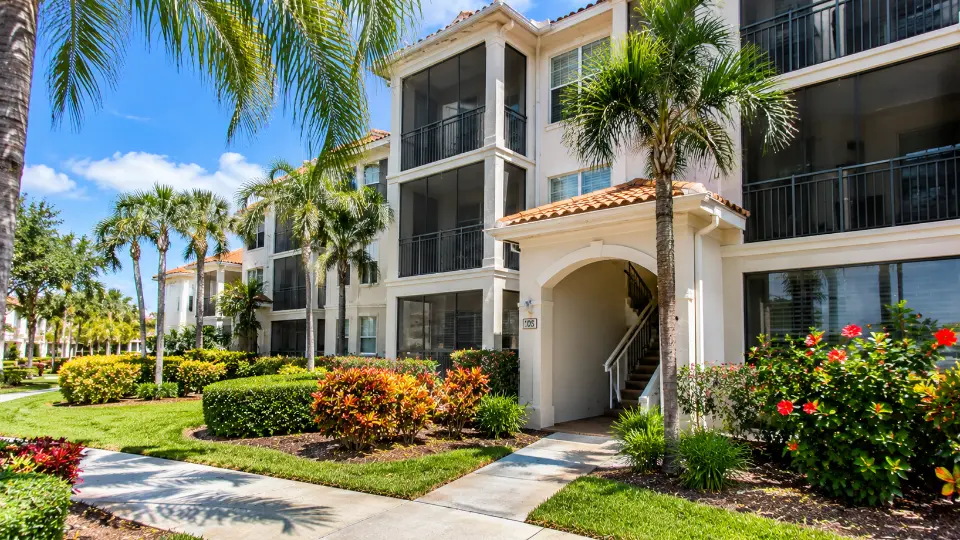
Before buying a Florida condo, investigate the condominium association as carefully as the unit itself. Review the association's budget, reserves, special assessments, insurance, major repairs, applicable milestone inspection and Structural Integrity Reserve Study information, plus rental, pet, parking and renovation rules. Financing can also depend on the condominium project, not simply your personal qualifications. A beautiful unit with an attractive price can still carry substantial shared financial obligations, so understanding the building and association before closing is essential.
Quick Answers About Buying a Condo in Florida
What is the most important thing to check before buying a Florida condo?
Check both the unit and the condominium association. A renovated unit does not tell you whether the association has adequate reserves, expensive repairs ahead, an outstanding loan or a potential special assessment.
What is a Structural Integrity Reserve Study in Florida?
A Structural Integrity Reserve Study, commonly called a SIRS, evaluates specified condominium components, their remaining useful lives, estimated repair or replacement costs and a recommended reserve funding schedule. Florida requires a SIRS for qualifying residential condominium buildings that are three habitable stories or higher, subject to statutory requirements and exceptions.
What is a Florida condo milestone inspection?
A milestone inspection evaluates an aging building for substantial structural deterioration. Qualifying condominium and cooperative buildings generally face the first milestone inspection at 30 years, or potentially 25 years when the local enforcement agency determines local circumstances warrant the earlier inspection, followed by inspections every 10 years.
Are a milestone inspection and SIRS the same thing?
No. A milestone inspection focuses on structural condition, while a SIRS addresses specified building components and reserve funding needs. Florida law allows certain inspections to coordinate or overlap in limited circumstances, but buyers should not treat the two requirements as interchangeable.
Can Florida condo fees increase after I buy?
Yes. Regular assessments can change as insurance, reserves, maintenance, utilities, staffing, repairs and other association expenses change. Buyers should review the current budget, recent assessment history and planned projects rather than assuming today's monthly fee will remain unchanged.
Can a Florida condo have a special assessment?
Yes. Special assessments may be used for authorized expenses such as major repairs or other association obligations. Ask about assessments that are approved, pending, proposed or being discussed, and verify how any existing assessment will be handled at closing.
Does the condo association's insurance cover my unit?
Not completely. The association and individual unit owner have different insurance responsibilities. Buyers should obtain the master-policy information and a property-specific HO-6 quote, and separately investigate flood coverage and other exposures with a qualified insurance professional.
Can a condo building affect whether I qualify for a mortgage?
Yes. Condo financing can involve review of the project as well as the borrower. Depending on the loan program, issues involving insurance, structural condition, litigation, association finances, owner delinquencies and other project characteristics can affect financing eligibility.
1. You Are Buying More Than the Unit
The first concept to understand is that condominium ownership differs from buying a detached single-family home.
You are purchasing an individual unit along with an ownership interest in common elements governed through the condominium association. The exact boundaries of the unit, common elements, limited common elements and maintenance responsibilities are established through the condominium documents and applicable law.
That means your due diligence has two separate tracks:
- The unit: HVAC, plumbing, electrical systems, appliances, windows, finishes, renovations and other property-specific conditions.
- The condominium: Building condition, reserves, insurance, assessments, common elements, major projects, association finances and rules.
A unit can look excellent while the association has significant financial or building obligations. The reverse can also be true.
2. Read the Condo Documents Before You Commit
Florida condominium documents can affect how you use, renovate, finance and eventually sell the property.
Important records can include:
- Declaration of condominium
- Articles of incorporation
- Bylaws
- Rules and regulations
- Current operating budget
- Available financial statements
- Reserve information
- Current insurance information
- Approved and proposed special assessments
- Available board and association meeting minutes
- Applicable milestone inspection reports
- Applicable Structural Integrity Reserve Study
- Information about association loans and major projects
For a deeper explanation, see Hunt Brothers Realty's guide to reading Florida condo documents before buying.
Contract rights, disclosure obligations, document-review periods and interpretation of condominium documents are legal matters. Buyers with questions about their rights or deadlines should consult a qualified Florida real estate attorney.
3. Understand the Association's Financial Health
Do not judge a condominium association solely by the monthly fee.
A $600 monthly assessment is not automatically better than an $800 assessment. The higher assessment could include more services, insurance or reserve contributions, while the lower assessment could leave more expenses outside the regular budget.
Review:
- Current annual budget
- Recent financial statements
- Reserve balances
- Current reserve contributions
- Association debt or lines of credit
- Owner delinquencies where relevant and available
- Insurance costs and deductibles
- Recent fee increases
- Planned capital projects
- Approved or contemplated special assessments
The objective is not to find an association that never spends money. Buildings require maintenance. The objective is to understand what work is anticipated and how the association expects to fund it.
4. Know What a Structural Integrity Reserve Study Means
Florida's Structural Integrity Reserve Study requirements have become a major consideration when evaluating certain condominium buildings.
According to the Florida Department of Business and Professional Regulation, a qualifying residential condominium association must have a SIRS completed at least once every 10 years after the condominium's creation for each building that is three habitable stories or higher, as determined under the applicable requirements.
A SIRS is a reserve-planning study based on a visual inspection. It identifies applicable components, estimates their remaining useful life and anticipated repair, replacement or deferred-maintenance costs, and provides a recommended reserve funding schedule.
What does a SIRS examine?
Current DBPR guidance identifies components including:
- Roof
- Structural systems
- Fireproofing and fire protection systems
- Plumbing
- Electrical systems
- Waterproofing and exterior painting
- Windows and exterior doors
- Certain other qualifying components affecting structural integrity
A SIRS is particularly useful to buyers because it can reveal substantial future funding needs that are not obvious from the appearance of an individual unit.
Why can SIRS affect condo fees?
Florida law limits the ability of associations subject to SIRS requirements to waive required reserves for applicable SIRS components. If a study identifies significant funding needs, an association may need increased regular assessments, special assessments, borrowing or another legally permitted funding approach.
Beginning in 2026, DBPR guidance also notes that inflation must be factored into the baseline replacement cost for applicable SIRS items meeting the statutory threshold.
Do not interpret the report without context. Questions about engineering findings should be reviewed with an appropriately qualified engineer or other building professional, while financial and legal implications should be evaluated with the relevant qualified professionals.
5. Milestone Inspections Are Different From Reserve Studies
A milestone inspection is designed to evaluate whether substantial structural deterioration exists in an aging building. It is not primarily a financial reserve study.
Current DBPR guidance states that qualifying residential condominium and cooperative buildings of three or more habitable stories generally require a milestone inspection when the building reaches 30 years of age and every 10 years thereafter. A local enforcement agency may determine that local circumstances require the initial inspection at 25 years instead.
Building age is based on the certificate of occupancy under the current framework.
When considering an older condominium, determine whether a milestone inspection applies, whether it has been completed, what the report found and whether repairs remain outstanding.
A building completing its milestone inspection does not eliminate the need to evaluate the association's SIRS, reserves or other maintenance needs.
6. Check for Special Assessments and Major Projects
A special assessment is an additional charge imposed by the association for an authorized purpose. It may be due as a lump sum, installments or another approved payment structure.
Potential reasons can include:
- Roof replacement
- Concrete restoration
- Balcony repairs
- Waterproofing
- Elevator modernization
- Plumbing projects
- Storm repairs
- Insurance-related expenses
- Reserve funding needs
- Other authorized association obligations
Ask about more than assessments that have already been formally approved. Review recent meeting minutes and major project discussions for evidence of anticipated expenses that have not yet become a final assessment.
Questions about whether the seller or buyer is responsible for a particular assessment at closing depend on the contract, association documents and applicable law. Have a qualified Florida real estate attorney or title and closing professional review the specific situation.
7. A Low Condo Fee Is Not Automatically a Good Sign
Buyers often compare condominiums by monthly association fee. That number has limited meaning without knowing what it includes.
Association assessments may fund some combination of:
- Building insurance
- Exterior maintenance
- Common-area maintenance
- Landscaping
- Elevators
- Pools and amenities
- Management
- Certain utilities
- Reserve contributions
- Other common expenses
Compare what each association provides and funds, not simply which number is lower.
8. Understand Condo Insurance Before You Buy
Florida condominium insurance involves both the association and the individual unit owner.
The association generally maintains insurance for property and responsibilities assigned to it under applicable law and the governing documents. That does not mean the association's policy covers everything inside your residence or every loss that could affect you.
Individual owners commonly investigate an HO-6 condominium policy. Depending on the policy, coverage can address certain interior property, personal belongings, liability and qualifying loss assessments.
What insurance questions should a condo buyer ask?
- What does the association's master policy cover?
- What are the association's deductibles?
- What property must the unit owner insure?
- What HO-6 coverage is appropriate?
- Should loss-assessment coverage be considered?
- What wind or hurricane deductibles apply?
- Is separate flood insurance appropriate or required?
Insurance availability, coverage, premiums and deductibles can vary substantially by building and unit. Obtain property-specific quotes and review both association and individual coverage with a qualified insurance professional before making a purchasing decision.
9. Flood Risk and Hurricane Evacuation Are Separate Questions
This distinction is particularly important when considering condos on Florida's Gulf Coast.
A flood zone is not the same as a hurricane evacuation zone. Flood mapping relates to flood risk and insurance considerations, while evacuation zones are used by local emergency-management authorities for evacuation planning.
Also remember that living on an upper floor does not make the building financially immune to flooding. Water can affect ground-level electrical equipment, elevators, parking, landscaping, mechanical systems and other common property even when an individual residence is several stories above grade.
Review current FEMA information, local flood and evacuation resources, association insurance and property-specific coverage with the appropriate professionals.
10. Confirm That the Condo Works With Your Financing
Mortgage approval for a condominium can involve two separate questions:
- Does the borrower qualify?
- Does the condominium project satisfy the applicable loan requirements?
Depending on the financing program and building, lenders may investigate association insurance, structural issues, litigation, owner delinquencies, reserves, commercial space, occupancy characteristics and other project factors.
If you plan to finance the purchase, speak with a qualified lender familiar with Florida condominiums early in the process. Do not assume that mortgage preapproval for a particular purchase amount means every condominium project will qualify.
11. Inspect the Unit Even When the Building Has Been Inspected
A milestone inspection or structural study does not replace a buyer's evaluation of the individual residence.
An independent condo inspection may evaluate accessible components such as:
- HVAC equipment
- Visible plumbing
- Electrical components
- Appliances
- Interior water intrusion indicators
- Doors and accessible windows
- Interior finishes
- Other accessible unit components
The precise scope depends on the inspection and property. Inspection findings should be evaluated with the appropriate licensed inspector, contractor, engineer or other qualified professional before the buyer makes a decision.
12. Verify Rental Restrictions Before Buying an Investment or Seasonal Condo
Never assume that buying a condo gives you unrestricted rental rights.
Association rules may address:
- Minimum lease periods
- Maximum number of leases per year
- Tenant approval procedures
- Waiting periods before leasing
- Application fees
- Guest occupancy
- Other leasing requirements
Local government requirements can also apply. Buyers intending to generate rental income should verify association restrictions, current municipal or county rules, licensing requirements and applicable tax obligations with the appropriate association, government agency, attorney and tax professional.
13. Check Pet Rules Before Assuming Your Pet Is Allowed
Condominium pet policies vary considerably.
Rules may address the number of pets, size or weight limitations, specific restrictions, registration procedures and where animals can be walked on common property. Applicable laws concerning assistance animals are separate legal issues and should not be confused with ordinary pet rules.
Verify the current written rules before purchasing rather than relying on a listing description or an informal statement from another resident.
14. Verify Parking and Storage Rights
Parking can materially affect the usefulness and value of a Florida condominium, especially in Downtown Sarasota and on the barrier islands.
Ask:
- How many spaces are associated with the unit?
- Are spaces assigned, deeded, limited common elements or controlled another way?
- Is the parking covered?
- What guest parking is available?
- Are there vehicle restrictions?
- Does the unit include a storage space?
- How is the storage right legally documented?
Do not rely solely on the fact that the seller currently uses a particular parking or storage space. Verify the legal rights associated with the unit through the applicable documents and title review.
15. Renovation Rules Can Affect Your Plans
Planning to replace flooring, move plumbing, renovate a kitchen or combine rooms? Review the condominium's alteration requirements before assuming the project is allowed.
Associations may regulate contractor access, work hours, sound-control standards, flooring materials, structural modifications, plumbing work, exterior changes and other renovations. Permits and professional plans may also be required depending on the project.
Before relying on a planned renovation when deciding what to pay for a unit, verify feasibility with the association, local permitting authority and the appropriate licensed contractor, architect, engineer or other professional.
16. Waterfront Condos Require Additional Due Diligence
A Gulf, bay or canal location adds another layer of questions.
Waterfront condominium buyers may need to investigate:
- Flood exposure
- Association flood insurance
- Seawalls and shoreline structures
- Storm-related repair history
- Waterfront maintenance obligations
- Dock or boat-slip rights where applicable
- Whether a boat slip transfers with the unit
- Water depth, tides and bridge clearances when boating access matters
A waterfront view does not automatically include boating rights, and a dock visible from the unit does not automatically belong to that unit. Title, association and boating-access questions should be verified with the appropriate qualified professionals.
17. Older Condos Are Not Automatically Bad Purchases
Age alone does not determine whether a condominium is a good candidate for purchase.
An older building may have completed substantial concrete restoration, replaced major systems, funded reserves and maintained detailed records. A newer building can still have defects, insurance issues, litigation or unexpected expenses.
Instead of asking only, "How old is this building?" ask:
- What major work has been completed?
- What major work remains?
- What do applicable inspections say?
- What does the reserve study recommend?
- How will future work be funded?
18. Calculate the Complete Cost of Condo Ownership
The listing price and monthly association assessment are only part of the financial picture.
Depending on the property, your ownership budget can include:
- Mortgage payment and financing costs
- Property taxes
- Regular condominium assessments
- Special assessments
- HO-6 insurance
- Flood insurance where applicable or desired
- Utilities not included in association assessments
- Parking or storage charges
- Maintenance assigned to the unit owner
- Potential renovation and replacement expenses
Taxes, financing and insurance depend on the buyer and property. Obtain individualized estimates from the appropriate lender, insurance professional, county property appraiser or tax professional rather than relying on the seller's current costs as a prediction of your future expenses.
19. Florida Condo Buyer Checklist
- Confirm the condominium's legal ownership structure.
- Review the declaration, bylaws and current rules.
- Verify the current regular assessment and what it includes.
- Ask about approved, proposed and discussed special assessments.
- Review the current association budget.
- Review available financial statements and reserve information.
- Determine whether a SIRS is required.
- Review the applicable SIRS and funding plan.
- Determine whether a milestone inspection is required.
- Review available milestone inspection reports.
- Investigate significant recommended or planned repairs.
- Review association insurance information and deductibles.
- Obtain a property-specific HO-6 insurance quote.
- Evaluate flood exposure and applicable insurance needs.
- Confirm financing eligibility with your lender.
- Arrange an independent inspection of the unit.
- Verify maintenance responsibilities for major components.
- Review rental and leasing restrictions.
- Review pet rules.
- Confirm parking and storage rights.
- Review renovation restrictions.
- Review available recent board and association meeting minutes.
- Ask about association loans and major capital projects.
- Confirm outstanding assessments and closing-related charges.
- Calculate your complete monthly and annual ownership costs.
Where Are Florida Gulf Coast Condo Buyers Looking?
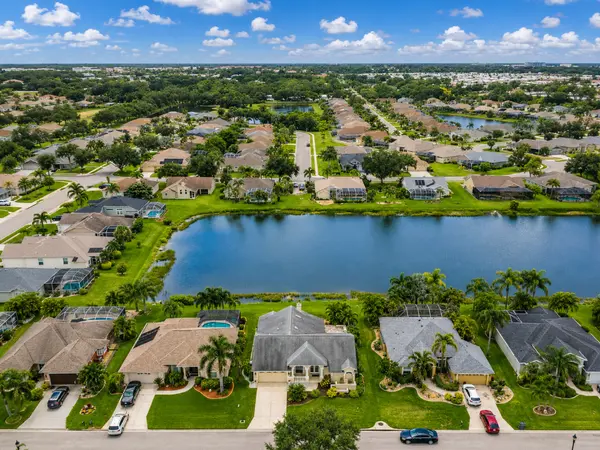
Condominium ownership can provide very different lifestyles depending on location. Buyers considering the Sarasota area can compare downtown buildings, barrier-island properties, golf communities and maintenance-oriented residential developments.
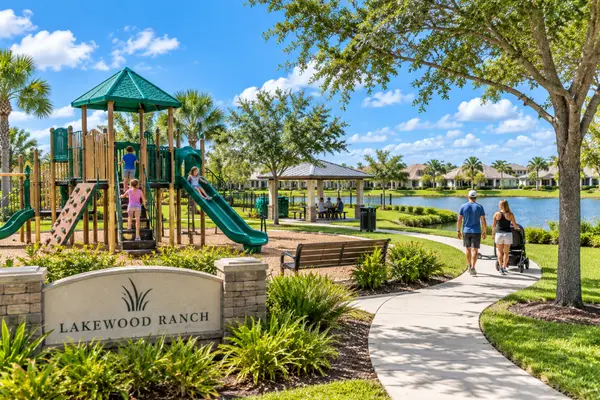
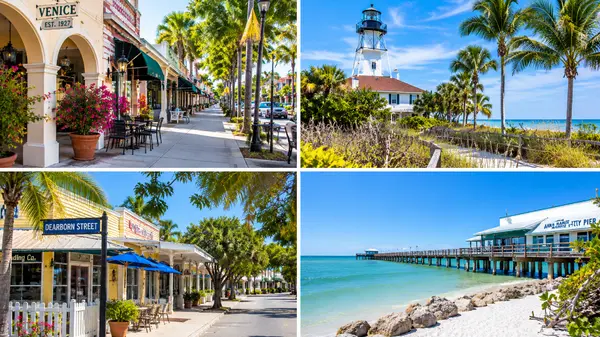
Popular Gulf Coast searches include Sarasota real estate, Lakewood Ranch, Venice, Siesta Key, Longboat Key and other communities throughout the Sarasota-Bradenton region.
Use Hunt Brothers Realty's community guides to compare locations before narrowing the search to individual condominium buildings.
The Bottom Line Before Buying a Florida Condo
The most important Florida condo due diligence happens both inside and outside the unit.
Inspect the residence, but also understand the association's finances, reserves, insurance, major projects, assessments, inspection history and rules. For qualifying buildings, review the applicable milestone inspection and Structural Integrity Reserve Study rather than relying on a verbal summary.
An older condo with completed projects and well-documented finances may compare very differently from another building of the same age. Likewise, a lower monthly fee does not necessarily mean lower long-term ownership costs.
The goal is not to find a condominium with no future expenses. Every building requires maintenance. The goal is to understand the obligations before you become responsible for your share of them.
Find a Florida Gulf Coast Condo
If you are comparing condominiums in Sarasota, Venice, Siesta Key, Longboat Key or elsewhere on Florida's Gulf Coast, contact Hunt Brothers Realty to discuss current properties and communities. You can also browse Florida Gulf Coast communities and current real estate opportunities through HuntBrothersRealty.com.
Informational notice: This article is provided for general real estate and educational purposes only. Florida condominium laws, association finances, reserve requirements, inspection status, assessments, insurance, lending standards, taxes and individual property conditions can change and vary by building. Nothing in this article is individualized legal, financial, tax, insurance, lending, inspection, engineering or other professional advice. Buyers should verify current information for the specific condominium and consult the appropriate Florida real estate attorney, lender, insurance professional, CPA or tax professional, licensed inspector, structural engineer, condominium association, title professional or other qualified specialist when individualized guidance is required.
Sources
- Florida Department of Business and Professional Regulation, Condominium and Cooperative FAQs
- Florida DBPR, Milestone Inspections and Structural Integrity Reserve Studies
- Florida DBPR, Condominium Information and SIRS Guidance
- Florida Statutes, Chapter 718 Condominium Reserve and SIRS Provisions
- FEMA, National Flood Insurance Program
- Hunt Brothers Realty, Buying a Florida Condo: What to Know in 2026
- Hunt Brothers Realty, Buying a Condo in Florida in 2026: Questions to Ask
- Hunt Brothers Realty, How to Read Florida Condo Documents Before Buying
Hunt Brothers Realty
Hunt Brothers Realty
46 N. Washington Blvd, Ste 3, Sarasota, FL 34236
Phone: (941) 388-7017
Email: info@huntbrothersrealty.com
Website: HuntBrothersRealty.com
Categories
- All Blogs 2513
- Anna Maria Island 90
- Bird Key 4
- Bradenton 240
- Buying a Home 1548
- Casey Key 2
- Clearwater 15
- Condos & HOA Living 1473
- Ellenton 6
- Englewood 14
- First Time Homebuyers 1664
- Foreclosures 4
- Home Selling 7
- Homeownership 1699
- Lakewood Ranch 32
- Lido Key 29
- Longboat Key 80
- Luxury/Waterfront Properties 1641
- Market Updates & Trends 1149
- Mortgages & Financing 77
- Move-Up Buyers 24
- Neighborhood Guides 1271
- New Construction 43
- Palmetto 4
- Parrish 33
- Port Charlotte 36
- Punta Gorda 164
- Real Estate Investing 1554
- Relocation to Florida 1587
- Safety Harbor 4
- Sarasota 119
- Sarasota - Downtown 168
- Selling a Home 146
- Siesta Key 93
- St. Petersburg 9
- Taxes and Homestead 3
- Tierra Verde 7
- Vacation & Second Homes 1747
- Venice 217
- Wellen Park 23
Recent Posts