What to Expect During Your First Year Living in Florida
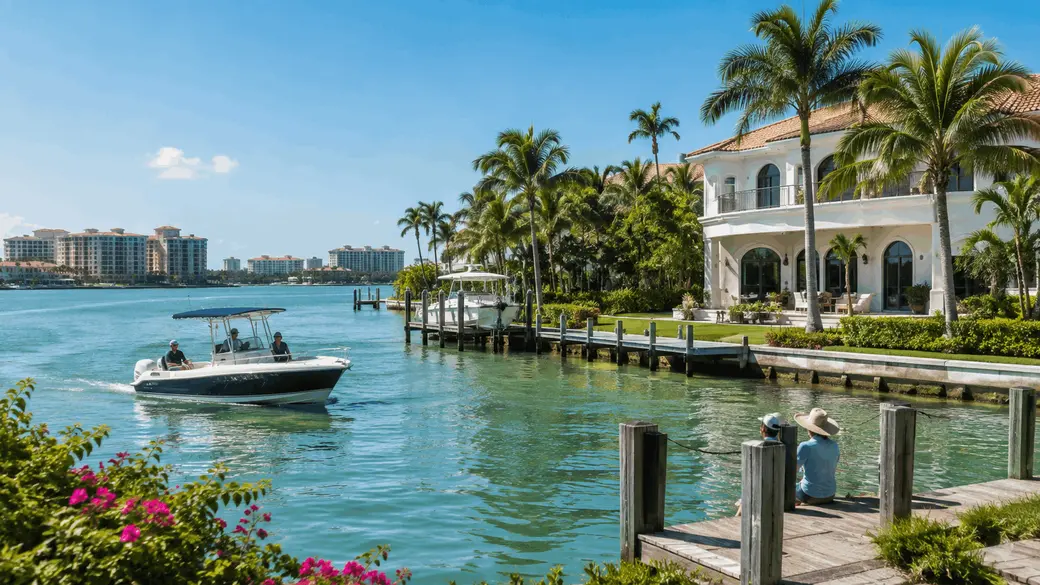
Your first year living in Florida is when the Sunshine State stops feeling like a vacation destination and starts feeling like home. You learn which months belong outside, how quickly an afternoon storm can arrive, why longtime residents pay attention to hurricane forecasts and how dramatically the rhythm of a Gulf Coast community can change between summer and winter.
For people relocating to Sarasota and Florida's Gulf Coast, there is plenty to look forward to: beaches that become part of an ordinary week, outdoor dining in winter, boating and golf, year-round cultural activities and considerably more time outside than many newcomers enjoyed in their previous home.
There is also a practical learning curve. Insurance, storm preparation, property taxes, air-conditioning, humidity, pest control and seasonal traffic all deserve attention. Understanding those realities before your first full year can make the transition considerably easier.
If you are still planning your move, start with 15 Things to Know Before Moving to Sarasota and explore Sarasota-area communities with Hunt Brothers Realty.
Quick Answers for New Florida Residents
What Is Usually the Biggest Adjustment to Living in Florida?
For many newcomers, summer weather is the biggest adjustment. Heat, humidity and frequent thunderstorms change when people exercise, complete outdoor projects and spend time at the beach. Your first full summer teaches you to organize the day differently.
When Is Hurricane Season in Florida?
Atlantic hurricane season officially runs from June 1 through November 30. Florida emergency-management officials recommend preparing before a storm threatens, including creating a plan and maintaining an adequate disaster supply kit.
Do Florida Homeowners Need Flood Insurance?
Flood coverage is generally separate from standard homeowners insurance. Whether coverage is required by a lender and what coverage is appropriate depend on the property and circumstances. New homeowners should discuss property-specific flood exposure and available coverage with a qualified insurance professional.
Can a New Florida Homeowner Apply for Homestead Exemption?
Potentially. Florida homeowners who own property and make it their permanent residence may qualify for homestead exemption if applicable eligibility requirements are satisfied. The county property appraiser determines eligibility, so new residents should verify requirements and deadlines directly with the property appraiser in the county where the home is located.
Does Sarasota Feel Different During Winter?
Yes. Seasonal residents and visitors can make winter noticeably busier in Sarasota and the barrier islands. Restaurants, beaches and major roads may be more active, while the milder weather makes winter one of the most enjoyable periods for outdoor living.
1. Your Definition of “Summer” Will Change
Florida summer is not simply warmer winter weather. Heat and humidity become part of how you structure the day.
New residents often discover that mornings become valuable. Walking, cycling, gardening, exercising and other outdoor activities may be much more comfortable earlier in the day than during the afternoon.
You will probably also gain a new appreciation for shade, covered lanais, ceiling fans and a well-maintained air-conditioning system.
2. Afternoon Storms Become Part of the Routine
A sunny Florida morning does not guarantee a dry afternoon. During the warmer, wetter part of the year, thunderstorms can develop quickly.
New residents soon learn to check the forecast before boating, golfing or planning an outdoor afternoon. They also learn that a storm does not necessarily mean the entire day is ruined. Weather can be highly localized, and conditions can change quickly.
Lightning deserves particular respect. Follow current National Weather Service and local emergency guidance rather than assuming a familiar summer shower is harmless.
3. You Will Experience Your First Hurricane Season Differently as a Resident
Watching a tropical system on television is different when your house, car and neighborhood are inside the forecast cone.
Florida's official hurricane season runs from June 1 through November 30. Your first year is the time to learn your evacuation zone, understand local emergency alerts, create an evacuation plan and assemble supplies before a storm is approaching.
Florida's Division of Emergency Management recommends maintaining at least seven days of essential supplies, including food, water, medicine and batteries.
Preparedness does not mean reacting to every tropical disturbance. It means completing the basic work early enough that you can follow official information and make decisions calmly if a storm threatens your area.
4. You Will Learn What Your Home's Storm Protection Actually Requires
The first year is when “the house has shutters” becomes a much more detailed question.
Where are they stored? Which shutter fits which opening? What tools are required? Are the windows impact-rated? What happens to patio furniture, grills and potted plants? If you are away, who can prepare the property?
Do not wait until a storm is approaching to answer those questions. Property protection should be evaluated with the appropriate inspector, contractor and insurance professional, particularly when you are uncertain about the home's existing mitigation features.
5. Insurance Becomes Something You Actually Read
Your first Florida hurricane season is a good reason to understand what your insurance policies actually cover.
Review coverage limits, deductibles, hurricane provisions, personal-property coverage and additional living expense coverage. Standard homeowners insurance generally does not cover flood damage, so flood coverage should be considered separately.
Do this before a storm is approaching. Florida's Department of Financial Services notes that insurers typically stop accepting new applications or requests to increase coverage when a hurricane nears Florida.
Insurance availability, coverage, exclusions, deductibles and premiums vary by property and policy. Homeowners should review their specific coverage with a qualified insurance professional rather than relying on general information about Florida insurance.
6. Your Air Conditioner Becomes One of the Most Important Systems in the House
In Florida, air conditioning is about comfort and moisture management. During hot and humid periods, the system can operate extensively.
New homeowners should learn the age and condition of their equipment, understand filter requirements and follow the manufacturer's maintenance recommendations. Condensate drains and other moisture-related components also deserve attention.
Questions about system performance, indoor humidity, maintenance or replacement should be evaluated by a qualified HVAC contractor rather than diagnosed from general homeowner advice.
7. Humidity Changes How You Think About Your Home
New Florida residents quickly learn that managing water and moisture is part of maintaining a home.
Pay attention to leaks, plumbing problems, roof concerns, window and door seals, drainage and unexpected indoor moisture. If you own a seasonal residence, maintaining appropriate indoor conditions while you are away can be particularly important.
Suspected moisture intrusion, mold, building-envelope issues or structural concerns should be evaluated by appropriately qualified inspectors, contractors, engineers or other professionals.
8. Outdoor Maintenance Is Different in a Subtropical Climate
Florida's climate can make landscaping grow enthusiastically—and sometimes faster than a newcomer expects.
Irrigation, drainage, pool care, pest management, landscaping and exterior cleaning can become recurring parts of homeownership. Properties closer to salt water can introduce additional maintenance concerns because salt exposure can affect exterior hardware, railings, fasteners, lighting and mechanical equipment.
Your first year gives you a complete cycle for seeing how the property behaves through dry weather, heavy rain, summer heat and cooler winter conditions.
9. You May Need to Rethink Your Property-Tax Expectations
The previous owner's tax bill is not necessarily a reliable estimate of what a new Florida homeowner will pay.
Florida's Department of Revenue explains that when ownership changes, exemptions are removed and the property is reassessed as required by Florida law. That is one reason first-time Florida homeowners can be surprised when comparing their eventual tax bill with the seller's historical taxes.
Tax consequences depend on the property and individual owner. New homeowners should verify current assessed values, exemptions and estimated taxes with the applicable county property appraiser and consult a qualified tax professional when individualized tax guidance is needed.
10. Homestead Exemption Is Worth Understanding Early
If your Florida property becomes your permanent residence, investigate whether you qualify for Florida's homestead exemption.
The Florida Department of Revenue states that an eligible homeowner may receive a homestead exemption that reduces taxable value. Homesteaded properties can also qualify for the Save Our Homes assessment limitation.
Eligibility, filing requirements and property-specific treatment should be verified with the county property appraiser. Questions about residency, ownership structures, trusts or tax consequences should be directed to the appropriate attorney or tax professional when individualized advice is required.
11. Winter May Become Your Favorite Season
For newcomers from colder climates, the first Florida winter can feel like the payoff for adapting to summer.
Cooler and generally more comfortable conditions can make outdoor dining, golf, boating, cycling, walking and beach days especially appealing. It is the season when patios and lanais can become genuine extensions of the living room.
Your first winter may also explain why Florida attracts so many seasonal residents.
12. Then You Discover “Season”
In Sarasota, “season” means more than weather. It is the part of the year when seasonal residents and winter visitors add another layer of activity to the region.
Popular restaurants can be busier. Beaches attract more visitors. Barrier-island traffic can take longer. Cultural calendars are active, and community events can fill the week.
After one full year, you begin adjusting automatically—making reservations earlier, allowing more driving time and learning which routes work best at different times of day.
13. The Beach Stops Being a Special Occasion
One of the best changes during your first year is surprisingly simple: you stop feeling that every beach visit has to become an all-day event.
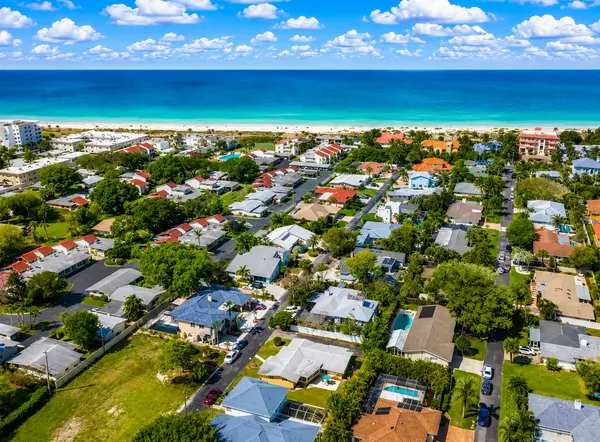
When Siesta Key, Lido Key, Longboat Key or another Gulf beach is nearby, an hour at sunset can be enough. You can walk the shoreline in the morning, meet someone near the water after work or go to the beach simply because the weather looks good.
That shift—from scheduling Florida experiences to incorporating them into ordinary life—is one of the clearest signs that you have started thinking like a resident.
14. You Learn That Every Sarasota-Area Location Creates a Different Routine
Living near Sarasota is not one lifestyle—it is a collection of very different ones.
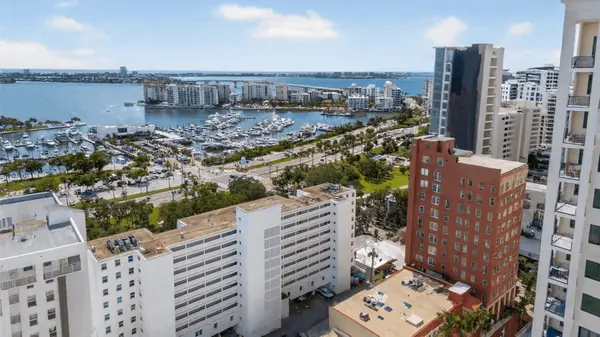
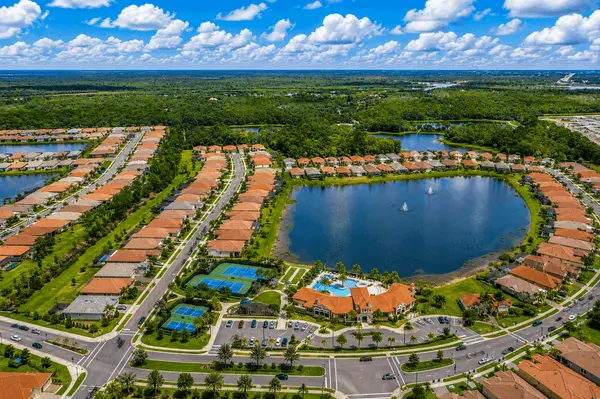
A downtown condominium can make restaurants, arts venues and the bayfront part of a walkable daily routine. Siesta Key emphasizes beach life. Longboat Key offers a quieter barrier-island environment with Gulf and bay access. Lakewood Ranch provides a large master-planned community experience farther inland.
That is why choosing a Florida home is partly about choosing the routine you want. Buyers can compare Sarasota-area communities with Hunt Brothers Realty before deciding which environment best matches everyday priorities.
15. By the End of the Year, Florida Starts Feeling Normal
The biggest change during your first year may be how quickly extraordinary surroundings become part of an ordinary routine.
Palm trees stop looking unusual. You develop favorite beaches and restaurants. You understand which months are busiest. You know where the storm supplies are stored. You have learned what your home needs during summer and which outdoor spaces you use most during winter.
Florida has stopped being somewhere you moved to. It has become where you live.
Your First Florida Year at a Glance
| Part of the Year | What You May Notice | What to Learn |
|---|---|---|
| Winter | Comfortable outdoor weather and seasonal activity | Traffic patterns, restaurants, beaches and outdoor routines |
| Spring | Transition toward warmer conditions | Prepare the home and storm plan before hurricane season |
| Summer | Heat, humidity, rain and thunderstorms | HVAC, moisture management and scheduling outdoor activities |
| June–November | Atlantic hurricane season | Evacuation plan, supplies, insurance and storm protection |
| Fall | Gradually moderating weather | Home maintenance and preparation for the busier winter period |
A Practical First-Year Florida Homeowner Checklist
- Review homeowners and flood insurance with a qualified insurance professional
- Know your hurricane evacuation zone and evacuation route
- Build and maintain a disaster supply kit
- Learn how the home's shutters or other storm-protection systems work
- Understand the HVAC maintenance schedule
- Watch for leaks, drainage problems and moisture concerns
- Learn the property's landscaping, irrigation and pest-control needs
- Verify property-tax expectations with the county property appraiser
- Investigate homestead exemption eligibility if the property is your permanent residence
- Learn seasonal traffic patterns before assuming year-round travel times
- Identify trusted licensed contractors and service professionals before an emergency
- Make time to enjoy why you moved to Florida in the first place
If You Are a Seasonal Resident, Your First Year Is Different
Owning a Florida home part-time introduces another set of routines because the property must still be managed when you are hundreds or thousands of miles away.
Think about storm preparation, HVAC operation, moisture monitoring, plumbing, security, mail, vehicles, landscaping, pools and who can access the property if something needs attention.
Insurance requirements can also differ depending on occupancy and property use. Seasonal homeowners should explain how they intend to use the property to a qualified insurance professional and verify appropriate coverage.
For location ideas, review Best Sarasota Neighborhoods for Seasonal Residents.
Buying Near the Coast Adds Another Layer
Living close to the Gulf or bay can be one of the great advantages of Sarasota-area life, but coastal ownership deserves additional preparation.
Flood exposure, wind, salt air, insurance and evacuation planning can become more prominent considerations. Waterfront homes may add seawalls, docks and boat lifts to the maintenance list, while beachfront condominiums introduce association insurance, reserves, assessments and shared building responsibilities.
Before purchasing, review Questions to Ask Before Buying a Home Near the Coast and Common Mistakes Florida Home Buyers Should Avoid.
The Best Part of the First Year Is Discovering Your Own Florida
Before moving, Florida can exist as a collection of images: beaches, palm trees, swimming pools and sunshine.
After a year, it becomes much more personal. It is your favorite place for coffee, the route you take to the beach, the restaurant you bring visiting friends to, the park where you walk in January and the neighborhood where people know your name.
You also know the practical side—the summer electric bill, storm plan, maintenance calendar and traffic patterns. That combination is what actually living in Florida looks like.
Planning a Move to Sarasota or Florida's Gulf Coast?
If Florida is becoming home rather than somewhere you visit, Hunt Brothers Realty can help you compare Sarasota-area locations based on how you actually want to live. Explore Sarasota and Gulf Coast communities, review Florida buyer resources, or contact Hunt Brothers Realty to discuss your move.
Informational notice: This article provides general real estate and educational information only and is not individualized legal, financial, tax, insurance, lending, inspection, engineering, construction or other professional advice. Insurance coverage, flood exposure, taxes, homestead eligibility, storm protection, property maintenance and other ownership considerations depend on the individual owner and property. Residents and prospective buyers should verify current information with the appropriate county or state authority and consult qualified insurance, tax, legal, lending, inspection, engineering, contracting or other professionals when individualized guidance is required.
Sources
- Florida Division of Emergency Management — Preparing for Hurricane Season
- Florida Department of Financial Services — Plan, Prepare, Protect
- Florida Department of Financial Services — Hurricane Ready
- Florida Department of Financial Services — Flood Insurance
- Florida Department of Revenue — Property Tax Exemptions and Benefits
- Florida Department of Revenue — Property Tax Information for First-Time Florida Homebuyers
- Hunt Brothers Realty
- Hunt Brothers Realty — Explore Gulf Coast Communities
- Hunt Brothers Realty — Buyer Resources
Contact Hunt Brothers Realty
Hunt Brothers Realty
46 N Washington Blvd, Ste #3
Sarasota, Florida 34236
Phone: (941) 388-7017
Email: info@huntbrothersrealty.com
Website: HuntBrothersRealty.com
Categories
- All Blogs 1869
- Anna Maria Island 82
- Bird Key 4
- Bradenton 234
- Buying a Home 944
- Casey Key 2
- Clearwater 8
- Condos & HOA Living 854
- Ellenton 5
- Englewood 9
- First Time Homebuyers 1047
- Foreclosures 3
- Homeownership 1066
- Lakewood Ranch 20
- Lido Key 27
- Longboat Key 77
- Luxury/Waterfront Properties 1004
- Market Updates & Trends 545
- Mortgages & Financing 38
- Move-Up Buyers 20
- Neighborhood Guides 684
- New Construction 29
- Palmetto 3
- Parrish 6
- Port Charlotte 10
- Punta Gorda 14
- Real Estate Investing 923
- Relocation to Florida 970
- Safety Harbor 2
- Sarasota 60
- Sarasota - Downtown 156
- Selling a Home 142
- Siesta Key 88
- St. Petersburg 6
- Tierra Verde 4
- Vacation & Second Homes 1116
- Venice 61
- Wellen Park 9
Recent Posts