What Should I Know Before Buying a Waterfront Home in Florida?
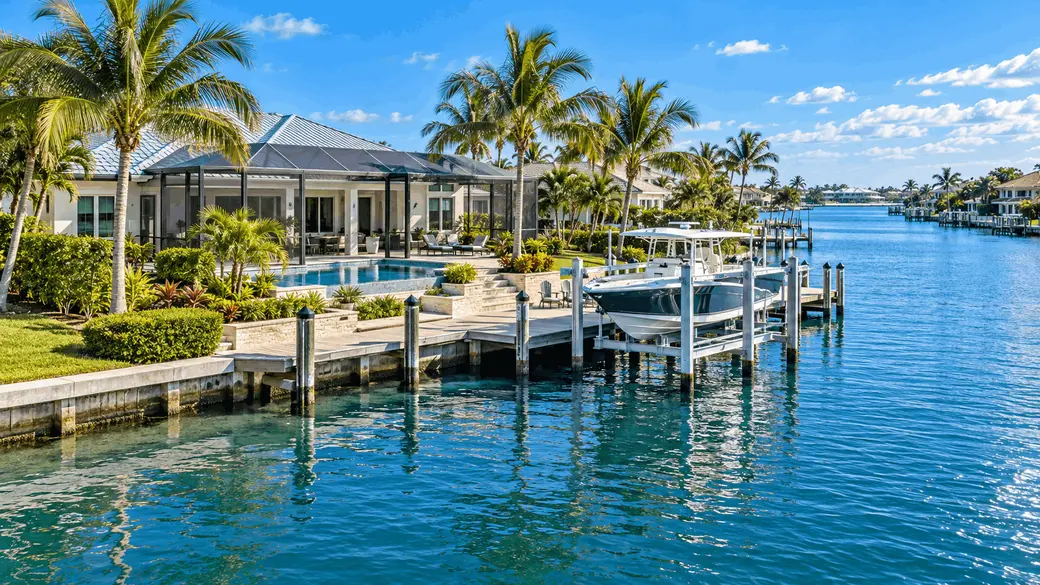
Before buying a waterfront home in Florida, investigate more than the view, location, and asking price. Waterfront ownership can involve flood exposure, specialized insurance, seawall and dock maintenance, coastal permitting requirements, and restrictions on boating access or shoreline improvements. Buyers should also review the property's elevation, storm history, survey, drainage, and potential future maintenance costs. A home advertised as waterfront may not provide the boating access or improvement rights you expect. Understanding these issues before purchasing can help you evaluate both the lifestyle benefits and the financial responsibilities of Florida waterfront ownership.
Quick Answers About Buying a Waterfront Home in Florida
What should I check first when buying a waterfront home?
Start by determining exactly what type of waterfront the property has and whether it matches your intended use. Gulf frontage, bayfront property, canal frontage, riverfront property, lakefront property, and homes with navigable boating access can have very different flood, insurance, maintenance, permitting, and boating considerations.
Should I inspect the seawall before buying?
Yes, when the property has a seawall, its condition deserves specialized evaluation. Cracking, movement, deterioration, erosion, tie-back issues, or other defects can lead to significant repair questions. Have the seawall evaluated by a qualified marine contractor, structural engineer, or other appropriate waterfront professional.
Does waterfront automatically mean I can keep my boat there?
No. Verify water depth, tides, bridge clearances, canal width, dock configuration, lift capacity, navigation restrictions, association rules, and the complete route to open water. A waterfront property can offer a beautiful view without providing practical access for your particular boat.
Do waterfront homes need flood insurance?
Flood insurance requirements depend on factors including the property's flood designation, lender, insurer, and policy. Even when coverage is not required, waterfront buyers should investigate it because standard homeowners insurance generally does not cover flood damage.
Can I build or enlarge a dock after buying?
Possibly, but do not assume you can. Dock projects may be affected by local zoning, setbacks, waterway dimensions, environmental conditions, submerged-land requirements, association restrictions, and local, state, or federal permitting. Verify your specific plan before relying on it in your purchasing decision.
Can I remove or trim mangroves for a better water view?
Not necessarily. Florida regulates mangrove trimming and alteration, and the applicable requirements depend on the shoreline and proposed work. Buyers should verify what is legally permitted with the Florida Department of Environmental Protection or delegated local authority before assuming vegetation can be removed or substantially altered.
Are waterfront homes more expensive to maintain?
They can be. In addition to normal home maintenance, waterfront ownership may involve seawalls, docks, boat lifts, marine electrical equipment, salt exposure, flood insurance, storm preparation, shoreline maintenance, and specialized repairs. Estimate these costs for the specific property before buying.
Not All Florida Waterfront Property Is the Same
The word "waterfront" can describe dramatically different properties.
Along Florida's Gulf Coast, buyers may encounter:
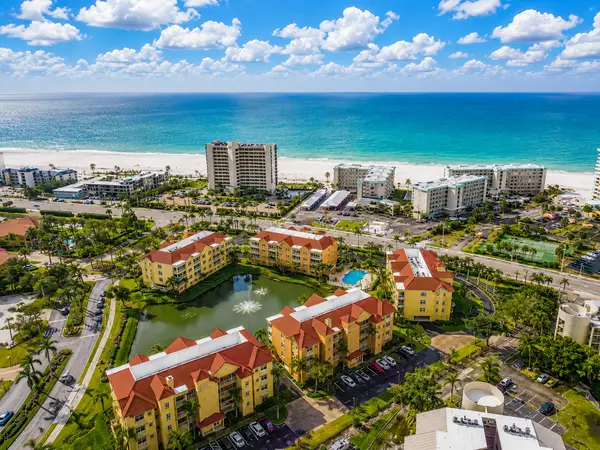
- Direct Gulf-front homes and condominiums
- Bayfront properties
- Intracoastal Waterway frontage
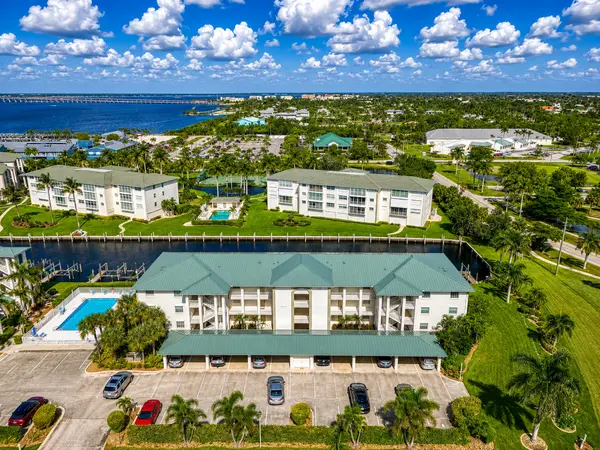
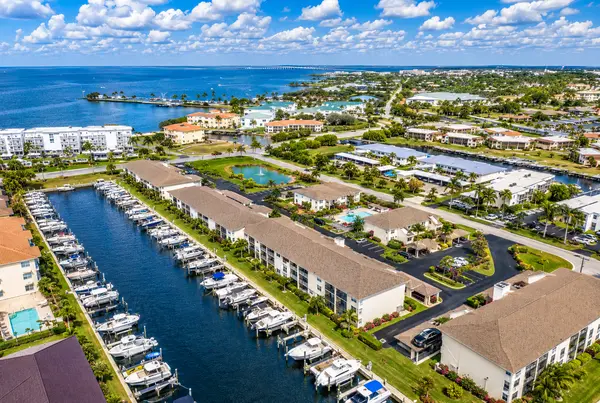
- Saltwater canal homes
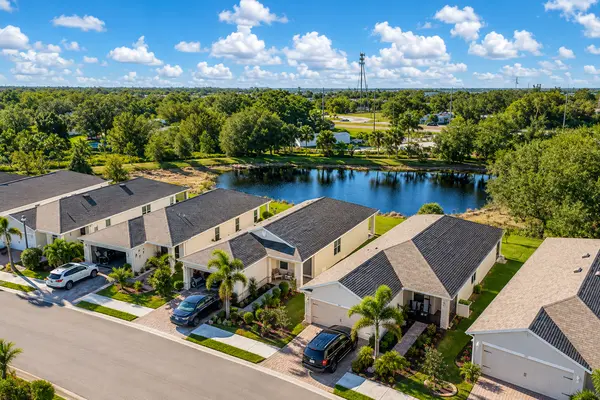
- Freshwater canal homes
- Riverfront homes
- Lakefront homes
- Properties with deeded docks located away from the residence
- Homes with water views but no usable boating access
That distinction matters. A canal home in Punta Gorda can present very different boating and shoreline considerations from a beachfront condominium near Lido Key or a property near Siesta Key.
Start with the intended lifestyle. If boating is essential, evaluate boating access. If the goal is a water view, the priorities may be different. If you want direct beach access, coastal construction, erosion, dune protection, insurance, and condominium considerations may become more important.
1. Understand the Property's Flood Exposure
Flood exposure is one of the first issues to investigate with a Florida waterfront property, but a FEMA flood-zone designation should not be the end of the analysis.
Consider reviewing:
- The current FEMA flood-zone designation
- Available Elevation Certificate
- Elevation of the structure
- Known historical flooding
- Prior flood claims disclosed by the seller
- Prior FEMA flood assistance disclosed by the seller
- Drainage around the property
- Property-specific flood insurance availability and cost
Florida now requires sellers of residential real property to provide a statutory flood disclosure at or before execution of the sales contract. Under Florida Statute 689.302, the disclosure addresses the seller's knowledge of flooding that damaged the property, flood-related insurance claims, and certain flood assistance received during the seller's ownership.
The disclosure is useful, but it should not replace independent due diligence. A seller may not know the property's entire historical flood experience.
For a deeper review, see How Do I Find Out if a Florida Home Is in a Flood Zone?
2. Get Insurance Information Before You Fall in Love With the House
Insurance can materially affect the cost of owning waterfront property in Florida.
Do not rely on the seller's current premium or an estimate for another home in the neighborhood. Obtain quotes for the specific property you are considering.
Depending on the home, buyers may need to investigate:
- Homeowners insurance
- Windstorm or hurricane coverage
- Hurricane deductibles
- Separate flood insurance
- Roof underwriting requirements
- Wind mitigation credits
- Coverage limitations or exclusions
The Florida Department of Financial Services explains that flood damage is generally not covered by homeowners insurance. Buyers should therefore evaluate wind and flood coverage as separate issues.
For more detail, read What Should I Know About Hurricane Insurance Before Buying in Florida?
Insurance availability, coverage, exclusions, deductibles, and premiums can vary substantially by property. Obtain property-specific quotes and review the proposed coverage with a licensed Florida insurance professional before making a purchasing decision.
3. Have the Seawall Evaluated
For a canal, bayfront, riverfront, or other property with a seawall, the shoreline infrastructure can be almost as important as the house itself.
A standard home inspection may not provide the specialized analysis needed to evaluate a seawall's structural condition or remaining service life.
Potential warning signs can include:
- Cracking
- Movement or leaning
- Soil loss behind the wall
- Visible deterioration
- Settlement near the shoreline
- Evidence of previous repairs
- Damage around tie-backs or caps
Those observations alone do not establish whether a seawall is defective. The condition, repair options, remaining useful life, and estimated costs should be evaluated by an appropriately qualified marine contractor, structural engineer, or other waterfront specialist.
4. Verify Who Is Responsible for the Seawall
Do not assume that every waterfront owner has the same maintenance responsibility.
Depending on the property, responsibility may involve the individual owner, a condominium association, homeowners association, another entity, or some combination of responsibilities.
Review the survey, title information, association documents, maintenance history, permits, and applicable agreements. Questions about ownership rights or legal responsibility for waterfront structures should be reviewed with a qualified Florida real estate attorney and title professional.
5. Inspect the Dock and Boat Lift Separately
A dock and boat lift can add substantial utility to a waterfront home, but they are also mechanical and structural systems exposed to sun, saltwater, storms, tides, and marine growth.
Depending on the property, consider evaluating:
- Pilings
- Decking
- Fasteners and hardware
- Electrical systems
- Boat-lift motors
- Cables
- Bunks
- Lift capacity
- Water depth
- Dock dimensions and configuration
If you already own a boat, provide its specifications to the appropriate marine professional and confirm that the dock, lift, water depth, and navigation route are suitable.
6. Verify Dock and Seawall Permits
The existence of a dock, lift, seawall, or other waterfront structure does not by itself establish that it was properly permitted or that it can be expanded later.
Waterfront projects can involve multiple levels of regulation. The Florida Department of Environmental Protection's Environmental Resource Permitting program regulates many alterations affecting surface waters and wetlands, while some qualifying single-family dock projects can use exemptions or self-certification procedures.
Local permits can also apply. For example, Charlotte County's residential dock permitting requirements call for plans and site information and can require external approval from the Florida Department of Environmental Protection or U.S. Army Corps of Engineers. The county separately regulates residential seawall construction.
Permitting varies by location and project. Before relying on plans to replace, enlarge, or construct waterfront improvements, verify feasibility with the relevant local government, Florida DEP, U.S. Army Corps of Engineers, association, qualified marine contractor, engineer, and other applicable authorities.
7. Check the Entire Boating Route, Not Just the Dock
For boating buyers, the water behind the house is only the beginning of the analysis.
Investigate the entire route from the property to your intended destination.
Are There Fixed Bridges?
A fixed bridge can limit the height of boats that can use the route. This is particularly important for sailboats, boats with towers, and larger vessels.
How Deep Is the Water?
Depth can vary with tide, weather, shoaling, canal conditions, and location. A depth measurement taken at one moment does not necessarily establish year-round navigability.
How Long Does It Take to Reach Open Water?
Two homes advertised as having Gulf access can offer very different boating experiences. One may have a relatively direct route, while another can require a longer trip through canals, bridges, slow-speed areas, or other waterways.
Will My Boat Fit?
Compare your boat's draft, beam, length, height, and weight with the physical characteristics of the dock, lift, canal, bridges, and navigation route. Verify actual boating suitability with qualified marine professionals and current navigation information.
8. Understand Riparian Rights Before Assuming You Can Modify the Waterfront
Waterfront ownership can include riparian or littoral rights, depending on the type of water body and property. These rights can relate to access to navigable water and other uses associated with waterfront ownership.
But these rights are not unlimited.
Florida also holds extensive sovereignty submerged lands beneath navigable waters. The Florida Department of Environmental Protection explains that sovereignty submerged lands can include lands waterward of the ordinary or mean high-water line beneath navigable fresh or tidally influenced waters.
Questions involving waterfront boundaries, riparian rights, submerged lands, easements, dock rights, title, or ownership are legal and surveying matters. Buyers should have property-specific questions reviewed by a qualified Florida real estate attorney, title professional, licensed surveyor, and applicable government authority.
9. Review the Survey Carefully
A survey can be particularly important for waterfront property because the relationship among the home, property boundaries, shoreline, seawall, docks, easements, and water can affect future plans.
Depending on the property and survey, issues to investigate can include:
- Boundary lines
- Easements
- Encroachments
- Seawall location
- Dock location
- Mean high-water information where applicable
- Relationship between structures and setbacks
Have surveying questions evaluated by a licensed surveyor and legal or title questions reviewed by the appropriate attorney or title professional.
10. Beachfront Property Can Have Additional Coastal Construction Rules
Direct beachfront property can involve another layer of regulation through Florida's Coastal Construction Control Line program.
The Florida Department of Environmental Protection explains that the CCCL program regulates certain structures and activities in areas of sandy coastline exposed to significant storm effects.
Construction and excavation seaward of an established CCCL can require DEP authorization unless an exemption or other applicable provision applies. Special design and siting considerations can address beach and dune protection, storm forces, public access, vegetation, and marine turtles.
Florida also requires a specific disclosure for certain property located partially or totally seaward of the CCCL. Buyers considering direct beachfront property should verify whether the parcel is affected and how the rules apply to future renovations, additions, pools, dune work, or other improvements.
11. Mangroves and Shoreline Vegetation May Be Protected
A waterfront buyer should never assume that shoreline vegetation can simply be cut down to improve a view.
Florida's Mangrove Trimming and Preservation Act regulates the trimming and alteration of mangroves. The Florida Department of Environmental Protection explains that some limited homeowner trimming can qualify for an exemption, while other work requires a professional mangrove trimmer, permit, or both.
Local administration can also matter. For example, Sarasota County is one of the local governments delegated authority to administer the mangrove program.
If your intended use depends on opening a water view, creating kayak access, modifying vegetation, or changing the shoreline, verify what is legally permitted before purchasing.
12. Saltwater Exposure Changes Home Maintenance
Saltwater environments can be demanding on building materials and mechanical equipment.
Depending on the property's proximity and exposure to salt air, buyers may want inspectors and appropriate tradespeople to pay particular attention to:
- Exterior fasteners and metal components
- HVAC equipment
- Railings
- Electrical components
- Windows and doors
- Exterior finishes
- Pool equipment
- Dock hardware
- Boat-lift equipment
The extent of corrosion and appropriate maintenance should be evaluated by qualified inspectors and tradespeople rather than assumed based solely on the home's distance from the water.
13. Investigate Hurricane-Resilient Features
Waterfront homes can face significant wind and water exposure during tropical storms and hurricanes.
Depending on the property, useful due diligence may include investigating:
- Roof age and condition
- Roof-to-wall attachment
- Roof-deck attachment
- Secondary water resistance
- Impact-rated windows
- Approved shutters
- Garage-door protection
- Building elevation
- Drainage
- Wind mitigation documentation
See What Makes a Florida Home Hurricane-Resilient? for additional buyer considerations.
14. Review HOA and Condominium Restrictions
Waterfront ownership rights can also be affected by private community restrictions.
Depending on the association, rules may address:
- Boat length
- Dock modifications
- Boat lifts
- Personal watercraft
- Shoreline improvements
- Exterior renovations
- Rental use
- Maintenance responsibilities
Read What Should I Know Before Buying in a Florida HOA? and verify the current governing documents directly with the applicable association.
15. Estimate the Real Cost of Waterfront Ownership
The mortgage payment is only one part of a waterfront property's ownership cost.
Depending on the home, budget for potential expenses such as:
- Homeowners insurance
- Flood insurance
- Hurricane deductibles
- Seawall maintenance and eventual repair
- Dock maintenance
- Boat-lift maintenance
- Marine electrical work
- Salt-related exterior maintenance
- Storm preparation
- HOA or condominium assessments
- Potential CDD assessments
Do not rely on generic estimates for major waterfront repairs. Obtain property-specific evaluations and estimates from appropriately licensed professionals when a potential expense could materially affect your decision.
16. A Waterfront Home May Need More Than a Standard Inspection
A standard home inspection remains important, but waterfront property can involve specialized systems outside a typical inspector's scope.
| Area to Evaluate | Professional or Source to Consider |
|---|---|
| General home condition | Qualified home inspector |
| Seawall | Qualified marine contractor or structural engineer |
| Dock and boat lift | Qualified marine contractor or lift specialist |
| Marine electrical systems | Qualified electrician |
| Property boundaries | Licensed surveyor |
| Flood and insurance exposure | FEMA, local authorities, and licensed insurance professional |
| Boating access | Qualified marine professional and current navigation information |
| Permits | Relevant local, state, and federal permitting authorities |
| Title and waterfront rights | Qualified Florida real estate attorney and title professional |
17. Research Storm Repairs and Open Permits
Florida Gulf Coast properties can undergo significant repairs after hurricanes and tropical storms. A renovated home may look excellent while still requiring careful review of what work was completed and how it was documented.
Depending on the property's history, investigate:
- Roof replacement
- Flood repairs
- Electrical work
- HVAC replacement
- Drywall and insulation replacement
- Window and door replacement
- Seawall repairs
- Dock and lift repairs
- Available permits and final inspections
- Open or expired permits
Inspection findings and construction quality should be evaluated by the appropriate licensed inspectors, contractors, engineers, electricians, roofers, or other tradespeople. Permit status should be confirmed with the applicable local government.
18. Questions to Ask Before Making an Offer on a Waterfront Home
- What type of waterfront does the property have?
- What is the property's current FEMA flood-zone designation?
- Is an Elevation Certificate available?
- Has the property experienced known flooding?
- Has the seller disclosed flood-related insurance claims or FEMA assistance?
- What property-specific homeowners and flood insurance options are available?
- Does the property have a seawall?
- When was the seawall installed or last repaired?
- Has the seawall been professionally evaluated?
- Does the property have a dock or boat lift?
- Are permits and approvals available for existing waterfront structures?
- What water depth is available at the dock under relevant tidal conditions?
- Are there fixed bridges along the boating route?
- Is the route practical for my specific boat?
- Are there association restrictions on boats, docks, lifts, or shoreline improvements?
- Are mangroves or other regulated shoreline features present?
- Are there easements or access rights affecting the waterfront?
- Who maintains the shoreline and marine structures?
- Have major storm repairs been completed?
- Are there open permits or unresolved code issues?
- Are future waterfront improvements legally and physically feasible?
- What are the estimated ongoing ownership costs?
Is Buying a Waterfront Home in Florida Worth It?
Waterfront property can offer a distinctive Florida lifestyle, but whether a particular home is right for you depends on far more than its view.
The most informed buyers evaluate the residence and the waterfront as two interconnected parts of the same purchase. Flood exposure, insurance, seawalls, docks, permits, boating access, association responsibilities, property condition, and long-term costs can reveal major differences between waterfront homes that appear similar during a showing.
If boating matters, confirm that the property works for your actual boat. If a water view matters, investigate whether vegetation or future improvements could affect your expectations. If you plan to renovate the shoreline, build a dock, replace a seawall, or modify a beachfront home, verify feasibility before making those plans part of your purchasing decision.
The right waterfront home is not simply the property with the most impressive view. It is a property whose condition, access, ownership rights, restrictions, insurance profile, and long-term costs align with your goals.
Explore Florida Gulf Coast Waterfront Real Estate
Hunt Brothers Realty helps buyers evaluate waterfront real estate throughout Florida's Gulf Coast, including Sarasota, Lido Key, Punta Gorda, and surrounding Gulf Coast communities.
When comparing waterfront homes, contact Hunt Brothers Realty to discuss location, boating goals, property type, community options, and the real estate due diligence that may be appropriate for your search.
This article is provided for general informational and educational purposes only and is not individualized legal, insurance, financial, lending, tax, inspection, engineering, construction, environmental, surveying, title, marine, or other professional advice. Waterfront conditions, flood exposure, insurance availability, boating access, permitting, association rules, shoreline rights, and construction feasibility vary by property. Buyers should verify material property-specific information with the appropriate licensed real estate professional, insurance agent, Florida real estate attorney, lender, home inspector, structural engineer, marine contractor, surveyor, title professional, association, local government, Florida Department of Environmental Protection, U.S. Army Corps of Engineers, or other qualified professional before making a purchasing or improvement decision.
Sources
- Florida Statute 689.302, Disclosure of Flood Risks to Prospective Purchaser
- Florida Statute 161.57, Coastal Properties Disclosure Statement
- Florida Department of Environmental Protection, Coastal Construction Control Line Program
- Florida Department of Environmental Protection, Environmental Resource Permitting
- Florida Department of Environmental Protection, Submerged Lands Management
- Florida Department of Environmental Protection, Mangrove Frequently Asked Questions
- Florida Department of Financial Services, Homeowners Insurance Overview
- Charlotte County, Residential Dock Permitting
- Charlotte County, Residential Seawall Permitting
- Hunt Brothers Realty, How Do I Find Out if a Florida Home Is in a Flood Zone?
- Hunt Brothers Realty, What Should I Know About Hurricane Insurance Before Buying in Florida?
Contact Hunt Brothers Realty
46 N. Washington Blvd, Ste 3, Sarasota, FL 34236
Phone: (941) 388-7017
Email: info@huntbrothersrealty.com
Website: HuntBrothersRealty.com
Categories
- All Blogs 2192
- Anna Maria Island 86
- Bird Key 4
- Bradenton 237
- Buying a Home 1249
- Casey Key 2
- Clearwater 11
- Condos & HOA Living 1163
- Ellenton 6
- Englewood 11
- First Time Homebuyers 1358
- Foreclosures 5
- Home Selling 6
- Homeownership 1383
- Lakewood Ranch 25
- Lido Key 28
- Longboat Key 80
- Luxury/Waterfront Properties 1323
- Market Updates & Trends 843
- Mortgages & Financing 59
- Move-Up Buyers 25
- Neighborhood Guides 958
- New Construction 37
- Palmetto 3
- Parrish 6
- Port Charlotte 10
- Punta Gorda 30
- Real Estate Investing 1240
- Relocation to Florida 1278
- Safety Harbor 3
- Sarasota 91
- Sarasota - Downtown 163
- Selling a Home 146
- Siesta Key 92
- St. Petersburg 8
- Tierra Verde 5
- Vacation & Second Homes 1432
- Venice 209
- Wellen Park 20
Recent Posts