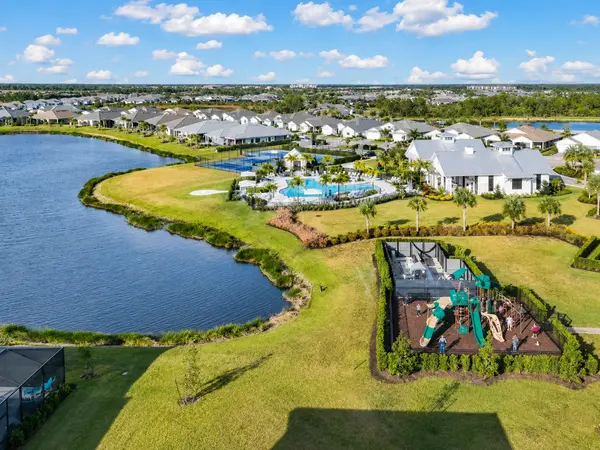
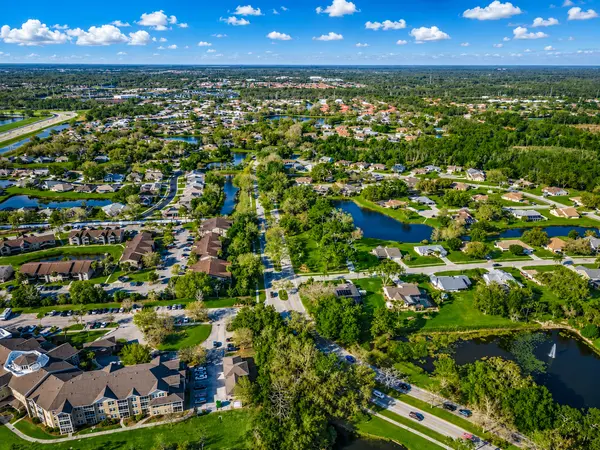
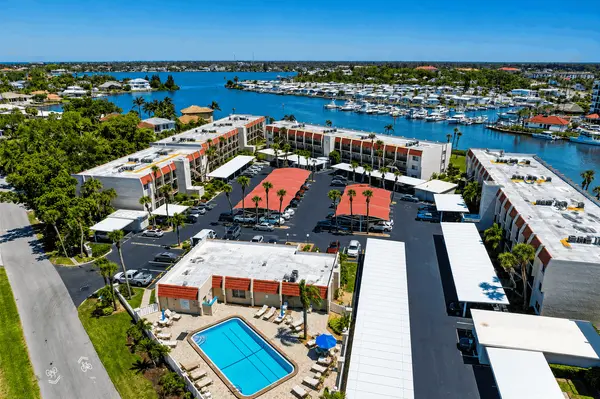
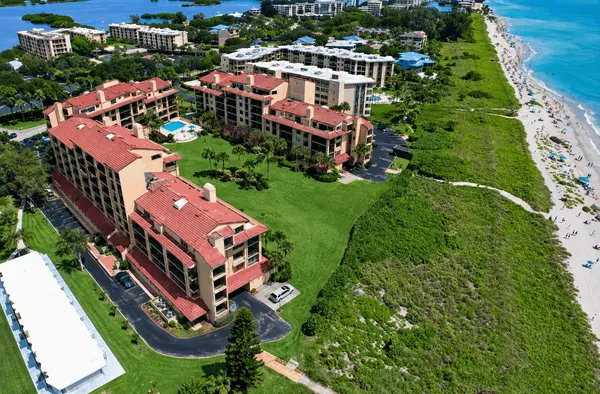
Where Should I Search for Homes for Sale in Florida?

The best way to search for homes for sale in Florida is to combine an MLS-connected property search with a local real estate professional who understands the specific market you are considering. Large real estate websites can be useful for browsing, but buyers should also search individual communities, compare nearby areas, investigate new-construction inventory and consider legitimate coming-soon or less-public opportunities when appropriate. Florida is a collection of very different local housing markets, so a statewide search is usually most useful for exploration. Once you know the region you prefer, narrowing the search by location, property type, ownership costs and lifestyle can produce much more useful results.
Buyers interested in Florida's Gulf Coast can start with the Hunt Brothers Realty Florida community directory, which includes locations ranging from Sarasota and Siesta Key to Venice, Nokomis, Lakewood Ranch, Bradenton, Ellenton, Englewood, North Port and other Gulf Coast markets.
Quick Answers About Searching for Florida Homes for Sale
What is the best place to search for Florida homes?
For serious buyers, an MLS-connected search combined with a knowledgeable local real estate professional is a strong starting point. Public real estate websites can help with initial browsing, while a professional search can be refined around the locations, property types and features that actually matter to you.
Should I search Zillow, Realtor.com and other large websites?
They can be useful research tools, particularly early in the process. However, buyers should not rely on one portal as the sole source of property information. Listing status, property details, fees and other information should be verified before making a purchasing decision.
Can a Realtor search homes that I cannot find myself?
Sometimes. A real estate professional can use MLS resources, refine searches around detailed criteria, monitor new activity and potentially investigate legitimate coming-soon, new-construction or off-market opportunities. No agent can guarantee access to hidden inventory.
Where should I search for new construction in Florida?
Search builder websites, master-planned community websites, available MLS inventory and local real estate resources. Not every future homesite, to-be-built option or inventory home will necessarily appear in the same place at the same time.
Should I search by city or neighborhood?
Start broadly if you are unfamiliar with Florida, then narrow the search to individual communities and neighborhoods. Two homes with similar prices in the same general region can have very different locations, association structures, flood considerations, amenities and ongoing ownership expenses.
Can I search for homes before they are publicly listed?
Sometimes. Legitimate coming-soon listings, agent relationships, direct outreach, builder inventory and seller-directed private marketing can occasionally identify opportunities before broad public exposure. Availability is never guaranteed, and seller instructions and applicable listing rules control access.
Should I search only by price?
No. Asking price is only one part of affordability. Property taxes, insurance, flood coverage, HOA or condominium fees, CDD assessments, maintenance and near-term repairs can materially change the cost of owning two similarly priced Florida homes.
1. Start With an MLS-Connected Florida Home Search
For buyers who are ready to move beyond casual browsing, an MLS-connected search is an important part of the process. Multiple listing services allow participating real estate professionals to cooperate and share listing information within their markets.
A real estate professional can use available listing resources to build a search around criteria such as:
- Price range
- City, neighborhood or ZIP code
- Single-family home, condominium, villa or townhouse
- Bedrooms and bathrooms
- Home size
- Lot characteristics
- Garage requirements
- Pool
- Waterfront characteristics
- Community or subdivision
- New construction
- Other available objective property characteristics
The advantage is not simply receiving more listings. It is reducing irrelevant results and focusing attention on properties that have a reasonable chance of matching your priorities.
2. Use Major Real Estate Websites for Broad Research
Large consumer real estate websites can be helpful when you are still trying to understand what different Florida markets look like. They make it easy to browse photographs, compare asking prices, look at maps and develop a basic sense of what your budget may buy in different areas.
Popular search platforms include Realtor.com, Zillow and Redfin.
Treat these sites as search and research tools rather than substitutes for property-specific verification. Before making an offer, verify important listing details, property status, association information and other material facts through appropriate current sources.
3. Search Florida by Community, Not Just by City
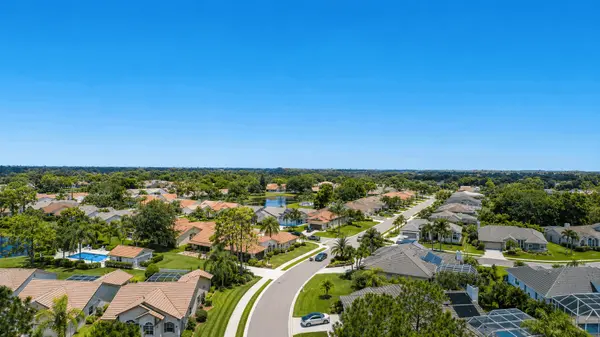
One of the biggest improvements you can make to a Florida home search is moving from city-level searching to community-level research.
Searching “Sarasota homes for sale” can produce a very broad collection of properties. A buyer might eventually discover that the real decision is between a downtown condominium, a home near the coast, an established neighborhood, a golf community or a newer master-planned development.
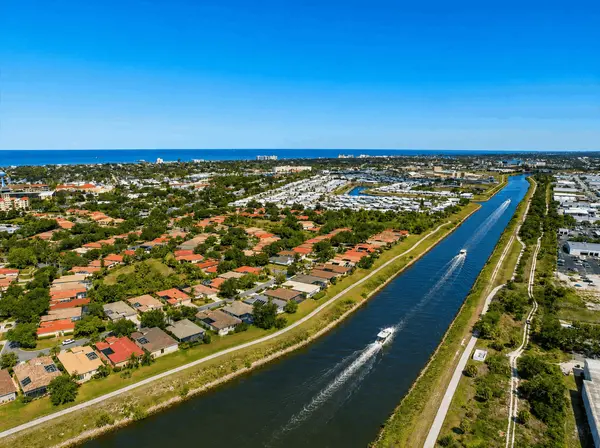
The same is true throughout the Gulf Coast. Buyers researching Venice, Bradenton, Lakewood Ranch, Nokomis, North Port, Englewood or Ellenton can encounter substantially different housing choices within the same general area.
Use the Hunt Brothers Realty Explore Communities directory to compare Florida Gulf Coast locations before narrowing your property search.
4. Search by Property Type
Florida offers property types that can create very different ownership experiences even when they are located only a few miles apart.
Your search might focus on:
- Detached single-family homes
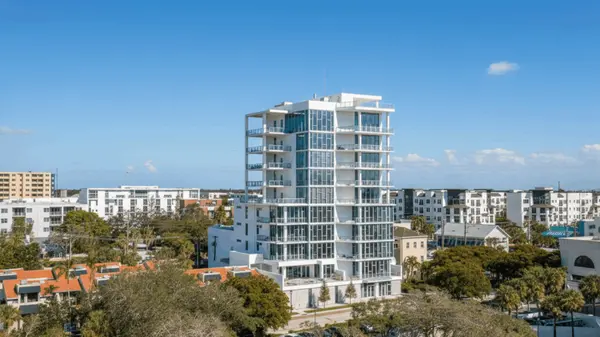
- Condominiums
- Attached villas
- Townhouses
- Golf-course properties
- Waterfront homes
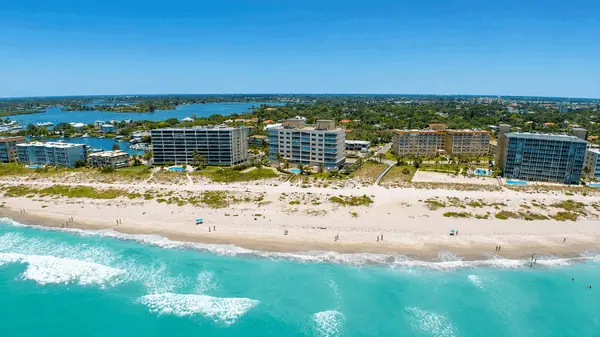
- Gulf-front condominiums
- New construction
- Homes in master-planned communities
- Homes without an association
Do not assume that property type alone tells you what maintenance, insurance, amenities or fees are included. Those details should be verified for the specific property and association.
5. Search for New Construction Separately
If you are interested in a newly built home, do not assume that one general property search will reveal every available option.
New-construction inventory can include completed quick move-in homes, homes already under construction, future homesites and to-be-built floor plans. Builders and master-planned communities may also release inventory in phases.
A comprehensive new-home search can therefore include:
- MLS-listed new homes
- Builder websites
- Master-planned community websites
- Builder sales centers
- Quick move-in inventory
- Future releases and homesites
- Resale homes inside newer communities
Before visiting a builder, read Should You Use a Real Estate Agent for New Construction in Florida? Builder policies can affect how and when a buyer's real estate professional must be registered, so buyers who want their own representation should investigate those requirements before the first sales-center visit.
6. Do Not Forget Resale Homes When Looking at New Communities
A community with active construction may also have owner resales available. Comparing both can be useful.
A resale property may already include features that cost extra from a builder, such as window treatments, landscaping, a pool, upgraded lighting or other improvements. A new home may offer different advantages, including newer systems, current floor plans and available builder warranties.
Neither is automatically the better choice. Compare the completed purchase price, location, condition, included features, community expenses, insurance and expected ownership costs.
For additional guidance, see What Should I Know Before Buying New Construction in Florida?
7. Ask a Local Real Estate Professional to Build a Targeted Search
A good property search is more than a price range and bedroom count. A real estate professional can help translate your priorities into search criteria and then adjust those criteria as you learn more about the market.
Useful search questions include:
- How much do I want to spend on the home?
- What total monthly ownership cost fits my budget?
- Which locations work for my daily needs?
- Do I prefer an established neighborhood or newer development?
- Do I want an HOA, condominium or non-association property?
- Are community amenities important?
- Do I want waterfront access, golf or another specific feature?
- How much renovation am I willing to consider?
- What are my non-negotiable property features?
- How quickly do I need to purchase?
The Hunt Brothers Realty guide to what a Florida buyer's agent actually does explains how property searching fits into the larger buying process.
8. Search for Coming-Soon and Less-Public Opportunities When Appropriate
Not every legitimate opportunity begins with a property appearing on a major consumer website.
Depending on seller instructions and applicable listing rules, a real estate professional may sometimes learn about future or less-public opportunities through coming-soon inventory, professional relationships, brokerage-level communication, direct owner outreach or builder relationships.
This should be treated as an additional search strategy, not a replacement for the active market. Buyers should be cautious of anyone promising a large secret inventory unavailable to everyone else.
9. Search County Property Records When Researching a Specific Home
Once a particular property becomes interesting, your search should move beyond listing websites. Florida county property appraiser websites can provide public property information that may help with research.
Depending on the county and property, public records may provide information involving parcel identification, ownership, assessed values, sales history, legal description and other property data.
Public records should not be treated as a substitute for a survey, title examination, inspection or legal review. Information should be verified through the appropriate qualified professional when it will affect a purchasing decision.
10. Use Official Sources to Research Flood Information
If flood considerations matter to your Florida home search, do not rely exclusively on a colored flood overlay displayed by a real estate portal.
Buyers can research federal flood mapping through the FEMA Flood Map Service Center. Local government resources may also provide relevant information.
Flood zones, actual flood exposure and insurance requirements are related but separate considerations. Property-specific flood insurance availability, coverage and premiums should be verified with a qualified insurance professional, and elevation, drainage or other technical concerns may require a surveyor, engineer or appropriate local authority.
11. Search HOA and Condominium Information Before Falling in Love With the Home
A Florida property search should include the ownership structure, not just the residence itself.
If a home is part of a homeowners association or condominium, investigate questions such as:
- What are the current fees?
- What do those fees cover?
- Are there current assessments?
- What maintenance belongs to the owner?
- What rental rules apply?
- What pet restrictions apply?
- What parking or vehicle rules apply?
- What insurance does the association maintain?
- Are significant projects being planned or discussed?
Current association documents and property-specific information should be reviewed before making decisions based on these issues. Legal questions involving ownership rights, restrictions or document interpretation should be directed to a qualified Florida real estate attorney.
12. Search by Total Ownership Cost, Not Just Asking Price
Two Florida homes listed at the same price can have very different ongoing costs.
Your comparison may need to include:
- Mortgage costs
- Property taxes
- Homeowners insurance
- Flood insurance when applicable
- HOA or condominium fees
- CDD assessments when applicable
- Club or membership expenses
- Pool and landscaping costs
- Maintenance
- Expected repairs or renovations
The Hunt Brothers Realty guide to the true cost of buying a home in Florida explains why the purchase price alone does not tell you whether a particular home fits your budget.
13. Do Not Let Automated Estimates Choose the Home for You
Online estimates and automated property data can be useful starting points, but Florida homes often have characteristics that deserve closer analysis.
A waterfront position, Gulf view, condominium floor, boat access, renovation quality, roof age, lot characteristics or association obligations can create meaningful differences between properties that appear similar in an automated search.
When a property becomes a serious candidate, compare relevant recent sales, current competition, condition and property-specific characteristics rather than relying on a single automated valuation.
14. Save Searches and Use Alerts
Once you know what you want, saved searches can reduce the amount of time spent repeatedly checking the same websites.
Consider creating separate searches for different scenarios. For example, you might have one search for single-family homes in an established neighborhood, another for villas in a master-planned community and another for condominiums closer to the Gulf.
This can make comparisons easier than combining every possible property into one enormous search result.
15. Search the Market Before You Travel to Florida
Out-of-state buyers do not need to wait until they arrive in Florida to begin narrowing the market. In fact, doing the research first can make a property-search trip considerably more focused.
Before traveling, compare:
- Several cities or communities
- Typical property types
- Current asking prices
- Association structures and typical fees
- New construction versus resale options
- Distance to the places you expect to use regularly
- Property-specific insurance and flood questions that will need investigation
Then use your visit to compare the locations and homes that survived the initial research rather than trying to understand an entire Florida region in a few days.
Where Should You Search on Florida’s Gulf Coast?
If Florida's Gulf Coast is your target, the right search area depends on the type of setting and property you want. Rather than declaring one community “best,” compare locations based on objective characteristics that matter to your household and intended use of the home.
Areas available to explore through Hunt Brothers Realty's Gulf Coast community directory include:
- Sarasota, with a range of urban, suburban, condominium and coastal options
- Siesta Key, for buyers researching barrier-island and coastal properties
- Longboat Key, with condominium, waterfront and coastal housing options
- Bradenton, with established neighborhoods and newer development across the broader area
- Lakewood Ranch, a large master-planned area with multiple villages and housing types
- Ellenton, with residential options in northern Manatee County
- Venice, with island, mainland, golf, condominium and newer-community choices
- Nokomis, offering a mix of coastal access, established neighborhoods and newer development
- Englewood, with coastal and mainland residential options
- North Port, with a broad inventory of residential neighborhoods and newer homes
This is where community research becomes more useful than endlessly scrolling through statewide listings. First decide which locations deserve attention, then compare the actual homes available within them.
What Is the Best Florida Home Search Strategy?
A practical search can follow this sequence:
- Establish a realistic purchase and ownership budget with the appropriate financial and lending professionals.
- Choose the Florida region you want to investigate.
- Compare individual cities and communities.
- Decide which property types fit your plans.
- Set up a targeted MLS-connected property search.
- Search new construction separately when relevant.
- Monitor new listings, price changes and returning inventory.
- Consider legitimate coming-soon or less-public opportunities when appropriate.
- Research promising properties beyond the listing description.
- Tour the strongest candidates and refine the search based on what you learn.
The process should become narrower as you learn. If your saved search continues returning hundreds of properties, your criteria may still be too broad to be genuinely useful.
A Florida Home Search Is More Than Finding a Listing
Finding a house online is easy. Determining whether it is the right property to investigate is the harder part.
Once a home catches your attention, look beyond photographs and asking price. Ask about listing history, comparable sales, disclosures, major systems, insurance considerations, flood information, association obligations, assessments, taxes and the property's likely total ownership cost.
A real estate professional can help organize that research within the scope of real estate brokerage services, while qualified inspectors, insurance professionals, lenders, attorneys, engineers, tax professionals, surveyors, title professionals and other specialists should address matters requiring their expertise.
Start Your Florida Home Search With Hunt Brothers Realty
If you are searching for a home on Florida's Gulf Coast, contact Hunt Brothers Realty to discuss your preferred locations, property types, budget and search criteria. You can begin by comparing locations in the Florida Gulf Coast community directory, visit the Florida Buyer Resource Center, or browse the Hunt Brothers Realty real estate blog for additional homebuying guides.
Informational notice: This article provides general real estate and educational information only and is not individualized legal, financial, tax, insurance, lending, inspection, engineering, title or other professional advice. Listing information, availability, association obligations, taxes, insurance, flood information, builder inventory and property characteristics can change and should be verified for the specific property. Buyers should obtain property-specific guidance from the appropriate qualified professionals before making a purchasing decision. Legal and contract questions should be reviewed with a qualified Florida real estate attorney, financing with a qualified lender, insurance with a qualified insurance professional, tax matters with a qualified tax professional or CPA, and property-condition concerns with the appropriate licensed inspector, contractor, engineer or other qualified professional.
Sources
- Florida Realtors, Find a Florida Realtor or Brokerage
- Federal Emergency Management Agency, Flood Map Service Center
- Hunt Brothers Realty, Explore Florida Communities
- Hunt Brothers Realty, What Does a Florida Buyer’s Agent Actually Do?
- Hunt Brothers Realty, What Should I Know Before Buying New Construction in Florida?
- Hunt Brothers Realty, Should You Use a Real Estate Agent for New Construction in Florida?
- Hunt Brothers Realty, The True Cost of Buying a Home in Florida
Contact Hunt Brothers Realty
46 N. Washington Blvd, Ste 3, Sarasota, FL 34236
Phone: (941) 388-7017
Email: info@huntbrothersrealty.com
Website: HuntBrothersRealty.com
Categories
- All Blogs 2132
- Anna Maria Island 86
- Bird Key 4
- Bradenton 236
- Buying a Home 1191
- Casey Key 2
- Clearwater 11
- Condos & HOA Living 1108
- Ellenton 6
- Englewood 11
- First Time Homebuyers 1300
- Foreclosures 5
- Home Selling 6
- Homeownership 1324
- Lakewood Ranch 25
- Lido Key 28
- Longboat Key 80
- Luxury/Waterfront Properties 1264
- Market Updates & Trends 785
- Mortgages & Financing 49
- Move-Up Buyers 22
- Neighborhood Guides 899
- New Construction 34
- Palmetto 3
- Parrish 6
- Port Charlotte 10
- Punta Gorda 17
- Real Estate Investing 1180
- Relocation to Florida 1220
- Safety Harbor 3
- Sarasota 81
- Sarasota - Downtown 163
- Selling a Home 146
- Siesta Key 91
- St. Petersburg 8
- Tierra Verde 5
- Vacation & Second Homes 1373
- Venice 205
- Wellen Park 20
Recent Posts