Should You Use a Real Estate Agent When Buying New Construction?

You can buy a new construction home directly from a builder, but working with your own real estate professional can provide another source of market information and transaction support. Depending on the brokerage relationship and written agreement, an agent working with you may help compare builders and communities, analyze prices, evaluate incentives, prepare an offer, monitor deadlines and coordinate inspections and closing. One important distinction is that the builder's sales representative works for the builder's side of the transaction, not automatically for you. If you want your own real estate representation, investigate the builder's registration policies before your first visit to the sales center.
Quick Answers About Using a Real Estate Agent for New Construction
Do You Have to Use a Real Estate Agent to Buy New Construction?
No. Buyers can purchase directly from a builder. The more useful question is whether you want a real estate professional working with you to help evaluate the property, market information and transaction within the scope of the applicable brokerage relationship.
Does the Builder's Sales Representative Represent the Buyer?
Buyers should not assume so. A builder's sales representative is there to market and sell the builder's homes. Before relying on any participant for representation, understand the person's role and the applicable brokerage relationship.
Can a Real Estate Agent Negotiate With a Builder?
A real estate professional can help identify and communicate potential negotiation points, subject to the buyer's instructions and the applicable brokerage relationship. With new construction, negotiations can involve more than price, including financing incentives, closing-cost contributions, completed inventory, upgrades, lot premiums and other transaction terms. What a builder is willing to negotiate varies by property and market conditions.
Can an Agent Help Compare Builder Incentives?
Yes, within the scope of real estate brokerage services. An agent can help organize and compare builder offers, but financing terms should also be reviewed with a qualified mortgage professional. A large incentive does not necessarily produce the lowest total purchase or financing cost.
Should You Have a New Construction Home Independently Inspected?
An independent inspection is worth considering even for a brand-new home. New construction can still have incomplete work, installation problems or other conditions requiring attention. Inspection rights and timing depend on the builder contract, and findings should be evaluated by the appropriate licensed inspector, contractor, engineer or other qualified professional.
When Should You Contact an Agent About New Construction?
If you want to work with a real estate professional, contact that person before registering online or making your first sales-center visit. Builder policies concerning outside agents, registration and compensation vary, and some builders establish procedures that apply from the buyer's first contact.
Why Is Buying From a Builder Different From Buying a Resale Home?
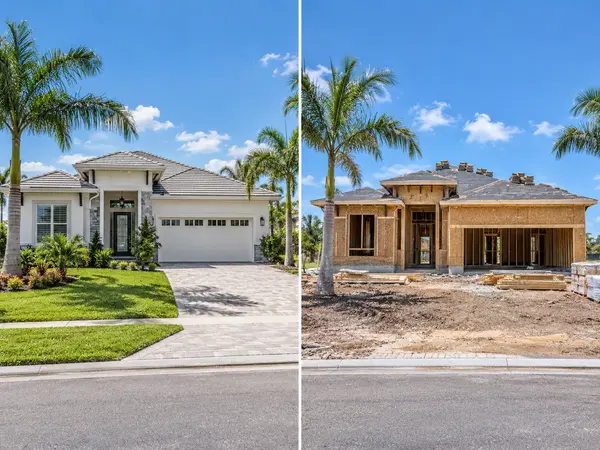
A new construction purchase can look simple when you walk through a professionally furnished model home. The actual transaction can involve decisions and documents that are different from those encountered with an existing home.
Depending on the builder and property, buyers may need to evaluate:
- Builder-specific purchase agreements
- Deposits and payment schedules
- Estimated construction and completion dates
- Design selections and upgrades
- Homesite or lot premiums
- Builder financing incentives
- Preferred lender programs
- Inspection procedures
- Warranty provisions
- HOA or condominium obligations
- Community Development District obligations when applicable
- Future development phases and surrounding construction
That does not make new construction inherently more complicated or less attractive. It simply means buyers should evaluate the transaction based on its actual terms rather than assuming that buying directly from the builder eliminates the need for due diligence.
1. An Agent Can Help You Compare Builders and Communities
A builder's sales center is designed to explain that builder's homes and community. A real estate professional working with a buyer can take a broader view by helping compare that community with other new construction and resale options.
Useful comparisons can include:
- Location
- Home and lot size
- Base price and actual configured price
- Included features
- Upgrade costs
- Community amenities
- HOA or condominium expenses
- CDD obligations when applicable
- Estimated completion timing
- Available completed inventory
- Resale alternatives nearby
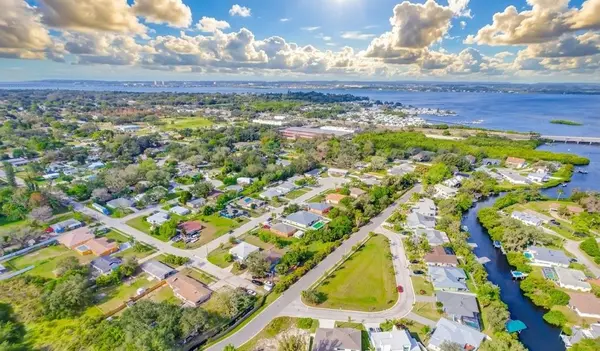
This broader comparison can be particularly useful in developing areas where several builders may be selling simultaneously. Buyers exploring homes and new construction in Parrish, Florida, for example, can encounter multiple master-planned communities with different amenities, fees, home styles and stages of development.
2. An Agent Can Help You Compare the Base Price With the Real Price
The advertised starting price may not be the price of the home you actually want. Model homes can contain optional finishes, structural changes, premium lots and design selections that are not included in a builder's base package.
A useful new construction comparison therefore starts with the actual configured home. Identify the base price, lot premium, structural options, design selections and other charges needed to produce the home you are considering.
A real estate professional can also help compare that total with available completed inventory and resale properties. Hunt Brothers Realty's guide to older Florida homes versus new construction explains why price, location, condition and ongoing ownership costs should be considered together.
3. An Agent Can Help Evaluate Builder Incentives
Builder incentives can involve closing-cost contributions, financing promotions, mortgage rate buydowns, design credits, upgrades or other concessions. They can be valuable, but the largest advertised incentive is not automatically the best financial option for every buyer.
A real estate professional can help you identify questions about the builder's offer and compare transaction scenarios. Financing questions should then be verified with a qualified mortgage professional.
Ask whether the incentive:
- Requires use of a preferred or affiliated lender
- Applies only to selected inventory homes
- Requires closing by a specified date
- Can be applied to closing costs
- Funds discount points or another financing arrangement
- Is a temporary or permanent financing benefit
- Can be exchanged for another concession
- Has restrictions that prevent the buyer from using its entire advertised value
For a deeper explanation, read Builder Incentives Explained: When Are They a Good Deal?
4. An Agent Can Provide Market Context for Negotiations
Negotiating with a builder can differ from negotiating with an individual resale seller. Builders may have reasons to preserve published pricing while offering value elsewhere in the transaction. Depending on the property and builder, potential negotiation areas can include incentives, closing costs, completed inventory, upgrades or other terms.
A real estate professional can help review available comparable sales, competing listings, inventory and market activity before you decide how to structure an offer. That does not guarantee that a builder will accept a requested term. It gives the buyer market information for making the decision.
Hunt Brothers Realty's guide to negotiating on a Florida home includes additional considerations for both resale and new construction purchases.
5. An Agent Can Help You Identify Questions in the Builder Contract
New construction builders may use their own purchase agreements rather than the contract form a buyer previously encountered in a resale transaction. Those agreements can address construction timing, deposits, financing, selections, changes, inspections, closing and warranties.
Depending on the brokerage relationship, a real estate professional can help coordinate the transaction, monitor deadlines and identify provisions that deserve questions. An agent should not replace an attorney for legal interpretation.
Before signing, buyers should understand provisions involving:
- Deposits
- Financing requirements
- Construction and completion dates
- Possible delays
- Changes to plans, materials or specifications
- Inspection rights
- Walkthrough procedures
- Warranty provisions
- Closing obligations
- Default and remedies
Questions about the legal meaning of a builder contract, cancellation rights, deposits, warranties or remedies should be reviewed with a qualified Florida real estate attorney before the buyer makes a decision.
6. An Agent Can Help Coordinate Independent Inspections
New does not mean that independent inspection is unnecessary. Construction involves many trades, components and installation stages, and problems can occur even in a newly completed home.
Depending on the builder contract, construction stage and access allowed, a buyer may investigate opportunities for a pre-drywall inspection, final independent inspection or other appropriate evaluation. An agent can help coordinate scheduling and communication, but the inspector or appropriate specialist should evaluate the actual property condition.
Hunt Brothers Realty's guide Should I Get a Home Inspection on a Brand-New House? explains why a certificate of occupancy, municipal inspections, builder warranty and independent buyer inspection serve different purposes.
7. An Agent Can Help You Investigate the Community, Not Just the House
The model home is only one part of a new construction purchase. Buyers should also understand the community they are buying into and how it may change as development continues.
Questions can include:
- What amenities exist today?
- Which amenities are planned rather than completed?
- How many future phases are anticipated?
- What may be built near the selected homesite?
- What are the current HOA fees?
- What do those fees cover?
- Are there CDD obligations?
- What restrictions apply to the property?
- How do nearby resale homes compare?
Buyers can use Hunt Brothers Realty's Florida Gulf Coast community guide to begin comparing Sarasota, Manatee and other Gulf Coast locations before narrowing the search to a particular development.
8. An Agent Can Help Keep the Transaction Organized Through Closing
A home that takes months to build can involve many more touchpoints than a short resale closing. Depending on the transaction, buyers may need to coordinate financing, selections, inspections, insurance, walkthroughs, title or closing requirements and a changing completion schedule.
A real estate professional can help monitor real estate transaction deadlines and communicate with the builder and other participants. The buyer still needs the appropriate specialists for matters outside brokerage expertise, including lending, insurance, inspection, engineering, title, tax and legal questions.
Does Using an Agent Mean You Will Pay More for the New Home?
Do not assume either that buyer representation is free or that using an agent automatically increases the builder's price. Real estate compensation and builder policies should be discussed directly and documented in the applicable written agreements.
A builder may offer compensation to a cooperating brokerage, but policies and amounts can vary by builder, community, property and time. The buyer should understand the compensation terms in the buyer's own written agreement and how any builder or seller offer of compensation affects the buyer's obligations.
Compensation provisions create contractual obligations. Buyers should ask their real estate professional to explain the brokerage compensation arrangement, and questions about the legal effect of an agreement should be reviewed with a qualified Florida real estate attorney.
Why Should You Contact an Agent Before Visiting the Builder?
This is one of the most practical issues for new construction buyers. Builders establish their own policies for registering outside real estate professionals. Depending on the builder, the buyer's real estate professional may need to be identified, registered or present at a particular stage of the buyer's first contact.
Those policies are not uniform. If you want to work with your own real estate professional, discuss representation first and verify the builder's current registration procedures before registering online, calling the builder or walking into the sales center.
What Does a Florida Buyer's Real Estate Professional Actually Do?
The phrase "buyer's agent" is often used casually, but Florida buyers should understand their actual brokerage relationship. Florida recognizes different brokerage relationships, and the duties involved are not identical.
Depending on the brokerage relationship and written agreement, a real estate professional working with a buyer may help define the property search, identify and compare homes, analyze market information, prepare offers, coordinate negotiations, monitor contract deadlines and facilitate communication through closing.
Hunt Brothers Realty's detailed guide to what a Florida buyer's agent actually does explains transaction brokerage, single agency and the practical role of a real estate professional throughout a Florida purchase.
What a Real Estate Agent Does Not Replace
Working with a real estate professional does not eliminate the need for specialized professional advice. A real estate license does not make an agent the buyer's attorney, mortgage lender, insurance agent, home inspector, structural engineer, tax professional, contractor, surveyor or title professional.
Depending on the property and transaction, buyers may need to consult:
- A mortgage professional for loan qualification, rates, buydowns and financing terms
- An insurance professional for property-specific coverage, premiums and deductibles
- A licensed inspector for independent evaluation of the home's condition
- An engineer or contractor when construction or structural findings require specialized evaluation
- A tax professional for individualized tax consequences
- A title or closing professional for applicable title and closing matters
- A Florida real estate attorney for legal rights, contract interpretation and other legal questions
Questions to Ask a Real Estate Agent Before Touring New Construction
If you decide to work with a real estate professional, understand the relationship before you begin visiting builders. Useful questions include:
- How will you work with me under Florida brokerage law?
- What written agreement will I be asked to sign?
- How does your compensation work?
- How familiar are you with new construction transactions?
- Can you help me compare several builders and resale homes?
- How will you help me evaluate builder incentives?
- How do you research comparable sales and competing inventory?
- How will you coordinate inspections and transaction deadlines?
- What should I do before registering with a builder?
- When should I involve an attorney, lender, insurance agent, inspector or another specialist?
The Bottom Line on Using an Agent for New Construction
A real estate agent is not required simply because you are buying new construction. The practical value of working with one is having a real estate professional help you compare the builder's offering with the broader market, evaluate transaction terms, identify questions, coordinate due diligence and manage the real estate process under the applicable brokerage relationship.
The key is understanding everyone's role. The builder's sales team works on the builder's side of the transaction. Your real estate professional's duties depend on your brokerage relationship and written agreement. Attorneys, lenders, insurance professionals, inspectors and other specialists remain important when a decision requires expertise outside real estate brokerage.
If you want your own real estate professional involved, make that decision before your first builder registration or sales-center visit and verify the builder's current outside-agent procedures.
Exploring New Construction on Florida's Gulf Coast?
Hunt Brothers Realty helps buyers compare new construction and resale opportunities across Sarasota and Florida's Gulf Coast. The goal is to look beyond the model home and evaluate the property, community, market information and transaction terms that matter to your purchase.
Start with Hunt Brothers Realty's Florida home buyer resources or explore Florida Gulf Coast communities before narrowing your search to a particular builder or development.
Important: This article provides general real estate information for educational purposes and is not individualized legal, financial, lending, tax, insurance, inspection, engineering, construction or title advice. Brokerage relationships, buyer agreements, compensation arrangements and builder contracts can create legal and financial obligations. Buyers should review financing with a qualified mortgage professional, insurance with a qualified insurance professional, property condition with appropriate inspectors or specialists, individualized tax matters with a qualified tax professional, and contract or legal questions with a qualified Florida real estate attorney before making a purchasing decision.
Sources
- Consumer Financial Protection Bureau, Find the Right Home
- Hunt Brothers Realty, What Does a Florida Buyer's Agent Actually Do?
- Hunt Brothers Realty, Builder Incentives Explained: When Are They a Good Deal?
- Hunt Brothers Realty, Should I Get a Home Inspection on a Brand-New House?
- Hunt Brothers Realty, Older Florida Home vs. New Construction
Hunt Brothers Realty
46 N. Washington Blvd, Ste 3, Sarasota, FL 34236
Phone: (941) 388-7017
Email: info@huntbrothersrealty.com
Website: HuntBrothersRealty.com
Categories
- All Blogs 1526
- Anna Maria Island 68
- Bird Key 3
- Bradenton 102
- Buying a Home 669
- Casey Key 2
- Clearwater 5
- Condos & HOA Living 575
- Ellenton 4
- Englewood 5
- First Time Homebuyers 748
- Foreclosures 3
- Homeownership 729
- Lakewood Ranch 15
- Lido Key 24
- Longboat Key 65
- Luxury/Waterfront Properties 666
- Market Updates & Trends 334
- Mortgages & Financing 33
- Move-Up Buyers 20
- Neighborhood Guides 486
- New Construction 26
- Palmetto 2
- Parrish 4
- Port Charlotte 7
- Punta Gorda 11
- Real Estate Investing 600
- Relocation to Florida 650
- Safety Harbor 2
- Sarasota - Downtown 133
- Selling a Home 136
- Siesta Key 87
- St. Petersburg 3
- Tierra Verde 4
- Vacation & Second Homes 782
- Venice 21
- Wellen Park 7
Recent Posts