Wind Mitigation Inspections in Florida: Can They Help Lower Home Insurance Costs?
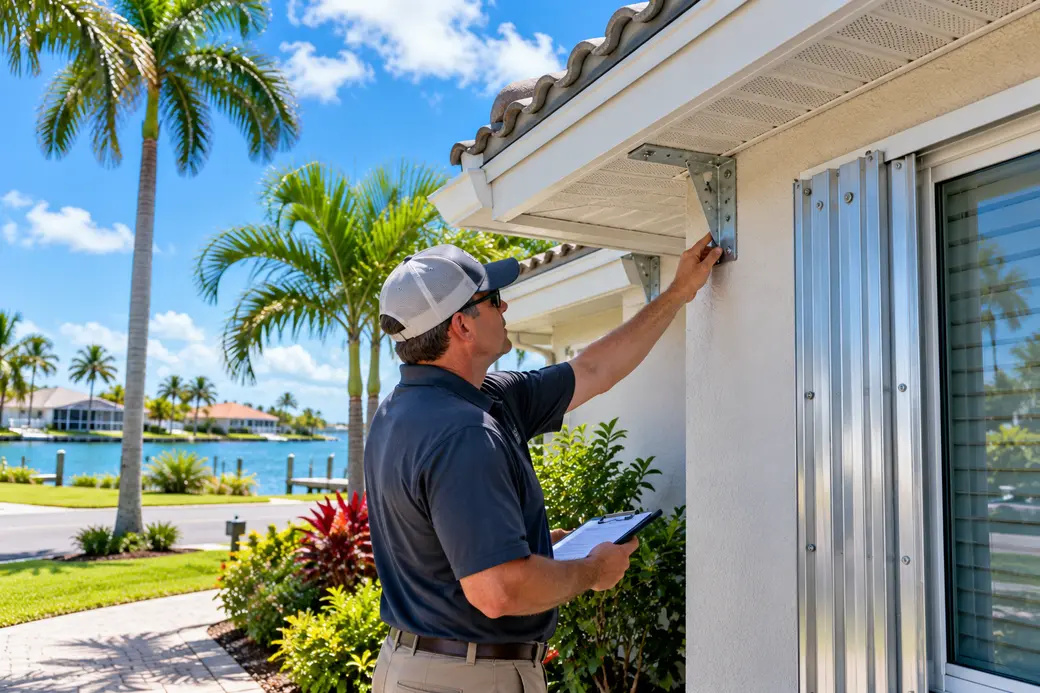
Yes, a wind mitigation inspection can help some Florida homeowners qualify for insurance discounts when the home has documented construction features designed to reduce windstorm damage. The inspection does not automatically lower every insurance premium, and it is not a pass-or-fail home inspection. Instead, an authorized inspector documents features such as the roof covering, roof-deck attachment, roof-to-wall connection, roof shape, secondary water resistance and protection of windows, doors and other openings. The insurer then determines which credits or discounts apply to the specific property and policy.
Quick Answers About Wind Mitigation Inspections in Florida
What is a wind mitigation inspection in Florida?
A wind mitigation inspection documents construction features that can help a home resist wind damage. For qualifying residential properties, Florida's Uniform Mitigation Verification Inspection Form, commonly known as OIR-B1-1802, is used to document eligible features for insurance purposes.
Can a wind mitigation inspection lower homeowners insurance?
It can. Florida law provides for insurance discounts, credits or other rate adjustments for qualifying windstorm mitigation features. The actual savings depend on the home's documented features, insurer, policy and applicable rating methodology, so buyers should obtain a property-specific quote rather than assume a particular percentage of savings.
What does a Florida wind mitigation inspector look at?
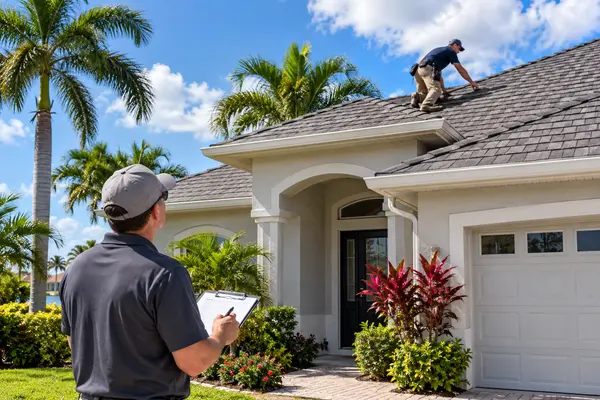
The inspection can document the home's construction, roof covering, roof-deck attachment, roof-to-wall attachment, roof geometry, secondary water resistance and opening protection. The inspector may need access to the attic and documentation such as permits, invoices and product approvals to verify certain features.
Do impact windows qualify for wind mitigation discounts?
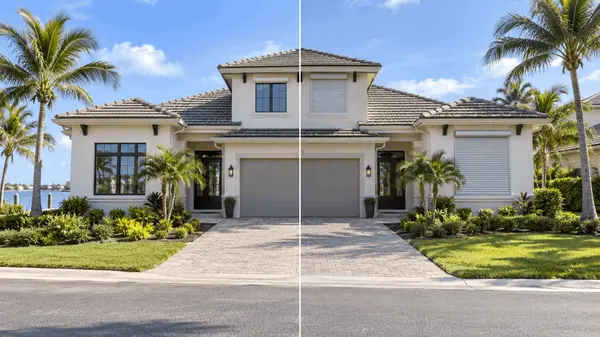
Qualifying impact-resistant windows or other approved opening protection may contribute to wind mitigation credits, but documentation and the protection of other applicable openings can matter. An insurer determines the credit based on the completed inspection and supporting documentation.
How long is a wind mitigation inspection good for?
Citizens Property Insurance Corporation states that wind mitigation inspection forms are usually valid for up to five years from the date of inspection. A new inspection may be appropriate sooner after structural changes, roof replacement or installation of additional mitigation features. Requirements should be confirmed with the specific insurer.
Is a wind mitigation inspection the same as a four-point inspection?
No. They serve different purposes. A wind mitigation inspection documents wind-resistant construction features that may qualify for insurance credits, while a four-point inspection generally provides information about the roof, electrical, plumbing and HVAC systems for insurance underwriting.
Should a Florida homebuyer get a wind mitigation inspection before closing?
It can be useful when obtaining insurance quotes because the inspection may document features relevant to the home's wind premium. Buyers should ask their insurance professional what inspections and documentation are needed for the specific property and obtain insurance information early enough to evaluate costs before applicable contract deadlines.
How Can a Wind Mitigation Inspection Reduce Florida Insurance Costs?
Florida law recognizes that certain construction features can reduce windstorm losses. Under Florida Statute 627.0629, residential property insurance rate filings must include actuarially reasonable discounts, credits, other rate differentials or appropriate deductible reductions for qualifying windstorm mitigation features.
The statute specifically identifies areas such as wind uplift prevention, roof strength, roof-covering performance, roof-to-wall strength, structural connections and protection of windows, doors and skylights.
A wind mitigation inspection provides documentation that an insurance company can use to determine which qualifying features are actually present. The inspector does not set the premium or promise a discount. The insurer evaluates the inspection and determines the applicable credits under its approved rating structure.
What Does a Florida Wind Mitigation Inspection Check?
A wind mitigation inspection focuses on specific features related to the home's ability to resist wind damage. It is considerably narrower than a complete home inspection.
According to Citizens Property Insurance Corporation's wind inspection guidance, an inspection can include the home's basic construction, roof shape and materials, roof connections, wall construction, exterior and garage doors, windows, skylights, storm shutters or panels and portions of the attic.
1. Building code and construction information
The inspection documents information about the home's construction that can be relevant to applicable wind-resistance standards. The home's age alone does not establish every mitigation feature, so documentation and physical verification can be important.
2. Roof covering
The inspector documents information about the roof covering and available evidence regarding its installation. Roofing permits, invoices and other records can help establish information that may not be apparent from visual inspection alone.
3. Roof-deck attachment
The way roof decking is attached to the supporting structure can affect resistance to wind uplift. Inspectors may need attic access to document the attachment adequately.
4. Roof-to-wall attachment
The inspection examines how the roof structure connects to the walls. Depending on the home's construction, connections can include nails, clips, straps or other attachment systems. The inspector documents what is actually present rather than assuming a connection type from the home's age.
5. Roof geometry
Roof shape can affect how a structure responds to wind. The inspection documents the roof geometry so the insurer can determine whether an applicable mitigation credit is available.
6. Secondary water resistance
Certain qualifying secondary water-resistance features can help reduce water intrusion if a roof covering is damaged. Documentation and attic access may be needed to establish whether a qualifying feature is present.
7. Opening protection
The inspection can document qualifying protection for windows, exterior doors, garage doors, skylights and other applicable openings. Impact-resistant products, shutters and removable panels may be relevant, but the insurer determines whether the documented protection satisfies its requirements for a credit.
Do Impact Windows Automatically Produce the Maximum Discount?
Not necessarily. One of the common misunderstandings about wind mitigation is that replacing several windows with impact-resistant products automatically creates a particular insurance savings amount.
Opening protection can involve more than the windows. Exterior doors, garage doors, skylights and other openings may also be relevant to how the property is classified. Product documentation can matter as well.
Before installing impact windows, shutters or other improvements primarily to obtain an insurance discount, homeowners should ask their insurance professional how the proposed work could affect their specific policy and ask the contractor what documentation will be provided. Insurance savings should not be assumed before the insurer evaluates the qualifying features.
How Much Can a Wind Mitigation Inspection Save on Insurance?
There is no responsible single dollar amount or percentage that applies to every Florida home. Savings depend on which qualifying features are documented, the insurer's approved rating methodology, the policy, location and other underwriting factors.
Citizens explains that it reviews inspection results and applies appropriate mitigation discounts. Citizens also states that its wind mitigation discounts apply to the wind portion of the policy premium, rather than necessarily reducing every component of the total insurance bill.
For that reason, online claims such as "a wind mitigation inspection will save you a certain percentage" should be treated cautiously. A buyer or homeowner should submit the inspection through the insurance professional and compare the actual resulting premium.
Who Can Perform a Florida Wind Mitigation Inspection?
Florida law establishes requirements for who may perform inspections used for wind mitigation verification. Depending on the applicable requirements, authorized professionals can include appropriately qualified licensed home inspectors, building code inspectors, licensed contractors, professional engineers and professional architects.
Citizens publishes its current qualifications for authorized wind mitigation inspectors and notes that the professional's Florida license must be active and verifiable for an inspection form to be accepted under its requirements.
Before scheduling an inspection, buyers and homeowners should confirm that the inspector has the appropriate current Florida qualifications and that the intended insurer will accept the resulting form.
Why Does Attic Access Matter During a Wind Mitigation Inspection?
Some of the most important wind-resistant construction features are easiest to verify from inside the attic. Citizens states that attic access is required to verify certain mitigation features and that inaccessible attic areas can prevent eligibility for discounts involving roof-to-wall attachment, roof-deck attachment and secondary water resistance.
If you are buying a home, make sure the inspector can reach the appropriate attic areas when reasonably accessible. Stored belongings or other obstructions can make documentation more difficult.
What Documents Should You Give the Wind Mitigation Inspector?
Documentation can be important when a qualifying feature is not easily visible or does not have identifying information that can be confirmed during the inspection. Citizens identifies several examples of useful mitigation documentation:
- Roofing permits
- Work orders and invoices
- Receipts containing product specifications
- Product approval documentation
- Notice of Acceptance documentation for applicable mitigation products
- Information concerning installed shutters or storm panels
Homeowners who replace a roof or install new mitigation features should retain permits, invoices and product information. Citizens advises policyholders to provide documentation after mitigation improvements so the insurer can determine whether additional discounts apply.
How Long Is a Wind Mitigation Inspection Valid?
Citizens states that wind mitigation inspection forms are usually valid for up to five years from the inspection date. However, circumstances can make a new inspection appropriate before that period ends.
For example, Citizens identifies structural changes, roof replacement, installation of new wind mitigation features and certain insurance claims as situations that can result in the need for an updated form.
Because insurers can have specific documentation requirements, buyers and homeowners should verify whether an existing inspection is acceptable before relying on it for a new policy or renewal.
Is a Wind Mitigation Inspection the Same as a Home Inspection?
No. A wind mitigation inspection is designed to document specific wind-resistant construction characteristics. A general home inspection has a broader purpose and can evaluate many visible components and systems of a home.
A favorable wind mitigation report should therefore not be interpreted as evidence that the roof, electrical system, plumbing, HVAC equipment, foundation or other components are free from defects. Buyers should use the appropriate inspection for each purpose.
What Is the Difference Between a Wind Mitigation Inspection and a Four-Point Inspection?
The two inspections are often ordered around the same time, which can make them easy to confuse. Their purposes are different.
- Wind mitigation inspection: Documents qualifying wind-resistant construction features that may affect insurance credits or discounts.
- Four-point inspection: Provides information about four major areas of the home, typically the roof, electrical, plumbing and HVAC systems, for insurance underwriting purposes.
- General home inspection: Provides a broader inspection of the home's visible systems and components for the buyer's due diligence.
An insurance company may request one inspection, more than one, or additional documentation depending on the property and its underwriting requirements. Buyers should confirm the required inspections directly with their insurance professional.
Can a New Roof Improve Wind Mitigation Credits?
Potentially. A roof replacement can affect several characteristics documented in a wind mitigation inspection, depending on the work performed and applicable construction standards. A new roof can also create an opportunity to document features that were previously unknown or unavailable.
A new roof does not automatically guarantee every available wind mitigation credit. Roof-deck attachment, roof-to-wall connections, secondary water resistance, roof geometry and opening protection are separate considerations.
Roof age also raises separate insurance and property-condition questions. Buyers evaluating an older roof should investigate its condition, remaining useful life and insurance implications rather than relying only on a wind mitigation report.
Should Florida Homebuyers Get a Wind Mitigation Inspection Before Closing?
A wind mitigation inspection can be useful during the insurance-shopping process because it gives the insurance professional documented information about qualifying wind-resistant features. That can make the resulting quote more property-specific.
Timing matters. Buyers should avoid waiting until immediately before closing to investigate insurance. Roof condition, electrical systems, plumbing, wind mitigation, flood exposure and other property characteristics can affect insurance availability and cost.
When purchasing in Sarasota, Bradenton or another Gulf Coast community, ask the insurance professional what documentation is needed for the specific home and obtain property-specific quotes before applicable contractual deadlines. Insurance availability, coverage and premiums can vary substantially by property.
Can You Improve a Home's Wind Mitigation Results Later?
Potentially. Improvements such as qualifying opening protection, roofing work or other structural mitigation measures may change the features documented on a future inspection.
Citizens advises policyholders who improve mitigation features to notify their insurance agent and provide supporting documentation. A new wind mitigation inspection may be required before additional credits can be applied.
Before undertaking construction primarily for insurance savings, homeowners should discuss the proposed improvement with a qualified insurance professional and appropriately licensed contractor. The cost of an improvement, potential insurance credit, structural benefit and permitting requirements should all be evaluated for the individual property.
What Should You Ask About Wind Mitigation When Buying a Florida Home?
When evaluating a Florida property, useful questions include:
- Is there a current wind mitigation inspection?
- When was the inspection completed?
- Has the roof been replaced since the inspection?
- Are roofing permits and invoices available?
- Are windows and doors impact rated or otherwise protected?
- Are removable shutters or panels included with the property?
- Is product approval documentation available for mitigation improvements?
- Can the attic be accessed for inspection?
- Does the insurer require an updated inspection?
- What premium applies after the insurer reviews the documented mitigation features?
The seller's current insurance premium should not be treated as a quote for the buyer. Policy terms, discounts, insurer eligibility and premiums can differ, so the buyer should obtain independent property-specific insurance information.
What Is the Bottom Line on Florida Wind Mitigation Inspections?
A wind mitigation inspection can help document features that qualify a Florida home for insurance discounts or other applicable rate adjustments. It can also give a buyer useful information about how the home is constructed to resist wind.
What it cannot do is guarantee a particular premium reduction. The value of the inspection depends on the features actually present and how the applicable insurer treats those features. The most useful approach is to have the home properly inspected, provide complete supporting documentation and ask the insurance professional to calculate the actual premium for that property.
Buying a Home on Florida's Gulf Coast?
Wind mitigation is one part of evaluating the cost and condition of a Florida home. Roof age, homeowners insurance, flood exposure, inspections and storm-protection features can all become important during due diligence. Hunt Brothers Realty helps buyers evaluate the real estate considerations surrounding homes throughout Sarasota, Bradenton and Florida's Gulf Coast. You can explore Gulf Coast communities with Hunt Brothers Realty or learn more about Hunt Brothers Realty.
Informational note: This article provides general real estate and educational information and is not individualized insurance, inspection, engineering, construction, financial, lending, legal or other professional advice. Insurance availability, discounts, underwriting requirements, coverage and premiums vary by insurer and property. Buyers and homeowners should obtain property-specific quotes and guidance from a qualified insurance professional, use an appropriately qualified inspector for mitigation verification, and consult licensed contractors, engineers or other qualified professionals when evaluating or modifying a home's wind-resistant features.
Sources
- Florida Legislature, Florida Statute 627.0629, Residential Property Insurance Rate Filings
- Florida Legislature, Florida Statute 627.711, Hurricane Loss Mitigation Discounts and Uniform Inspection Form
- Citizens Property Insurance Corporation, Property Inspections
- Citizens Property Insurance Corporation, Your Wind Inspection
- Citizens Property Insurance Corporation, Authorized Wind Mitigation Inspectors
- Citizens Property Insurance Corporation, Wind Inspection Results
- Citizens Property Insurance Corporation, Updating Mitigation Features
Contact Hunt Brothers Realty
46 N. Washington Blvd, Ste 3, Sarasota, FL 34236
Phone: (941) 388-7017
Email: info@huntbrothersrealty.com
Website: HuntBrothersRealty.com
Categories
- All Blogs 1486
- Anna Maria Island 68
- Bird Key 3
- Bradenton 82
- Buying a Home 634
- Casey Key 2
- Clearwater 5
- Condos & HOA Living 537
- Ellenton 4
- Englewood 5
- First Time Homebuyers 709
- Foreclosures 3
- Homeownership 689
- Lakewood Ranch 15
- Lido Key 24
- Longboat Key 65
- Luxury/Waterfront Properties 626
- Market Updates & Trends 311
- Mortgages & Financing 31
- Move-Up Buyers 20
- Neighborhood Guides 462
- New Construction 24
- Palmetto 2
- Parrish 4
- Port Charlotte 7
- Punta Gorda 11
- Real Estate Investing 560
- Relocation to Florida 610
- Safety Harbor 2
- Sarasota - Downtown 128
- Selling a Home 136
- Siesta Key 87
- St. Petersburg 3
- Tierra Verde 4
- Vacation & Second Homes 744
- Venice 21
- Wellen Park 7
Recent Posts