Can I Negotiate Repairs After a Home Inspection?
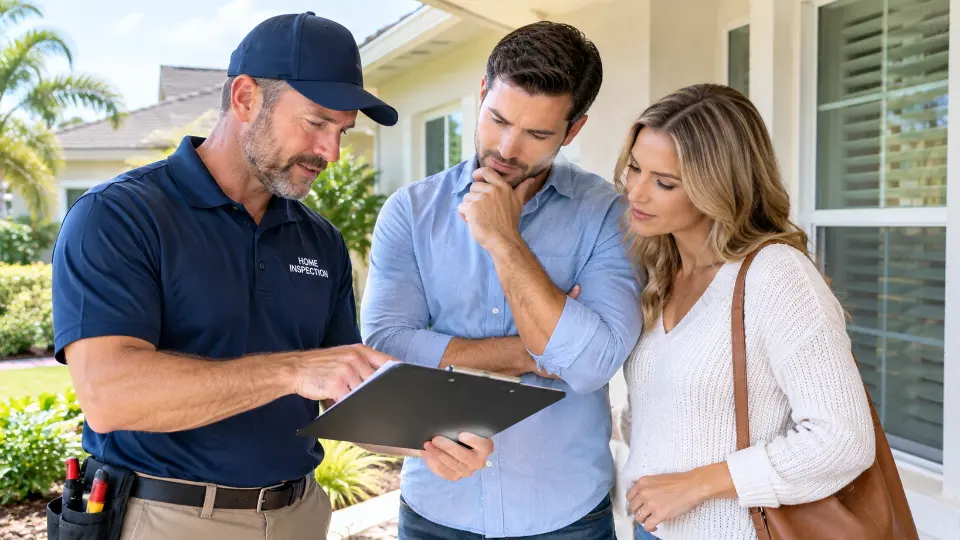
Yes, buyers can often request repairs or another resolution after a home inspection, but the seller does not automatically have to agree to every request. What a buyer can request, whether the seller has an obligation to make particular repairs, and what options the buyer has if the parties cannot agree depend on the signed purchase contract and its inspection provisions. Buyers commonly focus negotiations on significant defects, safety concerns, systems near failure and expensive problems rather than treating the inspection report as a list of items the seller must fix.
A home inspection is primarily a due-diligence tool. It helps buyers understand the condition of the property before proceeding under the terms of their contract. The inspection may lead to a repair request, a request for a credit or another proposed contract modification, but the appropriate response depends on the property, the findings and the agreement the buyer already signed.
Quick Answers About Negotiating Repairs After a Home Inspection
Can a Buyer Ask the Seller to Make Repairs After an Inspection?
A buyer may be able to request repairs after an inspection, depending on the purchase contract. Whether the seller is obligated to make a repair is a separate question governed by the contract and circumstances. Buyers should review their specific inspection provisions and deadlines with their real estate professional.
Does the Seller Have to Fix Everything in the Inspection Report?
No. A home inspection report is not automatically a mandatory repair list for the seller. The seller's obligations depend on the contract, while additional repair requests may be negotiated between the parties.
What Repairs Are Worth Negotiating After an Inspection?
Buyers often give priority to significant issues involving the roof, electrical system, plumbing, HVAC equipment, structural components, water intrusion or other expensive defects. Cosmetic imperfections and minor maintenance items may be less important unless they were material to the buyer's decision or indicate a larger problem.
Can I Ask for a Credit Instead of Repairs?
A buyer can propose a credit or other financial adjustment instead of asking the seller to complete certain repairs, subject to seller agreement, contract terms and any financing limitations. Buyers using a mortgage should confirm allowable credits and their effect on the transaction with their lender before relying on this approach.
Can I Ask for a Lower Price After the Inspection?
A buyer can propose a price change when inspection findings reveal significant issues, but the seller does not automatically have to accept it. A price reduction also affects the transaction differently from a closing credit or completed repair, so buyers should discuss financing implications with their lender.
Can I Cancel the Contract Because of the Inspection?
Possibly, but cancellation rights depend entirely on the signed contract, the inspection provision selected, required notices and applicable deadlines. Buyers should not assume they can cancel based simply on receiving an unfavorable inspection report. Questions about termination rights and deposit consequences should be reviewed with a qualified Florida real estate attorney when legal guidance is needed.
What Happens if the Seller Refuses My Repair Request?
The buyer's options depend on the contract. Depending on the agreement and timing, the buyer may decide to proceed, continue negotiating, exercise an available contractual right, or take another action permitted by the contract. A seller's refusal does not create the same options in every transaction.
What Is the Purpose of a Home Inspection?
A home inspection gives the buyer information about the property's observable condition. The National Association of REALTORS® describes an inspection as an examination of the property's condition that can identify potential concerns before closing.
The inspection is not a guarantee that every defect will be discovered, and it is not the same as an appraisal. An appraisal generally addresses value for lending purposes, while an inspection focuses on property condition within the scope of the inspection.
When an inspector identifies something outside the inspector's expertise or scope, further evaluation may be appropriate. For example, a suspected structural problem may warrant review by a qualified structural engineer, while an HVAC issue may require evaluation by a licensed HVAC contractor.
The Contract Determines Your Inspection Rights
This is the most important point for Florida buyers. There is no universal rule that every buyer receives the same repair-negotiation rights after an inspection. The signed contract controls.
Florida residential transactions can use different contract forms and inspection provisions. Even when two buyers use the same basic form, the completed terms, deadlines and negotiated provisions can differ. Buyers should therefore avoid relying on what happened in a friend's transaction or on generic advice about what a seller "has to fix."
Your real estate professional can help you track contractual deadlines and understand the practical transaction process. When you need an interpretation of contractual rights, obligations, notices, remedies or termination provisions, consult a qualified Florida real estate attorney.
What Should You Negotiate After a Home Inspection?
A lengthy inspection report does not necessarily mean a house is in poor condition. Inspectors frequently document many observations, including maintenance items and relatively minor defects. The more useful question is which findings could materially affect the property's condition, cost of ownership, safety or your willingness to purchase it.
Depending on the home, higher-priority findings might involve:
- Roof condition or active leaks
- Electrical defects
- Plumbing leaks or significant plumbing concerns
- HVAC equipment that is not functioning properly
- Structural concerns
- Water intrusion or moisture problems
- Drainage concerns
- Major appliance or system defects when relevant to the transaction
- Pool or equipment problems on properties with pools
- Other significant defects identified during professional inspection
Inspection findings should be evaluated by the appropriate qualified professional before a buyer makes decisions based on the expected scope or cost of repairs. A home inspector can identify and document concerns within the inspection's scope, while specialized contractors, engineers or other professionals may be needed to determine the appropriate corrective work.
Should You Ask the Seller to Repair Everything?
Usually, treating every line of an inspection report as a negotiation item is not the most focused approach. Homes, particularly resale homes, commonly have maintenance items and imperfections.
A more practical strategy is to separate significant concerns from routine maintenance and cosmetic preferences. For example, an active plumbing leak has different implications from a scratched cabinet door. A roof problem that requires professional evaluation deserves different attention from a loose interior doorknob.
That does not mean a buyer must ignore smaller defects. It means repair negotiations are generally more effective when priorities are clear and tied to the buyer's actual concerns about the property.
Four Common Ways Inspection Issues May Be Resolved
When the contract permits negotiation and the parties are willing to negotiate, inspection issues can potentially be addressed in several ways. The right approach depends on the repair, financing and what both parties are willing to accept.
1. The Seller Completes an Agreed Repair
The parties may agree that the seller will have specified work completed before closing. If this approach is used, the written agreement should clearly identify what has been agreed upon. Buyers should also understand who will perform the work and what documentation, permits, receipts or follow-up evaluation may be appropriate.
2. The Buyer Requests a Closing Credit
Instead of asking the seller to perform work, the buyer may propose a seller credit toward allowable closing costs or other permitted expenses. This can give the buyer more control over work performed after closing.
Seller credits are subject to the contract, lender requirements and loan-program limitations. Buyers should verify with their mortgage lender how much credit is permitted and how it can be applied before negotiating this solution.
3. The Parties Negotiate the Purchase Price
The parties may agree to change the purchase price after significant inspection findings. A lower price, however, does not necessarily provide the buyer with the same immediate cash benefit as a credit at closing. Buyers using financing should discuss the practical effect of a price adjustment with their lender.
4. The Buyer Accepts the Property Without a New Concession
A buyer may decide that the findings do not justify further negotiation or that accepting responsibility for particular work is preferable to risking the transaction. That decision should be made with an informed understanding of the property's condition and the buyer's anticipated costs.
Is a Repair Credit Better Than Having the Seller Make the Repair?
Sometimes, but not always. A credit can allow buyers to select their own contractor and control the work after closing. It can also avoid disagreements about whether a seller-completed repair meets the buyer's expectations.
On the other hand, certain defects may need to be addressed before closing because of lender, insurance, appraisal, safety or other transaction requirements. The buyer may also need funds immediately after closing if the repair is urgent, and a negotiated credit may not necessarily equal the eventual cost of the work.
Before choosing between repairs and credits, buyers should discuss financing restrictions with their lender, insurance implications with a qualified insurance professional when relevant, and repair scope and pricing with appropriate contractors or specialists.
Get Specialist Opinions for Major Inspection Findings
A general home inspection may identify a condition that needs further investigation without determining the full cause, repair method or cost. When the issue is significant, specialist evaluation can improve the information available for the buyer's decision.
Depending on the finding, appropriate professionals might include:
- Licensed roofing contractor
- Licensed electrician
- Licensed plumber
- HVAC contractor
- Structural engineer
- Pool professional
- Pest or wood-destroying-organism professional
- Other qualified tradespeople appropriate to the condition
For example, if an inspector observes evidence of structural movement, a contractor's rough guess may not answer the same questions as an engineer's evaluation. Similarly, an inspector identifying an aging roof does not necessarily establish the roof's remaining service life, insurability or exact replacement cost.
Why Inspection Deadlines Matter
Inspection periods are time-sensitive. Buyers should know when their inspection period begins, when it expires, what inspections or evaluations they want completed and what notices or actions their contract may require.
Waiting until the end of the inspection period to schedule specialized evaluations can create practical problems. If a general inspection identifies a roof, structural, plumbing or electrical concern, the buyer may need time to arrange a specialist's visit and obtain enough information to make a decision.
Contract deadlines and notice requirements can affect legal rights. Buyers should coordinate timing with their real estate professional and seek qualified legal advice when they have questions about the interpretation or consequences of a deadline.
What if the Seller Says the Home Is Being Sold As Is?
The phrase "as is" should not be interpreted without reviewing the actual contract. An as-is transaction does not mean a buyer should skip due diligence, and it does not by itself explain every right or obligation the parties have during the inspection period.
A buyer may still choose to propose repairs, credits or another modification after learning new information, but whether the seller is required to agree is a different matter. The buyer's contractual options if the seller declines depend on the signed agreement.
Because "as is" has legal significance in the context of a purchase contract, buyers who need interpretation of their rights or obligations should consult a qualified Florida real estate attorney rather than relying on the phrase's everyday meaning.
Can Inspection Findings Affect Homeowners Insurance?
They can. In Florida, certain property characteristics and conditions may be relevant to insurance underwriting. A roof's age and condition, electrical systems, plumbing, HVAC equipment and other property characteristics can affect an insurer's evaluation of a home.
Insurance requirements and underwriting decisions vary by carrier and property. Buyers should obtain property-specific insurance quotes and discuss inspection findings that could affect coverage with a qualified insurance professional before making a purchasing decision.
This is particularly important when an inspection reveals an older roof or major system that the buyer assumes can simply be repaired after closing. A lender may require acceptable insurance coverage before the transaction can close, so insurance questions should be investigated promptly.
What if the Inspection Finds an Expensive Problem?
First, determine what the problem actually is. An inspection observation and a confirmed repair scope are not always the same thing. Obtain appropriate specialist evaluation when necessary and, when feasible, reliable information about the likely work involved.
Then evaluate the issue in the context of the entire purchase. Relevant questions include:
- How significant is the defect?
- Does it require immediate work?
- What does an appropriate specialist recommend?
- Could it affect financing or insurance?
- What resolution, if any, is the seller willing to consider?
- What rights and deadlines does the contract provide?
- Would you still want the property if you ultimately became responsible for the work?
Those questions are generally more useful than deciding that every expensive finding should automatically end the transaction or automatically become the seller's responsibility.
Should You Renegotiate Over an Old Roof or HVAC System?
Age alone does not necessarily establish that a system is defective. A component can be older and functioning, while a newer component can still have problems. The inspection, specialist findings, insurance considerations and what was known when the offer was made all provide relevant context.
For example, if a roof's approximate age was apparent before the offer and the price reflected that condition, a seller may view a later request differently from a request based on newly discovered active leakage or damage. Buyers should focus on documented conditions rather than assuming that age alone determines who should pay for replacement.
Should You Get Repair Estimates Before Negotiating?
Reliable estimates can make a repair discussion more informed, particularly for significant defects. A request supported by a professional evaluation and realistic scope of work provides better information than an amount chosen without knowing what the repair requires.
The practical challenge is time. Inspection periods can be short, and contractors may not always be available immediately. Buyers should prioritize the issues that could materially affect their decision and arrange specialist evaluations as quickly as possible.
What Happens After the Seller Agrees to Repairs?
Any negotiated change should be properly documented as part of the transaction. Buyers should not rely solely on an informal conversation or assumption that a repair will be completed.
Before closing, buyers may also have an opportunity under their contract to conduct a final walkthrough. The purpose and rights associated with a walkthrough depend on the contract, but practically it can allow the buyer to observe the property's condition and whether agreed work appears to have been completed.
For important repairs, buyers may want documentation from the contractor and, where appropriate, a follow-up evaluation by the inspector or relevant specialist. Permitting requirements should be verified with the applicable local government or permitting authority when the work requires permits.
Frequently Asked Questions About Home Inspection Negotiations
Can I Negotiate After the Inspection if I Already Negotiated the Purchase Price?
Potentially. Inspection negotiations concern information discovered or evaluated during due diligence, but the buyer's actual rights depend on the signed contract. A previously negotiated purchase price does not by itself answer what either party must do after inspection.
Can the Seller Say No to All Repairs?
That depends on the contract. A seller may be able to reject requests that are purely negotiable, while other contract provisions may create different obligations. Buyers should review the actual agreement rather than assuming every repair request is optional or mandatory.
Can I Ask for Both Repairs and a Credit?
A proposed resolution can potentially combine different approaches if the contract, seller and financing permit it. For example, the parties might agree that one urgent issue will be repaired before closing while another issue is addressed through an allowable credit. The terms should be clearly documented.
Should I Walk Away if the Inspection Is Bad?
A difficult inspection does not automatically mean a buyer should terminate a purchase. Determine the severity of the findings, obtain specialist evaluations when needed, understand potential costs and review the seller's response. Whether termination is available or appropriate depends on the contract and the buyer's individual circumstances.
Who Should Decide Whether a Repair Is Serious?
Technical questions should be evaluated by professionals qualified for the issue involved. A licensed home inspector may identify a concern, while a contractor, engineer, electrician, plumber, roofer or other specialist may be needed to determine its cause, severity and appropriate corrective work.
The Bottom Line on Negotiating Repairs After an Inspection
Yes, repair negotiations can be part of the home-buying process after an inspection. But the inspection report itself does not automatically require the seller to fix everything it identifies. The signed purchase contract determines the parties' rights and obligations.
Focus first on understanding the property's condition. Prioritize material findings, obtain specialist input when necessary, confirm financing and insurance implications, and then evaluate the available options within your contract. A repair, seller credit, price adjustment or decision to proceed without a new concession can each make sense in different circumstances.
Buying a Florida Home? Hunt Brothers Realty Can Help
Inspection results can change how a buyer evaluates a property, particularly when they uncover significant conditions that were not apparent before the offer. Hunt Brothers Realty can help buyers navigate the real estate side of the inspection process, coordinate transaction deadlines and evaluate potential negotiation strategies within the scope of real estate brokerage services. Buyers should rely on qualified inspectors and specialists for property-condition opinions and qualified attorneys for legal interpretation of their contracts.
Informational note: This article provides general real estate and educational information and is not individualized legal, financial, insurance, lending, inspection, engineering, construction or other professional advice. Inspection rights, repair obligations, cancellation rights, deposits and deadlines depend on the specific purchase contract and transaction. Buyers should review property conditions with qualified inspectors, contractors, engineers or other appropriate specialists, financing questions with their lender, insurance issues with a qualified insurance professional, and questions involving contractual rights or legal obligations with a qualified Florida real estate attorney.
Sources
- National Association of REALTORS®, Consumer Guide: Home Inspections
- National Association of REALTORS®, Home Inspection Repair Negotiations
- Florida Realtors, Understanding Home Inspections
- Florida Realtors, Florida Real Estate Contracts
- Hunt Brothers Realty
Hunt Brothers Realty
46 N. Washington Blvd, Ste 3, Sarasota, FL 34236
Phone: (941) 388-7017
Email: info@huntbrothersrealty.com
Website: HuntBrothersRealty.com
Categories
- All Blogs 2311
- Anna Maria Island 87
- Bird Key 4
- Bradenton 238
- Buying a Home 1359
- Casey Key 2
- Clearwater 14
- Condos & HOA Living 1279
- Ellenton 6
- Englewood 12
- First Time Homebuyers 1471
- Foreclosures 5
- Home Selling 7
- Homeownership 1500
- Lakewood Ranch 25
- Lido Key 28
- Longboat Key 80
- Luxury/Waterfront Properties 1441
- Market Updates & Trends 953
- Mortgages & Financing 69
- Move-Up Buyers 25
- Neighborhood Guides 1073
- New Construction 39
- Palmetto 4
- Parrish 6
- Port Charlotte 12
- Punta Gorda 95
- Real Estate Investing 1356
- Relocation to Florida 1391
- Safety Harbor 4
- Sarasota 96
- Sarasota - Downtown 165
- Selling a Home 146
- Siesta Key 92
- St. Petersburg 8
- Tierra Verde 5
- Vacation & Second Homes 1550
- Venice 211
- Wellen Park 20
Recent Posts