Downtown St. Petersburg Condos: What Buyers Should Know
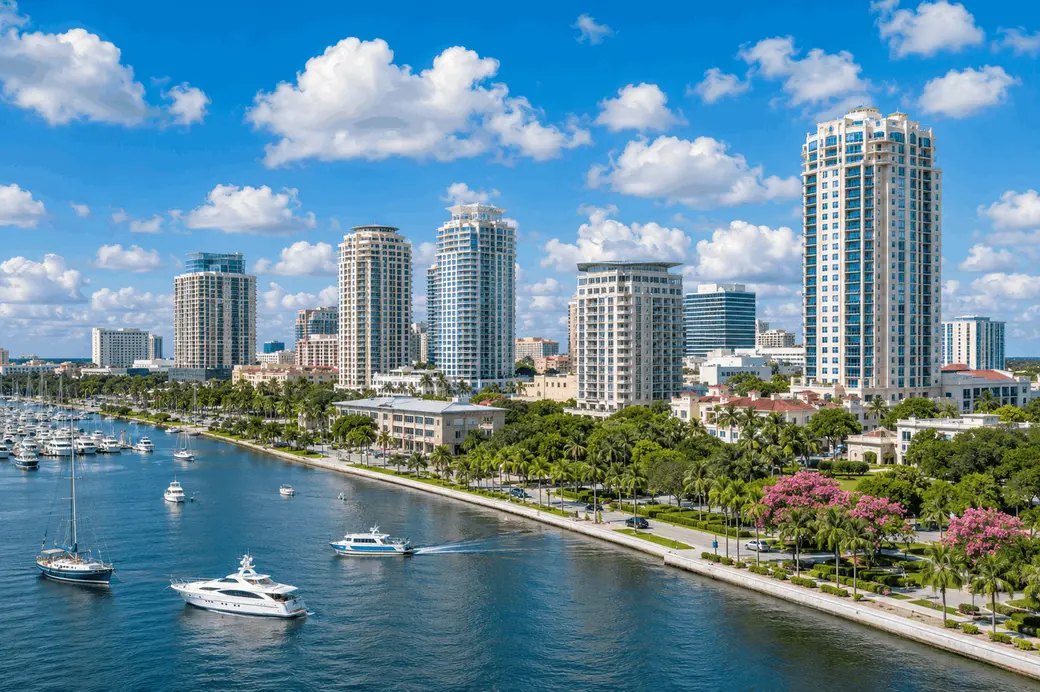
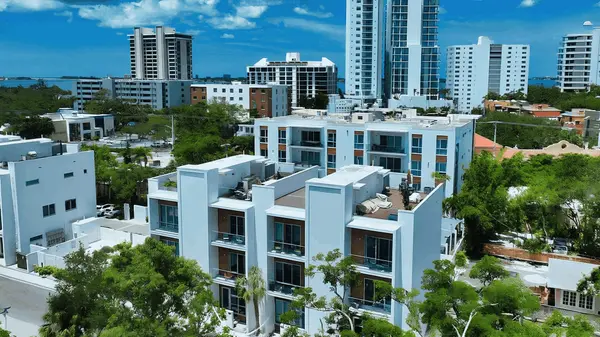
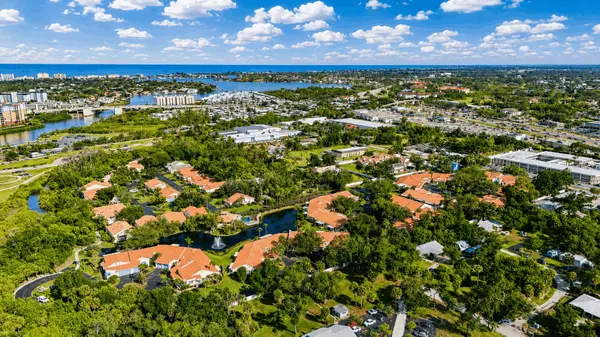
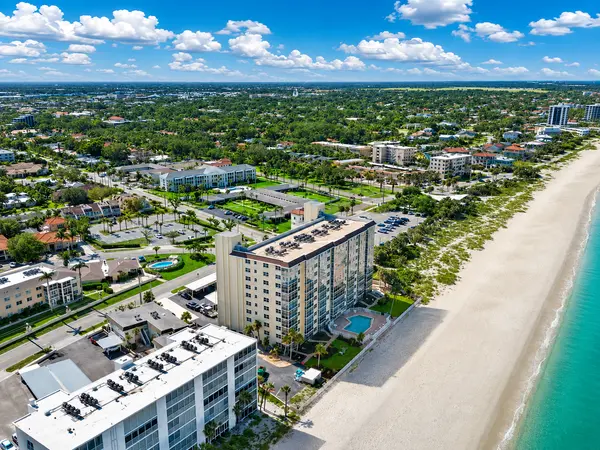
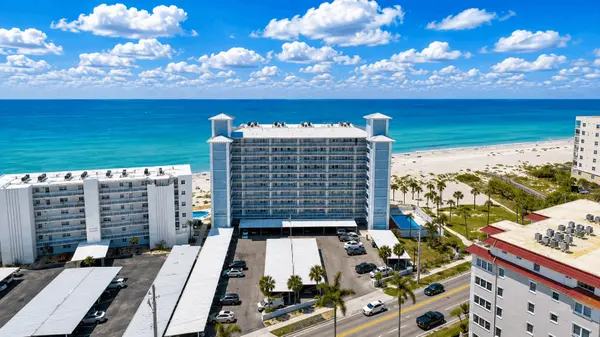
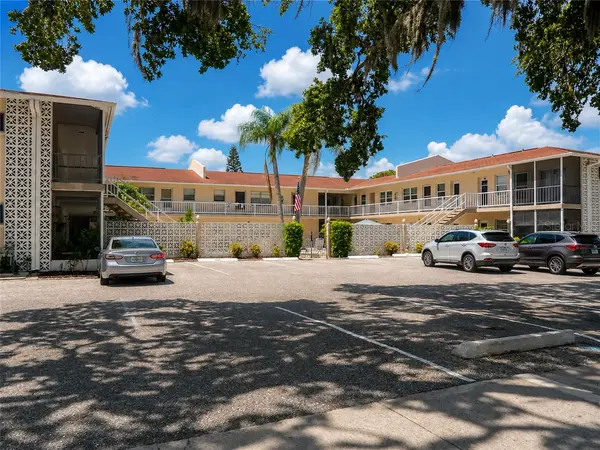
Downtown St. Petersburg offers one of Florida's most varied urban condominium markets, with newer luxury towers, established waterfront buildings, boutique residences and condos near Central Avenue, Beach Drive and the Tampa Bay waterfront. Buyers can prioritize walkability, water or skyline views, amenities, newer construction or proximity to restaurants, museums and parks. The most important lesson, however, is that buying a downtown condo means evaluating both the residence and its association. Fees, reserves, insurance, assessments, structural documentation, parking, pet policies and leasing restrictions can differ significantly from one building to another.
Quick Answers About Downtown St. Petersburg Condos
What types of condos can buyers find in Downtown St. Petersburg?
Downtown St. Petersburg includes newer luxury towers, established high-rises, waterfront residences and smaller condominium buildings. Buildings such as Saltaire, 400 Central, Art House, ONE St. Petersburg, Ovation, Parkshore Plaza, Vinoy Place, Signature Place and others illustrate how widely the downtown condominium experience can vary.
Are all Downtown St. Pete condos waterfront?
No. Downtown includes buildings near the Tampa Bay waterfront as well as towers farther inland around Central Avenue and surrounding streets. Even within the same building, views can differ dramatically according to floor, orientation and neighboring development.
What should buyers know about Florida condo reserves?
Florida law establishes Structural Integrity Reserve Study requirements for applicable condominium buildings. Buyers should review the specific association's current SIRS, reserve funding, budget and planned capital projects when applicable, rather than assuming a newer or older building is adequately funded based solely on age.
Do older Downtown St. Petersburg condos require structural inspections?
Certain Florida condominium buildings are subject to milestone inspection requirements based on statutory criteria that include building height and age. Buyers considering an established downtown building should determine whether a milestone inspection applies and review available reports, repair recommendations and related association records with qualified professionals.
Is Downtown St. Petersburg walkable?
Many downtown condominium locations place restaurants, museums, waterfront parks, entertainment and businesses within a relatively compact urban area. Walkability still varies by building, so buyers should evaluate the routes and destinations that matter to their everyday routine rather than relying on a general downtown label.
Can you get from Downtown St. Petersburg to the beach without driving?
Yes. PSTA's SunRunner connects Downtown St. Petersburg with St. Pete Beach and serves downtown destinations including the waterfront area. Service and fares can change, so residents should check current PSTA schedules when planning a trip.
What is the biggest mistake a downtown condo buyer can make?
Focusing entirely on the residence while overlooking the association can create an incomplete picture of the purchase. Buyers should evaluate the building's finances, insurance, reserves, assessments, physical condition, rules and major projects alongside the unit's price, floor plan, condition and view.
Why Are Buyers Drawn to Downtown St. Petersburg?
Downtown St. Petersburg combines urban living with a waterfront environment. Rather than choosing between a conventional city center and access to the water, buyers can find condominium buildings within the broader downtown area that place both experiences relatively close together.
Beach Drive, Central Avenue, the St. Pete Pier, museums, restaurants, waterfront parks and entertainment destinations create multiple activity centers. A condominium's exact location determines which of those destinations are most convenient.
Transit adds another dimension. The SunRunner connects downtown with St. Pete Beach, and its downtown expansion provides closer access to the St. Pete Pier, Beach Drive and waterfront businesses. For some residents, that can reduce the need to drive for every trip outside downtown.
Downtown St. Pete Is Not One Condo Market
One of the first things buyers should understand is that "Downtown St. Petersburg condo" describes a location, not a standardized property type. Two residences separated by only a few blocks can offer very different ownership experiences.
A newer luxury tower may offer contemporary architecture, extensive amenities, modern mechanical systems and recently established association finances. An older building may provide larger floor plans, a mature association history, a different location or a purchase price that compares favorably with newer construction.
Boutique buildings introduce another option, potentially offering fewer residences and a different degree of privacy or shared amenities. Buyers therefore benefit from comparing buildings first and individual residences second.
Which Downtown St. Petersburg Condo Buildings Should Buyers Know?
The downtown skyline includes a mix of recently completed luxury towers and established condominium addresses. Buildings commonly encountered in a downtown search include:
- 400 Central
- Art House
- Saltaire
- ONE St. Petersburg
- The Nolen
- One Vinoy
- Ovation
- Parkshore Plaza
- Vinoy Place
- Signature Place
- Bliss
- The Beacon
This is not an exhaustive list, and the buildings should not be treated as interchangeable. They differ in age, architecture, floor plans, views, amenity packages, association fees, parking, storage, pet policies, leasing rules and current inventory.
Newer Luxury Towers vs. Established Condo Buildings
Downtown St. Petersburg's recent development creates an important decision for buyers, newer construction or an established building.
What can newer construction offer?
Newer towers can offer contemporary floor plans, expansive glass, newer building systems, current design standards and extensive amenity environments. Buildings such as Saltaire, 400 Central and Art House illustrate the newer generation of Downtown St. Petersburg condominium development.
Newer does not mean buyers can skip due diligence. Association budgets, reserve funding, insurance, construction warranties, developer turnover, operating history and future maintenance expenses still deserve careful review.
What can an established building offer?
Established buildings can provide a longer history of association operations, maintenance expenses, completed capital projects and resale transactions. Buildings such as Parkshore Plaza, Vinoy Place, Ovation and other established downtown properties also occupy locations that buyers may find difficult to duplicate in newer development.
The tradeoff is that older buildings may have more extensive maintenance histories and upcoming capital needs. The useful comparison is therefore not simply new versus old, but the condition and financial position of each individual association.
How Much Do Downtown St. Petersburg Condos Cost?
There is no single useful price for a Downtown St. Petersburg condo because the market covers such a wide range of buildings and residences. Current 2026 market information shows individual luxury towers trading at substantially different price points and prices per square foot.
Within a single tower, price can change materially according to:
- Floor level
- Tampa Bay, city or partial-water views
- Orientation and exposure
- Interior square footage
- Floor plan
- Balcony or terrace configuration
- Interior condition and renovations
- Parking spaces
- Storage rights
- Building amenities and services
Current asking prices should also be distinguished from recent closed sales. Buyers comparing buildings should review recent comparable transactions, active competition and price per square foot while accounting for differences in floor, view, condition and included property rights.
How Important Is the View?
Views can be one of the largest differentiators between residences in the same downtown tower. A high-floor residence facing Tampa Bay may have a very different outlook from a lower-floor unit facing surrounding buildings or the city skyline.
Buyers should evaluate the actual view from the residence rather than rely on a building's general description as a "waterfront" or "water-view" condominium. Floor, orientation, balcony placement and neighboring development all matter.
Future development deserves consideration as well. A current view is a physical fact, but whether that view will remain unchanged indefinitely can depend on nearby parcels, zoning, development rights and future projects. Buyers who consider a particular sightline essential should research nearby development conditions and consult the appropriate local planning or land-use professionals when necessary.
How Important Are Condo Fees?
Monthly condominium fees can be substantial in full-service downtown towers, but comparing the dollar amount alone can be misleading. A higher fee may support extensive amenities, staffing, insurance, reserves and building services, while a lower fee may cover a more limited package.
Buyers should ask what the assessment actually funds. Depending on the building, expenses may include combinations of:
- Building insurance
- Reserve contributions
- Exterior and common-area maintenance
- Pool and amenity maintenance
- Fitness facilities
- Concierge or front-desk staffing
- Security or controlled access
- Elevator maintenance
- Landscaping
- Utilities specified by the association
- Management
- Other common expenses
A lower monthly fee is not automatically financially preferable. The association's reserve position, insurance costs, deferred maintenance and anticipated capital projects should be considered alongside the regular assessment.
What Should Buyers Know About Florida's Condo Reserve Requirements?
Florida condominium laws have changed significantly in recent years, making reserve documentation particularly important when evaluating a downtown high-rise.
The Florida Department of Business and Professional Regulation explains that a Structural Integrity Reserve Study, commonly called a SIRS, identifies applicable reserve components, estimates their remaining useful life and anticipated replacement or deferred-maintenance costs, and provides a recommended funding schedule.
For residential condominium associations with buildings that meet current statutory criteria, SIRS requirements can materially affect association budgeting and reserve contributions. DBPR also explains that if a SIRS determines reserves are insufficient for anticipated structural expenses, an association may need additional funding measures to meet applicable requirements.
Buyers should obtain the current SIRS when applicable, understand the association's funding plan and review how that information relates to the current budget and any planned assessments. Florida condominium law is detailed and subject to change, so questions about a particular association's legal obligations should be reviewed with a qualified Florida real estate attorney or other appropriate professional.
Is a Milestone Inspection the Same as a Reserve Study?
No. Florida DBPR specifically identifies milestone inspections and Structural Integrity Reserve Studies as separate requirements.
A milestone inspection is a structural inspection of an aging building performed under applicable Florida law. It examines structural components to identify substantial structural deterioration and assess the building's general structural condition for continued use.
A SIRS addresses specified reserve components, anticipated repair or replacement costs and reserve funding. Although the two processes may sometimes be coordinated, buyers should not assume that receiving one document means the other requirement has been satisfied.
When a milestone inspection applies, buyers should review the report, any recommended repairs, the association's response, related engineering documentation and the funding plan for required work. Structural findings should be evaluated with a qualified Florida architect, structural engineer or other appropriate licensed professional.
Why Do Special Assessments Matter?
A special assessment can materially change the economics of a condominium purchase. Associations may use assessments to fund significant repairs, insurance-related costs, capital improvements or other expenses that are not fully covered by regular operating funds and reserves.
Buyers should investigate assessments that have already been approved as well as major projects being discussed. Recent board minutes, budgets, reserve studies, engineering reports and association notices can provide useful context.
Contract language can determine responsibility for assessments in a transaction. Questions about who is legally responsible for an existing or future assessment should be reviewed with the buyer's licensed real estate professional and, when legal interpretation is required, a qualified Florida real estate attorney.
What Should Buyers Know About Condo Insurance?
Insurance affects condominium ownership at two levels. The association maintains coverage applicable to the building and common property according to its policy and governing documents, while individual owners generally need appropriate coverage for their own interests and responsibilities.
Buyers should understand the association's current master policy, deductibles, exclusions and claims history when available. They should also determine what is and is not covered inside the individual residence and how the association's deductible could affect owners after a covered event.
Insurance availability, coverage and premiums can vary substantially by building and residence. Buyers should obtain property-specific quotes and review both association coverage and individual insurance needs with a qualified insurance professional before making a purchasing decision.
Does Floor Level Eliminate Flood Concerns?
A high-floor residence may place the living area well above ground level, but that does not make flood and storm exposure irrelevant. Condominium ownership includes a financial relationship with the entire building and its common property.
Ground-level mechanical systems, garages, elevators, landscaping, common areas and other building components can affect association expenses after a significant event. Buyers should therefore evaluate the building's flood information, insurance, emergency planning and physical configuration rather than focusing only on the elevation of the individual residence.
Flood risk and insurance requirements are property-specific. Buyers should verify current flood information and coverage requirements with the appropriate government, lending and insurance professionals.
Parking Can Be More Important Than Buyers Expect
Parking is easy to overlook when buyers are focused on a view or interior finishes, but it can materially affect everyday convenience and resale comparisons in an urban condominium.
Buyers should determine exactly what parking rights accompany the residence. Depending on the building and unit, parking may involve assigned spaces, deeded spaces, limited common elements, valet arrangements or another association-controlled structure.
A two-car household should not assume a two-bedroom or three-bedroom luxury condominium automatically includes two parking spaces. Guest parking, electric-vehicle charging, vehicle dimensions and overnight guest policies can also differ by building.
Storage Deserves the Same Verification
Storage can be particularly valuable when moving from a single-family home into a downtown condominium. Some residences include separate storage areas, while other buildings provide different arrangements or more limited space.
Buyers should verify whether storage is deeded, assigned, a limited common element or simply available under current association procedures. The location and dimensions should also be confirmed when storage is an important part of the purchase decision.
Can Downtown St. Petersburg Condos Be Rented?
Rental policies vary by condominium association. Buildings can establish minimum lease periods, limits on the number of leases per year, tenant approval procedures and other restrictions consistent with applicable law and governing documents.
Buyers should never assume that a downtown location makes short-term rentals permissible. A property marketed as a second home or investment opportunity may still be subject to association and governmental restrictions that affect how and when it can be rented.
Anyone purchasing with rental income as an important part of the financial plan should verify current association restrictions and applicable local requirements before buying. Tax, legal and financial consequences should be discussed with the appropriate qualified professionals.
What About Pet Policies?
Pet rules are another building-specific issue. Associations may establish limits involving the number, type, size or weight of pets, along with registration and common-area procedures, subject to applicable law.
Online listings are not a substitute for current governing documents. A buyer with a particular pet should obtain and review the association's current pet policy before making a purchase dependent on that policy. Legal accommodation requirements are separate from general pet restrictions.
How Should Buyers Compare Amenities?
Downtown luxury towers can offer extensive amenity packages, including pools, fitness facilities, resident lounges, concierge services, guest spaces, outdoor entertaining areas and controlled parking. The newest or longest amenity list is not automatically the best choice.
A more useful question is which amenities you will actually use and what they cost to operate. Amenities contribute to the ownership experience, but staffing, maintenance, insurance and eventual replacement are association expenses.
When touring a building, buyers can compare:
- Pool and outdoor spaces
- Fitness facilities
- Resident lounges and social rooms
- Concierge or front-desk services
- Guest accommodations, when offered
- Pet facilities
- Parking and valet services
- Bicycle storage
- Package and delivery procedures
- Electric-vehicle charging
How Walkable Is the Downtown Lifestyle?
Walkability is one of Downtown St. Petersburg's major practical advantages, but location within downtown still matters. A Beach Drive residence can produce a different daily routine from a condominium several blocks inland near Central Avenue.
Instead of asking whether downtown is generally walkable, buyers can make the question personal. Walk from the building to the grocery store, favorite restaurants, waterfront, museums, coffee shops, parks or other destinations you expect to use regularly.
That simple exercise can reveal differences that do not appear on a listing sheet. Traffic crossings, shade, distance, sidewalks and the location of the building entrance can all influence whether a destination feels convenient in everyday life.
How Does the SunRunner Change the Downtown Equation?
The SunRunner gives downtown residents a public-transit connection between St. Petersburg's urban core and St. Pete Beach. PSTA currently operates the service seven days a week, with downtown stations serving the waterfront and other central destinations.
For condo buyers, this means living downtown does not necessarily require driving to reach the Gulf beaches. Whether that is useful in practice depends on the building's distance from a station and the resident's schedule, so buyers should review the current route and timetable directly with PSTA.
What Should Buyers Review Before Purchasing a Downtown St. Petersburg Condo?
The condominium itself is only one part of the purchase. Buyers are also acquiring an interest in a building governed and financially supported through an association, making association-level due diligence essential.
Depending on the building and applicable requirements, buyers may want their professional team to help review:
- Declaration of condominium and amendments
- Bylaws and current rules
- Current association budget
- Recent financial statements
- Reserve balances and funding
- Structural Integrity Reserve Study, when applicable
- Milestone inspection reports, when applicable
- Engineering and structural reports
- Current and proposed special assessments
- Recent association and board meeting minutes
- Association master insurance
- Pending and planned capital projects
- Litigation disclosed by the association
- Pet policies
- Rental restrictions
- Parking rights
- Storage rights
- Guest and vehicle policies
- Renovation requirements
Hunt Brothers Realty uses a similar building-level approach in its Downtown Sarasota condo buyer guide and guide to downtown condominium living. The same principle applies in St. Petersburg, the association deserves careful review alongside the residence.
What Should Buyers Compare Between Individual Units?
Once buyers identify buildings that fit their needs, the comparison shifts to the individual residences. Important differences may include:
- Floor and orientation
- Water, skyline and city views
- Interior square footage
- Bedroom and bathroom configuration
- Balcony or terrace size
- Kitchen and bathroom condition
- Windows and doors
- HVAC and other unit-level mechanical systems
- Parking spaces
- Storage
- Renovation history and permits
- Association assessment attributable to the residence
- Total monthly ownership costs
Inspection findings and physical conditions should be evaluated with an appropriate licensed inspector, contractor, engineer or other qualified professional before the buyer makes a decision.
Additional Questions About Downtown St. Petersburg Condos
Are newer condos automatically a better financial choice?
No. Newer buildings may have newer systems and fewer age-related repairs in the near term, but buyers still need to examine budgets, reserves, insurance, warranties and association operations. Established buildings can offer valuable operating histories and completed capital projects. The financial position of the specific association matters more than age alone.
Should buyers avoid an older condominium?
Age by itself does not determine whether a condominium is a sound purchase. Maintenance history, structural condition, completed repairs, reserve funding, insurance and future capital requirements provide much more useful information. Applicable inspection and engineering records should be reviewed carefully.
Is a water view the same as waterfront?
No. A residence can have a Tampa Bay view without the condominium property itself being directly waterfront. Buyers should distinguish the physical location of the building from the view visible from a particular unit.
Do luxury condo amenities increase ownership costs?
Amenities require operation, maintenance, staffing and eventual repair or replacement, so they can contribute to association expenses. Buyers should compare the value they personally place on the amenities with the building's total recurring costs and financial position.
Should buyers compare price per square foot?
Price per square foot can help compare similar residences, but it should not be used by itself. A higher-floor Tampa Bay view, large terrace, additional parking space, superior renovation or different building can justify a substantial difference between otherwise similar-sized condominiums.
Should buyers review condo documents before purchasing?
Yes. Current association documents and financial information can reveal important ownership obligations, restrictions and expenses that are not visible during a property tour. Questions involving legal rights, document interpretation, assessments or contractual obligations should be reviewed with a qualified Florida real estate attorney or other appropriate legal professional.
The Best Downtown St. Petersburg Condo Is Building-Specific
Downtown St. Petersburg gives condo buyers an unusually broad range of choices within a relatively compact urban environment. A buyer can compare recently completed luxury towers, established waterfront buildings, boutique residences and condos positioned closer to Central Avenue's urban activity.
That variety makes building selection just as important as choosing the individual residence. A spectacular view does not replace association due diligence, and an impressive amenity deck does not answer questions about reserves, insurance or future capital expenses.
The strongest comparison considers location, floor plan, view, parking, amenities, monthly costs, association finances, building condition and current rules together. That gives buyers a more complete picture of what owning a particular Downtown St. Petersburg condominium could actually involve.
Explore Downtown St. Petersburg Condos and Florida Gulf Coast Real Estate
Hunt Brothers Realty helps buyers compare condominium and lifestyle opportunities across Florida's Gulf Coast. Explore Florida Gulf Coast communities, review Hunt Brothers Realty's guide to condos, townhomes and single-family homes, or contact Hunt Brothers Realty to discuss a Downtown St. Petersburg condo search or compare opportunities elsewhere along Florida's Gulf Coast.
Informational notice: This article provides general real estate and condominium information and is not individualized legal, financial, tax, insurance, lending, inspection, engineering, construction, title or association advice. Florida condominium requirements, association finances, reserves, inspections, assessments, insurance, leasing rules, pet policies, parking rights and other conditions can vary by property and change over time. Buyers should verify current building-specific information and consult the appropriate licensed real estate, legal, insurance, inspection, engineering, lending, tax, title or other qualified professionals when individualized guidance is required.
Sources
- Florida Department of Business and Professional Regulation, Condominium and Cooperative FAQs
- Florida DBPR, Milestone Inspections and Structural Integrity Reserve Studies
- Florida Statutes, Section 553.899, Mandatory Structural Inspections
- Pinellas Suncoast Transit Authority, SunRunner
- Pinellas Suncoast Transit Authority, Downtown SunRunner Expansion
- Hunt Brothers Realty, Downtown Condo Buyer Guide
- Hunt Brothers Realty, Downtown Condo Living Guide
- Hunt Brothers Realty, Condo vs. Townhome vs. Single-Family Home
Contact Hunt Brothers Realty
Hunt Brothers Realty
46 N. Washington Blvd, Ste 3
Sarasota, FL 34236
Phone: (941) 388-7017
Email: info@huntbrothersrealty.com
Website: HuntBrothersRealty.com
Categories
- All Blogs 2010
- Anna Maria Island 83
- Bird Key 4
- Bradenton 235
- Buying a Home 1072
- Casey Key 2
- Clearwater 10
- Condos & HOA Living 989
- Ellenton 5
- Englewood 9
- First Time Homebuyers 1180
- Foreclosures 3
- Home Selling 3
- Homeownership 1203
- Lakewood Ranch 23
- Lido Key 27
- Longboat Key 78
- Luxury/Waterfront Properties 1144
- Market Updates & Trends 672
- Mortgages & Financing 42
- Move-Up Buyers 21
- Neighborhood Guides 790
- New Construction 33
- Palmetto 3
- Parrish 6
- Port Charlotte 10
- Punta Gorda 17
- Real Estate Investing 1062
- Relocation to Florida 1105
- Safety Harbor 2
- Sarasota 75
- Sarasota - Downtown 158
- Selling a Home 144
- Siesta Key 89
- St. Petersburg 7
- Tierra Verde 5
- Vacation & Second Homes 1253
- Venice 129
- Wellen Park 13
Recent Posts