Eagle Point Club: Historic Waterfront Character Meets Modern Venice Living
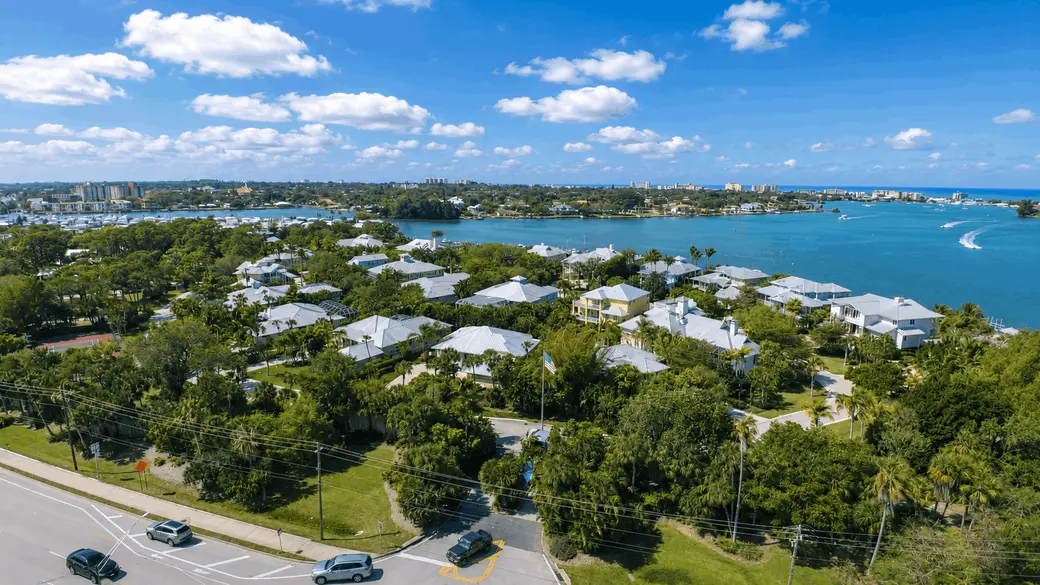
Eagle Point Club in Venice, Florida is a distinctive waterfront residential community whose roots reach back to a winter hunting and fishing camp established in 1916 along Roberts Bay. Today, the neighborhood combines preserved historic structures with later single-family homes and waterfront residences, creating an unusual connection between early Venice history and contemporary Gulf Coast living. Buyers are also positioned near Downtown Venice, beaches and other area amenities. For waterfront buyers, however, the individual property's dock, seawall, boating route, flood exposure, insurance and ownership responsibilities deserve the same attention as the community's setting and history.
Few Venice neighborhoods have a history quite like Eagle Point. The City of Venice identifies the Eagle Point Historic District at 759 North Tamiami Trail and traces the former resort to Bertha Honoré Palmer and the Sarasota-Venice Company. That history remains physically visible within today's residential community, where surviving early structures coexist with homes built generations later.
Quick Answers About Eagle Point Club
Where Is Eagle Point Club?
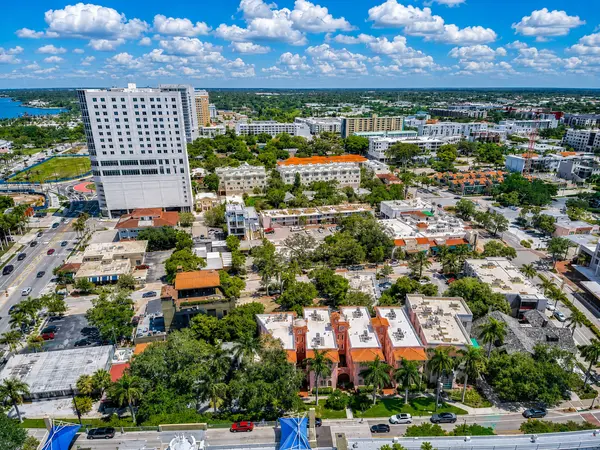
Eagle Point Club is a waterfront residential community in Venice, Florida, along Roberts Bay and the Intracoastal Waterway. Its location is just north of the traditional Venice Island downtown area, providing convenient access toward Downtown Venice, beaches, waterfront parks, restaurants and other Venice destinations.
Why Is Eagle Point Club Historically Significant?
Eagle Point began as a winter hunting and fishing camp associated with Bertha Honoré Palmer's Sarasota-Venice Company. According to the City of Venice, Palmer hired M.T.L. Evans in 1916 to build the camp on Roberts Bay as a rustic winter resort for prominent guests and prospective land buyers. The Eagle Point Historic District was listed on the National Register of Historic Places in October 1991.
What Types of Homes Are in Eagle Point Club?
Eagle Point Club contains single-family residences from very different periods of Venice history. The community includes surviving historic structures as well as later homes and updated waterfront residences. Buyers should evaluate each property individually because architecture, age, construction, lot position, renovations, waterfront characteristics and other features vary substantially.
Is Eagle Point Club a Waterfront Community?
Yes. Waterfront character is central to Eagle Point Club's history and present-day identity, with the community positioned along Roberts Bay and the Intracoastal Waterway. Many properties are associated with waterfront settings, but buyers should verify the exact frontage, water rights, dock facilities and boating characteristics of the individual property rather than assume every residence offers identical access.
Does Eagle Point Club Offer Boating Access?
Boating has been part of Eagle Point's identity since its earliest resort years, and waterfront properties can provide access to the Roberts Bay and Intracoastal Waterway environment. However, a buyer should never assume that a particular dock, lift, water depth or route will accommodate a specific boat. Dock rights, permits, dimensions, lift capacity, depth, tides and the complete navigation route should be verified for the individual property.
Is Eagle Point Club Close to Downtown Venice?
Yes. Eagle Point Club combines a secluded waterfront setting with convenient access toward historic Downtown Venice. Buyers can reach the restaurants, shops, parks and cultural destinations centered around Venice Avenue while living in a community with a distinctly different residential and waterfront character.
What Should Buyers Verify Before Purchasing at Eagle Point Club?
Buyers should investigate the individual home's condition, HOA obligations, flood information, insurance, seawall or shoreline condition, dock permits, boating suitability, property boundaries, renovation permits and any historic-preservation requirements that apply to the specific property. Hunt Brothers Realty's 12 questions to ask before buying a Florida waterfront home provides a useful framework for that property-specific review.
How Did Eagle Point Club Become Part of Venice History?
Eagle Point's history predates the incorporation of the City of Venice. The City of Venice historical timeline records Bertha Honoré Palmer's acquisition of extensive acreage in 1910 and the beginning of Eagle Point Camp operations in 1916.
According to the City's account of the Eagle Point Historic District, Palmer hired M.T.L. Evans, a manager of a Wyoming summer dude ranch, to create a winter hunting and fishing camp on Sarasota-Venice Company land along Roberts Bay. The resort was intended both to entertain guests and to introduce potential investors to the company's undeveloped Florida holdings.
The camp's buildings were arranged around a clubhouse facing Roberts Bay. The City describes the original complex as one-story frame vernacular cabins surrounding a two-story clubhouse containing dining, lounge and library spaces along with bachelor quarters. Glass or screened porches reflected the property's winter-resort use.
Eagle Point continued operating as a winter resort for decades. Its surviving historical resources eventually became part of the Eagle Point Historic District, which the National Park Service lists under National Register reference number 91001448, with significant dates including 1916 and 1918.
Can You Still See Eagle Point's Historic Character Today?
Yes. Eagle Point's historical importance is not limited to an old name or archival record. Surviving resort structures remain part of the present residential setting, creating a visible connection between today's neighborhood and the early twentieth-century camp.
The City of Venice separately placed Eagle Point Cabin #2, at 715 Eagle Point Drive, on its Local Register of Historical Resources in 2023. The City identifies the cabin as a contributing structure to the Eagle Point National Historic District and describes it as an example of the close-to-nature resort buildings constructed during the early twentieth century.
This creates an unusual residential environment. Eagle Point is neither a fully preserved historic attraction nor a conventional modern subdivision. It is a living residential community where historic resources and later homes occupy the same waterfront landscape.
What Are Homes Like in Eagle Point Club Today?
Homes in Eagle Point Club vary significantly because the neighborhood spans multiple periods of construction. Hunt Brothers Realty's Eagle Point Club real estate guide identifies single-family homes ranging from historic residences to updated waterfront properties and later construction.
That variety means buyers should resist broad assumptions about square footage, elevation, roof age, construction method, storm protection, garage space, swimming pools, docks or interior finishes. Two Eagle Point homes can provide substantially different ownership experiences even when they share the same neighborhood address.
Does Historic Character Mean Every Home Is Historic?
No. Eagle Point Club's historic identity does not mean every residence dates to the original resort era or carries the same historic designation. The neighborhood includes surviving early buildings together with homes constructed much later. Buyers should verify whether the particular property is a contributing historic resource, locally designated property, newer residence or another classification before making plans for renovation or redevelopment.
What Is Waterfront Living Like at Eagle Point Club?
Roberts Bay is fundamental to Eagle Point Club's character. The original camp was deliberately positioned around the waterfront, and the modern neighborhood continues to derive much of its identity from its relationship with Roberts Bay and the Intracoastal Waterway.
For a waterfront buyer, however, a beautiful view and practical boating access are different questions. Determine exactly what waterfront belongs to the property, who maintains the shoreline, whether a dock or lift is legally associated with the residence, and whether the water conditions and navigation route suit the buyer's intended use.
Hunt Brothers Realty's Florida Gulf Coast waterfront home guide explains why seawalls, docks and flood considerations should be evaluated alongside the home itself.
What Should Boaters Verify at an Eagle Point Property?
Boaters should verify the complete waterfront setup for the individual property before making an offer. The fact that Eagle Point Club is a waterfront community does not establish that every residence provides the same docking arrangement or that every dock will accommodate every vessel.
Property-specific boating due diligence may include:
- Exact waterfront frontage and ownership boundaries
- Dock ownership and legal rights
- Dock permits and available historical permit records
- Dock dimensions and physical condition
- Boat-lift capacity and condition when a lift is present
- Water depth under relevant tidal conditions
- Channel access and navigation route
- Any bridge or clearance considerations along the intended route
- Electrical and water service at the dock
- Seawall or shoreline condition and maintenance responsibility
- Current environmental or permitting restrictions affecting future work
A buyer with a specific boat should provide its length, beam, draft, height and weight to the appropriate marine professionals when evaluating a property. Dock, lift, seawall and navigation suitability should be reviewed with qualified marine contractors, inspectors, engineers, surveyors and permitting authorities as appropriate.
How Convenient Is Eagle Point Club to Modern Venice?
Eagle Point Club offers a historical waterfront setting without placing residents far from contemporary Venice amenities. Its position near North Tamiami Trail provides convenient access toward Downtown Venice and the bridges serving Venice Island.
Historic Downtown Venice offers restaurants, shops, parks, community events and cultural destinations centered around Venice Avenue and the surrounding streets. Venice Island also provides access to Gulf beaches and waterfront recreation, giving Eagle Point residents a combination of bayfront residential character and nearby coastal destinations.
That relationship is an important part of Eagle Point's appeal. The community feels connected to an earlier era of Venice, yet its location remains practical for the restaurants, shopping, beaches, medical services and everyday conveniences of the modern city.
What Should Buyers Know About Historic Preservation?
Historic status should be investigated at the property level rather than assumed from the neighborhood name. Eagle Point Historic District is nationally recognized, and certain individual structures may also have additional local historical recognition. The exact effect on alterations, demolition, additions, permitting or potential incentives depends on the property's status and applicable regulations.
A buyer planning substantial renovations should determine the property's historic classification before relying on a remodeling concept. The City of Venice Historical Resources Division and appropriate permitting authorities can provide current information concerning local requirements. Questions involving property rights, restrictions, easements, title or the legal effect of a historic designation should be reviewed with a qualified Florida real estate attorney and appropriate title professionals.
What About Flood Risk and Insurance at Eagle Point Club?
Waterfront and coastal location make flood and insurance research an essential part of evaluating an Eagle Point property. Buyers should verify the current flood-zone designation for the exact parcel and consider available elevation information, surrounding drainage, proximity to tidal water, previous property-specific flooding information when available and the construction characteristics of the home.
A flood-zone designation is not a complete measure of a property's flood exposure. Hunt Brothers Realty's guide to questions to ask before buying a home near the coast explains why elevation, previous water intrusion, drainage and property-specific conditions also deserve attention.
Insurance availability, coverage, deductibles and premiums can vary substantially between homes. Roof age, construction, wind-mitigation features, windows and doors, elevation, prior claims and other underwriting factors can affect coverage options. Buyers should obtain property-specific homeowners, wind and flood insurance quotes as applicable and review them with a qualified insurance professional before making a purchasing decision.
What Should Buyers Inspect in an Eagle Point Home?
Inspection scope should reflect the age, construction, renovations and waterfront features of the individual property. A surviving historic structure may present very different inspection questions from a later home built with more contemporary systems and construction methods.
Depending on the property, buyers may want qualified professionals to evaluate:
- Roof age, materials and condition
- Windows, doors and storm protection
- Foundation and structural components
- Electrical system
- Plumbing system
- HVAC equipment
- Moisture intrusion and previous repairs
- Drainage and grading
- Pool and outdoor-living components when applicable
- Seawall or shoreline infrastructure
- Dock, pilings, decking and boat lift when applicable
- Permits for significant renovations, additions or waterfront work
Inspection findings should be evaluated with the appropriate licensed home inspector, structural engineer, electrician, plumber, roofer, HVAC professional, marine contractor or other qualified specialist before a buyer makes a property-specific decision.
What Should Buyers Review About the Eagle Point Club HOA?
Hunt Brothers Realty identifies Eagle Point Club as an HOA community, but current rules and obligations should be verified directly from the applicable governing documents. Buyers should not rely on an older listing or another homeowner's experience to establish current restrictions.
Review current HOA information concerning:
- Regular assessments
- Current or proposed special assessments
- Architectural and exterior modification requirements
- Maintenance responsibilities
- Pet policies
- Leasing restrictions
- Parking rules
- Waterfront or marina-related provisions when applicable
- Any rules affecting docks, lifts or shoreline improvements
Association rights and restrictions can materially affect a purchasing decision. Buyers should obtain current documents and consult an appropriate Florida real estate attorney when legal interpretation of covenants, easements, ownership rights or other recorded restrictions is needed.
Who Should Consider Eagle Point Club?
Eagle Point Club may be particularly relevant for buyers who want a single-family Venice residence with waterfront character and a sense of place that is difficult to reproduce in a newly built subdivision. Its connection to Roberts Bay, surviving historic resources and varied housing create a neighborhood identity rooted in Venice history rather than a uniform development plan.
Eagle Point may deserve consideration if your priorities include:
- A distinctive Venice waterfront neighborhood
- Roberts Bay and Intracoastal Waterway surroundings
- Boating potential at appropriately equipped properties
- Single-family residential living
- Historic architectural character
- A mix of historic and more contemporary homes
- Convenient access toward Downtown Venice
- Proximity to Venice beaches and Gulf Coast recreation
The same characteristics also create additional due diligence. Waterfront infrastructure, historic status, association rules, insurance, flood exposure and property age can vary substantially from one Eagle Point residence to another.
How Should Buyers Compare Eagle Point Club With Other Venice Neighborhoods?
Compare Eagle Point first by lifestyle and property type. Buyers primarily seeking condominium amenities and lower-maintenance living may prefer a Venice Island condo, while buyers prioritizing a private single-family residence, waterfront setting and boating potential may find Eagle Point more relevant.
Then compare the individual property rather than the neighborhood name alone. A historic Eagle Point cottage, a later interior residence and a waterfront home with substantial marine infrastructure can have very different maintenance, insurance, renovation and ownership considerations.
Buyers focused on the waterfront should also review Hunt Brothers Realty's 10 things to know before buying waterfront property in Florida before comparing properties solely by view, price or dock appearance.
Is Eagle Point Club Worth Considering?
Eagle Point Club is worth comparing for buyers seeking something uncommon in the Venice market: a waterfront residential community where documented early twentieth-century history remains part of the modern neighborhood. Its Roberts Bay setting, surviving historic structures, single-family homes and access toward Downtown Venice create a combination that differs significantly from both newer master-planned communities and conventional condominium developments.
The right Eagle Point purchase is still property-specific. Buyers should evaluate the house, waterfront infrastructure, boating suitability, flood exposure, insurance, historic status, HOA obligations, title, surveys, permits and expected ownership costs before deciding whether a particular residence fits their needs.
Explore Eagle Point Club With Hunt Brothers Realty
Hunt Brothers Realty can help buyers compare Eagle Point Club properties based on home condition, historic character, waterfront position, boating features, flood and insurance considerations, HOA requirements and current availability. Explore Eagle Point Club homes for sale, review the Hunt Brothers Realty Florida Buyer Resource Center, or contact Hunt Brothers Realty to discuss waterfront and historic-home opportunities in Venice.
Informational notice: This article provides general real estate, historical and waterfront information for educational purposes and is not individualized legal, financial, tax, insurance, inspection, engineering, construction, title, surveying, marine, association or permitting advice. Historic status, HOA obligations, flood information, insurance, waterfront rights, docks, lifts, seawalls, water depth, navigation conditions, permits and property condition can vary by residence and change over time. Buyers should obtain current property-specific information and appropriate professional evaluations. Legal, title and historic-property questions should be reviewed with qualified Florida real estate attorneys, title professionals and applicable government authorities. Insurance questions should be reviewed with a qualified insurance professional. Docks, seawalls, lifts, structures and boating suitability should be evaluated with appropriate licensed inspectors, engineers, marine contractors, surveyors and permitting authorities before a purchasing decision is made.
Sources
- City of Venice, Eagle Point Historic District and National Register of Historic Places
- City of Venice Historical Timeline
- City of Venice, Local Register of Historical Resources
- National Park Service, Eagle Point Historic District
- Hunt Brothers Realty, Eagle Point Club Homes Venice Island
- Hunt Brothers Realty, Buyer's Guide to Waterfront Homes on Florida's Gulf Coast
- Hunt Brothers Realty, Questions to Ask Before Buying a Home Near the Coast
Contact Hunt Brothers Realty
46 N. Washington Blvd, Ste 3
Sarasota, FL 34236
Phone: (941) 388-7017
Email: info@huntbrothersrealty.com
Website: HuntBrothersRealty.com
Categories
- All Blogs 1889
- Anna Maria Island 82
- Bird Key 4
- Bradenton 234
- Buying a Home 963
- Casey Key 2
- Clearwater 8
- Condos & HOA Living 873
- Ellenton 5
- Englewood 9
- First Time Homebuyers 1066
- Foreclosures 3
- Homeownership 1086
- Lakewood Ranch 20
- Lido Key 27
- Longboat Key 78
- Luxury/Waterfront Properties 1024
- Market Updates & Trends 563
- Mortgages & Financing 38
- Move-Up Buyers 20
- Neighborhood Guides 697
- New Construction 29
- Palmetto 3
- Parrish 6
- Port Charlotte 10
- Punta Gorda 15
- Real Estate Investing 943
- Relocation to Florida 989
- Safety Harbor 2
- Sarasota 65
- Sarasota - Downtown 157
- Selling a Home 142
- Siesta Key 89
- St. Petersburg 6
- Tierra Verde 4
- Vacation & Second Homes 1136
- Venice 72
- Wellen Park 9
Recent Posts