Buying a Waterfront Home in Florida: 12 Questions to Ask Before Making an Offer
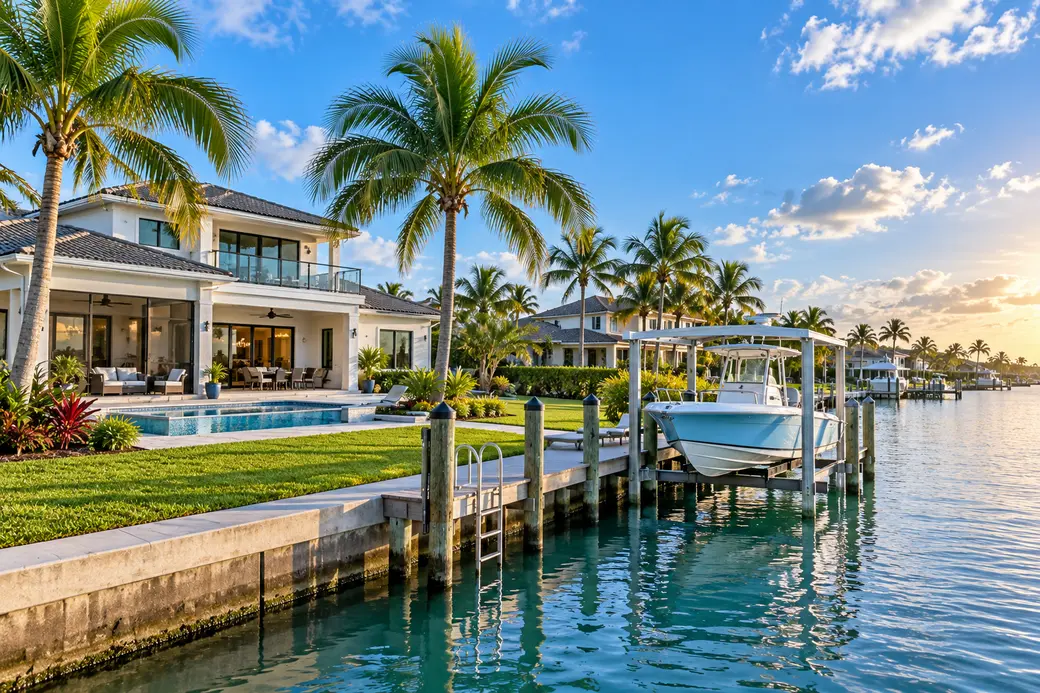
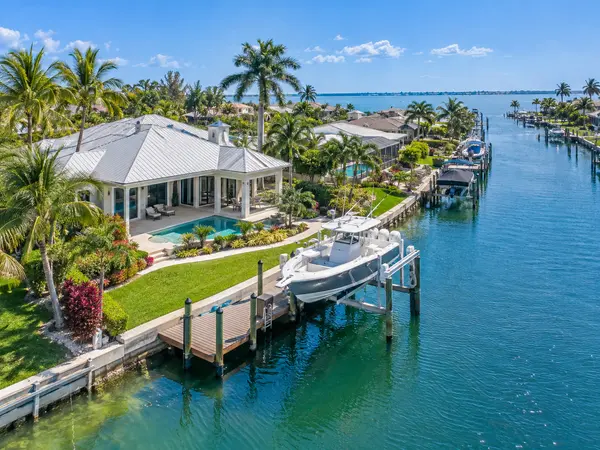
Before making an offer on a Florida waterfront home, investigate much more than the view. Buyers should understand the type of waterfront, seawall condition, dock and boat-lift permits, water depth, bridge restrictions, flood exposure, insurance costs, previous flooding, shoreline regulations and ongoing maintenance responsibilities. A property that looks perfect from the lanai may not work for your boat, budget or intended improvements. Buyers considering Sarasota and Florida Gulf Coast communities can use these 12 questions to organize property-specific due diligence before making an offer.
Quick Answers About Buying a Waterfront Home in Florida
What should you check first when buying a waterfront home?
Start by determining exactly what kind of waterfront the property has and whether it works for your intended use. Canal frontage, bayfront property, riverfront property and direct Gulf frontage can present very different boating, exposure, maintenance and permitting considerations.
Should you have a seawall inspected before buying?
A seawall can be a significant piece of waterfront infrastructure, so its condition should be evaluated when material to the purchase. Ask about age, materials, previous repairs and permits, then have concerns evaluated by an appropriately qualified marine contractor, engineer or other waterfront professional.
Does having a dock mean you can use it for any boat?
No. Dock dimensions, lift capacity, water depth, tides, channel conditions, bridge clearance and your boat's draft, beam, height, length and weight can all matter. Verify actual boating access rather than assuming that a dock automatically makes the property suitable for your vessel.
Do docks and boat lifts need permits in Florida?
Waterfront work can involve state, federal and local requirements. Florida DEP regulates many activities involving docks and submerged lands, although some qualifying single-family dock projects may qualify for an exemption or self-certification. Buyers should verify the existing improvements and any planned modifications with the appropriate permitting authorities.
Should waterfront buyers investigate flood history even if the home is in Zone X?
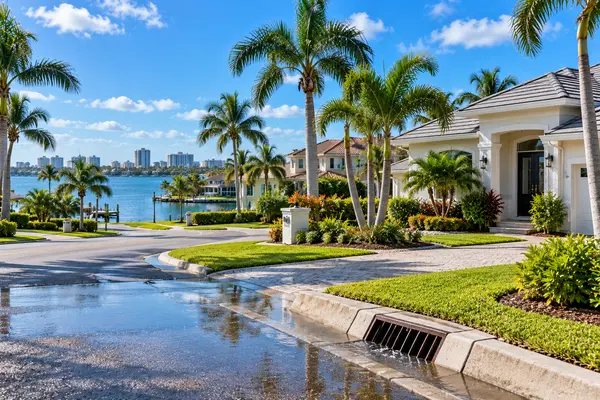
Yes. A lower-risk FEMA flood-zone designation does not mean a property cannot flood. Florida buyers should investigate the current flood map, elevation, available flood history, drainage, previous water intrusion and property-specific insurance options.
Does Florida require sellers to disclose flood information?
Florida Statute 689.302 requires a seller of residential real property to provide the statutory flood disclosure to a purchaser at or before execution of the sales contract. The current disclosure addresses specified matters including the seller's knowledge of flooding that damaged the property during the seller's ownership, flood-related insurance claims and flood assistance.
What is one of the biggest mistakes waterfront buyers make?
Focusing on the view while postponing investigation of the waterfront infrastructure and total ownership costs. Seawalls, docks, lifts, insurance, flood exposure and marine maintenance can materially change what a particular waterfront property costs to own.
1. What Type of Waterfront Are You Actually Buying?
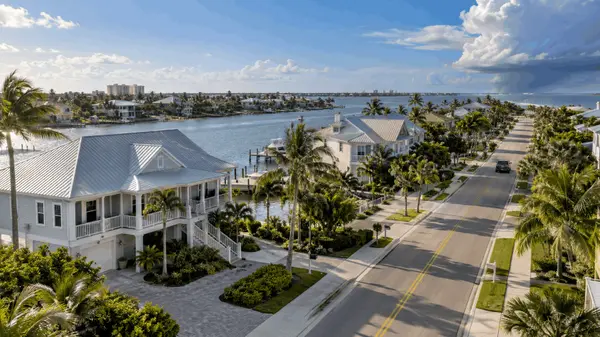
"Waterfront" describes many different properties in Florida. A home can front a canal, bay, river, lake, lagoon, Intracoastal waterway or the Gulf. Even two canal-front homes in the same area can offer very different boating access and exposure.
Start with your intended use. A buyer who primarily wants a water view may evaluate the property differently from someone who wants to keep a large boat behind the house and reach open water regularly.
Hunt Brothers Realty's guide to buying waterfront property in Florida explains why the type of water access should be one of the first issues buyers investigate.
Questions to clarify the waterfront
- Is the property on a canal, bay, river, lake or open Gulf?
- Is the water navigable for your intended use?
- How far is the property from open water?
- Are there locks, bridges or other restrictions along the route?
- Does the property have direct waterfront ownership, or are waterfront facilities shared?
2. What Condition Is the Seawall or Shoreline In?
A seawall should not be treated as landscaping. It is waterfront infrastructure, and deterioration can become a significant ownership issue.
Ask about the seawall's approximate age, material, repairs and available permits. Depending on the structure, visible concerns can include cracking, movement, separation, deterioration, erosion or soil loss behind the wall. A general showing is not a substitute for an appropriate professional evaluation.
Hunt Brothers Realty's Florida Gulf Coast waterfront home buyer's guide provides additional information about evaluating seawalls, docks and flood zones.
Who is responsible for the seawall?
Do not assume responsibility belongs exclusively to the individual homeowner. Depending on the property, documents and location, maintenance obligations may involve the owner, an association or another entity. Ownership, easements and maintenance obligations should be verified through the relevant title, association and legal documents.
3. Is the Dock Legal, Permitted and in Good Condition?
A dock's physical existence does not establish that it was properly permitted, that its current configuration is authorized or that it can be expanded later.
The Florida Department of Environmental Protection's Environmental Resource Permitting program regulates many activities involving surface waters, wetlands and submerged lands. DEP also provides a self-certification process for certain qualifying single-family dock projects that are exempt from a DEP permit.
Buyers should investigate available state and local permits, surveys and documentation for the dock and related structures. Depending on the location and work involved, more than one regulatory authority may have jurisdiction.
What should you inspect on the dock?
- Pilings and structural supports
- Decking and fasteners
- Electrical service
- Water connections
- Ladders and accessories
- Boat-lift structure and equipment
- Visible deterioration or storm damage
- Permits and documentation for previous work
Structural, electrical and marine conditions should be evaluated by the appropriate qualified inspectors, contractors, engineers or other professionals before a buyer relies on the condition of the waterfront improvements.
4. Will the Dock and Boat Lift Actually Work for Your Boat?
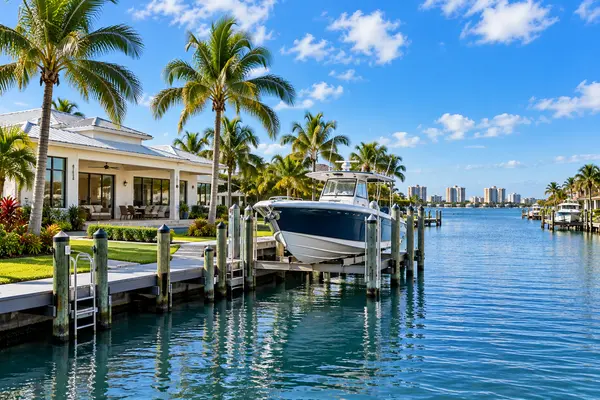
A waterfront home with a lift is not automatically a boating home that works for your vessel. Lift capacity is only one part of the analysis.
If you already own a boat, have its specifications available when evaluating the property. Important measurements can include length, beam, draft, overall height and loaded weight.
Ask these boating questions
- What is the rated capacity of the lift?
- What are the dock and slip dimensions?
- What is the water depth at the dock?
- How does depth change with tides?
- Is the channel adequately maintained for your intended use?
- How long is the route to your desired boating destination?
When boating suitability is important to the purchase, confirm measurements and conditions with the appropriate marine professionals rather than relying solely on listing information or visual estimates.
5. Are There Bridges Between the Home and Open Water?
Bridge clearance can determine whether a waterfront home works for your boat even when the dock and water depth appear suitable.
Trace the entire boating route from the property to the water you intend to use. Identify fixed and movable bridges, locks and other restrictions. Clearance can also vary with water level and tide, so a single number should not be used without understanding the conditions under which it applies.
For serious boaters, "minutes to the bay" is less useful than understanding the actual route, depth, bridge restrictions and conditions for the specific vessel.
6. What Is the Property's Current Flood Risk and Elevation?
Waterfront buyers should investigate the current FEMA flood-zone designation, but the zone letter should not be the end of the analysis. Elevation, surrounding drainage, storm exposure and previous property-specific flooding can add important context.
Ask whether an elevation certificate or survey is available and investigate the home's finished-floor elevation when relevant. Buyers can research current mapping through FEMA's flood map resources.
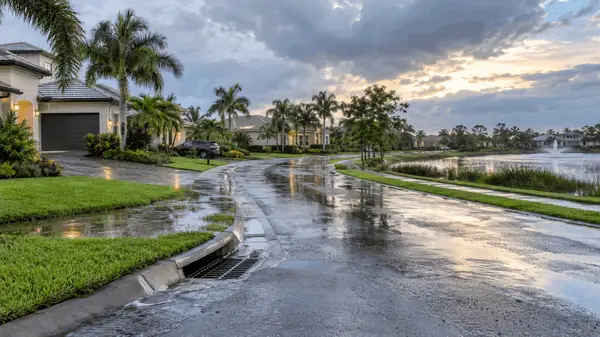
A property in Zone X should not automatically be treated as incapable of flooding. Likewise, being in a higher-risk mapped zone does not tell you everything about an individual home's elevation and construction. Flood-risk questions should be evaluated at the property level.
7. Has the Property Flooded or Had Water Intrusion Before?
Previous flooding can provide information that a map alone cannot. Florida now has a statutory flood disclosure requirement for residential sales.
Under Florida Statute 689.302, a residential seller must provide the statutory flood disclosure to the purchaser at or before execution of the sales contract. The current disclosure addresses the seller's knowledge of flooding that damaged the property during the seller's ownership, whether the seller filed a flood-damage insurance claim, and whether the seller received flood-damage assistance.
The disclosure is important, but buyers can still investigate further when flood exposure is material. Ask about water intrusion, storm repairs, remediation and available documentation. Inspection findings and repair history should be evaluated by the appropriate qualified professionals.
8. What Will Insurance Cost for This Specific Waterfront Home?
Do not estimate waterfront affordability using the mortgage payment alone. Homeowners insurance, wind coverage and flood insurance can materially affect the cost of owning a Florida waterfront property.
Insurance pricing and availability can depend on numerous property-specific characteristics, including location, construction, roof, wind mitigation features and flood information. A seller's current premium should not be assumed to represent what the buyer will pay.
Obtain quotes for the actual property early enough to evaluate them before applicable contractual deadlines. Coverage, deductibles, exclusions and premiums should be reviewed with a qualified insurance professional before making a purchasing decision.
9. What Hurricane and Wind-Mitigation Features Does the Home Have?
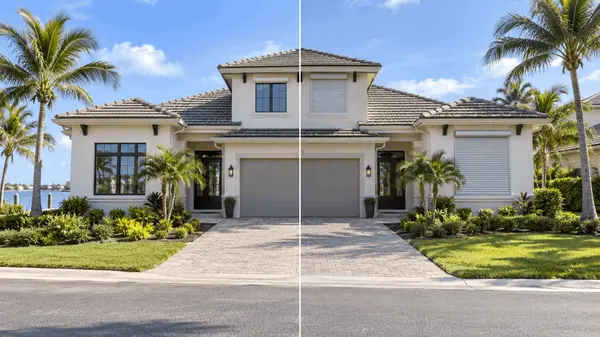
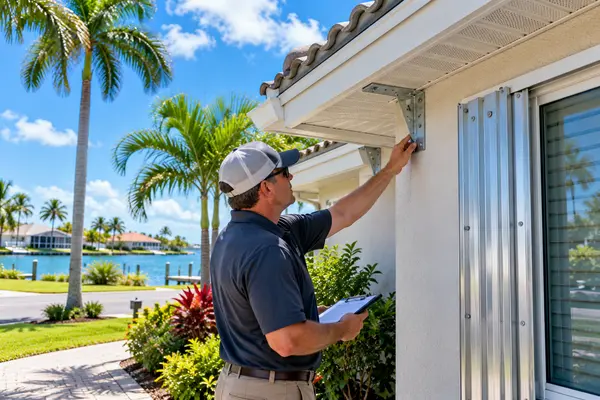
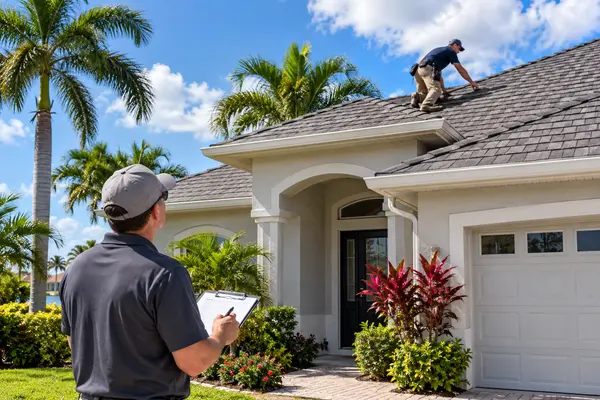
Waterfront buyers should investigate how the home is protected from Florida wind and weather conditions. Useful questions include the age and condition of the roof, how openings are protected and whether a current wind mitigation inspection is available.
If the home has impact-resistant windows or hurricane shutters, verify what is actually installed and whether the available documentation supports the claimed protection. Do not assume that a few upgraded windows mean every applicable opening is protected.
These features can also affect insurance. A qualified wind mitigation inspector can document applicable construction characteristics, while the prospective insurer determines what credits or discounts apply to the specific policy.
10. Are There Mangroves or Other Environmental Restrictions Along the Shoreline?
A waterfront buyer should never assume vegetation along the shoreline can simply be cut or removed to improve the view or water access.
Florida DEP regulates mangrove trimming and alteration. Some activities can qualify for exemptions under specified circumstances, while other work can require a professional mangrove trimmer, permit or other authorization. Mangrove removal can involve additional requirements.
If your plans depend on changing shoreline vegetation, adding or expanding a dock, dredging or modifying the shoreline, investigate feasibility before assuming the project can be completed. Contact the appropriate DEP office, local permitting authority and qualified environmental or marine professionals for property-specific guidance.
11. What Restrictions Affect Docks, Boats, Lifts and Future Improvements?
Owning waterfront property does not necessarily mean you can build whatever waterfront improvements you want. Proposed work can involve local regulations, state environmental requirements, submerged-land issues, association restrictions, easements and other property-specific limitations.
Florida DEP's dock permitting guidance illustrates why waterfront projects can require review of multiple regulatory considerations. Even when a project qualifies for an exemption from one permit, other authorizations or local requirements can still apply.
If the property is within an association, review applicable governing documents for restrictions involving boats, lifts, docks, exterior modifications and waterfront maintenance. Questions involving ownership, easements, riparian rights, title or legal use should be reviewed with a qualified Florida real estate attorney or other appropriate legal professional.
If you want to change the waterfront, ask before you buy
- Can the existing dock be enlarged?
- Can a larger boat lift be installed?
- Is dredging permitted or feasible?
- Can the seawall be replaced or reconfigured?
- Are mangroves or protected resources present?
- Are there association restrictions?
- Are easements or other recorded restrictions relevant?
- Which agencies would need to approve the proposed work?
12. What Will This Waterfront Property Really Cost to Maintain?
Waterfront ownership can involve maintenance that an inland home does not have. Salt air, moisture, sun and marine exposure can affect waterfront structures, equipment and exterior materials.
Potential ownership expenses can include seawall inspections and repairs, dock maintenance, lift service, marine electrical work, shoreline maintenance, exterior hardware replacement, insurance and storm preparation. The actual costs vary substantially by property and should be investigated individually.
Hunt Brothers Realty's Sarasota waterfront home maintenance guide provides a closer look at the ongoing responsibilities owners may encounter.
What Documents Should You Request Before Buying a Waterfront Home?
Available documentation can help turn general claims about a waterfront property into information that can be investigated and verified. Depending on the home, buyers may want to request or research:
- Current survey and relevant title information
- Elevation certificate, when available
- Seller's required flood disclosure
- Seawall repair and inspection records
- Dock and boat-lift permits
- Marine contractor invoices
- Roof permits and invoices
- Wind mitigation inspection
- Documentation for impact windows or shutters
- Applicable association documents
- Available permits for additions and major improvements
- Property-specific insurance quotes
The relevance and availability of these records vary by property. Buyers should coordinate document review with their real estate professional and the appropriate inspectors, insurance professionals, surveyors, title professionals, attorneys, contractors and government agencies when specialized interpretation is needed.
Should You Answer These Questions Before Making an Offer or During Inspection?
Some waterfront issues are worth investigating before deciding what to offer. If your boat cannot reach the property, a proposed dock expansion appears infeasible or preliminary insurance information does not work for your budget, those facts may materially affect your interest in the home.
Other issues may require inspections, document review or additional due diligence after a contract is signed. The timing and contractual effect of inspections, financing, insurance, title review and other contingencies depend on the specific contract and circumstances. Buyers should discuss contract strategy with their licensed real estate professional and seek legal advice from a qualified Florida real estate attorney when legal interpretation is needed.
What Is the Biggest Difference Between Buying Waterfront and Inland?
With a waterfront home, you are often evaluating both a house and a waterfront system. The seawall, dock, lift, shoreline, water access, flood exposure and regulatory environment can be as important to the ownership experience as the kitchen, roof or HVAC system.
That does not make waterfront property inherently problematic. It means buyers benefit from understanding exactly what they are buying before the view becomes the only thing driving the decision.
Buying Waterfront Property in Sarasota and Florida's Gulf Coast Communities
Waterfront opportunities around Sarasota and the surrounding Gulf Coast can range from canal-front boating homes to bayfront estates, barrier-island properties and homes with direct Gulf views. The questions that matter most can change significantly from one property to another.
Hunt Brothers Realty helps buyers investigate the real estate considerations surrounding waterfront properties while comparing locations, boating access and ownership responsibilities. Start with our buyer's guide to waterfront homes on Florida's Gulf Coast, read our questions to ask before buying near the Florida coast, or explore Sarasota-area communities with Hunt Brothers Realty.
Informational note: This article provides general real estate and educational information and is not individualized legal, insurance, financial, lending, inspection, engineering, environmental, construction, surveying, title or permitting advice. Waterfront conditions, regulations, insurance requirements and permitting can vary substantially by property and location. Buyers should obtain property-specific insurance guidance from a qualified insurance professional, use appropriate licensed inspectors, marine contractors, surveyors and engineers for physical conditions, verify proposed waterfront work with the applicable permitting authorities, and consult a qualified Florida real estate attorney or title professional regarding legal rights, ownership, easements, title, riparian matters or other legal questions.
Sources
- Florida Legislature, Florida Statute 689.302, Disclosure of Flood Risks to Prospective Purchaser
- Federal Emergency Management Agency, Flood Maps
- Florida Department of Environmental Protection, Environmental Resource Permitting
- Florida Department of Environmental Protection, Dock Permitting in Florida
- Florida Department of Environmental Protection, Mangrove Frequently Asked Questions
- Hunt Brothers Realty, Buying Waterfront Property in Florida: 10 Things to Know Before You Buy
- Hunt Brothers Realty, A Buyer's Guide to Waterfront Homes on Florida's Gulf Coast
- Hunt Brothers Realty, Questions to Ask Before Buying a Home Near the Coast
- Hunt Brothers Realty, Waterfront Home Maintenance in Sarasota: Owner's Guide
Contact Hunt Brothers Realty
46 N. Washington Blvd, Ste 3, Sarasota, FL 34236
Phone: (941) 388-7017
Email: info@huntbrothersrealty.com
Website: HuntBrothersRealty.com
Categories
- All Blogs 1486
- Anna Maria Island 68
- Bird Key 3
- Bradenton 82
- Buying a Home 634
- Casey Key 2
- Clearwater 5
- Condos & HOA Living 537
- Ellenton 4
- Englewood 5
- First Time Homebuyers 709
- Foreclosures 3
- Homeownership 689
- Lakewood Ranch 15
- Lido Key 24
- Longboat Key 65
- Luxury/Waterfront Properties 626
- Market Updates & Trends 311
- Mortgages & Financing 31
- Move-Up Buyers 20
- Neighborhood Guides 462
- New Construction 24
- Palmetto 2
- Parrish 4
- Port Charlotte 7
- Punta Gorda 11
- Real Estate Investing 560
- Relocation to Florida 610
- Safety Harbor 2
- Sarasota - Downtown 128
- Selling a Home 136
- Siesta Key 87
- St. Petersburg 3
- Tierra Verde 4
- Vacation & Second Homes 744
- Venice 21
- Wellen Park 7
Recent Posts