Flood Zone X in Florida: Does It Mean a Home Cannot Flood?
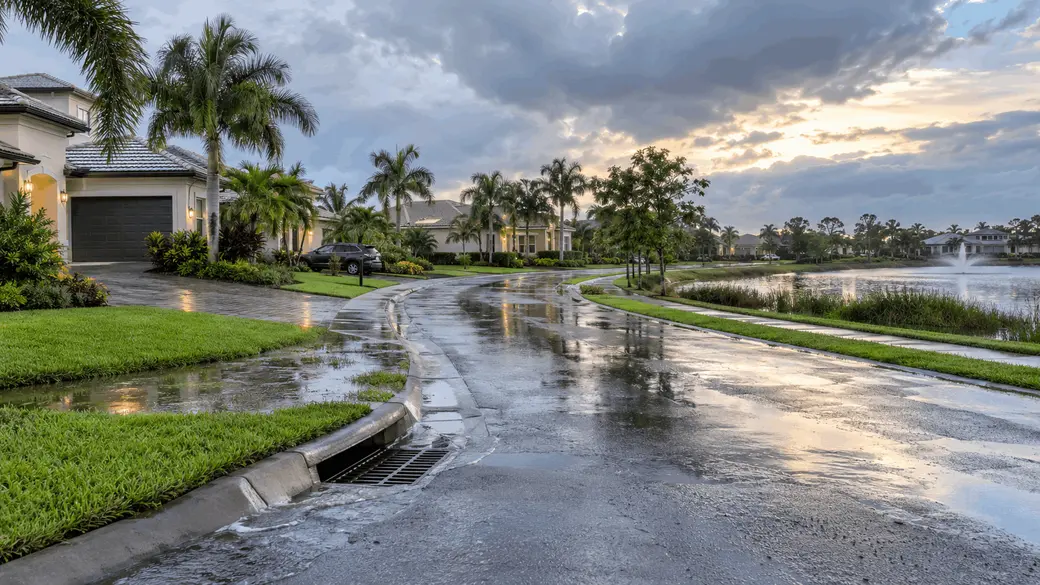
No. A Florida home in FEMA Flood Zone X can still flood. Zone X generally identifies property outside FEMA's Special Flood Hazard Area, but it does not mean the property has zero flood risk. FEMA distinguishes between shaded and unshaded Zone X, and flooding can result from heavy rainfall, drainage problems, storm surge and other conditions that are not eliminated by a lower-risk map designation. For buyers considering Sarasota and Florida Gulf Coast communities, Zone X should be viewed as one piece of a larger property-specific flood investigation.
Quick Answers About Flood Zone X in Florida
Can a home in Flood Zone X flood?
Yes. Zone X represents lower mapped flood risk than FEMA's Special Flood Hazard Areas, but lower risk is not the same as no risk. Homes in Zone X can experience flooding.
Is Flood Zone X considered a high-risk flood zone?
No. FEMA identifies A and V family zones as Special Flood Hazard Areas with high flood risk. Zone X is outside the Special Flood Hazard Area and can represent moderate or minimal mapped flood hazard depending on whether it is shaded or unshaded.
What is the difference between shaded and unshaded Zone X?
Shaded Zone X generally identifies moderate flood hazard, including areas between the 1-percent and 0.2-percent-annual-chance flood limits. Unshaded Zone X generally represents minimal mapped flood hazard outside those higher-risk areas. Neither designation means flooding is impossible.
Is flood insurance required in Zone X?
The federal mandatory flood-insurance purchase requirement generally applies to certain financed properties in Special Flood Hazard Areas, not simply because a property is in Zone X. Individual lenders can have their own requirements, and buyers should confirm the specific property with their lender and insurance professional.
Should a Zone X homeowner consider flood insurance?
A Zone X homeowner should evaluate flood coverage rather than assuming it is unnecessary. FEMA reports that 29 percent of National Flood Insurance Program claims from 2014 through 2024 came from areas outside current high-risk flood areas. Coverage needs, premiums and policy terms should be reviewed with a qualified insurance professional.
Does Zone X mean the property is not in an evacuation zone?
No. FEMA flood zones and hurricane evacuation zones are different systems. A property can be in Zone X and still have a local hurricane evacuation designation, so buyers should check both separately.
What should buyers investigate when a Florida home is in Zone X?
Check whether the property is in shaded or unshaded Zone X, then investigate elevation, drainage, prior flooding or water intrusion, nearby waterways, flood insurance options and the current local evacuation designation. The FEMA zone is a starting point, not the entire flood-risk analysis.
What Does FEMA Flood Zone X Actually Mean?
FEMA's National Flood Insurance Program uses flood zones to describe mapped flood hazards. High-risk areas generally begin with A or V, while Zone X is used for areas outside the Special Flood Hazard Area.
That sounds reassuring, but the wording matters. Zone X means lower mapped flood hazard compared with a Special Flood Hazard Area. It does not certify that an individual house, lot or street cannot experience flooding.
FEMA's flood maps are important tools, but a homebuyer should not translate "outside the Special Flood Hazard Area" into "outside all flood risk."
What Is Shaded Zone X?
Shaded Zone X generally identifies an area of moderate flood hazard. FEMA describes these areas as including land between the limits of the 1-percent-annual-chance flood and the 0.2-percent-annual-chance flood.
The 0.2-percent-annual-chance event is sometimes called a "500-year flood," but that terminology can be misleading. It does not mean such a flood occurs only once every 500 years. It describes a 0.2 percent probability of that flood being equaled or exceeded in any individual year.
A buyer looking at shaded Zone X should therefore recognize that FEMA has identified a mapped flood hazard even though the property is outside the Special Flood Hazard Area.
What Is Unshaded Zone X?
Unshaded Zone X generally represents an area of minimal mapped flood hazard outside FEMA's Special Flood Hazard Area and outside the 0.2-percent-annual-chance floodplain. This is a lower mapped risk classification, but it still does not mean zero flood risk.
This distinction between shaded and unshaded Zone X is easy to miss when a listing, seller or buyer simply says, "The house is in Zone X." A buyer should look at the current map and determine which Zone X designation actually applies.
Why Can a Zone X Home Still Flood?
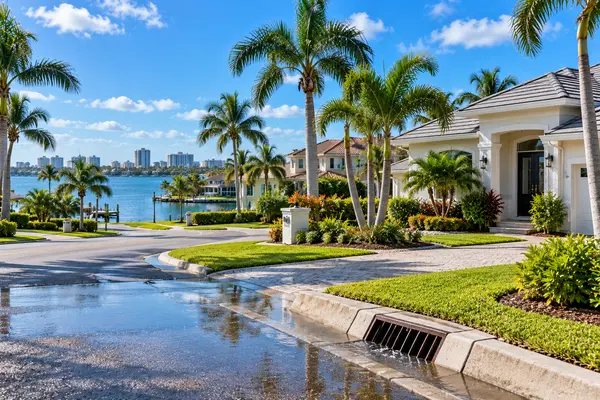
Flood maps describe modeled hazards across geographic areas, while actual flooding can result from specific weather and property conditions. Heavy rainfall, overwhelmed drainage, surface runoff, nearby water bodies and severe storms can produce flooding outside FEMA's mapped high-risk zones.
Florida's Division of Emergency Management summarizes the issue simply: if it rains, it can flood. The agency also notes that most insurance policies do not cover flooding, making it important to investigate flood coverage separately rather than assuming a standard homeowners policy will respond.
Properties outside designated high-risk flood areas can still experience flooding. That is one of the most important facts for Florida buyers to understand when they see Zone X.
How Often Do Flood Claims Come From Outside High-Risk Zones?
A meaningful share of National Flood Insurance Program claims come from outside current high-risk flood areas. FloodSmart.gov reports that 29 percent of NFIP flood claims from 2014 through 2024 came from areas outside current high-risk flood areas.
That statistic should not be interpreted to mean an individual Zone X home has a 29 percent chance of flooding. It describes the geographic distribution of NFIP claims during that period, not the probability of loss for a specific property.
For a buyer, the practical takeaway is that lower mapped risk should not end the investigation. Property-specific conditions still matter.
Does Zone X Mean Flood Insurance Is Not Required?
Zone X generally falls outside the Special Flood Hazard Area where the federal mandatory flood-insurance purchase requirement applies to certain properties with federally regulated or insured mortgages. That does not mean every Zone X borrower is guaranteed to have no flood-insurance requirement.
Lending circumstances and requirements can vary, so buyers should confirm the specific property with their mortgage professional. A lender's decision about whether coverage is required is also a different question from whether a buyer decides flood insurance is appropriate for the property.
Should you consider flood insurance in Zone X even if a lender does not require it?
The absence of a lender requirement should not be treated as proof that a home cannot flood. Flood insurance is a separate financial and risk-management decision that should be evaluated based on the specific property, available coverage, premiums and the buyer's circumstances.
Insurance availability, coverage, exclusions and premiums can vary substantially by property and policy. Buyers should obtain property-specific flood insurance information and review available coverage with a qualified insurance professional before making a purchasing decision.
Does Homeowners Insurance Cover Flooding in Zone X?
Do not assume that it does. The Florida Division of Emergency Management states that most insurance policies do not cover flooding and advises property owners to check their coverage.
This distinction can surprise buyers who assume their homeowners policy protects against every type of water damage. Coverage can depend on the source and circumstances of the water, the policy language and any separate flood policy.
Buyers should review the proposed homeowners and flood coverage with a qualified insurance professional rather than relying on general assumptions about what is covered.
Does Zone X Tell You Whether a Home Has Flooded Before?
No. A current FEMA flood-zone designation does not tell a buyer the complete flooding history of an individual property. A Zone X home may have experienced previous flooding, drainage problems or water intrusion even though it is outside the current Special Flood Hazard Area.
During due diligence, investigate available seller disclosures and other appropriate records concerning known flooding, water intrusion, storm damage and repairs. When significant post-storm repairs have occurred, permits, invoices and contractor documentation may provide additional context.
Hunt Brothers Realty's questions to ask before buying a home near the Florida coast includes previous flooding, water intrusion and storm damage among the issues coastal buyers should investigate.
Why Does Elevation Matter for a Zone X Property?
Flood Zone X describes a mapped geographic hazard, but the designation does not tell a buyer everything about an individual home's elevation or drainage. Two houses on the same street can have different lot elevations, finished-floor elevations and relationships to surrounding roads, canals or drainage systems.
When elevation is material to the purchase, ask whether an elevation certificate, survey or other reliable elevation documentation is available. Property-specific elevation questions should be reviewed with an appropriately qualified surveyor, engineer, insurance professional or local authority, depending on the issue.
Does Zone X Mean a Home Is Outside a Hurricane Evacuation Zone?
No. FEMA flood zones and local hurricane evacuation zones answer different questions. Flood maps describe mapped flood hazards, while evacuation zones or levels help local emergency-management officials determine areas that may need to evacuate, particularly because of storm surge.
A Zone X property can therefore still have an evacuation designation. This distinction is especially important when evaluating barrier-island and coastal properties where access may depend on bridges or causeways.
Buyers can review Hunt Brothers Realty's guide to flood zones vs. evacuation zones in Florida for a detailed explanation of why these designations should be checked separately.
What Should Florida Buyers Check Beyond the Zone X Designation?
Treat the FEMA flood-zone designation as the beginning of the investigation. Depending on the location and property, useful due diligence may include:
- Whether the property is in shaded or unshaded Zone X
- The current FEMA Flood Insurance Rate Map
- Lot and finished-floor elevation when relevant
- Available elevation certificate or survey information
- Known previous flooding or water intrusion
- Street and neighborhood drainage characteristics
- Nearby canals, bays, rivers, ponds or other waterways
- Property-specific flood insurance options and premiums
- The current hurricane evacuation zone or level
- Practical evacuation routes for coastal or barrier-island properties
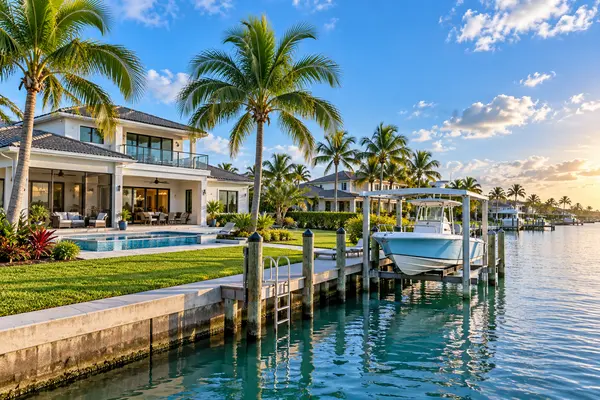
For homes near Florida's Gulf Coast, buyers may also need to investigate storm surge, seawalls, docks, drainage and other coastal infrastructure. The appropriate licensed inspectors, surveyors, engineers, contractors, insurance professionals and local authorities can help evaluate property-specific issues within their respective professional scopes.
What About Zone X Homes in Sarasota and Florida's Gulf Coast Communities?
The same basic principle applies throughout Sarasota, Bradenton and Florida's Gulf Coast: Zone X is useful information, but buyers should evaluate the individual property rather than relying solely on the map designation. Location near the Gulf of Mexico, Sarasota Bay, the Manatee River, canals, creeks or other waterways can add context that a single flood-zone label does not fully communicate.
This is also why buyers comparing inland properties with homes on Siesta Key, Longboat Key, Lido Key and other Sarasota-area communities should investigate flood risk, evacuation planning and insurance at the property level rather than assuming every home in the same community presents identical conditions.
Is a Zone X Home a Better Choice Than a Home in Zone AE or VE?
Zone X indicates lower mapped flood hazard than FEMA's high-risk A and V zones, but the flood-zone letter alone should not determine which home is the better purchase. Individual properties can differ in elevation, construction, drainage, previous flooding, insurance costs, storm protection and proximity to water.
A buyer comparing properties should understand the current flood designation and then investigate the physical and financial implications of each individual home. A qualified insurance professional can provide property-specific coverage information, while appropriate inspectors, surveyors and engineers can address physical conditions within their professional expertise.
What Is the Most Important Thing to Remember About Flood Zone X?
Zone X means lower mapped flood hazard, not immunity from flooding. That distinction should guide the rest of a buyer's due diligence.
Check whether the property is in shaded or unshaded Zone X, investigate the home's elevation and known flood history, understand surrounding drainage, obtain property-specific insurance information and check the local evacuation designation separately. Those steps provide considerably more information than relying on the phrase "it's in Zone X."
Buying a Home on Florida's Gulf Coast?
Flood-zone research is one part of evaluating a Florida property. Buyers may also need to investigate elevation, insurance, roof condition, storm protection, evacuation planning, inspections and waterfront infrastructure. Hunt Brothers Realty helps buyers evaluate the real estate considerations surrounding properties throughout Sarasota and Florida's Gulf Coast. Explore Florida Gulf Coast communities with Hunt Brothers Realty, review our Florida coastal homebuyer questions, or contact Hunt Brothers Realty to discuss your home search.
Informational note: This article provides general real estate and educational information and is not individualized flood-risk, insurance, financial, lending, surveying, engineering, legal or other professional advice. Flood maps and property conditions can change, and a FEMA designation does not replace property-specific evaluation. Buyers should verify current mapping with FEMA and the appropriate local authorities, obtain property-specific insurance information from a qualified insurance professional, confirm lending requirements with their mortgage professional, and consult qualified surveyors, inspectors, engineers or other appropriate professionals when individualized evaluation is required.
Sources
- National Flood Insurance Program, What Is My Flood Zone?
- National Flood Insurance Program, What's Your Flood Risk?
- Federal Emergency Management Agency, Flood Maps
- Florida Division of Emergency Management, Flood Insurance
- Hunt Brothers Realty, Questions to Ask Before Buying a Home Near the Coast
- Hunt Brothers Realty, Flood Zone vs. Evacuation Zone in Florida
Contact Hunt Brothers Realty
46 N. Washington Blvd, Ste 3, Sarasota, FL 34236
Phone: (941) 388-7017
Email: info@huntbrothersrealty.com
Website: HuntBrothersRealty.com
Categories
- All Blogs 1486
- Anna Maria Island 68
- Bird Key 3
- Bradenton 82
- Buying a Home 634
- Casey Key 2
- Clearwater 5
- Condos & HOA Living 537
- Ellenton 4
- Englewood 5
- First Time Homebuyers 709
- Foreclosures 3
- Homeownership 689
- Lakewood Ranch 15
- Lido Key 24
- Longboat Key 65
- Luxury/Waterfront Properties 626
- Market Updates & Trends 311
- Mortgages & Financing 31
- Move-Up Buyers 20
- Neighborhood Guides 462
- New Construction 24
- Palmetto 2
- Parrish 4
- Port Charlotte 7
- Punta Gorda 11
- Real Estate Investing 560
- Relocation to Florida 610
- Safety Harbor 2
- Sarasota - Downtown 128
- Selling a Home 136
- Siesta Key 87
- St. Petersburg 3
- Tierra Verde 4
- Vacation & Second Homes 744
- Venice 21
- Wellen Park 7
Recent Posts