How Do I Buy a House in Florida From Out of State?
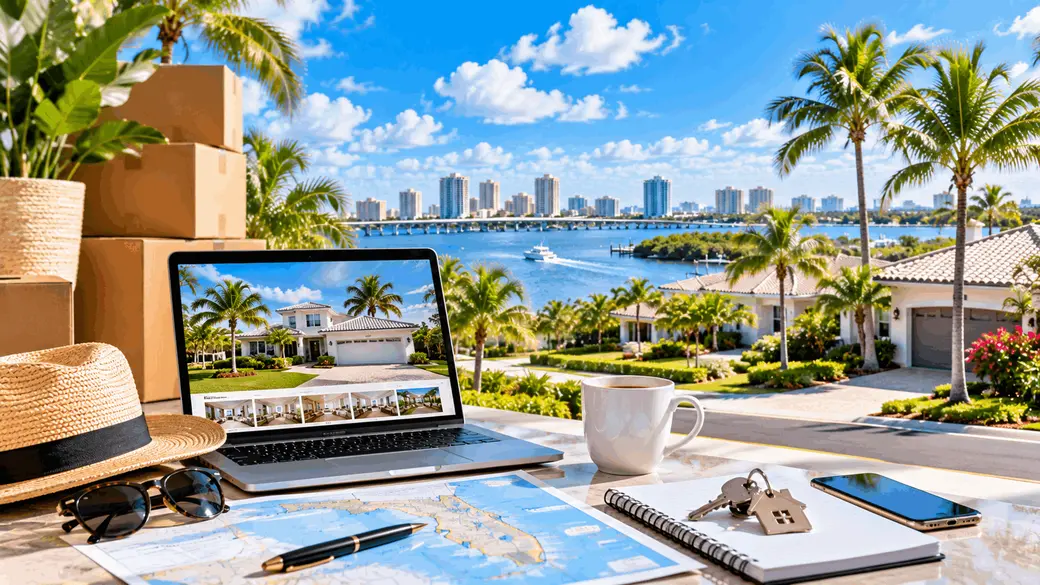
To buy a house in Florida from out of state, start by establishing your budget, arranging financing if needed, choosing a Florida community, and working with a licensed Florida real estate professional. You can research properties online, participate in virtual showings, submit offers electronically, arrange inspections, and potentially complete closing without traveling to Florida. However, buying remotely does not eliminate the need to investigate property condition, homeowners insurance, flood exposure, taxes, title, and contract requirements. For buyers considering Sarasota and Florida Gulf Coast real estate, a structured purchasing process can make the search more manageable while helping you make informed decisions from another state.
Quick Answers About Buying a House in Florida From Out of State
Can I Buy a House in Florida Without Living There?
Yes. Most U.S. buyers can purchase residential property in Florida without establishing Florida residency. Buying a home and becoming a Florida resident are separate matters. Certain ownership restrictions may apply to specific purchasers, so questions about legal eligibility should be reviewed with a qualified Florida real estate attorney.
Can I Buy a Florida House Without Visiting in Person?
Yes. Some buyers complete Florida home purchases remotely using live video showings, electronic documents, professional inspections, and approved closing arrangements. However, purchasing without personally visiting a property creates additional risks because photographs and video cannot reveal every condition or neighborhood characteristic.
Do I Need a Florida Mortgage Preapproval Before House Hunting?
Mortgage preapproval is not required simply to research Florida homes, but it can help financed buyers establish a realistic price range and prepare to submit an offer. Cash buyers may instead need appropriate proof of funds. Financing qualifications and documentation requirements should be discussed with a qualified mortgage lender.
Can I Make an Offer on a Florida House Electronically?
Yes. Florida residential purchase offers can commonly be prepared, reviewed, and signed electronically when applicable requirements are satisfied. Buyers should understand the contract terms, deposit obligations, inspection provisions, financing requirements, and deadlines before signing.
Can I Arrange Florida Home Inspections While Living in Another State?
Yes. Qualified Florida inspectors can evaluate a property and provide reports, photographs, and findings for remote review. Buyers should discuss significant concerns directly with the inspector and arrange additional evaluations by qualified specialists when appropriate.
Can I Close on a Florida House From Another State?
Many Florida transactions can accommodate remote closing procedures. Depending on the circumstances, buyers may use approved electronic signatures, remote online notarization, or other authorized signing arrangements. The lender, title insurer, closing professional, and applicable legal requirements determine which options are available.
How Long Does It Take to Buy a Florida House From Out of State?
The timeline depends on the property search, financing, contract terms, inspections, insurance, title work, and closing arrangements. Remote purchasing does not automatically require a longer closing period, but additional coordination may be necessary. Buyers should confirm realistic deadlines with their lender, real estate professional, and closing provider.
Step 1: Decide Why You Are Buying a House in Florida
Before researching listings, determine how you intend to use the Florida property.
Are you relocating permanently, purchasing a second home, preparing for retirement, or buying a property that may eventually be rented?
Your intended use can influence the property search, financing options, insurance requirements, association restrictions, and tax considerations.
Buying a Primary Residence
Buyers planning to relocate permanently should prioritize daily convenience, neighborhood suitability, maintenance responsibilities, and long-term ownership expenses.
Important considerations may include proximity to employment, medical services, shopping, recreational activities, and other frequently used destinations.
Buying a Second Home
Second-home buyers may place greater emphasis on beach access, boating, seasonal recreation, and the ability to maintain the property while living elsewhere.
They should also investigate insurance conditions for seasonal occupancy, property monitoring, and any association restrictions.
Buying With Rental Plans
Buyers considering rental use should verify applicable condominium or homeowners association restrictions, local regulations, financing requirements, insurance arrangements, and property management responsibilities.
Do not assume that a Florida property can be rented for any desired period simply because other homes in the surrounding area are advertised as vacation rentals.
Step 2: Establish Your Total Florida Homebuying Budget
One of the most important steps when buying a Florida home from another state is understanding the total cost of ownership.
A property's listing price does not reveal every expense associated with purchasing and maintaining the home.
What Expenses Should Out-of-State Buyers Include?
- Down payment, if financing
- Mortgage principal and interest
- Closing costs and applicable transaction expenses
- Property taxes
- Homeowners insurance
- Flood insurance when appropriate or required
- Condominium or homeowners association fees
- Community Development District assessments, when applicable
- Utilities and ongoing maintenance
- Pool and landscaping expenses
- Potential repairs and future replacements
- Moving, travel, and temporary housing expenses
Two Florida houses with similar asking prices can have substantially different ownership costs because of insurance, taxes, property condition, association obligations, and maintenance needs.
Financed buyers should discuss affordability and loan costs with a qualified mortgage professional. Insurance, tax, and other specialized expenses should be verified with the appropriate professionals before making a purchasing decision.
Step 3: Arrange Financing or Proof of Funds
Out-of-state buyers can apply for financing on Florida real estate while continuing to live in another state.
However, lenders evaluate borrowers based on financial qualifications, the property, and the intended occupancy.
Does Florida Mortgage Financing Differ for Primary and Second Homes?
It can. Mortgage programs may have different requirements for primary residences, second homes, and investment properties.
Differences may involve down payments, interest rates, reserves, and occupancy requirements.
Buyers should accurately disclose how they intend to use the property and discuss applicable financing options with a qualified lender.
What If I Am Paying Cash?
Cash buyers may be asked to provide appropriate proof of available funds when submitting an offer.
A cash purchase eliminates mortgage underwriting, but it does not eliminate the importance of inspections, insurance evaluation, title review, association documents, or other property-specific due diligence.
Step 4: Choose the Right Florida Community Before Choosing a House
For buyers unfamiliar with Florida, choosing the right location is often more important than immediately identifying a favorite listing.
Along the Gulf Coast, neighboring communities can offer very different combinations of beach access, housing styles, outdoor recreation, neighborhood amenities, and ownership responsibilities.
Sarasota and Downtown Sarasota
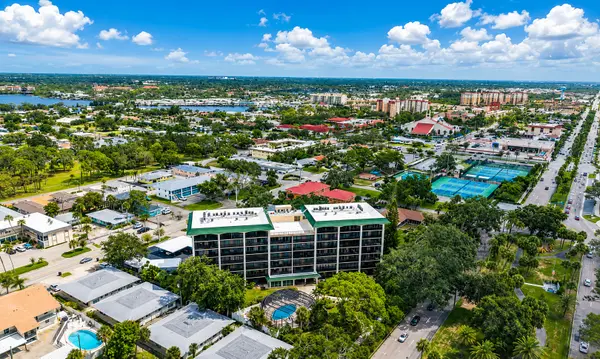
Sarasota offers established residential neighborhoods, downtown condominiums, cultural attractions, restaurants, shopping, and access to Sarasota Bay and nearby Gulf beaches.
Downtown living may appeal to buyers prioritizing restaurants, entertainment, and cultural destinations, while nearby residential neighborhoods offer different property types and settings.
Siesta Key, Lido Key, and Longboat Key
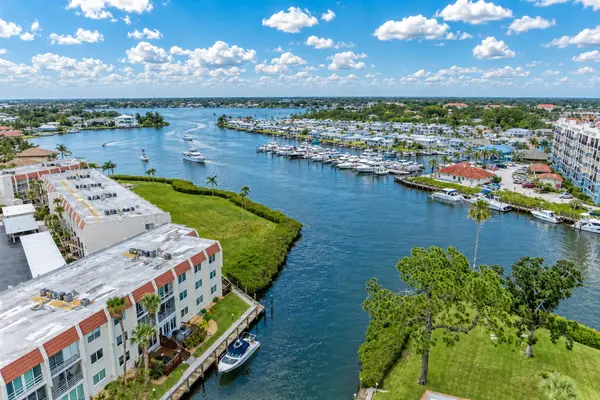
Sarasota's barrier islands offer opportunities for beach-oriented living, boating, waterfront homes, and coastal condominiums.
Buyers should also consider insurance, flood exposure, coastal maintenance, and travel across bridges to mainland destinations.
Lakewood Ranch and Mainland Communities
Lakewood Ranch and other mainland locations provide alternatives for buyers interested in newer construction, planned neighborhoods, community amenities, and a range of single-family housing options.
Association fees, restrictions, and community features vary and should be reviewed for the specific neighborhood.
Venice, Nokomis, Osprey, and Bradenton
These communities offer additional residential choices throughout Sarasota and Manatee counties, including established neighborhoods, coastal properties, and newer developments.
Buyers can begin comparing locations through the Hunt Brothers Realty website and its Florida Buyer Resource Center.
Step 5: Work With a Licensed Florida Real Estate Professional
A licensed Florida real estate professional can help coordinate the real estate aspects of an out-of-state purchase.
Depending on the brokerage relationship and services agreed upon, assistance may include:
- Researching available properties
- Comparing neighborhoods and communities
- Coordinating in-person or virtual showings
- Providing relevant market information
- Preparing and communicating offers
- Tracking transaction deadlines
- Coordinating access for inspections
- Communicating with transaction participants
- Helping organize closing logistics
Buyers should understand the brokerage relationship, services, compensation terms, and any agreement before signing.
For an overview of the purchasing process, review Hunt Brothers Realty's Florida homebuyer resources.
Step 6: Tour Florida Houses Virtually or Plan a House-Hunting Trip
Once you have narrowed your preferred communities and price range, begin evaluating individual homes.
Out-of-state buyers can often review listing photographs, floor plans, property information, recorded video tours, and live virtual showings before deciding whether to travel.
What Should You Look for During a Virtual Home Tour?
- Room dimensions and floor plan
- Natural light and window orientation
- Kitchen and bathroom layouts
- Closet and storage space
- Garage and parking arrangements
- Outdoor living areas
- Visible property condition
- Views and neighboring properties
- Street access and surrounding development
Virtual tours are useful screening tools, but they cannot replace a professional inspection or fully communicate how a neighborhood feels in person.
Should You Fly to Florida Before Making an Offer?
An in-person visit is not always required, but it can provide valuable information about neighborhoods, traffic, property surroundings, and everyday convenience.
For Sarasota buyers, a focused three-day visit can provide time to compare communities, tour serious candidates, and revisit promising properties.
Read Flying In to House Hunt in Sarasota? How to Make the Most of a 3-Day Home Search for a detailed approach to organizing a limited visit.
Buyers with limited travel flexibility may also find How Many Days Do You Need for a Sarasota House-Hunting Trip? helpful when planning their schedule.
Step 7: Evaluate the Property Before Making an Offer
Once you identify a promising Florida house, investigate the property beyond its appearance and listing description.
Important preliminary questions include:
- How does the asking price compare with relevant recent sales?
- What is known about the property's age and condition?
- How old is the roof?
- Are there available permits or renovation records?
- What homeowners insurance considerations apply?
- What flood information is available?
- Are there HOA restrictions or fees?
- Are there known issues requiring further professional evaluation?
- What are the anticipated property taxes?
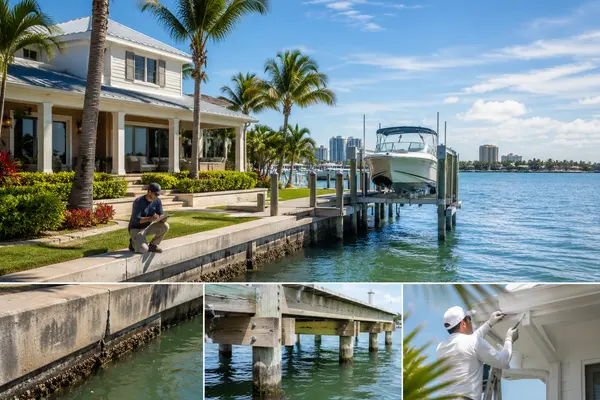
Buyers considering coastal properties should investigate additional matters such as elevation, storm history, salt-air maintenance, and waterfront infrastructure where applicable.
For more information, read What Should I Know Before Buying a Home Near the Beach in Florida?.
Step 8: Submit an Offer and Understand the Florida Purchase Contract
After identifying a property you want to pursue, the next step is preparing and submitting an offer.
An offer may address the purchase price, deposit, financing, inspection provisions, closing date, and other terms.
Florida contracts can differ from those used in other states, so buyers should not assume familiar terms carry identical obligations.
What Contract Details Matter Most for Remote Buyers?
- Earnest money deposit amounts and deadlines
- Inspection and due-diligence provisions
- Financing requirements
- Appraisal provisions, when applicable
- Title and survey matters
- Closing date
- Possession and property access
- Included appliances and other items
- Association-related requirements
- Contractual rights and obligations
Out-of-state buyers should pay particular attention to deadlines because travel arrangements and time-zone differences do not automatically extend contractual obligations.
Questions involving contract interpretation, cancellation rights, deposits, or other legal matters should be reviewed with a qualified Florida real estate attorney before signing or making a decision based on those rights.
Step 9: Arrange Florida Home Inspections and Due Diligence
Once a property is under contract, buyers should complete the inspections and investigations appropriate to the property and contract terms.
Remote buyers can arrange inspections with qualified professionals even if they cannot attend personally.
What Inspections Might Florida Buyers Consider?
- General home inspection
- Roof inspection
- Four-point insurance inspection when required
- Wind mitigation inspection
- Termite or wood-destroying organism inspection
- Pool and equipment inspection
- HVAC evaluation
- Moisture or water-intrusion evaluation
- Seawall, dock, or boat-lift evaluation when applicable
- Structural or engineering evaluation when warranted
Not every home requires every inspection. The appropriate scope depends on the property's construction, age, condition, location, and the buyer's concerns.
Ask the inspector whether a telephone or video review of the findings is available. This can help remote buyers understand significant observations and determine whether additional professional evaluations are appropriate.
Inspection findings and potential repair costs should be evaluated with the appropriate licensed inspector, contractor, engineer, or other qualified specialist before making a purchasing decision.
Step 10: Obtain Florida Homeowners Insurance Quotes Early
Homeowners insurance is one of the most important Florida-specific expenses for out-of-state buyers to investigate.
Insurance premiums, coverage options, deductibles, and eligibility can vary substantially between properties.
What Factors Can Affect Florida Homeowners Insurance?
- Property location
- Roof age and condition
- Construction characteristics
- Wind mitigation features
- Coverage limits
- Hurricane deductibles
- Claims history and underwriting criteria
- Intended occupancy and property use
The Florida Office of the Insurance Consumer Advocate provides information about comparing homeowners insurance coverage and policy options.
Does Florida Homeowners Insurance Include Flood Coverage?
Standard homeowners insurance generally does not cover flooding. Separate flood coverage may be required by a lender or appropriate based on the property's exposure and the owner's circumstances.
Buyers can review the Florida Office of the Insurance Consumer Advocate's flood insurance resources and investigate mapped flood hazards through the FEMA Flood Map Service Center.
Insurance availability, premiums, exclusions, deductibles, and coverage requirements should be confirmed with a qualified insurance professional using information for the actual property.
Step 11: Review Florida Property Taxes and Association Obligations
Florida property taxes and association obligations can significantly affect the long-term cost of owning a home.
Will My Florida Property Taxes Be the Same as the Seller's?
Not necessarily. A change in ownership can affect a property's assessed value in a subsequent tax year, and the seller may have exemptions or assessment limitations that do not carry over to the buyer.
Buyers should obtain an estimate based on their anticipated ownership circumstances from the appropriate county property appraiser.
Can I Receive Florida's Homestead Exemption?
Eligible homeowners who establish a qualifying Florida property as their permanent residence may qualify for homestead benefits.
Simply purchasing a home while maintaining permanent residency elsewhere does not automatically establish eligibility.
Buyers should review current requirements with the county property appraiser and consult a qualified tax professional regarding their individual circumstances.
What If the Home Is in an HOA or Condominium Community?
Buyers should review applicable governing documents, budgets, fees, restrictions, and financial obligations.
For condominium purchases, additional considerations may include association insurance, reserve information, structural inspection records when applicable, and existing or proposed special assessments.
Questions involving association documents, legal obligations, insurance, or financial condition should be reviewed with the appropriate qualified professionals.
Step 12: Complete Financing, Title Work, and Closing Preparation
After inspections and other applicable due diligence, buyers continue coordinating the requirements necessary to complete the transaction.
Depending on the purchase, these may include:
- Final mortgage underwriting
- Appraisal requirements
- Title examination
- Survey review when applicable
- Insurance documentation
- Association approval when required
- Closing disclosures and settlement documents
- Identification and signing arrangements
- Closing funds and payment verification
The lender, title or closing professional, and other transaction participants should confirm the specific requirements and deadlines.
Step 13: Determine Whether You Can Close on the Florida House Remotely
Many out-of-state buyers want to know whether they must travel to Florida for closing.
In some transactions, closing can be completed without the buyer being physically present in Florida.
How Does a Remote Florida Closing Work?
Depending on the transaction, remote closing arrangements may involve electronic signatures, remote online notarization, or signing documents before an authorized notary in another location.
Florida law provides procedures for remote online notarization, but not every document or transaction participant necessarily accepts the same signing method.
The 2026 Florida Statutes, Section 117.265, addresses online notarization procedures.
Buyers should confirm available closing arrangements with their lender and qualified title or closing professional well before the scheduled closing date.
How Can I Avoid Wire Fraud During a Remote Closing?
Real estate wire fraud is an important concern because fraudulent communications may attempt to redirect closing funds.
Before sending money, independently verify payment instructions using a trusted telephone number obtained separately from the payment request.
Unexpected changes to wiring instructions should be treated as a warning sign and confirmed directly with the closing professional through a verified communication channel.
Step 14: Arrange Property Access and Maintenance After Closing
If you will not move into the Florida home immediately, plan how the property will be maintained and monitored after closing.
Important arrangements may include:
- Confirming insurance coverage and occupancy conditions
- Establishing utility service
- Coordinating keys and secure property access
- Arranging landscaping or pool maintenance
- Monitoring air-conditioning and indoor humidity
- Planning for hurricane preparation
- Arranging periodic property checks when appropriate
- Coordinating repairs or renovations
- Reviewing HOA or condominium requirements for absentee owners
Owners should confirm insurance conditions involving vacancy, seasonal occupancy, or rental use with their insurance professional.
What Are the Biggest Mistakes When Buying a Florida House From Out of State?
Mistake 1: Choosing a House Before Understanding the Community
A home may look appealing online but be located farther from everyday destinations than expected. Research the community, transportation routes, and neighborhood characteristics before committing to a location.
Mistake 2: Assuming the Seller's Property Taxes Will Remain the Same
Florida property taxes may change after ownership transfers. Buyers should obtain estimates based on their anticipated ownership circumstances rather than relying solely on the existing tax bill.
Mistake 3: Waiting Too Long to Investigate Insurance
Insurance availability, premiums, and underwriting requirements can materially affect a purchase. Buyers should obtain property-specific information early enough to evaluate it within applicable contract deadlines.
Mistake 4: Relying on Virtual Tours Instead of Inspections
Virtual tours help buyers understand layouts and visible features, but they do not replace professional inspections or specialized evaluations when needed.
Mistake 5: Assuming Every Florida Closing Can Be Completed Remotely
Remote closing options depend on the transaction's legal, lending, title, and document requirements. Confirm acceptable procedures before relying on a closing plan that does not involve travel.
Mistake 6: Rushing Because of a Flight or Moving Deadline
A scheduled flight or relocation deadline should not replace appropriate due diligence. Buyers should evaluate contract commitments, property condition, financing, insurance, and other material concerns before making a decision.
Out-of-State Florida Homebuyer Checklist
Use this checklist to organize the major stages of purchasing a Florida home while living elsewhere.
- Determine whether the property will be a primary residence, second home, or another permitted use.
- Establish your purchase budget and estimated ownership expenses.
- Obtain mortgage preapproval or organize proof of funds, as applicable.
- Research Florida communities and neighborhoods.
- Understand the brokerage relationship and representation agreement.
- Review available property listings and virtual tours.
- Plan an in-person house-hunting trip when practical.
- Evaluate relevant market information and property characteristics.
- Review offer terms and contractual deadlines.
- Arrange appropriate property inspections.
- Investigate flood exposure and hurricane-related considerations.
- Obtain property-specific homeowners insurance quotes.
- Estimate future property taxes.
- Review HOA or condominium documents when applicable.
- Coordinate financing, title, survey, and closing requirements.
- Confirm whether remote closing arrangements are available.
- Independently verify all payment instructions.
- Arrange property access, utilities, and maintenance after closing.
- Consult qualified professionals when individualized guidance is necessary.
Additional Frequently Asked Questions About Buying a Florida House From Another State
Can I Buy a Florida House Before Selling My Current Home?
Yes, if you have sufficient funds or qualify for appropriate financing. However, carrying two properties may affect borrowing qualifications, cash reserves, and monthly expenses. Buyers should discuss their circumstances with qualified mortgage and financial professionals.
Do I Need a Florida Driver's License to Purchase a House?
A Florida driver's license is not generally required simply to purchase residential real estate. However, identification, financing, residency, and other requirements depend on the circumstances. Buyers who later establish Florida residency should review applicable driver's license and vehicle registration requirements with the appropriate state agency.
Can Someone Else Attend the Home Inspection for Me?
Depending on the arrangements, another authorized person may be able to attend an inspection. Buyers should still review the inspector's findings directly and obtain appropriate professional clarification about material concerns.
Should I Rent in Florida Before Buying?
Renting before buying may provide time to experience communities, compare neighborhoods, and understand everyday living conditions. However, it also involves rental expenses and moving logistics. The better approach depends on your circumstances and long-term plans.
Can I Buy a Florida House Now and Move There Later?
Yes. Buyers may purchase a Florida property before relocating, subject to applicable financing, insurance, occupancy, and other requirements. They should accurately disclose their intended use and arrange appropriate maintenance and monitoring while the home is unoccupied.
Is It Harder to Buy a Florida House From Out of State?
Buying remotely may require more coordination, but it does not necessarily make the transaction more difficult. The main challenges involve evaluating properties from a distance, arranging inspections, managing deadlines, and confirming closing logistics. Preparation and appropriate professional assistance can help address these challenges.
Final Thoughts: Buying a Florida House From Out of State Starts With Preparation
Buying a house in Florida from another state is possible, and many stages of the transaction can be completed remotely.
The most effective approach begins with understanding your intended property use, establishing a realistic budget, arranging financing, and researching communities before focusing on individual listings.
Virtual tours and electronic documents can simplify the process, but they should not replace property inspections, insurance research, tax estimates, contract review, or other necessary due diligence.
For buyers considering Sarasota and Florida's Gulf Coast, understanding the differences among coastal islands, downtown neighborhoods, established mainland communities, and newer developments can help narrow the search before traveling.
The goal is not simply to purchase a Florida house from a distance. It is to make an informed decision about the property, its location, its condition, and the responsibilities that come with ownership.
Buying a Sarasota or Florida Gulf Coast Home From Another State?
At Hunt Brothers Realty, we help buyers explore residential real estate opportunities throughout Sarasota and Florida Gulf Coast real estate.
Whether you are relocating permanently, purchasing a second home, or preparing for a future move, our team can help you compare communities, research available properties, and coordinate the real estate aspects of your home search.
Start with our Florida Buyer Resource Center, explore our three-day Sarasota house-hunting guide, or contact Hunt Brothers Realty to discuss your out-of-state home search.
Important Professional Verification Information
This article is provided for general informational and educational purposes only. It does not constitute individualized legal, financial, tax, insurance, lending, inspection, engineering, construction, title, association, or other professional advice. Financing eligibility, insurance availability, property taxes, inspection findings, contract rights, ownership restrictions, closing procedures, and other purchasing requirements depend on the specific property and buyer's circumstances. Buyers should verify financing and occupancy requirements with a qualified mortgage lender, insurance coverage with a licensed insurance professional, property condition with appropriate inspectors or specialists, and tax matters with a qualified tax professional. Questions involving contracts, title, ownership, legal eligibility, or other legal rights should be reviewed with a qualified Florida real estate attorney. Closing arrangements should be confirmed with the appropriate title or closing professional. Buyers should obtain individualized guidance from qualified professionals before making decisions that depend on specialized legal, financial, insurance, construction, or technical matters.
Sources
- Florida Legislature, 2026 Florida Statutes, Section 117.265, Online Notarization Procedures
- Florida Office of the Insurance Consumer Advocate, Shopping for Homeowners Insurance
- Florida Office of the Insurance Consumer Advocate, Flood Insurance Resources
- Florida Department of Financial Services, Homeowners Insurance Overview
- Federal Emergency Management Agency, Flood Map Service Center
- Hunt Brothers Realty, Florida Buyer Resource Center
- Hunt Brothers Realty, Flying In to House Hunt in Sarasota? How to Make the Most of a 3-Day Home Search
- Hunt Brothers Realty, How Many Days Do You Need for a Sarasota House-Hunting Trip?
- Hunt Brothers Realty, What Should I Know Before Buying a Home Near the Beach in Florida?
- Hunt Brothers Realty, Sarasota Homebuying Guide for 2027
Contact Hunt Brothers Realty
Hunt Brothers Realty
46 N. Washington Blvd, Ste 3
Sarasota, FL 34236
Phone: (941) 388-7017
Email: info@huntbrothersrealty.com
Website: www.huntbrothersrealty.com
Categories
- All Blogs 1950
- Anna Maria Island 83
- Bird Key 4
- Bradenton 234
- Buying a Home 1020
- Casey Key 2
- Clearwater 9
- Condos & HOA Living 931
- Ellenton 5
- Englewood 9
- First Time Homebuyers 1124
- Foreclosures 3
- Home Selling 1
- Homeownership 1144
- Lakewood Ranch 20
- Lido Key 27
- Longboat Key 78
- Luxury/Waterfront Properties 1085
- Market Updates & Trends 614
- Mortgages & Financing 42
- Move-Up Buyers 20
- Neighborhood Guides 737
- New Construction 32
- Palmetto 3
- Parrish 6
- Port Charlotte 10
- Punta Gorda 15
- Real Estate Investing 1002
- Relocation to Florida 1046
- Safety Harbor 2
- Sarasota 71
- Sarasota - Downtown 157
- Selling a Home 143
- Siesta Key 89
- St. Petersburg 6
- Tierra Verde 5
- Vacation & Second Homes 1193
- Venice 96
- Wellen Park 10
Recent Posts