What Should I Know Before Buying a Home Near the Beach in Florida?
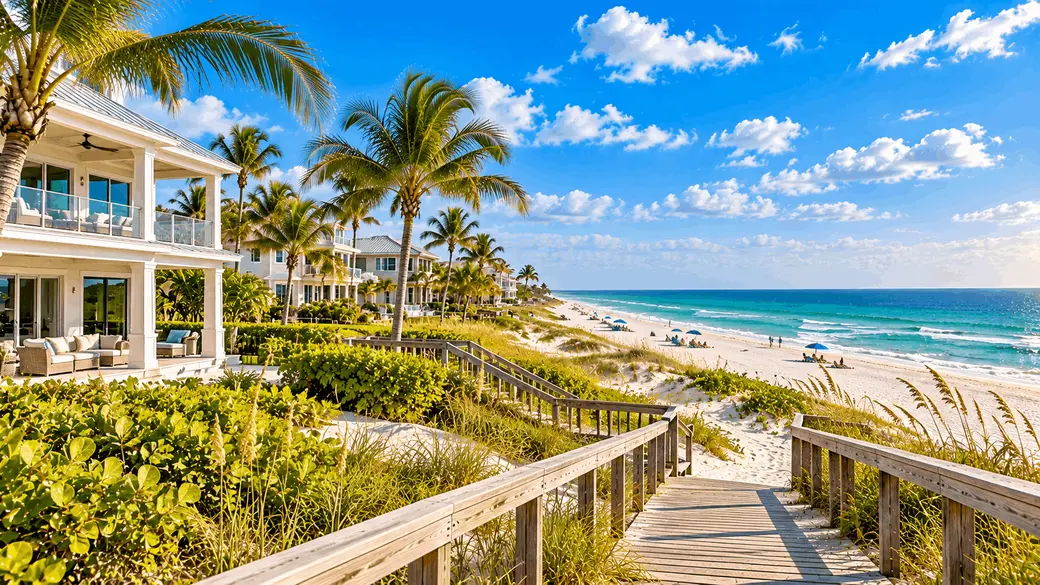
Before buying a home near the beach in Florida, evaluate more than the distance to the sand and the appeal of coastal living. Important considerations include flood risk, hurricane evacuation zones, homeowners and flood insurance, salt-air maintenance, storm history, beach access, and local property restrictions. Buyers should also investigate whether the home is subject to coastal construction regulations, how property taxes may change after purchase, and whether nearby beaches are easily accessible year-round. A home near the beach can offer an exceptional lifestyle, but understanding its condition, location, and long-term ownership costs is essential before making a purchasing decision.
Along Florida's Gulf Coast, communities such as Sarasota, Siesta Key, Longboat Key, Venice, Englewood, Clearwater and offer different ways to enjoy coastal living.
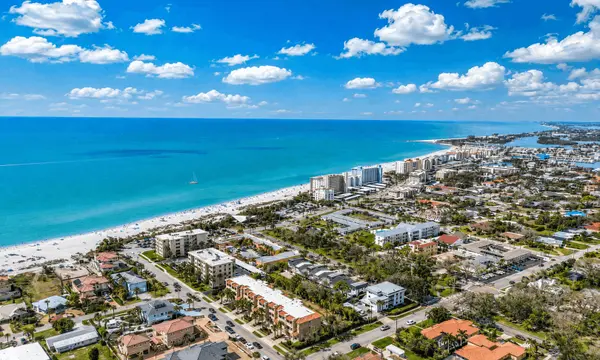
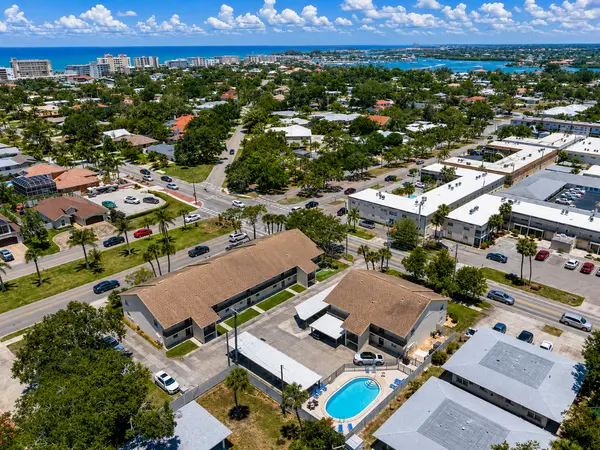
Some properties are directly across from the beach. Others are several blocks inland, across a bridge, or within a short drive of public beach access.
Those differences can affect daily convenience, insurance costs, storm exposure, and the property's suitability for your lifestyle.
This guide explains what buyers should investigate before purchasing a home near a Florida beach and which questions require verification by qualified professionals.
Quick Answers About Buying a Home Near the Beach in Florida
Is buying a home near the beach in Florida a good idea?
It can be an excellent lifestyle choice for buyers who value beach access, outdoor recreation, and coastal surroundings. However, the property's condition, insurance availability, flood exposure, maintenance needs, and ongoing expenses should be evaluated before purchasing.
Do homes near the beach in Florida require flood insurance?
Not every home near the beach has the same flood insurance requirement. Requirements depend on factors such as the property's flood designation, mortgage financing, and insurance policy conditions. Buyers should obtain property-specific guidance and quotes from a qualified insurance professional.
Are beach-area homes more expensive to insure?
They may be. Insurance premiums and coverage availability depend on the home's location, age, construction, roof condition, flood exposure, and other underwriting factors. A home near the beach should be evaluated using actual insurance quotes rather than general assumptions.
Does living near the beach mean I can walk to the sand?
Not necessarily. A property may be geographically close to the shoreline but separated from the beach by private property, major roads, waterways, or limited public access points.
Do coastal homes require more maintenance?
Some do. Salt exposure, humidity, wind-driven rain, and coastal weather can increase wear on certain exterior materials, mechanical equipment, and metal components.
What is the difference between a flood zone and a hurricane evacuation zone?
Flood zones describe mapped flood hazards and are used for purposes that include insurance and regulation. Hurricane evacuation zones identify areas that may need to evacuate because of storm surge and related hazards. They are different systems and should be checked separately.
What should I check first when buying near a Florida beach?
Start with the property's exact location, legal and practical beach access, flood exposure, insurance quotes, storm history, and physical condition. Then investigate taxes, association restrictions, permits, and the total cost of ownership.
1. Understand What "Near the Beach" Actually Means
One of the first things buyers should understand is that near the beach can describe very different locations.
A home may be:
- Directly on the beachfront
- Across the street from the beach
- Within walking distance of a public access point
- On a barrier island but several blocks from the shoreline
- On the mainland near a bridge to the beach
- A short drive from the coast
These distinctions matter.
A home located half a mile from the shoreline may have convenient pedestrian access. Another property at a similar distance may require driving because of road layouts, waterways, or restricted access.
Buyers should investigate the actual route to the beach rather than relying exclusively on a listing description or straight-line map distance.
Questions to Ask About Beach Proximity
- Where is the nearest legal beach access point?
- Can I walk or bicycle there safely?
- Are sidewalks or designated crossings available?
- Is parking available near the access point?
- Are there seasonal or time-of-day restrictions?
- Does the property have any recorded private beach access rights?
- Could road congestion make short trips inconvenient?
For buyers who want to visit the beach every day, these practical details can be just as important as the home's features.
2. Check the FEMA Flood Zone Before Making an Offer
Flood exposure is one of the most important considerations when purchasing a home near Florida's coast.
Buyers can begin their research through the FEMA Flood Map Service Center.
FEMA maps identify designated flood hazard areas used for floodplain management and insurance-related purposes.
However, a flood map designation does not fully describe every possible flooding scenario.
Properties outside designated high-risk areas can still experience flooding from extreme rainfall, drainage problems, or unusual coastal conditions.
Common Florida Flood Zone Designations
Zone AE: Generally identifies areas with a 1% annual chance of flooding where base flood elevations have been established.
Zone VE: Generally identifies coastal high-hazard areas exposed to additional wave-related hazards.
Zone X: Includes mapped areas with different flood-risk classifications, including locations outside the mapped 1% annual chance floodplain. Zone X does not mean flooding is impossible.
The appropriate interpretation depends on the exact property and current map information.
Buyers should verify flood information with the relevant local authority, lender, and qualified insurance professional.
Ask Whether an Elevation Certificate Is Available
An elevation certificate documents certain elevation characteristics of a building.
If the seller has an existing certificate, it may provide useful information during the buyer's investigation.
A qualified surveyor or insurance professional can help determine whether an updated certificate would be useful for the property.
3. Check the Hurricane Evacuation Zone Separately
A property's flood zone and hurricane evacuation zone are not the same thing.
Flood zones are used for flood hazard mapping, insurance, and regulatory purposes.
Hurricane evacuation zones help emergency management agencies identify areas that may need to evacuate because of storm surge and related threats.
A home can be outside a high-risk FEMA flood zone and still be located within a hurricane evacuation area.
Buyers should consult Florida's Division of Emergency Management and the applicable county emergency management office for current evacuation information.
Questions About Evacuation and Access
- Which hurricane evacuation zone includes the property?
- What routes connect the neighborhood to inland areas?
- Does the home depend on bridge access?
- Could storms temporarily interrupt road access or utilities?
- Are there local emergency notification systems?
- What should seasonal residents know about securing the property before leaving?
Buyers should use official emergency management guidance when preparing evacuation plans.
4. Obtain Homeowners and Flood Insurance Quotes Early
Insurance can materially affect the affordability of a home near the beach.
Two homes with similar purchase prices may have substantially different insurance costs because of their construction, location, roof condition, elevation, and other underwriting factors.
Buyers should investigate homeowners coverage, wind-related coverage, hurricane deductibles, and flood insurance.
Homeowners Insurance
Homeowners insurance generally addresses specified property risks, subject to policy terms, deductibles, limits, and exclusions.
Coverage availability can vary based on the home and insurer.
Windstorm and Hurricane Coverage
Buyers should review whether relevant wind damage is covered and how hurricane deductibles work.
A percentage-based hurricane deductible can produce a substantial out-of-pocket obligation, depending on the insured value and policy terms.
Flood Insurance
Standard homeowners insurance generally does not cover flood damage.
Flood insurance may be available through the National Flood Insurance Program or private insurers.
Buyers should compare available policies, coverage limits, deductibles, exclusions, and applicable waiting periods.
Citizens Flood Insurance Requirements in 2026
Florida's Citizens Property Insurance Corporation has implemented a phased approach to flood insurance requirements for many personal residential policies that include wind coverage.
According to Citizens' published flood insurance information, qualifying homes in designated special flood hazard areas are subject to flood coverage requirements.
For qualifying properties outside those areas, the phased requirements extend to homes with dwelling coverage of $400,000 or more in 2026, with broader requirements scheduled for 2027, subject to applicable exceptions.
Because policy eligibility and requirements can change, buyers should confirm current details directly with Citizens or a qualified insurance professional.
Insurance availability, coverage, and premiums should be verified before making a purchasing decision. Buyers should obtain property-specific quotes early enough to evaluate their options before important contract deadlines.
5. Review Florida's Required Flood Disclosure
Florida law requires sellers of residential real property to provide a flood disclosure to prospective buyers.
Under Florida Statutes Section 689.302, the seller must provide the required disclosure at or before the time the sales contract is executed.
The disclosure addresses the seller's knowledge of flooding that damaged the property during the seller's ownership, flood-related insurance claims, and certain flood-related assistance.
The required form also explains that homeowners insurance does not include flood damage coverage.
Buyers should understand that the disclosure reflects specified information concerning the seller's knowledge and experience.
It does not establish that a home has never experienced flooding.
A seller may not know what occurred before their ownership.
Buyers should review available disclosures, inspection findings, permits, and repair records together.
Questions about disclosure obligations or legal rights should be reviewed with a qualified Florida real estate attorney.
6. Understand How Salt Air Can Affect a Coastal Home
Salt exposure and coastal humidity can increase wear on certain materials and mechanical systems.
A home does not have to be directly on the beach to experience coastal environmental conditions.
The degree of exposure varies with distance from the shoreline, wind direction, building orientation, materials, and other factors.
Areas Worth Inspecting Carefully
- Air conditioning condensers
- Exterior metal fasteners
- Window and door hardware
- Garage door components
- Exterior light fixtures
- Balcony and stair railings
- Outdoor electrical equipment
- Roof components
- Exterior paint and coatings
- Pool and outdoor kitchen equipment
Some deterioration may be cosmetic, while other conditions may affect function or safety.
A qualified home inspector can identify visible concerns and recommend additional evaluation when necessary.
Buyers should ask about the property's maintenance history and consider whether coastal conditions may increase future upkeep.
7. Pay Close Attention to the Roof, Windows, and Exterior Openings
The condition of a coastal home's roof and exterior openings deserves careful attention.
These features can affect storm performance, maintenance needs, and insurance underwriting.
Buyers should investigate:
- Roof age and condition
- Roof covering and installation records
- Evidence of prior leaks
- Window and door condition
- Storm shutters or other opening protection
- Garage door condition
- Previous storm-related repairs
- Available permits and inspection records
An older roof does not automatically mean a property is unsuitable, but buyers should understand its condition and potential insurance implications.
A qualified roofing contractor or home inspector can evaluate relevant concerns.
Ask About a Wind Mitigation Inspection
A wind mitigation inspection documents certain construction and protection features that may be relevant to insurance underwriting and potential discounts.
Buyers should ask whether a current report is available and whether their insurer requires an updated inspection.
A qualified insurance professional can explain which features may affect a particular policy.
8. Investigate Previous Hurricane and Flood Damage
Florida coastal properties can experience severe weather involving wind, rainfall, storm surge, and flooding.
Before buying, investigate the property's known storm history.
Ask about previous damage and whether repairs were completed by qualified professionals.
Potential areas of concern include:
- Roof damage
- Water intrusion
- Drywall and flooring replacement
- Electrical system exposure
- HVAC damage
- Structural repairs
- Drainage problems
- Mold or moisture concerns
- Unpermitted or incomplete repairs
Ask whether relevant repair invoices, permits, warranties, and other records are available.
A fresh coat of paint or new flooring should not substitute for an appropriate inspection of suspected water damage.
Significant findings should be evaluated by qualified inspectors, contractors, engineers, or other specialists before the buyer makes a decision.
9. Verify Beach Access, Parking, and Everyday Convenience
Living near the beach is not always the same as having convenient beach access.
Some neighborhoods offer public beach access within a short walk.
Others may have limited access points, crowded parking areas, or roads that make walking less practical.
Visit the Neighborhood at Different Times
When possible, visit during weekdays, weekends, and busier visitor periods.
Observe:
- Traffic entering and leaving the beach area
- Pedestrian activity
- Parking availability
- Noise levels
- Nearby restaurants and businesses
- Beach access conditions
- Roadway and bridge congestion
A location that feels quiet during a weekday showing may be much busier during peak visitor periods.
Buyers should also confirm whether any advertised private access is supported by recorded rights or applicable community documents.
Legal questions involving access rights or easements should be reviewed by a qualified Florida real estate attorney or title professional.
10. Understand Coastal Construction Restrictions
Certain properties near Florida's sandy beaches are subject to additional coastal construction regulations.
The Florida Department of Environmental Protection maintains information about the Coastal Construction Control Line, commonly called the CCCL.
The CCCL identifies an area of coastal jurisdiction where special construction considerations apply.
According to the department, construction and excavation activities seaward of the line generally require a permit unless an exemption applies.
The rules are intended to address impacts on beach and dune systems, adjacent properties, public beach access, coastal vegetation, and marine turtles.
Importantly, the CCCL is not simply a standard building setback line.
A property may be affected by coastal permitting rules even when the proposed construction is not directly on the beach.
Why This Matters for Buyers
Buyers may want to:
- Add a swimming pool
- Expand an existing home
- Build a new outdoor living area
- Modify a deck or walkway
- Replace a structure
- Alter landscaping near dunes
- Rebuild after significant storm damage
The feasibility of these projects may depend on applicable state and local requirements.
Before purchasing a property based on future renovation plans, consult the relevant permitting authority and qualified design or construction professionals.
Buyers can review the department's CCCL permitting guidance and CCCL mapping resources.
11. Check for Dune, Vegetation, and Wildlife Restrictions
Florida beaches and coastal habitats are subject to environmental protections.
Depending on the property, restrictions may affect landscaping, lighting, construction, beach access structures, and vegetation removal.
For example, dune vegetation may play an important role in shoreline stability.
Coastal lighting can also be regulated in areas where it may affect nesting sea turtles or hatchlings.
Buyers should not assume that they can remove vegetation, modify dunes, or install unrestricted exterior lighting simply because the land is privately owned.
The Florida Department of Environmental Protection's coastal construction resources explain several of these considerations.
Property-specific questions should be directed to the applicable environmental or permitting authority.
12. Understand HOA, Condominium, and Rental Restrictions
Some Florida beach-area properties are located in homeowners associations or condominium communities.
Others are not subject to an HOA but may still be governed by local zoning or other regulations.
Buyers should review any applicable restrictions before purchasing.
Potential Community Restrictions
- Minimum rental periods
- Rental frequency limits
- Pet restrictions
- Parking rules
- Exterior modification requirements
- Use of common areas
- Beach access arrangements
- Maintenance responsibilities
Florida homeowners associations are generally governed by Chapter 720 of the Florida Statutes.
Condominium associations are generally governed by Chapter 718.
Buyers considering a condominium should also review association financial information, applicable reserve and inspection records, insurance responsibilities, and potential assessments with qualified professionals.
Do Not Assume Short-Term Rentals Are Allowed
A home near a popular beach may seem attractive for seasonal or vacation rentals.
However, rental use can be restricted by association documents, local regulations, and other applicable requirements.
Rules may differ between nearby jurisdictions or even between neighboring communities.
Buyers planning to rent a property should verify current requirements with the local government, applicable association, and qualified legal or tax professionals before making financial projections.
13. Understand Property Taxes and the Total Cost of Ownership
The asking price does not tell the complete financial story.
A home near the beach may involve expenses that differ from those of an inland property.
Depending on the home, ongoing expenses may include:
- Mortgage payments
- Property taxes
- Homeowners insurance
- Flood insurance
- HOA or condominium assessments
- CDD assessments, if applicable
- Roof and exterior maintenance
- HVAC maintenance
- Pool and landscaping expenses
- Utilities
- Future repairs and replacements
Property taxes deserve particular attention.
The seller's existing tax bill may reflect exemptions or assessment limitations that do not carry over to the buyer in the same manner.
For properties in Sarasota County, buyers can begin reviewing property information through the Sarasota County Property Appraiser.
Buyers should obtain property-specific estimates and consult the appropriate property appraiser or qualified tax professional regarding their circumstances.
Illustrative Annual Ownership Budget
The following example is hypothetical and is not a quote, market average, or estimate for a particular property.
| Expense | Hypothetical Annual Cost |
|---|---|
| Property Taxes | $6,500 |
| Homeowners Insurance | $5,000 |
| Flood Insurance | $1,800 |
| HOA Assessments | $1,200 |
| Maintenance Allowance | $3,500 |
| Illustrative Total | $18,000 |
This example excludes mortgage payments, utilities, some ordinary expenses, and unexpected repairs.
Actual costs may be significantly higher or lower.
Buyers should use current, property-specific estimates from qualified professionals when evaluating affordability.
14. Consider Whether a Beach-Area Home Fits Your Everyday Lifestyle
Beach proximity is appealing, but daily convenience deserves equal attention.
Think about how the location will function throughout the year.
Consider:
- Distance to grocery stores and medical services
- Travel time to work or regular appointments
- Bridge and roadway congestion
- Availability of parking
- Noise from nearby visitor activity
- Outdoor storage needs
- Space for guests
- Accessibility for household members
- Property security during extended absences
A beach-area property that works well for occasional vacations may not offer the same convenience for year-round living.
Buyers should evaluate the location according to how they intend to use the home.
15. Compare Florida Gulf Coast Communities Near the Beach
Florida's Gulf Coast offers a variety of coastal neighborhoods and beach-oriented communities.
Each location offers a different combination of beach access, housing types, neighborhood character, and practical considerations.
Sarasota
Sarasota provides access to several Gulf Coast beaches while offering a broad range of housing options and city amenities.
Buyers should compare mainland locations with barrier island properties to understand differences in access, traffic, flood exposure, and everyday convenience.
Siesta Key
Siesta Key is known for its beaches and coastal lifestyle.
Buyers should evaluate the specific property's walking route to the beach, parking arrangements, storm exposure, and any applicable association or rental restrictions.
Longboat Key
Longboat Key offers a mix of residential settings near the Gulf and Sarasota Bay.
Property type, access arrangements, association obligations, and coastal exposure can differ considerably between locations.
Venice
Venice offers coastal living opportunities near Venice Beach and other nearby shoreline destinations.
Buyers should compare homes on Venice Island with mainland properties to understand differences in beach access, housing characteristics, and location-specific considerations.
Casey Key
Casey Key offers a distinctive barrier island setting.
Buyers should pay particular attention to coastal construction restrictions, storm exposure, property access, and the condition of older structures.
Manasota Key and Englewood
Manasota Key and the surrounding Englewood area offer coastal housing options with different levels of beach proximity.
Buyers should investigate flood exposure, insurance, road access, storm history, and the practical distance to beach entrances.
Boca Grande
Boca Grande, on Gasparilla Island, offers a distinctive coastal setting.
Buyers should consider island access, coastal conditions, property-specific restrictions, and maintenance needs.
To explore homes throughout these communities, visit Hunt Brothers Realty.
16. Beachfront vs. Near-Beach vs. Inland Homes: What Is the Difference?
Not every buyer needs direct beachfront ownership to enjoy Florida's coastal lifestyle.
The best location depends on how frequently you visit the beach, your budget, your tolerance for maintenance, and your desired amenities.
| Property Location | Potential Advantages | Important Considerations |
|---|---|---|
| Direct Beachfront | Immediate shoreline setting and potential Gulf views | Coastal exposure, insurance, erosion, permitting, maintenance |
| Walkable Near-Beach | Convenient beach visits without direct beachfront ownership | Access route, traffic, flood exposure, insurance, neighborhood rules |
| Short Drive to Beach | Potentially broader housing selection and access to mainland amenities | Parking, travel time, bridge traffic, actual beach convenience |
| Farther Inland | Potentially different housing choices and property characteristics | Longer beach trips; flood and storm risks still require evaluation |
These are general comparisons, not guarantees about insurance costs, safety, property values, or maintenance.
The individual property should always be evaluated on its own merits.
17. Questions to Ask Before Buying a Home Near a Florida Beach
Use the following questions as a starting point for your property research.
- How far is the nearest legal beach access point?
- Can I walk or bicycle to the beach safely?
- Is parking available near the beach?
- What is the property's FEMA flood zone?
- What is the property's hurricane evacuation zone?
- Is an elevation certificate available?
- Has the seller disclosed any known flooding?
- Are there records of previous storm-related repairs?
- What homeowners insurance options are available?
- What flood insurance options are available?
- What are the applicable hurricane deductibles?
- How old is the roof?
- Is a wind mitigation inspection available?
- Are there visible signs of salt-related deterioration?
- Are any improvements subject to coastal construction regulations?
- Are there open permits or unresolved repair issues?
- Does the property belong to an HOA or condominium association?
- Are short-term rentals permitted under all applicable rules?
- What are the current assessments and any known planned assessments?
- How might property taxes change after purchase?
- How does traffic change during peak visitor periods?
- Does the property fit my year-round or seasonal lifestyle?
18. Recommended Due Diligence for a Florida Beach-Area Home
A standard home inspection is an important part of the purchasing process, but some coastal properties warrant additional evaluations.
| Issue | Appropriate Professional or Source |
|---|---|
| General Property Condition | Qualified home inspector |
| Roof Condition | Qualified home inspector or roofing contractor |
| Structural Concerns | Licensed structural engineer |
| Flood Hazard Information | FEMA, local floodplain administrator, qualified insurance professional |
| Insurance Availability and Cost | Qualified insurance professional |
| Elevation and Boundaries | Licensed surveyor |
| Coastal Construction Restrictions | Florida DEP and applicable local permitting authorities |
| Beach Access Rights | Title professional or Florida real estate attorney |
| HOA or Condominium Restrictions | Association, qualified Florida real estate attorney when needed |
| Financing | Qualified mortgage lender |
| Property Taxes | County property appraiser or qualified tax professional |
The appropriate inspections and investigations depend on the property's age, construction, location, and known conditions.
Buyers should complete relevant due diligence within applicable contractual deadlines and seek legal guidance when questions arise about contract rights or obligations.
Frequently Asked Questions About Buying a Home Near the Beach in Florida
How close to the beach should I buy in Florida?
The ideal distance depends on your lifestyle, budget, desired amenities, and tolerance for coastal exposure. Buyers who plan to walk to the beach regularly should verify the actual pedestrian route and access point rather than relying only on distance.
Are homes near the beach always in high-risk flood zones?
No. Flood designations vary by property. Buyers should review current FEMA mapping and consult appropriate professionals because a lower-risk designation does not eliminate flood exposure.
Can a home near the beach be outside a hurricane evacuation zone?
Evacuation designations vary by location. Buyers should verify the specific address using current local emergency management information rather than assuming that all coastal properties have the same designation.
How much is flood insurance for a Florida beach-area home?
Premiums depend on the property, coverage, insurer, and underwriting factors. There is no reliable single premium for every beach-area home. Buyers should request property-specific quotes from qualified insurance professionals.
Does salt air damage homes in Florida?
Salt exposure can contribute to corrosion and deterioration of certain materials and equipment. The severity depends on the property's exposure, construction, and maintenance. A qualified inspector can evaluate visible concerns.
Can I renovate a home near the beach?
Often, but the scope of permitted work depends on the property, local rules, building requirements, and potentially coastal construction regulations. Buyers should verify the feasibility of major improvements before purchasing.
Can I use a Florida beach-area home as a vacation rental?
Possibly. Rental rules depend on local regulations, applicable association documents, and other requirements. Buyers should confirm permitted use with the relevant authorities and association before relying on rental income.
Are homes near the beach better investments than inland homes?
There is no universal answer. Property values and ownership outcomes depend on purchase price, location, condition, market conditions, insurance, maintenance, and many other factors. Buyers considering investment performance should consult appropriate financial and tax professionals regarding their individual circumstances.
Should I buy a beachfront home or a home a few blocks away?
Both can offer appealing coastal lifestyles. Direct beachfront ownership may provide immediate shoreline access and views, while a nearby property may offer different housing options and maintenance considerations. Compare the actual properties rather than assuming one category is always preferable.
Should I work with a real estate agent when buying near a Florida beach?
A licensed real estate professional can help buyers compare neighborhoods, evaluate available property information, and coordinate due diligence. Specialized insurance, legal, tax, inspection, engineering, and permitting questions should be addressed by the appropriate qualified professionals.
The Bottom Line: What Should You Know Before Buying a Home Near the Beach in Florida?
Buying a home near the beach in Florida can offer easy access to coastal recreation, scenic surroundings, and a distinctive lifestyle.
However, beach proximity alone should not determine your purchasing decision.
Before buying, investigate the property's flood zone, hurricane evacuation designation, insurance availability, storm history, roof condition, salt-air exposure, beach access, community restrictions, and ongoing expenses.
If you plan to renovate, rent the home, or rely on private beach access, verify the applicable rights and restrictions before making financial commitments.
The best beach-area home is one that balances the coastal lifestyle you want with a property condition, location, ownership structure, and cost of living that fit your needs.
Explore Homes Near Florida's Gulf Coast Beaches With Hunt Brothers Realty
If you are considering buying a home near the beach in Sarasota, Siesta Key, Longboat Key, Venice, Englewood, Clearwater or another Florida Gulf Coast community, Hunt Brothers Realty can help you explore available properties and compare coastal locations.
Our team can assist with property searches, neighborhood comparisons, and coordinating questions that should be evaluated by qualified inspectors, lenders, insurance professionals, attorneys, surveyors, contractors, and local authorities.
Visit www.huntbrothersrealty.com to explore Florida Gulf Coast real estate and connect with our team.
Important Information: This article is provided for general informational and educational purposes only. It is not individualized legal, financial, tax, insurance, lending, inspection, engineering, construction, title, association, environmental, permitting, or other professional advice. Flood exposure, hurricane evacuation designations, insurance requirements, construction restrictions, rental rules, property condition, and ownership costs vary by property and may change over time. Buyers should obtain property-specific insurance quotes from a qualified insurance professional, review financing requirements with a qualified lender, and consult appropriate licensed inspectors, contractors, engineers, and surveyors regarding property condition and proposed improvements. Questions involving contracts, beach access rights, easements, title, disclosures, or other legal matters should be reviewed with a qualified Florida real estate attorney. Property tax questions should be reviewed with the appropriate county property appraiser or qualified tax professional. Construction and rental requirements should be verified with the relevant local or state authorities and applicable associations. Hunt Brothers Realty provides real estate brokerage services and does not provide professional advice outside that scope.
Sources
- Florida Legislature, Section 689.302, Disclosure of Flood Risks to Prospective Purchasers
- FEMA Flood Map Service Center
- National Flood Insurance Program, FloodSmart
- Florida Division of Emergency Management
- Citizens Property Insurance Corporation, Flood Insurance Requirements
- Florida Department of Environmental Protection, Locate the Coastal Construction Control Line
- Florida Department of Environmental Protection, Coastal Construction Control Line Permitting
- Florida Department of Environmental Protection, Coastal Construction Questions and Guidance
- Florida Legislature, Chapter 720, Homeowners' Associations
- Florida Legislature, Chapter 718, Condominiums
- Sarasota County Property Appraiser
- Hunt Brothers Realty, Florida Gulf Coast Real Estate
Contact Hunt Brothers Realty
Hunt Brothers Realty
46 N. Washington Blvd, Ste 3
Sarasota, FL 34236
Phone: (941) 388-7017
Email: info@huntbrothersrealty.com
Website: www.huntbrothersrealty.com
Categories
- All Blogs 1929
- Anna Maria Island 83
- Bird Key 4
- Bradenton 234
- Buying a Home 1000
- Casey Key 2
- Clearwater 8
- Condos & HOA Living 911
- Ellenton 5
- Englewood 9
- First Time Homebuyers 1104
- Foreclosures 3
- Homeownership 1124
- Lakewood Ranch 20
- Lido Key 27
- Longboat Key 78
- Luxury/Waterfront Properties 1064
- Market Updates & Trends 596
- Mortgages & Financing 41
- Move-Up Buyers 20
- Neighborhood Guides 718
- New Construction 32
- Palmetto 3
- Parrish 6
- Port Charlotte 10
- Punta Gorda 15
- Real Estate Investing 982
- Relocation to Florida 1026
- Safety Harbor 2
- Sarasota 68
- Sarasota - Downtown 157
- Selling a Home 142
- Siesta Key 89
- St. Petersburg 6
- Tierra Verde 5
- Vacation & Second Homes 1174
- Venice 88
- Wellen Park 9
Recent Posts