Is Florida Still a Good Place to Invest in Real Estate?

Florida can still offer attractive real estate investment opportunities in 2026, but the investment case is more property-specific than the simple population-growth story of several years ago. Florida continues to add residents, tourism remains exceptionally strong and statewide home prices have remained relatively firm. At the same time, financing costs, homeowners insurance, flood exposure, property taxes, condominium expenses and changing rental economics can substantially affect returns. For today's investor, the question is not simply whether Florida is a good market. It is whether a specific property, at a specific price, can support a realistic investment strategy after all expenses and risks are considered.
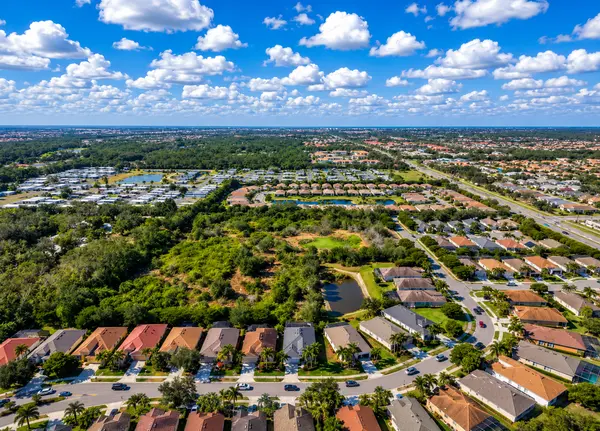
That distinction matters because Florida contains very different investment markets. A long-term rental in North Port, seasonal property near Venice, Sarasota condominium and vacation rental near a major tourism district should not be analyzed using the same assumptions.
Quick Answers About Investing in Florida Real Estate
Is Florida Still a Good Place to Invest in Real Estate in 2026?
Florida can still make sense for investors who buy selectively and analyze complete property-specific economics. Population growth, tourism and long-term housing demand remain supportive factors, but higher ownership costs mean investors should not assume appreciation or rental income will compensate for an overpriced purchase.
Are Florida Home Prices Still Rising?
Statewide prices were modestly higher year over year in the latest complete report. Florida Realtors reported an August 2026 median sale price of $415,000 for existing single-family homes, up just over 1%, while the condo and townhouse median increased nearly 3% to just under $298,000. Local markets and individual properties can perform very differently from statewide medians.
Is Florida Still Growing?
Yes, although the migration story has changed. The U.S. Census Bureau estimated Florida's population at approximately 23.46 million in July 2025, an increase of 196,680 people from the prior year. Florida's domestic migration slowed considerably, however, so investors should avoid relying on outdated assumptions that migration will continue at the extraordinary pace seen earlier in the decade.
Is Florida Good for Vacation Rental Investment?
Florida's enormous tourism economy can support vacation-rental demand in certain markets, but tourism alone does not make a property a profitable short-term rental. Investors need to verify zoning, state licensing, local regulations, HOA or condo restrictions, insurance, management costs, seasonal occupancy and realistic nightly rates before relying on projected income.
Are Florida Condos Good Investment Properties?
Some can be, but condominium investing requires additional due diligence. Association fees, rental restrictions, reserves, insurance, special assessments, structural projects and financing can materially change the investment economics even when the purchase price looks attractive.
What Is the Biggest Risk for Florida Real Estate Investors?
One of the biggest risks is underestimating the complete cost of ownership. Insurance, taxes, flood considerations, maintenance, association expenses, property management, vacancy and major repairs can turn a property that appears attractive based on gross rent into a weak investment after expenses.
Should Investors Expect Florida Property Values to Keep Rising?
No future appreciation should be assumed. Florida has long-term demand drivers, but prices can decline in individual cities, neighborhoods and property types. A sound investment analysis should work under conservative assumptions rather than requiring rapid appreciation to produce an acceptable outcome.
Why Does Florida Continue to Attract Real Estate Investors?
Florida retains several structural characteristics that keep it on investors' radar. Population growth, a large tourism industry, retiree demand, employment centers and a wide range of housing markets create multiple potential investment strategies.
None of those factors guarantees a return, but they help explain why Florida remains one of the country's most closely watched real estate markets.
Florida's Population Is Still Expanding
The Census Bureau's latest completed estimates place Florida's July 2025 population at 23,462,518, compared with a 2020 estimates base of 21,538,207. That represents approximately 8.9% growth over the period.
Florida also recorded the nation's second-largest numeric population increase from July 2024 through July 2025, adding 196,680 residents.
However, investors should pay attention to the direction of the data rather than only the headline. Net domestic migration fell substantially from the extraordinary levels of 2022 and 2023. Florida recorded net domestic migration of 22,517 in the latest annual estimates, compared with 310,892 in 2022.
Florida remains a growing state, but an investment model should not assume pandemic-era migration rates will return.
Tourism Remains an Important Demand Driver
Tourism is particularly relevant for investors considering seasonal and vacation-oriented markets. VISIT FLORIDA reported a revised record 143.33 million visitors in 2025.
Preliminary figures show another 39.88 million visitors during the first quarter of 2026, including 36.54 million domestic visitors and 2.29 million overseas visitors.
That enormous visitor base can help support hospitality-oriented real estate in appropriate locations. It does not mean every Florida vacation rental will achieve strong occupancy or profitability. Tourism patterns are highly location-specific and seasonal.
What Does the 2026 Florida Housing Market Mean for Investors?
Florida's current housing market presents a mixed picture for investors. Prices have remained relatively firm while inventory has recently tightened.
In August 2026, Florida Realtors reported:
- $415,000 statewide single-family median sale price, up just over 1% year over year
- Just under $298,000 condo-townhouse median sale price, up nearly 3%
- 13% decline in single-family inventory from a year earlier
- 11.5% decline in condo-townhouse inventory from a year earlier
- Single-family closed sales down approximately 1.5% year over year
- Condo and townhouse sales down just under 2%
Florida Realtors characterized the statewide market as leveling rather than experiencing a dramatic shift. For investors, that means the opportunity is less about buying into a broad market collapse and more about finding individual properties where price, income potential and expenses create acceptable economics.
For broader context, Hunt Brothers Realty's 2026 Florida property market forecast examines several trends influencing different Florida markets.
What Type of Florida Real Estate Investment Makes Sense?
There is no single Florida investment strategy. Investors should begin by deciding what they expect the property to accomplish.
Long-Term Rental Properties
Long-term rentals can appeal to investors seeking more predictable occupancy and less turnover than vacation rentals. Markets with employment, population growth, schools, healthcare and everyday services may generate rental demand independent of tourism.
But an investor should never assume that an advertised rent equals achievable net income. Evaluate comparable executed or well-supported market rents, vacancy, management, maintenance, turnover, taxes, insurance and capital expenditures.
Seasonal Rentals
Seasonal rentals are common in many Florida Gulf Coast communities. They can serve snowbirds and other visitors staying for weeks or months rather than a few nights.
This strategy can be attractive in communities where association or municipal rules permit seasonal leasing, but investors need to model high and low seasons separately. A strong winter rental rate should not be projected across all 12 months.
Short-Term and Vacation Rentals
Short-term rentals can generate higher gross revenue in certain tourism markets, but they also introduce more operational complexity. Furnishings, utilities, cleaning, platform fees, management, maintenance, marketing and vacancy can consume a significant portion of gross bookings.
Florida also regulates vacation rentals as public lodging establishments under applicable circumstances. The Florida Department of Business and Professional Regulation provides state vacation-rental licensing information.
Local rules and private association restrictions can add another layer. Investors should verify current state licensing, city or county regulations, zoning, registration requirements, taxes and association rental restrictions before purchasing a property based on a short-term rental strategy. Legal questions should be reviewed with a qualified Florida attorney.
Second Home With Rental Income
Some buyers want a property they can personally use while renting it during other periods. That can be a valid ownership strategy, but personal use can complicate the investment analysis and may have financing and tax consequences.
Tax treatment depends on the property, rental activity, ownership structure and individual taxpayer. Investors should review their circumstances with a qualified tax professional or CPA rather than relying on general real estate information.
What Makes a Florida Investment Property Actually Work?
An attractive Florida location does not automatically create an attractive investment. Investors should model the property's income and expenses using realistic assumptions.
Potential income should be evaluated against expenses such as:
- Mortgage principal and interest when financed
- Property taxes
- Homeowners or landlord insurance
- Flood insurance when applicable or desired
- HOA or condominium assessments
- Property management
- Vacancy
- Repairs and routine maintenance
- Landscaping and pool service
- Utilities paid by the owner
- Leasing or platform expenses
- Cleaning and turnover for short-term rentals
- Major capital replacements
- Association special assessments when applicable
The useful number is not gross rent. Investors need to understand what remains after realistic operating costs and capital needs.
Why Is Insurance So Important to Florida Investment Returns?
Insurance can materially change the economics of a Florida investment property. Two houses with similar purchase prices and rents can produce very different returns if their insurance premiums, deductibles or coverage requirements differ substantially.
Factors such as roof age and condition, construction characteristics, wind-mitigation features, location, prior claims, occupancy type and flood exposure can affect property-specific insurance considerations.
An investor should therefore obtain property-specific insurance quotes before relying on a projected return. Insurance availability, coverage, exclusions, deductibles and premiums vary by property and intended use. Review proposed coverage with a qualified Florida insurance professional before making an investment decision.
How Do Florida Property Taxes Affect Investors?
Investment-property buyers should not simply use the seller's current property-tax bill as their future tax estimate. According to the Florida Department of Revenue, when new real property is acquired, its assessed value is generally established at just value.
Florida's homestead protections and assessment rules should also not be assumed to apply in the same way to an investment property. For qualifying non-homestead property, annual increases in assessed value are generally subject to a 10% limitation under applicable Florida law, rather than the homestead assessment limitation.
Actual property-tax obligations depend on the parcel, assessed value, exemptions, taxing authorities and individual circumstances. Investors should obtain a property-specific estimate from the appropriate county property appraiser and tax collector and consult a qualified tax professional when tax consequences could affect the investment decision.
Are Florida Condos Still Attractive to Investors?
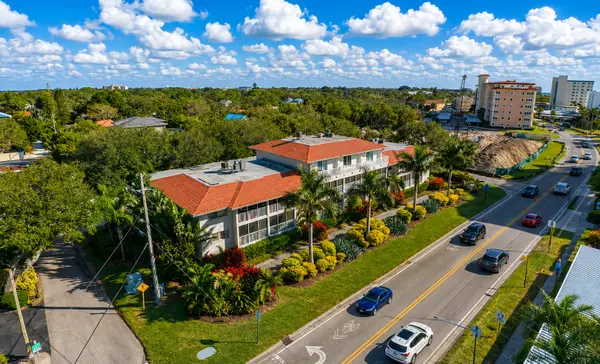
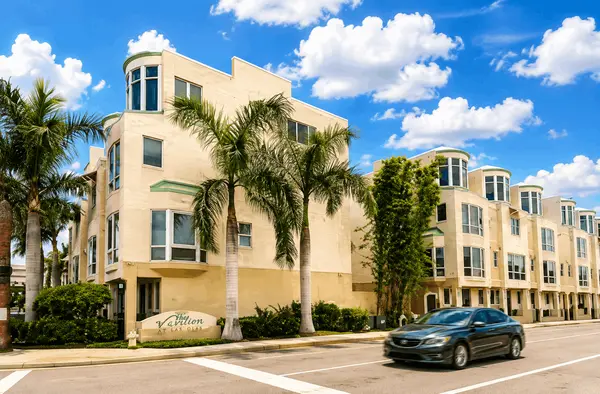
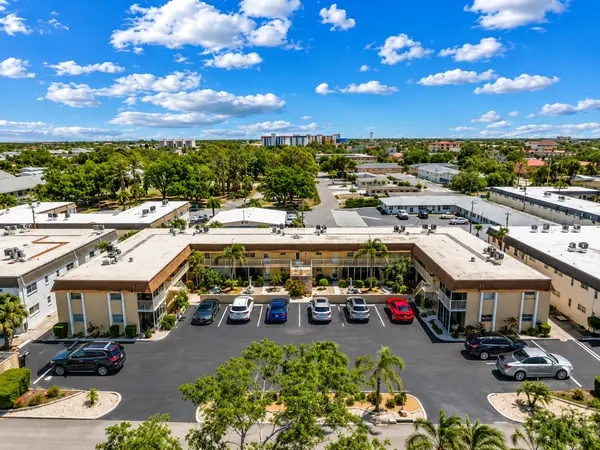
Florida condominiums can offer investors lower purchase prices than nearby single-family homes, locations close to beaches and downtown districts, and exterior maintenance handled through an association. Those advantages can be meaningful, particularly for seasonal or second-home strategies.
However, a condominium investment involves the financial condition and rules of the association in addition to the individual residence.
Before investing, review:
- Rental restrictions and minimum lease periods
- Maximum number of leases permitted each year
- Tenant approval requirements
- Regular association assessments
- Reserve funding
- Structural Integrity Reserve Study information when applicable
- Milestone inspection information when applicable
- Current and proposed special assessments
- Association insurance
- Major planned building projects
- Recent board and association meeting minutes
- Financing requirements affecting the condominium project
Hunt Brothers Realty's 2026 Florida condo buyer guide, Florida condo special-assessment guide and condo reserve guide explain why these issues can materially affect ownership costs.
Is a Florida Vacation Rental Automatically a Good Investment?
No. Florida's tourism numbers are impressive, but statewide visitor totals cannot tell an investor what one property will earn.
A vacation-rental analysis should investigate at least four separate questions:
Can You Legally Operate the Rental?
Verify state licensing, local government rules and private association restrictions. Never buy based only on the fact that nearby homes appear on a vacation-rental website.
What Is Realistic Occupancy?
Use location-specific seasonal data and conservative vacancy assumptions. Beach demand in February does not establish expected occupancy in September.
What Will Management Cost?
Short-term rentals require substantially more active management than many conventional leases. Cleaning, guest communication, marketing, booking administration, repairs, linens, furnishings and turnovers need to be included in the analysis.
What Happens if Revenue Underperforms?
An investment that works only at extremely high occupancy or premium nightly rates has little margin for error. Investors may want to stress-test the property using lower occupancy, lower rent and higher expense assumptions before making a decision.
What Are the Biggest Risks of Florida Real Estate Investing in 2026?
Florida's long-term demand drivers do not eliminate investment risk. Investors should consider several factors that can materially change expected returns.
Insurance and Storm Exposure
Insurance costs and storm exposure can affect both operating expenses and future repair obligations. Property-specific quotes and appropriate inspections should be obtained before purchase.
Flood Exposure
Flood risk varies by property. Investors should review official mapping, available elevation information, property history where appropriate and insurance implications rather than making assumptions based solely on distance from the Gulf.
High Financing Costs
Investment-property financing can differ from owner-occupied financing, and borrowing costs can substantially affect cash flow. Investors should obtain current property-specific loan information from qualified mortgage professionals before relying on leverage assumptions.
Slower Migration Growth
Florida is still growing, but domestic migration has slowed considerably. Investors should not simply extrapolate the extraordinary migration patterns of 2021 through 2023 indefinitely into the future.
Condo Association Costs
A condominium with a seemingly attractive acquisition price can still face high association assessments, special assessments or major capital work. Evaluate the building and association as carefully as the unit.
Regulatory Risk for Short-Term Rentals
Rental regulations and association rules can materially affect how a property may be used. Verify the rules that apply to the exact address and intended rental strategy before purchasing.
What Should Investors Look for in a Florida Market?
Rather than searching for a single list of the "best" Florida cities, investors can evaluate markets using fundamentals related to their strategy.
- Population trends: Is the local population expanding, stable or contracting?
- Employment: Are there multiple sources of year-round employment?
- Housing supply: How much competing inventory exists?
- Rental supply: How much competition exists for tenants or guests?
- Rent-to-price relationship: Does achievable income make sense relative to acquisition cost?
- Insurance: What does property-specific coverage actually cost?
- Flood and storm exposure: What risks and costs apply to the property?
- Taxes: What should the investor reasonably expect after purchase?
- Rental regulations: Does the intended strategy comply with applicable rules?
- Exit demand: Who is likely to buy the property when the investor eventually sells?
What About Investing on Florida's Gulf Coast?
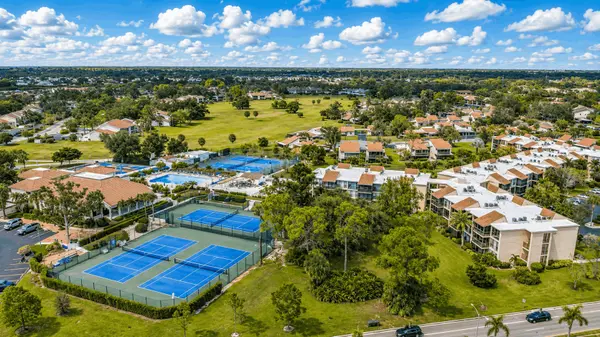
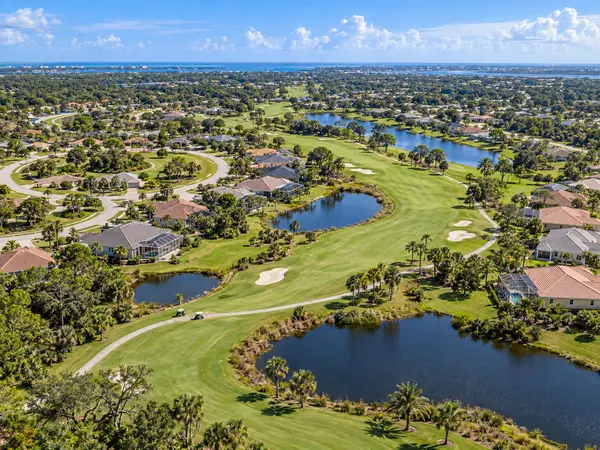
Florida's Gulf Coast provides several different investment environments rather than one uniform market. Sarasota, Venice, North Port and surrounding communities can appeal to different tenants, seasonal residents and buyers.
Sarasota combines employment, cultural amenities, healthcare, beaches, tourism and a large seasonal population. Investment opportunities range from downtown condominiums to suburban single-family rentals, but acquisition prices and carrying costs can be significant.
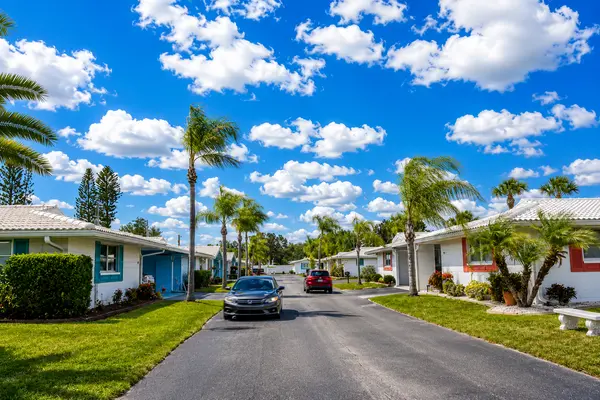
Venice can appeal to seasonal residents and retirees, with investment possibilities ranging from mainland homes to Island condominiums. Rental rules vary considerably by community, condominium and location.
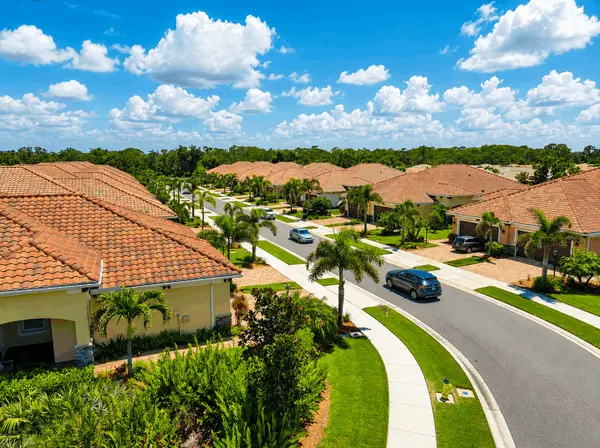
North Port offers a different investment profile, with a larger emphasis on single-family housing and year-round residential demand. Investors should still evaluate neighborhood-level rents, new construction competition, insurance, property condition and commute patterns.
Browse Hunt Brothers Realty's Florida Gulf Coast community guides to compare locations and housing options.
Should You Invest for Cash Flow or Appreciation?
Investors should understand which return assumptions are doing the work in their analysis. A property that produces acceptable income after realistic expenses is fundamentally different from one that generates weak or negative cash flow but is expected to appreciate rapidly.
Future appreciation is uncertain. An investor may therefore want to evaluate whether the property still makes sense under conservative appreciation assumptions, realistic vacancy and higher-than-expected expenses.
The appropriate return, leverage and risk tolerance depend on the individual investor. Financial and investment decisions should be reviewed with qualified financial, lending, tax and other appropriate professionals.
What Due Diligence Should a Florida Investor Complete?
Before purchasing an investment property, investigate the property from several directions rather than relying on a listing's projected rent or a seller's historical numbers.
- Verify comparable market rents.
- Investigate realistic vacancy and seasonality.
- Obtain property-specific insurance quotes.
- Estimate post-purchase property taxes.
- Review flood information when relevant.
- Complete appropriate property inspections.
- Budget for major systems and future capital expenditures.
- Verify applicable rental and zoning regulations.
- Review HOA or condo documents and rental restrictions when applicable.
- Review current and potential association assessments when applicable.
- Obtain financing information based on the intended investment use.
- Understand management costs.
- Stress-test the investment using less favorable income and expense assumptions.
- Have legal, tax, insurance, structural and financial questions reviewed by the appropriate qualified professionals.
When Could Florida Real Estate Be Worth Considering as an Investment?
A Florida investment property may deserve further consideration when:
- The acquisition price is supported by relevant comparable sales.
- Rental assumptions are supported by the local market.
- The investment remains workable after realistic expenses.
- Insurance has been quoted for the actual property and intended use.
- Rental rules support the intended strategy.
- The property passes appropriate inspection and condition reviews.
- The investor has adequate reserves for vacancy and repairs.
- The analysis does not require aggressive appreciation to succeed.
- The investor understands a realistic exit strategy.
When Should an Investor Be More Cautious?
Extra caution may be appropriate when:
- The projected return depends on unusually high occupancy.
- The seller's rent projections are not supported by current evidence.
- Insurance costs have not been verified.
- The investment requires rapid appreciation to work.
- Short-term rental legality or association approval is unclear.
- The investor has insufficient reserves for repairs or vacancy.
- An older condominium has unresolved assessment, reserve, insurance or structural questions.
- The property has major deferred maintenance that has not been professionally evaluated.
- The investor is making the decision primarily because Florida property values increased rapidly in the past.
So, Is Florida Still a Good Place to Invest in Real Estate?
Florida still has several characteristics that can support real estate investment in 2026. The state continues to add population, tourism remains enormous, housing inventory has recently tightened and demand exists across year-round, seasonal and vacation-oriented markets.
But Florida is no longer a market where an investor should expect broad appreciation and strong migration to rescue a weak purchase. Insurance, financing, taxes, flood exposure, maintenance, association costs and rental regulations make property selection and due diligence increasingly important.
The more useful conclusion is that Florida can still offer investment opportunities, but the quality of the investment depends on the numbers and risks of the individual property. Investors should focus on realistic income, complete expenses, local demand, legal use and a conservative plan rather than buying simply because the property is in Florida.
Explore Florida Gulf Coast Investment Properties With Hunt Brothers Realty
Hunt Brothers Realty can help investors research Florida Gulf Coast properties, compare recent sales, examine market conditions and identify property-specific questions that deserve further due diligence. Real estate brokerage assistance can help investors understand the local property market, but financial, tax, legal, insurance and other specialized decisions should be reviewed with the appropriate qualified professionals.
Browse Florida Gulf Coast community guides, review the Florida Buyer Resource Center, or contact Hunt Brothers Realty to discuss properties that fit your search criteria.
Informational notice: This article is provided for general real estate information and educational purposes only. It is not individualized investment, financial, tax, legal, insurance, lending, accounting, inspection, engineering or other professional advice, and no investment return, rental income, occupancy level, appreciation or resale outcome is guaranteed. Investment economics, taxes, financing, insurance, flood exposure, rental regulations, property condition and association obligations vary by investor and property. Before making an investment decision, investors should verify property-specific information and consult the appropriate licensed real estate professional, lender, insurance professional, Florida real estate attorney, CPA or tax professional, home inspector, engineer, contractor, title professional, surveyor, association, local government authority or other qualified professional when individualized guidance is required.
Sources
- Florida Realtors, Florida Housing Market Levels Off in August
- Florida Realtors, Florida Home Prices Hold Firm in August
- U.S. Census Bureau, 2025 Population Estimates and Migration Trends
- U.S. Census Bureau, Florida QuickFacts
- VISIT FLORIDA, Tourism Data and News Releases
- Florida Department of Revenue, Property Taxpayer Information
- Florida Department of Business and Professional Regulation, Vacation Rental Licensing
- Hunt Brothers Realty, 2026 Florida Property Market Forecast
- Hunt Brothers Realty, Buying a Condo in Florida in 2026
- Hunt Brothers Realty, Florida Condo Special Assessments
- Hunt Brothers Realty, Florida Condo Reserves Explained
- Hunt Brothers Realty, Why the 2026 Housing Market Is Not 2008
Contact Hunt Brothers Realty
46 N. Washington Blvd, Ste 3
Sarasota, FL 34236
Phone: (941) 388-7017
Email: info@huntbrothersrealty.com
Website: HuntBrothersRealty.com
Categories
- All Blogs 1849
- Anna Maria Island 82
- Bird Key 4
- Bradenton 234
- Buying a Home 925
- Casey Key 2
- Clearwater 8
- Condos & HOA Living 835
- Ellenton 5
- Englewood 8
- First Time Homebuyers 1028
- Foreclosures 3
- Homeownership 1046
- Lakewood Ranch 19
- Lido Key 27
- Longboat Key 77
- Luxury/Waterfront Properties 984
- Market Updates & Trends 532
- Mortgages & Financing 38
- Move-Up Buyers 20
- Neighborhood Guides 670
- New Construction 29
- Palmetto 3
- Parrish 6
- Port Charlotte 10
- Punta Gorda 14
- Real Estate Investing 903
- Relocation to Florida 950
- Safety Harbor 2
- Sarasota 60
- Sarasota - Downtown 155
- Selling a Home 141
- Siesta Key 88
- St. Petersburg 6
- Tierra Verde 4
- Vacation & Second Homes 1096
- Venice 51
- Wellen Park 8
Recent Posts