What Is It Really Like to Live in Sarasota Year-Round?
Living in Sarasota year-round is different from spending a winter vacation here. Full-time residents experience the Gulf Coast lifestyle through every season, including comfortable winters, hot and humid summers, afternoon thunderstorms, hurricane preparation, quieter off-season beaches and busier winter roads. Sarasota also offers something many coastal destinations do not: beaches, boating and outdoor recreation alongside a substantial arts scene, an active downtown and a wide range of residential settings. For buyers considering Sarasota real estate, the important question is not simply whether Sarasota is appealing, but whether its full twelve-month rhythm fits the way you want to live.
Quick Answers About Living in Sarasota Year-Round
What is Sarasota really like for full-time residents?
Sarasota combines coastal recreation with the everyday amenities of an established Gulf Coast city. Beaches, Sarasota Bay, parks, restaurants, shopping and cultural destinations can be part of regular life, but year-round residents also adapt to seasonal traffic, summer humidity, heavy rain and hurricane preparedness.
Is Sarasota extremely hot in the summer?
Sarasota summers are hot and humid. Visit Sarasota County describes June through August daytime temperatures as generally reaching the upper 80s to low 90s, with afternoon showers common during the wetter part of the year. Air conditioning, shade, pools and planning outdoor activities around the heat become part of everyday summer life.
Does Sarasota feel different during winter?
Yes. Winter brings cooler, generally drier weather along with seasonal residents and visitors. Restaurants, beaches, cultural events and major roads can feel busier than they do during summer, so living here year-round means experiencing two noticeably different rhythms within the same community.
Can you use Sarasota's beaches year-round?
Sarasota's beaches and coastal parks are year-round amenities, although weather, water conditions, parking demand and crowds change with the seasons. Living locally can make it easier to enjoy places such as Siesta Key and Lido Key outside the busiest visitor periods.
Do you need to live on a barrier island to enjoy Sarasota's coastal lifestyle?
No. Mainland Sarasota includes downtown condominiums, waterfront neighborhoods, established residential areas and homes with relatively convenient routes to the barrier islands. Buyers can compare mainland living with Sarasota island living based on the daily routine they actually want.
Is hurricane season a real part of living in Sarasota?
Yes. The Atlantic hurricane season officially runs from June 1 through November 30. Year-round residents should understand their property's flood exposure and evacuation level, maintain a preparedness plan and follow official local weather and emergency-management information when storms threaten the area.
Is Sarasota only a retirement or vacation destination?
No. Sarasota functions as a year-round city with residential neighborhoods, businesses, parks, restaurants, cultural institutions, recreation and community events. Buyers should evaluate Sarasota based on objective housing and lifestyle priorities rather than assumptions about who lives in a particular area.
What Does an Ordinary Year in Sarasota Actually Feel Like?
The biggest difference between visiting Sarasota and living here is that a resident experiences the entire seasonal cycle. Winter can bring the kind of weather that draws people outside for long walks, boating, beach days and outdoor dining. It is also the time when seasonal residents and visitors are most noticeable.
Spring transitions toward warmer temperatures, while summer changes the daily schedule. Outdoor activities often make more sense earlier in the morning or later in the day, and afternoon thunderstorms can become part of the routine. Visit Sarasota County identifies June through October as the wetter season, with summer daytime temperatures commonly reaching the upper 80s and low 90s.
Fall can still feel warm compared with much of the country, but it gradually brings relief from peak summer conditions. It also overlaps with the latter part of hurricane season, which means weather awareness remains important until the Atlantic season officially ends on November 30.
How Much Does Sarasota Change Between Winter and Summer?
Quite a bit. Sarasota has a strong seasonal pattern, and full-time residents often notice it in traffic, restaurant demand, beach parking, community events and the general pace of popular destinations. Visit Sarasota County identifies December through March as the area's traditional high season.
Summer presents the other side of Sarasota. The weather is hotter and wetter, but some heavily visited places can feel less crowded than during winter. For a year-round resident, that can mean becoming strategic about when to visit the beach, when to make restaurant reservations and when to cross a causeway.
This seasonal contrast is worth experiencing before relocating. A buyer who has only spent February in Sarasota has seen an important part of the lifestyle, but not the whole picture.
Is the Summer Heat Difficult to Get Used To?
For many newcomers, summer heat and humidity are among the biggest adjustments. Sarasota's warm season changes how residents use outdoor space, exercise, walk pets, maintain landscaping and schedule recreational activities.
That does not mean outdoor life stops. It often shifts. Morning walks, pool time, boating, shaded parks, indoor cultural activities and evening outings become more attractive when midday temperatures climb. Afternoon rain can also cool conditions temporarily, although thunderstorms and lightning require appropriate caution.
A practical relocation strategy is to visit Sarasota in July, August or September before committing to a full-time move. Experiencing the area during the hottest and wettest part of the year provides information that a winter visit cannot.
How Much Does the Water Shape Everyday Life?
The Gulf of Mexico, Sarasota Bay and the area's barrier islands have a major influence on Sarasota's lifestyle. Residents do not need to own waterfront property to make beaches, kayaking, boating, fishing or sunset walks part of their routine.
The type of coastal experience depends heavily on location. Living on Siesta Key can put a resident close to major Gulf beaches, Siesta Key Village and boating-oriented neighborhoods. Lido Key living combines the beach with St. Armands Circle and relatively convenient access to downtown. Longboat Key offers another version of island life, with Gulf-front and bayfront settings and a generally more residential atmosphere.
Mainland residents can still make coastal recreation part of everyday life without living directly on an island. The better question for a home buyer is how frequently the beach or boat needs to be immediately outside the door, rather than whether coastal living matters at all.
What Is Downtown Sarasota Like for Year-Round Living?
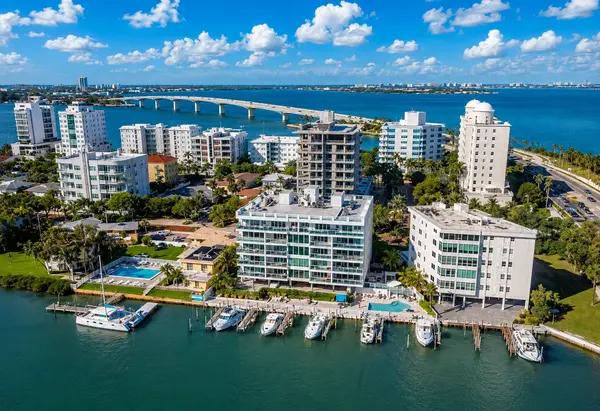
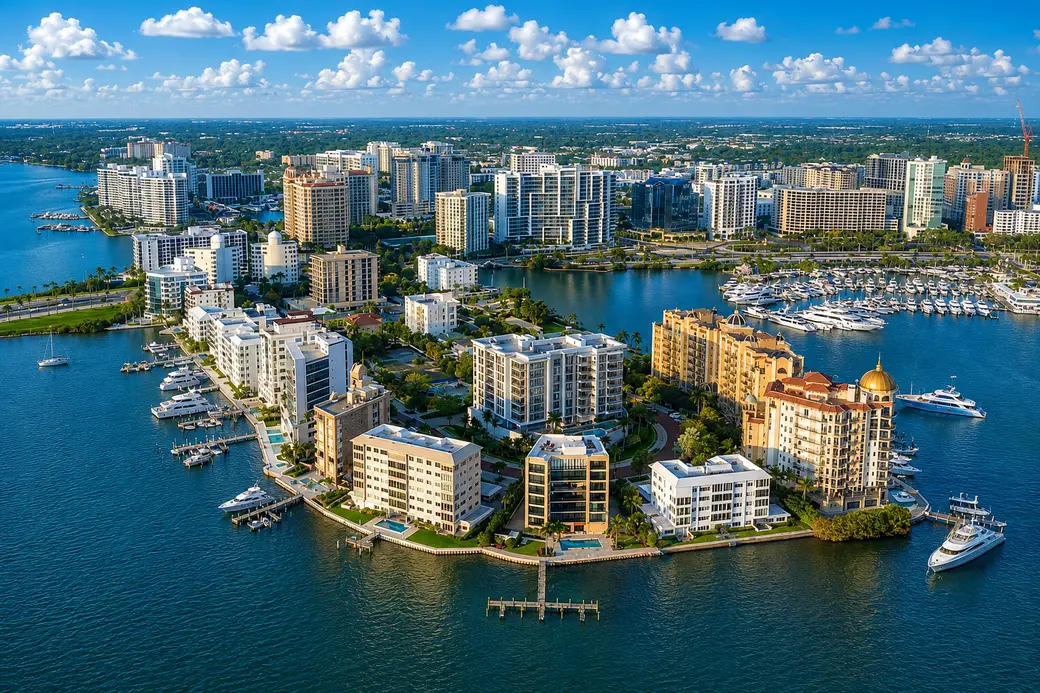
Downtown provides a more urban version of Sarasota living. Restaurants, shops, cultural destinations, parks and Sarasota Bay can be relatively close together, and condominium living can reduce some of the exterior maintenance responsibilities associated with a single-family home.
Sarasota's free Bay Runner trolley also connects downtown with St. Armands Circle and Lido Key. That relationship between the urban core and the coast is one of Sarasota's distinctive characteristics. A resident can live on the mainland while still having a practical connection to island destinations.
Downtown is not the only choice for buyers who want city convenience. Established mainland areas can provide different combinations of yards, pools, garages, architectural styles and proximity to downtown. Buyers interested in that environment can also review Hunt Brothers Realty's guide to living West of the Trail in Sarasota.
Is Sarasota's Arts and Cultural Scene Really Part of Daily Life?
Sarasota's cultural identity extends beyond tourism. The area supports museums, performing arts, public art, botanical gardens, community events and other cultural activities that give residents alternatives to a lifestyle centered exclusively on the beach.
That becomes particularly useful during summer. Hot or rainy afternoons do not have to mean staying home, because Sarasota offers indoor cultural options as well as restaurants, shopping and entertainment. The City of Sarasota also maintains a public art program, while Visit Sarasota County highlights the area's museums, theaters and performing arts as year-round attractions.
For someone comparing Sarasota with a smaller beach town, this combination can be important. Sarasota can provide access to coastal recreation without requiring every leisure activity to revolve around the Gulf.
What Is Traffic Really Like?
Traffic varies substantially by location, season, time of day and destination. Winter and spring visitor activity can increase demand on major roads and routes toward the barrier islands, while beach traffic can affect causeways and parking during popular periods.
That makes location more important than a simple mileage calculation suggests. A home that looks close to a favorite beach, workplace, marina or downtown destination on a map may produce a different daily routine during peak periods.
Before buying, drive the routes you expect to use at realistic times. If regular access to Siesta Key, Lido Key, downtown Sarasota or another destination matters, test that trip rather than relying solely on estimated drive times.
What Does Hurricane Season Mean for a Full-Time Resident?
Hurricane preparedness is a real part of Gulf Coast living. The National Hurricane Center defines the Atlantic hurricane season as June 1 through November 30, although a season's actual impacts vary from year to year.
Property location matters. Sarasota County notes that its Gulf Coast location, relatively flat topography and subtropical climate create exposure to coastal, riverine and urban flooding from heavy rain, tropical systems, hurricanes and storm surge. A flood zone and a hurricane evacuation level are separate classifications, so buyers should investigate both for the specific property.
Insurance is another property-specific consideration. Availability, coverage, deductibles and premiums can vary substantially by home. Buyers should obtain quotes for the actual property and review coverage with a qualified insurance professional before making a purchasing decision. Flood information should be checked using current official maps, and questions about property condition or storm resilience should be evaluated with the appropriate licensed inspectors, contractors, engineers or other qualified professionals.
Buyers considering property close to the Gulf or Sarasota Bay may also find Hunt Brothers Realty's questions to ask before buying a home near the coast useful when organizing property-level due diligence.
Does Your Sarasota Neighborhood Matter More When You Live Here Full-Time?
Yes. Vacation priorities and everyday priorities are not always the same. A visitor may care primarily about being close to a particular beach, while a full-time resident may also place greater importance on grocery shopping, medical services, commuting patterns, garage space, storage, association rules, maintenance and how frequently a causeway must be crossed.
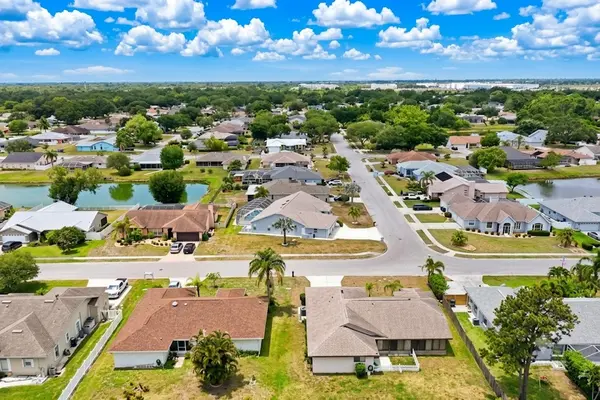
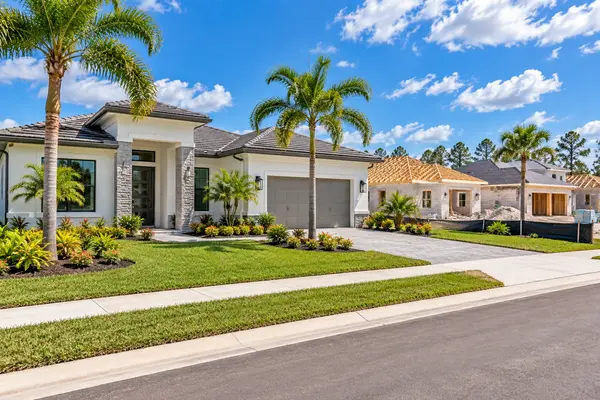
Sarasota offers very different residential environments within a relatively compact region. Buyers can compare downtown condominiums, established mainland neighborhoods, waterfront homes, barrier-island residences and newer communities farther inland. Hunt Brothers Realty's Gulf Coast community guides provide a starting point for comparing Sarasota with Siesta Key, Longboat Key, Lido Key, Bird Key, Lakewood Ranch and other area communities.
The goal is not to identify a universally "best" neighborhood. It is to find the location whose daily routine, property type and ownership responsibilities align with your priorities.
What Should Buyers Think About Beyond the Sarasota Lifestyle?
The lifestyle is only one part of a Sarasota home purchase. Full-time buyers should evaluate the actual property and its ongoing ownership requirements, especially when comparing older homes, condominiums, waterfront properties and coastal locations.
- Property-specific homeowners and flood insurance options and costs
- Flood zone and hurricane evacuation level
- Roof, windows, doors and overall property condition
- Condominium or homeowners association fees and restrictions when applicable
- Current assessments and association financial information for condominium purchases
- Exterior maintenance and landscaping requirements
- Parking, storage and vehicle needs
- Waterfront infrastructure such as seawalls, docks or boat lifts when applicable
- The realistic travel pattern between the home and frequently used destinations
Hunt Brothers Realty's Florida buyer resources provide additional information for people preparing to purchase or relocate to the Gulf Coast. Property-specific questions involving insurance, financing, legal rights, taxes, inspections, engineering or association matters should be reviewed with the appropriate qualified professional before a buyer makes a decision.
How Can You Tell Whether Sarasota Works for You Year-Round?
Experience Sarasota as a resident would, not only as a visitor. If possible, spend time here during both winter and summer, then compare how the weather, roads, beaches and daily routine feel in each season.
Visit prospective neighborhoods in the morning and evening. Shop for groceries. Drive to the places you would use regularly. If you are considering an island, cross the causeway during a busy period. If you are considering downtown, walk from the building to restaurants, parks and other destinations you expect to use.
Most importantly, imagine an ordinary Tuesday rather than a vacation Saturday. The home and neighborhood that make sense for daily life may be different from the location you would choose for a one-week beach trip.
Is Sarasota a Good Place to Live Year-Round?
Sarasota can be a strong fit for buyers who want Gulf Coast recreation, beaches, boating, cultural activities, dining and varied housing choices to be part of everyday life, not simply a vacation. The tradeoffs are equally real: hot and humid summers, seasonal congestion, storm preparation and property-specific coastal ownership considerations are part of the full-time experience.
That is why the best way to evaluate Sarasota is not to ask whether everyone should live here. Ask whether the specific Sarasota lifestyle, neighborhood and property you are considering make sense through all four seasons and for the routine you expect to have.
Explore Sarasota with Hunt Brothers Realty
If you are considering a full-time move to Sarasota, Hunt Brothers Realty can help you compare mainland neighborhoods, downtown living, waterfront locations and Gulf Coast islands based on the way you actually expect to live. Start with the Hunt Brothers Realty community guides, review Florida home-buying resources, or contact Hunt Brothers Realty to discuss the locations and property types that match your priorities.
Informational notice: This article provides general educational information about living in Sarasota and purchasing real estate in the area. Property-specific flood exposure, insurance, financing, taxes, association obligations, legal rights, structural condition and other ownership considerations can vary substantially. Buyers should verify material information for the individual property and consult the appropriate licensed real estate professional, insurance agent, lender, Florida real estate attorney, tax professional, inspector, engineer, association, title professional or other qualified specialist when individualized guidance is required.
Sources
- Visit Sarasota County, Sarasota Weather and Seasonality
- Visit Sarasota County, Summer in Sarasota
- National Hurricane Center, Tropical Cyclone Climatology
- Sarasota County, Flood Maps
- Sarasota County, Flood Protection
- City of Sarasota, Bay Runner Trolley
- City of Sarasota, Public Art Plan 2030
- Hunt Brothers Realty, Explore Gulf Coast Communities
- Hunt Brothers Realty, Florida Buyer Resources
Contact Hunt Brothers Realty
Hunt Brothers Realty
46 N. Washington Blvd, Ste 3
Sarasota, FL 34236
Phone: (941) 388-7017
Email: info@huntbrothersrealty.com
Website: HuntBrothersRealty.com
Categories
- All Blogs 1467
- Anna Maria Island 68
- Bird Key 3
- Bradenton 72
- Buying a Home 618
- Casey Key 2
- Clearwater 5
- Condos & HOA Living 524
- Ellenton 4
- Englewood 5
- First Time Homebuyers 692
- Foreclosures 3
- Homeownership 670
- Lakewood Ranch 15
- Lido Key 24
- Longboat Key 65
- Luxury/Waterfront Properties 607
- Market Updates & Trends 300
- Mortgages & Financing 30
- Move-Up Buyers 20
- Neighborhood Guides 449
- New Construction 24
- Palmetto 2
- Parrish 4
- Port Charlotte 7
- Punta Gorda 11
- Real Estate Investing 541
- Relocation to Florida 591
- Safety Harbor 2
- Sarasota - Downtown 126
- Selling a Home 136
- Siesta Key 87
- St. Petersburg 3
- Tierra Verde 4
- Vacation & Second Homes 725
- Venice 21
- Wellen Park 7
Recent Posts