What Monthly Expenses Should I Expect After Buying a Florida Home?

After buying a Florida home, your monthly housing cost can include much more than mortgage principal and interest. Most owners should budget for property taxes, homeowners insurance, utilities, maintenance and repairs, plus HOA or condominium assessments, flood insurance, mortgage insurance, CDD assessments, pool care, landscaping, or other property-specific expenses when applicable. Some of these bills are paid monthly, while others arrive quarterly or annually. The best approach is to convert every recurring ownership expense into a monthly equivalent so you can see what the home really costs to own.
Quick Answers About Monthly Expenses After Buying a Florida Home
What bills do you pay every month after buying a house in Florida?
Common expenses include mortgage principal and interest, property taxes, homeowners insurance, electricity, water, sewer, internet, maintenance and repairs. Depending on the property, you may also have flood insurance, mortgage insurance, HOA or condominium assessments, CDD assessments, lawn service, pest control, pool expenses, or club fees.
Are property taxes included in my mortgage payment?
They may be. If your lender establishes an escrow account, part of the monthly mortgage payment can be collected for property taxes and insurance. If those expenses are not escrowed, you need to budget for them separately even though the bills may not arrive monthly.
Will my Florida property taxes be the same as the seller's?
Not necessarily. A seller may benefit from a lower assessed value, Homestead Exemption, and years of Save Our Homes assessment limitations. Buyers should estimate taxes under their own expected ownership circumstances rather than treating the seller's current bill as a reliable future budget.
Does homeowners insurance cover flooding in Florida?
Standard homeowners insurance generally does not cover flood damage. Flood coverage is separate, and a mortgage lender may require it for certain properties. Buyers should investigate flood exposure and obtain property-specific insurance guidance before purchasing.
Are HOA fees included in the mortgage?
HOA and condominium assessments are generally separate from the mortgage payment, although lenders can consider them when evaluating housing expenses and qualification. Some assessments are billed monthly, while others may be quarterly, semiannually, or annually.
How much should I budget for home maintenance?
There is no single percentage that accurately fits every Florida property. A newer inland home, older pool home, waterfront residence, and high-rise condominium have very different maintenance responsibilities. Build the reserve around the actual roof, HVAC, plumbing, appliances, exterior, pool, landscaping, storm protection, and other components you will own.
Can my monthly housing cost increase even with a fixed-rate mortgage?
Yes. A fixed-rate mortgage can keep principal and interest predictable, but property taxes, insurance premiums, HOA or condominium assessments, utilities, maintenance expenses, and other ownership costs can change. An escrow adjustment can also change the total amount paid to the lender each month.
Start With the Total Cost of Ownership, Not Just the Mortgage
One of the most important budgeting changes after becoming a homeowner is recognizing that there is no longer one simple housing number.
A renter may be accustomed to comparing properties primarily by monthly rent. A homeowner has several expenses operating at different schedules. Some are paid monthly. Others are collected through escrow. Still others appear quarterly, annually, or when something needs repair.
Hunt Brothers Realty's guide to the true cost of buying a Florida home separates expenses into upfront costs, recurring ownership expenses, and longer-term property costs. After closing, the recurring and long-term categories become especially important.
1. Mortgage Principal and Interest
For financed buyers, mortgage principal and interest usually form the foundation of the monthly housing payment.
Principal reduces the loan balance. Interest is the cost charged by the lender for borrowing the money. With a fixed-rate mortgage, the scheduled principal-and-interest payment is generally predictable, although the total amount paid to the lender can still change if taxes or insurance are escrowed and those expenses change.
Adjustable-rate mortgages work differently and can allow the interest rate and payment to change according to the loan terms. Buyers should rely on their Loan Estimate, Closing Disclosure, promissory note, and mortgage professional for the terms of their specific financing.
2. Florida Property Taxes
Property taxes may be paid through your mortgage escrow account or directly by you, but either way they belong in the monthly ownership budget.
The most important Florida-specific budgeting issue is that the seller's current property tax bill may not accurately predict the buyer's future taxes.
A longtime owner may have accumulated substantial assessment protection under Florida's Save Our Homes system. The Florida Department of Revenue explains that an eligible owner who makes the property a permanent residence may qualify for a Homestead Exemption that can reduce taxable value by as much as $50,000 and can qualify the property for the Save Our Homes assessment limitation.
Those benefits do not mean a buyer simply inherits the seller's existing tax situation. Hunt Brothers Realty's Florida property tax guide for new homeowners explains why buyers should estimate post-purchase taxes rather than budgeting from the seller's bill.
How do you convert property taxes into a monthly budget?
For budgeting purposes, divide your estimated annual property tax by 12. Use a property-specific estimate from the applicable county property appraiser rather than simply dividing the seller's current bill by 12.
Tax eligibility, exemptions, portability, assessments, and future tax liability depend on the owner and property. Verify estimates with the county property appraiser and consult a qualified tax professional when individualized tax guidance is needed.
3. Homeowners Insurance
Homeowners insurance is another major Florida expense that should be based on the actual property rather than a statewide estimate.
The Florida Department of Financial Services identifies several factors that can affect insurance pricing, including:
- Property location
- Amount of dwelling coverage
- Construction type
- Age of the home
- Fire protection classification
- Wind mitigation features
- Other underwriting characteristics
That is why two Florida homes with similar prices can have substantially different insurance costs.
Do not budget only for the premium
Florida homeowners should also understand their deductibles. The Florida Department of Financial Services explains that policies commonly have an all-perils deductible and a separate hurricane deductible, with other deductibles potentially applying depending on the policy.
A lower monthly premium does not necessarily mean lower financial exposure after a loss. Keep enough liquidity to understand and plan for the deductibles you have selected.
Insurance availability, coverage, deductibles, and premiums can vary substantially by property. Buyers should obtain property-specific quotes and review coverage with a qualified Florida insurance professional before making a purchasing decision.
4. Flood Insurance When Applicable
Do not assume your homeowners policy covers flooding.
The Florida Department of Financial Services states that flood damage is not covered by a homeowners insurance policy. Flood insurance can be obtained separately through the National Flood Insurance Program or through private-market options, depending on the property and policy.
Florida law does not universally require every homeowner to carry flood insurance, but a mortgage lender may require coverage based on the property and financing. A homeowner can also choose coverage when it is not lender-required.
If flood insurance costs $X annually for the specific property, divide $X by 12 when building your monthly ownership budget, even if the premium is paid annually.
5. HOA or Condominium Assessments
If the home is in a homeowners association or condominium, the regular assessment becomes part of the ownership budget.
Assessments can pay for very different things depending on the community. Potential expenses include common-area landscaping, gates, private roads, pools, clubhouses, management, common utilities, association insurance, building maintenance, reserves, or other responsibilities established by the governing documents.
The important number is therefore not only how much the fee is, but what you still have to pay separately after the fee is paid.
Hunt Brothers Realty's Florida HOA fee guide explains why a single statewide average can be misleading and why association expenses should be compared according to the services and responsibilities involved.
Convert every association fee to a monthly number
If an HOA bills quarterly, multiply the quarterly assessment by four and divide by 12. If it bills annually, divide the annual assessment by 12. This lets you compare homes on the same basis even when associations use different billing schedules.
Do not assume the current assessment is permanently fixed. Florida HOA fees can change as association budgets and expenses change, and special assessments may create additional costs when authorized under applicable law and governing documents.
6. CDD or Other Property Assessments When Applicable
Some Florida communities have Community Development District assessments or other property-specific assessments in addition to HOA fees.
CDD assessments are often collected on the property tax bill, which means they may already be incorporated into the amount used for an escrow estimate. Avoid accidentally counting the same expense twice when building your monthly budget.
Verify whether a property is subject to a CDD, the current assessment, how it is collected, and whether debt and operating components apply. Property-specific tax and assessment questions should be reviewed with the appropriate district, county tax authorities, lender, title or closing professional, or other qualified professional.
7. Mortgage Insurance When Required
Depending on the mortgage program, down payment, loan-to-value ratio, and other financing terms, a buyer may have mortgage insurance or another loan-related insurance expense.
Do not assume that every loan has the same mortgage insurance rules or that the expense automatically disappears on a particular date. Conventional, FHA, VA, USDA, and other financing programs can have different structures and requirements.
Your lender or mortgage professional should explain whether mortgage insurance or a comparable financing charge applies, how much it costs, and under what circumstances it can change or terminate.
8. Electricity
Electricity is one of the most obvious monthly bills, but past utility costs should be treated as context rather than a guarantee of what you will pay.
Consumption can be affected by:
- Home size
- HVAC efficiency and thermostat settings
- Insulation
- Window and door efficiency
- Pool pumps and heaters
- Water heating
- Appliances
- Occupancy patterns
- Season and weather
Where available, historical utility information can help with planning, but your actual use may be different from the seller's.
9. Water, Sewer and Trash
Water, sewer, and trash costs depend on the property's location and service arrangement.
Some condominium associations include certain utilities in the regular assessment. A single-family homeowner may pay the providers directly. Properties with private wells or septic systems create a different expense profile, with less emphasis on a monthly municipal bill but additional maintenance responsibilities for privately owned systems.
Verify which utilities serve the property and which, if any, are included in an association assessment before calculating the total monthly cost.
10. Internet, Cable and Connected-Home Services
Internet service is a routine household expense that can easily disappear from a mortgage-focused budget.
Depending on the household, additional recurring expenses might include television service, security monitoring, smart-home subscriptions, cloud video storage, or other connected-home services.
Some Florida condominium and master-planned communities negotiate bulk internet or cable arrangements through the association. Check the governing documents and current assessment information before paying for duplicate service.
11. Lawn and Landscaping Expenses
For a single-family home, landscaping can become a recurring expense whether you hire a service or maintain the property yourself.
Possible expenses include lawn cutting, trimming, fertilization, irrigation maintenance, tree work, mulch, plant replacement, and equipment.
Some HOA communities include lawn maintenance with regular assessments. Others maintain only common areas. Verify the exact responsibility rather than assuming an HOA fee means the association takes care of your yard.
12. Pool Maintenance
A private swimming pool creates both recurring and long-term costs.
Regular expenses can include cleaning, chemicals, electricity for the pump, filter maintenance, and potentially heating. Over longer periods, owners may encounter pump, heater, filter, lighting, screen enclosure, deck, or resurfacing expenses.
If you are comparing a pool home with a non-pool home, compare both the routine monthly expense and the eventual capital replacement responsibilities.
13. Pest Control and Termite Protection
Pest-control expenses can be monthly, quarterly, annual, or handled only when needed, depending on the property and service plan.
Termite monitoring or treatment agreements can be separate. Buyers should review inspection findings and any existing transferable service agreements, then obtain property-specific recommendations and pricing from appropriately qualified pest-control professionals.
14. Routine Maintenance and Repairs
Maintenance is one of the most frequently underestimated homeownership expenses because it does not arrive as one predictable monthly bill.
Potential responsibilities can include:
- HVAC service and repairs
- Plumbing repairs
- Electrical repairs
- Roof maintenance
- Exterior painting and sealing
- Appliance repair
- Irrigation repairs
- Drainage maintenance
- Window and door maintenance
- Storm-protection equipment
- Driveways and fencing
- Pool equipment where applicable
Rather than automatically applying a generic percentage to every home, use the inspection, age of major systems, service history, and qualified contractor estimates to develop a property-specific maintenance plan.
15. A Monthly Reserve for Major Replacements
Routine maintenance and major replacements are not the same thing.
A home can require expensive work even during a year when routine maintenance seems inexpensive. Depending on the property, future capital expenses can include:
- Roof replacement
- HVAC replacement
- Water heater replacement
- Major appliances
- Electrical or plumbing work
- Windows and exterior doors
- Pool resurfacing or equipment
- Exterior painting
- Driveway or hardscape work
- Dock, lift, or seawall work for waterfront properties
One practical budgeting method is to estimate foreseeable major replacements and save toward them every month, even though the actual expense may be years away.
A Simple Florida Monthly Homeownership Budget
Instead of asking for a statewide average, create a worksheet for the specific property you are considering.
| Expense | How to Estimate It | Applies When |
|---|---|---|
| Mortgage principal and interest | Use lender's loan terms | Financed purchase |
| Property taxes | Estimate buyer's annual tax, divide by 12 | Generally all owners |
| Homeowners insurance | Property-specific annual quote divided by 12 | Coverage selected or required |
| Flood insurance | Property-specific annual quote divided by 12 | When required or selected |
| HOA or condo assessment | Annual regular assessments divided by 12 | Association property |
| CDD or other assessments | Verify tax bill and assessment records | Applicable communities |
| Mortgage insurance | Use lender's financing terms | When required |
| Electricity | Provider rates and property-specific usage estimate | Generally all homes |
| Water, sewer and trash | Verify provider and association inclusions | Depends on service arrangement |
| Internet and services | Current provider pricing | Household choice |
| Lawn and landscaping | Service quote or owner-maintenance budget | When owner is responsible |
| Pool expenses | Service, chemicals, electricity and equipment reserve | Private pool homes |
| Routine maintenance | Build from actual property condition and systems | All homeowners |
| Capital reserve | Save monthly toward major future replacements | All homeowners |
Why Two Florida Homes at the Same Price Can Cost Very Different Amounts Each Month
Purchase price alone does not determine affordability.
Imagine two homes with the same purchase price and similar financing. One could have a newer roof, lower insurance quote, no pool, no HOA, and modest landscaping. The other could have a private pool, older roof, higher insurance premium, substantial HOA assessment, and more expensive exterior maintenance.
The mortgage payment could look almost identical while the true monthly ownership cost differs materially.
That is why the useful affordability question is not simply, “How much house can I qualify for?” It is, “What will this particular property require me to spend and reserve each month?”
Condo Owners Should Budget Differently From Single-Family Homeowners
A condominium can shift certain maintenance and insurance responsibilities from the individual owner to the association, but the underlying costs do not disappear.
A condominium assessment may help fund building insurance, exterior maintenance, elevators, roofs, amenities, common utilities, management, and reserves. The individual owner can still have separate insurance, interior maintenance, utilities, deductibles, and other expenses.
Special assessments can also create expenses beyond the regular monthly or quarterly fee.
Before buying a Florida condominium, review current association financial information, budgets, reserves, insurance, assessments, applicable structural information, governing documents, and meeting records with the appropriate qualified professionals.
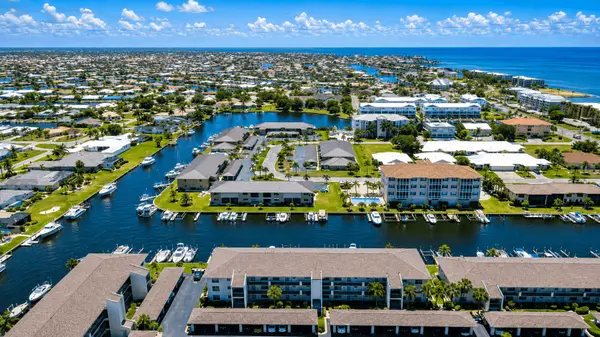
Waterfront Homes Can Have Additional Long-Term Expenses
Florida waterfront ownership can introduce expenses that are easy to overlook when concentrating on the view or boating access.
Depending on the property, future costs can involve seawalls, docks, boat lifts, pilings, electrical service at the dock, shoreline maintenance, marine permitting, or other waterfront infrastructure.
These are not necessarily monthly bills, but converting foreseeable long-term work into a monthly savings target can provide a more realistic picture of ownership cost.
Waterfront structures and conditions should be evaluated by the appropriate licensed inspector, marine contractor, structural engineer, surveyor, permitting authority, insurance professional, or other qualified specialist before the buyer relies on their condition or estimated future cost.
Do Not Forget Expenses That Are Not Monthly
One of the easiest budgeting mistakes is excluding an expense because the bill does not arrive every month.
Your planning should account for annual or irregular expenses such as:
- Insurance premiums paid annually
- Property taxes paid outside escrow
- Annual HOA assessments
- HVAC servicing
- Pest or termite agreements
- Tree trimming
- Pool equipment repairs
- Storm preparation
- Insurance deductibles after a covered loss
- Major appliance and system replacements
Dividing predictable annual costs by 12 and saving the monthly amount can make irregular bills less disruptive.
Keep Cash Available After Closing
Closing on the home is not the last time the property will require cash.
Moving, utility deposits, locks, window coverings, furniture, appliances, inspection-related repairs, storm supplies, lawn equipment, and other move-in expenses can occur almost immediately.
After that, a repair can arrive without warning. An HVAC failure, plumbing issue, appliance replacement, insurance deductible, or association assessment can require funds even if the ordinary monthly budget was accurate.
There is no universal amount of savings every homeowner should retain because household finances and property risks differ. Hunt Brothers Realty's guide to keeping savings after buying a house explains why post-closing liquidity should be considered separately from the down payment. A qualified financial professional can help determine an appropriate reserve for an individual's circumstances.
What Should You Calculate Before Making an Offer?
Before deciding whether a Florida home fits your budget, build a property-specific monthly worksheet containing:
- Mortgage principal and interest
- Estimated post-purchase property taxes
- Property-specific homeowners insurance quote
- Flood insurance when applicable
- Mortgage insurance when applicable
- HOA or condominium assessments
- CDD or other assessments
- Electricity
- Water, sewer, and trash
- Internet and other household services
- Landscaping
- Pool costs when applicable
- Pest control
- Routine maintenance
- Monthly savings toward major repairs and replacements
Then ask one more question: Would this total still feel manageable if taxes, insurance, utilities, or association assessments increased?
That stress test can be more useful than simply comparing your purchase price with the maximum amount a lender is willing to finance.
The Best Monthly Budget Is Property-Specific
There is no single answer to what a Florida homeowner should expect to spend every month after closing.
A newer inland townhome, an older Sarasota pool home, a Punta Gorda waterfront property, a downtown condominium, and a Gulf-front residence can have completely different tax, insurance, association, maintenance, utility, and reserve requirements.
The most useful calculation is therefore:
Mortgage + taxes + insurance + association costs + utilities + routine upkeep + long-term reserves = a more realistic monthly ownership budget.
Once those numbers are estimated for the actual property, buyers can make a much more informed comparison between homes.
Plan Your Florida Home Purchase With Hunt Brothers Realty
Hunt Brothers Realty can help Florida buyers identify the property-specific ownership costs that should be investigated while comparing homes, including association assessments, property-tax considerations, insurance questions, flood exposure, property condition, amenities, and maintenance responsibilities.
For additional planning, read The True Cost of Buying a Home in Florida, review Florida Property Taxes After Buying a Home, and explore How Much Are HOA Fees in Florida?
This article is provided for general informational and educational purposes only and is not individualized financial, tax, insurance, lending, legal, association, inspection, engineering, construction, or other professional advice. Mortgage costs, taxes, insurance, association assessments, utilities, maintenance, and reserves depend on the buyer, property, financing, location, and ownership structure. Buyers should verify property-specific information with the appropriate lender, insurance professional, county property appraiser, tax professional or CPA, association, inspector, contractor, Florida real estate attorney, title or closing professional, and other qualified professionals before making a purchasing or financial decision.
Sources
- Florida Department of Revenue, Property Tax Exemptions and Benefits
- Florida Department of Financial Services, Homeowners Insurance Overview
- Florida Office of the Insurance Consumer Advocate, Homeowners Insurance Coverage Needs
- Florida Department of Financial Services, Flood Insurance Overview
- Florida Department of Financial Services, Florida's Hurricane Deductible
- Hunt Brothers Realty, The True Cost of Buying a Home in Florida
- Hunt Brothers Realty, Florida Property Taxes After Buying a Home
- Hunt Brothers Realty, How Much Are HOA Fees in Florida?
- Hunt Brothers Realty, Can HOA Fees Increase After You Buy a Home in Florida?
- Hunt Brothers Realty, How Much Savings Should You Keep After Buying a House?
46 N. Washington Blvd, Ste 3, Sarasota, FL 34236
Categories
- All Blogs 2212
- Anna Maria Island 86
- Bird Key 4
- Bradenton 237
- Buying a Home 1266
- Casey Key 2
- Clearwater 11
- Condos & HOA Living 1183
- Ellenton 6
- Englewood 12
- First Time Homebuyers 1375
- Foreclosures 5
- Home Selling 7
- Homeownership 1402
- Lakewood Ranch 25
- Lido Key 28
- Longboat Key 80
- Luxury/Waterfront Properties 1343
- Market Updates & Trends 862
- Mortgages & Financing 60
- Move-Up Buyers 25
- Neighborhood Guides 978
- New Construction 37
- Palmetto 3
- Parrish 6
- Port Charlotte 10
- Punta Gorda 41
- Real Estate Investing 1258
- Relocation to Florida 1296
- Safety Harbor 3
- Sarasota 91
- Sarasota - Downtown 164
- Selling a Home 146
- Siesta Key 92
- St. Petersburg 8
- Tierra Verde 5
- Vacation & Second Homes 1452
- Venice 209
- Wellen Park 20
Recent Posts