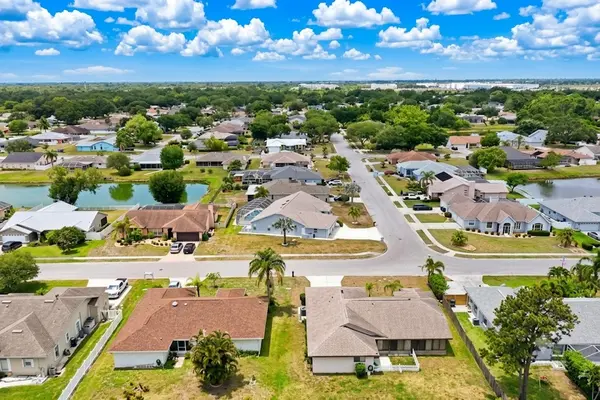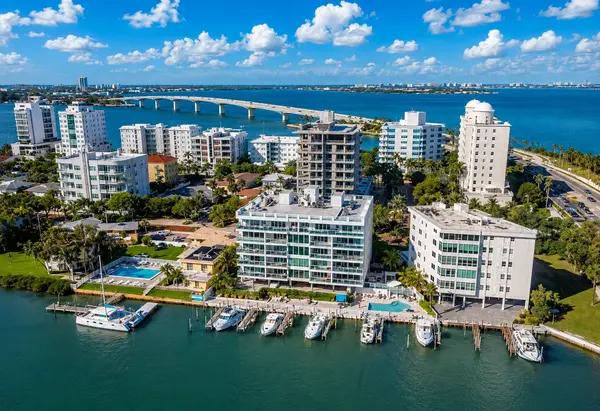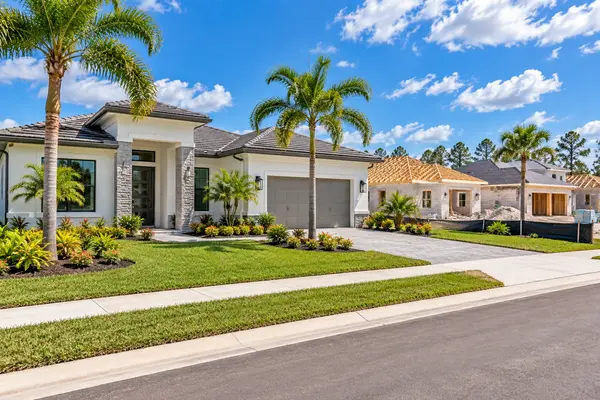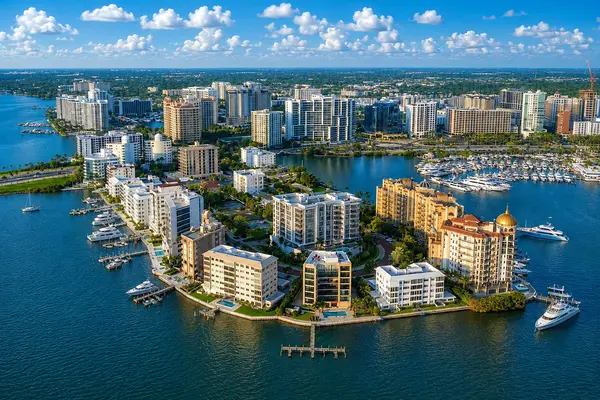
Move-Up Buyer Checklist: What to Plan Before You Start Home Shopping
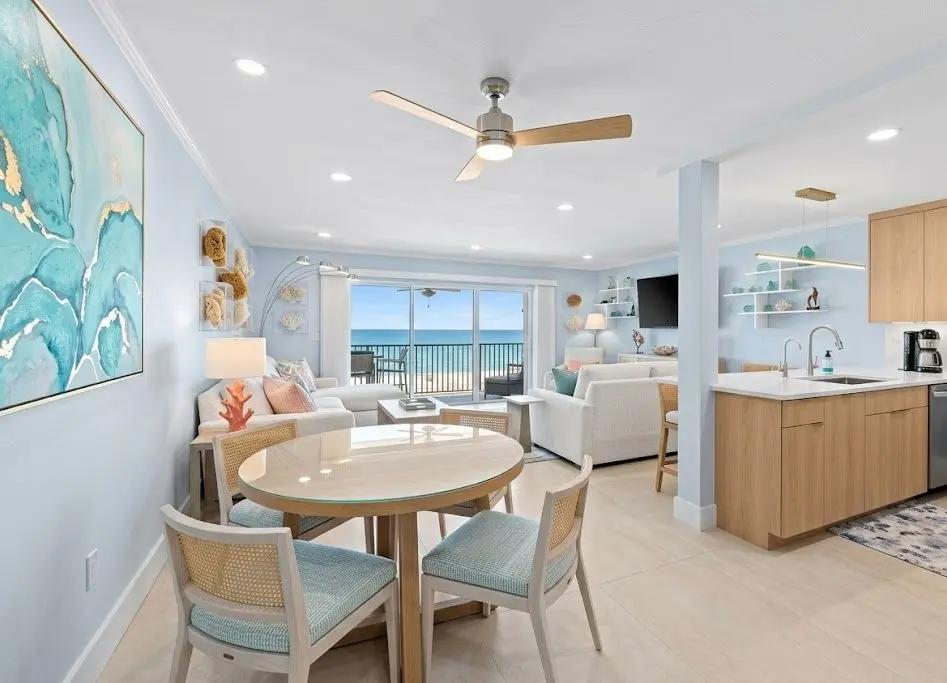
A successful move-up purchase usually starts before the first home showing. If you already own a home and want more space, a different location, newer construction, a pool, waterfront access or another meaningful upgrade, you need to coordinate two financial decisions: what happens to your current property and what you can comfortably purchase next. Before shopping for your next Sarasota or Florida Gulf Coast home, estimate your current home's value and likely net proceeds, review financing, establish a total ownership budget, define the features worth moving for and decide how the sale and purchase should fit together.
Quick Answers About Planning a Move-Up Purchase
What should a move-up buyer do before looking at homes?
Start by understanding your current home's likely market value, estimated net sale proceeds, financing options and realistic budget for the next property. Then define what your next home needs to accomplish that your current home does not. That preparation makes home shopping more focused and helps prevent attractive properties from pulling you beyond your original goals.
Should you sell your current home before buying the next one?
There is no single sequence that works for every move-up buyer. The appropriate strategy depends on your finances, available equity, financing qualification, housing needs, current market conditions and tolerance for temporary housing or overlapping ownership. Discuss the alternatives with your real estate professional and lender before committing to a timeline.
How do you know how much equity you can use toward the next home?
Do not simply subtract your mortgage balance from an estimated sale price. Your usable proceeds depend on the actual selling price, loan payoff and applicable transaction expenses. Request an estimated seller net sheet based on realistic market assumptions before treating current-home equity as available cash for the next purchase.
Should a move-up buyer get preapproved before shopping?
A buyer planning to finance the next purchase should speak with a qualified mortgage professional early. The lender can evaluate income, debt, current mortgage obligations, expected sale proceeds and possible purchase scenarios so you understand how the timing of your current sale may affect financing.
Should you budget only for a larger mortgage payment?
No. A larger or differently located Florida home can also change property taxes, homeowners insurance, flood insurance when applicable, HOA or condominium fees, utilities, landscaping, pool expenses and ongoing maintenance. Compare the total expected cost of ownership rather than focusing only on purchase price.
Can Florida homestead benefits move to a new home?
Florida's homestead exemption itself is not transferable, but an eligible homeowner may be able to transfer, or "port," all or part of the Save Our Homes assessment difference to a new Florida homestead. Eligibility and the effect on a particular purchase should be verified with the appropriate county property appraiser and a qualified tax professional when individualized tax guidance is needed.
When should you prepare your existing home for sale?
Begin before you find the next home whenever practical. Pricing research, repairs, decluttering, documentation, photography and moving plans take time. Hunt Brothers Realty's Sarasota home-selling timeline guide explains why the listing date should generally be the result of preparation rather than the beginning of it.
1. Know Why You Are Moving Up
Define the problem your next home needs to solve. "We want something better" is too broad to guide a serious home search. A useful move-up plan identifies the specific limitations of your current property and separates those limitations from features that would simply be nice to have.
Your reasons might include:
- More bedrooms or bathrooms
- A dedicated office or flexible workspace
- A larger kitchen or entertaining area
- More garage or storage space
- A pool or larger outdoor living area
- More privacy or a larger lot
- A different neighborhood or community
- Newer construction or fewer renovation needs
- Closer access to downtown Sarasota, beaches, boating, golf or other priorities
- Waterfront or boating access
The most important question is simple: What needs to improve enough to justify the financial and logistical cost of moving?
2. Estimate What Your Current Home Could Actually Sell For
Your current home's likely sale price is one of the foundations of a move-up budget. Before deciding what you can spend next, evaluate recent comparable sales, current competing listings, property condition, location and the characteristics that buyers are rewarding in the current market.
An online estimate can be a starting point, but it should not be treated as guaranteed proceeds. Two similar-looking homes can produce different outcomes because of renovation quality, lot characteristics, insurance-related features, location within a neighborhood and competing inventory.
Move-up buyers who will also become sellers can review Hunt Brothers Realty's guide to common Sarasota home-selling mistakes before deciding how their existing property fits into the plan.
3. Calculate Your Estimated Net Proceeds, Not Just Your Equity
Home equity and spendable sale proceeds are not necessarily the same number. A move-up buyer should estimate what remains after the mortgage payoff and applicable selling expenses rather than assuming all apparent equity will become a down payment.
A preliminary seller net sheet can help organize the calculation. Depending on the transaction, relevant items may include mortgage payoff, brokerage compensation, title or closing expenses, taxes, agreed seller concessions, repairs and other transaction-specific costs.
Actual closing costs and net proceeds depend on the transaction and contract. Review estimates with your real estate professional, lender and appropriate title or closing professional rather than treating an early projection as a guaranteed final figure.
4. Talk to a Lender Before You Fall in Love with the Next House
Financing a move-up purchase can be more complicated than financing a first home because you may already have a mortgage and may be relying on proceeds from your current property. A lender can explain how different sale-and-purchase sequences affect qualification and available funds.
Discuss questions such as:
- What purchase range fits our financial circumstances?
- How does the existing mortgage affect qualification?
- Do we need proceeds from the current home for the down payment?
- Could we qualify before the existing home sells?
- How much cash should remain after closing?
- How would different down-payment amounts affect the loan?
- What documentation should we prepare before making an offer?
Loan qualification, loan products, interest rates and financing strategies depend on the borrower and transaction. Buyers should obtain individualized guidance from a qualified mortgage lender or loan professional.
5. Decide Whether You Need to Sell Before You Buy
The sequence of the two transactions can affect your financing, negotiating position, moving schedule and stress level. Some move-up buyers need their current sale to close before they can complete the next purchase. Others have enough financial flexibility to purchase first.
What if you sell first?
Selling first can provide greater certainty about your available proceeds and eliminate the existing property from the ownership picture before the next closing. The tradeoff is that you need a plan for where you will live if the ideal replacement home is not available immediately.
What if you buy first?
Buying first can make the physical move easier because you know where you are going before your existing home changes hands. However, the financial implications of carrying two properties, even temporarily, should be evaluated with your lender and financial professionals before choosing that approach.
Can the two closings be coordinated?
Transactions can sometimes be structured with coordinated timelines, but each sale and purchase has its own contract, contingencies and closing requirements. Buyers should not assume that two transactions will automatically proceed on identical schedules.
6. Build a Total Ownership Budget for the Next Home
A move-up purchase often changes more expenses than the mortgage. A larger home, pool, waterfront location, condominium, gated community or larger lot can each introduce different ongoing costs.
Before establishing your price ceiling, consider:
- Mortgage principal and interest when financing
- Estimated property taxes after purchase
- Homeowners insurance
- Flood insurance when applicable or desired
- HOA or condominium fees
- Current or anticipated assessments when applicable
- Utilities for a larger property
- Pool maintenance
- Landscaping
- Roof and exterior maintenance
- Renovations or immediate improvements
- Waterfront infrastructure when applicable
The goal is not necessarily to buy the most expensive property your financing allows. It is to identify a price range where the home meaningfully improves your lifestyle while the complete ownership cost remains appropriate for your circumstances.
7. Recheck Property Taxes Before Assuming Your Current Bill Will Carry Over
Moving to another Florida home can change your property-tax situation. The tax bill on your existing home and the seller's tax bill on the property you are considering should not automatically be used as your future tax estimate.
Florida's Department of Revenue explains that homestead property qualifies for the Save Our Homes assessment limitation. Although the homestead exemption itself is nontransferable, an eligible homeowner may be able to transfer, or port, all or part of the assessment difference to a new Florida homestead.
Portability and homestead rules are subject to eligibility requirements and deadlines. Move-up buyers should obtain a property-specific estimate from the appropriate county property appraiser and consult a qualified tax professional when the tax consequences of a move require individualized guidance.
8. Check Insurance Before You Assume a Home Fits the Budget
Two Sarasota homes with similar purchase prices can have different insurance considerations. The Florida Department of Financial Services identifies factors such as construction type, home age, roof age and construction, location, use, square footage, prior claims history and wind-mitigation features as information insurers may consider during underwriting.
This is particularly important when moving from a newer or recently updated home into an older property, or when moving closer to the coast. An insurer may request documentation concerning major systems or inspections, and qualified wind-mitigation features can affect available premium credits.
Insurance availability, coverage, deductibles and premiums can vary substantially by property. Obtain quotes for homes you are seriously considering and review the proposed coverage with a qualified Florida insurance professional before making a purchasing decision.
9. Create a Must-Have, Strong-Preference and Nice-to-Have List
Move-up buyers can be especially vulnerable to feature creep. Once the budget increases, almost every showing can introduce another attractive feature that suddenly feels essential.
Separate your priorities into three groups before touring homes.
Must-Haves
These are the reasons the move is happening. If you need four bedrooms, a home office and a larger garage, a beautifully renovated three-bedroom home may still fail to solve the problem.
Strong Preferences
These features meaningfully improve the property but can potentially be traded against location, condition or price. Examples might include a pool, newer construction, a three-car garage, larger lot or particular architectural style.
Nice-to-Haves
These features add enjoyment but should not distract from the reasons you decided to move. Keeping this category separate can make comparisons much clearer after several showings.
10. Decide Whether You Want More House, a Better Location or Both
Moving up does not always mean buying the largest possible house. In Sarasota, a higher budget can be used in several different ways, including more interior space, a larger lot, newer construction, a premium neighborhood, greater proximity to downtown, waterfront access or a barrier-island location.
That creates an important tradeoff. Would you rather have a larger home farther from your preferred destinations, or less square footage in a location that improves your daily routine? Would you choose a fully renovated home over a larger property that needs work? Does waterfront access matter more than additional bedrooms?
Hunt Brothers Realty's guide to what different budgets buy in Sarasota illustrates how location, condition, property type and premium features can change as the price range increases.
11. Compare Communities Before You Compare Houses
A move-up purchase is an opportunity to reconsider location rather than simply buying a larger version of your existing home. The Sarasota and Florida Gulf Coast market includes established mainland neighborhoods, newer planned communities, downtown condominiums, barrier islands, golf communities and waterfront areas.
Use Hunt Brothers Realty's Gulf Coast community guides to compare Sarasota, Siesta Key, Longboat Key, Lido Key, Bird Key, Lakewood Ranch and other communities before narrowing the search to individual properties.
If proximity to downtown Sarasota is a priority, for example, established neighborhoods may compete with newer construction farther east. Hunt Brothers Realty's West of the Trail buyer guide illustrates how location, lot characteristics, renovation, construction and waterfront opportunities can shape that decision.
12. Prepare Your Existing Home Before the Perfect Next Home Appears
If your purchase depends on selling your existing home, preparation can become a competitive advantage. Finding the right replacement property and then discovering that your current house needs weeks of work can make timing more difficult.
Before active home shopping, consider whether you need to:
- Declutter and begin packing
- Complete worthwhile repairs
- Address deferred maintenance
- Gather permits, invoices and warranties for improvements
- Organize condominium or HOA information when applicable
- Prepare for photography and showings
- Estimate selling costs and likely net proceeds
- Create a moving, storage and possession plan
Preparation does not mean completing every possible improvement. Discuss potential work with a real estate professional before spending heavily, because some projects may not meaningfully improve marketability or expected proceeds.
13. Have a Backup Plan for Timing
Move-up transactions contain more moving parts than a purchase without an existing home to sell. Your current property could sell faster than expected, your preferred next home could take longer to find, an inspection could change negotiations, or one closing date could move.
Plan for the possibility of a gap rather than assuming perfect synchronization. Depending on your circumstances, that could involve temporary housing, storage, flexible possession arrangements or maintaining sufficient financial reserves for overlapping expenses.
Any contractual arrangement involving possession before or after closing creates legal and practical considerations. The specific terms should be documented appropriately and reviewed with your real estate professional, closing professional and a qualified Florida real estate attorney when legal guidance is needed.
14. Tour Homes Like a Move-Up Buyer, Not a First-Time Buyer
You already know what owning a home involves. Use that experience during showings. Look beyond staging and finishes and ask whether the next property genuinely improves the parts of your current home that prompted the move.
Compare floor plans, storage, garage dimensions, outdoor space, renovation quality, visible condition, maintenance requirements and the surrounding location. If several properties are scheduled in one day, keep notes so attractive features do not blur together.
The Hunt Brothers Realty guide to what to bring to a home showing includes a practical system for evaluating and comparing Sarasota and Gulf Coast properties.
15. If You Are Moving Closer to the Coast, Add Coastal Due Diligence
A move-up purchase in Sarasota sometimes means moving closer to Sarasota Bay, the Gulf of Mexico or a boating-oriented neighborhood. That can introduce ownership considerations that were less important at your current home.
Depending on the property, investigate current flood information, elevation when relevant, insurance availability, wind protection, drainage and storm-related construction characteristics. Waterfront homes can add questions about seawalls, docks, boat lifts, permits, water depth and bridge clearance.
Hunt Brothers Realty's coastal homebuyer due-diligence guide provides additional questions to investigate before purchasing near Florida's Gulf Coast. Flood, insurance, structural, marine and permitting questions should be verified with the appropriate qualified professionals and government authorities for the individual property.
The Move-Up Buyer Checklist Before You Start Shopping
- Define exactly why you want to move.
- Separate must-haves from preferences.
- Estimate your current home's realistic market value.
- Request an estimated seller net sheet.
- Confirm your current mortgage payoff information.
- Talk with a qualified lender about the next purchase.
- Determine whether your current home needs to sell first.
- Build a budget using total expected ownership costs.
- Investigate Florida homestead portability if applicable.
- Compare insurance considerations before committing to a property.
- Identify the communities that fit your next stage of homeownership.
- Prepare your current property for a potential sale.
- Organize documents for financing and selling.
- Plan for moving, storage and possible timing gaps.
- Keep sufficient reserves for closing, moving and post-closing expenses.
- Begin touring only after you understand the financial and logistical plan.
A Better Move-Up Search Starts with the Plan
Move-up buyers have an advantage that first-time buyers do not: experience. You already know which parts of your current home work, which compromises have become frustrating and what ownership responsibilities feel like in practice.
Use that experience before increasing the budget. Know what the current property may sell for, estimate what you could actually net, understand your financing, compare the total cost of the next home and decide which improvements in location, space or lifestyle are important enough to justify moving.
Once those questions are answered, home shopping becomes less about seeing everything available and more about recognizing the right next property when it appears.
Plan Your Next Move with Hunt Brothers Realty
If your next Sarasota or Gulf Coast home depends on both a purchase and the sale of your current property, planning the two transactions together can provide a clearer starting point. Hunt Brothers Realty can help you evaluate your current home's market position, compare communities and organize a move-up search around your real estate goals. Explore Hunt Brothers Realty buyer resources, review the Florida Gulf Coast community guides, or visit Hunt Brothers Realty to begin planning your next move.
Informational notice: This article provides general educational real estate information and is not individualized legal, financial, tax, insurance, lending, inspection, engineering, construction, title or other professional advice. Financing, property taxes, insurance, transaction costs, contract terms and sale proceeds depend on the buyer, seller and individual properties involved. Move-up buyers should verify material information and obtain individualized guidance from the appropriate mortgage lender, insurance professional, tax professional or CPA, Florida real estate attorney, home inspector, title or closing professional and other qualified specialists before making financial or property decisions.
Sources
- Florida Department of Revenue, Property Tax Exemptions and Save Our Homes Portability
- Florida Department of Financial Services, Purchasing Insurance
- Florida Department of Financial Services, Homeowners Insurance Overview
- Hunt Brothers Realty, Sarasota and Florida Gulf Coast Real Estate
- Hunt Brothers Realty, Common Mistakes Sarasota Home Sellers Should Avoid
- Hunt Brothers Realty, Best Time to Sell a Home in Sarasota
- Hunt Brothers Realty, What $500K, $1M, or $2M Buys You in Sarasota
- Hunt Brothers Realty, What Should You Bring to a Home Showing?
- Hunt Brothers Realty, Questions to Ask Before Buying a Home Near the Coast
Contact Hunt Brothers Realty
Hunt Brothers Realty
46 N Washington Blvd, Ste #3
Sarasota, Florida 34236
Phone: (941) 388-7017
Email: info@huntbrothersrealty.com
Website: HuntBrothersRealty.com
Categories
- All Blogs 1467
- Anna Maria Island 68
- Bird Key 3
- Bradenton 72
- Buying a Home 618
- Casey Key 2
- Clearwater 5
- Condos & HOA Living 524
- Ellenton 4
- Englewood 5
- First Time Homebuyers 692
- Foreclosures 3
- Homeownership 670
- Lakewood Ranch 15
- Lido Key 24
- Longboat Key 65
- Luxury/Waterfront Properties 607
- Market Updates & Trends 300
- Mortgages & Financing 30
- Move-Up Buyers 20
- Neighborhood Guides 449
- New Construction 24
- Palmetto 2
- Parrish 4
- Port Charlotte 7
- Punta Gorda 11
- Real Estate Investing 541
- Relocation to Florida 591
- Safety Harbor 2
- Sarasota - Downtown 126
- Selling a Home 136
- Siesta Key 87
- St. Petersburg 3
- Tierra Verde 4
- Vacation & Second Homes 725
- Venice 21
- Wellen Park 7
Recent Posts