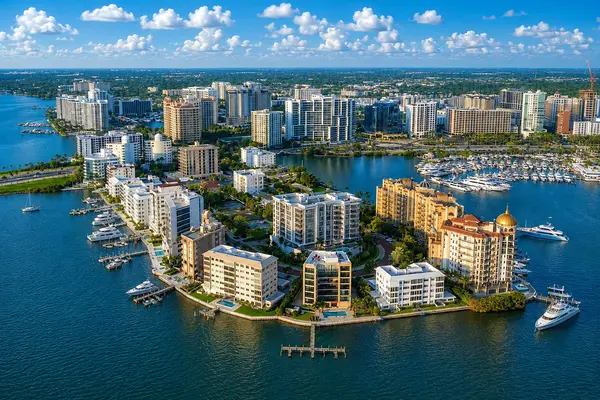
Moving to Florida from New Jersey: What Sarasota-Area Buyers Should Know
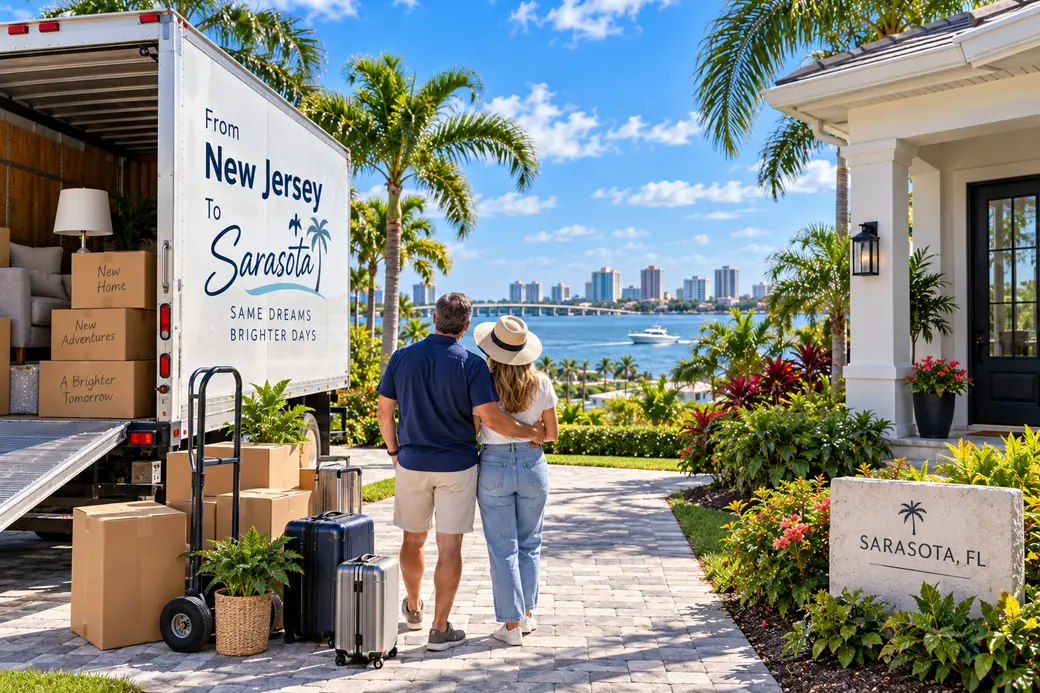
Moving from New Jersey to the Sarasota area involves more than exchanging cold winters for Florida's Gulf Coast. Buyers encounter a different property-tax system, insurance environment, flood considerations, housing styles and ownership costs. Sarasota also offers several distinct ways to live, from downtown condominiums and barrier-island properties to established mainland neighborhoods and newer master-planned communities. If you are planning a New Jersey-to-Florida move, start by comparing the complete cost and lifestyle of individual properties rather than assuming every Sarasota-area home offers the same experience. Hunt Brothers Realty's Sarasota and Florida Gulf Coast community guides are a useful starting point.
Quick Answers About Moving from New Jersey to Sarasota, Florida
Does Florida have a personal state income tax?
Florida does not impose a personal individual income tax. That does not automatically eliminate New Jersey tax obligations when someone relocates, particularly during the year of the move or when the person continues receiving New Jersey-source income. Buyers should have their specific residency and tax circumstances reviewed by a qualified tax professional.
Are Sarasota property taxes lower than New Jersey property taxes?
Do not assume what your Sarasota property-tax bill will be based on either your New Jersey bill or the Florida seller's current taxes. Florida property taxes depend on the property's assessed value, applicable exemptions, taxing authorities and other property-specific factors. A change in ownership can also affect how the property is assessed, so buyers should obtain a property-specific estimate rather than copying the seller's existing bill into their budget.
Can someone moving from New Jersey get Florida's homestead exemption?
Potentially, if the Florida property qualifies and the owner meets Florida's eligibility requirements, including making the property a permanent residence. The Florida Department of Revenue states that an eligible homestead exemption can reduce taxable value by as much as $50,000 and qualifies the property for the Save Our Homes assessment limitation.
Can you transfer your New Jersey property-tax benefits to Florida?
Florida's Save Our Homes portability applies to eligible assessment differences associated with a previous Florida homestead. Someone moving directly from a New Jersey residence does not create Florida portability simply because that person owned a home in New Jersey. Homestead and property-tax eligibility should be confirmed with the county property appraiser.
Is homeowners insurance different in Florida?
Florida buyers should expect insurance to be a significant property-specific due-diligence item. Roof age and type, construction, location, wind mitigation features, prior claims and other underwriting factors can affect eligibility and premium. Older homes may also trigger requests for inspections or documentation of system updates.
Does regular homeowners insurance cover flooding in Florida?
Generally, no. The Florida Department of Financial Services explains that homeowners insurance typically does not cover flood damage. Flood insurance is generally separate, although some private homeowners insurers may offer flood coverage by endorsement. Buyers should investigate flood exposure and obtain property-specific insurance information before purchasing.
Should you sell your New Jersey home before buying in Sarasota?
Not necessarily. Some buyers sell first, while others qualify to purchase before their New Jersey home closes or explore financing structures that address the timing gap. The appropriate sequence depends on available cash, equity, financing qualification, market conditions and the buyer's comfort with potentially carrying two properties.
Where should New Jersey buyers look around Sarasota?
Start with the lifestyle and property type rather than trying to identify one universally "best" neighborhood. Downtown Sarasota, West of the Trail, Siesta Key, Lido Key, Longboat Key, Palmer Ranch and other mainland and coastal communities offer different combinations of housing, amenities, travel patterns and ownership considerations.
The First Sarasota Decision Is Usually Island, Mainland or Downtown
New Jersey buyers sometimes begin a Florida search with a broad goal such as "close to the beach." That is understandable, but proximity to the Gulf is only one part of choosing a Sarasota-area location.
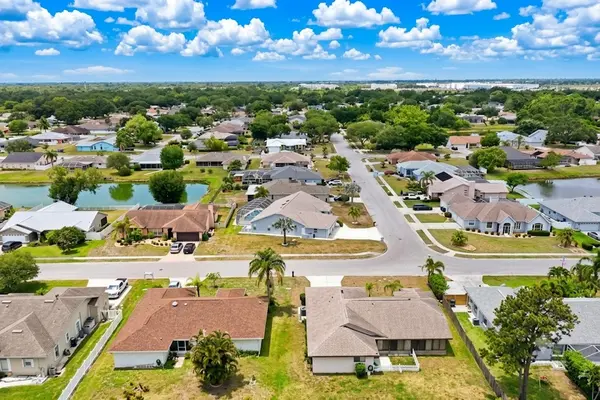
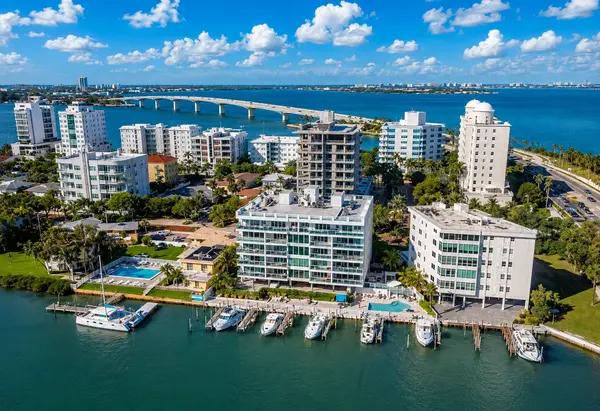
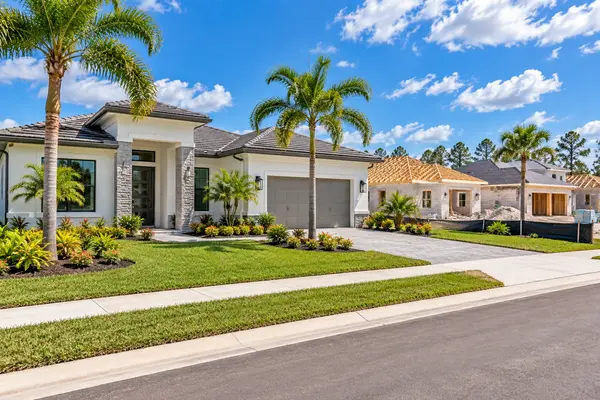
Sarasota offers several distinct residential settings. A downtown condominium can provide convenient access to restaurants, cultural venues and Sarasota Bay. A barrier-island home can put beaches and boating closer to daily life. An established mainland neighborhood can offer more conventional single-family living, while newer communities farther inland may offer newer construction and extensive community amenities.
Hunt Brothers Realty's Sarasota island living versus mainland living guide explains some of the tradeoffs involving property types, travel, beaches, boating, insurance, flood considerations and ownership costs.
Do Not Shop for a Sarasota Home Based Only on Purchase Price
One of the biggest adjustments for an out-of-state buyer is learning to compare total ownership costs rather than just listing prices.
Two Sarasota homes offered at the same price can produce meaningfully different annual expenses. Depending on the property, a buyer may need to consider:
- Property taxes
- Homeowners insurance
- Flood insurance when applicable or desired
- Condominium or homeowners association fees
- Current or anticipated assessments
- Pool maintenance
- Landscaping
- Pest control
- HVAC maintenance
- Waterfront infrastructure when applicable
- Expected repairs and capital improvements
Comparing those expenses before making an offer can prevent a seemingly attractive purchase price from obscuring a substantially different long-term ownership budget.
Florida Does Not Have a Personal Individual Income Tax, but Your Move Can Still Create Tax Questions
Florida's lack of a personal individual income tax is one of the financial differences New Jersey residents commonly notice. The Florida Department of Revenue confirms that Florida does not impose a personal income tax and therefore does not require a Florida personal income tax return.
That does not mean moving automatically ends every New Jersey tax obligation on the day you arrive in Florida.
The New Jersey Division of Taxation states that someone who moves out of New Jersey during a tax year is considered a part-year resident. Depending on income and filing requirements, a part-year New Jersey resident may need to file a New Jersey return. A person who continues receiving New Jersey-source income after moving may also have a New Jersey nonresident filing requirement.
Residency, domicile and income-tax consequences depend on individual facts. Anyone relocating for tax reasons or expecting continuing New Jersey income should consult a qualified tax professional or CPA familiar with the relevant state and federal rules rather than relying on general relocation information.
Florida Property Taxes Work Differently Than Many New Jersey Buyers Expect
A common mistake is looking at the seller's current Sarasota property-tax bill and assuming that will become the buyer's future bill.
Florida property taxes involve assessed values, exemptions and local taxing authorities. A seller who has owned a homesteaded Florida property for many years may have an assessed value affected by the Save Our Homes limitation. That history does not simply transfer to an unrelated new owner.
For a New Jersey buyer, this means the current tax bill is useful background information but may not be an appropriate estimate of future taxes after the purchase.
What is Florida's homestead exemption?
The Florida Department of Revenue states that an owner who makes qualifying property a permanent residence may be eligible for a homestead exemption that decreases taxable value by as much as $50,000. Qualifying homestead property also receives the Save Our Homes assessment limitation.
Can you bring Save Our Homes portability from New Jersey?
No Florida assessment difference exists to transfer merely because you owned a New Jersey home. Florida portability allows an eligible owner to transfer all or part of the Save Our Homes assessment difference from a previous Florida homestead to a new Florida homestead, subject to applicable requirements.
Property-tax estimates and homestead eligibility should be verified with the applicable county property appraiser. Tax consequences involving your personal circumstances should be discussed with a qualified tax professional.
Homeowners Insurance Should Be Investigated Before You Fall in Love with a Property
Insurance is one area where New Jersey buyers should avoid making assumptions based on what they currently pay in another state.
Florida insurance underwriting can be highly property-specific. The Florida Department of Financial Services explains that insurers may consider construction, age, roof characteristics, location, use, square footage, mitigation features, claims history and prior insurance when evaluating a property.
An insurance professional may also request documentation of plumbing, wiring or HVAC updates, and an older property may require additional inspection information.
That means a newer inland home and an older coastal home offered at the same purchase price can present very different insurance considerations.
Insurance availability, coverage, deductibles and premiums can vary substantially by property. Buyers should obtain property-specific quotes and review coverage with a qualified Florida insurance professional before making a purchasing decision.
Understand 4-Point and Wind Mitigation Inspections
New Jersey buyers considering older Sarasota homes may encounter inspection terminology that was not central to their previous home purchases.
A Florida 4-point inspection is commonly used for insurance underwriting and focuses on four areas: the roof, electrical system, plumbing system and heating and air conditioning system. Insurance requirements vary by carrier and property.
A wind mitigation inspection has a different purpose. It documents qualifying wind-resistant construction features and may support applicable windstorm premium credits.
Neither should automatically be treated as a substitute for a comprehensive buyer's home inspection. Confirm required insurance inspections with the proposed insurance carrier and have property-condition questions evaluated by the appropriate qualified inspector, contractor, engineer or other professional.
Flood Insurance Is Separate from Homeowners Insurance
Florida's Department of Financial Services explains that a standard homeowners policy typically does not cover flood damage. Flood insurance may be purchased through the National Flood Insurance Program or the private market, and some private homeowners insurers may offer flood coverage through an endorsement.
This distinction matters in the Sarasota area because flood exposure is property-specific. Buyers should investigate the individual address rather than concluding that an entire neighborhood either "floods" or "does not flood."
Useful questions can include:
- What FEMA flood zone applies to the property?
- What is known about the property's elevation?
- Does the lender require flood insurance?
- What property-specific flood insurance quotes are available?
- Is relevant elevation documentation available?
- What drainage conditions are observable around the property?
- Is there known prior flood or water-intrusion information that should be investigated?
Hunt Brothers Realty's questions to ask before buying near the Florida coast provides a broader framework for coastal property due diligence.
Barrier-Island Living Is Different from Mainland Sarasota Living
For someone relocating from New Jersey, living near a Gulf beach can be one of Sarasota's strongest attractions. But owning on a barrier island is not simply mainland ownership with a beach nearby.
Buyers may need to consider bridge access, seasonal traffic, flood exposure, wind and insurance considerations, salt-air maintenance and, for waterfront properties, docks, seawalls or other marine infrastructure.
If Siesta Key is part of your search, Hunt Brothers Realty's Siesta Key homebuyer guide examines the property types, island access and ownership considerations buyers may encounter.
Buyers considering Lido Key can review the Lido Key living guide, while buyers prioritizing water access can explore Hunt Brothers Realty's guide to the best Sarasota areas for waterfront living.
West of the Trail Offers Another Sarasota Lifestyle
Not every New Jersey buyer looking for an established Sarasota setting needs to live on an island. Neighborhoods west of U.S. 41, commonly described as West of the Trail, include a mix of older Florida homes, renovated properties and newer construction in locations close to Sarasota Bay and central Sarasota amenities.
The variation between individual properties makes due diligence particularly important. One home may have newer roofing, plumbing, electrical and impact-resistant openings, while another may retain older systems despite cosmetic renovations.
Read Hunt Brothers Realty's guide to living West of the Trail in Sarasota for additional buyer considerations.
Condo Buyers Need to Investigate More Than the Monthly Fee
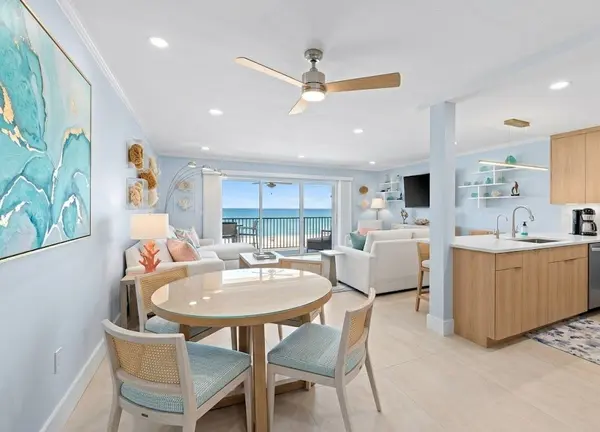
A Sarasota condominium can appeal to relocating buyers who want less exterior maintenance, amenities or a location close to downtown or the Gulf. But comparing condos based only on purchase price and monthly association fees can miss important information.
Depending on the building, buyers may need to investigate:
- Association budget and financial information
- Reserve funding
- Current or anticipated assessments
- Applicable milestone inspection information
- Applicable structural integrity reserve study information
- Association insurance
- Major completed or planned building projects
- Unit insurance requirements
- Financing eligibility
- Rental restrictions
- Pet restrictions
- Parking and storage rights
Condominium documents, assessments, reserves, inspections and insurance can materially affect a purchasing decision. Buyers should review current association information and consult the appropriate Florida real estate attorney, lender, insurance professional, inspector, engineer or other qualified specialist when individualized interpretation is required.
Waterfront Homes Require Their Own Due Diligence
A buyer moving from New Jersey may have Sarasota waterfront living high on the wish list. Waterfront property can introduce additional questions that do not arise with a typical inland home.
Depending on the property, investigate seawall condition, dock condition, water depth, bridge clearances, boating access, permits, flood exposure and insurance. The fact that a property has a dock does not by itself establish that it will accommodate a particular boat or provide the type of water access a buyer expects.
Hunt Brothers Realty's Florida waterfront property buyer guide explains many of the questions worth investigating before purchasing.
Marine structures, permitting, flood conditions and structural issues should be evaluated with the appropriate qualified inspector, marine contractor, engineer, surveyor, insurance professional or government permitting authority when those matters are material to the purchase.
Florida's Climate Changes What You Look for During a Showing
A homebuyer coming from New Jersey naturally knows to think about furnaces, winter weather and cold-climate maintenance. Sarasota shifts some of that attention toward heat, humidity, heavy rain, wind, sun exposure and year-round cooling.
During a showing, buyers may want to notice visible roof condition, drainage patterns, signs of moisture, HVAC age, window and door condition, exterior materials, pool condition and the general maintenance demands of the landscaping and property.
A showing is not an inspection. Hunt Brothers Realty's Florida home showing checklist explains what buyers can observe while leaving technical evaluation to qualified inspectors and other professionals.
Do Not Let Cosmetic Differences Distract You
Relocating buyers can encounter Florida design choices that differ from what they are accustomed to in New Jersey. Tile floors, tropical landscaping, screened outdoor areas, pool cages and different architectural styles can make a property feel unfamiliar.
Separate easily changed cosmetic preferences from expensive or property-specific conditions. Paint colors and light fixtures are different from roof condition, flood exposure, insurance eligibility, structural issues or major building systems.
Hunt Brothers Realty's guide to what buyers can often ignore when touring a house can help keep attention on issues that are more difficult or expensive to change.
Should You Sell Your New Jersey Home Before Buying in Sarasota?
For homeowners relocating from New Jersey, the sequencing of the two transactions can be one of the biggest planning decisions.
Selling first
Selling the New Jersey home first can provide greater certainty about available sale proceeds and eliminate the existing housing payment before the Florida purchase. The tradeoff is that you may need temporary housing or feel pressure to find the Sarasota property quickly after the sale.
Buying first
Buying first can give you more time to select the Sarasota home and may make the physical move easier. However, it can create overlapping ownership costs and financing obligations if the New Jersey home takes longer to sell than expected.
Using equity before the New Jersey sale
Depending on qualification and available products, some homeowners investigate bridge financing, home equity lines of credit or other financing arrangements to address the timing gap. Financing costs, qualification and repayment terms should be reviewed with a qualified mortgage professional before relying on any strategy.
You Can Start the Sarasota Search Before You Move
Relocation buyers do not need to wait until they arrive in Florida to narrow the search.
A productive first stage is defining the lifestyle and property requirements:
- Single-family home, condo, villa or townhouse?
- Island, downtown or mainland?
- Newer construction or established neighborhood?
- Waterfront or non-waterfront?
- Private pool or community amenities?
- Boating access?
- How important is beach proximity?
- How much maintenance do you want?
- What recurring ownership costs fit the budget?
- Will the property be a permanent residence, second home or another permitted use?
Once those priorities are clear, a real estate professional can help identify communities and properties that match the search instead of spending a short relocation visit touring homes that solve the wrong problem.
Do Not Judge Sarasota Only by a Vacation Visit
Visiting Sarasota for a week and living here full time are different experiences. A relocation trip should include some ordinary daily activities, not just beaches and restaurants.
Drive between the communities you are considering and the places you expect to visit regularly. Experience island bridges, major roads and downtown at different times. Visit grocery stores, medical providers, shopping areas and other destinations important to your household.
The goal is not to identify a universally convenient neighborhood. It is to understand how each location works for your particular routine.
Consider Sarasota's Seasonal Patterns
New Jersey residents are accustomed to pronounced seasonal weather changes. Sarasota has its own seasonal rhythms.
The cooler months traditionally bring more seasonal residents and visitors to Southwest Florida. Summer brings higher temperatures, humidity and frequent rain. Atlantic hurricane season runs from June 1 through November 30.
Those patterns can influence traffic, outdoor routines, property maintenance and storm preparation. Buyers planning to live in Sarasota year-round should evaluate the area as a year-round home rather than solely through the experience of a winter visit.
What About Getting Back to New Jersey?
For relocating buyers with family, business or other connections in New Jersey, airport access may be part of the location decision. Sarasota Bradenton International Airport, commonly known as SRQ, serves the Sarasota-Bradenton area, while other Florida airports can provide additional travel options depending on destination and schedule.
Airline routes and schedules change. Buyers for whom a particular nonstop route is important should verify current service directly with the airport or airline rather than choosing a home based on an assumed flight schedule.
Buying Remotely Requires a Plan for Due Diligence
Technology can make a New Jersey-to-Sarasota purchase easier, but convenience should not replace property-specific investigation.
A relocation buyer may use live video tours, electronic documents and remote communication to evaluate properties. The buyer can still arrange appropriate inspections, insurance quotes, association-document review, title and survey work and other due diligence applicable to the transaction.
If you cannot personally visit a property before making an offer, be particularly clear about what you want examined during a live video showing. Ask to see the street, neighboring properties, exterior, mechanical systems, views, parking, storage and other details that listing photography may not emphasize.
Understand Who Represents Your Interests in the Florida Transaction
Real estate practices and relationships can differ from what a buyer previously experienced in New Jersey. Before relying on transaction guidance, understand the brokerage relationships involved and the role of the real estate professionals participating in your Florida purchase.
Hunt Brothers Realty's guide explaining what a Florida buyer's agent actually does covers property searches, showings, comparable sales, offer strategy, transaction coordination and other aspects of buyer representation.
Questions involving the legal meaning of a contract, title, ownership structure or other legal rights should be directed to a qualified Florida real estate attorney.
After the Move, Remember the Administrative Details
Closing on a Sarasota home is only one part of relocating your household from New Jersey. Depending on your circumstances, post-move tasks may involve establishing Florida residency documentation, driver's licensing, vehicle title or registration matters, voter registration, updating financial and insurance records and applying for any property-tax benefits for which you qualify.
Requirements and deadlines vary by subject and personal circumstances. Buyers should verify current driver's license and vehicle requirements directly with the Florida Department of Highway Safety and Motor Vehicles, homestead requirements with the appropriate county property appraiser and residency or tax consequences with qualified legal and tax professionals.
New Jersey-to-Sarasota Relocation Checklist
- Decide whether the Sarasota property will be a permanent residence, second home or another permitted use.
- Determine whether to sell the New Jersey home before or after purchasing in Florida.
- Speak with a qualified lender before shopping if financing is needed.
- Discuss New Jersey and Florida tax consequences with a qualified tax professional.
- Compare island, mainland and downtown Sarasota locations.
- Decide which property types fit your maintenance preferences.
- Estimate future property taxes rather than relying on the seller's current bill.
- Investigate Florida homestead eligibility if the property will be your permanent residence.
- Obtain property-specific homeowners insurance quotes.
- Investigate flood exposure and flood insurance separately.
- Ask whether insurance underwriting requires additional inspections or documentation.
- Arrange an appropriate buyer's home inspection.
- Review condominium or HOA documents when applicable.
- Investigate seawalls, docks and boating access for waterfront property.
- Consider seasonal traffic and everyday travel patterns.
- Verify current air service if regular travel to New Jersey is important.
- Plan driver's license, vehicle and other residency-related administrative changes after relocating.
What Is the Biggest Adjustment for New Jersey Buyers Moving to Sarasota?
The biggest adjustment may be recognizing that a Florida home should be evaluated through a Florida ownership lens.
The purchase price matters, but so do property taxes after the sale, insurance, flood exposure, roof and building systems, association finances, maintenance requirements and the property's relationship to Sarasota's coast and climate.
Lifestyle matters just as much. Living downtown is different from living on Siesta Key. Living on a barrier island is different from living inland. A condominium provides a different ownership structure from a detached home with a pool and yard.
The most productive Sarasota search is therefore not about finding the Florida equivalent of your New Jersey house. It is about deciding how you want to live here and then understanding the complete costs and responsibilities of the properties that fit that plan.
Plan Your New Jersey-to-Sarasota Move with Hunt Brothers Realty
Relocation is easier when the home search begins with a clear understanding of Sarasota's communities, property types and ownership considerations. Hunt Brothers Realty can help New Jersey buyers compare locations, evaluate current listings, understand local market conditions and coordinate the real estate portions of a Florida purchase. Start with Sarasota and Florida Gulf Coast community guides, review Florida homebuyer resources, or contact Hunt Brothers Realty to discuss your relocation plans.
Informational notice: This article provides general educational real estate and relocation information and is not individualized legal, tax, financial, insurance, lending, inspection, engineering, construction, title or other professional advice. Residency, domicile, New Jersey tax obligations, Florida homestead eligibility, property taxes, financing, insurance, flood exposure and other matters depend on individual circumstances and the specific property. Buyers should verify current information with the appropriate qualified real estate professional, mortgage lender, Florida and New Jersey tax professional or CPA, Florida or New Jersey attorney as appropriate, insurance professional, home inspector, engineer, contractor, title or closing professional, county property appraiser or other relevant government authority before making decisions that depend on individualized guidance.
Sources
- Florida Department of Revenue, Florida Personal Income Tax Filing Requirements
- New Jersey Division of Taxation, Part-Year Residents
- Florida Department of Revenue, Homestead Exemption, Save Our Homes and Portability
- Florida Department of Revenue, Homestead Assessment Difference Portability
- Florida Department of Financial Services, Homeowners Insurance Overview
- Florida Department of Financial Services, Purchasing Insurance
- Florida Department of Financial Services, Flood Insurance Overview
- Florida Department of Financial Services, Flood Insurance Consumer Guidance
- Hunt Brothers Realty, Sarasota Island Living vs. Mainland Living
- Hunt Brothers Realty, Living West of the Trail in Sarasota
- Hunt Brothers Realty, Living on Siesta Key
- Hunt Brothers Realty, Lido Key Living
- Hunt Brothers Realty, Buying Waterfront Property in Florida
- Hunt Brothers Realty, What Does a Florida Buyer's Agent Actually Do?
Contact Hunt Brothers Realty
Hunt Brothers Realty
46 N. Washington Blvd, Ste 3
Sarasota, FL 34236
Phone: (941) 388-7017
Email: info@huntbrothersrealty.com
Website: HuntBrothersRealty.com
Categories
- All Blogs 1467
- Anna Maria Island 68
- Bird Key 3
- Bradenton 72
- Buying a Home 618
- Casey Key 2
- Clearwater 5
- Condos & HOA Living 524
- Ellenton 4
- Englewood 5
- First Time Homebuyers 692
- Foreclosures 3
- Homeownership 670
- Lakewood Ranch 15
- Lido Key 24
- Longboat Key 65
- Luxury/Waterfront Properties 607
- Market Updates & Trends 300
- Mortgages & Financing 30
- Move-Up Buyers 20
- Neighborhood Guides 449
- New Construction 24
- Palmetto 2
- Parrish 4
- Port Charlotte 7
- Punta Gorda 11
- Real Estate Investing 541
- Relocation to Florida 591
- Safety Harbor 2
- Sarasota - Downtown 126
- Selling a Home 136
- Siesta Key 87
- St. Petersburg 3
- Tierra Verde 4
- Vacation & Second Homes 725
- Venice 21
- Wellen Park 7
Recent Posts