Port Charlotte, Florida: Waterfront Homes, Growth and Buyer Considerations
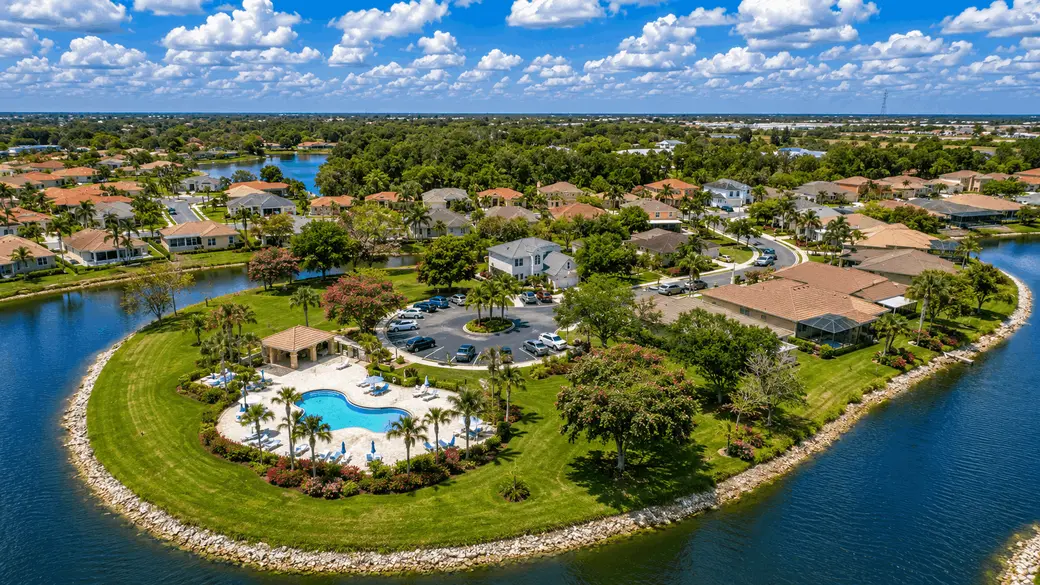
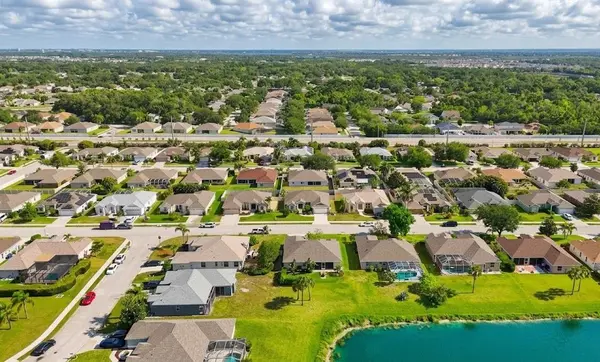
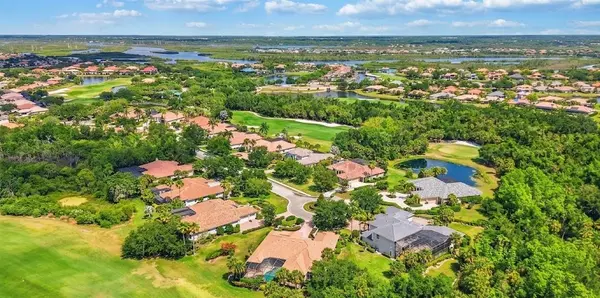
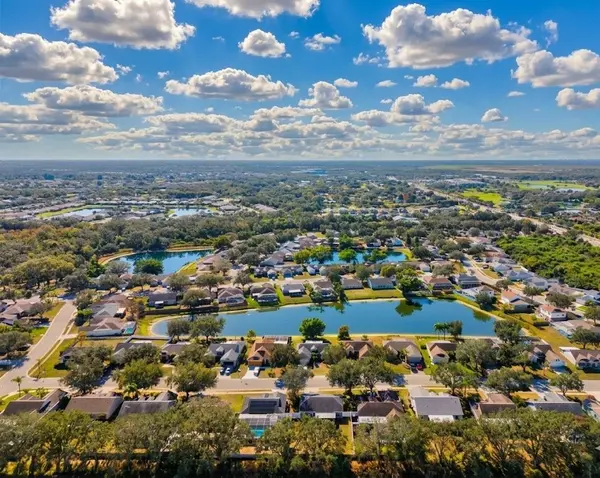
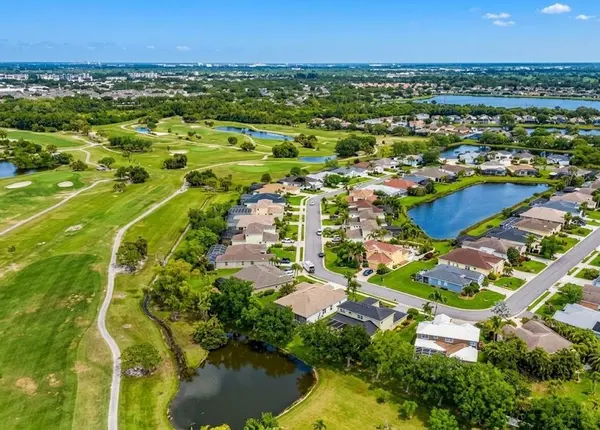
Port Charlotte real estate combines an extensive residential landscape with canals, access toward Charlotte Harbor, established neighborhoods, newer construction, and continued growth across Charlotte County. Waterfront buyers can find homes with docks, boat lifts, canal frontage, and boating routes toward the harbor, but the usefulness of that waterfront can vary dramatically by property. Bridge clearance, locks, water depth, seawall condition, flood exposure, insurance, travel time to open water, and total ownership costs all deserve careful review. Buyers should also distinguish Port Charlotte's growth from county-wide statistics and evaluate future development at the specific neighborhood and corridor level.
Port Charlotte is a census-designated community in Charlotte County, not an incorporated city. The 2020 U.S. Census counted 60,625 residents in the Port Charlotte CDP, while broader Charlotte County has continued to add residents and development. That combination of established housing, vacant residential lots, new construction, waterfront neighborhoods, and ongoing infrastructure investment creates a market where buyers should evaluate both the individual property and the surrounding area.
Quick Answers About Port Charlotte, Florida
Is Port Charlotte good for waterfront living?
Port Charlotte offers substantial waterfront variety, including canal-front homes with private docks and boating routes toward Charlotte Harbor. However, not every canal provides the same boating experience. Buyers should verify the full navigation route, water depth, tides, bridge clearance, locks, dock configuration, and seawall condition for the specific property and boat.
Does every Port Charlotte canal home have direct Gulf access?
No. A canal-front address does not automatically mean unrestricted or quick Gulf access. Some routes lead toward Charlotte Harbor, while others can involve fixed bridges, locks, shallow sections, tidal limitations, or lengthy canal travel. Buyers should confirm exactly how a vessel would travel from the property to the water they intend to use.
Is Port Charlotte growing?
Charlotte County is experiencing significant population and development growth. U.S. Census Bureau estimates show the county increasing from a 2020 population base of 186,823 to an estimated 217,212 residents in 2025, a 16.3 percent increase. That is a county-wide statistic, not a Port Charlotte-specific growth rate, but county planning documents identify Port Charlotte and its major transportation corridors as important areas for continuing development and redevelopment.
What types of homes are available in Port Charlotte?
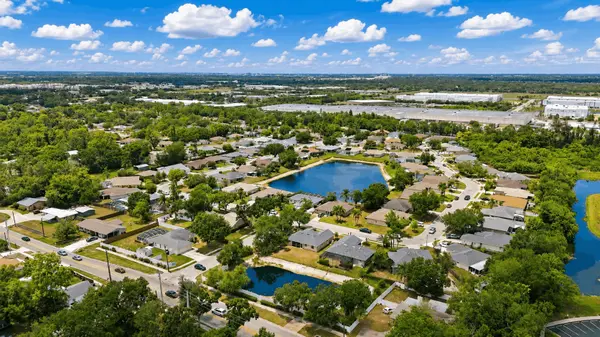
Port Charlotte includes older Florida homes, renovated residences, new construction, pool homes, inland properties, canal-front homes, luxury waterfront residences, condominium options, and vacant residential lots. Ownership structures and association requirements also vary, with many homes having no mandatory HOA while communities such as South Gulf Cove have their own community rules and association structure.
What should waterfront buyers inspect?
Waterfront buyers should investigate the home, dock, lift, seawall, permits, water depth, canal width, bridge clearance, tides, flood information, elevation, insurance, and complete boating route. Hunt Brothers Realty's guide to Port Charlotte waterfront homes, canals and Gulf access explores these differences in greater detail.
Should buyers investigate flood insurance even outside a high-risk flood zone?
Yes. Charlotte County notes that flooding can occur outside designated high-risk areas, and standard homeowners insurance does not cover flood damage. Buyers should identify the property's current flood-zone designation, obtain elevation and property information when available, and discuss property-specific flood and homeowners coverage with a qualified insurance professional.
What should buyers know about future growth?
Growth can create new housing, businesses, roads, services, and infrastructure, but its effects are highly location-specific. Buyers should research vacant land, zoning, development approvals, road projects, utility plans, and nearby construction instead of assuming today's surroundings will remain unchanged.
Where Is Port Charlotte?
Port Charlotte is in Charlotte County on Florida's Southwest Gulf Coast, generally north of the Peace River and Charlotte Harbor and across the river from Punta Gorda. The community is connected to the broader region by major corridors including U.S. 41 and Interstate 75, while State Road 776 extends west toward additional residential and coastal areas.
The Port Charlotte CDP is only one part of the larger area commonly described in real estate searches as Port Charlotte. Mailing addresses and MLS searches can extend into communities with their own distinct neighborhood identities, waterfront systems, deed restrictions, or associations. Buyers should therefore pay attention to both the Port Charlotte address and the legal subdivision or community name.
Why Does Port Charlotte Have So Many Waterfront Homes?
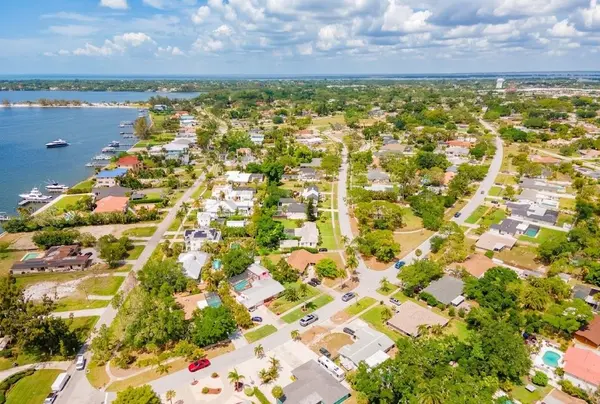
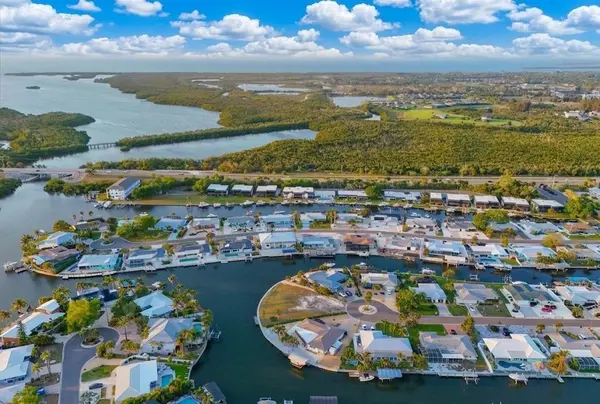
Canals and waterways are a defining part of the Port Charlotte and Charlotte County landscape. Charlotte County manages numerous waterway and navigation systems, and many residential sections were developed around canals that create waterfront lots away from the immediate shoreline of Charlotte Harbor.
That creates several types of waterfront property. A buyer may find a home on sailboat water with no fixed bridges, a canal requiring passage beneath bridges, a route involving a lock, a freshwater or less navigable canal, or a property valued primarily for its water view rather than boating utility.
What does Gulf access actually mean?
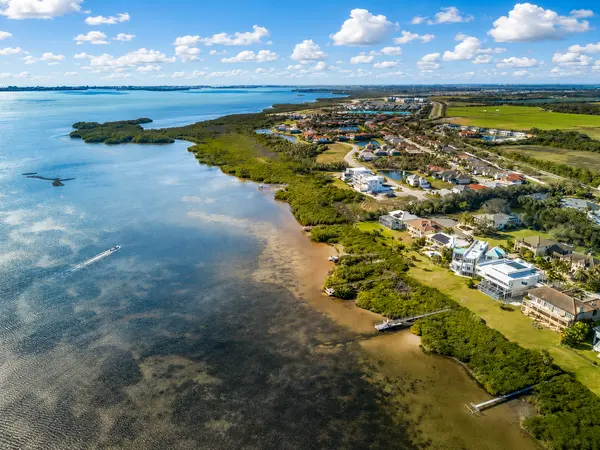
Gulf access generally means a navigable route can ultimately connect the property with Gulf waters. It does not mean the Gulf of Mexico is immediately behind the house. In Port Charlotte, a boating route may travel through canals and waterways into Charlotte Harbor, then continue toward passes connecting the harbor with the Gulf.
For buyers, the more useful question is how the route works for their particular boat. Draft, height, beam, bridge clearance, tides, canal depth, channel conditions, locks, speed restrictions, and distance can determine whether a property's advertised boating access is practical.
What Should Boaters Verify Before Buying?
A waterfront showing should include more than a walk from the house to the dock. The buyer should understand the entire marine system connected to the property and whether it works for the vessel they own or expect to own.
- Canal depth and tidal variation
- Canal width and turning room
- Fixed bridges and published clearance
- Locks along the boating route
- Approximate route to Charlotte Harbor
- Dock dimensions and condition
- Boat-lift capacity and condition
- Seawall age, condition, and ownership responsibility
- Permits for docks, lifts, seawalls, and waterfront improvements
- Utility connections at the dock when applicable
- Navigation or maintenance districts affecting the property
- The intended vessel's draft, beam, height, and weight
A dock that works for one boat may be unsuitable for another. Buyers should verify navigation conditions with the appropriate local authorities and marine professionals and have docks, lifts, seawalls, and related structures evaluated by qualified contractors, inspectors, or engineers when necessary.
For broader due diligence, review Hunt Brothers Realty's guide to buying waterfront property in Florida.
What Is South Gulf Cove?
South Gulf Cove is a large deed-restricted residential community in southwest Port Charlotte with both inland and canal-front properties. Waterfront homes can connect toward Charlotte Harbor through the community's canal system and lock, while bridge clearance applies in portions of the neighborhood.
South Gulf Cove is a useful example of why buyers should not treat all Port Charlotte waterfront real estate as one category. It has its own community structure, canal system, association considerations, boating routes, and mix of older and newer housing. Other sections of Port Charlotte can have very different characteristics.
How Much Is Charlotte County Growing?
Growth is significant at the county level. The U.S. Census Bureau estimates that Charlotte County's population increased from a 2020 population base of 186,823 to 217,212 on July 1, 2025. That represents growth of 16.3 percent over the period.
That number describes Charlotte County as a whole, not the Port Charlotte CDP. The Census reported 60,625 residents in the Port Charlotte CDP at the 2020 Census, but its current QuickFacts table does not publish a 2025 population estimate for the CDP. It would therefore be inaccurate to apply the county's 16.3 percent growth rate directly to Port Charlotte.
Where is future development occurring?
Charlotte County comprehensive planning identifies continuing urban and suburban development and redevelopment within the Urban Service Area and along major roadways including U.S. 41 and State Road 776. The county also maintains a current major development projects database covering residential, commercial, public, and infrastructure projects.
For a buyer, population growth alone is less important than what is happening around the specific home. A nearby vacant parcel, planned roadway, commercial project, utility extension, or large residential development may affect traffic, views, construction activity, services, and the character of the immediate area.
What Growth Questions Should Buyers Ask?
Buyers should treat future development as a research question rather than a prediction about property values. Public planning and development records can help identify what is approved or under review, but construction schedules and final project details can change.
- What is the zoning of nearby vacant property?
- Are subdivisions or commercial projects approved nearby?
- Are road widening or intersection projects planned?
- Is public water or sewer available at the property?
- Are utility extensions planned?
- Does the property fall within an MSBU, MSTU, CDD, HOA, or other special district?
- Are special assessments currently applicable?
- What vacant lots remain on the street or surrounding blocks?
- Could future development change the current view or traffic pattern?
Questions involving zoning, land use, permitting, utilities, or future infrastructure should be confirmed directly with Charlotte County and the appropriate utility or governmental authority before a buyer relies on them.
What Should Buyers Know About Flood Zones?
Flood risk is property-specific and should be investigated for both waterfront and inland homes. Charlotte County flood information explains that flooding can result from rainfall, hurricanes, storm surge, and other conditions, and that flooding can occur outside federally designated high-risk flood areas.
A flood zone and hurricane evacuation information answer different questions. Flood maps address flood risk and regulatory requirements, while evacuation planning relates to emergency management and storm conditions. Buyers should investigate both rather than treating them as interchangeable.
Is flood insurance included in homeowners insurance?
No. Charlotte County states that standard homeowners insurance does not cover flood damage. Flood insurance is a separate form of coverage, and lender requirements can apply to properties in designated high-risk flood areas.
Insurance availability, premiums, coverage, deductibles, and underwriting requirements can vary substantially by property. Buyers should obtain property-specific homeowners, wind, and flood insurance information as applicable and review coverage with qualified insurance professionals before making a purchasing decision.
Why Do Seawalls Matter So Much?
A seawall can be one of the most important and expensive components of a canal-front property. Its visible surface does not necessarily reveal the condition of the wall, cap, tiebacks, drainage, adjacent soil, or underwater components.
Buyers should determine who owns and maintains the seawall, whether repairs or replacement have been documented, whether permits exist for previous work, and whether a qualified marine contractor or engineer should evaluate its condition. Repair requirements and costs depend on the specific structure and site, so they should not be estimated from another property.
What Should Buyers Know About Older and Newer Homes?
Port Charlotte offers a broad age range of housing. Buyers can encounter established homes dating from the area's earlier development periods as well as newly completed residences and active new construction. Age alone does not establish condition, insurability, storm resistance, maintenance needs, or value.
For an older property, buyers may need to investigate roofing, electrical panels, wiring, plumbing materials, windows, doors, HVAC equipment, drainage, permits, and past renovations. A newer home may reduce some age-related concerns, but buyers should still investigate construction quality, permits, warranties, drainage, elevation, flood exposure, insurance, and the surrounding development pattern.
Should a buyer skip an inspection on new construction?
New construction should not automatically be treated as defect-free. Buyers should discuss appropriate inspection timing and scope with a qualified home inspector and review construction, warranty, contract, permitting, and engineering questions with the relevant qualified professionals.
Are There Homes Without an HOA?
Yes, many individual Port Charlotte properties are marketed without mandatory homeowners association membership, while other neighborhoods have deed restrictions or associations. Current Port Charlotte homes for sale illustrate the variety of ownership structures within the broader market.
No HOA does not mean no rules. County zoning, building codes, permitting requirements, recorded deed restrictions, utility rules, navigation districts, special assessment districts, and other requirements can still apply. Buyers should review title and property records for the specific parcel.
What Recreation Is Available Around Port Charlotte?
Charlotte Harbor and the area's waterways make boating, paddling, fishing, and waterfront recreation prominent parts of the Port Charlotte lifestyle. One public example is Port Charlotte Beach Park at 4500 Harbor Boulevard, which currently offers a boat ramp, fishing pier, canoe and kayak access, swimming pool, courts, picnic facilities, playground, and other recreation amenities.
Public boat ramps and water access can also matter to buyers who enjoy boating but do not need a private canal behind the house. Comparing the cost and maintenance of direct waterfront ownership with an inland home near public access can be a useful part of the buying decision.
What Are the Real Costs of a Waterfront Home?
The purchase price is only one part of waterfront ownership. A canal-front property can carry expenses that an inland buyer may not encounter, and those costs can vary substantially depending on the home and waterfront infrastructure.
- Homeowners insurance
- Flood insurance when applicable or desired
- Wind-related deductibles and coverage
- Seawall maintenance or future replacement
- Dock maintenance
- Boat-lift service and repairs
- Pool maintenance when applicable
- Canal or navigation district assessments when applicable
- HOA or community assessments when applicable
- Property taxes
- Landscape and exterior maintenance
- Future roof, mechanical, and storm-protection expenses
Insurance, taxes, maintenance, lending, and repair costs depend on the individual property and owner. Buyers should obtain property-specific information from qualified insurance professionals, lenders, inspectors, contractors, tax professionals, and other appropriate specialists before making a financial decision.
What Should Buyers Compare Between Two Port Charlotte Homes?
Two Port Charlotte homes with similar square footage and asking prices can create very different ownership experiences. The strongest comparison includes location, physical condition, waterfront utility, insurance, infrastructure, and future surroundings rather than price per square foot alone.
- Waterfront versus inland location
- Type and usefulness of boating access
- Time and route toward Charlotte Harbor
- Fixed bridges or locks
- Dock, lift, and seawall condition
- Flood zone and elevation
- Property-specific insurance quotes
- Roof and major building systems
- Storm-protection features
- HOA, deed restrictions, or special districts
- Public water, sewer, well, or septic configuration
- Nearby vacant land and planned development
- Road and infrastructure projects
- Expected annual ownership and maintenance costs
Buyers can also review Hunt Brothers Realty's questions to ask before buying a home near the coast for additional property-level due diligence.
Is Port Charlotte Worth Exploring for a Home Purchase?
Port Charlotte is worth exploring for buyers who want a wide selection of Southwest Florida property types, particularly those interested in canal living, boating access, new construction, established homes, or larger residential areas outside a barrier-island setting. Continued Charlotte County growth also gives buyers a reason to investigate nearby development and infrastructure as part of their home search.
The strongest purchase decision comes from narrowing the search beyond the words "Port Charlotte." Buyers should identify the specific neighborhood, canal system, waterfront route, flood conditions, ownership structure, utilities, property condition, insurance profile, and surrounding development that apply to each home.
Explore Port Charlotte Real Estate With Hunt Brothers Realty
Hunt Brothers Realty can help buyers compare Port Charlotte homes based on waterfront access, boating routes, neighborhood characteristics, property condition, association structure, and current availability. Buyers can view current Port Charlotte homes for sale, explore South Gulf Cove real estate, use the Florida Buyer Resource Center, or contact Hunt Brothers Realty to discuss a Southwest Florida home search.
Informational notice: This article provides general real estate and waterfront information for educational purposes and is not individualized legal, financial, tax, insurance, lending, inspection, engineering, construction, title, association, marine, survey, environmental, zoning, permitting, or other professional advice. Flood conditions, insurance, water depth, bridge clearance, navigation, docks, seawalls, permits, utilities, zoning, development plans, association obligations, taxes, and property condition can vary by property and change over time. Buyers should verify material information with Charlotte County, applicable associations or districts, a qualified insurance professional, lender, home inspector, marine contractor, structural engineer, surveyor, title or closing professional, Florida real estate attorney, tax professional, or other appropriate qualified professional before making a purchasing decision.
Sources
- U.S. Census Bureau, Port Charlotte CDP QuickFacts
- U.S. Census Bureau, Charlotte County QuickFacts
- Charlotte County, Comprehensive Planning
- Charlotte County, Major Development Projects
- Charlotte County, Flood Information
- Charlotte County, Flood Protection
- Charlotte County, Port Charlotte Beach Park
- Hunt Brothers Realty, Port Charlotte Homes for Sale
- Hunt Brothers Realty, Port Charlotte Waterfront Homes: Canals, Boating and Gulf Access
- Hunt Brothers Realty, South Gulf Cove
Contact Hunt Brothers Realty
46 N. Washington Blvd, Ste 3, Sarasota, FL 34236
Phone: (941) 388-7017
Email: info@huntbrothersrealty.com
Website: HuntBrothersRealty.com
Categories
- All Blogs 1686
- Anna Maria Island 80
- Bird Key 3
- Bradenton 182
- Buying a Home 808
- Casey Key 2
- Clearwater 6
- Condos & HOA Living 713
- Ellenton 4
- Englewood 5
- First Time Homebuyers 894
- Foreclosures 3
- Homeownership 887
- Lakewood Ranch 16
- Lido Key 27
- Longboat Key 76
- Luxury/Waterfront Properties 824
- Market Updates & Trends 433
- Mortgages & Financing 36
- Move-Up Buyers 20
- Neighborhood Guides 573
- New Construction 27
- Palmetto 2
- Parrish 5
- Port Charlotte 9
- Punta Gorda 13
- Real Estate Investing 754
- Relocation to Florida 803
- Safety Harbor 2
- Sarasota 35
- Sarasota - Downtown 146
- Selling a Home 139
- Siesta Key 88
- St. Petersburg 4
- Tierra Verde 4
- Vacation & Second Homes 939
- Venice 22
- Wellen Park 7
Recent Posts