Quick Move-In vs. To-Be-Built Homes: Which New Construction Option Is Better for You?
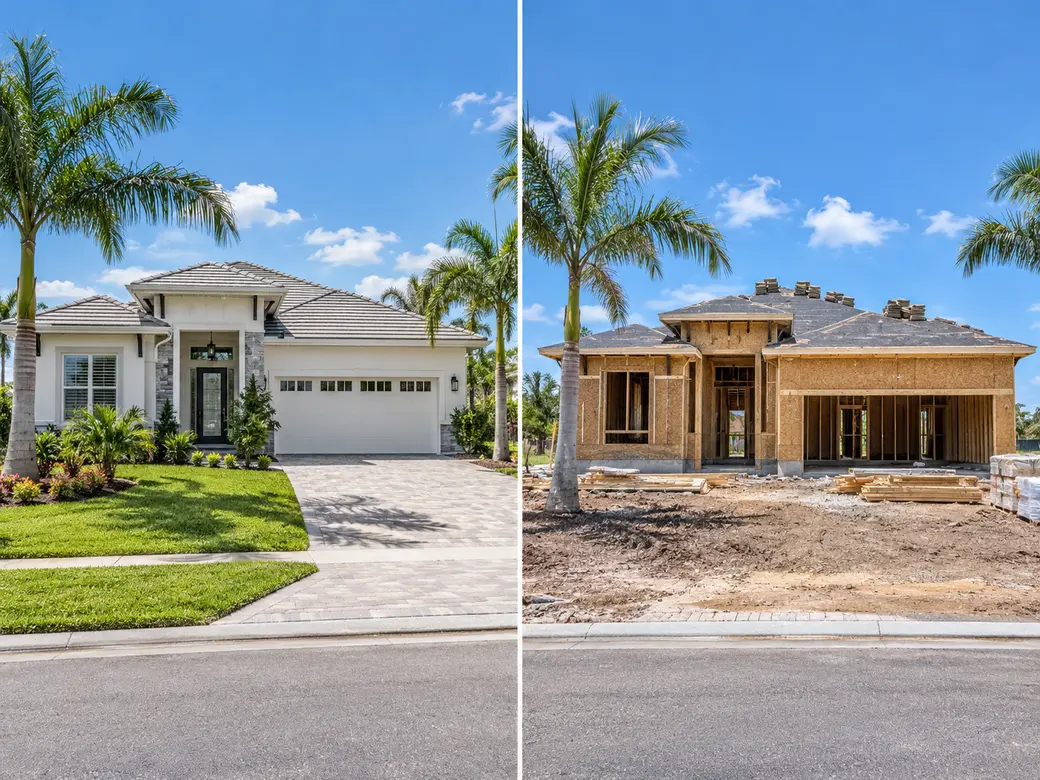
A quick move-in home is usually completed or already under construction, which can provide a shorter and more predictable path to closing. A to-be-built home generally gives buyers more opportunity to choose the homesite, floor plan, structural options and finishes, but it also requires a longer timeline and greater exposure to construction scheduling. Neither option is automatically better. For Florida buyers, the right choice depends on when you need to move, how much customization matters, the builder's current incentives, financing, the actual contract price and your tolerance for construction uncertainty.
Quick Answers About Quick Move-In vs. To-Be-Built Homes
What Is a Quick Move-In Home?
A quick move-in home is generally a new construction property that is already completed or far enough into construction that it can be delivered sooner than a home built from the beginning for a specific buyer. Builders may also describe these properties as inventory homes, move-in-ready homes or spec homes, although terminology varies.
What Is a To-Be-Built Home?
A to-be-built home is purchased before construction is complete and, in many cases, before construction begins. Depending on the builder and construction stage, the buyer may have opportunities to select a homesite, floor plan, structural options, finishes and other features.
Which Option Lets You Move In Faster?
A completed or nearly completed quick move-in home will generally offer the shorter path to closing. This can be useful for buyers relocating to Florida, coordinating the sale of another home or trying to avoid a lengthy construction period.
Which Option Offers More Customization?
A to-be-built home generally offers more opportunity for customization, subject to the builder's plans, available options and selection deadlines. With a quick move-in home, many structural and design decisions may already have been made.
Do Quick Move-In Homes Have Better Builder Incentives?
Sometimes, but not always. Builders may have particular reasons to encourage the sale of completed or nearly completed inventory, while other promotions may apply to to-be-built homes. Buyers should verify which incentive applies to the exact homesite, floor plan and construction stage they are considering.
Does a Quick Move-In Home Still Need an Inspection?
A completed inventory home can still benefit from an independent inspection. The buyer may not have observed any of the construction process, and new construction can still have incomplete work or installation issues. Inspection rights and procedures should be confirmed in the builder contract.
Is Financing Easier With a Quick Move-In Home?
A shorter closing timeline can reduce some of the uncertainty associated with financing a home that will not be completed for many months. With a longer construction timeline, buyers should ask their lender how qualification, rate locks and possible extensions are handled before relying on a particular mortgage scenario.
What Is the Main Difference Between Quick Move-In and To-Be-Built Homes?
The main difference is how far the home has progressed through the construction process when the buyer commits to it. That single difference can affect almost everything else, including move-in timing, design choices, financing, inspections and incentives.
A quick move-in home may already have its floor plan, structural options, flooring, cabinets, countertops, fixtures and exterior selections established. In exchange for having less control over those choices, the buyer gets greater visibility into the actual home and potentially a faster closing.
A to-be-built home shifts that balance. Buyers may gain more control over the home's configuration but must be comfortable committing to a property that is unfinished or has not yet been started.
Quick Move-In vs. To-Be-Built Homes at a Glance
| Consideration | Quick Move-In Home | To-Be-Built Home |
|---|---|---|
| Timeline | Usually shorter | Usually longer |
| Customization | Often limited | Potentially greater, subject to builder options and deadlines |
| Price Visibility | Many selections may already be reflected in the price | Final price can change as permitted options and selections are added |
| What You Can See | Actual home may be substantially or completely visible | Buyer may rely initially on plans, specifications and models |
| Financing Timeline | Potentially more predictable closing window | Long construction period may require additional rate-lock planning |
| Incentives | May have inventory-specific promotions | May have different promotions tied to lots, financing or design options |
These are general differences, not rules that apply to every builder. Always verify the specifications, timeline, incentive and contract for the exact property under consideration.
1. How Soon Do You Need to Move?
Timing is often the first question that separates these two choices. If you need a Florida home relatively soon, a completed or nearly completed inventory home may align better with your schedule than beginning a new build.
A shorter timeline can matter when you are:
- Relocating for work
- Moving to Florida from another state
- Selling another home
- Working around a lease expiration
- Trying to avoid temporary housing
- Planning around school, family or employment schedules
A to-be-built home requires more flexibility. Construction schedules can be affected by permitting, material availability, labor, inspections, weather and other factors. Buyers should distinguish an estimated completion date from any contractual commitment concerning completion or closing.
2. How Much Does Customization Matter to You?
Customization is one of the strongest reasons buyers consider a to-be-built home. Depending on the builder and when the purchase occurs, choices may include the homesite, elevation, floor plan, structural options, flooring, cabinetry, countertops, fixtures and other finishes.
The key phrase is "depending on the builder." Production builders typically offer selections from predetermined plans and option packages rather than unlimited customization. Selection deadlines can also close as construction progresses.
With a quick move-in home, the builder may already have made most or all of these choices. That can be an advantage for a buyer who likes the finished combination and would rather avoid months of design decisions.
3. Which Option Makes the Final Price Easier to Understand?
A quick move-in home can make price comparison easier because many of the home's structural and design choices are already established. Instead of beginning with a base price and adding selections, the buyer can evaluate a more complete version of the home.
With a to-be-built home, distinguish the advertised base price from the actual price of the home you intend to build. Depending on the builder, the final amount may include:
- Homesite or lot premium
- Structural options
- Floor-plan modifications offered by the builder
- Flooring selections
- Cabinet and countertop selections
- Electrical and lighting options
- Appliance upgrades
- Outdoor-living features
- Pool or landscaping options when offered
Before comparing two homes, compare their actual specifications and contracted prices rather than comparing a completed inventory home's price with another floor plan's advertised starting price.
4. Which Type of New Construction Gets Better Builder Incentives?
There is no universal answer. As Hunt Brothers Realty explains in Builder Incentives Explained: When Are They a Good Deal?, a completed or nearly completed inventory home can have a different incentive structure from a home that has not yet been built.
A builder may want to encourage a quicker closing on a completed home, but that does not mean every inventory property receives the strongest promotion. Incentives can depend on the community, lot, floor plan, construction stage, financing arrangement and promotion period.
Possible incentives may include:
- Purchase-price reductions
- Closing-cost contributions
- Mortgage rate incentives
- Discount points
- Design-center credits
- Included upgrades or option packages
The incentive with the largest advertised dollar amount is not automatically the most valuable option. Hunt Brothers Realty's comparison of builder credits versus price cuts explains why buyers should compare the complete transaction, including price, financing, closing costs, cash to close and monthly payment.
5. How Does the Construction Timeline Affect Your Mortgage?
The mortgage process deserves special attention when a home will not be completed for months. Mortgage rates can change while construction is underway, and the rate available when you sign the builder contract may not necessarily be the rate available when the home is ready to close.
The Consumer Financial Protection Bureau explains that a mortgage rate lock generally protects a specified interest rate through closing only when the transaction closes within the lock period and applicable conditions are satisfied. It also notes that extending a rate lock can be expensive if the transaction requires more time.
Before relying on a financing scenario for a to-be-built home, ask a qualified mortgage professional:
- When can the interest rate be locked?
- How long will the lock last?
- Are extended rate locks available?
- What does an extended lock cost?
- What happens if construction is delayed?
- What conditions could change the locked rate?
- How does a builder financing incentive interact with the rate lock?
A quick move-in home can reduce the length of this uncertainty because closing may occur sooner, but financing terms still need to be verified for the individual buyer and property.
6. How Do Deposits Differ With a To-Be-Built Home?
A home purchased before construction may involve an upfront builder deposit and, depending on the contract, additional payments connected with selections, upgrades or other stages of the transaction. A quick move-in purchase can have a different deposit structure because the home is already substantially completed.
The Consumer Financial Protection Bureau specifically advises buyers considering homes that are not yet built to ask the builder under what circumstances an upfront builder deposit can be returned.
Before paying a deposit, understand the amount, due dates, refund provisions and consequences if financing, construction or closing does not proceed as expected. Builder contract and deposit provisions can create significant legal and financial obligations, so questions about their legal effect should be reviewed with a qualified Florida real estate attorney.
7. Which Option Gives You Better Inspection Opportunities?
The answer depends on the construction stage and builder contract. A to-be-built purchase may create opportunities to inspect the home at different stages when the contract and builder permit access. A quick move-in home may already be too far along for certain construction-stage inspections.
Potential inspection points can include:
- Pre-drywall inspection when permitted and applicable
- Final independent home inspection
- Builder orientation or walkthrough
- Final walkthrough before closing
A quick move-in or spec home can still benefit from an independent inspection. As explained in Hunt Brothers Realty's guide, Should I Get a Home Inspection on a Brand-New House?, the buyer may not have observed any of the construction process when purchasing completed inventory.
Inspection findings should be evaluated with the appropriate licensed inspector, contractor, engineer or other qualified professional before the buyer makes a purchasing decision.
8. Which Option Makes It Easier to Know What You Are Buying?
A completed quick move-in home offers an obvious advantage for buyers who want to stand inside the actual property before committing. You can evaluate the specific view, natural light, room proportions, backyard, neighboring homes, street position and many of the actual finishes.
With a to-be-built home, buyers may initially make decisions using floor plans, renderings, model homes, material samples and written specifications. Model homes can contain options that are not included in the buyer's selected home, so the contract and specifications deserve careful attention.
Ask exactly which features are included, which are upgrades and whether the builder has contractual rights to substitute materials or make changes. Legal questions about builder contract provisions should be reviewed with a qualified Florida real estate attorney.
9. How Should You Compare Homesites?
A to-be-built purchase may provide more opportunity to select a homesite before construction begins, but the choice should involve more than lot size or the builder's premium.
Consider property-specific questions involving:
- Orientation and sunlight
- View
- Neighboring lots
- Road location
- Community amenities
- Future development phases
- Drainage and grading
- Flood information
- Utility or other easements shown in applicable records
- Homesite premiums
A completed inventory home gives the buyer more ability to observe the finished relationship between the house and its surroundings. For a to-be-built property, plans and representations about future development should be verified through the appropriate builder documents, association materials, recorded information or local government sources as applicable.
10. Do HOA, CDD, Taxes and Insurance Change Between the Two?
The construction stage does not eliminate the need to investigate ongoing ownership expenses. Whether the home is move-in ready or to-be-built, buyers should research applicable homeowners association fees, condominium fees, Community Development District obligations, property taxes and insurance.
Future property taxes should not be estimated solely from the current tax bill on vacant land or an incompletely assessed property. Likewise, insurance should be investigated using the specific home and coverage needs rather than assuming every newly constructed Florida home will have the same premium.
Tax consequences depend on the individual owner and property, so buyers should consult the appropriate county authorities and a qualified tax professional when individualized guidance is needed. Insurance availability, coverage and premiums can also vary substantially by property, and buyers should obtain property-specific quotes from a qualified Florida insurance professional before making a purchasing decision.
When Can a Quick Move-In Home Make Sense?
A quick move-in home may align well with buyers whose priorities include:
- A shorter move-in timeline
- Seeing the actual home before purchasing
- Reducing exposure to a lengthy construction schedule
- Avoiding extensive design-center decisions
- Evaluating a more complete purchase price
- Taking advantage of an inventory-specific incentive when the complete transaction makes sense
The tradeoff is that the buyer may have little or no opportunity to change structural choices or finishes that are already installed or ordered.
When Can a To-Be-Built Home Make Sense?
A to-be-built home may align well with buyers whose priorities include:
- Choosing a preferred available homesite
- Selecting a particular floor plan or elevation
- Making structural choices before construction advances
- Selecting finishes from the builder's available options
- Having flexibility about the move-in timeline
- Following the construction process as the home is built
The tradeoff is accepting a longer timeline and more uncertainty involving completion, financing and the final configuration price.
What Should You Ask Before Choosing Either Option?
Before signing a new construction contract, get property-specific answers to these questions:
- What is the home's current construction stage?
- What is the estimated completion or closing timeframe?
- Which features and finishes are included in the quoted price?
- Which selections can I still make?
- What deposits are required and under what conditions are they refundable?
- What builder incentives apply to this exact home?
- Does receiving an incentive require using a particular lender or other provider?
- What inspection opportunities does the contract permit?
- What happens if construction or closing is delayed?
- What builder warranty applies?
- What HOA, condominium or CDD obligations apply?
- What future phases or construction are planned nearby?
Buyers comparing builder offers can also review Hunt Brothers Realty's builder incentive guide before deciding how much weight to give a financing promotion, closing-cost credit or price reduction.
Do You Need a Real Estate Agent for a Quick Move-In or To-Be-Built Home?
Buyers can purchase new construction directly from a builder, but a real estate professional working with the buyer can help compare builders, communities, inventory and resale alternatives, provide market information, identify questions and coordinate the real estate transaction within the scope of the applicable brokerage relationship.
Builder policies concerning outside real estate professionals, registration and compensation vary. If you want your own real estate professional involved, discuss representation and verify the builder's current procedures before registering online or making your first sales-center visit.
The Bottom Line: Quick Move-In or To-Be-Built?
Quick move-in and to-be-built homes solve different problems. A quick move-in home offers greater certainty about the actual property and usually a shorter timeline, but it may provide fewer opportunities for customization. A to-be-built home can offer more control over selections and the homesite, but it requires greater flexibility around construction timing, financing and the final configured price.
Instead of deciding based only on whether a home is finished, compare the actual properties. Look at location, homesite, floor plan, included features, upgrades, purchase price, builder incentives, financing, taxes, insurance, community costs, inspection rights and contract terms. Hunt Brothers Realty's Florida new construction versus established home guide can also help buyers place both new construction options in the context of the broader housing market.
Exploring New Construction on Florida's Gulf Coast?
Hunt Brothers Realty can help buyers compare quick move-in homes, to-be-built opportunities and resale properties across Sarasota and Florida's Gulf Coast. Comparing the actual home, community, builder terms and available alternatives can help you narrow the search to the properties that fit your timeline, budget and priorities.
Buyers can explore Florida Gulf Coast communities or visit Hunt Brothers Realty to begin a new construction search.
Important: This article provides general real estate information for educational purposes and is not individualized legal, financial, lending, tax, insurance, inspection, engineering, construction or title advice. Builder contracts, deposits, incentives, construction schedules and warranty provisions can create significant legal and financial obligations. Buyers should verify financing with a qualified mortgage professional, insurance with a qualified insurance professional, property condition with appropriate inspectors or specialists, tax matters with a qualified tax professional, and contract or legal questions with a qualified Florida real estate attorney before making a purchasing decision.
Sources
- Consumer Financial Protection Bureau, Find the Right Home and New Construction Considerations
- Consumer Financial Protection Bureau, Mortgage Rate Locks
- Hunt Brothers Realty, Builder Incentives Explained: When Are They a Good Deal?
- Hunt Brothers Realty, New Construction Incentives: Builder Credits vs. Price Cuts
- Hunt Brothers Realty, Should I Get a Home Inspection on a Brand-New House?
- Hunt Brothers Realty, Older Florida Home vs. New Construction
Hunt Brothers Realty
46 N. Washington Blvd, Ste 3, Sarasota, FL 34236
Phone: (941) 388-7017
Email: info@huntbrothersrealty.com
Website: HuntBrothersRealty.com
Categories
- All Blogs 1526
- Anna Maria Island 68
- Bird Key 3
- Bradenton 102
- Buying a Home 669
- Casey Key 2
- Clearwater 5
- Condos & HOA Living 575
- Ellenton 4
- Englewood 5
- First Time Homebuyers 748
- Foreclosures 3
- Homeownership 729
- Lakewood Ranch 15
- Lido Key 24
- Longboat Key 65
- Luxury/Waterfront Properties 666
- Market Updates & Trends 334
- Mortgages & Financing 33
- Move-Up Buyers 20
- Neighborhood Guides 486
- New Construction 26
- Palmetto 2
- Parrish 4
- Port Charlotte 7
- Punta Gorda 11
- Real Estate Investing 600
- Relocation to Florida 650
- Safety Harbor 2
- Sarasota - Downtown 133
- Selling a Home 136
- Siesta Key 87
- St. Petersburg 3
- Tierra Verde 4
- Vacation & Second Homes 782
- Venice 21
- Wellen Park 7
Recent Posts