Should I Get a Home Inspection on a Brand-New House?
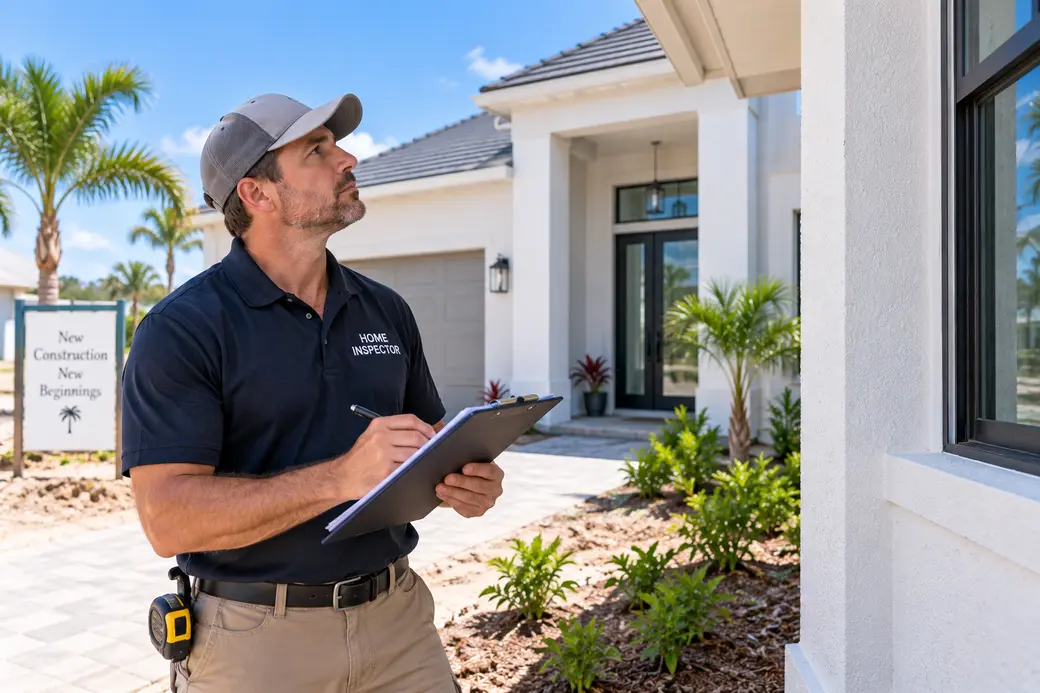
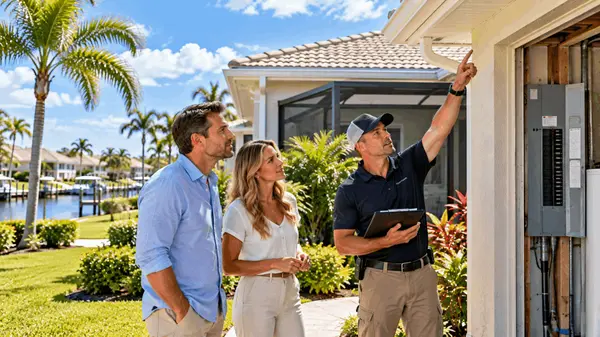
Yes, getting an independent home inspection on a brand-new house is generally worth considering. New construction can still have incomplete work, installation problems, drainage concerns, damaged components or other defects that are difficult for a buyer to identify during a walkthrough. A certificate of occupancy, building-code inspections and a builder warranty do not serve the same purpose as an independent inspection performed for the buyer. The appropriate inspections and timing depend on the house, construction stage, builder contract and inspection rights available to the buyer.
The objective is not to prove that a new home is defective. It is to understand the condition of the property you are preparing to own. Hunt Brothers Realty encourages buyers to evaluate new construction with the same property-specific due diligence they would apply to an established home, while recognizing that the construction process creates different inspection opportunities.
Quick Answers About Inspecting a Brand-New House
Does a brand-new house really need a home inspection?
New does not mean defect-free. An independent inspection can identify incomplete work, installation concerns, damaged components or conditions that deserve additional evaluation before closing or before an applicable warranty period expires.
Is a builder walkthrough the same as a home inspection?
No. A builder walkthrough is typically focused on reviewing the completed home, identifying unfinished items and explaining features or systems. An independent home inspection is performed for the buyer and evaluates accessible components of the property within the inspector's scope.
Does a certificate of occupancy mean the house has no defects?
No. A certificate of occupancy is part of the governmental building and occupancy process. It should not be interpreted as a guarantee that every component of the home is complete, defect-free or performing exactly as a buyer expects.
When should I inspect a new-construction home?
Inspection opportunities depend on the builder contract and construction schedule. Depending on what the builder permits, buyers may consider inspections during construction, before closing and near the end of an applicable builder warranty period.
Should I get an inspection if the builder provides a warranty?
A warranty does not make an inspection unnecessary. The inspection can help document observable conditions, while the warranty determines whether particular defects may qualify for repair under its terms. Buyers should review the actual warranty rather than assuming every problem will be covered.
Can a new house have structural problems?
Construction concerns involving framing, foundations, roof systems or other structural components can occur in new construction. A general inspector may identify signs that deserve further investigation, but questions involving structural design, movement or integrity should be evaluated by an appropriately qualified structural engineer when necessary.
Can I ask the builder to fix items found during my inspection?
You can raise inspection findings with the builder, but whether the builder must address a particular item depends on the contract, construction obligations, warranty terms and nature of the condition. Do not assume an inspection report automatically creates a contractual repair obligation.
Why Inspect a House That Has Never Been Lived In?
A new house has the advantage of newer systems, materials and construction under the building code applicable when the home was permitted. What it does not have is years of real-world occupancy showing how every component performs.
A house is assembled through the work of many trades. Foundation, framing, roofing, plumbing, electrical, HVAC, insulation, drywall, windows, doors, finishes, appliances, drainage and exterior improvements may involve different contractors and subcontractors working at different stages.
Even with permitting, supervision and municipal inspections, a buyer may benefit from having an independent professional evaluate the completed property from the buyer's perspective.
Hunt Brothers Realty's guide comparing an older Florida home with new construction explains why newer systems and current construction standards are meaningful advantages, but they do not eliminate the need for property-specific due diligence.
A Municipal Building Inspection and Buyer Home Inspection Serve Different Purposes
Buyers sometimes ask why they should hire an inspector when local building officials have already inspected the house during construction.
The two processes should not be treated as interchangeable.
Governmental inspections are part of the permitting and building-code process. An independent home inspector is retained by the buyer to evaluate the accessible condition of the property within the scope of the inspection and report observations to the buyer.
Neither process guarantees that a home will never develop a problem. They have different roles in the construction and purchasing process.
A Certificate of Occupancy Is Not a Substitute for Your Inspection
A certificate of occupancy is important because it addresses whether the governmental authority has authorized occupancy or use under the applicable process. Buyers should not interpret it as a comprehensive condition report prepared on their behalf.
A completed home can still have items a buyer wants documented or corrected, including finish defects, drainage concerns, malfunctioning equipment or installation issues that become apparent during a detailed inspection.
What Can an Inspector Find in a Brand-New Home?
The findings vary from property to property. A new-construction inspection may identify conditions involving areas such as:
- Roofing materials and visible roof installation
- Attic conditions and insulation
- Exterior wall and stucco conditions
- Windows and exterior doors
- Plumbing fixtures, leaks and drainage
- Electrical components
- HVAC operation and installation observations
- Water heater installation
- Interior doors, walls, ceilings and floors
- Kitchen appliances when included in the inspection scope
- Exterior grading and drainage
- Garage components
- Pool equipment when applicable and included in the inspection
- Visible signs of moisture intrusion
Inspection scopes vary. Buyers should discuss exactly what is included, excluded and accessible with the inspector before the inspection takes place.
Why Drainage Deserves Attention on New Florida Homes
A newly completed house may look pristine inside while the exterior site is still relatively new. Grading, landscaping, gutters where installed, downspout discharge, swales and drainage patterns can influence how water moves around the property.
Some drainage behavior may be easier to observe after significant rainfall than on a dry inspection day. Buyers should ask questions when they see standing water, erosion, water collecting near the structure or other conditions that deserve further evaluation.
A general inspector can document visible concerns, while significant site drainage, foundation or engineering questions may require evaluation by an appropriately qualified contractor, engineer or other professional.
What Is a Pre-Drywall Inspection?
A pre-drywall inspection takes place during construction before drywall and other finishes conceal much of the framing and building systems.
At this stage, accessible framing, plumbing, electrical work, mechanical components and other construction elements may be easier to observe than after walls and ceilings are finished.
Not every builder contract provides the same access or inspection rights during construction. Buyers interested in a pre-drywall inspection should determine what the contract permits, coordinate with the builder and use an inspector appropriately qualified for the work being evaluated.
Should I Get Another Inspection Before Closing?
A completed-home inspection before closing can be particularly useful because the inspector can evaluate systems and components that were not complete or operational during earlier construction stages.
The home may now have functioning plumbing fixtures, electrical devices, HVAC equipment, appliances, finished roofing, doors, windows, interior finishes and completed exterior work.
Timing matters. Buyers should coordinate any inspection early enough to allow the report to be reviewed and findings addressed within whatever rights and deadlines exist under the builder contract.
The Builder Walkthrough Is Still Important
An independent inspection does not make the builder's orientation or walkthrough unnecessary.
The walkthrough can be an opportunity to learn how systems operate, review warranty procedures and identify visible incomplete or damaged items. Buyers may hear this list described as a punch list, although the terminology and builder procedures vary.
The walkthrough and independent inspection can complement each other because they approach the home from different perspectives.
Should I Consider an Inspection Before the Builder Warranty Expires?
Depending on the warranty covering the property, an inspection before an important warranty deadline can help an owner document observable conditions that developed or became apparent after living in the home.
Several months of occupancy may reveal conditions that were difficult to observe before closing, such as recurring drainage behavior, leaks, equipment performance concerns, movement in finishes or other issues.
Do not assume that every item identified during a later inspection is covered by a warranty. Coverage, exclusions, notice requirements and deadlines depend on the warranty and applicable law.
What Does Florida's Mandatory Builder Warranty Cover?
Florida Statute 553.837 currently establishes a mandatory builder warranty for qualifying newly constructed homes. For purposes of that statute, the definition includes certain previously unoccupied single-family dwellings, duplexes, triplexes and quadruplexes.
The statute generally requires a builder to warrant qualifying construction defects involving equipment, material or workmanship furnished by the builder, subcontractors or suppliers when those defects result in a material violation of the Florida Building Code. The statutory period is generally one year after original conveyance of title to the initial owner or initial occupancy, whichever occurs first.
The law also contains exclusions and provisions addressing express written warranties. Appliances or equipment covered by a manufacturer's warranty are excluded from the statutory builder warranty described in that subsection.
Warranty rights are legal and property-specific. Buyers should read the builder's actual written warranty and contract, follow applicable notice procedures and consult a qualified Florida real estate or construction attorney when they need advice concerning coverage, exclusions, deadlines or enforcement.
A Builder Warranty Does Not Mean Every Problem Is Covered
It is easy to hear "new-home warranty" and assume the builder will repair anything that happens during the first year. Buyers should not make that assumption.
Warranty documents can define covered defects, exclusions, owner maintenance responsibilities, claim procedures and notice requirements. Manufacturer warranties may separately cover appliances or equipment.
An independent inspection and a warranty therefore solve different problems. The inspection helps the buyer understand observable property conditions. The warranty addresses whether qualifying conditions are subject to repair or another remedy under its terms.
New-Condo Buyers Should Not Assume the Same Warranty Rules Apply
The statutory builder warranty described above is not a universal warranty rule for every type of residential property. Florida condominium warranties are addressed separately under Florida condominium law and can involve different warranty periods for different components.
A buyer purchasing a newly constructed condominium should review the condominium documents, developer disclosures, warranty materials and the condition of the individual unit. Questions concerning the developer's or contractor's legal warranty obligations should be reviewed with a qualified Florida real estate or condominium attorney.
What If the Inspector Finds Problems in the New House?
First, determine what the inspector actually found and whether further evaluation is recommended. A general inspector may identify a symptom or condition without determining its complete cause, engineering significance or repair scope.
A plumbing concern may require a licensed plumber. An HVAC installation issue may require an HVAC contractor. A roof condition may need evaluation by a qualified roofing professional. A suspected structural problem may require a structural engineer.
Then review what the builder contract allows. The existence of an inspection finding does not automatically establish the builder's contractual or legal obligation to make a requested repair.
For a broader discussion of this process, see Hunt Brothers Realty's guide to what happens when a home inspection finds problems in Florida.
Should I Hire a Structural Engineer for a New House?
A structural engineer is not automatically necessary for every new-home purchase. A general home inspection is often the starting point for evaluating the completed property's visible condition.
An engineer may become appropriate when there are concerns involving foundation movement, framing, unusual cracking, roof structure, retaining systems, significant settlement or another condition requiring structural expertise.
Buyers should follow up on significant inspection findings with the professional qualified to evaluate that particular issue rather than asking a general inspector to provide conclusions outside the inspector's scope.
Should I Inspect a Quick Move-In or Spec Home?
Yes, a completed inventory or spec home can still benefit from an independent inspection. In some cases, the buyer did not observe any part of the construction process because the house was substantially or completely finished before the buyer entered the transaction.
A completed-home inspection gives the buyer an opportunity to evaluate accessible systems and components before taking ownership, subject to the inspection rights provided by the builder contract.
What If I Am Buying Directly From the Builder?
The builder's sales representative represents the builder's interests in the transaction. Buyers should understand that purchasing in a new-home community can involve a builder-specific purchase agreement, deposit structure, construction schedule, inspection procedures, financing incentives, warranty provisions and closing requirements.
A buyer's real estate professional can help with the brokerage side of evaluating the property and transaction. Contractual rights and legal interpretations should be addressed with a qualified Florida real estate attorney when appropriate.
Do Not Confuse Cosmetic Punch-List Items With Larger Construction Concerns
A new home may have cosmetic items such as paint touchups, cabinet adjustments, trim imperfections or minor finish damage. Those items can matter, but they should not distract from conditions that could have a larger effect on ownership.
Buyers should pay particular attention when findings involve water intrusion, drainage, electrical conditions, plumbing leaks, HVAC performance, roofing or possible structural concerns.
Hunt Brothers Realty's Florida home inspection red flags guide provides additional context on why buyers should focus on conditions that could materially affect property condition, future costs, insurance or financing.
New Construction Still Requires Insurance Due Diligence
A newly constructed home may have characteristics that are favorable from an insurance perspective, including newer roofing, electrical, plumbing and wind-related construction features. That does not mean coverage or premiums should be assumed.
Insurance availability, coverage and premiums can vary substantially by property, location and insurer. Buyers should obtain property-specific quotes and review coverage with a qualified insurance professional before making a purchasing decision.
New Construction Does Not Eliminate Flood Due Diligence
The age of a house does not by itself determine its flood exposure. Buyers should investigate the property's location, applicable flood information, elevation documentation when relevant, drainage characteristics and insurance requirements.
Flood insurance requirements and premiums depend on property-specific and policy-specific factors. Buyers should verify current information with the appropriate insurance professional, lender, surveyor and governmental resources when applicable.
How New Construction and Resale Inspections Differ
| Issue | Brand-New Home | Established Home |
|---|---|---|
| Primary Concerns | Installation, completion, workmanship and early performance | Age, wear, maintenance, deterioration and previous repairs |
| Construction-Stage Access | May be possible if permitted by the builder and contract | Generally not applicable |
| Warranty | Builder or statutory warranty provisions may apply | Depends on property and any separately provided coverage |
| Deferred Maintenance | Usually limited by the home's age, but incomplete work can occur | Can accumulate over years of ownership |
| Inspection Goal | Understand completed construction and identify observable concerns | Understand current condition, aging systems and repair needs |
Neither category should be treated as automatically better or worse. Buyers should evaluate the actual property rather than assuming construction year determines condition.
What Should I Ask Before Scheduling a New-Home Inspection?
- Does my builder contract permit independent inspections?
- At what construction stages can my inspector access the property?
- Is a pre-drywall inspection possible?
- When will utilities and major systems be operational?
- When should the completed-home inspection be scheduled?
- How are inspection findings submitted to the builder?
- Which items will be reinspected after corrections?
- What warranty documents will I receive?
- What are the warranty claim deadlines and procedures?
- Does a particular finding require a specialist beyond the general inspector?
Frequently Asked Questions About New-Construction Inspections
Can I use the inspector recommended by the builder?
Buyers can evaluate available inspectors and choose a qualified professional appropriate for the inspection they want performed, subject to access requirements in the transaction. Ask about the inspector's experience with new construction and the specific inspection stage involved.
Should I attend the inspection?
When permitted by the inspector, builder and site rules, attending can help you understand observations and learn about the home's systems. Construction sites can have access and safety restrictions, so follow the builder's and inspector's requirements.
Will the builder fix everything in my inspection report?
Not necessarily. The inspector reports observations, while the builder's repair obligations are determined by the contract, applicable construction requirements and warranty terms. Disagreements involving legal obligations should be reviewed with an appropriate Florida attorney.
Should repairs be checked before I close?
When significant inspection items are reportedly corrected and the transaction permits it, buyers may want the appropriate inspector or specialist to verify the work. Whether a particular repair is satisfactory should be evaluated by someone qualified to assess that work.
Is a final walkthrough enough for a new house?
A final walkthrough and a professional inspection serve different purposes. The walkthrough helps a buyer observe the property's condition near closing and confirm transaction-specific matters, while a professional inspection provides a more systematic evaluation within the inspector's scope.
Is an inspection still useful if I trust the builder?
Yes. An inspection does not have to be viewed as an accusation against the builder. It is an independent due-diligence step that can give the buyer additional information about a major purchase.
The Bottom Line on Inspecting a Brand-New House
A brand-new house can still benefit from an independent home inspection. New construction offers meaningful advantages, including newer systems and construction under current standards applicable when the home was permitted, but those advantages do not guarantee flawless completion.
The strongest inspection strategy depends on the transaction. Some buyers may have an opportunity for a pre-drywall inspection, a completed-home inspection before closing and another evaluation before an important warranty deadline. Other builder contracts may provide different access and procedures.
The key is to understand your inspection rights early, hire qualified professionals and investigate significant findings before making decisions that depend on the property's condition.
Buying New Construction With Hunt Brothers Realty
Hunt Brothers Realty helps Florida Gulf Coast buyers evaluate both new construction and established homes, including the real estate considerations surrounding builder communities, inspections, property features, ownership costs and closing.
Before choosing a new home, compare older Florida homes with new construction, learn about Florida home inspection red flags, and review what happens when a home inspection finds problems in Florida. To discuss your home search, contact Hunt Brothers Realty.
Informational notice: This article provides general real estate and educational information only and is not individualized legal, inspection, engineering, construction, insurance, financial or lending advice. Inspection rights, builder obligations and warranty coverage depend on the specific property, contract, warranty and circumstances. Buyers should review physical conditions with the appropriate licensed inspector, contractor, engineer or other qualified professional, contractual and warranty questions with a qualified Florida real estate or construction attorney when appropriate, insurance matters with a qualified insurance professional, and financing requirements with their lender before making property-specific decisions.
Sources
- Florida Senate, 2026 Florida Statutes, Chapter 553, including Section 553.837 Mandatory Builder Warranty
- Florida House of Representatives, Florida Condominium Act Warranty Provisions
- Florida Department of Financial Services, Home Warranty Overview
- Hunt Brothers Realty, What Happens If a Home Inspection Finds Problems in Florida?
- Hunt Brothers Realty, Florida Home Inspection Red Flags
- Hunt Brothers Realty, Older Florida Home vs. New Construction
Contact Hunt Brothers Realty
46 N. Washington Blvd, Ste 3
Sarasota, FL 34236
Phone: (941) 388-7017
Email: info@huntbrothersrealty.com
Website: https://www.huntbrothersrealty.com/
Categories
- All Blogs 2212
- Anna Maria Island 86
- Bird Key 4
- Bradenton 237
- Buying a Home 1266
- Casey Key 2
- Clearwater 11
- Condos & HOA Living 1183
- Ellenton 6
- Englewood 12
- First Time Homebuyers 1375
- Foreclosures 5
- Home Selling 7
- Homeownership 1402
- Lakewood Ranch 25
- Lido Key 28
- Longboat Key 80
- Luxury/Waterfront Properties 1343
- Market Updates & Trends 862
- Mortgages & Financing 60
- Move-Up Buyers 25
- Neighborhood Guides 978
- New Construction 37
- Palmetto 3
- Parrish 6
- Port Charlotte 10
- Punta Gorda 41
- Real Estate Investing 1258
- Relocation to Florida 1296
- Safety Harbor 3
- Sarasota 91
- Sarasota - Downtown 164
- Selling a Home 146
- Siesta Key 92
- St. Petersburg 8
- Tierra Verde 5
- Vacation & Second Homes 1452
- Venice 209
- Wellen Park 20
Recent Posts