Should I Buy a House With a Pool?
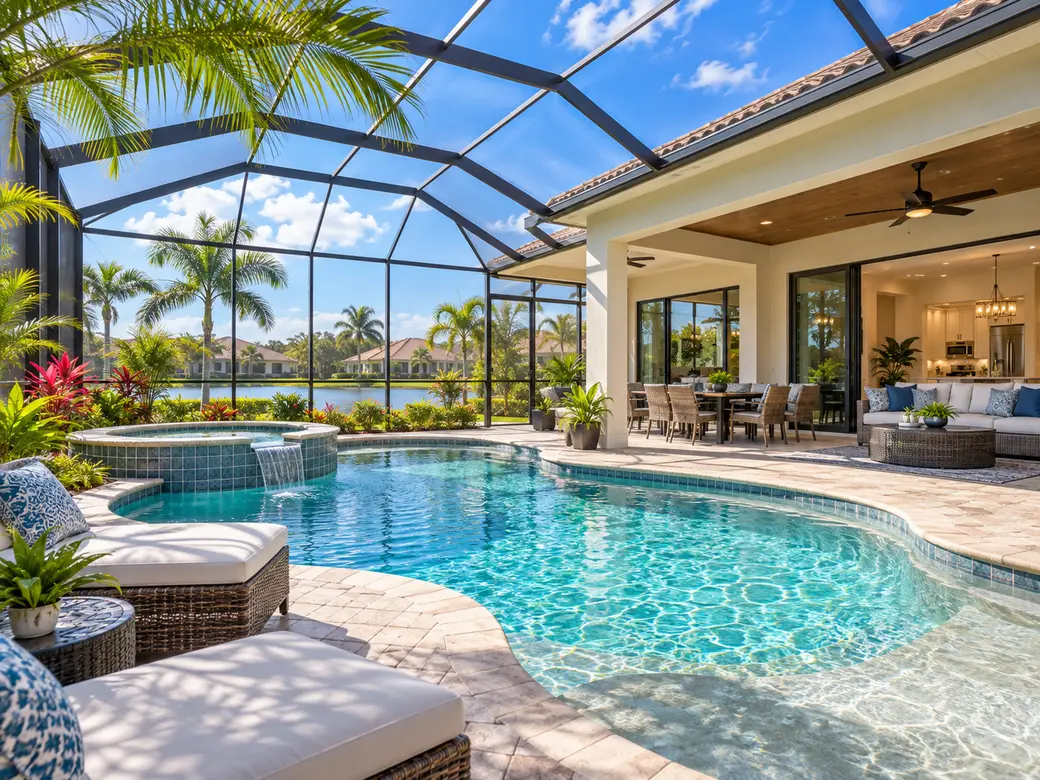
Buying a house with a pool can make sense if you expect to use the pool regularly, value private outdoor living and are comfortable with the added maintenance and repair responsibilities. For buyers considering Sarasota real estate or other Florida Gulf Coast homes, a pool can function as an extension of the living space, particularly when combined with a covered lanai or screened enclosure. The decision should not be based on appearance alone. Before buying, evaluate the pool's condition, equipment, safety features, insurance implications and likely ongoing costs.
Quick Answers About Buying a House With a Pool
Is buying a house with a pool worth it?
It can be if you expect to use the pool enough to justify the maintenance, electricity, water, repairs and eventual renovation costs. Buyers who view a pool as an important part of their Florida lifestyle may value it very differently from buyers who expect to swim only occasionally.
Does a pool increase the cost of owning a home?
Yes. A pool can add cleaning, chemicals, electricity, water, heating, equipment service and future repair expenses. Larger costs can eventually include resurfacing, pumps, filters, heaters, plumbing, decking and screened-enclosure work. Costs vary substantially by pool and should be estimated for the specific property.
Should I get a pool inspection before buying?
A pool-specific inspection can be appropriate when the pool is an important part of the purchase, particularly when equipment is older or visible deterioration is present. Confirm what your general home inspector evaluates, then use an appropriately qualified pool professional when more specialized evaluation is needed.
Does a pool automatically increase a home's value?
No universal dollar amount or percentage applies. A well-maintained pool can contribute to buyer appeal and market value in Florida, but its contribution depends on the neighborhood, property, pool condition, design, lot configuration, outdoor living area and comparable sales.
Will a pool affect homeowners insurance?
It can. A swimming pool creates additional property and liability considerations, and insurers can have requirements involving barriers, gates or other safety features. Insurance availability, coverage, liability limits and premiums vary, so obtain a property-specific quote and review the pool with a qualified insurance professional before purchasing.
Is it better to buy a house with a pool or add one later?
Neither option is automatically better. Buying an existing pool means purchasing its current condition and equipment, while adding one later can provide more design control but requires construction, permitting, site access and significant expense. Verify that a property can physically and legally accommodate the pool you want before buying a home based on future construction plans.
Should I buy a pool home if I will rarely use the pool?
Possibly, but remember that the pool still requires care even when it is rarely used. If swimming and outdoor entertaining are not priorities, compare the additional ownership responsibilities with what else you could gain from a similar home without a pool.
Why Do Florida Buyers Want Homes With Pools?
For many buyers, a Florida pool is not simply a place to swim. It can become the center of an outdoor living area that includes a covered lanai, seating, dining space, landscaping and sometimes an outdoor kitchen or spa.
That distinction matters during a property search. A pool surrounded by usable shade, comfortable seating and convenient access from the kitchen or living room can function very differently from a pool that consumes most of a small backyard without leaving room for other activities.
Hunt Brothers Realty's guide to how home orientation affects sun, shade and outdoor living in Florida explains why the same pool layout can feel very different depending on its orientation and the time of day you expect to use it.
How Much Will a Pool Add to the Cost of Owning the Home?
A pool should be treated as its own operating and maintenance category in your homeownership budget. The water may look effortless during a showing, but keeping it clean, circulating and operational requires ongoing attention.
Potential recurring expenses include:
- Routine cleaning or professional pool service
- Chemicals and water treatment
- Electricity for pumps and circulation equipment
- Water
- Heating when the pool has a heater
- Filter cleaning and replacement
- Minor equipment service
- Screen-enclosure maintenance when applicable
Larger expenses may occur less frequently but can have a much greater effect on the budget. These can include pool resurfacing, pump replacement, heater replacement, leak repairs, plumbing work, automation, lighting, coping, decking and screen-enclosure repairs.
Hunt Brothers Realty's detailed guide to how much a pool can add to homeownership costs explains why buyers should calculate both routine expenses and future capital repairs instead of relying on one generic monthly maintenance figure.
What Should I Inspect Before Buying a House With a Pool?
Inspect much more than the clarity of the water. Clear water on showing day does not establish the condition of the pool shell, underground plumbing or equipment.
Important areas to investigate include:
- Pool surface and interior finish
- Visible cracks or previous patches
- Tile and coping
- Decking and pavers
- Pump and motor
- Filter
- Pool heater when present
- Salt or sanitation equipment
- Automation and controls
- Lighting
- Visible plumbing and leaks
- Drainage around the pool and home
- Spa and water features when present
- Screen enclosure when present
- Safety barriers, gates and alarms
For a more complete inspection checklist, see Hunt Brothers Realty's guide to what to inspect before buying a Florida home with a pool.
Inspection findings should be evaluated with the appropriate qualified pool professional, home inspector, contractor, electrician, plumber, engineer or other specialist before a buyer makes a decision that depends on technical condition or repair requirements.
Does Florida Have Pool Safety Requirements?
Yes. Florida has a Residential Swimming Pool Safety Act that establishes safety requirements for residential pools. Under the 2026 Florida Statutes, a residential swimming pool subject to the statute must meet at least one specified safety-feature option to pass final inspection and receive a certificate of completion.
The statutory options include an approved pool enclosure or barrier, an approved safety pool cover, specified alarms on doors and windows providing direct pool access, specified self-closing and self-latching doors, or an approved swimming-pool alarm. Florida law also establishes requirements for qualifying pool barriers, including height and configuration standards.
You can review the current requirements through the 2026 Florida Residential Swimming Pool Safety Act.
Do not assume that seeing a fence or screened enclosure establishes compliance for a particular property. Existing construction, permits, alterations and local requirements can involve property-specific questions. Verify safety and permitting issues with the applicable local building or permitting authority and appropriate qualified professionals when they are material to the purchase.
How Can a Pool Affect Homeowners Insurance?
A swimming pool can affect property and liability considerations under a homeowners insurance policy. Insurers can evaluate the pool itself along with fencing, gates, enclosures, diving boards, slides and other features when underwriting a property.
Do not wait until shortly before closing to ask whether a particular pool creates an insurance issue. Obtain a property-specific insurance quote and disclose the pool and relevant features accurately to the insurer.
Insurance availability, underwriting requirements, coverage, liability limits and premiums can vary substantially by property and insurer. Buyers should review the specific pool and coverage needs with a qualified insurance professional before making a purchasing decision that depends on insurance availability or cost.
How Old Is the Pool Equipment?
Equipment age can matter almost as much as the visible pool finish. Two homes can have similarly attractive pools while carrying very different near-term ownership costs because one has recently updated equipment and the other does not.
Ask about the age, condition and available service history for:
- Pool pump
- Filter
- Heater
- Salt chlorine generator or sanitation equipment
- Automation and controls
- Lighting
- Spa equipment
- Water features
Do not assume an older component is automatically at the end of its life or that a newer component will remain trouble-free for a specific number of years. Condition, installation, maintenance, environment and usage all affect service life.
Does the Pool Fit the Way You Actually Want to Live?
A technically sound pool can still be the wrong pool for you. Spend time evaluating how the entire outdoor area functions rather than simply checking "pool" off the property wish list.
During a showing, consider:
- Is there covered shade?
- Is there enough room for seating and dining?
- How much direct afternoon sun reaches the pool area?
- Does the yard provide the level of privacy you want?
- Can you see neighboring homes from the pool?
- Does the pool connect naturally with the kitchen and main living areas?
- Is there still usable yard space?
- Is the pool large enough for the way you intend to use it?
- Would you use a spa or heater if the property has one?
- Does the enclosure, landscaping and deck fit your preferred style of outdoor living?
Hunt Brothers Realty's guide to what to look for during a Florida home showing recommends treating the pool and lanai as functional parts of the property rather than purely decorative features.
What About a Screened Pool or Lanai?
Screened pool enclosures are common features in many Florida homes. They can help reduce insects and debris while creating a more defined outdoor living area, but the enclosure itself becomes another component to inspect and maintain.
Look at the enclosure frame, screening, doors, fasteners and visible condition. Ask about repairs or replacement work, particularly when the enclosure has experienced storm damage or has visibly deteriorated screens or framing.
If enclosure condition is material to your decision, have it evaluated by an appropriately qualified contractor or inspector rather than relying on visual appearance alone.
Does a Pool Add Resale Value?
A pool can contribute to market value and buyer appeal, particularly in Florida communities where private outdoor living is an important property feature. There is no reliable rule stating that every pool adds a fixed percentage or dollar amount to a home.
The contribution can depend on:
- Neighborhood expectations
- Comparable pool-home sales
- Pool condition
- Design and size
- Age and condition of equipment
- Screened enclosure condition
- Amount of remaining yard space
- Privacy and landscaping
- Quality of the overall outdoor living area
If resale value is important to your purchase decision, ask a licensed real estate professional to evaluate recent comparable sales in the specific neighborhood rather than applying a national percentage to a Florida property.
Is It Better to Buy a Home With a Pool or Build One Later?
If you know a pool is important, compare existing pool homes with non-pool homes that appear capable of accommodating one. Buying an existing pool can give you immediate use, but you inherit the pool's current design, condition and equipment.
Building later can provide greater control over size, depth, finish, spa configuration, decking, enclosure and equipment. It also introduces construction costs, permitting, site access, timing and disruption.
Before buying a home because you intend to add a pool, investigate:
- Lot dimensions
- Setbacks
- Easements
- Drainage
- Utilities
- Septic systems when applicable
- HOA restrictions
- Access for construction equipment
- Local permitting requirements
Do not assume that a large-looking backyard can accommodate the pool you want. Verify feasibility with the applicable association, local permitting authority, surveyor and appropriately licensed pool contractor before purchasing a property when future pool construction is a material part of your decision.
What Questions Should I Ask About an Existing Pool?
A few specific questions can provide much more useful information than simply asking whether the pool "works."
- When was the pool constructed?
- When was it last resurfaced?
- How old are the pump, filter and heater?
- Has the pool ever had a significant leak?
- What repairs or renovations have been completed?
- Are permits or invoices available for major work?
- What sanitation system does the pool use?
- Is the pool heated, and what type of heater is installed?
- What safety features are installed?
- Is there a screened enclosure, and what is its condition?
- Who currently services the pool?
- Are maintenance or service records available?
Seller statements and maintenance records can be useful, but they do not replace an independent professional evaluation when pool condition is important to the purchase.
When Does a Pool Home Make More Sense?
A pool home may fit your priorities particularly well when you expect the outdoor area to be an important part of daily life.
- You expect to swim frequently
- You enjoy outdoor entertaining
- A private backyard retreat is a high priority
- The pool complements a useful covered lanai
- You understand and accept the maintenance responsibilities
- The pool and equipment are in acceptable condition
- The ongoing expenses fit comfortably within your ownership budget
When Might a Home Without a Pool Make More Sense?
A non-pool home may deserve more consideration if you rarely expect to swim, strongly prefer a larger open yard or want to minimize the number of systems requiring maintenance.
A home without a private pool can also work well when the neighborhood or condominium provides recreational facilities you would actually use. In that situation, compare association assessments and shared amenities with the costs and convenience of maintaining a private pool.
The important point is to avoid paying for a lifestyle feature simply because it seems expected in Florida. Buy the property configuration that fits how you intend to live.
How Should You Compare Two Homes With Pools?
Do not assume two pool homes offer equivalent value simply because both listings include a swimming pool. Compare the pool as carefully as you compare the roof, HVAC system and interior renovations.
Look at:
- Pool size and design
- Surface condition
- Equipment age and condition
- Heating system
- Spa or water features
- Deck and coping
- Screen enclosure
- Privacy
- Sun and shade
- Covered outdoor space
- Safety features
- Available permits and service records
- Likely near-term repair requirements
The lower-priced pool home may not be the lower-cost choice if it requires significant equipment, enclosure or surface work shortly after closing.
So, Should You Buy a House With a Pool?
Buy a house with a pool because the complete property fits the way you want to live, not simply because a pool photographs well in a listing. For a buyer who expects to swim, entertain outdoors and spend significant time around the lanai, the pool can become one of the most frequently used areas of the home.
For another buyer, the same pool may represent recurring service, electricity, insurance considerations and future repairs for a feature that receives little use.
The useful comparison is therefore not simply pool versus no pool. Compare the condition of the pool, the quality of the complete outdoor space, your expected use and the total cost of owning the specific property.
Searching for a Florida Pool Home?
Hunt Brothers Realty can help you compare Florida homes based on the features that matter to your lifestyle, including private pools, screened lanais, outdoor entertaining areas and waterfront settings. Explore Florida Gulf Coast communities, use the Florida Buyer Resource Center, browse Sarasota real estate, or contact Hunt Brothers Realty when you are ready to compare properties.
Informational notice: This article provides general educational real estate information and is not individualized insurance, legal, financial, inspection, engineering, construction, permitting or other professional advice. Pool condition, safety requirements, insurance, repair costs, permitting and construction feasibility vary by property. Buyers should have material pool conditions evaluated by the appropriate qualified inspector, pool contractor, insurance professional, engineer, electrician, plumber, local permitting authority or other qualified professional before making a purchasing decision that depends on individualized guidance.
Sources
- Florida Legislature, 2026 Florida Statutes, Residential Swimming Pool Safety Feature Options
- Florida Legislature, Residential Swimming Pool Barrier Requirements
- Hunt Brothers Realty, What Should I Inspect Before Buying a Home With a Pool?
- Hunt Brothers Realty, How Much Does a Pool Add to the Cost of Owning a Home?
- Hunt Brothers Realty, What Should You Look for During a Home Showing in Florida?
- Hunt Brothers Realty, How Home Orientation Affects Sun, Shade and Outdoor Living
- Hunt Brothers Realty, Florida Buyer Resource Center
Contact Hunt Brothers Realty
46 N. Washington Blvd, Ste 3, Sarasota, FL 34236
Phone: (941) 388-7017
Email: info@huntbrothersrealty.com
Website: HuntBrothersRealty.com
Categories
- All Blogs 1686
- Anna Maria Island 80
- Bird Key 3
- Bradenton 182
- Buying a Home 808
- Casey Key 2
- Clearwater 6
- Condos & HOA Living 713
- Ellenton 4
- Englewood 5
- First Time Homebuyers 894
- Foreclosures 3
- Homeownership 887
- Lakewood Ranch 16
- Lido Key 27
- Longboat Key 76
- Luxury/Waterfront Properties 824
- Market Updates & Trends 433
- Mortgages & Financing 36
- Move-Up Buyers 20
- Neighborhood Guides 573
- New Construction 27
- Palmetto 2
- Parrish 5
- Port Charlotte 9
- Punta Gorda 13
- Real Estate Investing 754
- Relocation to Florida 803
- Safety Harbor 2
- Sarasota 35
- Sarasota - Downtown 146
- Selling a Home 139
- Siesta Key 88
- St. Petersburg 4
- Tierra Verde 4
- Vacation & Second Homes 939
- Venice 22
- Wellen Park 7
Recent Posts