Should I Buy an Older Home or a Newer Home?
Neither an older home nor a newer home is automatically the better purchase. An older home may offer an established location, mature landscaping, a larger or distinctive lot and architectural character that can be difficult to reproduce. A newer home may offer current building standards, newer roofs and mechanical systems, contemporary floor plans and fewer immediate maintenance projects. In Florida, the right choice usually depends more on the specific property's location, condition, insurance options and total ownership cost than its year built.
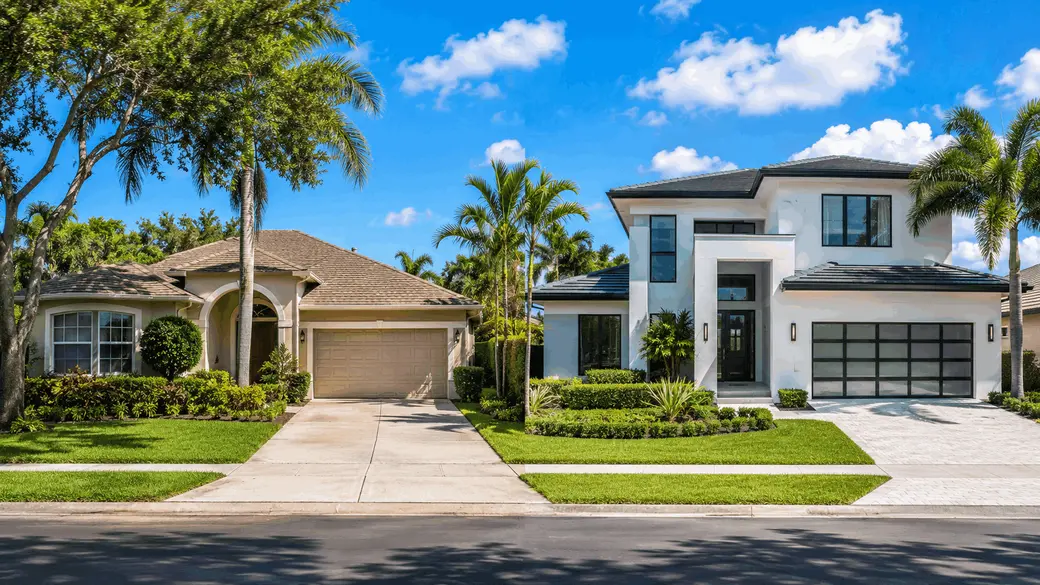
There is also an important middle ground, an established home that has already received substantial updates. A properly renovated older property with a newer roof, updated electrical and plumbing systems, modern HVAC equipment and improved windows or storm protection can compare very differently with an untouched home of the same age. The most useful approach is to compare actual properties rather than assuming that newer always means better or older always means more work.
Quick Answers About Buying an Older Home or a Newer Home
Is a newer home automatically a better purchase?
No. Newer construction can provide modern systems and current building standards, but buyers should still evaluate construction quality, drainage, warranties, the lot, community fees and the individual builder. Location and total ownership cost can outweigh the advantage of a newer construction date.
What is the biggest advantage of buying an older home?
Location is often the biggest advantage. Established homes can provide access to mature neighborhoods, larger or distinctive lots, established landscaping and areas where little vacant land remains for new construction.
What is the biggest advantage of buying a newer home?
A newer home generally starts with newer major systems and was constructed under the building code applicable when it was permitted. Buyers may also find contemporary layouts, newer windows and doors, current materials and less accumulated wear than in an established property.
Are older homes harder to insure in Florida?
They can require additional insurance review, but age alone does not determine insurability or premiums. Roof age and condition, electrical and plumbing systems, wind-mitigation features, construction type, flood exposure, prior claims and other property characteristics can all matter. Buyers should obtain property-specific insurance quotes before making a decision.
Should I avoid a house just because it is 40 or 50 years old?
Not necessarily. A well-maintained older home with documented improvements may compare favorably with a much newer property. The roof, electrical system, plumbing, HVAC, windows, doors, drainage, structure and renovation history provide more useful information than construction year alone.
Does a new home still need an inspection?
New does not mean that defects or incomplete work are impossible. Buyers should discuss appropriate inspections with a qualified home inspector and review the construction and warranty process applicable to the particular property and contract.
Do newly constructed Florida homes have a builder warranty?
Florida law currently requires qualifying builders to provide a one-year warranty for certain construction defects involving newly constructed single-family homes, duplexes, triplexes and quadruplexes, subject to the terms and exclusions in Florida Statute 553.837. Builder contracts can provide additional warranty terms, and other property types can be governed by different warranty provisions, so buyers should review the actual warranty and obtain legal guidance when necessary.
What is the best way to decide between old and new?
Compare two actual homes side by side. Look at location, purchase price, taxes, insurance, HOA or CDD obligations, roof and system ages, expected maintenance, renovation needs, floor plan and the way each property fits your daily life.
Start With Location, Not the Age of the House
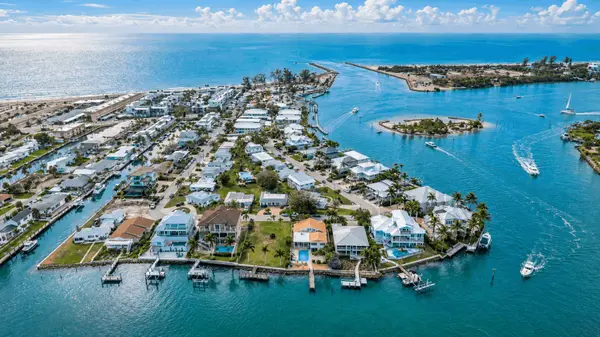
One of the strongest arguments for buying an older home is something you cannot renovate into a newer property, location. Established neighborhoods may occupy sites close to downtown, beaches, employment centers, shopping districts, medical facilities and long-established commercial areas where large new residential developments are no longer practical.
That tradeoff is especially visible in Sarasota. Areas such as West of the Trail can contain historic residences, mid-century homes, renovated properties and newer custom construction on the same streets. Buyers are therefore choosing both a house and an established location.
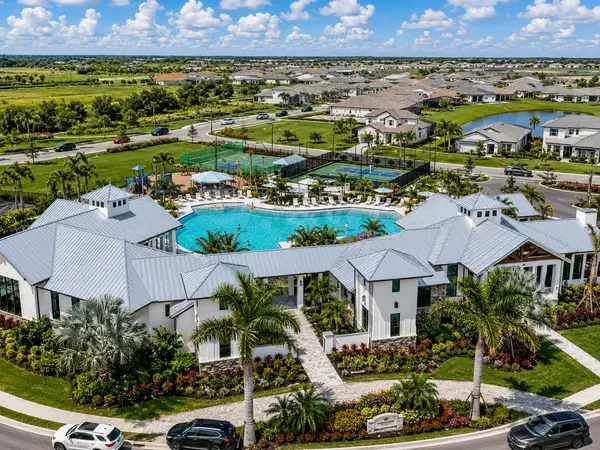
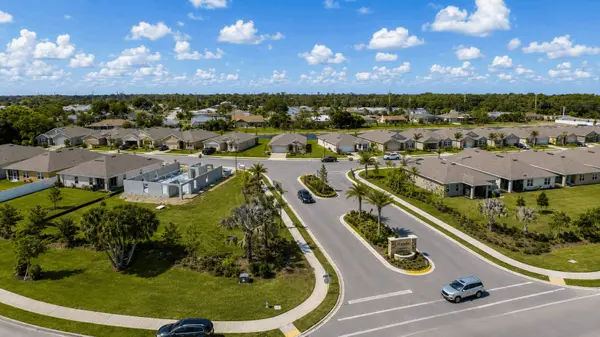
New construction is often more plentiful in developing or master-planned communities. That can bring newer infrastructure, community amenities and additional floor-plan choices, but it may also change the routes you drive every day.
Before comparing kitchens and finishes, map the trips that matter to you. Work, healthcare, groceries, restaurants, family, recreation and the beach may have a greater effect on everyday satisfaction than whether a home was built five years ago or 50.
What Are the Advantages of Buying an Older Home?
Older homes can provide characteristics that are difficult to duplicate in a new development. The exact advantages vary by property, but established homes may offer:
- Established neighborhood locations
- Mature trees and landscaping
- Larger or unusually shaped lots in some neighborhoods
- Architectural character and design details
- Established streets and surrounding development
- Opportunities to renovate according to your preferences
- Locations where comparable new construction is scarce
There can also be an advantage to seeing the completed neighborhood before purchasing. With an established property, surrounding homes, landscaping, traffic patterns and nearby development are generally easier to observe than in a community that is still being built.
What Are the Potential Drawbacks of an Older Home?
The primary concern is not simply age, it is the accumulated condition of the house and its major systems. An older property can have decades of repairs, renovations and replacements, some well documented and others less so.
Depending on the individual home, buyers may need to investigate:
- Roof age, material and condition
- HVAC age and condition
- Electrical panels, wiring and service
- Water-supply and drain plumbing
- Windows, exterior doors and storm protection
- Moisture intrusion and drainage
- Structural condition
- Pool and outdoor equipment
- Septic or well systems where applicable
- Renovation permits and documentation
A qualified home inspector can help identify visible conditions and areas requiring further evaluation. Depending on the findings, additional review by a licensed electrician, plumber, roofer, HVAC contractor, structural engineer or other qualified professional may be appropriate before a buyer makes a decision.
Do Not Judge an Older Home by Its Year Built Alone
Two homes built in the same year can be completely different purchases. One may retain an aging roof, original electrical equipment and older plumbing. The other may have a newer roof, updated electrical service, replacement plumbing, impact-resistant openings, newer HVAC equipment and properly documented renovations.
Cosmetic renovation should not be confused with whole-house modernization either. New flooring, cabinets, countertops and paint can make an older property look new while expensive systems behind the walls or above the ceiling remain unchanged.
Ask for documentation. Permit records, invoices, roof information, equipment dates and seller disclosures can help establish what was actually replaced and when. Where permits or construction quality are important to the purchase, verify the information with the applicable local permitting authority and appropriate licensed professionals.
What Are the Advantages of Buying a Newer Home?
A newer home starts with an important practical advantage, its major components have fewer years of use. The roof, HVAC system, electrical equipment, plumbing, appliances, windows and other components are generally newer than those in a typical established property.
New construction may also provide:
- Construction under the building code applicable when the home was permitted
- Contemporary floor plans
- Newer windows and exterior doors
- Modern electrical and plumbing systems
- Current insulation and energy-related construction features
- Modern kitchens and bathrooms
- Fewer accumulated years of deferred maintenance
- Builder and manufacturer warranty coverage where applicable
These advantages can reduce some near-term maintenance concerns, but they do not eliminate the need for due diligence. Construction defects, drainage issues, incomplete work and warranty disputes can occur in newer homes too.
What Are the Potential Drawbacks of New Construction?
New construction can involve tradeoffs that are easy to overlook when walking through a model home. The advertised base price may not represent the final cost once the homesite, structural options, design selections and upgrades are included.
Depending on the community and builder, buyers may also need to consider:
- Lot or homesite premiums
- Builder upgrades and design-center selections
- HOA fees
- CDD assessments where applicable
- Construction and closing timelines
- Future phases of development nearby
- Smaller or less mature landscaping in some developments
- Builder contract terms and warranty procedures
Buyers comparing major new-construction communities can see how these considerations vary in Hunt Brothers Realty's Wellen Park versus Lakewood Ranch guide. Both communities offer new construction, but the individual neighborhood, builder, floor plan, lot, fees and location remain important parts of the comparison.
How Much Should Florida Buyers Care About Roof Age?
Roof age deserves particular attention when comparing Florida homes because it can affect maintenance planning and insurance underwriting. A newly constructed home starts with a new roof, while an established property may have a roof at almost any point in its useful life.
Current 2026 guidance from Citizens Property Insurance Corporation provides one example of why buyers should investigate this early. Citizens requires additional documentation for certain older roofs and considers remaining useful life as part of its underwriting process. Its specific thresholds should not be assumed to apply to every Florida insurer, since underwriting standards vary among companies.
When considering a resale home, identify the roof installation date, material, permit history, visible condition and any available documentation regarding remaining useful life. Then obtain property-specific insurance quotes rather than assuming that a roof is acceptable simply because it has not leaked.
Does Newer Construction Have an Insurance Advantage?
Newer construction may contain characteristics that insurers consider favorably, but buyers should not assume that a newer house will automatically produce a particular premium or coverage outcome. Location, replacement cost, roof, wind protection, flood exposure, occupancy, claims history and other underwriting factors can still affect the result.
Citizens, for example, currently offers certain Florida Building Code compliance and wind-mitigation discounts when qualifying criteria are met. Older homes may also qualify for wind-related credits when appropriate improvements and documentation exist.
Insurance availability, coverage, deductibles and premiums can vary substantially by property and insurer. Buyers should obtain quotes for the specific homes being compared and review appropriate coverage with a qualified insurance professional before making a purchasing decision.
Are Florida's Newer Building Standards a Reason to Buy New?
Building standards have evolved over time, which is a legitimate consideration when comparing homes of different ages. A newly permitted home must comply with the building code applicable to its construction, while an older home reflects the standards and construction practices in place when it was built, along with any subsequent permitted improvements.
That does not mean every newer home will perform identically during severe weather, nor does it mean an older home is inherently unsuitable. A substantially updated established property may have a newer roof, impact-rated openings and other improvements that significantly change the comparison.
Construction methods, storm protection and structural questions should be evaluated using property-specific documentation and, where necessary, the appropriate inspector, contractor, engineer or local building authority.
Does a New Home Come With Better Warranty Protection?
New construction can provide warranty protections that would not ordinarily accompany an established resale home. Florida Statute 553.837 currently requires a qualifying builder to warrant a newly constructed single-family dwelling, duplex, triplex or quadruplex for certain construction defects involving equipment, material or workmanship that result in a material Florida Building Code violation.
The statutory period is generally one year from original conveyance of title to the initial owner or initial occupancy, whichever occurs first, and the law contains specific exclusions. A builder may also provide an express written warranty meeting or exceeding the statutory requirements.
Warranty coverage should never be assumed from marketing language alone. Buyers should read the builder contract and warranty documents carefully. Condominium warranties and other property types can involve different statutory provisions. Questions about legal warranty rights, exclusions or enforcement should be reviewed with a qualified Florida real estate or construction attorney.
Should You Inspect a Brand-New Home?
A certificate of occupancy and builder warranty serve different purposes from a buyer's independent evaluation of the home. New construction can still contain incomplete work, installation problems, drainage concerns or other conditions a buyer may want documented before closing or before an applicable warranty period expires.
The appropriate timing and scope of inspections depend on the property and contract. Buyers should discuss inspection opportunities with their licensed real estate professional and a qualified home inspector, and use specialized contractors or engineers when an issue requires expertise beyond a general home inspection.
What About a Renovated Older Home?
For many buyers, a renovated established home can provide an appealing middle ground. You may be able to retain the mature neighborhood, lot and location of an older property while gaining many of the systems and finishes associated with newer construction.
The key word is documented. A renovated kitchen does not establish that the roof, electrical system, plumbing or windows were updated. Likewise, extensive construction should be evaluated for applicable permits and workmanship rather than judged only by how recently the finishes were installed.
Hunt Brothers Realty's West of the Trail buyer guide illustrates this particularly well. Buyers in those established Sarasota neighborhoods can encounter older residences, extensively renovated properties and luxury new construction within a relatively small geographic area.
Which Home Will Cost Less to Maintain?
A newer home generally begins with fewer years of wear on its major systems, which can reduce some near-term replacement concerns. An older property with aging components may require a larger maintenance budget, particularly if the roof, HVAC, plumbing or electrical systems are approaching significant work.
But age is still an imperfect predictor. An established home whose owners recently replaced major systems may require less near-term work than a newer home that has not been maintained well.
New construction can also create costs outside the house itself. HOA fees, CDD assessments, landscaping, window treatments, fencing, pools and post-closing improvements can affect the first several years of ownership. Compare the complete expected budget rather than maintenance alone.
Compare Total Ownership Cost, Not Just Purchase Price
The home with the lower asking price is not necessarily the less expensive home to own. When comparing an older property with a newer one, build a property-specific picture of the costs that extend beyond closing.
- Purchase price and financing
- Property taxes
- Homeowners and flood insurance where applicable
- HOA fees
- CDD assessments where applicable
- Expected roof and mechanical-system replacement
- Immediate repairs
- Desired renovations
- Builder upgrades
- Landscaping and outdoor improvements
- Ongoing maintenance
Tax, financing and insurance outcomes depend on the buyer and property. Obtain current property-specific information from the appropriate lender, insurance agent and qualified tax professional before relying on estimated ownership costs.
Older Home vs. Newer Home: A Simple Comparison
| Factor | Older or Established Home | Newer or New-Construction Home |
|---|---|---|
| Location | May provide access to established neighborhoods and locations with limited new development. | Often more available in developing and master-planned communities. |
| Major systems | Age and condition vary significantly and must be investigated. | Generally newer with fewer years of use. |
| Floor plan | Can reflect an earlier design era unless substantially renovated. | Typically designed around current preferences. |
| Landscaping | Often mature and established. | May take years to mature in a new development. |
| Maintenance | Can be higher if major systems are older, but updated homes vary. | May involve fewer near-term replacements, but maintenance is still required. |
| Insurance | Roof, systems, mitigation features and property condition can require closer review. | Newer construction may have favorable characteristics, but underwriting remains property-specific. |
| Warranty | Usually depends on any separately purchased or negotiated coverage. | Builder and statutory protections may apply depending on property type and circumstances. |
| Community costs | May or may not have an HOA depending on the neighborhood. | New communities commonly require HOA fees and may include CDD assessments. |
Who Might Prefer an Older Home?
An established home may deserve more attention if your priorities include:
- A particular established neighborhood
- Proximity to downtown, beaches or other long-established destinations
- Mature trees and landscaping
- Architectural character
- A distinctive or larger lot
- The opportunity to renovate
- A location where new construction is limited
The strongest older-home candidate may not be the cheapest one. A property with documented major improvements can sometimes provide a more predictable ownership picture than an apparently less expensive house requiring substantial work.
Who Might Prefer a Newer Home?
A newer or newly constructed home may deserve more attention if you prioritize:
- Newer roofs and mechanical systems
- Current construction standards
- Contemporary floor plans
- Modern kitchens and bathrooms
- Lower near-term renovation needs
- Builder warranty coverage where applicable
- Master-planned amenities
- The ability to select finishes or options when purchasing early enough in construction
Buyers should still compare builders, contracts, lots and neighborhoods carefully. A new house can be an excellent fit without every new-construction property being equally suitable.
Questions to Ask Before Choosing an Older or Newer Home
- Which location better fits where I actually spend my time?
- How old are the roof, HVAC, plumbing and electrical systems?
- What renovations or improvements have been completed?
- Were applicable permits obtained?
- What does the inspection reveal?
- What insurance options and premiums are available for this exact property?
- What flood information applies to this address?
- What repairs or upgrades am I likely to make during the first several years?
- What HOA or CDD costs apply?
- For new construction, what is included in the advertised price?
- What builder warranty applies, and what does it exclude?
- How does the total ownership cost compare with the alternative?
So, Should You Buy an Older Home or a Newer Home?
Buy the home that gives you the strongest combination of location, condition, ownership cost and lifestyle, not simply the newest construction date. A newer home can be compelling when modern systems, current building standards, contemporary design and lower near-term maintenance are priorities. An older home can be equally compelling when it provides a location, lot, landscaping or architectural character that newer development cannot easily reproduce.
For many Florida buyers, a substantially updated established home is worth including in the comparison as a third option. Instead of asking whether old or new is universally better, put actual properties side by side and compare what matters to you.
Hunt Brothers Realty also provides a Sarasota-focused comparison in Older Florida Home vs. New Construction: Which Is Better?, including additional discussion of location, roofs, insurance and renovation history.
Compare Older and Newer Homes With Hunt Brothers Realty
Hunt Brothers Realty can help buyers compare established homes, renovated properties and newer construction throughout Florida's Gulf Coast. Browse current properties through Hunt Brothers Realty, explore the firm's Gulf Coast community guides, or contact Hunt Brothers Realty to discuss the locations and property types that fit your search.
This article provides general real estate information for educational purposes and is not individualized legal, financial, tax, insurance, lending, inspection, engineering or construction advice. Property condition, insurance availability, taxes, financing, warranties, flood considerations, renovation feasibility and ownership costs vary by home and buyer. Before making a purchasing decision, obtain property-specific information and consult the appropriate licensed real estate professional, lender, insurance agent, home inspector, contractor, engineer, tax professional, attorney, surveyor or local permitting authority when the decision requires that expertise.
Sources
- Hunt Brothers Realty, Older Florida Home vs. New Construction: Which Is Better?
- Hunt Brothers Realty, Living West of the Trail in Sarasota
- Hunt Brothers Realty, Wellen Park vs. Lakewood Ranch
- Florida Senate, 2026 Florida Statutes Section 553.837, Mandatory Builder Warranty
- Citizens Property Insurance Corporation, Property Inspection and Roof Information
- Citizens Property Insurance Corporation, Wind Mitigation and Florida Building Code Discounts
Contact Hunt Brothers Realty
46 N. Washington Blvd, Ste 3, Sarasota, FL 34236
Phone: (941) 388-7017
Email: info@huntbrothersrealty.com
Website: HuntBrothersRealty.com
Categories
- All Blogs 2070
- Anna Maria Island 86
- Bird Key 4
- Bradenton 236
- Buying a Home 1131
- Casey Key 2
- Clearwater 11
- Condos & HOA Living 1049
- Ellenton 5
- Englewood 11
- First Time Homebuyers 1240
- Foreclosures 3
- Home Selling 3
- Homeownership 1263
- Lakewood Ranch 25
- Lido Key 28
- Longboat Key 80
- Luxury/Waterfront Properties 1204
- Market Updates & Trends 730
- Mortgages & Financing 42
- Move-Up Buyers 21
- Neighborhood Guides 842
- New Construction 34
- Palmetto 3
- Parrish 6
- Port Charlotte 10
- Punta Gorda 17
- Real Estate Investing 1121
- Relocation to Florida 1163
- Safety Harbor 2
- Sarasota 77
- Sarasota - Downtown 162
- Selling a Home 144
- Siesta Key 91
- St. Petersburg 8
- Tierra Verde 5
- Vacation & Second Homes 1313
- Venice 169
- Wellen Park 16
Recent Posts