What Is Title Insurance and Do I Really Need It?
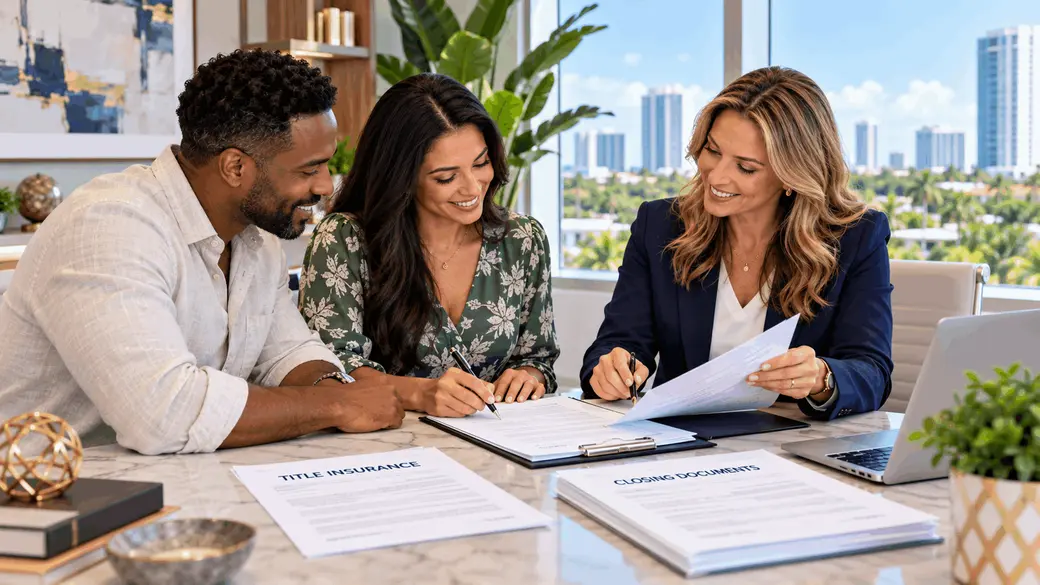
Title insurance protects against certain problems involving ownership of real estate, such as undisclosed liens, prior ownership claims or other covered title defects that existed before you purchased the property. For Florida home buyers, there are two important policies to understand: a lender's policy, which protects the mortgage lender, and an owner's policy, which protects the buyer's ownership interest. A mortgage lender will usually require lender's title insurance, but that policy does not protect your equity. Whether and what owner's coverage is appropriate should be evaluated for the specific transaction with the title or closing professional handling your purchase.
Quick Answers About Title Insurance
What does title insurance protect against?
Title insurance can protect the insured against covered losses resulting from defects in title that existed before the policy's effective date. Depending on the policy, potential issues can involve prior mortgages, judgment liens, unpaid taxes, undisclosed ownership claims, easements, restrictions and other matters affecting title. The actual policy determines what is covered, excluded or excepted.
What is the difference between owner's and lender's title insurance?
A lender's policy protects the mortgage lender's financial interest in the property. An owner's policy protects the buyer's insured ownership interest. Paying for a lender's policy does not mean the buyer's equity receives the same protection.
Do I need title insurance if I am paying cash?
A cash buyer does not have a mortgage lender requiring a lender's policy, but paying cash does not eliminate potential title problems. Cash buyers should still investigate title and discuss available owner's coverage, policy exceptions and transaction-specific risks with the qualified title or closing professional handling the purchase.
Is title insurance a monthly or annual expense?
No. Florida title insurance generally involves a one-time premium rather than an annual premium like homeowners insurance. The Florida Department of Financial Services states that an owner's title policy remains in effect while the insured owner or heirs own the property, subject to the policy's terms.
Does a title search make title insurance unnecessary?
No. A title search and title insurance serve related but different purposes. The search investigates public records affecting the property, while the insurance policy addresses covered title risks under its terms. A title search cannot necessarily eliminate every possible ownership claim or defect.
Who pays for owner's title insurance in Florida?
There is no accurate statewide rule that the buyer or seller always pays. The Florida purchase contract can allocate owner's title insurance and related closing responsibilities differently depending on the selected provisions and negotiation. Review the actual contract and settlement figures for your transaction.
Does title insurance cover every ownership problem?
No. Title policies contain exclusions, exceptions, conditions and coverage limits. Buyers should review the title commitment and proposed policy rather than assuming every lien, boundary issue, easement, encroachment or future dispute will automatically be insured.
What Exactly Is Title?
In real estate, title refers to the legal ownership interest in property. The Florida Department of Financial Services title insurance guide describes title as the foundation of property ownership and the buyer's legal right to possess and use the property subject to applicable restrictions.
The deed is the document used to transfer ownership, but receiving a deed does not necessarily answer every question about interests affecting the property. Recorded mortgages, liens, easements, restrictions, judgments and other documents may also affect title.
What Happens During a Title Search?
A title search examines public records to identify documents and interests that may affect ownership of the property. Florida DFS describes a title search as compiling title information from official or public records.
Depending on the property, title work may identify matters such as:
- Existing mortgages
- Judgment liens
- Tax liens
- Recorded easements
- Restrictive covenants
- Pending litigation affecting the property
- Prior recorded deeds
- Other recorded interests affecting title
Finding a title issue does not automatically mean the property cannot be purchased. Some matters can be satisfied, released or otherwise addressed before closing. Others may remain as permitted exceptions to coverage or may require additional legal or title review.
Questions involving whether a lien has been legally satisfied, whether someone has an ownership interest or whether a particular title defect can be cleared should be handled by the qualified title or closing professional and, when legal analysis is necessary, a Florida real estate attorney.
What Is a Title Commitment?
A title commitment describes the terms under which the title insurer is prepared to issue a policy. Florida DFS refers to a title commitment as a binder for title insurance.
The commitment can identify requirements that must be satisfied before the policy is issued and exceptions that may remain outside coverage. It deserves more attention than simply confirming that a title company has been selected.
When reviewing a title commitment, buyers may need to investigate questions such as:
- Who currently holds title?
- What mortgages or liens must be addressed?
- What easements affect the property?
- What restrictions or covenants are recorded?
- What requirements must be satisfied before coverage is issued?
- What matters will remain as policy exceptions?
- Does a survey affect any proposed exceptions or coverage?
The meaning and legal effect of recorded easements, restrictions, ownership documents and other title matters can be highly property-specific. Buyers who need legal interpretation should consult a qualified Florida real estate attorney rather than relying on a general description of the document.
What Does an Owner's Title Insurance Policy Protect?
An owner's title policy protects the insured owner's interest against covered title problems under the terms of the policy. According to the Consumer Financial Protection Bureau, owner's title insurance can protect a homeowner when someone asserts a qualifying claim against the home based on circumstances that arose before the homeowner purchased it.
Examples can include covered claims involving a previous owner's unpaid obligations or another party asserting a prior interest in the property. Florida DFS gives examples of title defects that can involve prior mortgages, judgments, tax liens, easements, restrictions and other recorded matters.
Coverage depends on the policy. Buyers should not assume every dispute concerning the property is a covered title claim.
What Does Lender's Title Insurance Protect?
Lender's title insurance protects the lender's interest in the property, not the homeowner's equity. The Consumer Financial Protection Bureau's lender's title insurance guidance explains that lender coverage is usually required when obtaining a mortgage.
This distinction is important. Suppose you purchase a home using a mortgage and pay for the lender's title policy at closing. That payment does not mean you personally receive the same title protection.
The lender's policy protects the loan interest specified by the policy. An owner's policy is the separate policy designed to insure the purchaser's ownership interest.
Why Can Title Problems Appear After Closing?
Title work is designed to identify and address issues before ownership transfers, but public-record research cannot necessarily prevent every possible future claim.
Depending on the circumstances and policy, later title disputes can involve questions such as:
- Whether an earlier ownership interest was properly transferred
- An undisclosed or improperly addressed prior lien
- A claim by an heir or other person asserting an ownership interest
- Problems involving prior recorded documents
- Other covered defects affecting title before the policy date
This is one of the unusual characteristics of title insurance. Most property insurance primarily addresses events occurring after the policy begins. Title insurance primarily concerns covered title conditions associated with the property's ownership history before the policy took effect.
Does Title Insurance Cover Every Lien, Easement or Encroachment?
No. A title policy is a contract with specific coverage, exclusions and exceptions. A matter disclosed in the title commitment may be excepted from coverage, which can mean the insurer is not agreeing to insure against that particular condition.
Survey matters are an especially useful example. A title search examines records, while a survey examines physical conditions and boundaries. Hunt Brothers Realty's guide to property surveys for Florida home buyers explains how fences, driveways, pools, structures, easements and possible encroachments can create questions that should be reviewed together with the title documents.
Ordering a survey does not automatically guarantee coverage for every boundary or encroachment issue. Buyers should ask the title professional how the survey relates to the commitment, exceptions and proposed policy.
How Long Does Owner's Title Insurance Last?
Florida DFS states that owner's title insurance involves a one-time premium and that the policy remains in effect for as long as the insured owner or heirs own the property, subject to the policy's actual terms and conditions.
That differs from homeowners insurance, which generally requires recurring premiums to maintain ongoing coverage. The owner does not ordinarily pay a new annual title insurance premium simply to keep the existing owner's policy in effect.
How Much Does Title Insurance Cost in Florida?
Florida establishes title insurance premium rates by state rule rather than leaving the base premium entirely to individual insurers. The Florida Department of Financial Services explains that the applicable rule establishes original policy rates as well as reissue, simultaneous-issue and other qualifying rates.
The total amount appearing on a closing statement can still involve more than the title insurance premium itself. Depending on the transaction, title and settlement expenses can include closing services, searches, recording-related items and other charges.
If prior qualifying title insurance exists, ask whether a reissue rate may apply. Buyers should obtain a transaction-specific quote from the title or closing professional instead of estimating the final closing amount from a generic percentage.
For the larger closing-cost picture, see Hunt Brothers Realty's guide to closing costs when buying a house in Florida.
Who Pays for Title Insurance in Florida?
There is no statewide rule that the seller always pays owner's title insurance or that the buyer always pays it. The actual purchase contract can allocate title insurance and related title responsibilities differently.
Hunt Brothers Realty's Florida closing-cost guide explains that residential contracts include different title-related selections, so general statements such as "the seller pays title in Florida" are too broad.
Review the title provision in the signed contract and the transaction-specific closing documents. Questions about which party is legally responsible for an expense under a disputed or unclear contract provision should be reviewed with a qualified Florida real estate attorney.
Who Chooses the Title or Closing Agent?
The answer can depend on the transaction and contract. Florida DFS states that the person paying the title insurance premium receives the first choice of closing or title agent, while a mortgage lender must approve the selected closing or title agent for the financed transaction.
The purchase contract may also allocate responsibilities involving the closing agent and owner's policy. Buyers should coordinate the selection with their real estate professional, lender and closing professional rather than assuming the choice is identical in every Florida transaction.
Do Cash Buyers Need Title Insurance?
A cash buyer does not have a mortgage lender requiring protection for a loan, so lender's title insurance is not relevant in the same way. The ownership risks that owner's title insurance is designed to address can still exist regardless of how the purchase price is funded.
Cash therefore removes the lender from the financing equation, not the property's ownership history. Buyers paying cash should still review the title search, commitment, exceptions, survey and available owner's coverage with qualified professionals.
This is particularly important when purchasing properties with unusual ownership histories. Hunt Brothers Realty's guide to buying a bank-owned property, for example, explains why buyers should have title questions independently evaluated rather than assuming the foreclosure process resolved every possible ownership issue.
Is Title Insurance the Same as a Home Title Monitoring Service?
No. Florida DFS specifically cautions consumers that services sometimes marketed as "home title lock" products are not title insurance. Those products may monitor public records and alert the owner to recorded changes, but that is different from an insurance policy covering specified title risks.
Do not assume that a monitoring subscription duplicates, replaces or extends the protections of an owner's title insurance policy.
What Should Buyers Review Before Closing?
Title should be treated as part of the buyer's due diligence rather than merely a closing-day administrative task. Review documents early enough to raise questions before applicable contractual deadlines or closing.
Useful questions include:
- Have I received the title commitment?
- Who currently owns the property according to the title work?
- What requirements must be completed before the policy is issued?
- What exceptions will appear on my proposed policy?
- Are easements or restrictions recorded against the property?
- Does the seller have liens or mortgages that must be satisfied?
- Do I have a current survey?
- Does the survey reveal anything that affects title or proposed coverage?
- What owner's coverage is being issued?
- If I am financing, what lender's title coverage is required?
- Does a reissue rate or other applicable premium treatment apply?
- When should I expect to receive the final owner's policy?
Hunt Brothers Realty's guide to what a Florida buyer's agent actually does explains how the real estate professional can help coordinate communication with title, lending, inspection and other transaction professionals while those specialists address matters within their respective areas of expertise.
So, Do You Really Need Owner's Title Insurance?
The practical question is not simply whether title work was completed. It is whether you want your ownership interest insured against the risks covered by the proposed owner's policy and whether you understand the risks that remain excluded or excepted.
If you are financing, your lender will usually require a lender's title policy, but that policy protects the lender rather than your equity. Owner's coverage addresses a different interest. Cash buyers have no lender requiring coverage but can still face title risks associated with the property.
Because title rights, exceptions, policy forms and transaction histories vary, buyers should review the actual title commitment and proposed owner's policy with the title insurer or closing professional. If the decision involves interpretation of ownership rights, liens, easements, contract obligations or other legal issues, obtain guidance from a qualified Florida real estate attorney.
Buying a Home in Florida?
Hunt Brothers Realty helps buyers navigate the real estate side of purchasing Florida property, from comparing homes and preparing offers through inspections, title coordination and closing. Explore the Hunt Brothers Realty Florida Buyer Resource Center, review Florida Gulf Coast communities, or contact Hunt Brothers Realty when you are ready to begin a property search.
Informational notice: This article provides general educational real estate information and is not individualized legal, title, insurance, financial, lending, survey or other professional advice. Title commitments, ownership histories, liens, easements, policy exceptions, contract obligations and coverage can vary by property and transaction. Buyers should have title and policy questions reviewed by the qualified title or closing professional handling the transaction, and questions requiring interpretation of legal rights, ownership, contract terms or title disputes should be reviewed with a qualified Florida real estate attorney.
Sources
- Florida Department of Financial Services, Title Insurance Overview
- Consumer Financial Protection Bureau, What Is Owner's Title Insurance?
- Consumer Financial Protection Bureau, What Is Lender's Title Insurance?
- Florida Legislature, Florida Statutes Section 627.782, Title Insurance Rates
- Florida Legislature, Florida Statutes Section 627.7841, Insurance Against Title Defects
- Hunt Brothers Realty, What Are Closing Costs When Buying a House?
- Hunt Brothers Realty, What Is a Property Survey and Do I Need One?
- Hunt Brothers Realty, Florida Buyer Resource Center
Contact Hunt Brothers Realty
46 N. Washington Blvd, Ste 3, Sarasota, FL 34236
Phone: (941) 388-7017
Email: info@huntbrothersrealty.com
Website: HuntBrothersRealty.com
Categories
- All Blogs 1686
- Anna Maria Island 80
- Bird Key 3
- Bradenton 182
- Buying a Home 808
- Casey Key 2
- Clearwater 6
- Condos & HOA Living 713
- Ellenton 4
- Englewood 5
- First Time Homebuyers 894
- Foreclosures 3
- Homeownership 887
- Lakewood Ranch 16
- Lido Key 27
- Longboat Key 76
- Luxury/Waterfront Properties 824
- Market Updates & Trends 433
- Mortgages & Financing 36
- Move-Up Buyers 20
- Neighborhood Guides 573
- New Construction 27
- Palmetto 2
- Parrish 5
- Port Charlotte 9
- Punta Gorda 13
- Real Estate Investing 754
- Relocation to Florida 803
- Safety Harbor 2
- Sarasota 35
- Sarasota - Downtown 146
- Selling a Home 139
- Siesta Key 88
- St. Petersburg 4
- Tierra Verde 4
- Vacation & Second Homes 939
- Venice 22
- Wellen Park 7
Recent Posts