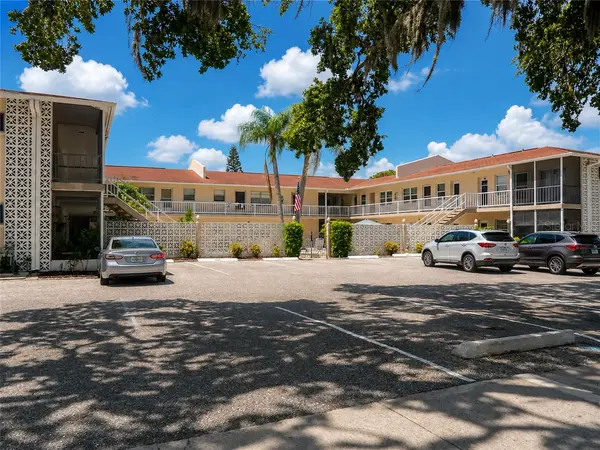
What Happens When You Buy a Bank-Owned Property?
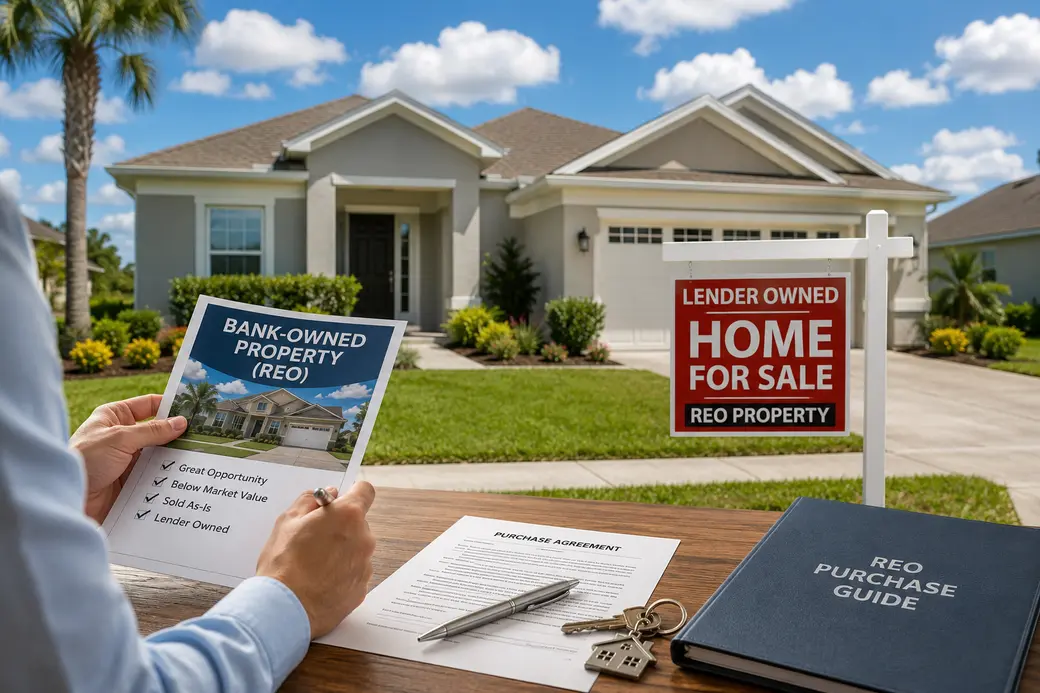
Buying a bank-owned property means purchasing real estate that a lender or other institution acquired through foreclosure and is now selling as real estate owned, commonly called REO. The basic transaction still involves an offer, contract, due diligence, financing when applicable, title work and closing, but the seller is different from a typical homeowner. The institution may have limited knowledge of the property's history, use its own addenda, impose specific procedures and sell the property in its present condition. For buyers, the potential opportunity should be balanced with careful inspection, title, financing and contract due diligence.
Quick Answers About Buying a Bank-Owned Property
What is a bank-owned property?
A bank-owned property, also called an REO property, is real estate that has been acquired by a lender or institution following foreclosure and is being offered for sale. Fannie Mae similarly defines an REO foreclosure as a foreclosed property available for purchase directly from the lender, often because it was not sold to a third party at the foreclosure auction.
Do you buy an REO property directly from the former homeowner?
No. Once the property has become REO, the lender or other institution that acquired it is the seller. This distinguishes an REO purchase from buying a property from an owner who is still attempting a short sale or from bidding at a foreclosure auction.
Are bank-owned properties always sold as-is?
Many REO sellers use contracts and addenda that limit the seller's repair obligations or otherwise address the property's condition, but buyers should review the actual documents rather than assume every REO transaction uses identical terms. The meaning and consequences of any as-is language should be evaluated for the specific contract.
Can you inspect a bank-owned home?
Inspection rights depend on the contract, but buyers should seek appropriate inspection opportunities whenever available. Because an institutional seller may have limited firsthand knowledge of the property, an independent inspection can be especially important for understanding visible condition and potential repair needs.
Can you finance a bank-owned property?
Potentially, yes. Financing depends on the buyer, loan program and condition of the particular property. A home with significant deficiencies may present different lending challenges from an REO property that meets the lender's applicable property requirements, so buyers should involve their mortgage professional early.
Are bank-owned homes always bargains?
No. REO describes who owns the property, not whether it is underpriced. Buyers should compare the asking price with recent comparable sales, property condition, repair requirements, insurance costs and total ownership expenses before deciding whether an individual property represents good value.
Can an REO closing take longer than a normal sale?
It can. Institutional procedures, required seller documents and title issues can affect timing. Hunt Brothers Realty's transaction disclosure specifically notes that liens, claims and liabilities associated with title can cause delays in some bank-owned transactions.
What Does REO Mean in Real Estate?
REO stands for real estate owned. In practical terms, the property has already moved beyond the stage where the original borrower owns it and is trying to resolve the mortgage default.
Fannie Mae explains that an REO foreclosure is a property that has been foreclosed upon and is available for purchase directly from the lender, often after it did not sell to a third party at foreclosure auction.
That distinction matters because buyers are negotiating with an institution rather than the person who previously lived in the home. The seller's objectives, procedures, knowledge and paperwork can therefore differ substantially from a traditional resale.
How Does a Property Become Bank-Owned?
A property generally becomes REO after a foreclosure process results in the lender or another institution acquiring ownership. The foreclosure procedure itself varies according to state law and the circumstances surrounding the loan.
Once the institution owns the real estate, it can prepare the property for disposition and offer it for sale. Some properties may receive maintenance, repairs or other preparation before listing, while others may require substantial work. Buyers should evaluate the individual property rather than assume that all REO homes arrive on the market in the same condition.
How Is Buying an REO Different From Buying at a Foreclosure Auction?
These transactions should not be treated as interchangeable. A foreclosure auction occurs during the foreclosure process and can involve procedures and risks that differ substantially from purchasing an REO property already owned and marketed by an institution.
With a listed REO property, buyers may have an opportunity to view the home, submit an offer through the seller's established process, arrange financing and perform whatever due diligence the final contract permits. The exact process depends on the institutional seller and the property's listing terms.
Buyers should obtain qualified legal advice before participating in a foreclosure auction or making assumptions about title, liens, possession or other legal consequences associated with foreclosure proceedings.
Step 1: You Find a Bank-Owned Property for Sale
Once an institution decides to market an REO property, the home may be listed for sale through a real estate brokerage or an institution-specific sales platform. From a buyer's perspective, the property may initially look similar to another active listing.
The important difference is behind the listing. Instead of dealing with an owner who has lived in the property and can potentially answer questions about its history, the seller may be a lender, government-sponsored enterprise, asset manager or other institution handling the property through standardized procedures.
Buyers can use Hunt Brothers Realty and its Florida buyer resources when evaluating available Gulf Coast properties and preparing for the purchase process.
Step 2: You Evaluate the Property Before Making an Offer
The term bank-owned should not determine whether a property is attractive. Buyers still need to evaluate location, comparable sales, physical condition, renovation requirements and expected ownership costs.
A lower asking price can become less compelling if the property needs a roof, electrical work, plumbing repairs, HVAC replacement, structural work or extensive interior renovation. Conversely, an REO property in sound condition may compete directly with conventional resales.
The useful comparison is therefore not simply bank-owned versus traditional sale. It is the complete cost and condition of one property compared with realistic alternatives in the same market.
Step 3: You Submit an Offer to an Institutional Seller
The offer process can feel different when the seller is an institution. The listing instructions may require particular documents, proof of funds, financing information, electronic submission or other procedures.
Institutional sellers may also evaluate more than the headline purchase price. Financing, contingencies, closing schedule, required approvals and the overall certainty of the proposed transaction can affect an offer.
A buyer should not assume that a bank will automatically accept a deeply discounted offer simply because it acquired the property through foreclosure. The institution can have its own valuation, marketing strategy, approval process and negotiation requirements.
Will a Bank Always Take Less Than the Asking Price?
No. The idea that every lender-owned property can be purchased at a dramatic discount is one of the most persistent misconceptions about REO real estate.
Institutional sellers can use valuations, market data, listing activity and offers to determine how they respond to buyers. Fannie Mae, for example, maintains a formal process for marketing and disposing of its REO properties through HomePath.
An effective offer should be based on the individual property's current market position and condition rather than an arbitrary percentage below asking price. Hunt Brothers Realty's guide to buyer negotiation considerations explains why property condition, competing inventory, seller priorities and market activity can all influence negotiations.
Step 4: The Bank May Require Its Own Addendum
This is one of the most important procedural differences in an REO transaction. An institutional seller may require additional forms or addenda as part of the final agreement.
Hunt Brothers Realty's transaction disclosure specifically advises that owners of bank-owned properties regularly prepare documents or addenda that can supersede provisions of the underlying real estate contract and may favor the seller.
That makes careful review important. Buyers should understand deadlines, inspection provisions, financing requirements, closing obligations, remedies, property-condition language and any provisions that modify the original offer or contract.
Contract interpretation and the legal effect of an REO addendum are legal matters. Buyers with questions about their rights, obligations or the interaction between documents should have the transaction reviewed by a qualified Florida real estate attorney before making decisions based on those provisions.
Step 5: You Investigate the Property's Condition
Property condition deserves particular attention in an REO purchase because the institutional seller typically has not occupied the home. Hunt Brothers Realty's REO disclosure specifically warns that bank-owned sellers generally do not have the same knowledge of property condition that an owner-occupant might have.
That does not mean every bank-owned home has serious problems. It means buyers should avoid treating the seller as the primary source of information about the property's physical history.
An independent inspection can help identify visible conditions requiring additional evaluation. Hunt Brothers Realty's guide to Florida home inspection red flags discusses several areas that can materially affect Florida buyers, including roofs, plumbing and electrical systems.
What should you inspect in an REO home?
- Roof condition and available permit history
- Electrical system and panels
- Plumbing supply and drainage systems
- HVAC equipment
- Water heater and appliances when included
- Windows, exterior doors and storm protection
- Visible moisture intrusion or mold concerns
- Foundation and structural conditions
- Pool and equipment when applicable
- Septic or well systems when applicable
- Pest or termite conditions
- Deferred maintenance and unfinished repairs
The appropriate inspections depend on the property. Inspection findings should be evaluated with the relevant licensed home inspector, contractor, structural engineer, electrician, plumber, roofing professional or other qualified specialist before the buyer makes a purchasing decision.
What Does As-Is Really Mean for an REO Buyer?
Buyers often hear that bank-owned properties are sold as-is. The practical meaning is determined by the actual contract and seller addenda, so buyers should not rely on a generic definition when deciding what rights or obligations they have.
An institutional seller may be unwilling to make repairs even when an inspection identifies defects. In other situations, particular issues may have to be addressed because of financing, safety, property preservation or other transaction requirements.
The critical point is that inspection and repair obligations are different questions. A buyer may be able to investigate the property without the seller necessarily agreeing to correct everything discovered. The contract and applicable addenda control the parties' rights, so questions about their legal effect should be directed to a qualified real estate attorney.
Step 6: You Confirm That Financing Works for the Property
Being bank-owned does not automatically make a property cash-only. Financing can be available, but the buyer's mortgage program and the physical condition of the home both matter.
A lender may require an appraisal and may have property-condition standards associated with the selected mortgage program. Significant deficiencies can therefore affect more than the buyer's repair budget. They may also affect whether the proposed financing can be completed.
Buyers should speak with a qualified mortgage professional early and make sure the lender understands that the property is REO. Financing options, appraisal requirements, down payments, reserves and property standards vary by borrower, loan program and property.
Hunt Brothers Realty's guide to home financing and down payments explains why buyers should evaluate the complete cash requirement, including closing costs, inspections, insurance and other expenses, rather than focusing only on the down payment.
Are There Special Financing Programs for Some REO Properties?
Some institution-owned properties can have programs or financing provisions that do not apply to every REO sale. Fannie Mae's HomePath program is one example.
Fannie Mae defines a HomePath property as property it owns and sells following an REO transaction. Its current mortgage guidance includes certain exceptions and provisions specifically applicable to qualifying HomePath purchases.
These programs have eligibility rules and can change. Buyers should confirm current program requirements directly with an approved lender and the institution selling the property rather than assuming that a benefit associated with one REO program applies to another bank-owned home.
Step 7: Title Work Becomes Especially Important
Title due diligence is an important part of any real estate purchase, and a foreclosure history can make buyers particularly attentive to it. Hunt Brothers Realty's bank-owned property disclosure warns that outstanding liens, claims or liabilities associated with title may cause closing delays.
Fannie Mae explains that a title search examines public records to determine whether title contains defects. Potential issues can include unpaid property taxes, liens for unpaid repairs or renovations, improperly recorded documents and judgment liens.
The existence of an issue does not automatically mean the transaction cannot close. It may, however, require additional work before ownership can be transferred in accordance with the transaction's requirements.
Questions about ownership, liens, title exceptions, foreclosure history, title insurance or whether a particular issue has been legally resolved should be reviewed with the closing or title professional and, when appropriate, a qualified Florida real estate attorney.
Step 8: You Investigate Insurance Before Closing
Florida buyers should investigate insurance early, particularly when an REO property has deferred maintenance or older building components. Roof condition, electrical systems, plumbing, storm protection, location, flood exposure and other property characteristics can affect coverage and premiums.
A property that appears attractively priced can become less compelling if substantial repairs are necessary to obtain the coverage the buyer or lender requires. Insurance should therefore be considered alongside inspection and financing rather than left until the final days before closing.
Insurance availability, coverage requirements and premiums vary by property and buyer. Obtain property-specific quotes from a qualified insurance professional and coordinate applicable insurance requirements with the mortgage lender before making decisions based on estimated ownership costs.
Step 9: You Prepare for a Closing That May Be Less Flexible
Institutional sellers often work through established procedures, asset managers and standardized documentation. Buyers should pay close attention to contractual deadlines and required documentation throughout the transaction.
If title problems, financing requirements, appraisal conditions or other issues arise, the parties may need additional coordination. Buyers should not assume the seller will automatically extend a deadline simply because a delay occurred.
The contract and seller addenda determine the parties' actual obligations. Buyers should track deadlines closely with their real estate professional, lender, closing professional and attorney when legal guidance is needed.
What Are the Potential Advantages of Buying Bank-Owned?
An REO property can be worth considering when its price, location and condition compare favorably with competing homes. Potential advantages can include:
- An opportunity to consider inventory that some buyers overlook
- Potential pricing that reflects condition or repair requirements
- A seller focused primarily on disposing of the asset
- The possibility of improving a property that needs updating
- Potential access to institution-specific programs on qualifying properties
None of these characteristics guarantees that a particular REO is a good purchase. The property still needs to make sense when compared with conventional listings after accounting for repairs, financing, insurance and other ownership costs.
What Are the Potential Challenges?
Bank-owned purchases can also introduce additional uncertainty or procedural requirements. Depending on the property and seller, buyers may encounter:
- Limited seller knowledge about property history and condition
- Deferred maintenance
- Repairs that the seller is unwilling to perform
- Institution-specific contracts and addenda
- Strict procedural requirements and deadlines
- Title matters requiring additional resolution
- Financing complications caused by property condition
- Insurance challenges involving older or damaged components
- Competition from other buyers when an REO is attractively priced
The presence of one or more of these issues does not automatically make the property unsuitable. It means the buyer should identify and evaluate them before deciding whether the purchase price adequately reflects the property's complete condition and transaction requirements.
How Should You Calculate the Real Cost of an REO Property?
Purchase price is only one part of the analysis. A more useful comparison estimates what it will cost to purchase, repair and own the property.
Depending on the home, buyers may need to budget for:
- Down payment and financing expenses
- Closing and title expenses
- Inspections and specialized evaluations
- Immediate repairs
- Renovations and deferred maintenance
- Insurance premiums
- Property taxes
- Association fees and assessments when applicable
- Utilities or systems that need to be restored or serviced
- A contingency for conditions discovered during renovation
Repair estimates should come from appropriately qualified contractors or tradespeople. Financing and cash-to-close estimates should be confirmed with the buyer's lender, while tax and insurance questions should be verified with the appropriate professionals.
A Practical Bank-Owned Property Buyer Checklist
- Confirm who owns and is selling the property.
- Review comparable sales before deciding what to offer.
- Understand the seller's offer-submission requirements.
- Read every institutional seller addendum carefully.
- Have legal questions about the contract or addenda reviewed by a qualified real estate attorney.
- Complete appropriate inspections within the contractual time allowed.
- Obtain specialist evaluations when inspection findings require them.
- Estimate repairs using qualified contractors rather than assumptions.
- Confirm financing with a lender familiar with the property's actual condition.
- Obtain property-specific insurance information early.
- Complete appropriate title and closing due diligence.
- Track every contractual deadline carefully.
- Compare the total cost with conventional homes before deciding that the REO represents value.
Frequently Asked Questions About Bank-Owned Homes
Can first-time buyers purchase REO properties?
Yes, depending on the property and the buyer's financing. First-time status does not by itself prevent someone from purchasing REO real estate. Buyers should confirm loan eligibility and make sure they have sufficient resources for inspections, closing costs and potential repairs.
Can you ask a bank to pay closing costs?
Seller contributions may be possible in some transactions, but they are not guaranteed and can be limited by the seller's policies and the buyer's loan program. Any proposed contribution should be coordinated with the buyer's lender and documented in the transaction.
Will the bank fix problems found during inspection?
Not necessarily. The seller's repair obligations depend on the contract and any REO addenda. Buyers should evaluate whether they are prepared to accept and fund necessary work if the institutional seller declines to make repairs.
Does the bank know what is wrong with the property?
An institutional seller may have reports or other information, but it typically did not occupy the property and may have limited firsthand knowledge of its history. Buyers should conduct their own due diligence rather than relying on the bank to know everything an owner-occupant might know.
Is buying REO safer than buying at a foreclosure auction?
They are different transactions and should be evaluated separately rather than labeled universally safer or riskier. A listed REO purchase may provide different opportunities for inspection, financing and title work than an auction purchase, but the specific contract and property still require careful review.
Do you still need title insurance on a bank-owned home?
Title insurance and title requirements depend on the transaction and financing. A lender's title policy typically protects the mortgage lender rather than the homeowner. Buyers should discuss owner title coverage, title exceptions and closing requirements with a qualified title or closing professional and obtain legal advice when appropriate.
Is Buying a Bank-Owned Property Worth It?
A bank-owned property can be worth considering when its price, location, condition and total ownership costs compare favorably with other available homes. REO status alone does not create value, and it does not automatically make a property problematic.
The strongest REO buyers look beyond the foreclosure label. They investigate the property itself, understand the institutional seller's procedures, examine the contract and addenda, complete appropriate inspections, confirm financing and insurance, and allow qualified title and legal professionals to address issues within their respective areas of expertise.
When those pieces are evaluated together, buyers can compare a bank-owned property with conventional listings based on the factors that actually matter, the home they will own, the amount they will spend and the obligations they will assume at closing.
Looking at Bank-Owned or Other Florida Gulf Coast Properties?
Hunt Brothers Realty can help buyers evaluate Florida Gulf Coast listings based on current market conditions, property characteristics and the requirements of the individual transaction. Review the firm's Florida buyer resources, learn about common Florida home inspection red flags, or contact Hunt Brothers Realty to discuss a property you are considering.
Informational notice: This article provides general real estate and educational information and is not individualized legal, financial, tax, insurance, lending, inspection, engineering, construction, title or other professional advice. REO contracts, seller addenda, title conditions, financing requirements, insurance availability and property condition vary by transaction. Buyers should have property-specific questions reviewed by the appropriate licensed real estate professional, mortgage lender, insurance agent, home inspector, contractor, engineer, title or closing professional, and qualified Florida real estate attorney when legal guidance is required.
Sources
- Hunt Brothers Realty, Standard Disclosure for Real Estate Transactions
- Hunt Brothers Realty, Florida Home Inspection Red Flags
- Hunt Brothers Realty, Florida Buyer Resources
- Hunt Brothers Realty, Home Financing and Down Payment Guide
- Fannie Mae, Homeowner Frequently Asked Questions
- Fannie Mae, Understanding the Title Process
- Fannie Mae, Loans Secured by HomePath Properties
Contact Hunt Brothers Realty
Hunt Brothers Realty
46 N. Washington Blvd, Ste 3
Sarasota, FL 34236
Phone: (941) 388-7017
Email: info@huntbrothersrealty.com
Website: HuntBrothersRealty.com
Categories
- All Blogs 2010
- Anna Maria Island 83
- Bird Key 4
- Bradenton 235
- Buying a Home 1072
- Casey Key 2
- Clearwater 10
- Condos & HOA Living 989
- Ellenton 5
- Englewood 9
- First Time Homebuyers 1180
- Foreclosures 3
- Home Selling 3
- Homeownership 1203
- Lakewood Ranch 23
- Lido Key 27
- Longboat Key 78
- Luxury/Waterfront Properties 1144
- Market Updates & Trends 672
- Mortgages & Financing 42
- Move-Up Buyers 21
- Neighborhood Guides 790
- New Construction 33
- Palmetto 3
- Parrish 6
- Port Charlotte 10
- Punta Gorda 17
- Real Estate Investing 1062
- Relocation to Florida 1105
- Safety Harbor 2
- Sarasota 75
- Sarasota - Downtown 158
- Selling a Home 144
- Siesta Key 89
- St. Petersburg 7
- Tierra Verde 5
- Vacation & Second Homes 1253
- Venice 129
- Wellen Park 13
Recent Posts