What Should Out-of-State Buyers Know Before Moving to Florida?
Florida should understand that purchasing a home involves more than choosing a location and comparing listing prices. Florida has its own property tax rules, homeowners insurance considerations, flood risks, hurricane preparation requirements, real estate contracts, and ongoing ownership expenses. Buyers relocating to Sarasota, Manatee County, or other Florida Gulf Coast communities should also evaluate lifestyle differences, housing types, seasonal weather, and neighborhood accessibility. Before purchasing, it is important to establish a realistic ownership budget, research potential communities, investigate property-specific risks, and understand the Florida homebuying process. These steps can help relocating buyers make informed decisions before committing to a property.
Quick Answers About Moving to Florida From Out of State
Can I Buy a House in Florida While Living in Another State?
Yes. You generally do not need to be a Florida resident to purchase real estate in the state, although certain ownership restrictions and legal requirements may apply to particular buyers. Many out-of-state buyers begin their searches remotely using property listings, virtual tours, video showings, and electronic communications. Financing, inspections, contracts, and closing arrangements should be coordinated with the appropriate professionals.
Does Florida Have a State Income Tax?
Florida does not impose a personal state income tax. However, moving to Florida does not automatically eliminate tax obligations in another state or federal tax responsibilities. Residency, income sources, business activities, and other circumstances can affect an individual's tax situation. Buyers should consult a qualified tax professional before making decisions based on expected tax savings.
Are Florida Property Taxes Based on the Purchase Price?
Florida property taxes are based on taxable value and applicable tax rates, not simply the purchase price. A change in ownership can affect the property's assessed value in a subsequent tax year. Buyers should not assume the seller's existing property tax bill accurately represents their future taxes.
Is Homeowners Insurance Expensive in Florida?
Florida homeowners insurance costs vary substantially depending on the property, location, construction, roof condition, coverage limits, and hurricane exposure. Coastal homes and certain older properties may present additional underwriting considerations. Buyers should obtain property-specific insurance quotes early in the purchasing process.
Do I Need Flood Insurance When Buying a Florida Home?
Flood insurance may be required depending on the property's flood classification, mortgage requirements, or insurance carrier. Standard homeowners insurance generally does not cover flood damage. Properties outside designated high-risk flood zones can still experience flooding, so buyers should investigate flood exposure even when coverage is not mandatory.
What Is the Best Area of Florida for Relocating Homebuyers?
The best location depends on the buyer's budget, lifestyle preferences, housing needs, and daily activities. Along Florida's Gulf Coast, Sarasota, Siesta Key, Longboat Key, Lakewood Ranch, Venice, and Bradenton offer different residential environments. Buyers can begin comparing locations through Hunt Brothers Realty's Florida Gulf Coast community guides.
Should I Visit Florida Before Buying a Home?
An in-person visit is highly useful because online listings cannot fully communicate neighborhood conditions, traffic patterns, property surroundings, or everyday convenience. Buyers should consider visiting at different times of day and, when practical, during different seasons. A focused house-hunting trip can help narrow the search before making a purchasing decision.
Can I Qualify for Florida's Homestead Exemption After Moving?
Eligible homeowners who establish a qualifying Florida property as their permanent residence may qualify for a homestead exemption. Ownership alone does not establish eligibility. Buyers should confirm residency requirements, application procedures, and deadlines with the property appraiser in the county where the home is located.
1. Understand That Buying a Home in Florida May Be Different From Your Current State
Buying a home in Florida can involve different contracts, insurance considerations, inspection practices, property tax rules, and closing procedures than buyers have experienced elsewhere.
For example, someone relocating from New York, New Jersey, Illinois, Ohio, Michigan, or another state may be accustomed to different ownership expenses, construction styles, and real estate transaction procedures.
Florida buyers may encounter property characteristics that deserve additional attention, including:
- Hurricane-resistant windows and doors
- Roof construction and wind mitigation features
- Flood zones and property elevation
- Swimming pools and screened lanais
- Air-conditioning and humidity management
- Termite and pest considerations
- Condominium and homeowners association obligations
- Coastal maintenance requirements
These considerations do not necessarily make Florida homeownership more complicated. They simply mean buyers should evaluate properties according to the conditions and ownership requirements that apply in Florida.
For additional preparation, explore the Hunt Brothers Realty Florida Buyer Resource Center, which covers relocation, contracts, financing, and other purchasing considerations.
2. Compare the Total Cost of Living, Not Just Home Prices
Out-of-state buyers should calculate the total cost of owning a Florida home rather than relying exclusively on the purchase price or estimated mortgage payment.
A home that appears affordable based on its listing price may have recurring expenses that differ substantially from those of a similarly priced property in another state.
What Expenses Should Florida Buyers Include in Their Budget?
- Mortgage principal and interest, when applicable
- Property taxes after the ownership change
- Homeowners insurance
- Flood insurance when appropriate or required
- Condominium or homeowners association fees
- Community Development District assessments when applicable
- Electricity, water, sewer, and other utilities
- Air-conditioning maintenance
- Pool and landscaping expenses
- Routine repairs and long-term maintenance
- Potential association special assessments
Two Florida homes with similar purchase prices may have very different monthly and annual ownership costs.
For example, a condominium may include certain exterior maintenance expenses in its association fees, while a detached home may require the owner to arrange and pay for those services separately.
Buyers should review the complete financial picture with their mortgage lender, insurance professional, and other appropriate advisors before determining what they can comfortably afford.
3. Understand Florida Property Taxes and Homestead Exemptions
Florida property taxes deserve particular attention because the amount currently paid by a seller may differ from the amount a new owner pays after purchasing the property.
Property taxes are influenced by assessed value, exemptions, taxable value, and applicable local tax rates.
Why Might Property Taxes Increase After Buying a Florida Home?
Florida's Save Our Homes assessment limitation can restrict annual increases in the assessed value of qualifying homestead property. Following a change in ownership, the property's assessed value may be reset under applicable law for the following tax year.
As a result, a longtime owner's tax bill may not provide a reliable estimate for a new buyer.
What Is Florida's Homestead Exemption?
Florida's homestead exemption can reduce the taxable value of an eligible permanent residence. Qualifying properties may also benefit from the Save Our Homes assessment limitation.
Eligibility generally depends on ownership, permanent residency, and other statutory requirements. The regular application deadline is March 1 for the applicable tax year, although late-filing provisions may apply in certain circumstances.
Buyers moving from another state should also understand that Florida homestead portability relates to qualifying prior Florida homestead assessment benefits. It does not transfer property tax benefits from another state.
The Florida Department of Revenue's property tax exemption resources explain homestead benefits and related assessment rules.
Before purchasing, buyers should request a property-specific tax estimate from the appropriate county property appraiser and consult a qualified tax professional regarding their individual circumstances.
4. Research Florida Homeowners Insurance Before Making an Offer
Homeowners insurance is one of the most important financial considerations for out-of-state buyers relocating to Florida.
Insurance availability, premiums, deductibles, and coverage options can vary significantly based on the individual property.
Factors that may affect coverage include:
- Distance from the coast and geographic exposure
- Age and condition of the home
- Roof age, material, and condition
- Construction characteristics
- Wind mitigation features
- Coverage limits and deductibles
- Intended occupancy and property use
- Insurer underwriting requirements
What Is a Hurricane Deductible?
Florida homeowners policies that include hurricane coverage commonly have a separate hurricane deductible calculated as a percentage of the insured dwelling amount.
For example, a 2% hurricane deductible on a home insured for $500,000 would equal $10,000. The applicable deductible and claim payment depend on the actual policy terms.
Buyers should understand the deductible in dollars, not just as a percentage.
The Florida Department of Financial Services insurance consumer guides provide additional information about homeowners coverage and insurance shopping.
Insurance quotes should be obtained for the actual property and reviewed with a qualified insurance agent before a purchasing decision depends on coverage availability or cost.
5. Understand Flood Zones, Storm Surge, and Hurricane Evacuation Areas
Flood risk and hurricane evacuation considerations are especially important for buyers relocating to Florida's Gulf Coast.
However, buyers should understand that a flood zone and a hurricane evacuation level are not the same thing.
What Is a Flood Zone?
Flood zones identify areas with different levels of mapped flood hazard. They are relevant to flood insurance requirements and property risk evaluation.
Buyers can research official flood hazard information through the FEMA Flood Map Service Center.
What Is a Hurricane Evacuation Zone?
Hurricane evacuation zones identify areas that may be subject to evacuation orders based on storm surge and other emergency planning considerations. They serve a different purpose from flood insurance maps.
A property can be outside a designated high-risk flood area and still face flooding or other hurricane-related hazards.
Buyers considering Siesta Key, Longboat Key, Lido Key, Casey Key, or other coastal locations should investigate property-specific flood exposure, elevation, drainage, storm history, and evacuation information.
For a more detailed discussion, read Questions to Ask Before Buying a Home Near the Florida Coast.
6. Choose a Florida Community Based on Your Everyday Lifestyle
One of the most important decisions for relocating buyers is choosing the right community before becoming attached to a particular house.
Florida offers many different residential environments, and even neighboring communities can provide very different daily experiences.
Sarasota and Downtown Living
Sarasota offers a combination of Gulf Coast recreation, arts and cultural attractions, restaurants, shopping, established neighborhoods, and condominium living.
Downtown Sarasota may appeal to buyers prioritizing access to restaurants, entertainment, cultural destinations, and Sarasota Bay.
Siesta Key, Longboat Key, and Lido Key
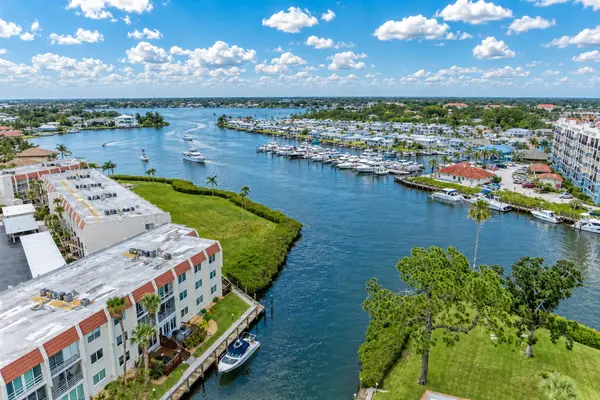
Sarasota's barrier islands offer opportunities for beachfront living, boating, waterfront condominiums, and coastal recreation.
However, island ownership may involve additional considerations related to insurance, flood exposure, salt-air maintenance, and bridge access to mainland destinations.
Lakewood Ranch and Newer Communities
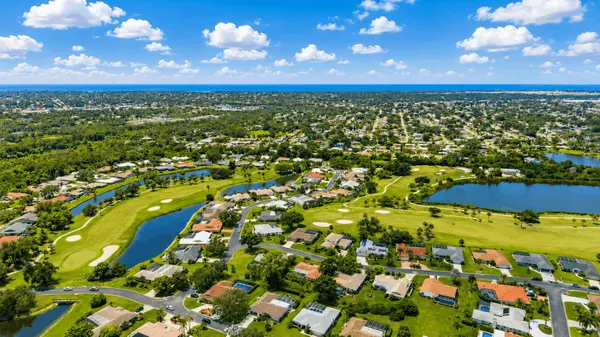
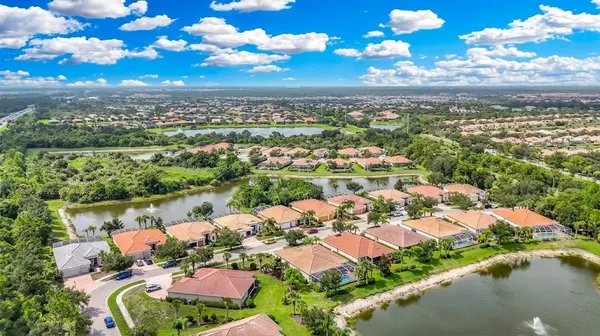
Lakewood Ranch and other master-planned communities offer alternatives for buyers interested in newer construction, community amenities, golf, parks, and planned residential environments.
Buyers should review the specific neighborhood's association structure, fees, restrictions, and amenities rather than assuming all homes within a master-planned community have identical obligations.
Venice, Nokomis, Osprey, and Bradenton
These Gulf Coast communities offer additional combinations of residential neighborhoods, waterfront settings, recreational amenities, and access to regional destinations.
The best choice depends on the specific property, daily travel requirements, housing preferences, and lifestyle priorities.
Buyers comparing coastal and mainland locations can explore Sarasota Island Living vs. Mainland Living for a closer look at housing choices, convenience, beach access, and ownership considerations.
7. Do Not Judge Florida Living Only by a Vacation Experience
Visiting Florida on vacation and living in Florida year-round can be very different experiences.
A winter visit may highlight comfortable weather, beaches, outdoor dining, and recreational activities. It may not fully demonstrate summer heat, humidity, afternoon thunderstorms, seasonal traffic, or hurricane preparation responsibilities.
What Should Buyers Experience Before Moving?
- Drive through potential neighborhoods on weekdays and weekends.
- Test routes to grocery stores, medical services, and other regular destinations.
- Compare seasonal traffic conditions when possible.
- Visit during warmer months if planning to live in Florida year-round.
- Evaluate parking and access at frequently used destinations.
- Consider how often you will realistically visit the beach.
- Compare condominium living with single-family home maintenance responsibilities.
For a practical approach, read The Sarasota Lifestyle Test: 10 Things to Do Before You Decide to Move Here.
Buyers planning to live in the area throughout the year may also find Living in Sarasota Year-Round helpful when comparing seasonal conditions and everyday routines.
8. Understand Florida Home Inspections and Property Condition
Out-of-state buyers should arrange appropriate property inspections and understand that Florida homes may have maintenance concerns that differ from those in colder or drier climates.
A general home inspection can help identify visible conditions requiring further evaluation, but additional specialized inspections may be appropriate depending on the property.
What Inspections Might Florida Buyers Consider?
- General home inspection
- Roof inspection
- Four-point insurance inspection when required
- Wind mitigation inspection
- Termite or wood-destroying organism inspection
- Pool and equipment inspection
- HVAC evaluation
- Moisture or water-intrusion investigation when warranted
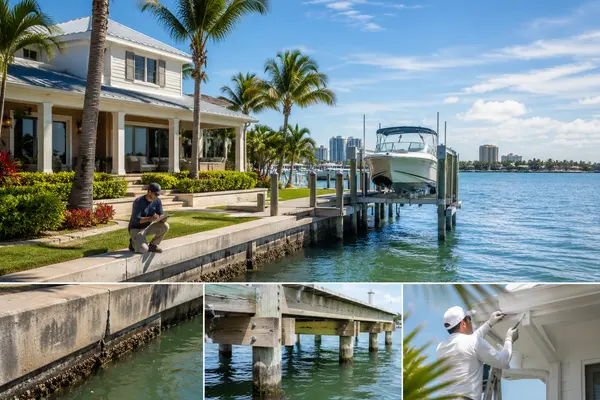
- Seawall, dock, or boat-lift evaluation for applicable waterfront properties
- Structural or engineering evaluation when specific concerns arise
Not every property requires every inspection. The appropriate scope depends on the building, observed conditions, intended use, insurance requirements, and the buyer's concerns.
Inspection findings should be evaluated with qualified inspectors, contractors, engineers, or other appropriate professionals before the buyer makes a decision based on potential repairs or structural conditions.
9. Review Condominium and HOA Rules Before Purchasing
Condominium and homeowners association rules can materially affect how a Florida property may be used, maintained, and financed.
This is especially important for relocating buyers who may initially use the property as a second home or who plan to rent it during periods when they are not occupying it.
What Should Buyers Review Before Purchasing in an Association?
- Current association fees and what they include
- Governing documents and community restrictions
- Pet policies
- Rental restrictions and minimum lease periods
- Parking and storage rights
- Association budgets and financial statements
- Reserve funding and applicable reserve studies
- Existing or proposed special assessments
- Association insurance arrangements
- Applicable structural inspection information
- Approval requirements for renovations or alterations
Condominium requirements can differ significantly by building, association, and unit. Buyers should not assume that every residence within a community has identical parking, storage, rental, or other ownership rights.
Current association documents should be reviewed directly, with legal, financial, insurance, engineering, or other professional assistance when the decision requires specialized interpretation.
10. Understand How Florida Real Estate Contracts and Buyer Representation Work
Florida real estate contracts, brokerage relationships, and transaction procedures may differ from those buyers have encountered in other states.
Buyers should understand the terms of any brokerage agreement and purchase contract before signing.
Important contract considerations may include:
- Purchase price and deposit requirements
- Inspection periods and deadlines
- Financing provisions
- Appraisal considerations
- Closing date and possession terms
- Included fixtures and personal property
- Association document review provisions
- Contractual rights and obligations
An out-of-state buyer should not assume that familiar contract language from another state has the same meaning or effect in Florida.
A licensed Florida real estate professional can explain the brokerage services offered and help coordinate the real estate transaction within the scope of those services. Questions involving legal rights, contract interpretation, title, or ownership should be directed to a qualified Florida real estate attorney.
The Hunt Brothers Realty Florida homebuying resources provide additional information about buyer representation, contracts, financing, and relocation planning.
11. Can You Buy a Florida Home Remotely?
Yes. Out-of-state buyers can complete many parts of the Florida homebuying process remotely, although individual transaction requirements vary.
Technology can make it easier to research communities, evaluate listings, communicate with professionals, and review documents before traveling to Florida.
What Can Out-of-State Buyers Do Before Arriving?
- Research Sarasota and Gulf Coast communities online.
- Review available listings and property information.
- Arrange video showings when available.
- Speak with a mortgage lender about financing.
- Investigate insurance costs and flood exposure.
- Compare property types and neighborhood characteristics.
- Organize a focused house-hunting itinerary.
- Discuss inspection and closing logistics with the appropriate professionals.
Some transactions may accommodate electronic signatures, remote document review, or other distance-based arrangements. However, signing, notarization, lender, title, and closing requirements must be confirmed for the specific transaction.
Buyers should also use independently verified contact information when receiving wire instructions or handling closing funds to reduce the risk of payment fraud.
12. Plan a Focused Florida House-Hunting Trip
A well-organized house-hunting trip can help out-of-state buyers compare properties and communities without rushing important decisions.
For buyers considering Sarasota, three full days can provide a practical starting point for exploring neighborhoods, touring homes, and revisiting serious candidates.
Day One: Compare Locations
Explore the communities that match your priorities. Compare downtown Sarasota, coastal islands, established mainland neighborhoods, and newer residential developments when relevant to your search.
Day Two: Tour Serious Property Candidates
Focus on homes that fit your budget, preferred location, property type, and ownership requirements. Compare more than interior finishes by considering the surrounding area, property condition, insurance questions, and maintenance responsibilities.
Day Three: Revisit and Investigate
Reserve time for second showings, additional neighborhood exploration, and unresolved property questions. Do not treat your return flight as a deadline to purchase a home.
For a more detailed itinerary, read How to Plan a Three-Day Sarasota House-Hunting Trip.
13. Understand Florida Residency, Driver's License, and Vehicle Requirements
Buying a home in Florida and establishing Florida residency are related but separate matters.
A person can own Florida property without necessarily qualifying as a Florida resident for every legal or tax purpose.
When Do New Residents Need a Florida Driver's License?
New Florida residents generally must obtain a Florida driver's license within 30 days after establishing residency under applicable requirements.
Vehicle registration requirements may involve different deadlines, including shorter timeframes when certain employment or school-enrollment conditions apply.
Buyers should review the current requirements directly with the Florida Department of Highway Safety and Motor Vehicles.
Does Purchasing a Florida Home Automatically Change Tax Residency?
No. Purchasing a Florida home does not automatically resolve every question involving legal domicile or tax residency.
A buyer's former state may have its own residency and tax rules. Individuals relocating for tax-related reasons should obtain guidance from qualified tax and legal professionals familiar with the states involved.
14. Consider Whether You Are Buying a Primary Residence or Second Home
The intended use of a Florida property can affect financing, insurance, property tax eligibility, maintenance planning, and association requirements.
A home purchased as a permanent residence may be evaluated differently from a vacation property or a residence intended for rental use.
What Should Second-Home Buyers Investigate?
- Insurance requirements for seasonal occupancy
- Home monitoring during extended absences
- Air-conditioning and humidity management
- Storm preparation and post-storm inspections
- Condominium or HOA rental restrictions
- Local rental and permitting requirements when applicable
- Property management and maintenance arrangements
- Property tax treatment and homestead eligibility
Buyers should accurately disclose intended occupancy to their lender and insurance professional. They should also verify association restrictions and local requirements before relying on anticipated rental income or a particular use of the property.
15. Prepare for Florida's Climate and Home Maintenance Requirements
Florida's climate can influence how homes are maintained, particularly in coastal areas with heat, humidity, heavy rainfall, and salt-air exposure.
Depending on the property, owners may need to pay particular attention to:
- Air-conditioning performance and maintenance
- Indoor humidity and moisture control
- Roof and exterior building conditions
- Drainage and rainwater management
- Pest prevention
- Pool maintenance
- Landscaping and irrigation
- Exterior corrosion near coastal environments
- Hurricane preparation and storm protection
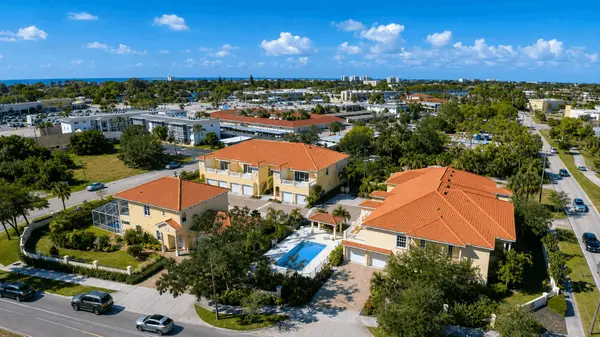
Not every home will require the same maintenance. A downtown condominium, newer mainland residence, and waterfront single-family home may have very different responsibilities.
Buyers should review the property's actual condition and obtain appropriate professional evaluations before estimating future repair or maintenance expenses.
16. What Should Out-of-State Buyers Do Before Moving to Florida?
A successful Florida relocation begins with financial preparation, community research, and a realistic understanding of the property and lifestyle you want.
Florida Relocation Homebuyer Checklist
- Decide whether the Florida property will be a primary residence, second home, or another permitted use.
- Establish a realistic purchase budget and estimate ongoing ownership expenses.
- Discuss financing and obtain appropriate mortgage preapproval when needed.
- Research Florida property taxes and potential homestead eligibility.
- Compare communities based on everyday lifestyle priorities.
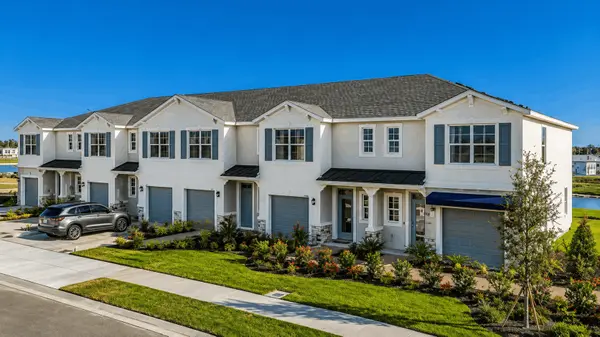
- Determine whether you prefer a condominium, townhouse, villa, or single-family home.
- Investigate homeowners insurance availability and premiums.
- Research flood exposure and hurricane evacuation considerations.
- Plan an in-person house-hunting trip when practical.
- Understand Florida brokerage relationships and purchase contract terms.
- Arrange appropriate property inspections and professional evaluations.
- Review condominium or HOA documents when applicable.
- Coordinate title, financing, insurance, and closing requirements.
- Plan moving logistics and post-closing property services.
- Verify residency, driver's license, vehicle registration, and tax requirements with the appropriate authorities and professionals.
Buyers can also review Moving From the Midwest to Florida: A Sarasota Gulf Coast Homebuying Guide for additional relocation considerations.
Additional Frequently Asked Questions About Moving to Florida
Should I Sell My Current Home Before Buying in Florida?
The appropriate timing depends on financing, available funds, moving logistics, and personal circumstances. Some buyers need proceeds from their existing home to complete a Florida purchase, while others may have greater flexibility. Buyers should review financing options and transaction timing with qualified mortgage, financial, and real estate professionals.
Is It Better to Rent Before Buying in Florida?
Renting before purchasing may provide time to compare communities and experience daily life without immediately committing to a particular property. However, it also involves rental expenses, moving logistics, and other considerations. The better choice depends on the buyer's circumstances, market conditions, and long-term plans.
Can I Move to Florida Before Establishing Permanent Residency?
Yes. Moving into a Florida residence and establishing legal domicile or tax residency are not necessarily identical events. Requirements vary depending on the legal or administrative purpose. Buyers should verify the rules that apply to their individual situation.
Are New Construction Homes Easier to Maintain in Florida?
Newer homes may have recently installed building systems and construction features that affect maintenance planning. However, new construction does not eliminate the need for inspections, warranty review, insurance evaluation, or routine upkeep. Buyers should assess the individual property rather than assume that newer automatically means problem-free.
What Is the Biggest Mistake Out-of-State Buyers Make When Moving to Florida?
One significant mistake is focusing on the lifestyle appeal or listing price of a property without investigating its complete ownership costs and practical suitability. Insurance, taxes, flood exposure, maintenance, association obligations, and everyday accessibility can materially influence whether a home is the right choice.
Final Thoughts: Make Your Florida Move With a Clear Plan
Moving to Florida can provide opportunities to experience a different climate, coastal recreation, boating, outdoor activities, and a wide range of residential communities.
However, a successful relocation requires more than identifying an attractive home or desirable destination.
Out-of-state buyers should understand Florida property taxes, insurance requirements, flood considerations, inspections, association obligations, and the differences among communities before making a purchasing decision.
For buyers considering Sarasota and Florida's Gulf Coast, comparing island living, downtown residences, established neighborhoods, and newer mainland communities can help identify locations that support the lifestyle they expect to enjoy after moving.
The objective is not simply to purchase a home in Florida. It is to understand the property, its ownership responsibilities, and how the location fits your long-term plans.
Planning a Move to Sarasota or Florida's Gulf Coast?
At Hunt Brothers Realty, we help out-of-state buyers explore Sarasota and Florida Gulf Coast real estate while comparing communities, property types, and important homebuying considerations.
Whether you are relocating permanently, purchasing a second home, or researching a future move, our team can help you organize your property search around the locations and lifestyle priorities that matter to you.
Start by exploring Sarasota and Gulf Coast communities, reviewing our Florida homebuyer resources, or contacting Hunt Brothers Realty to discuss your relocation plans.
Important Professional Verification Information
This article is provided for general informational and educational purposes only. It does not constitute individualized legal, financial, tax, insurance, lending, inspection, engineering, construction, title, association, or other professional advice. Property taxes, insurance availability, flood exposure, financing requirements, inspection findings, association obligations, residency requirements, and legal considerations vary by property and individual circumstances. Buyers should verify property-specific information with the appropriate qualified professionals before making purchasing decisions. Tax and residency matters should be reviewed with a qualified tax professional or attorney, insurance questions with a licensed insurance professional, financing with a qualified lender, inspection or structural concerns with appropriate inspectors or engineers, and legal or contractual matters with a qualified Florida real estate attorney. Current requirements should be confirmed with the relevant government agencies and authorities.
Sources
- Florida Department of Revenue, Property Tax Exemptions and Homestead Benefits
- Florida Department of Revenue, Florida Personal Income Tax Information
- Florida Legislature, Save Our Homes Assessment Limitation
- Florida Department of Financial Services, Insurance Consumer Guides
- Federal Emergency Management Agency, Flood Map Service Center
- Florida Department of Highway Safety and Motor Vehicles
- Hunt Brothers Realty, Sarasota Island Living vs. Mainland Living
- Hunt Brothers Realty, The Sarasota Lifestyle Test
- Hunt Brothers Realty, Sarasota House Hunting Trip: How to Plan a Three-Day Home Search
- Hunt Brothers Realty, Florida Buyer Resource Center
Contact Hunt Brothers Realty
Hunt Brothers Realty
46 N. Washington Blvd, Ste 3
Sarasota, FL 34236
Phone: (941) 388-7017
Email: info@huntbrothersrealty.com
Website: www.huntbrothersrealty.com
Categories
- All Blogs 1950
- Anna Maria Island 83
- Bird Key 4
- Bradenton 234
- Buying a Home 1020
- Casey Key 2
- Clearwater 9
- Condos & HOA Living 931
- Ellenton 5
- Englewood 9
- First Time Homebuyers 1124
- Foreclosures 3
- Home Selling 1
- Homeownership 1144
- Lakewood Ranch 20
- Lido Key 27
- Longboat Key 78
- Luxury/Waterfront Properties 1085
- Market Updates & Trends 614
- Mortgages & Financing 42
- Move-Up Buyers 20
- Neighborhood Guides 737
- New Construction 32
- Palmetto 3
- Parrish 6
- Port Charlotte 10
- Punta Gorda 15
- Real Estate Investing 1002
- Relocation to Florida 1046
- Safety Harbor 2
- Sarasota 71
- Sarasota - Downtown 157
- Selling a Home 143
- Siesta Key 89
- St. Petersburg 6
- Tierra Verde 5
- Vacation & Second Homes 1193
- Venice 96
- Wellen Park 10
Recent Posts