Why Snowbirds Continue to Choose Sarasota Over Other Florida Destination
Snowbirds continue to choose Sarasota because it combines mild Gulf Coast winters, beaches, a substantial arts and cultural scene, outdoor recreation, dining and several distinctly different ways to live within one relatively compact region. Seasonal residents can choose a Downtown Sarasota condominium, a Gulf Coast barrier-island residence, a golf community, a boating property or a mainland home without giving up access to the area's major attractions. Sarasota is not automatically the right Florida destination for every seasonal resident, but its combination of winter climate, coastal recreation, culture and varied real estate helps explain its enduring seasonal appeal.
Quick Answers About Why Snowbirds Choose Sarasota
When is snowbird season in Sarasota?
Visit Sarasota County identifies December through March as Sarasota's traditional high season, when seasonal residents and winter visitors are especially prominent. Individual owners may arrive earlier in fall or remain into spring, so the practical seasonal period can extend beyond those four months.
How warm is Sarasota during winter?
National Weather Service climate normals show an average January high of 72.5°F and February high of 74.9°F at Sarasota-Bradenton. Winter is also part of Sarasota's relatively dry season, although individual cold fronts can produce cooler days and nights.
Why choose Sarasota instead of another Florida destination?
Sarasota's distinction is the combination of Gulf beaches, Sarasota Bay, an active downtown, museums, performing arts, dining, golf, boating and varied residential settings within the same region. Whether that combination is preferable to Naples, St. Petersburg, Fort Myers or another Florida destination depends on the buyer's priorities.
Is Sarasota only a beach destination?
No. Sarasota's beaches are major attractions, but the area also has a significant arts and cultural presence, including The Ringling, Sarasota Opera, Marie Selby Botanical Gardens, Sarasota Art Museum and numerous performing-arts venues. Visit Sarasota County identifies the region as Florida's Cultural Coast.
What type of Sarasota property works for a seasonal residence?
Options include condominiums, villas, single-family homes, golf-community properties and waterfront residences. Some seasonal owners value a condominium's shared exterior maintenance, while others prefer the privacy, garage space and outdoor areas available with a detached home.
Is Sarasota quiet during snowbird season?
Not necessarily. Winter is Sarasota's high season, so popular roads, restaurants, beaches, events and parking areas can be busier. Buyers considering a seasonal home should experience Sarasota during peak winter conditions rather than evaluating the area only during a quieter month.
Should a snowbird rent before buying in Sarasota?
Renting first can be useful for someone who does not yet know which Sarasota setting fits their routine. Repeat visits can help a future buyer compare barrier islands, Downtown Sarasota, mainland neighborhoods, golf communities and other locations before committing to ownership.
What costs should seasonal buyers investigate?
Look beyond purchase price to property taxes, insurance, flood considerations, condominium or HOA assessments, maintenance, storm preparation, utilities and costs associated with leaving a residence unoccupied. Property-specific figures should be verified before purchasing.
Why Is Sarasota's Winter Climate So Important to Snowbirds?
Sarasota's winter weather allows many outdoor activities to remain practical during months when colder parts of the country are dealing with snow, ice and prolonged freezing temperatures. That climate difference is the foundation of the traditional snowbird pattern.
According to National Weather Service Sarasota-Bradenton climate normals, January has an average high of 72.5°F and low of 52.3°F. February averages 74.9°F for the high and 54.6°F for the low. December's normal high is 75.2°F.
Winter is also substantially drier than Sarasota's summer wet season. Normal rainfall is 2.33 inches in December, 2.79 inches in January and 1.92 inches in February, compared with 7.39 inches in July and 9.11 inches in August.
Visit Sarasota County's winter guide describes the season as a period for beaches, kayaking, paddleboarding, hiking, biking, cultural performances and outdoor events.
When Does Sarasota's Snowbird Season Begin?
Visit Sarasota County identifies December through March as high season, when the region sees its strongest concentration of winter visitors and seasonal residents. In practical terms, some seasonal activity begins earlier in the fall and continues into April.
That pattern affects more than tourism. Seasonal residents can influence restaurant reservations, beach parking, road traffic, community activities and the number of prospective second-home buyers physically present in the market.
Hunt Brothers Realty's guide to selling a Florida home during snowbird season explains that winter can put Sarasota properties in front of seasonal and second-home shoppers, while also emphasizing that seasonal demand does not guarantee a faster sale or higher price.
Why Do Sarasota's Beaches Matter for Seasonal Residents?
Sarasota provides access to several distinct Gulf Coast beach environments rather than one continuous beachfront district. That gives seasonal residents choices based on whether they prioritize a broad public beach, barrier-island residential setting, nearby shopping and dining, boating or a quieter coastal location.
What Makes Siesta Key Different?
Siesta Key real estate places owners near one of Sarasota County's best-known beach areas. The island includes Siesta Beach, Crescent Beach and Turtle Beach, along with condominiums, single-family homes and boating-oriented properties.
Why Do Seasonal Residents Consider Lido Key?
Lido Key combines Gulf beach access with proximity to St. Armands Circle and a relatively short connection to Downtown Sarasota across the John Ringling Causeway. That combination can appeal to buyers who want beach access without giving up convenient access to downtown cultural and dining destinations.
What About Longboat Key?
Longboat Key real estate provides another barrier-island option, with Gulf-front condominiums, waterfront homes, boating properties and residential communities extending along the island between Sarasota and Manatee counties.
Why Does Sarasota's Cultural Scene Stand Out?
Sarasota combines coastal recreation with a cultural infrastructure that is unusually visible for a Gulf Coast destination of its size. Visit Sarasota County identifies the area as Florida's Cultural Coast and reports 13 stages within a one-mile radius of downtown.
That means winter life does not have to revolve around the beach. Seasonal residents can build a routine around museums, theater, opera, botanical gardens, galleries, concerts and other cultural programming.
What Is The Ringling?
The Ringling is the State Art Museum of Florida and occupies a 66-acre Sarasota estate. The campus includes the Museum of Art, Circus Museum, Ca' d'Zan mansion, Historic Asolo Theater and Bayfront Gardens.
What Other Cultural Destinations Are in Sarasota?
The broader cultural landscape includes Marie Selby Botanical Gardens, Sarasota Opera, Sarasota Art Museum and numerous performing-arts organizations and galleries.
For a seasonal resident staying several months rather than taking a one-week vacation, that depth matters because it provides recurring activities beyond beach days.
Why Does Downtown Sarasota Appeal to Some Snowbirds?
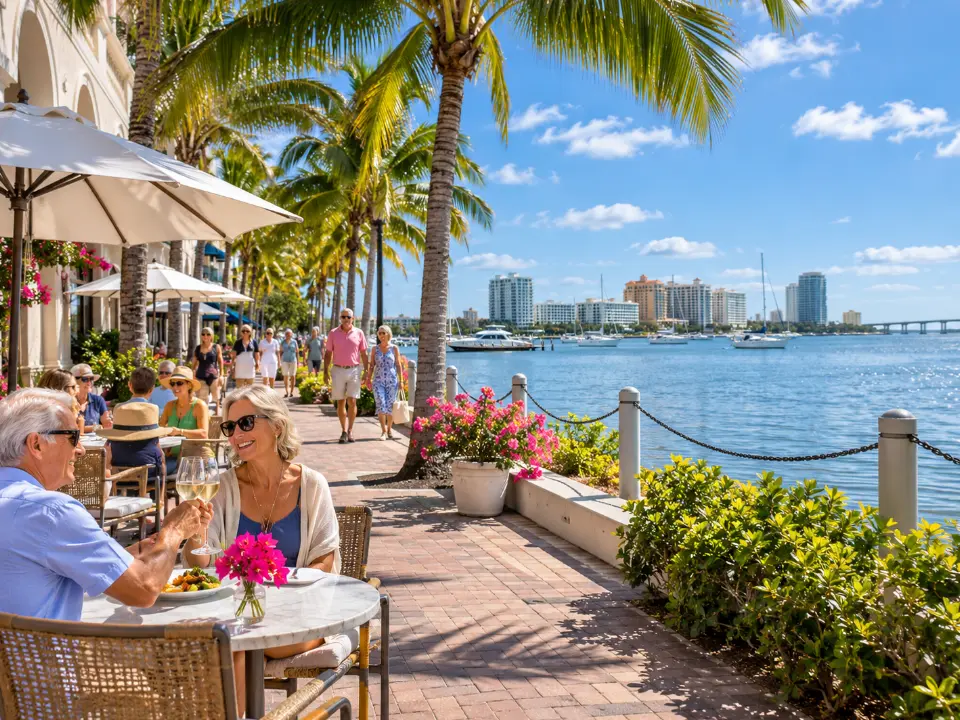
Downtown Sarasota offers a different seasonal experience from a beach resort or suburban golf community. Condominiums can place owners near restaurants, shops, Sarasota Bay, cultural venues and downtown events, reducing the need to drive for every outing.
Hunt Brothers Realty's Downtown Sarasota condo living guide explains the tradeoffs. A downtown condominium may provide shared amenities and a lower-maintenance ownership structure, while buyers accept association assessments, shared governance, building rules and less private outdoor space than many detached homes.
Why Does Sarasota Offer More Than One Snowbird Lifestyle?
One of Sarasota's practical strengths is that seasonal residents do not all have to choose the same type of setting. The region contains multiple housing and location combinations within reach of the same major Gulf Coast amenities.
- Downtown living: Condominiums near restaurants, cultural venues, shops and Sarasota Bay.
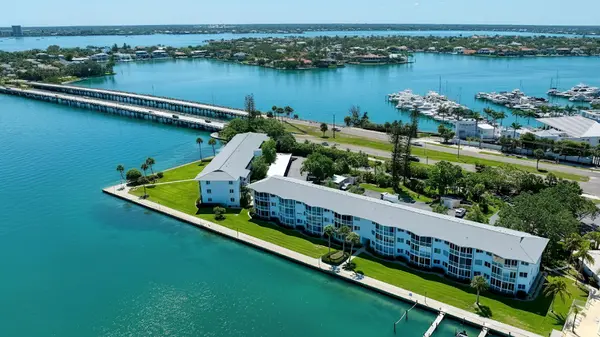
- Barrier-island living: Condominiums and homes on Siesta Key, Lido Key and Longboat Key near Gulf beaches.
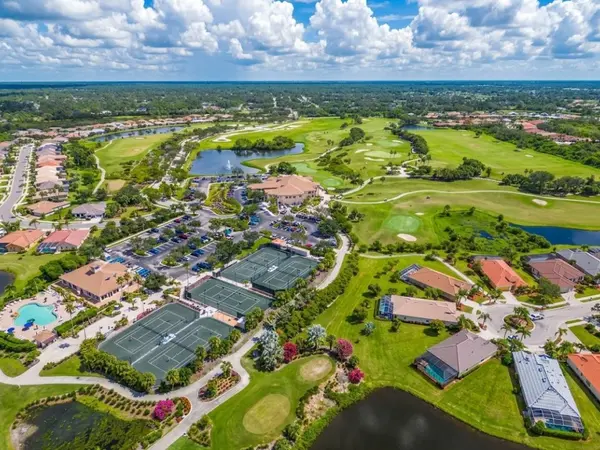
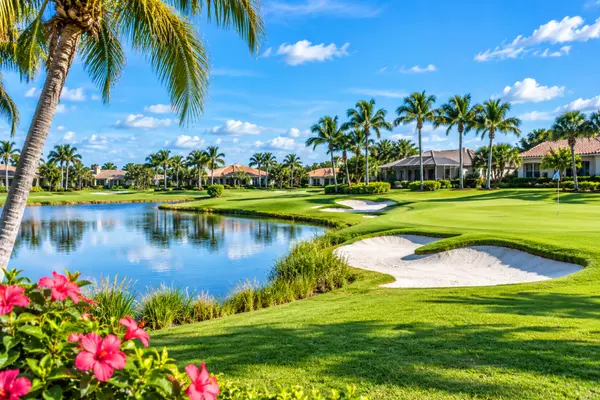
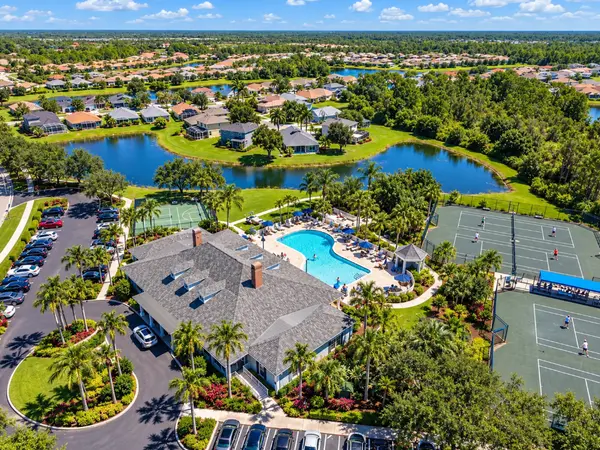
- Golf-community living: Homes and condominiums in communities where golf and recreational amenities are prominent.
- Boating-oriented living: Waterfront and water-access properties along Sarasota Bay, canals and the Intracoastal Waterway.
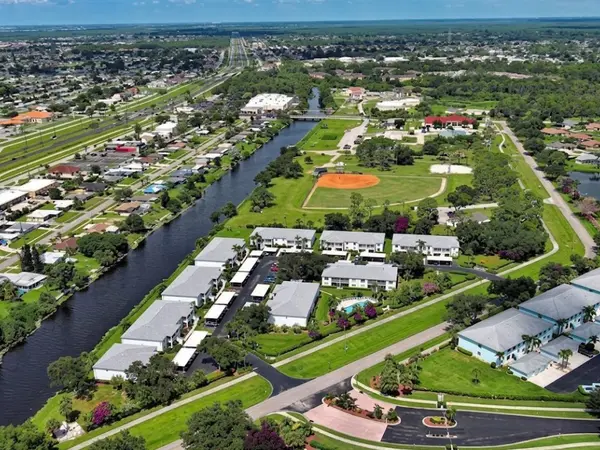
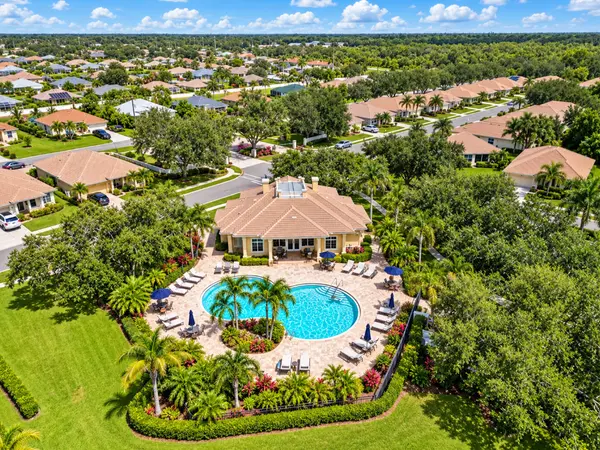
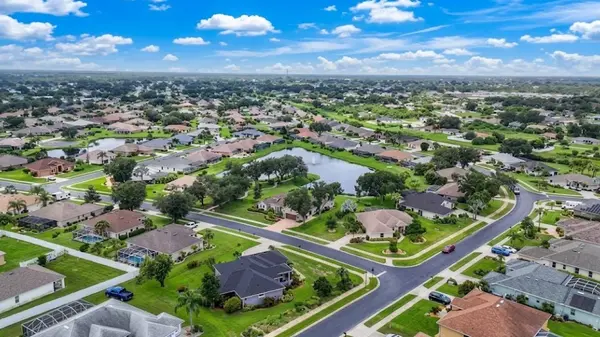
- Mainland residential living: Single-family neighborhoods offering a more conventional residential setting while keeping beaches and downtown within driving distance.
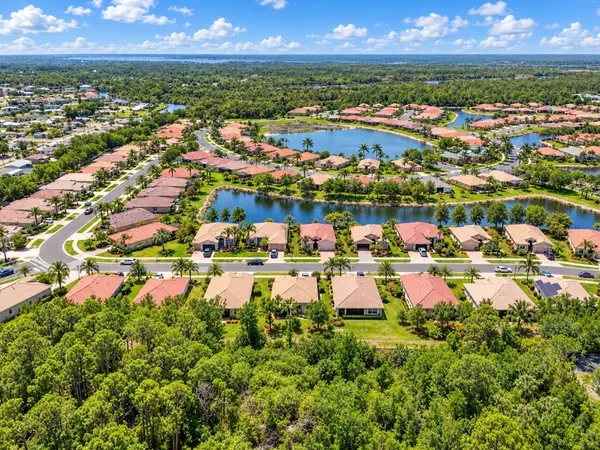
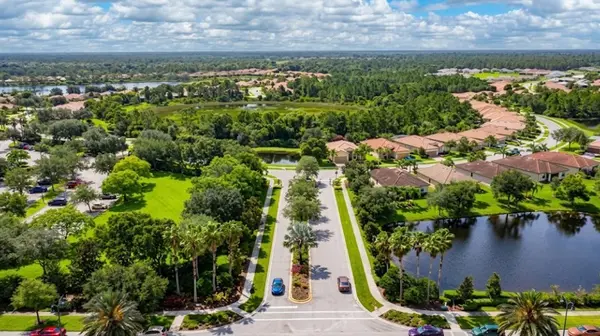
- Newer planned communities: Areas farther inland can provide newer construction and larger community amenity packages.
This variety allows a seasonal buyer to begin with how they want to spend a typical winter day rather than choosing Sarasota solely because of its beaches.
Is a Condo or Single-Family Home Better for a Sarasota Snowbird?
Neither property type is automatically better for seasonal ownership. The right choice depends on how much maintenance, privacy, outdoor space and shared governance the owner wants.
Some seasonal owners prefer a condominium because exterior maintenance and common-property management are handled collectively. A detached home can provide more private space, a garage, yard or private pool, but generally places more direct maintenance responsibility on the owner.
Hunt Brothers Realty's Sarasota condo versus single-family home guide compares these ownership structures specifically for buyers considering seasonal and second-home use.
How Does Sarasota Compare With Naples?
Sarasota and Naples are both Gulf Coast destinations with beaches, golf, dining, condominiums and seasonal residents, but buyers can experience them differently. Sarasota's identity places particularly strong emphasis on its downtown arts and cultural institutions alongside the beach and boating environment.
A buyer comparing the two should investigate actual property prices, association costs, insurance, preferred airport routes, beach access, golf priorities and the neighborhoods they would use most often. There is no objective rule that makes Sarasota or Naples the better seasonal destination for everyone.
How Does Sarasota Compare With Fort Myers?
Both Sarasota and the Fort Myers area provide Southwest Florida winter weather, Gulf access, boating and a substantial seasonal population. The decision often becomes more specific than climate because both regions deliver the basic warm-winter proposition that brings snowbirds to Southwest Florida.
A Sarasota buyer may place greater emphasis on proximity to Downtown Sarasota's cultural institutions, Siesta Key, Lido Key or Longboat Key. A buyer considering Fort Myers should make the same location-specific analysis there rather than comparing entire metropolitan areas through broad generalizations.
How Does Sarasota Compare With St. Petersburg?
St. Petersburg offers a larger urban environment within the Tampa Bay region, while Sarasota provides a smaller coastal-city setting with its own downtown, bayfront and nearby barrier islands. Both have substantial arts, dining and waterfront recreation, so the better fit depends on the scale and geography a seasonal resident prefers.
Someone who wants direct access to the broader Tampa Bay metropolitan area may value St. Petersburg. Someone who prioritizes Sarasota's relationship between downtown, Sarasota Bay, Lido Key, Siesta Key and the local cultural scene may prefer Sarasota.
How Does Sarasota Compare With Florida's Atlantic Coast?
Choosing between Sarasota and an Atlantic Coast destination such as Palm Beach County is partly a decision between different Florida geographies. Sarasota faces the Gulf of Mexico, while Atlantic Coast communities have different beaches, boating routes, metropolitan connections and airport patterns.
Seasonal buyers should compare the places they will actually use, including preferred beaches, restaurants, cultural venues, airports, golf courses, boating destinations and the location of the specific home. Broad east-coast versus west-coast labels are less useful than testing everyday routines.
What Are the Tradeoffs of Spending Winter in Sarasota?
Sarasota's winter appeal also creates some of its seasonal tradeoffs. December through March is high season, so the same weather that attracts seasonal residents can contribute to more traffic, stronger restaurant demand, busier beaches and tighter parking at popular destinations.
Barrier-island travel can also be affected by bridge traffic, especially at popular times. A home that looks conveniently located on a map may feel different when the owner repeatedly travels between an island, downtown and mainland destinations during winter season.
That is why seasonal buyers should experience the exact location during the period they plan to occupy it. Hunt Brothers Realty's guide to visiting before buying a Florida second home recommends purposeful repeat visits when practical so buyers can evaluate neighborhoods as owners rather than only as vacationers.
Should Snowbirds Rent Before Buying in Sarasota?
Renting can be a useful first step for a prospective seasonal owner who has not spent substantial time in Sarasota. A winter rental can reveal whether the buyer prefers an island, downtown, mainland neighborhood or another part of the region.
It can also help answer practical questions. How often will you actually go to the beach? Do you value walking to restaurants more than having a private pool? How much does bridge traffic matter to you? Would you rather have condominium maintenance or a detached home?
For buyers who already know Sarasota after years of seasonal visits, renting first may be less important. The goal is not to follow a universal rule, but to understand the location well enough to make an informed ownership decision.
What Should Snowbirds Know About Owning a Home While They Are Away?
Seasonal ownership requires planning for the months when the property is vacant. That can involve air-conditioning settings, humidity control, plumbing, landscaping, pool service, storm preparation, mail, security, association requirements and periodic property checks.
Insurance policies can also contain requirements or conditions related to occupancy, vacancy, storm protection or property maintenance. A seasonal owner should discuss the intended occupancy pattern with a qualified insurance professional and understand the policy rather than assuming ordinary full-time occupancy terms apply.
What Happens During Hurricane Season if the Owner Is Up North?
Seasonal owners need a plan for storm preparation even when they are not in Florida. That may involve shutters or other protection, securing outdoor items, condominium procedures, a local property manager or caretaker, and post-storm inspection arrangements.
The appropriate plan depends on the property, association, insurance policy and available local assistance. Owners should verify responsibilities with their association, insurance professional and appropriate property-service providers before hurricane season.
What Should Snowbird Buyers Know About Sarasota Condos?
Condominiums can make seasonal ownership simpler in some respects, but buyers take on shared financial and governance responsibilities. Association assessments, reserves, insurance, special assessments, building condition, maintenance obligations, parking and rental restrictions can materially change the ownership experience.
Two Sarasota condominiums with similar purchase prices can have very different annual ownership costs. Buyers should review the current association financial information and applicable property documents instead of comparing units on price alone.
Can a Sarasota Snowbird Rent Out the Property When Away?
Possibly, but rental rights should never be assumed. Condominium associations, homeowners associations and local regulations can impose minimum lease periods, frequency limits, approval requirements and other restrictions.
Buyers planning to offset ownership costs through rentals should verify the current rules for the exact property before purchasing. They should also investigate licensing, tax, insurance and management requirements with the appropriate association, local authority, tax professional, insurance agent and other qualified professionals.
What Should a Snowbird Compare Before Buying in Sarasota?
- Island, downtown or mainland location
- Condominium, villa or single-family ownership
- Beach proximity and realistic winter travel times
- Walkability to dining, shopping and cultural destinations
- Golf or boating access when important
- Property taxes
- Homeowners, condominium, wind and flood insurance as applicable
- Condominium or HOA assessments
- Association reserves and potential special assessments
- Maintenance responsibilities while away
- Storm-preparation arrangements
- Pet and leasing restrictions
- Parking and vehicle-storage rules
- Furnishing and property-management needs
- Airport and transportation preferences
- Total annual ownership cost rather than purchase price alone
Should You Visit Sarasota More Than Once Before Buying a Second Home?
For buyers who do not already know the region well, more than one purposeful visit can provide valuable perspective. A vacation can establish that Sarasota is enjoyable, but buying a second home requires understanding everyday travel, property responsibilities and neighborhood differences.
Hunt Brothers Realty's second-home visit guide recommends using visits for different purposes: first compare locations and property types, then tour realistic homes and investigate ownership costs, and finally confirm that the preferred area works for everyday routines.
Why Do Snowbirds Keep Returning to Sarasota?
Sarasota's enduring seasonal appeal is not based on one attraction. Its winter climate provides the initial reason to come south, but beaches, cultural institutions, restaurants, outdoor recreation and multiple residential settings give seasonal residents ways to build a repeatable winter routine rather than simply take a vacation.
The same variety also explains why two snowbirds can choose Sarasota for completely different reasons. One may prioritize a walkable downtown condominium, another a Siesta Key beach property, another golf, and another a mainland home with more private space.
That is ultimately a more useful way to compare Sarasota with other Florida destinations. Instead of asking whether Sarasota is universally better, ask whether Sarasota's particular combination of climate, coastline, culture, housing and everyday geography matches the way you expect to spend your winter months.
Explore Sarasota for Seasonal and Second-Home Living
If you are considering a seasonal residence, Hunt Brothers Realty can help you compare Sarasota's barrier islands, Downtown Sarasota, mainland neighborhoods, condominiums, golf communities and waterfront properties based on how you actually plan to use the home. Out-of-state buyers can also review Hunt Brothers Realty's guide to buying a Florida home from out of state and guide to living in Sarasota year-round before deciding whether seasonal or full-time ownership better fits their plans.
This article provides general informational and educational real estate information and is not individualized legal, financial, tax, insurance, lending, inspection, engineering, association or other professional advice. Property taxes, insurance, flood exposure, financing, association assessments, rental restrictions and maintenance responsibilities vary by property and owner circumstances. Buyers considering a seasonal or second home should verify material information for the specific residence and consult the appropriate licensed real estate professional, Florida real estate attorney, mortgage professional, insurance agent, tax professional, home inspector, condominium or homeowners association, title professional or other qualified professional before making a decision requiring individualized guidance.
Sources
- National Weather Service, Sarasota-Bradenton 1991-2020 Climate Normals
- Visit Sarasota County, Winter in Sarasota
- Visit Sarasota County, Seasons of Sarasota County
- Visit Sarasota County, Arts and Culture
- The Ringling, Official Website
- Hunt Brothers Realty, Selling a Florida Home During Snowbird Season
- Hunt Brothers Realty, How Often Should You Visit Before Buying a Second Home?
- Hunt Brothers Realty, Condo vs. Single-Family Home in Sarasota
- Hunt Brothers Realty, Living in Sarasota Year-Round
Contact Hunt Brothers Realty
46 N. Washington Blvd, Ste 3, Sarasota, FL 34236
Phone: (941) 388-7017
Email: info@huntbrothersrealty.com
Website: HuntBrothersRealty.com
Categories
- All Blogs 2814
- Anna Maria Island 96
- Bird Key 6
- Bradenton 247
- Buying a Home 1808
- Casey Key 4
- Clearwater 19
- Condos & HOA Living 1752
- Ellenton 9
- Englewood 17
- First Time Homebuyers 1943
- Foreclosures 4
- Home Selling 12
- Homeownership 1997
- Lakewood Ranch 43
- Lido Key 29
- Longboat Key 81
- Luxury/Waterfront Properties 1940
- Market Updates & Trends 1438
- Mortgages & Financing 91
- Move-Up Buyers 25
- Neighborhood Guides 1569
- New Construction 48
- Palmetto 4
- Parrish 39
- Port Charlotte 36
- Punta Gorda 166
- Real Estate Investing 1853
- Relocation to Florida 1881
- Safety Harbor 4
- Sarasota 198
- Sarasota - Downtown 177
- Selling a Home 149
- Siesta Key 96
- St. Petersburg 17
- Taxes and Homestead 7
- Tierra Verde 7
- Vacation & Second Homes 2046
- Venice 228
- Wellen Park 25
Recent Posts