Do I Need a Realtor to Buy a House in Florida?
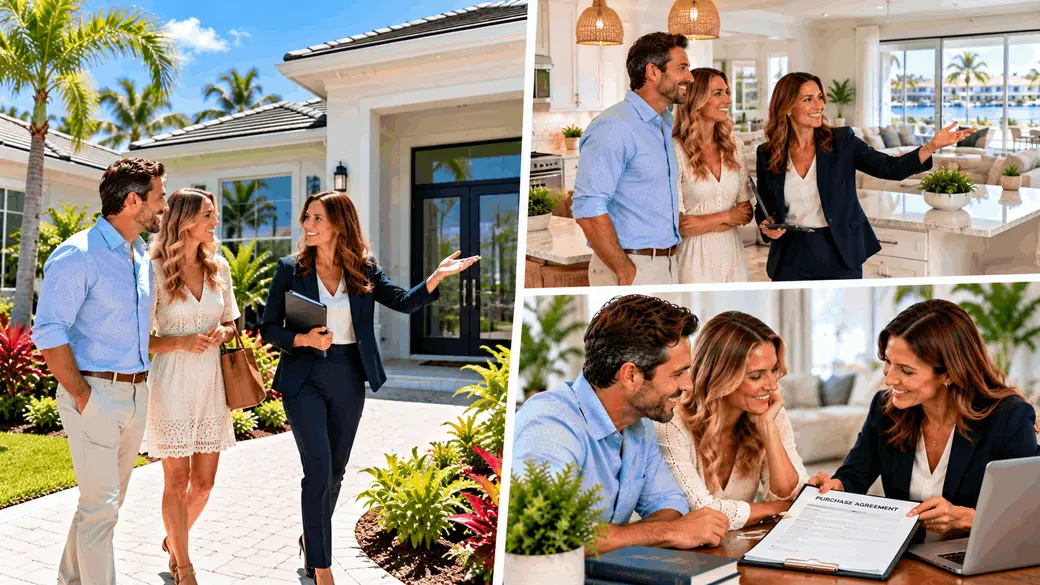
No. Florida law does not require you to hire a Realtor or other real estate licensee to buy a house. You can purchase property without your own real estate professional, including through a listing agent, directly from an owner or from a homebuilder. The more important question is whether you want professional real estate representation during the search, offer, negotiation and transaction process. Florida also has specific brokerage relationships, and current MLS practice rules generally require a written buyer agreement before an MLS participant working with you takes you on a home tour. Understanding the difference between what is legally required and what buyer representation provides can help you decide how to proceed.
Quick Answers About Whether You Need a Realtor to Buy a House in Florida
Is a Realtor Legally Required to Buy a House in Florida?
No. Florida Statute 475.278 specifically states that a customer is not required to enter into a brokerage relationship with a real estate licensee. A buyer can therefore purchase Florida real estate without hiring a Realtor or other real estate licensee to work for the buyer.
Can I Buy a Florida House Directly From the Listing Agent?
Potentially, yes, but clarify the brokerage relationship before assuming the listing-side professional represents your interests. Florida recognizes different brokerage relationships with different duties, and a professional working for the seller should not automatically be treated as your own representative.
Can I Attend an Open House Without a Realtor?
Yes. Under current NAR guidance, a consumer independently attending an open house does not need to sign a written buyer agreement simply to tour the property. The professional hosting the open house may be working on behalf of the seller rather than representing you.
Do I Need a Written Agreement to Tour Homes With a Realtor?
Under current MLS practice rules, an MLS participant working with a buyer generally must have a written buyer agreement in place before touring a home with that buyer. This is an industry practice requirement, not a Florida law requiring every consumer to hire a Realtor.
Does the Seller Always Pay the Buyer's Realtor?
No. Buyer-broker compensation is negotiable and is not set by law. Depending on the written agreement and transaction, compensation may be paid by the buyer, negotiated from the seller or listing brokerage, or addressed through another permitted arrangement.
Do I Need a Realtor When Buying New Construction in Florida?
No law requires you to use your own Realtor for a new-construction purchase. However, the builder's sales personnel work within the builder's sales process, so buyers should understand who represents whom and decide whether they want their own real estate professional before registering or beginning substantive negotiations with a builder.
What Does Florida Law Actually Say About Using a Realtor?
Florida law allows buyers to work with real estate licensees under different brokerage relationships, but it does not require a consumer to establish such a relationship in order to purchase real estate.
Florida Statute 475.278 recognizes transaction broker and single-agent relationships. It also states that the law does not require a customer to enter into a brokerage relationship with any real estate licensee.
That means a Florida buyer can choose to proceed without their own real estate professional. The practical consequences of that decision depend on the property, the buyer's experience and the complexity of the transaction.
What Does a Florida Buyer's Real Estate Professional Actually Do?
A real estate professional working with a buyer can do substantially more than find listings or unlock doors. The exact services depend on the brokerage relationship and written agreement.
Depending on the relationship, services may include helping a buyer:
- Define the property search
- Identify available properties
- Arrange property tours
- Research listing and property information
- Compare recent sales and competing listings
- Evaluate asking prices in market context
- Prepare and present offers
- Coordinate negotiations
- Monitor contractual deadlines
- Coordinate inspection access
- Help identify association information requiring review
- Communicate with lenders, title professionals and other transaction participants
- Coordinate transaction steps through closing
Hunt Brothers Realty's guide to what a Florida buyer's agent actually does explains these services and the limits of the real estate professional's role in greater detail.
What Are Florida's Different Brokerage Relationships?
Florida buyers should understand the actual brokerage relationship rather than assuming every real estate professional who helps a buyer is functioning in exactly the same legal capacity.
Transaction Broker
Florida law presumes a real estate licensee is operating as a transaction broker unless a single-agent or no-brokerage relationship is established in writing. A transaction broker provides limited representation rather than fiduciary representation as a single agent.
Statutory transaction-broker duties include dealing honestly and fairly, accounting for funds, using skill, care and diligence, timely presentation of offers and counteroffers, limited confidentiality and disclosure of known facts materially affecting the value of residential real property that are not readily observable to the buyer.
Single Agent
A Florida single agent represents either the buyer or the seller in a fiduciary capacity. The statutory duties are broader and include loyalty, confidentiality, obedience and full disclosure in addition to other specified duties.
Can a Florida Agent Be a Dual Agent?
No. Florida law prohibits disclosed and undisclosed dual agency in which the same licensee acts as a fiduciary for both buyer and seller. Florida transaction brokerage is legally different from dual agency because transaction brokerage is a limited, nonfiduciary form of representation.
Brokerage relationships have legal significance. Buyers who need interpretation of their rights or the legal effect of a brokerage disclosure or agreement should consult a qualified Florida real estate attorney.
Can You Buy a Florida Home Without Your Own Realtor?
Yes. An unrepresented buyer can potentially locate a property, arrange access through the listing side, prepare or obtain a purchase contract, conduct due diligence and complete a closing without retaining a buyer-side Realtor.
But being permitted to do something and deciding that it is appropriate for your particular transaction are different questions.
Without your own real estate professional, you may personally need to manage or coordinate tasks involving:
- Property research
- Comparable sales
- Showing arrangements
- Offer preparation
- Negotiation
- Deposit deadlines
- Inspection timing
- Financing deadlines
- Appraisal issues
- Condominium or HOA document review coordination
- Insurance investigation
- Title and closing coordination
- Final walk-through and closing preparation
Some of these tasks require separate qualified professionals regardless of whether a Realtor is involved.
Can the Listing Agent Help You Buy the House?
A listing-side real estate professional can communicate with an unrepresented buyer, provide access to a property, receive an offer and perform other activities permitted by the applicable brokerage relationship. However, the buyer should not assume that the listing-side professional has become the buyer's own representative.
Ask directly:
- Who does your brokerage represent in this transaction?
- What duties do you owe me?
- What information will remain confidential?
- Are you providing services to me or only acting on behalf of the seller?
These distinctions can matter when discussing negotiating strategy, price, motivation, contract terms and confidential information.
Will You Save the Buyer's Agent Compensation by Going Directly to the Listing Agent?
Do not assume that buying without your own real estate professional automatically produces a discount equal to a buyer-broker fee. Brokerage compensation is governed by agreements and negotiations, and the seller's listing agreement does not automatically require a particular savings to be transferred to an unrepresented buyer.
If you believe purchasing without buyer representation should affect the economics of your offer, evaluate the actual transaction rather than assuming a predetermined commission amount is available to you.
Do You Have to Sign a Buyer Agreement to Work With a Realtor?
Under current NAR and MLS practice rules, an MLS participant who is working with a buyer generally must enter into a written agreement with that buyer before touring a home together, including a live virtual tour performed on the buyer's behalf.
This should not be confused with a Florida statute requiring every homebuyer to hire an agent. Florida law does not impose such a requirement.
Hunt Brothers Realty explains the distinction in its Showing Agreement vs. Exclusive Buyer Brokerage Agreement guide.
What Should a Florida Buyer Agreement Tell You?
A written buyer agreement should create clarity about the working relationship rather than being treated as paperwork to sign without review.
Depending on the form, buyers should understand:
- Which services the brokerage will provide
- Which properties or geographic area the agreement covers
- How long the agreement lasts
- Whether the agreement is exclusive
- What brokerage relationship applies
- How compensation is calculated
- When the buyer could owe compensation
- How negotiated seller or listing-broker compensation may affect the buyer's obligation
- How the agreement can be changed or terminated
Buyer agreements are contracts. Buyers should read the specific document before signing it. Questions concerning contractual rights, enforceability, termination or legal obligations should be reviewed with a qualified Florida real estate attorney.
Can You Attend Florida Open Houses Without Signing a Buyer Agreement?
Yes. Current NAR consumer guidance states that a person independently attending an open house does not need a written buyer agreement merely to tour the property.
Likewise, a listing-side professional hosting an open house on behalf of the seller is not required under those rules to enter into a buyer agreement with every unrepresented visitor.
The situation changes when you begin working with an MLS participant who is providing buyer-side services and touring properties with you. The written-agreement requirement generally applies before that tour occurs.
Who Pays a Buyer's Realtor in Florida?
There is no universal answer. Florida Realtors states that compensation is fully negotiable and is not set by law.
Your written buyer agreement can establish a compensation obligation to the brokerage. Depending on the agreement and transaction, potential sources may include:
- Payment by the buyer
- Negotiated compensation from the seller
- Compensation from the listing brokerage when offered outside the MLS and otherwise permitted
- A combination consistent with the applicable agreements and transaction
A seller is not legally required to pay the buyer's brokerage. Buyers should understand their own compensation agreement before touring and before submitting an offer.
Financed buyers should also confirm with their mortgage professional how proposed concessions or compensation arrangements interact with the specific loan program and underwriting requirements.
Can a Buyer's Realtor Negotiate More Than the Purchase Price?
Yes. A residential offer can involve considerably more than the headline purchase price.
Depending on the property and contract, negotiations can involve:
- Purchase price
- Deposit amount and timing
- Financing terms
- Inspection provisions
- Seller concessions
- Repairs or credits when applicable
- Personal property
- Closing date
- Possession and other transaction terms
Hunt Brothers Realty's Florida guide to home-offer contingencies explains why the complete contract structure matters rather than price alone.
Do You Need a Realtor for a For Sale by Owner Home?
No. A buyer can purchase a For Sale by Owner property without a Realtor. A buyer can also potentially use a real estate professional in an FSBO transaction if an appropriate agreement is established and access, cooperation and compensation issues are addressed.
An FSBO purchase does not eliminate the need for a legally sufficient purchase agreement, title work, appropriate inspections, insurance investigation, financing when applicable and a properly handled closing.
If neither party is represented by a real estate professional, buyers may particularly want to discuss contract preparation, title and closing issues with an appropriate Florida real estate attorney or qualified title and closing professional.
Do You Need a Realtor for New Construction in Florida?
No. You can purchase directly from a Florida homebuilder without retaining your own Realtor. However, buyers should understand that the builder's sales process is designed around the builder's properties and contracts.
A buyer-side real estate professional may help compare builders and communities, evaluate lot and location considerations, discuss resale context, coordinate independent inspections and help the buyer navigate the real estate aspects of the transaction within the scope of the brokerage relationship.
Builder policies concerning outside brokers can include registration procedures and timing requirements. If you want your own real estate professional involved, discuss representation before registering, signing documents or beginning substantive negotiations with the builder.
Read Hunt Brothers Realty's guide to using a Realtor when buying new construction in Florida for a more detailed discussion.
Do You Still Need Other Professionals If You Have a Realtor?
Yes. Using a real estate professional does not replace the specialists responsible for legal, lending, insurance, inspection, engineering, tax, title or construction questions.
Depending on the property and transaction, buyers may need assistance from:
- A mortgage lender or loan professional
- A Florida real estate attorney
- A licensed home inspector
- An insurance professional
- A title or closing professional
- A surveyor
- A structural engineer
- A licensed contractor or qualified tradesperson
- A tax professional or CPA
- A condominium or homeowners association
A real estate professional can help coordinate the transaction around information supplied by these professionals but should not substitute for their specialized advice.
Do You Need a Realtor If You Already Found the House Yourself?
Finding the property is only one stage of buying a house. You can decide to work with a real estate professional even after locating a property yourself, subject to any existing agreements and the circumstances of the transaction.
The work remaining after finding a home may include evaluating comparable sales, investigating property information, preparing an offer, negotiating terms, tracking deposits and deadlines, coordinating inspections and addressing transaction issues through closing.
If you have already contacted the listing brokerage, builder or another buyer brokerage, disclose that history when interviewing a new real estate professional. Existing agreements or prior involvement can affect how a brokerage can participate.
What About Florida Condos and HOA Communities?
Condominium and HOA purchases can add another layer of due diligence because buyers are purchasing a property subject to community documents, assessments and restrictions.
Depending on the property, buyers may need to investigate:
- Regular assessments
- Special assessments
- Budgets and reserves
- Association insurance
- Maintenance responsibilities
- Rental restrictions
- Pet restrictions
- Parking rules
- Architectural restrictions
- Pending projects
- Condominium inspection and reserve information when applicable
A real estate professional can help identify and coordinate relevant association information, but legal interpretation of declarations, bylaws, restrictions or buyer rights belongs with a qualified Florida real estate attorney. Association financial questions may also warrant review by an appropriate financial professional.
What About Waterfront and Coastal Florida Property?
Waterfront and coastal properties can involve additional questions that are not obvious from listing photos. Depending on the property, buyers may need to investigate flood zones, insurance, seawalls, docks, boat access, bridges, water depth, permitting, elevation and maintenance obligations.
A knowledgeable local real estate professional can help identify questions requiring investigation, but specialized conclusions should come from the appropriate professionals. Insurance availability, coverage and premiums can vary substantially by property, and buyers should obtain property-specific quotes from a qualified insurance professional before making a purchasing decision. Dock, seawall, structural, permitting and boating-access questions should likewise be verified with the relevant qualified professionals and government authorities.
Does a Realtor Replace a Home Inspection?
No. A real estate professional may help coordinate inspection access and transaction deadlines, but a Realtor is not a substitute for a qualified home inspector.
Depending on the findings and property, specialized evaluation may also be appropriate from a roofer, electrician, plumber, HVAC contractor, structural engineer, pool professional, seawall contractor or another qualified specialist.
Inspection findings should be evaluated with the appropriate licensed inspector, contractor, engineer or other qualified professional before the buyer makes a decision.
Does a Realtor Replace a Real Estate Attorney?
No. Real estate professionals can explain the transaction process and perform real estate brokerage services within the scope of their licenses, but they do not replace an attorney when a buyer needs individualized legal advice.
Legal questions may arise concerning contract interpretation, title, ownership, trusts or entities, easements, disputes, unusual contract provisions, association documents or other rights and obligations.
Questions involving contract rights, title, ownership or other legal matters should be reviewed with a qualified Florida real estate attorney or other appropriate legal professional.
Hunt Brothers Realty's Florida real estate buyer contract resource provides an overview of common purchase-contract concepts for buyers.
Does Using a Realtor Eliminate Buyer Closing Costs?
No. Buyer-broker compensation and transaction closing costs are separate concepts. Depending on the purchase, buyers may still have lender fees, title or settlement charges, recording expenses, mortgage-related Florida taxes, prepaid insurance, escrow funding and other transaction expenses.
Some costs can be negotiable or potentially addressed through seller concessions, subject to the purchase agreement and financing rules. Hunt Brothers Realty's 2026 Florida buyer closing-cost guide explains the major categories buyers may encounter.
When Might Buying Without a Realtor Be More Manageable?
Some buyers may be more comfortable proceeding without buyer-side real estate representation when they have substantial transaction experience, already know the property and market, understand the contract process and have appropriate legal, inspection, title, insurance and lending professionals involved where needed.
Other buyers may place greater value on having a real estate professional help organize the search, analyze properties, prepare offers, negotiate and coordinate the transaction.
The decision should be based on the services you want, the agreement being offered, compensation, your experience and the complexity of the particular purchase, not on the assumption that Florida law forces every buyer into one approach.
What Should You Ask Before Hiring a Florida Realtor?
If you decide you want buyer-side real estate services, interview the professional and understand the proposed agreement before beginning serious property tours.
Useful questions include:
- What brokerage relationship will apply?
- What services will you provide?
- Which markets and property types do you regularly work with?
- What written buyer agreement will I be asked to sign?
- Is the agreement exclusive?
- How long does it last?
- How is your brokerage compensated?
- When could I personally owe compensation?
- How do you analyze comparable sales and asking prices?
- How do you approach offer negotiations?
- How do you help buyers investigate condos and HOAs?
- How do you coordinate inspections and contractual deadlines?
- What happens if I want to end our agreement?
Florida Homebuyer Checklist With or Without a Realtor
Regardless of whether you use a Realtor, a Florida home purchase may require attention to several separate parts of the transaction:
- Establish your budget and financing. Financed buyers should discuss individual mortgage qualification with a qualified lender.
- Identify the property. Compare location, condition, ownership structure and recurring expenses.
- Research market context. Review relevant comparable sales and current competing properties.
- Understand the offer. Evaluate price, deposits, financing, inspections, timing, concessions and other proposed terms.
- Complete property due diligence. Use qualified inspectors and specialists as appropriate.
- Investigate insurance. Obtain property-specific coverage information rather than relying on general estimates.
- Review association information when applicable. Condominiums and HOA properties can involve additional documents, fees and restrictions.
- Complete title and closing work. Use the appropriate qualified title, closing and legal professionals for your transaction.
- Monitor every contractual deadline. Missing a deadline can affect contractual rights, deposits or the ability to exercise a contingency, depending on the contract.
The Bottom Line: Do You Need a Realtor to Buy a House in Florida?
No. Florida law does not require you to hire a Realtor to buy a house. You can purchase real estate as an unrepresented buyer, directly from a seller, through the listing side or from a builder.
What you give up by proceeding without your own real estate professional depends on what services you otherwise would have received. Buyer-side real estate services can include property research, market comparisons, showing coordination, offer preparation, negotiations, transaction management and coordination with the other professionals involved in the purchase.
If you choose to work with a Realtor or MLS participant, understand the brokerage relationship and written buyer agreement before touring. Pay particular attention to services, scope, duration, exclusivity, compensation and termination provisions.
Whether represented or unrepresented, buyers should use the appropriate qualified professionals for legal, lending, inspection, insurance, title, engineering, tax and other specialized decisions.
Explore Florida Home Buying With Hunt Brothers Realty
Hunt Brothers Realty works with buyers throughout Sarasota and Florida's Gulf Coast, helping clients compare communities, evaluate properties, structure offers and coordinate the real estate transaction from the initial search through closing.
Start with the Hunt Brothers Realty Florida Buyer Resource Center, learn what a Florida buyer's agent actually does, review Showing Agreements versus Exclusive Buyer Brokerage Agreements, or explore Florida real estate buyer contract essentials.
If you are comparing locations, use the Hunt Brothers Realty community directory to research Sarasota, Manatee, Charlotte, Pinellas and other Florida Gulf Coast markets.
This article provides general real estate and educational information only and is not individualized legal, financial, tax, insurance, lending, inspection, engineering, title or other professional advice. Brokerage relationships, written buyer agreements, compensation obligations, contract rights and transaction requirements depend on the applicable documents and circumstances. Buyers should review their specific agreements carefully. Legal questions should be directed to a qualified Florida real estate attorney, financing questions to a qualified lender, insurance questions to an insurance professional, and property-condition questions to appropriately licensed inspectors, contractors, engineers or other qualified specialists.
Sources
- Florida Legislature, Florida Statute 475.278, Authorized Brokerage Relationships
- Florida Legislature, Florida Statute 475.272, Brokerage Relationship Disclosure Act
- Florida Realtors, Buyer Broker Agreements and Compensation FAQs
- Florida Realtors, Buyer Options to Compensate Their Brokerage Firm
- National Association of Realtors, Consumer Guide to Open Houses and Written Agreements
- National Association of Realtors, Consumer Guide to Written Buyer Agreements
- Hunt Brothers Realty, What Does a Florida Buyer's Agent Actually Do?
- Hunt Brothers Realty, Showing Agreement vs. Exclusive Buyer Brokerage Agreement
- Hunt Brothers Realty, Should I Use a Realtor for New Construction in Florida?
Contact Hunt Brothers Realty
46 N. Washington Blvd, Ste 3, Sarasota, FL 34236
Phone: (941) 388-7017
Email: info@huntbrothersrealty.com
Website: HuntBrothersRealty.com
Categories
- All Blogs 2112
- Anna Maria Island 86
- Bird Key 4
- Bradenton 236
- Buying a Home 1171
- Casey Key 2
- Clearwater 11
- Condos & HOA Living 1088
- Ellenton 5
- Englewood 11
- First Time Homebuyers 1280
- Foreclosures 5
- Home Selling 6
- Homeownership 1304
- Lakewood Ranch 25
- Lido Key 28
- Longboat Key 80
- Luxury/Waterfront Properties 1244
- Market Updates & Trends 766
- Mortgages & Financing 48
- Move-Up Buyers 22
- Neighborhood Guides 879
- New Construction 34
- Palmetto 3
- Parrish 6
- Port Charlotte 10
- Punta Gorda 17
- Real Estate Investing 1160
- Relocation to Florida 1200
- Safety Harbor 3
- Sarasota 81
- Sarasota - Downtown 162
- Selling a Home 146
- Siesta Key 91
- St. Petersburg 8
- Tierra Verde 5
- Vacation & Second Homes 1353
- Venice 193
- Wellen Park 19
Recent Posts