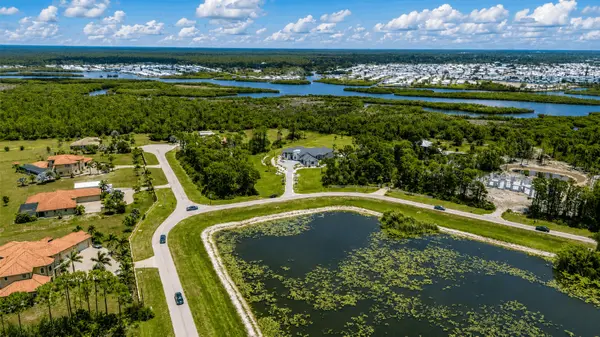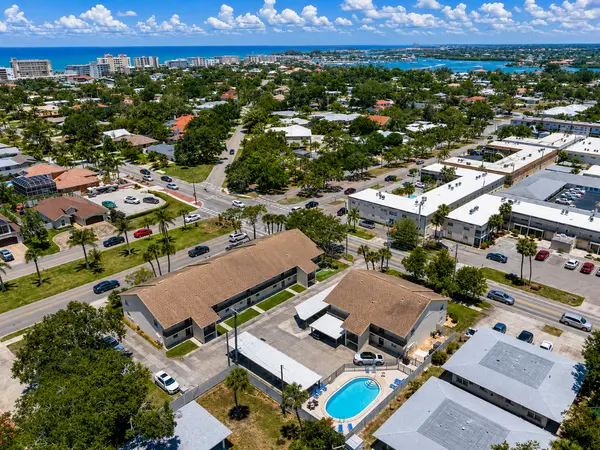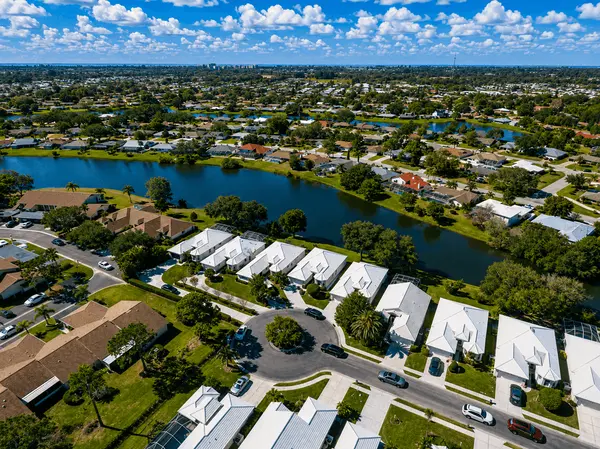
Should I Use a Realtor When Buying New Construction in Florida?
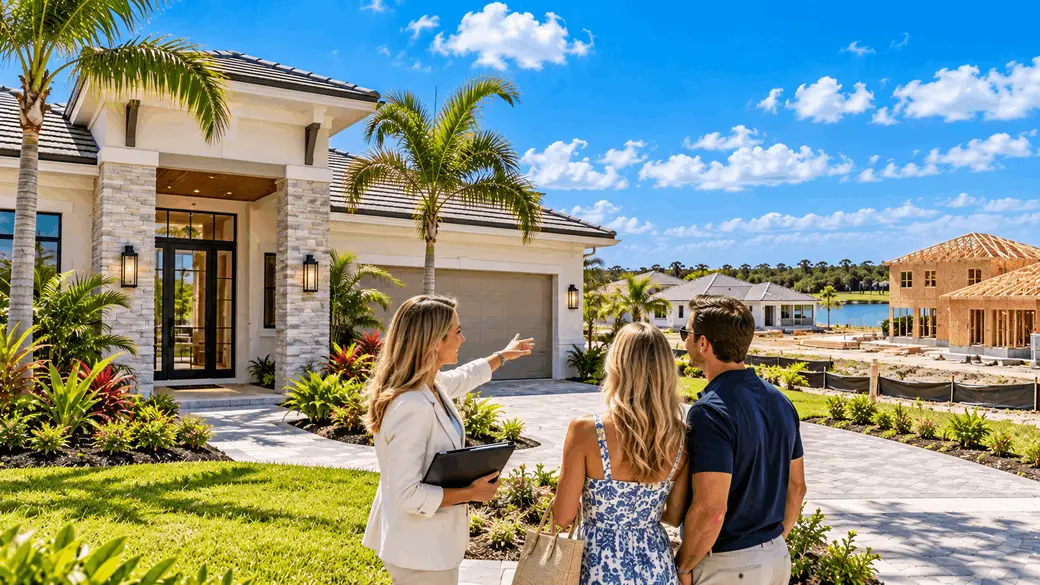
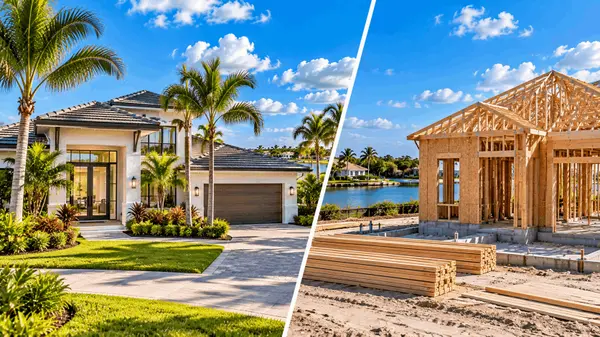
Should you use a Realtor when buying new construction in Florida? In many cases, working with an experienced real estate professional is worth considering, even when purchasing directly from a homebuilder. The builder's sales representative can explain floor plans, pricing, available homes, and incentives, but that does not automatically mean the representative works for the buyer. A separate real estate professional can help compare communities, evaluate prices, understand incentives, coordinate inspections, and navigate the transaction. However, buyers should clarify the agent's legal brokerage relationship, compensation, and any builder registration requirements before visiting model homes. Representation is optional, and the right arrangement depends on the buyer's circumstances.
Quick Answers About Using a Realtor for New Construction in Florida
Do I need a Realtor to buy a new construction home in Florida?
No. Florida buyers are not generally required to hire a real estate agent to purchase a newly built home. However, working with a qualified professional can provide assistance with market comparisons, builder incentives, property selection, and transaction coordination.
Does the builder's sales agent represent me?
Not automatically. The builder's sales representative generally works on the builder's behalf. Buyers should ask about the representative's role and any applicable brokerage relationship before discussing confidential information or negotiating purchase terms.
Does using a Realtor cost extra when buying new construction?
It depends on the buyer's representation agreement and the compensation arrangements available for the transaction. A builder may agree to pay some or all of the buyer broker's compensation, but this is not guaranteed. Brokerage compensation is negotiable and should be clearly documented before the buyer commits.
Can a Realtor negotiate with a Florida homebuilder?
A real estate professional may help buyers evaluate and negotiate available terms, including purchase price, closing-cost contributions, lot premiums, and upgrades. Builder flexibility varies, and no particular concession is guaranteed.
Should I contact a Realtor before visiting a model home?
If you want buyer representation, contacting an agent before your first builder visit is generally a sensible approach. Some builders have registration and agent-accompaniment policies that may affect whether they recognize an outside agent or offer compensation.
Can I use my own home inspector for new construction?
Independent inspections are worth considering, but buyers should confirm the builder's access policies and contractual inspection provisions. Qualified inspectors may identify workmanship issues or incomplete items that need further evaluation.
Can a Realtor review my builder contract?
A real estate professional can help identify transaction-related questions and coordinate the purchase process. However, legal interpretation of builder contracts, deposit rights, warranty provisions, and dispute-resolution clauses should be handled by a qualified Florida real estate attorney.
Why Buyers Consider Using a Realtor for New Construction
Buying a newly built home may seem more straightforward than purchasing an existing property.
The builder provides model homes, floor plans, design selections, and a sales team that can answer questions about the development.
In some communities, buyers can select a completed inventory home and move toward closing without waiting for construction.
However, a new construction transaction can involve decisions that are less common in a traditional resale purchase.
These may include:
- Choosing between multiple builders and developments
- Comparing base prices with completed-home prices
- Evaluating lot premiums and future construction
- Understanding builder incentives
- Reviewing HOA fees and CDD assessments
- Coordinating financing and construction timelines
- Scheduling independent inspections
- Documenting construction and warranty concerns
A real estate professional familiar with new construction can help buyers organize these decisions and compare available alternatives.
The value of that assistance depends on the agent's experience, the services provided, and the buyer's individual needs.
Builder Sales Representative vs. Buyer's Realtor: What Is the Difference?
One of the most important distinctions in new construction is understanding who works for whom.
The Builder's Sales Representative
The builder's sales representative is generally employed by or working on behalf of the builder.
This representative may provide detailed information about:
- Available floor plans
- Current inventory homes
- Construction schedules
- Design-center selections
- Builder promotions
- Community amenities
- Purchase procedures
The representative can be an important source of information about the builder's products and procedures.
However, buyers should not assume that a builder-affiliated representative is independently evaluating whether the development is the best choice compared with competing communities or resale homes.
A Real Estate Professional Working With the Buyer
A real estate professional engaged by the buyer may provide a broader perspective on available housing options.
For example, the agent may compare a new construction home in one development with similar properties in other communities.
The agent may also help evaluate whether a builder's advertised incentive is meaningful when compared with the home's total purchase price and competing listings.
However, buyers should understand that Florida recognizes different brokerage relationships, and not all relationships create the same duties.
Understanding Florida's Real Estate Brokerage Relationships
Florida law distinguishes between transaction brokerage, single agency, and situations involving no brokerage relationship.
Under Florida Statutes Section 475.278, transaction brokerage is the presumed relationship unless a single-agent or no-brokerage relationship is established in writing.
Transaction Broker
A transaction broker provides a limited form of representation.
Florida law identifies duties that include dealing honestly and fairly, using skill and diligence, accounting for funds, presenting offers, providing limited confidentiality, and disclosing certain known material facts.
A transaction broker does not represent either party in a fiduciary capacity.
Depending on the circumstances, a transaction broker may provide limited representation to the buyer, seller, or both.
Single Agent
A single-agent relationship includes additional fiduciary duties, such as loyalty, confidentiality, obedience, and full disclosure.
A single agent represents either the buyer or the seller, not both parties in the same transaction.
No Brokerage Relationship
Florida law also recognizes circumstances in which a licensee has no brokerage relationship with a buyer or seller.
Certain statutory duties still apply, but the licensee is not providing buyer representation.
The important point is that working with a real estate professional does not automatically establish exclusive fiduciary representation.
Buyers should ask which brokerage relationship applies and review any required disclosures before proceeding.
For additional information, see Florida Realtors' explanation of transaction brokerage.
8 Ways a Realtor Can Help With a Florida New Construction Purchase
1. Compare Builders and Communities
A buyer visiting one model home may see only a small portion of the available market.
An experienced real estate professional can help identify other communities with similar home sizes, features, and locations.
This can be particularly useful in the greater Sarasota and Venice region, where buyers may consider properties in several different municipalities and master-planned developments.
Comparisons may include:
- Home size and floor-plan efficiency
- Lot dimensions
- Location and access to major roads
- Distance to shopping and recreation
- Community amenities
- HOA and CDD expenses
- Available inventory and construction timelines
A broader comparison may help buyers avoid making a decision based solely on an appealing model home.
2. Evaluate Whether the Price Is Competitive
New construction pricing can be difficult to compare.
A builder may advertise a starting price that excludes lot premiums, structural options, or design upgrades.
Another builder may offer a higher advertised price but include more features.
A real estate professional can help buyers compare available pricing information and relevant resale transactions.
For example, two homes with similar square footage may have different values because of lot size, location, finishes, views, or community fees.
Market comparisons do not guarantee future value or appreciation, but they can provide useful context.
3. Help Evaluate Builder Incentives
Builders may offer incentives to attract buyers or reduce inventory.
These may include closing-cost contributions, mortgage-rate promotions, upgrade credits, or price reductions.
An agent can help buyers compare the advertised offers and ask questions about eligibility and restrictions.
However, evaluating the actual cost of financing requires a qualified mortgage professional.
The Consumer Financial Protection Bureau recommends comparing Loan Estimates from multiple lenders.
This is especially important when a builder offers incentives through a preferred lender.
4. Help Evaluate Lot Selection
Lot selection can affect privacy, views, sunlight, drainage considerations, and future resale appeal.
A model home may sit on a premium lot that differs substantially from the homesites available for purchase.
An agent can help buyers ask about adjacent parcels, proposed roads, community phases, and potential future development.
Buyers should not assume that an open space or undeveloped parcel will remain unchanged.
Questions about legal boundaries, easements, drainage, and construction feasibility should be verified with the appropriate surveyor, engineer, title professional, or local authority.
5. Help Buyers Understand HOA and CDD Expenses
Many Florida new construction communities have homeowners associations.
Some also have Community Development Districts, commonly called CDDs.
These are different entities, and a property may have both HOA dues and CDD assessments.
An agent can help buyers identify which community documents and cost information should be requested.
Buyers should verify actual charges and restrictions with the association, district, county records, and appropriate professionals.
Projected assessments and proposed amenities should not be treated as guaranteed future amounts or completed facilities.
6. Coordinate Transaction Milestones
New construction transactions can involve multiple stages between contract signing and closing.
Depending on the purchase, these may include:
- Initial registration and property selection
- Contract execution
- Deposit deadlines
- Design selections
- Financing milestones
- Construction updates
- Independent inspections
- Final walkthrough
- Closing coordination
An agent may help monitor deadlines and communicate with the relevant parties.
However, buyers remain responsible for understanding their contractual obligations and should obtain legal advice when needed.
7. Encourage Independent Inspections
A newly built home can still have workmanship issues or incomplete items.
A real estate professional can help buyers plan for appropriate inspection opportunities and coordinate scheduling when permitted by the builder.
Potential inspection stages include pre-drywall, pre-closing, and a later warranty-period inspection.
The inspector, contractor, or engineer is responsible for evaluating technical findings.
A real estate agent should not substitute personal opinions for qualified inspection or engineering conclusions.
8. Provide a Broader View of Future Resale Competition
Buyers sometimes focus on the home they are purchasing without considering the remaining development.
If a community has hundreds of additional homes planned, the builder may continue offering new inventory for several years.
That can influence the competitive environment when an owner eventually decides to sell.
A real estate professional can help evaluate available development information and comparable resale activity.
Future market conditions and property values cannot be predicted with certainty.
Why You Should Contact a Realtor Before Visiting a Model Home
Timing can matter when arranging representation for a new construction purchase.
Some builders have policies requiring an outside agent to register the buyer during the initial visit or otherwise follow specific procedures.
Others may have different registration deadlines or rules concerning prior contact with the buyer.
These are builder-specific policies, not one universal Florida rule.
If a buyer visits a model home, registers independently, and later decides to involve an agent, the builder may dispute whether the agent qualifies for compensation under its policy.
That does not necessarily prevent the buyer from obtaining representation, but it can complicate compensation arrangements.
Buyers who want professional representation should consider choosing and contacting their agent before touring new construction communities.
The agent can then ask about registration procedures, confirm the builder's requirements, and help the buyer understand the available arrangements.
What If You Already Visited the Builder Without a Realtor?
Visiting a builder before contacting an agent does not automatically mean that you must complete the purchase without professional assistance.
However, it may affect how the builder handles agent registration and compensation.
The next step is to determine what information was submitted, whether any registration documents were signed, and what the builder's policies provide.
Buyers should also disclose any existing buyer representation agreements to a prospective agent.
An agent can ask the builder about available arrangements, but buyers should not assume the builder will recognize an agent retroactively.
Questions involving conflicting agreements or contractual rights should be reviewed with a qualified Florida real estate attorney.
Who Pays the Realtor When Buying New Construction in Florida?
Real estate brokerage compensation is negotiable.
There is no universally required commission rate for a Florida new construction transaction.
Depending on the agreements and builder policies, compensation may be paid by the builder, the buyer, or through another negotiated arrangement.
A builder may offer to compensate a cooperating buyer broker, but buyers should not assume that every builder does so.
Likewise, buyers should not assume that using an agent is automatically free.
The buyer's written agreement should explain the compensation terms and any potential buyer payment obligation.
Buyers should understand what happens if the builder offers less compensation than the amount specified in the agreement.
They should also ask whether compensation is affected by builder registration rules or other conditions.
The National Association of Realtors' consumer guidance explains the importance of clearly defined, negotiable compensation terms in buyer agreements.
Do You Have to Sign a Buyer Representation Agreement?
Written buyer agreements have become an important part of residential real estate practice.
Under National Association of Realtors settlement-related practice requirements, MLS participants working with buyers generally must have a written agreement before touring a home with those buyers.
The requirement depends on the circumstances and the professional's applicable obligations. It should not be interpreted as a rule that every consumer must sign a buyer agreement merely to enter a builder's model home.
A written buyer agreement typically addresses the services provided, compensation, duration, and other terms.
Buyers should understand:
- Which brokerage relationship is being established
- Whether the agreement is exclusive
- How long the agreement lasts
- Which properties or geographic areas it covers
- What services the brokerage will provide
- How compensation is calculated
- Whether the buyer could owe compensation
- What happens if the agreement ends or the buyer purchases a property afterward
The terms should be discussed before signing.
For more information, review the NAR Consumer Guide to Open Houses and Written Agreements and Florida Realtors' buyer agreement FAQs.
If any contractual provision is unclear, buyers should seek guidance from a qualified Florida real estate attorney.
Can You Save Money by Not Using a Realtor?
Some buyers assume that purchasing directly from the builder will automatically produce a lower price.
That assumption is not always correct.
A builder may or may not be willing to offer a price reduction or additional incentive when no outside broker is involved.
Builder pricing decisions depend on company policies, inventory, market conditions, and other factors.
Buyers should ask the builder directly whether the purchase terms differ based on representation.
They should also consider what professional services they would need to arrange independently.
For example, buyers without an agent may still need assistance from a mortgage lender, inspector, insurance professional, attorney, surveyor, or title professional.
A direct purchase may work well for an informed buyer who is comfortable managing the process and obtaining appropriate professional guidance.
However, not using a Realtor does not automatically eliminate costs or guarantee a better purchase price.
Using a Realtor vs. Buying Directly From the Builder
| Consideration | Working With a Realtor | Buying Directly From Builder |
|---|---|---|
| Community Comparisons | May help compare multiple builders and resale options | Buyer conducts independent research |
| Builder Information | Can coordinate with builder's sales team | Buyer communicates directly with sales team |
| Market Pricing | May provide comparable-sales analysis | Buyer obtains and evaluates comparisons independently |
| Negotiations | Agent may assist within the brokerage relationship | Buyer negotiates directly |
| Inspections | Agent may help coordinate qualified inspectors | Buyer arranges inspectors independently |
| Contract Questions | Agent can flag issues for attorney review | Buyer identifies issues and obtains legal review |
| Transaction Coordination | Agent may assist with deadlines and communication | Buyer manages communication and milestones |
| Broker Compensation | Depends on negotiated agreements and builder policy | No outside buyer broker engaged, but price savings are not guaranteed |
The comparison is not about whether one approach is always correct.
It is about understanding which responsibilities the buyer wants to manage independently and which services may be valuable to obtain through a licensed professional.
What a Realtor Cannot Replace in a New Construction Transaction
A real estate professional can be an important part of the buying process, but certain matters require specialized qualifications.
Legal Contract Review
Builder contracts can contain provisions concerning deposits, delays, modifications, warranties, dispute resolution, and cancellation rights.
A qualified Florida real estate attorney should address questions about the legal meaning and enforceability of those terms.
Mortgage Advice
A licensed mortgage professional should evaluate loan eligibility, financing costs, interest-rate options, and the implications of builder financing incentives.
Home Inspections and Engineering
Qualified inspectors, contractors, and engineers should evaluate construction quality, defects, structural concerns, and technical repair questions.
Insurance
A licensed insurance professional should evaluate coverage availability, premiums, deductibles, and property-specific risks.
New construction does not automatically guarantee low insurance premiums or eliminate flood risk.
Taxes and Assessments
Property tax estimates should be verified with the appropriate county property appraiser or qualified tax professional.
Buyers should be particularly cautious when a current tax bill reflects vacant land rather than the completed home.
Why Builder Contracts Deserve Special Attention
New construction contracts are often prepared by the builder and may differ substantially from standard resale purchase agreements.
A builder contract may address:
- Initial and additional deposits
- Construction completion estimates
- Permitted schedule extensions
- Material substitutions
- Changes to plans or specifications
- Financing deadlines
- Inspection access
- Closing procedures
- Warranty claims
- Dispute-resolution procedures
Buyers should not assume they can cancel a builder contract under the same circumstances that might apply to another transaction.
Deposit refunds, completion obligations, and available remedies depend on the agreement and applicable law.
An agent may help buyers identify questions to ask, but a Florida real estate attorney should review the legal implications before the buyer signs.
Should You Hire an Independent Inspector for a Brand-New Home?
Yes, independent inspections are generally worth considering even when the property has never been occupied.
New homes may have construction defects, incomplete finishes, or installation issues.
Government building inspections and builder quality-control procedures serve important purposes, but they do not necessarily identify every issue relevant to a buyer.
Depending on the construction stage and access permitted, buyers may consider:
- Pre-drywall inspection: Evaluation of certain visible components before walls are enclosed.
- Pre-closing inspection: Review of accessible property conditions before ownership transfers.
- Warranty-period inspection: Evaluation of concerns before applicable warranty deadlines expire.
Inspection access, timing, and the process for correcting identified items should be clarified before signing the builder contract.
Technical findings should be reviewed with qualified inspectors, contractors, or engineers.
Do Florida New Construction Homes Come With Warranties?
Certain newly constructed Florida homes are subject to statutory builder warranty requirements.
Under Florida Statutes Section 553.837, qualifying newly constructed single-family homes and certain small residential buildings are covered by a mandatory builder warranty addressing specified construction defects that result in material violations of the Florida Building Code.
The statutory provision generally establishes a one-year period beginning at the earlier of original conveyance or initial occupancy, subject to its terms.
The law also addresses qualifying express written warranties and specific exclusions.
Not every cosmetic issue, maintenance concern, appliance defect, or construction problem is necessarily covered.
Condominium warranties are governed by separate provisions.
Buyers should obtain the actual warranty documents and review coverage, exclusions, claim procedures, and deadlines.
Questions about legal warranty rights should be directed to a qualified Florida real estate or construction attorney.
What About Builder Financing Incentives?
Builder financing incentives can be attractive, particularly when they reduce certain upfront expenses or offer favorable mortgage terms.
However, buyers should compare the full financing package rather than focusing on a promotional rate or advertised credit.
Important considerations include:
- Interest rate
- Annual percentage rate
- Origination charges
- Discount points
- Rate-lock terms
- Closing-cost contributions
- Loan type and repayment terms
- Eligibility requirements
A real estate agent may help buyers understand which incentives the builder is advertising.
A qualified mortgage professional should evaluate whether those financing terms are suitable for the buyer.
The Consumer Financial Protection Bureau's Loan Estimate guide provides information about comparing mortgage offers.
Using a Realtor for New Construction in Sarasota, Venice, and Wellen Park
The greater Sarasota and Venice region offers a range of residential options, including established neighborhoods, newly built homes, and developing master-planned communities.
Buyers considering new construction may explore locations such as Sarasota, Palmer Ranch, Nokomis, Venice, North Port, and Wellen Park.
Each area has different characteristics.
Wellen Park
Wellen Park is a major master-planned development in the greater Venice area.
Buyers may find different builders, property types, and neighborhood amenities throughout the development.
Community expenses, restrictions, and available inventory should be verified for each specific neighborhood.
Venice and Nokomis
The Venice and Nokomis areas offer a mix of established residential communities and newer development.
Buyers should compare access to beaches, shopping, major roads, medical services, and recreational opportunities.
Location and neighborhood characteristics can be just as important as the age of the home.
Sarasota and Palmer Ranch
Sarasota offers a broad range of housing, from established neighborhoods to newer residential construction.
Palmer Ranch includes numerous planned communities, although not all offer active new construction.
A local real estate professional can help buyers compare current options and determine which areas best match their preferences.
For help exploring available homes, visit Hunt Brothers Realty.
Questions to Ask a Realtor Before Buying New Construction
Choosing an agent with relevant experience can make a difference.
Before signing a representation agreement, consider asking:
- How much experience do you have with Florida new construction transactions?
- Which builders and communities do you regularly work with?
- What brokerage relationship would we establish?
- What services will you provide during the purchase?
- How does your compensation work?
- Could I owe compensation if the builder does not pay your brokerage?
- Are there builder registration requirements we should address before visiting?
- Can you help compare new construction with similar resale homes?
- How do you help buyers evaluate builder incentives?
- How will we coordinate independent inspections?
- How do you communicate during construction delays or other transaction issues?
- When should I involve a real estate attorney, lender, insurance professional, or inspector?
Clear answers can help buyers understand the services they will receive and make an informed choice about representation.
Frequently Asked Questions About Realtors and New Construction
Can I bring my Realtor to a model home?
Generally, yes, subject to the builder's visitor and registration policies. If you want an agent involved, contacting the agent before your first visit may help avoid registration or compensation complications.
Will the builder charge me more if I use a Realtor?
There is no universal answer. Pricing and compensation policies vary by builder. Buyers should request written information about purchase terms and understand their separate buyer representation agreement before proceeding.
Can I negotiate builder incentives without a Realtor?
Yes. Buyers can negotiate directly with builders. A real estate professional may offer additional market context and transaction assistance, but no specific incentive or negotiation outcome is guaranteed.
Do I need a Realtor if the builder already has a sales team?
No, but the builder's sales team and a separately engaged buyer-side professional may serve different roles. Buyers should understand who each person works for and which brokerage duties apply.
Can a Realtor help me choose the best lot?
An agent can help compare lot characteristics and available development information. Property boundaries, drainage, easements, and technical site conditions should be verified with appropriately qualified professionals.
Should I hire a Realtor for a quick move-in home?
Representation can still be useful for a completed inventory home. Buyers may benefit from market comparisons, assistance evaluating incentives, inspection coordination, and transaction support.
Can I change Realtors after signing a buyer agreement?
The answer depends on the agreement's terms and applicable law. Buyers should review the contract and discuss concerns with the brokerage. Questions about termination rights or potential obligations should be addressed by a qualified Florida real estate attorney.
Do I need an attorney if I already have a Realtor?
A Realtor and a real estate attorney provide different services. An attorney is the appropriate professional to interpret legal contract provisions, advise on legal rights, and address construction-related legal disputes.
Can a Realtor guarantee that my new home will be built correctly?
No. Construction quality should be evaluated through appropriate inspections, engineering review when needed, and applicable building department processes. A real estate professional can help coordinate communication but cannot guarantee construction performance.
Is it worth using a local Realtor if I am relocating to Florida?
A local real estate professional may be particularly helpful to buyers unfamiliar with regional neighborhoods, community expenses, flood considerations, and the differences between available developments. The value depends on the agent's knowledge and the services provided.
The Bottom Line: Should You Use a Realtor When Buying New Construction in Florida?
Using a Realtor is not mandatory when buying a new construction home in Florida.
However, professional real estate assistance can be valuable when comparing builders, evaluating home prices, understanding community costs, considering incentives, and coordinating the purchase process.
The builder's sales team can provide important information about its homes, but buyers should not assume that the sales representative provides independent buyer representation.
Florida's brokerage relationships also differ, so buyers should clarify whether an agent is acting as a transaction broker, single agent, or in another permitted capacity.
Compensation arrangements should be discussed openly, and any buyer agreement should be reviewed before signing.
If you plan to use a Realtor, one of the most practical steps is to arrange that relationship before your first builder visit.
That allows time to understand the agent's role, review compensation, and confirm the builder's registration requirements.
Whether you purchase with an agent or directly from a builder, careful research and appropriate professional verification remain essential.
Explore Florida New Construction With Hunt Brothers Realty
If you are considering new construction in Sarasota, Venice, Wellen Park, Nokomis, North Port, or nearby Gulf Coast communities, understanding your options before visiting builders can help you make a more informed decision.
Hunt Brothers Realty can help buyers explore available homes, compare neighborhoods, review relevant market information, and understand the residential real estate process.
Whether you are interested in a completed inventory home, a to-be-built property, or an established resale home, comparing your choices is an important first step.
Visit www.huntbrothersrealty.com to explore Florida Gulf Coast real estate and connect with our team.
Important Information: This article is provided for general informational and educational purposes only. It is not individualized legal, financial, tax, insurance, lending, inspection, engineering, construction, title, association, or other professional advice. Florida brokerage relationships, buyer representation agreements, builder registration policies, commission arrangements, incentives, warranties, construction timelines, and property-specific expenses can vary. Buyers should verify all material information before making a purchasing decision. Questions involving contracts, deposits, representation obligations, warranty rights, or other legal matters should be reviewed with a qualified Florida real estate or construction attorney. Financing decisions should be discussed with a qualified mortgage professional, insurance matters with a licensed insurance agent, tax questions with the appropriate tax professional or property appraiser, and construction or inspection concerns with qualified inspectors, contractors, or engineers. Hunt Brothers Realty provides real estate brokerage services and does not provide professional advice outside that scope.
Sources
- Florida Legislature, Section 475.278, Authorized Brokerage Relationships and Disclosures
- Florida Realtors, Understanding Florida's Transaction Broker Role
- Florida Realtors, Buyer Broker Agreement FAQs
- Florida Realtors, NAR Settlement Resources and Buyer Agreement Forms
- National Association of Realtors, What the Settlement Means for Homebuyers
- National Association of Realtors, Consumer Guide to Open Houses and Written Agreements
- Florida Legislature, Section 553.837, Mandatory Builder Warranty
- Florida Building Commission, Florida Building Code Information
- Consumer Financial Protection Bureau, Request and Review Multiple Loan Estimates
- Consumer Financial Protection Bureau, Loan Estimate Explainer
- FEMA Flood Map Service Center
- Hunt Brothers Realty, Florida Gulf Coast Real Estate
Contact Hunt Brothers Realty
Hunt Brothers Realty
46 N. Washington Blvd, Ste 3
Sarasota, FL 34236
Phone: (941) 388-7017
Email: info@huntbrothersrealty.com
Website: www.huntbrothersrealty.com
Categories
- All Blogs 1929
- Anna Maria Island 83
- Bird Key 4
- Bradenton 234
- Buying a Home 1000
- Casey Key 2
- Clearwater 8
- Condos & HOA Living 911
- Ellenton 5
- Englewood 9
- First Time Homebuyers 1104
- Foreclosures 3
- Homeownership 1124
- Lakewood Ranch 20
- Lido Key 27
- Longboat Key 78
- Luxury/Waterfront Properties 1064
- Market Updates & Trends 596
- Mortgages & Financing 41
- Move-Up Buyers 20
- Neighborhood Guides 718
- New Construction 32
- Palmetto 3
- Parrish 6
- Port Charlotte 10
- Punta Gorda 15
- Real Estate Investing 982
- Relocation to Florida 1026
- Safety Harbor 2
- Sarasota 68
- Sarasota - Downtown 157
- Selling a Home 142
- Siesta Key 89
- St. Petersburg 6
- Tierra Verde 5
- Vacation & Second Homes 1174
- Venice 88
- Wellen Park 9
Recent Posts