How Long Does a Home Inspection Take?
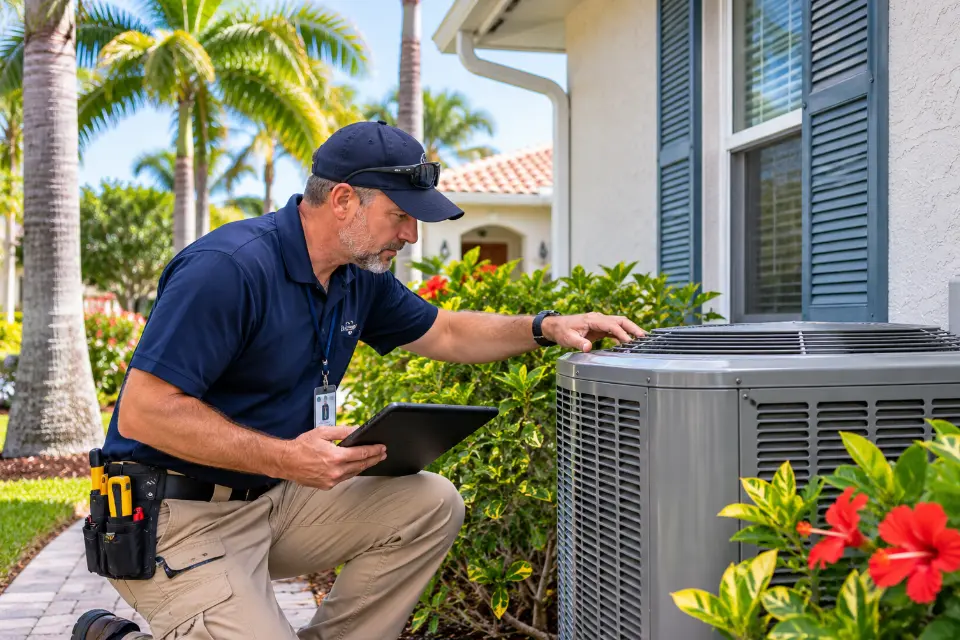
A typical single-family home inspection takes about 2 to 4 hours, although a large, older or more complicated property can take longer. Condos and smaller homes may require less time, while homes with pools, multiple HVAC systems, extensive additions or suspected problems can require additional inspection time or separate specialists. Buyers should also distinguish the inspection itself from the inspection period in the purchase contract. The on-site inspection may last only a few hours, but the contractual deadline determines how much time the buyer has to complete inspections and take any action permitted by the contract.
Quick Answers About How Long a Home Inspection Takes
How Long Does a Typical Home Inspection Take?
The American Society of Home Inspectors states that a single-family home inspection generally takes about 2 to 4 hours. Size and condition can significantly change that timeline.
How Long Does a Condo Inspection Take?
A smaller condominium can often be inspected faster than a detached house because the inspector may have fewer individually owned exterior and structural components to examine. The actual time depends on the unit, building configuration, inspection scope and inspector.
Should a Buyer Attend the Home Inspection?
When permitted by the inspector and property-access arrangements, attending at least part of the inspection can give the buyer an opportunity to see significant findings firsthand and ask questions. Buyers should allow the inspector to follow a consistent process without unnecessary interruptions.
How Long Does It Take to Get the Inspection Report?
ASHI states that inspection reports are often delivered within approximately 24 to 48 hours. Individual inspectors may provide reports sooner or use a different turnaround time, so buyers should confirm report timing before hiring the inspector.
Is the Home Inspection the Same as the Inspection Period?
No. The physical inspection may take only a few hours. The inspection period is a contractual deadline that may give the buyer time to complete inspections, review findings and exercise rights provided by the specific purchase contract.
How Long Is the Inspection Period in Florida?
There is no single inspection period that applies to every Florida home purchase. The period depends on the contract and negotiated terms. The current Florida Realtors/Florida Bar AS IS contract provides a 15-day period if its inspection-period blank is left empty, but buyers and sellers can negotiate a different period.
What Happens During a Home Inspection?
A home inspection is a visual examination of accessible systems and components intended to provide a professional opinion about the property's condition at the time of inspection. It is not simply a quick walk through the house.
In Florida, the Department of Business and Professional Regulation identifies eight principal components within the home-inspection profession:
- Structure
- Electrical system
- HVAC system
- Roof covering
- Plumbing system
- Interior components
- Exterior components
- Site conditions affecting the structure
Florida requires individuals providing home-inspection services for compensation to hold the appropriate state license. Buyers can review licensing information through the Florida DBPR Home Inspectors program.
Why Does a Typical Inspection Take 2 to 4 Hours?
The inspector is examining multiple systems rather than simply deciding whether the home looks well maintained. A methodical inspection can involve moving through the exterior, interior, electrical components, plumbing fixtures, HVAC equipment, attic and other accessible areas.
The inspector may operate accessible fixtures and systems, photograph conditions, document defects and record information for the written report. When something unusual appears, additional examination and documentation can add time.
A longer inspection does not automatically mean the house is in poor condition. A large property with several systems can simply require more time to inspect properly.
What Can Make a Home Inspection Take Longer?
Size is important, but it is only one factor. Age, condition, accessibility and the number of systems or additional features can have just as much impact on inspection time.
Factors that can increase inspection time include:
- Larger living area
- Multiple stories
- Older construction
- Multiple HVAC systems
- Multiple electrical panels
- Attics or crawl spaces that are difficult to access
- Additions or significant renovations
- Visible evidence of leaks or moisture intrusion
- Numerous apparent defects requiring documentation
- Detached garages or additional structures included in the agreed inspection scope
- Additional inspection services performed by qualified professionals
The inspector should determine the appropriate amount of time based on the property and agreed scope rather than trying to fit every house into the same schedule.
Do Older Homes Usually Take Longer to Inspect?
They can. An older home may have undergone additions, electrical changes, plumbing updates, roof replacements and other renovations over several decades.
That does not mean an older home is necessarily in worse condition than a newer one. A well-maintained older property can perform very well, while a newer home can still have installation or maintenance issues.
What changes is the number of systems, alterations and conditions the inspector may need to understand and document.
How Long Does a Condo Inspection Take?
A condominium inspection may be shorter than the 2-to-4-hour range associated with a typical single-family house, but buyers should not assume every condo inspection is quick. The unit's size, age, systems and the inspector's scope still matter.
A condominium purchase also involves due diligence that is separate from the physical inspection of the unit. Association documents, budgets, reserves, insurance, assessments, applicable structural reports and other condominium records can be important to the purchase but are not substitutes for the unit inspection.
Buyers considering a condominium should therefore avoid equating a shorter physical inspection with simpler overall due diligence.
How Long Does a New Construction Home Inspection Take?
New construction still deserves a careful inspection, and buyers should not assume a recently completed home will take only a few minutes to evaluate. The inspector may find installation issues, incomplete work or components that require further review even though the property has never been occupied.
Municipal building inspections and a buyer's independent home inspection also serve different purposes. Florida DBPR distinguishes building-code inspection from home inspection, with the latter providing a written professional opinion about the condition of the home.
Buyers purchasing from a builder should review their contract for inspection-access provisions, deadlines and procedures. Contract questions requiring legal interpretation should be discussed with a qualified Florida real estate attorney.
What Additional Inspections Might a Florida Buyer Need?
A general home inspection may not answer every question about a Florida property. The general inspector may identify a condition that warrants further evaluation by another qualified professional.
Depending on the property, buyers may consider additional evaluations involving:
- Wood-destroying organisms or termites
- Roof condition
- Swimming pool and spa equipment
- Septic systems
- Well systems and water quality
- Mold or suspected microbial growth
- Structural concerns
- Sewer or drain lines
- Docks, seawalls or lifts at waterfront properties
- Specialized electrical, plumbing, HVAC or roofing concerns
Florida Realtors specifically recommends completing the general inspection early enough that buyers have time to arrange specialized inspections if the initial inspector identifies something requiring further investigation.
Florida DBPR also cautions that certain services outside the standard home-inspection scope may require specialized training or separate licensing. Buyers should use appropriately qualified professionals for the specific system or condition being evaluated.
What Are a Four-Point Inspection and Wind-Mitigation Inspection?
Insurance-related inspections are another reason a Florida buyer's inspection process may involve more than the standard home inspection. Depending on the home and insurance carrier, a buyer may encounter requests for a four-point inspection, wind-mitigation inspection or other property documentation.
A wind-mitigation inspection can document qualifying construction features related to hurricane resistance. Florida DBPR confirms that appropriately trained licensed Florida home inspectors can complete the state's Uniform Mitigation Verification Inspection Form.
These insurance-related inspections are not substitutes for a comprehensive buyer home inspection. Insurance underwriting requirements vary by property and carrier, so buyers should determine what documentation is required with a qualified insurance professional.
How Long Does It Take to Receive a Home Inspection Report?
The American Society of Home Inspectors says buyers often receive the report within 24 to 48 hours after the inspection. Many inspectors use digital reporting systems that include photographs, descriptions and recommendations.
Turnaround matters because receiving the report is not necessarily the end of the process. A report may recommend further evaluation by a roofer, electrician, plumber, structural engineer, pest professional or another specialist.
That is one reason buyers should avoid scheduling the initial inspection at the last possible moment before a contractual deadline.
What Is the Difference Between Inspection Time and the Inspection Period?
This is one of the most important distinctions for a Florida buyer to understand. A home inspection might take three hours, but that does not mean the buyer has only three hours to evaluate the property.
The inspection period is established by the purchase contract. It can provide time to schedule inspections, receive reports, investigate concerns and exercise whatever rights the particular contract provides before the applicable deadline.
The Hunt Brothers Realty guide to Florida buyer contracts explains the inspection provisions of common Florida contract forms and why buyers need to know which form and negotiated terms apply to their transaction.
How Long Is a Florida Home Inspection Period?
Florida does not impose one universal inspection-period length on every residential purchase. The deadline depends on the contract form and the terms negotiated between buyer and seller.
Under the current Florida Realtors/Florida Bar AS IS Residential Contract for Sale and Purchase, the parties insert the number of days in the inspection-period provision. If that blank is left empty, the form provides a 15-day period.
That does not mean every Florida buyer automatically receives 15 days. Buyers and sellers can negotiate another period, and other contract forms contain their own provisions. The executed contract controls the transaction.
Contract deadlines have legal consequences. Buyers should review their specific dates with their licensed real estate professional, and questions involving contractual rights, cancellation or legal interpretation should be directed to a qualified Florida real estate attorney.
What Does "As Is" Mean for a Florida Home Inspection?
Buying a Florida home "as is" does not necessarily mean buying without an inspection. The current Florida Realtors/Florida Bar AS IS contract includes an inspection period during which the buyer may have desired property inspections performed.
The contract also contains a buyer cancellation provision tied to that inspection period. However, the exact rights, deadlines and notice requirements come from the executed contract and should not be assumed from a general article.
For a broader overview of the process, read Hunt Brothers Realty's 2026 guide to starting the home-buying process in Florida.
Should Buyers Schedule the Inspection Immediately?
Generally, buyers benefit from arranging inspections promptly after the contract becomes effective rather than waiting until the deadline approaches. An early general inspection leaves more time if a finding requires a second opinion or specialist.
For example, an inspector might identify:
- Possible roof deterioration requiring a roofer
- Evidence of wood-destroying organisms requiring a pest professional
- Structural movement requiring an engineer
- Electrical concerns requiring a licensed electrician
- Plumbing concerns requiring a licensed plumber
- Pool issues requiring an appropriately qualified pool professional
Finding one of those conditions the day before a deadline can make scheduling a qualified specialist much more difficult.
Should the Buyer Attend the Inspection?
Attending can be valuable when the inspector and property-access arrangements allow it. Buyers can see important conditions directly and learn practical information about the home that can be difficult to understand from photographs alone.
The inspection is also a working appointment for the inspector. Buyers should allow the professional to follow an organized process and save extensive questions for appropriate points during or after the inspection.
If a buyer cannot attend, the written report and a follow-up conversation with the inspector can still provide substantial information.
What Does a Home Inspector Not Do?
A standard home inspection is primarily visual and is not a guarantee that every hidden defect will be discovered. Inspectors generally cannot see through walls or access areas that are unsafe, blocked or otherwise outside the agreed scope.
A home inspector also should not be expected to replace every specialized professional. Florida DBPR notes that inspections of certain elements outside the standard eight-component home-inspection scope can require additional qualifications or licensing.
When an inspection raises a significant structural, roofing, electrical, plumbing, pool, septic, mold or other specialized concern, buyers should have the condition evaluated by the appropriate licensed inspector, contractor, engineer or other qualified professional before making a decision.
What Happens After the Home Inspection?
The next step is to review the report in the context of the purchase contract, not simply count how many items the inspector listed. Inspection reports can contain maintenance observations, safety concerns, aging components and potentially significant defects.
Depending on the contract and findings, a buyer may need to:
- Ask the inspector questions about the report
- Schedule additional specialist evaluations
- Obtain insurance information or quotes
- Investigate permit history
- Review applicable contractual options with the buyer's real estate professional
- Seek legal advice when contract interpretation or legal rights are at issue
The appropriate response depends on the property, the inspection findings and the exact contract. There is no universal rule that every item on an inspection report must be repaired by a seller.
Is the Final Walk-Through Another Home Inspection?
No. A final walk-through and a professional home inspection serve different purposes. The walk-through generally occurs close to closing and is used to verify the property's expected condition and applicable contractual obligations.
Florida Realtors notes that final walk-throughs are commonly scheduled approximately 24 to 72 hours before closing, although the specific contract and transaction determine timing and rights.
The walk-through should not be treated as a replacement for the buyer's earlier professional inspection.
How Should Florida Buyers Plan Their Inspection Timeline?
The safest practical approach is to think beyond the 2-to-4-hour inspection appointment and plan for the entire due-diligence sequence. A straightforward inspection might be completed and reported quickly, while a complicated property may require several professionals.
A buyer's sequence may include:
- Confirm the contractual inspection deadline.
- Schedule the general home inspection promptly.
- Attend when practical and permitted.
- Review the written report.
- Schedule qualified specialists for significant concerns when appropriate.
- Investigate insurance requirements early.
- Review contractual options before the applicable deadline.
That approach gives the buyer more time to gather useful information rather than turning the inspection into a last-minute race against the contract clock.
The Bottom Line: Allow a Few Hours for the Inspection and More Time for Due Diligence
For a typical single-family home, planning on roughly 2 to 4 hours for the physical inspection is a reasonable starting point. Larger, older or more complicated properties may take longer, while smaller homes and condos may take less time.
The more important timeline for a buyer, however, is the one written into the purchase contract. A thorough inspection may lead to additional specialist evaluations, insurance questions or other property research, all of which need to be handled within the applicable contractual deadlines.
Inspection findings should be evaluated with the appropriate licensed home inspector, contractor, engineer, pest professional or other qualified specialist. Decisions involving contractual rights or legal obligations should be reviewed with a qualified Florida real estate attorney when individualized legal guidance is needed.
Buying a Florida Home with Hunt Brothers Realty
Hunt Brothers Realty helps Florida buyers understand the real estate process, coordinate transaction milestones and evaluate homes throughout Sarasota, Manatee, Charlotte and surrounding Gulf Coast markets.
If you are beginning a purchase, start with the 2026 Florida home-buying process guide. Buyers who want to better understand common contract structures can also review the Hunt Brothers Realty Florida buyer contracts guide.
For help with a Florida home search or purchase, contact Hunt Brothers Realty.
Informational notice: This article provides general real estate and educational information and is not individualized legal, financial, insurance, lending, inspection, engineering, construction or other professional advice. Inspection scope, contract terms, deadlines, insurance requirements and property conditions vary. Buyers should review their specific purchase contract with their licensed real estate professional and consult a qualified Florida real estate attorney when legal interpretation is required. Property conditions and inspection findings should be evaluated by the appropriate licensed inspector, contractor, engineer or other qualified professional before making a purchasing decision.
Sources
- American Society of Home Inspectors, What Is a Home Inspection?
- Florida Department of Business and Professional Regulation, Home Inspector FAQs
- Florida DBPR, Home Inspectors Licensing Program
- Florida DBPR, Home Inspector Statutes and Rules
- Florida Realtors, When a Property General Inspection Isn't Enough
- Florida Realtors, Florida Real Estate Contract Laws
- Florida Realtors, Final Walk-Through Before Closing
- Hunt Brothers Realty, Florida Real Estate Buyer Contracts Explained
- Hunt Brothers Realty, How to Start the Home-Buying Process in Florida
Hunt Brothers Realty
46 N. Washington Blvd, Ste 3, Sarasota, FL 34236
Phone: (941) 388-7017
Email: info@huntbrothersrealty.com
Website: HuntBrothersRealty.com
Categories
- All Blogs 2421
- Anna Maria Island 87
- Bird Key 4
- Bradenton 238
- Buying a Home 1459
- Casey Key 2
- Clearwater 14
- Condos & HOA Living 1382
- Ellenton 6
- Englewood 13
- First Time Homebuyers 1574
- Foreclosures 5
- Home Selling 7
- Homeownership 1608
- Lakewood Ranch 28
- Lido Key 29
- Longboat Key 80
- Luxury/Waterfront Properties 1549
- Market Updates & Trends 1061
- Mortgages & Financing 71
- Move-Up Buyers 25
- Neighborhood Guides 1181
- New Construction 41
- Palmetto 4
- Parrish 7
- Port Charlotte 16
- Punta Gorda 164
- Real Estate Investing 1463
- Relocation to Florida 1496
- Safety Harbor 4
- Sarasota 100
- Sarasota - Downtown 167
- Selling a Home 146
- Siesta Key 92
- St. Petersburg 9
- Taxes and Homestead 1
- Tierra Verde 7
- Vacation & Second Homes 1656
- Venice 212
- Wellen Park 22
Recent Posts