How Do I Start the Home Buying Process in Florida?

Start the Florida home buying process by defining your budget and priorities, speaking with a qualified mortgage lender if you plan to finance, and choosing a real estate professional who can explain the local market and buyer-representation process. Before touring seriously, understand the written buyer agreement and how brokerage compensation will work. Then compare communities, evaluate the complete cost of ownership, tour properties and prepare for the offer, inspection, insurance, title and closing process. In Florida, early research into insurance, flood exposure, property taxes and HOA or condominium expenses can be just as important as determining the purchase price.
Quick Answers About Starting the Florida Home Buying Process
What Is the First Step to Buying a Home in Florida?
Start with financial preparation and a clear definition of what you need from the property. If financing is involved, speaking with a qualified mortgage lender early can help establish a realistic purchase range before you spend significant time touring homes.
Should I Get Preapproved Before Looking at Houses?
A mortgage preapproval can help a financed buyer understand potential loan options, estimated cash requirements and a realistic price range. It can also provide documentation a seller may expect when evaluating an offer. Preapproval is not a loan guarantee, so financing details should be reviewed with a qualified mortgage professional.
Do I Need a Written Agreement With a Florida Real Estate Agent?
Current industry practice requires Realtors and MLS participants who are working with a buyer to have a written buyer agreement in place before touring a home. The agreement should explain services, the relationship with the brokerage and compensation. These agreements and compensation terms are negotiable, and buyers should read and understand the document before signing.
How Much Money Do I Need Before Buying a Florida Home?
The down payment is only one part of the cash required. Buyers may also need funds for closing costs, deposits, inspections, appraisal, prepaid insurance, tax and insurance escrows, moving expenses and immediate repairs. The actual amount depends on the property, financing and contract.
Should I Check Insurance Before Making an Offer?
Insurance should be investigated early, particularly for coastal, older or flood-exposed Florida properties. Roof age, construction characteristics, wind mitigation, flood exposure and other property characteristics can affect coverage and premiums. Obtain property-specific information from a qualified insurance professional before making a decision that depends on insurance availability or cost.
How Long Does Buying a Home in Florida Take?
There is no universal timeline. Financing, inspections, appraisal, title work, insurance, association approval and the closing date negotiated in the contract can all affect timing. Cash transactions may follow a different schedule from financed purchases.
What Are the Steps to Buying a Home in Florida?
The exact transaction varies, but most buyers can organize the Florida home buying process into these stages:
- Define your goals, location and property requirements.
- Build a complete homeownership budget.
- Speak with a qualified lender if financing the purchase.
- Choose a real estate professional and understand the written buyer agreement.
- Research Florida communities and property types.
- Tour and compare suitable homes.
- Investigate taxes, insurance, flood exposure and association expenses.
- Prepare and negotiate an offer.
- Complete inspections and other contract due diligence.
- Complete financing, appraisal and insurance requirements when applicable.
- Review title and closing information.
- Complete the final walkthrough and closing.
Step 1: What Should I Decide Before Looking at Florida Homes?
Before opening dozens of listings, define what the purchase needs to accomplish. A focused search is easier when you separate essential requirements from preferences.
Consider questions such as:
- Will this be a primary residence, second home or another type of purchase?
- Which Florida cities or communities fit your lifestyle?
- Do you want a single-family home, condominium, villa or townhome?
- How many bedrooms and bathrooms do you actually need?
- Is a garage, pool, home office or first-floor primary suite important?
- Do you want to be near beaches, boating, golf, downtown areas or other amenities?
- Are HOA or condominium restrictions acceptable?
- Will you have pets?
- Do you expect to rent the property at any point?
- How long do you expect to own the home?
Buyers exploring Florida's Gulf Coast can use the Hunt Brothers Realty community directory to compare different locations before narrowing the search.
Step 2: How Should I Set My Florida Home Buying Budget?
A useful budget is based on the complete cost of owning a particular property, not simply its listing price or estimated mortgage principal and interest.
Depending on the property and financing, your budget may need to account for:
- Down payment
- Mortgage principal and interest
- Property taxes
- Homeowners or condominium insurance
- Flood insurance when applicable
- Mortgage insurance when applicable
- HOA or condominium assessments
- CDD or other applicable assessments
- Utilities
- Pool and landscaping expenses
- Routine maintenance
- Future major repairs
- Closing and moving expenses
- Cash reserves after closing
The Hunt Brothers Realty guide to the true cost of buying a Florida home explains why two homes with the same purchase price can have substantially different ownership costs.
Step 3: Should I Get Mortgage Preapproval Before Shopping?
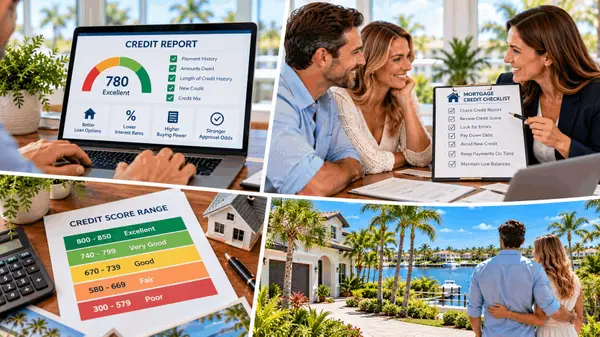
For financed buyers, mortgage preparation generally belongs near the beginning of the process. A lender can review income, assets, debts, credit and the requirements of potential loan programs to determine what financing may be available.
Do not treat the highest loan amount for which you may qualify as an automatic spending target. A comfortable ownership budget should also account for insurance, taxes, association expenses, maintenance and your other financial obligations.
Mortgage programs have different qualification, down-payment and closing requirements. Buyers should compare their options with qualified mortgage professionals and review the actual loan terms before making a financing decision.
Step 4: When Should I Choose a Florida Real Estate Professional?
Choosing a real estate professional early can help you organize the search before you begin touring properties. A buyer consultation can cover your priorities, local market conditions, property types, communities, the showing process, offer strategy and the written agreement governing the relationship with the brokerage.
Current Florida Realtors guidance reflects an important change from the home buying process many consumers remember. Realtors and MLS participants working with buyers generally need a written buyer agreement before touring homes.
What Is a Written Buyer Agreement?
A written buyer agreement establishes important terms between the buyer and brokerage. Depending on the form and relationship, it can address the services provided, duration, exclusivity, brokerage relationship and compensation.
Florida Realtors provides several buyer-agreement options, and its forms were updated again in 2026. Compensation is negotiable and should be discussed clearly before the buyer signs. Because a buyer agreement is a contract, questions about its legal effect or a buyer's contractual obligations should be directed to an appropriate Florida real estate attorney when legal guidance is needed.
Buyers can learn more about working with Hunt Brothers Realty through its Florida buyer resources.
Step 5: How Do I Choose the Right Florida Community?
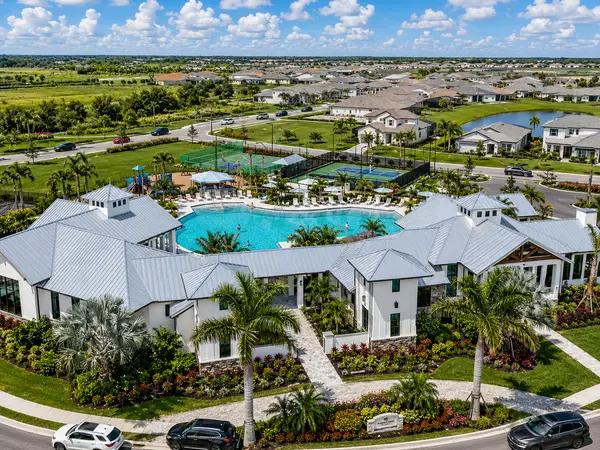
Location research should happen before you become attached to a particular house. Florida communities can differ substantially in housing type, association structure, beach access, boating opportunities, golf, new construction, maintenance responsibilities and recurring expenses.
Investigate practical questions such as:
- How does the location fit your normal routine?
- How long are the drives to places you expect to visit regularly?
- What property types are available?
- What association structures are common?
- Are there rental, pet, parking or architectural restrictions?
- What flood and evacuation considerations apply?
- What insurance considerations are common for the type of property?
- Does the community provide the lifestyle you actually want?
Avoid using demographic characteristics of residents as a way to select neighborhoods. Buyers can instead evaluate objective criteria such as housing, location, transportation, amenities, property restrictions and information from appropriate public agencies.
Step 6: What Should I Look for When Touring Florida Homes?
Touring should answer more than whether you like the kitchen. Look at the property's location, layout, visible condition and ownership requirements consistently so that homes can be compared on the same criteria.
During a showing, consider:
- Floor plan and room sizes
- Storage
- Roof age and available permit information
- Windows, doors and storm-protection documentation
- HVAC age
- Visible moisture or deterioration
- Drainage and exterior grading
- Pool and lanai condition
- Garage usability
- Association fees and rules
- Questions requiring inspection or additional documents
The Florida home showing checklist from Hunt Brothers Realty provides a more detailed room-by-room framework.
Step 7: Why Should I Investigate Insurance Before Committing to a Florida Property?
Florida buyers should avoid treating homeowners insurance as an afterthought. Two similarly priced homes can have materially different premiums or underwriting considerations because of their roofs, construction characteristics, wind mitigation, location, prior claims information or other property-specific factors.
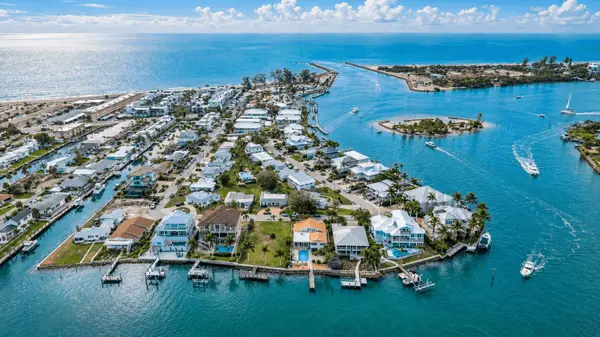
For coastal properties, investigate flood exposure separately from homeowners coverage. A property's FEMA flood designation is useful information, but a map designation does not describe every possible source of flooding or automatically determine every insurance outcome.
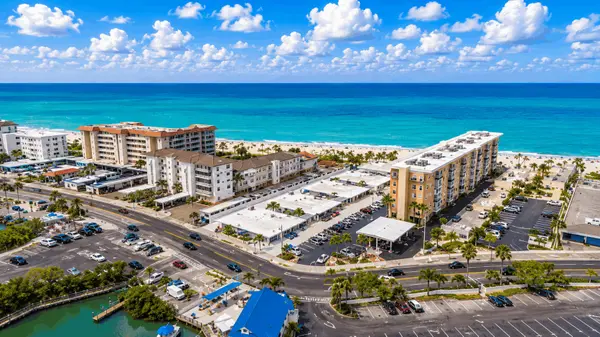
Buyers considering coastal locations can review what to know before buying a home near the beach in Florida and questions to ask before buying a home near the coast.
Insurance availability, coverage, deductibles and premiums can vary substantially by property. Obtain property-specific quotes and review coverage with a qualified insurance professional before making a purchasing decision that depends on those costs.
Step 8: How Do I Make an Offer on a Florida Home?
An offer is about more than price. The purchase contract can establish deadlines, deposits, financing provisions, inspection rights, closing arrangements, personal property and other obligations that materially affect the transaction.
Before deciding on an offer, evaluate information such as:
- Recent comparable sales
- Current competing listings
- Days on market
- Price-reduction history
- Property condition
- Known competing-offer activity when legitimately available
- Financing needs
- Inspection priorities
- Desired closing date
- Potential seller concessions or other negotiated terms
Florida Realtors currently maintains multiple residential contract forms, and their provisions and deadline calculations are not identical. A buyer should understand the specific contract being signed rather than relying on a generic description of a Florida purchase agreement.
The Hunt Brothers Realty guide to making an offer on a Florida home explains how price, condition and market circumstances can affect negotiations.
Purchase contracts create legal rights and obligations. Buyers with questions requiring legal interpretation should consult a qualified Florida real estate attorney before signing or modifying a contract.
Step 9: What Happens After My Offer Is Accepted?
Once a binding contract is formed, deadlines begin to matter immediately. The exact obligations depend on the contract, but buyers commonly move into deposit, inspection, financing, appraisal, insurance, association and title work.
A typical post-contract period may involve:
- Delivering the required deposit according to the contract
- Scheduling inspections
- Providing the contract to the lender
- Completing the loan application and underwriting process
- Completing an appraisal when required
- Obtaining insurance quotes and satisfying lender insurance requirements
- Reviewing HOA or condominium documents when applicable
- Completing association applications when required
- Title examination and title commitment review
- Preparing for closing
Do not assume a deadline can be extended simply because more time would be convenient. Contract dates can affect important rights and obligations.
Step 10: Should I Get a Home Inspection in Florida?
An inspection can provide information about the property's visible and accessible systems and components, subject to the scope of the inspection. The appropriate inspections depend on the home, its age, construction, location and observed conditions.
Depending on the property, buyers may investigate areas such as:
- Roof
- Electrical system
- Plumbing
- HVAC equipment
- Foundation or structural conditions
- Windows and doors
- Moisture intrusion
- Pool and equipment
- Sewer or septic systems when applicable
- Well systems when applicable
- Wood-destroying organisms when relevant
- Other property-specific concerns
Inspection findings should be evaluated with the appropriate licensed inspector, contractor, engineer or other qualified professional before a buyer makes a decision requiring technical expertise.
What Changes If I Am Buying a Florida Condo?
Buying a condominium adds another layer of due diligence because you are evaluating both the individual unit and the condominium association.
Depending on the building and applicable law, review may include:
- Declaration and amendments
- Rules and regulations
- Current budget
- Reserve information
- Master insurance
- Current and proposed assessments
- Recent meeting minutes
- Rental restrictions
- Pet restrictions
- Maintenance responsibilities
- Milestone inspection information when applicable
- Structural integrity reserve study information when applicable
Florida law imposes milestone inspection requirements on certain condominium and cooperative buildings that are three or more habitable stories once they reach the applicable age threshold. Florida's Department of Business and Professional Regulation states that the general initial threshold is 30 years, or 25 years when a local enforcement agency determines local circumstances require the earlier inspection, with subsequent inspections every 10 years.
Condominium laws and document-review rights can be technical and change over time. Buyers should obtain the current documents for the specific condominium and consult a qualified Florida real estate attorney when legal interpretation is required.
What Should I Know About Florida Property Taxes Before Buying?
Do not assume that the seller's current property tax bill predicts what you will pay after purchasing the home. Ownership changes and property-specific circumstances can affect future assessed values and taxes.
Florida's Department of Revenue states that a qualifying owner who makes a property a permanent residence may be eligible for a homestead exemption that can reduce taxable value by as much as $50,000. Qualifying homestead property also receives the Save Our Homes assessment limitation. Eligible homeowners moving from another Florida homestead may be able to transfer, or port, part or all of an assessment difference, subject to applicable requirements.
Eligibility and tax consequences depend on the individual owner and property. Buyers should obtain property-specific information from the county property appraiser and consult a qualified tax professional or CPA regarding their circumstances.
What Happens With Title Before Closing?
Title work helps determine whether the seller can convey the ownership interest contemplated by the contract and identifies requirements and exceptions associated with title insurance.
The Florida Bar explains that title insurance has largely replaced abstracts and opinions of title in Florida residential transactions. A title commitment identifies requirements that must be satisfied for the policy to be issued and exceptions to coverage.
Questions involving title, deeds, ownership rights, liens, easements or other legal matters should be reviewed with a qualified Florida real estate attorney or appropriate title professional before the buyer makes a decision requiring legal interpretation.
How Much Are Closing Costs When Buying a Florida Home?
Closing costs are a collection of expenses rather than one standard Florida fee. The actual amount depends on the loan, property, purchase contract, title and settlement arrangements and negotiated allocation of expenses.
Potential buyer expenses can include mortgage lender charges, appraisal, title and settlement services, recording charges, applicable mortgage-related taxes, prepaid homeowners insurance, tax and insurance escrow deposits and other transaction-specific items.
The 2026 Hunt Brothers Realty guide to Florida buyer closing costs explains the major categories in more detail. Financed buyers should use their lender's current Loan Estimate and later Closing Disclosure to understand loan-specific costs rather than relying on a generic percentage.
What Happens at the Final Walkthrough?
The final walkthrough generally occurs shortly before closing and gives the buyer an opportunity to observe the property's condition in relation to the purchase agreement. It is not a substitute for the professional inspection completed earlier in the transaction.
Depending on the transaction, buyers may confirm that agreed personal property remains, the property has not suffered obvious new damage and contractual repair or condition obligations have been addressed as applicable.
If a significant problem is discovered, contact the appropriate real estate and legal professionals promptly rather than assuming what remedy is available under the contract.
What Should I Expect at a Florida Real Estate Closing?
Closing completes the transaction after the contractual, financing and title requirements have been satisfied. The closing or title professional coordinates documents, funds, settlement figures and recording according to the transaction.
Financed buyers will also complete the lender's required closing documents. Review final figures carefully and ask questions before signing anything you do not understand.
How Can Florida Buyers Reduce Wire Fraud Risk?
The Florida Bar specifically warns buyers to independently and personally verify wiring instructions because wire fraud is a serious risk in real estate transactions. Do not rely solely on an emailed change to wiring instructions. Verify instructions using trusted contact information for the closing or title professional before sending funds.
What Are the Biggest Mistakes Florida Homebuyers Can Avoid?
Many problems begin when buyers focus on the home before understanding the transaction. A disciplined process can help identify important questions earlier.
- Shopping without a realistic total ownership budget
- Assuming a 20% down payment is always required
- Using the maximum lender qualification as the target budget
- Ignoring insurance until late in the transaction
- Assuming the seller's property tax bill will remain unchanged
- Skipping appropriate inspections
- Failing to investigate flood exposure
- Ignoring HOA or condominium documents
- Treating condominium reserves and assessments as minor details
- Missing contract deadlines
- Making major credit or financial changes during mortgage underwriting without discussing them with the lender
- Sending closing funds without independently verifying wire instructions
What Should I Do Before I Start Touring Homes?
A prepared Florida buyer can usually answer these questions before serious touring begins:
- What is my comfortable total housing budget?
- Am I paying cash or financing?
- If financing, have I spoken with a qualified lender?
- How much cash do I want available for the purchase?
- How much do I want to keep in reserves after closing?
- Which locations fit my needs?
- What are my true property must-haves?
- Am I comfortable with an HOA or condominium?
- Have I selected a real estate professional?
- Do I understand the buyer agreement and compensation arrangement?
- Do I understand the Florida-specific insurance, tax and association issues that may affect my search?
Once those questions have clear answers, the home search becomes much more focused. Instead of trying to see every property, you can concentrate on homes that fit both your lifestyle and your ownership budget.
Start Your Florida Home Search With Hunt Brothers Realty
Hunt Brothers Realty helps Florida buyers organize the real estate side of the purchase from the first conversation through property search, offer negotiations and closing coordination. Buyers can begin with the firm's Florida home buyer resources, compare Florida Gulf Coast communities, review the true cost of buying a home in Florida, or learn more about Florida buyer closing costs.
When you are ready to discuss your search, contact Hunt Brothers Realty to talk through your location, property and real estate priorities.
This article provides general real estate and educational information only. It is not individualized legal, financial, tax, insurance, lending, inspection, engineering or other professional advice. Mortgage qualification, insurance, flood exposure, property taxes, contract rights, title, inspections, association obligations and closing requirements depend on the buyer, property and transaction. Buyers should verify property-specific information and consult the appropriate licensed real estate professional, mortgage lender, insurance agent, home inspector, contractor, engineer, Florida real estate attorney, tax professional or CPA, title or closing professional, surveyor, homeowners or condominium association and governmental authority before making decisions requiring individualized guidance.
Sources
- Florida Realtors, written buyer agreements and buyer brokerage guidance
- Florida Realtors, 2026 buyer brokerage and real estate form updates
- Florida Realtors, Florida residential contracts and contract deadlines
- The Florida Bar, Buying a Home consumer guidance
- Florida Department of Revenue, homestead exemption and Save Our Homes information
- Florida Department of Business and Professional Regulation, condominium milestone inspections and reserve-study information
- Hunt Brothers Realty, Florida buyer resources
Contact Hunt Brothers Realty
46 N. Washington Blvd, Ste 3, Sarasota, FL 34236
Phone: (941) 388-7017
Email: info@huntbrothersrealty.com
Website: HuntBrothersRealty.com
Categories
- All Blogs 2070
- Anna Maria Island 86
- Bird Key 4
- Bradenton 236
- Buying a Home 1131
- Casey Key 2
- Clearwater 11
- Condos & HOA Living 1049
- Ellenton 5
- Englewood 11
- First Time Homebuyers 1240
- Foreclosures 3
- Home Selling 3
- Homeownership 1263
- Lakewood Ranch 25
- Lido Key 28
- Longboat Key 80
- Luxury/Waterfront Properties 1204
- Market Updates & Trends 730
- Mortgages & Financing 42
- Move-Up Buyers 21
- Neighborhood Guides 842
- New Construction 34
- Palmetto 3
- Parrish 6
- Port Charlotte 10
- Punta Gorda 17
- Real Estate Investing 1121
- Relocation to Florida 1163
- Safety Harbor 2
- Sarasota 77
- Sarasota - Downtown 162
- Selling a Home 144
- Siesta Key 91
- St. Petersburg 8
- Tierra Verde 5
- Vacation & Second Homes 1313
- Venice 169
- Wellen Park 16
Recent Posts