Is the Cheapest Home in the Neighborhood a Good Investment?
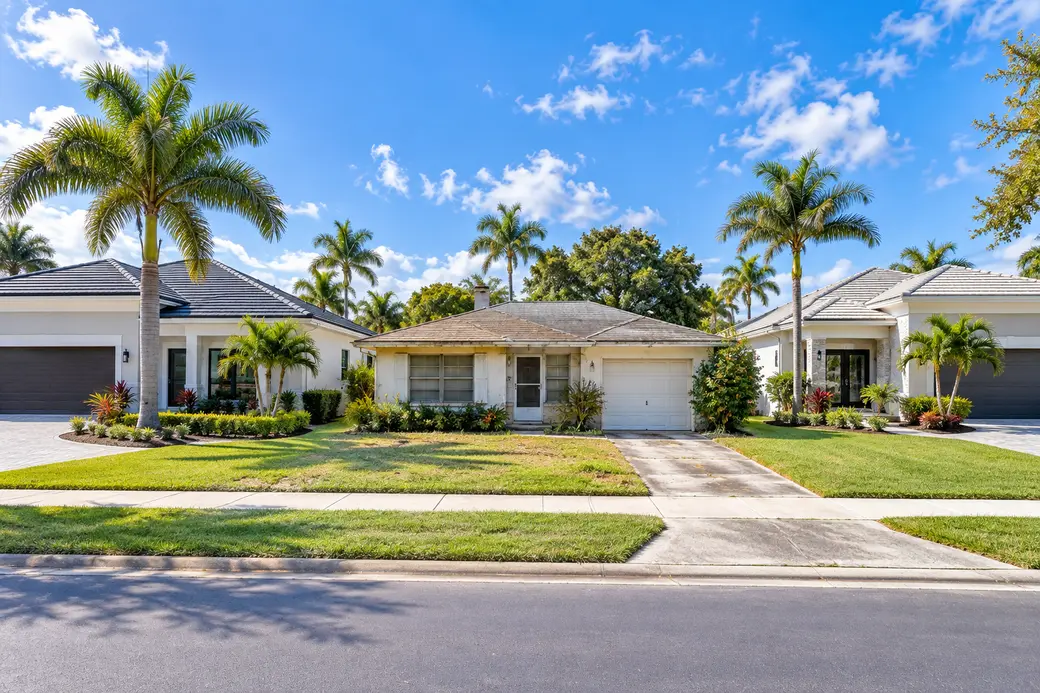
The cheapest home in a neighborhood can be a good purchase, but only when the price discount is greater than the property's disadvantages and realistic cost of correcting them. A dated kitchen or worn flooring may create manageable improvement opportunities. Structural problems, an aging roof, difficult insurance, an inferior lot or major unpermitted work can tell a very different story. Buyers should compare the home's purchase price, condition, renovation budget, insurance, financing and likely market position after improvements. The goal is not to buy the cheapest house. It is to determine whether that particular house offers compelling value relative to comparable properties.
The familiar advice to "buy the cheapest house in the best neighborhood" contains a useful idea, location matters. But it becomes risky when buyers assume that every inexpensive property has automatic upside. Sometimes the lowest-priced house is simply dated. Sometimes there is a substantial reason it costs less.
Quick Answers About Buying the Cheapest Home in the Neighborhood
Is buying the cheapest house in a good neighborhood always smart?
No. A low purchase price can create opportunity, but buyers need to understand why the property is cheaper. Condition, lot characteristics, location within the neighborhood, insurance considerations, functional layout and renovation needs can all contribute to the discount.
Can improving the cheapest house create equity?
It can, but there is no guarantee. The result depends on the purchase price, renovation costs, quality of improvements, comparable sales, market conditions and what future buyers are willing to pay. Spending $75,000 on renovations does not automatically increase market value by $75,000 or more.
What is the biggest mistake when buying the cheapest home?
Focusing on the price gap without calculating the all-in cost. Purchase price, closing costs, repairs, renovations, permits, financing, insurance, temporary housing and unexpected work can substantially narrow an apparent bargain.
Are cosmetic fixer-uppers less risky than major renovation projects?
They can be easier to budget, but every property needs individual evaluation. Paint, flooring and dated finishes are different from structural work, roof replacement, plumbing problems, electrical upgrades or substantial water damage.
Do more expensive neighboring homes increase the value of the cheapest home?
Nearby sales provide important market context, but they do not automatically establish the value of another property. Size, condition, lot, age, renovations, view, waterfront characteristics and other differences must be considered when comparing homes.
Should I renovate the cheapest house to match the most expensive house nearby?
Not automatically. Improvements should fit the property, buyer's goals and surrounding market. Expensive renovations can exceed what typical buyers in that location are willing to recognize in the resale price.
What should Florida buyers investigate before buying a fixer-upper?
Important areas can include the roof, HVAC, plumbing, electrical systems, windows and doors, moisture, drainage, permits, insurance and any pool or waterfront infrastructure. Appropriate inspections and specialist evaluations should be completed based on the property and contract.
Why Can the Cheapest House in a Neighborhood Be Attractive?
The basic appeal is straightforward. A buyer gains access to a location while paying less than buyers of many nearby homes.
That can be particularly interesting when the price difference comes from characteristics a buyer can realistically change. An outdated kitchen can be renovated. Old flooring can be replaced. Interior paint can be changed. Landscaping can be improved.
Meanwhile, the buyer may obtain neighborhood characteristics that are much harder to create through renovation, such as location, street network, nearby destinations, lot setting and proximity to employment, recreation or coastal amenities.
This is why a dated property in an established Sarasota neighborhood can sometimes be more compelling to a particular buyer than a fully renovated home in a location that does not fit that buyer's priorities.
The Important Question Is Why the Home Is the Cheapest
A price difference is information. Before treating it as an opportunity, understand what created it.
A home might be priced below nearby properties because it has:
- Dated kitchens and bathrooms
- Older flooring and finishes
- Deferred maintenance
- An older roof or HVAC system
- Plumbing or electrical concerns
- A smaller floor plan
- Fewer bedrooms or bathrooms
- An inferior lot or orientation
- Traffic or another external influence
- Flood or insurance considerations
- Unpermitted or poorly executed improvements
- Significant repair or renovation requirements
Some of those conditions can be corrected. Others cannot. Distinguishing between the two is central to evaluating the purchase.
Buy the Problems You Can Fix, Not Just the Lowest Price
A useful way to evaluate a lower-priced property is to separate changeable characteristics from permanent or difficult-to-change characteristics.
Characteristics that may be reasonably changeable
- Paint
- Flooring
- Cabinetry and countertops
- Fixtures
- Appliances
- Landscaping
- Some outdated interior finishes
Characteristics that may be difficult or impossible to change
- Lot location
- Lot size
- Traffic exposure
- Certain view limitations
- Neighborhood location
- Some flood or elevation characteristics
- Certain zoning or association restrictions
Even the "changeable" list needs qualification. Moving walls, adding square footage or substantially altering a structure may involve architects, engineers, contractors, permits and significant expense. Buyers should verify feasibility and cost before assuming a renovation will solve a property's shortcomings.
Comparable Sales Matter More Than the Neighborhood's Highest Price
Suppose a home is listed for $500,000 and another property several streets away recently sold for $800,000. That $300,000 difference does not mean the lower-priced home contains $300,000 of potential value.
The more expensive property might be larger, newer, extensively renovated, on a superior lot, have a pool or contain features the cheaper property cannot economically reproduce.
Fannie Mae's current appraisal guidance states that comparable sales should have similar physical and legal characteristics and that appraisers should account for factors affecting value, including site, room count, finished area, style and condition. External factors such as FEMA-designated flood zones can also matter.
That is a useful lesson even before an appraisal takes place. Buyers should compare like with like rather than using the neighborhood's most expensive sale as the assumed future value of a fixer-upper.
Hunt Brothers Realty's guide to what a Florida buyer's agent does explains how comparable sales, competing listings, property condition, market activity and listing history can provide context when evaluating an asking price.
Calculate the All-In Cost Before Calling It a Bargain
The purchase price is only the first number in a fixer-upper calculation. The more useful number is the estimated total cost of getting the property to the condition you actually want.
That calculation may include:
- Purchase price
- Closing costs
- Inspections and specialist evaluations
- Design or architectural work when necessary
- Permits
- Contractor labor and materials
- Renovation financing costs when applicable
- Insurance during and after renovation
- Temporary housing or storage when necessary
- A contingency for unforeseen work
- Post-renovation landscaping and maintenance
This is the same principle discussed in Hunt Brothers Realty's fixer-upper vs. move-in-ready home guide: the meaningful comparison is total cost, not simply asking price.
A Hypothetical Example Shows Why the Math Matters
Imagine two homes in the same general neighborhood. These numbers are hypothetical and are only intended to illustrate the comparison.
- Home A: $500,000 purchase price and approximately $125,000 of planned renovation work.
- Home B: $650,000 purchase price and substantially updated condition.
At first glance, Home A is $150,000 cheaper. After $125,000 of planned renovations, the difference is only $25,000 before accounting for permits, financing, unexpected repairs, temporary housing or other project expenses.
That does not make Home B automatically better. Home A may have the superior lot, floor plan or other characteristics, and the buyer may prefer choosing every finish. But the original $150,000 "discount" should not be confused with $150,000 of automatic equity.
Renovation Spending Does Not Equal Added Market Value
One of the most important concepts for buyers considering the cheapest house in a neighborhood is that renovation cost and market value are different measurements.
A buyer might spend heavily on premium cabinetry, imported tile, elaborate outdoor features or highly personalized finishes. Those improvements may provide substantial enjoyment, but the market does not promise to reimburse the owner dollar for dollar at resale.
The opposite can also happen. A relatively modest project that corrects obvious deferred maintenance or improves functionality may materially change how buyers perceive the property.
There is no guaranteed renovation return. Future market value depends on the property, quality of work, surrounding market, comparable sales and buyer demand at the time of resale.
Beware of Over-Improving the Cheapest Home
Buying below nearby prices can tempt owners to renovate until their home resembles the neighborhood's most expensive properties. That can be appropriate for personal enjoyment, but it deserves careful analysis when the objective is financial.
Suppose most comparable homes have moderately updated kitchens, while one exceptional sale has a major addition, custom finishes and extensive outdoor improvements. Designing the fixer-upper around that exceptional sale could produce a renovation budget that is difficult to support using typical comparable properties.
Before undertaking a major project for resale purposes, owners should research comparable properties and discuss the proposed scope with appropriate real estate, appraisal, construction, financial and tax professionals as applicable. No renovation strategy can guarantee a particular resale value or investment return.
Florida Fixer-Uppers Require Extra Attention to Major Systems
Florida buyers should be careful not to spend the entire renovation budget on visible improvements before understanding the condition of the home's major systems.
Important areas can include:
- Roof age and condition
- HVAC equipment
- Electrical systems
- Plumbing materials and condition
- Windows and exterior doors
- Moisture or water intrusion
- Drainage
- Pool and pool equipment when applicable
- Exterior deterioration
- Seawalls, docks and waterfront infrastructure when applicable
Hunt Brothers Realty's Florida home inspection red-flags guide provides additional context on roof, plumbing and electrical issues buyers may encounter.
Inspection findings should be evaluated with the appropriate licensed inspector, contractor, structural engineer or other qualified professional before a buyer makes a property-specific purchasing or renovation decision.
Do Not Let a Beautiful Renovation Budget Hide an Expensive Roof
Cosmetic renovations are easy to visualize. Major systems are easier to overlook.
A buyer may enter a dated home thinking about new flooring, cabinets and bathrooms, then discover that the roof, HVAC, electrical system or plumbing also needs significant attention. The project has now changed from cosmetic updating to a much larger rehabilitation.
Hunt Brothers Realty's guide to Florida inspection findings explains why buyers should consider expected repair costs, timing, insurance, financing and specialized evaluations when material problems are discovered.
Insurance Can Change the Fixer-Upper Calculation in Florida
A low purchase price does not necessarily produce a low ownership cost. Insurance is one reason Florida buyers should investigate the property itself before assuming a fixer-upper fits the budget.
Roof condition, electrical systems, plumbing, occupancy during substantial renovation and other property characteristics can be relevant to insurance underwriting. Requirements and pricing vary by insurer and property.
A plan to replace a component after closing does not necessarily mean the property will qualify beforehand for the insurance coverage, financing or terms the buyer expects.
Insurance availability, coverage, deductibles and premiums can vary substantially by property. Buyers should obtain property-specific quotes and review existing conditions and proposed renovations with a qualified insurance professional before making a purchasing decision.
Financing a Fixer-Upper Can Be Different From Financing a Finished Home
Buyers who need substantial renovations should discuss financing before assuming they can purchase the property with a conventional mortgage and fund all improvements later.
Property condition can affect financing, and renovation loan programs can have their own qualification, appraisal, contractor, documentation and disbursement requirements. Available programs and requirements vary by lender and borrower.
Buyers should discuss the exact property and renovation plan with a qualified mortgage lender before relying on a particular financing strategy.
Permit History Matters When a Cheap Home Has Already Been Modified
A low-priced home is not always an untouched original. Some have already been remodeled, enclosed, expanded or reconfigured.
Buyers should investigate whether material improvements were completed with required permits and whether available records align with the physical property. The appropriate inquiry depends on the home, work performed and local jurisdiction.
Questions about permits should be verified with the applicable local permitting authority and qualified contractors or other professionals. Legal questions involving additions, property rights, disclosures or contract obligations should be reviewed with a qualified Florida real estate attorney when individualized legal advice is needed.
Could the Cheapest House Have a Location Problem You Cannot Renovate Away?
This may be the most important question in the entire analysis.
A buyer can replace a kitchen. Moving a lot is not an option.
A house may trade below otherwise similar neighborhood properties because it backs to a busy road, has an unusual lot, experiences different traffic exposure, has limited outdoor space or possesses another location characteristic that some buyers value differently.
These factors do not necessarily make the property undesirable. A buyer may be perfectly comfortable with the tradeoff. The important point is that renovating the interior may not eliminate the reason the property historically sells at a discount relative to superior locations within the same neighborhood.
Does Buying Below the Neighborhood Price Range Protect You From a Market Decline?
No. Paying less than many neighbors paid does not guarantee protection from changing market conditions.
Real estate values can rise or fall, and individual properties can perform differently based on condition, supply, demand, financing conditions, insurance costs and local market factors. A lower entry price may improve the economics of a particular transaction, but it does not guarantee appreciation, resale profit or protection against loss.
For Sarasota buyers, Hunt Brothers Realty's Sarasota price guide emphasizes that location, condition, size and ownership costs can differ significantly even within the same general price range.
How Does the Current Market Affect the Strategy?
Market conditions affect how aggressively buyers can pursue lower-priced or renovation-oriented homes. More inventory can create additional choices, but desirable properties that are accurately priced can still attract competition.
Current 2026 Sarasota and Manatee County market guidance from Hunt Brothers Realty points to improved selection and more negotiation opportunities in portions of the Gulf Coast market, while emphasizing that the strongest properties can behave differently.
That means buyers should evaluate leverage property by property. A dated home that has been sitting on the market may create one negotiating environment. A correctly priced fixer-upper on a desirable lot with multiple interested buyers may create another.
What About Property Taxes After Buying the Cheapest House?
Buyers should not assume that purchasing below neighboring home prices means the seller's current Florida property-tax bill will become their long-term tax bill.
The seller may have exemptions or assessment limitations associated with their ownership. The buyer's future taxable value and exemptions depend on Florida property-tax rules and the buyer's circumstances.
Buyers should obtain a property-specific estimate from the applicable county property appraiser rather than budgeting solely from the seller's tax bill. Questions about individual tax consequences or eligibility for exemptions should be reviewed with a qualified tax professional.
When Can the Cheapest Home Be a Compelling Purchase?
A lower-priced home may deserve serious consideration when several factors line up:
- You strongly prefer the neighborhood or location
- The home's discount is understandable
- Most disadvantages are reasonably correctable
- The lot and fundamental layout work for your needs
- Comparable sales provide useful support for the purchase decision
- Qualified professionals have evaluated significant property-condition concerns
- Contractor estimates make the renovation budget realistic
- You have adequate cash reserves or appropriate financing
- Insurance is available on acceptable terms for your circumstances
- You are comfortable with the project timeline and disruption
In that situation, the buyer is not simply purchasing the cheapest home. The buyer is purchasing a particular combination of location, property and renovation opportunity after investigating the tradeoffs.
When Might the Cheapest Home Be a False Bargain?
Caution is especially appropriate when:
- The price difference is smaller than realistic repair and renovation costs
- Major defects have not been professionally evaluated
- The renovation budget has little room for unexpected work
- The property's discount is primarily caused by a permanent location disadvantage
- The buyer is assuming unusually high future appreciation
- The financial plan depends on receiving a specific dollar-for-dollar renovation return
- Financing has not been verified for the property's current condition
- Insurance has not been investigated
- There are unresolved permit, structural or title questions
A low price can compensate for many disadvantages, but only when buyers understand those disadvantages well enough to price them realistically.
A Practical Checklist Before Buying the Cheapest House on the Block
- Understand the discount. Identify the objective reasons the home costs less than nearby properties.
- Review comparable sales. Compare size, lot, condition, renovations and other relevant characteristics rather than simply looking at the neighborhood's highest sale.
- Investigate condition. Use appropriate inspections and specialist evaluations.
- Price the renovation. Obtain realistic estimates instead of relying on rough assumptions.
- Add a contingency. Renovation projects can reveal conditions that were not apparent before work began.
- Investigate permits. Verify past work and future project requirements with the appropriate local authority and qualified professionals.
- Check insurance early. Obtain property-specific information and quotes.
- Verify financing. Make sure the property's current condition and renovation plan fit the intended loan.
- Calculate the all-in cost. Compare the completed project with alternatives that are already renovated.
- Keep resale assumptions conservative. Do not make the purchase dependent on guaranteed appreciation or a predetermined renovation return.
The Cheapest Home Can Be an Opportunity, but Price Alone Is Not the Opportunity
There is a sound idea behind buying a less expensive home in a neighborhood you value. You may gain access to a location that otherwise costs more, and you may be able to improve a dated property over time.
But the opportunity comes from the relationship between price and the actual property, not from being the cheapest listing on the map.
A strong candidate has a price that appropriately reflects its condition, a location and lot worth owning, renovation needs that can be understood and budgeted, and an all-in cost that remains sensible when compared with appropriate alternatives. A weak candidate may stay expensive even after a large discount because the repairs, insurance, financing or permanent property disadvantages consume the apparent savings.
The better question is therefore not, "Is this the cheapest house in the neighborhood?" It is, "After I understand why it is cheaper and what it will realistically cost to own and improve, does this home still make sense for my goals?"
Compare Florida Homes With Hunt Brothers Realty
Hunt Brothers Realty can help Florida Gulf Coast buyers compare asking prices, recent sales, property condition, neighborhood characteristics and current competition when evaluating a potential purchase. Buyers considering a renovation property can also read the fixer-upper vs. move-in-ready guide, review Florida home inspection red flags, and explore Florida Gulf Coast communities.
Informational notice: This article provides general real estate and educational information and is not individualized investment, financial, tax, legal, lending, insurance, inspection, engineering, construction, appraisal or other professional advice. Property values, renovation costs, insurance, financing and future market conditions vary, and no purchase or improvement strategy guarantees appreciation, equity or a particular investment return. Buyers should investigate the specific property and obtain appropriate guidance from qualified real estate, lending, insurance, tax, legal, appraisal, inspection, engineering, contracting and permitting professionals before making decisions that depend on individualized analysis.
Sources
- Fannie Mae, Comparable Sales
- Fannie Mae, Neighborhood Section of the Appraisal Report
- Hunt Brothers Realty, Fixer-Upper vs. Move-In-Ready Home
- Hunt Brothers Realty, What Does a Florida Buyer's Agent Actually Do?
- Hunt Brothers Realty, What Happens If a Home Inspection Finds Problems in Florida?
- Hunt Brothers Realty, Florida Home Inspection Red Flags
- Hunt Brothers Realty, What Does $500K, $1M, or $2M Buy You in Sarasota?
- Hunt Brothers Realty, Early 2026 Sarasota & Manatee County Housing Trends
Contact Hunt Brothers Realty
Hunt Brothers Realty
46 N. Washington Blvd, Ste 3
Sarasota, FL 34236
Phone: (941) 388-7017
Email: info@huntbrothersrealty.com
Website: HuntBrothersRealty.com
Categories
- All Blogs 1406
- Anna Maria Island 66
- Bird Key 3
- Bradenton 44
- Buying a Home 562
- Casey Key 2
- Clearwater 5
- Condos & HOA Living 472
- Ellenton 4
- Englewood 5
- First Time Homebuyers 634
- Foreclosures 3
- Homeownership 610
- Lakewood Ranch 15
- Lido Key 24
- Longboat Key 65
- Luxury/Waterfront Properties 548
- Market Updates & Trends 276
- Mortgages & Financing 27
- Move-Up Buyers 20
- Neighborhood Guides 416
- New Construction 21
- Palmetto 2
- Parrish 4
- Port Charlotte 7
- Punta Gorda 11
- Real Estate Investing 481
- Relocation to Florida 532
- Safety Harbor 2
- Sarasota - Downtown 110
- Selling a Home 134
- Siesta Key 87
- St. Petersburg 3
- Tierra Verde 3
- Vacation & Second Homes 665
- Venice 20
- Wellen Park 7
Recent Posts